Ranikhet: Where the Kumaon Hills Keep Their Best Secrets

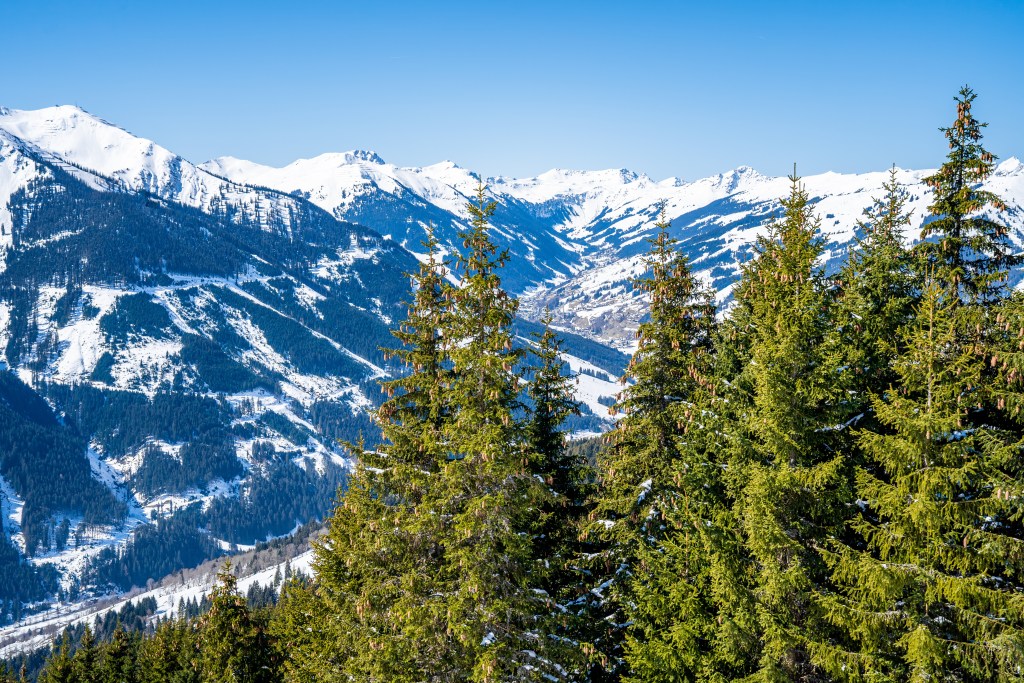
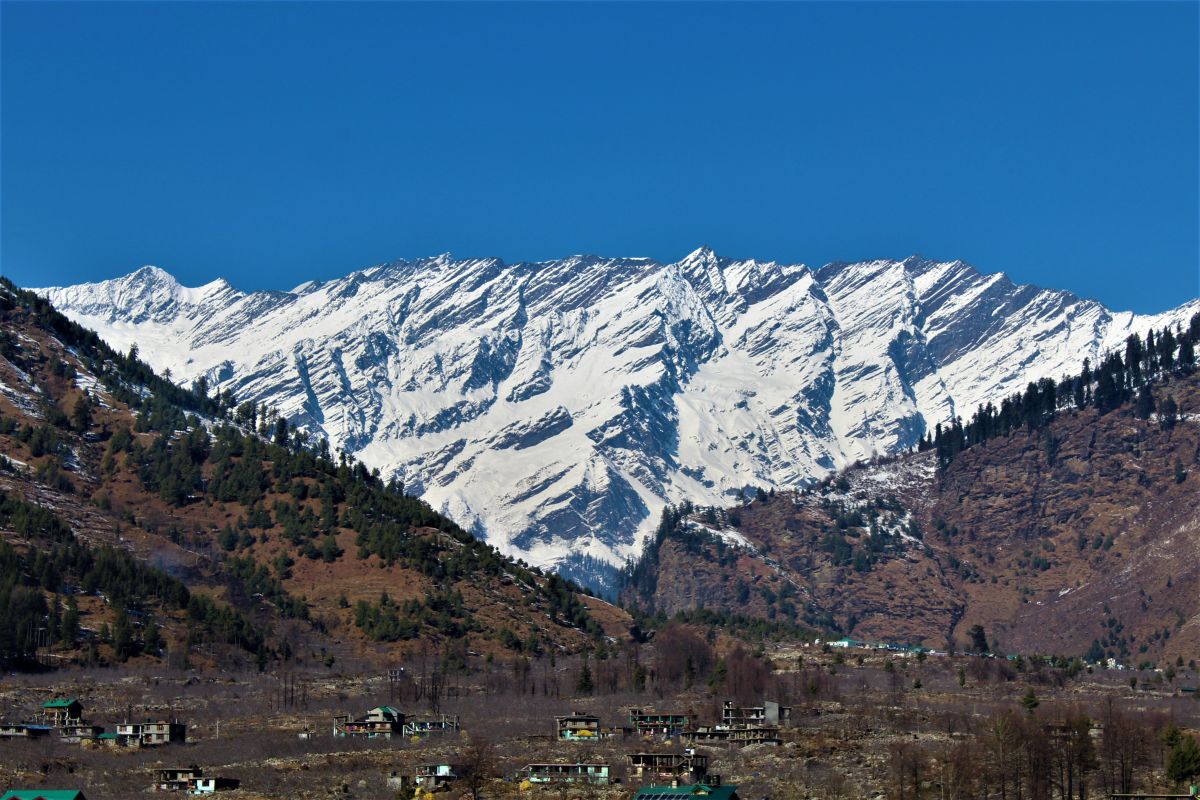
Panoramic view of snow-capped Himalayan peaks from Ranikhet hill station in Uttarakhand, with pine forest in the foreground

Nainital performs. Mussoorie performs. Ranikhet simply exists at 1,829 metres, pine-quiet and unhurried, and lets the Himalayan range do the talking.

Set in the Almora district of Uttarakhand’s Kumaon division, Ranikhet is a cantonment town that has always belonged more to the Indian Army than to the tourist trail. Its pine forests run unbroken into its deodar groves. Its golf course was laid out in 1920 and still rolls against a backdrop of the Nanda Devi massif. Its bazaar sells woollen shawls and rhododendron squash, not refrigerator magnets. On most mornings, the loudest sound is a barking deer moving through the trees.

The name itself is a promise. Ranikhet means Queen’s Meadow, and legend holds that Queen Padmini of Kumaon was so enchanted by this landscape that her husband, King Sudhardev, had a palace built here simply to keep her near it. The palace is long gone. The enchantment, evidently, persisted.

For those who have run out of patience with overcrowded hill stations, Ranikhet is not a compromise. It is the correction.

Table of Content:

How to Reach Ranikhet

The nearest railway station is Kathgodam, approximately 80 km from Ranikhet, and well connected to Delhi, Lucknow, and other major cities. From Kathgodam, taxis and shared jeeps make the climb through Bhowali and Khairna on roads that are in good condition for most of the year. Pantnagar Airport lies about 110 km away and operates daily flights from Delhi, making a fly-drive arrival entirely feasible.

From Delhi by road, the distance is roughly 350 km via the NH9 and NH109 route through Haldwani and Bhowali, a journey of around seven to eight hours. Most travellers find the drive rewarding, particularly the last hour as the altitude rises and the temperature begins to drop.

Ranikhet has direct bus connections to Nainital (60 km), Almora (50 km), and Ramnagar (96 km), making it a natural base for wider Kumaon explorations.

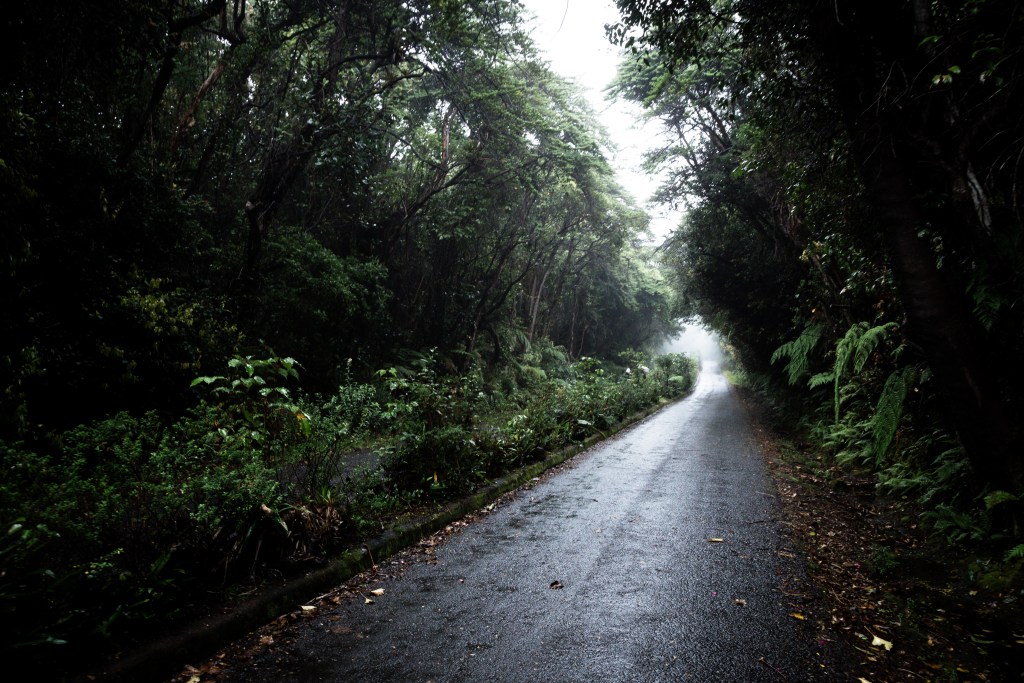
cenic mountain road through pine forests on the way to Ranikhet in Uttarakhand's Kumaon hills

The Best Time to Visit Ranikhet

Ranikhet holds something back for every season. But seasons are not created equal here.

Summer (April to June) is when Ranikhet earns its broadest audience. Temperatures hover between 10 and 27 degrees Celsius, the forest paths are open, the orchards at Chaubatia are heavy with colour, and the contrast with the plains below feels almost theatrical.

Monsoon (July to August) transforms the hills into something impossibly green. The deodar slopes take on a depth of colour that no summer light produces. Experienced travellers know to love this season for what it offers, while keeping an eye on road conditions on certain routes.

Autumn (September to November) is the season the discerning traveller tends to know about. The skies clear after the rains, the Himalayan range emerges in full definition, and views from Chaubatia in October, with Nanda Devi and Trishul carrying the first dusting of seasonal snow, are genuinely difficult to beat.

Winter (December to February) brings sub-zero nights and occasional snowfall. For those who come prepared, a Ranikhet winter means fireplace evenings, empty trails, and the hill station at its most private.

Places to Visit in Ranikhet

Ranikhet does not offer a theme park. What it offers is a series of unhurried encounters with landscape, history, and the particular quality of light that you only find at altitude. These are the places that repay the journey.

Chaubatia Gardens and Bhalu Dam

Six kilometres from the town centre, the government orchards at Chaubatia spread across 600 acres of hillside. Apple, apricot, peach, plum, and walnut grow in overlapping rows, and the views from the upper reaches take in Nanda Devi, Trishul, and Nilkanth in a single sweep. Come in spring for the blossoms; come in summer for the fruit. A further three kilometres along an easy forest trail brings you to Bhalu Dam, an artificial reservoir ringed by dense trees and frequented by birdwatchers and picnickers.

Jhula Devi Temple

Built in the eighth century and dedicated to Goddess Durga, Jhula Devi Temple is most immediately recognisable for its bells, thousands of them, brass and bronze, hung by devotees whose wishes the goddess has been said to grant. The sound the wind makes through all of this metal is unlike anything a hill station is supposed to produce. Approximately two kilometres from Ranikhet’s main bazaar.

Upat Golf Course

The nine-hole Upat Golf Course, established around 1920, is one of the highest golf courses in Asia and maintained by the Indian Army. The fairways roll through chhir pine forest, and on a clear morning the Himalayan range is visible from almost every hole. The course is open to civilians at an affordable fee. Five kilometres from town on the Almora road.

Majkhali and the Night Sky

Ten kilometres from Ranikhet town, the village of Majkhali sits at an elevation well above the light pollution of the settlements below. On clear nights in autumn and winter, the sky above Majkhali is the kind of sky that reminds you what the sky actually looks like. It is widely considered the best stargazing location in the Ranikhet belt.

Kumaon Regimental Centre Museum

The KRC Museum’s collection of photographs, weapons, uniforms, and medals tells the story of the Kumaon Regiment with precision. A section is dedicated to Field Marshal Sam Manekshaw, who served with the Kumaonis before becoming the only officer in Indian military history to hold the rank of Field Marshal. A small admission fee, and a couple of hours of your attention. Both are well spent.

Day Trips: Dwarahat Temples and Binsar Wildlife Sanctuary

Dwarahat, approximately 33 km south, is an ancient temple town containing a cluster of 55 temples from the 10th to 12th centuries. Binsar Wildlife Sanctuary, 30 km to the north-east, is a 47-square-kilometre forest reserve sheltering leopard, barking deer, red fox, and over 200 bird species. The sanctuary’s Zero Point viewpoint offers a panorama of over 300 km of the Himalayan range on a clear day.

Things to Do in Ranikhet

Ranikhet rewards a certain pace. The things it offers are not spectacular in the engineered sense; they become spectacular over two or three days when the urgency of the city has finally left your body.

Walking and forest trails are the primary activity. The paths between Chaubatia and Bhalu Dam, the lanes around the golf course, the road that winds down from Majkhali at dusk: each is a complete experience. Bring good shoes and no particular schedule.

Trekking is available at several grades. The trail to the Haidakhan Temple at Chiliyanaula, 4.5 km from the bus stand, is accessible to most fitness levels and passes through dense woodland. More ambitious trekkers use Ranikhet as a staging point for longer routes into the Kumaon interior.

Birding in Ranikhet is quietly excellent. The forests around Majkhali and Chaubatia support Himalayan woodpeckers, minivets, laughingthrushes, and various raptors. During migration season the list extends considerably.

Local market and shopping. The Sadar Bazaar is where to buy Kumaoni woollens, local honey, rhododendron squash, and handwoven fabrics. The quality is genuine and the transaction is direct.

Ranikhet does not perform for you. It simply exists, at altitude, in full possession of itself, and waits for you to adjust your expectations downward and your attention upward.

Where to Stay in Ranikhet: Private Villas Worth Knowing About

A private villa in Ranikhet means a caretaker who knows your name before you arrive, a cook who sources from local markets and produces pahadi dishes that no restaurant menu has ever listed, and mornings that you do not share with strangers. SaffronStays manages a portfolio of private homes across the Ranikhet-Kumaon belt, ranging from architecturally ambitious eco-retreats to classic multi-bedroom estates.

THE CELESTE COLLECTION  |  Sky, Water, Earth

The Celeste properties are SaffronStays’ most architecturally distinctive homes in the Kumaon hills. Each is built around a different element of the natural world and speaks a completely different architectural language. The question is not which is better. It is which element you want to wake up inside.

Glasshouse Celeste, Bhatrojkhan | Element: Sky

Glasshouse Celeste luxury glass villa in Ranikhet with floor-to-ceiling windows and 360-degree Himalayan views, winner of India's Favourite Villa at MakeMyTrip Awards

Built around the concept of a glass pavilion and designed by IDIEQ, an architecture practice rooted in Uttarakhand, the villa sits at 4,500 feet in Bhatrojkhan, midway between Corbett and Ranikhet, and delivers a panorama of the Kumaon valleys that is, by any honest assessment, disorienting in the best sense. The floor-to-ceiling glass walls make no distinction between indoors and the mountain sky. The room on the left of the living area faces the sunrise; the two on the right are built for the sunset. The marble bathtubs have radiant skylights above them, so that an evening soak doubles as stargazing.

Chef Prem’s pahadi kitchen has been singled out in review after review for the kind of home cooking that makes resort food feel dishonest by comparison. Solar-powered. Rainwater harvesting. Steam room, outdoor fireplace, hammock, pool table. Pet-friendly. The property runs entirely on its own resources, which is the right way to build something in these hills.

Glasshouse Celeste has been featured in Architectural Digest and won India’s Favourite Villa at the MakeMyTrip Awards, a recognition earned through consistent guest experience rather than marketing. It accommodates up to nine guests across three bedrooms and is one of the few properties in the region where the photograph genuinely undersells the reality.

Aquadome Celeste, Ramnagar | Element: Water

Where Glasshouse Celeste reaches for the sky, Aquadome Celeste settles beside water. Set along the Ramganga River in the Kumaon foothills near Ramnagar, this property takes the geodesic dome as its architectural form: three domes, each self-contained, surrounded by forest, positioned so that the river is not a backdrop but an active part of the experience.

A seven-to-ten minute trek from the property brings you to the Ramganga’s edge. Jim Corbett National Park is roughly two hours away by road, making Aquadome the right choice for travellers who want the hills and the wildlife corridor in the same itinerary. Positioned as a digital detox retreat: eco-conscious in its design, minimalist in its interior, and generous with what it places outside the windows.

Luna Celeste, Ranikhet | Element: Earth

 Luna Celeste pod villa set in the forests of Ranikhet with sweeping valley views and evening bonfire, part of the SaffronStays Celeste Collection

The most earthbound of the three. Luna Celeste is a pod-style villa set within the forests of the Ranikhet-Almora belt, close to the Kasar Devi Temple and within easy reach of the Binsar Wildlife Sanctuary. Three fully independent pods within a forested estate: each private, each with its own valley views, each far enough from the others that a group of three couples can share the property and still feel as though they have the hillside to themselves.

Bonfires and barbecues are a natural part of evenings here, given the forest setting and the open sky above. A recently renovated addition to the collection, it carries a 4.8 rating across 82 stays. Luna Celeste accommodates up to nine guests across its three pods.

THREE MORE STAYS WORTH KNOWING

Edelweiss Estate, Dadgaliya | For Families and Large Groups

Set in Village Dadgaliya on the Dwarahat-Ranikhet road, Edelweiss Estate sits within fifteen minutes’ walk of the Upat Golf Course and close to Chaubatia Gardens. Available as Amore (one room), Bluebell House (three bedrooms), or Primrose House (three bedrooms), with the option to take the entire estate as a nine-room private takeover for larger gatherings. Views of Nanda Devi and Trishul from all rooms. Chef Surendra’s cooking and caretaker Bhupendra’s hospitality appear by name in enough guest reviews to constitute a character reference.

Brookside Estate, Majkhali | For Stargazers and Larger Parties

Majkhali is one of the finest stargazing locations in Uttarakhand: low light pollution, open ridgelines, and the kind of clear autumn and winter skies that make the Milky Way visible without optical equipment. Brookside Estate sits within this village: a four-bedroom property sleeping up to ten, rated 4.8 across its reviews. For groups who want to combine Ranikhet’s landscape with genuinely dark-sky evenings, Brookside is the most logical base in the region.

The Entire Edelweiss Estate | For the Big Occasion

When the occasion is a milestone birthday, a family reunion, or a group large enough to require nine bedrooms and still want the property entirely to themselves. The lawn is large enough for outdoor celebrations. The kitchen team scales accordingly. The views of the Himalayan range do not become less dramatic the more people there are to see them.

Planning Your Ranikhet Trip: Practical Notes

Quick notes for Ranikhet travellers

Pack for two seasons simultaneously.
Even in summer, Ranikhet evenings drop sharply once the sun leaves the ridgeline. A fleece or light down jacket is non-negotiable beyond April.

Eat local wherever possible.
Bhatt ki Churkani (black soybean dal), Gahat Soup (horse gram), Kafuli (spinach), and Bal Mithai (a Kumaoni sugar-coated fudge) are things you should seek rather than default to the pan-Indian menu.

Road conditions.
The main roads via Haldwani and Bhowali are reliable year-round. Certain access roads can be affected during peak monsoon (July to mid-August). Your villa host will always be the most reliable source of current road information.

Allow more time than you think you need.
Ranikhet has a habit of making the days feel useful even when nothing scheduled has been accomplished. The best itinerary here is the one with the most empty space in it.
Sunset valley view from Ranikhet in Kumaon, Uttarakhand, layered hills and evening light over the Himalayan foothills

A Last Word

Queen Padmini was apparently not wrong. Ranikhet does not need to be discovered; it is not lost. But it is easy to overlook, which amounts to the same thing.

The Kumaon hills have always rewarded the traveller who asks less of a destination and is willing to receive more from it. Ranikhet, more than most places in the range, is built for exactly that exchange.

Find Your Stay in Ranikhet Browse the Celeste Collection, Edelweiss Estate, Brookside Estate, and 30+ private villas across Ranikhet and the Kumaon hills. Your caretaker, your kitchen, your Himalayan morning.

FAQ: Ranikhet Travel Guide

PUBLISHING NOTE These 8 Q&As appear in the visible body of the post. The schema code below goes into the WordPress Custom HTML block or RankMath Schema tab only. Never paste schema into the post body. Answers here must match the schema exactly. Do not change one without changing the other.

Is Ranikhet worth visiting?

Yes, for the right kind of traveller. Ranikhet is a cantonment hill station in Uttarakhand that has remained uncommercialized compared to Nainital or Mussoorie. It offers unobstructed Himalayan views, 600 acres of orchards at Chaubatia, one of Asia’s highest golf courses, and genuine quiet. For families seeking a private villa stay with caretaker hospitality and home-cooked pahadi food, it is one of the most satisfying hill station destinations in North India.

What is the best time to visit Ranikhet?

April to June (summer) and September to November (autumn) are the best times to visit Ranikhet. Summer offers temperatures between 10 and 27 degrees Celsius, ideal for sightseeing and outdoor activities. Autumn brings crystal-clear skies with dramatic Himalayan views after the monsoon. Winter (December to February) sees sub-zero nights and occasional snowfall, suited to travellers who enjoy a snow experience.

How do I reach Ranikhet from Delhi?

From Delhi, Ranikhet is approximately 350 km by road, a 7 to 8 hour drive via NH9 and NH109 through Haldwani and Bhowali. The nearest railway station is Kathgodam (80 km), well connected to Delhi and other major cities. The nearest airport is Pantnagar (110 km), with daily flights from Delhi. From both Kathgodam and Pantnagar, taxis and shared jeeps are readily available.

What are the best places to visit in Ranikhet?

The top places to visit in Ranikhet include Chaubatia Gardens (600-acre orchard with Himalayan views), Jhula Devi Temple (8th-century temple famous for its bells), Upat Golf Course (one of Asia’s highest golf courses), Majkhali (best stargazing in Uttarakhand), the Kumaon Regimental Centre Museum, Bhalu Dam, and day trips to Dwarahat Temples and Binsar Wildlife Sanctuary.

What is the Glasshouse Celeste in Ranikhet?

Glasshouse Celeste is a luxury 3-bedroom glass villa in Ranikhet managed by SaffronStays. Built around a glass pavilion architecture by IDIEQ architects, it sits at 4,500 feet and offers 360-degree panoramic Himalayan views. Solar-powered with rainwater harvesting, it features marble bathtubs with star-lit skylights, a telescope, outdoor fireplace, and sauna. Featured in Architectural Digest and winner of India’s Favourite Villa at the MakeMyTrip Awards.

What is the Celeste Collection by SaffronStays?

The Celeste Collection is three architecturally distinct properties by SaffronStays in the Kumaon hills, each themed around a natural element. Glasshouse Celeste (sky) is a glass villa with 360-degree views near Ranikhet. Aquadome Celeste (water) features geodesic domes along the Ramganga River near Ramnagar. Luna Celeste (earth) is a 3-pod forest villa near Ranikhet offering valley views and bonfire evenings.

Is Ranikhet good for a weekend trip from Delhi?

Yes. At roughly 350 km, a Friday night departure allows arrival by early Saturday morning. Two nights covers Chaubatia Gardens, Jhula Devi Temple, the golf course, and Majkhali. Three nights is recommended for a relaxed pace with day trips to Binsar or Dwarahat.

What makes Ranikhet different from Nainital or Mussoorie?

Unlike Nainital and Mussoorie, Ranikhet is a cantonment hill station that has remained uncommercialized. It offers pine and deodar forests, one of Asia’s highest golf courses, the 600-acre Chaubatia Gardens, and dramatic Himalayan views without the crowds, traffic, or noise. Private villa stays make for a considerably more private experience than the hotel-heavy alternatives.

The Kerala Most Travellers Never See (Monsoon 2026 Villa Guide)

Kerala backwaters in the monsoon, Alleppey, with rain falling on the water and lush green palms on the banks in June

The sky over the Alleppey backwaters is the colour of pewter. The water in the canals reflects it perfectly. Rain falls in fine curtains that drift across the lagoons. The banks are so green they barely look real. And there is almost nobody else here.

This is what Kerala looks like when most of India has decided not to come.

Every year, travellers look at the June forecast, see rain, and pivot to the hills. Manali fills up. Shimla overflows. And Kerala, sitting at the other end of the country with its backwaters and its tea estates and its ancient Ayurveda retreats, gets quietly to itself.

Which is, of course, precisely the point.

The monsoon does not diminish Kerala. It reveals it. The tea estates in Munnar turn a green so saturated it looks painted. Waterfalls that were dry rock faces in March are now roaring. The Ayurveda retreats along the coast are at their most effective, because Ayurvedic physicians have recommended the humid monsoon air as the optimal season for deep treatments for centuries. And villa rates, flights, and resort prices across the state drop by 40 to 50 per cent the moment the rains arrive.

The version of Kerala that most visitors see is the polished, peak-season one. The monsoon version is the real one.

Table of Content:

A Landscape Built for Rain

Kerala is not a destination that merely tolerates the monsoon. It is a place that was designed for it.

The landscape here has been shaped by centuries of heavy annual rain. The backwater canal system exists because of it. The spice plantations, the paddy fields, the waterfall-threaded Western Ghats, and the entire tradition of Ayurveda all grew around the rhythm of a landscape that floods and drains and floods again every year without complaint. When the rains arrive, Kerala does not shut down. It opens up.

In 2026, the southwest monsoon reached Kerala on 24 May, the earliest arrival since 2009. By the time most travellers are reading this, the transformation is already complete: waterfalls at full volume, tea gardens gleaming, paddy fields flooded. The seasonal forecast is 92 per cent of the Long Period Average, which means a full, well-established monsoon without the exceptional flooding of unusual rainfall years. For a visitor, this is close to the ideal window.

Alleppey: The Backwaters Without the Tourists

If you have ever seen a photograph of the Kerala backwaters, it was probably taken in December or January. Blue sky, white clouds, a houseboat drifting between coconut palms. Beautiful, certainly. But it is the tourist version.

The backwaters in the monsoon are something else entirely. At night, with the rain on the roof and the water all around, the canals are as quiet as anywhere in India. The kind of quiet that a place surrounded by other tourists in high season simply cannot offer.

Rain falling on the Alleppey backwater canals in June with coconut palms reflected in the still water, Kerala

The practical question people ask about Alleppey in June is whether the houseboat experience is still good. The honest answer is yes, with some adjustments. Cooking on board continues. Canal cruises operate normally. The difference is that you spend more time on the covered deck watching the rain and less time sitting out in direct sun, which, to most people who have visited the backwaters in February and returned dehydrated and sunburned, turns out to be a significant improvement.

A private villa stay on the backwaters in June gives you something a houseboat cannot: a fixed point with a garden, a kitchen producing fresh Kerala meals, and the ability to wake up to the sound of rain on water without the slight motion sickness that some guests experience on houseboats during heavier rain.

Ayurveda: Why the Monsoon Is the Only Season That Matters

This is not a marketing angle. It is traditional medicine.

Kerala Ayurveda practitioners have recommended the monsoon months, specifically June through August, as the optimal window for Panchakarma and deep detoxification treatments for centuries. The reasoning is physiological: the humid air opens the pores, makes the skin more receptive to oil-based therapies, and the cooler temperatures reduce the body’s stress responses, allowing treatments to penetrate more effectively.

Kerala Tourism’s official programme actively promotes June to August as the peak Ayurveda season. Serious practitioners plan around it. The best clinics and retreat centres are busiest, not quietest, during these months.

Most visitors think of Ayurveda as a nice add-on to a Kerala trip. In June, it is the reason to come.

For a SaffronStays guest, this means that the private villa stays near the backwaters and hill estates are close to some of Kerala’s finest Ayurvedic centres. Treatments can be arranged on-site at several properties, including the WellBeingVilla in Wayanad, which is built specifically around Ayurvedic wellness in a five-bedroom ancestral home amid plantations.

Wayanad: When the Hills Finally Breathe

Wayanad in the monsoon is a different world from Wayanad in December.

The Vythiri forests turn dense and dark. Waterfalls that were dry tracks of rock in March are now roaring cascades. The tea estates around Kalpetta and Lakkidi glow in a way that photographers specifically travel for. Mornings begin in mist so thick you can barely see the valley below.

Misty tea estates and waterfall in Wayanad, Kerala, during the June monsoon with the Western Ghats in the background
Important: Wayanad travel advisory for June 2026 The Chooralmala and Mundakkai areas in Meppadi panchayat (Vythiri taluk) remain restricted following the July 2024 landslides. These areas are not accessible to tourists. Check Kerala State Disaster Management Authority advisories before travel, particularly for any hill-station treks in the Vythiri area. The rest of Wayanad, including Kalpetta, the tea estates, Edakkal Caves, Soochipara Falls, and Pookode Lake, is open and welcoming visitors.

With that caveat clearly stated: Wayanad in June is genuinely magnificent for travellers who plan thoughtfully. The Cholamala waterfall, which gives its name to the SaffronStays six-bedroom waterfront pool villa on the hill, is at full volume. The private natural pond on the 12-acre property, fed by a stream, is full. The forests surrounding the estate are alive in a way that simply does not exist in the dry season.

Wayanad rewards travellers who want to be inside the landscape rather than photographing it from a viewpoint. In June, there is no better way to do that than from a private villa with a garden that has been waiting all year for the rain.

The Numbers That Make This an Easy Decision

Beyond the atmosphere and the Ayurveda, there is a straightforward financial argument for Kerala in June.

Flights to Kochi (COK), Trivandrum (TRV), and Calicut (CCJ) from Delhi, Mumbai, and Bangalore are 40 to 50 per cent cheaper in June than in December and January. Five-star resorts that charge Rs 15,000 or more per night in peak winter are available for Rs 4,000 to Rs 7,000 in June. SaffronStays villas across Alleppey and Wayanad reflect a similar pattern, with meaningfully better rates than the winter peak for the same properties.

The same private villa on the Alleppey backwaters that costs Rs 18,000 a night in December might cost Rs 11,000 in June. The backwaters look better in the rain. You do the maths.

This makes June particularly compelling for groups. A family of eight or ten sharing a private villa with a caretaker, backwater views, and in-villa Kerala meals gets a genuinely luxurious experience at a price that would have been impossible in peak season.

What You Are Walking Into: The Honest Version

There is no value in pretending the monsoon is entirely without inconvenience. It is worth being specific about what to expect so you can plan accordingly.

  • Rain is persistent, not constant. Most days have dry windows in the morning and heavier rain in the afternoon and evening. Plan outdoor activities for mornings.
  • Sea swimming is not advised. Tides are rough and beaches carry red flag advisories through most of June. The backwaters, lakes, and hill estates are the right focus.
  • Some treks and outdoor activities close temporarily during heavy rain. Rafting on certain rivers does not reopen until July. Build flexibility into your itinerary.
  • Leeches appear in forested and damp areas. Wear high socks and closed shoes for any plantation or forest walk. They are harmless but worth knowing about.
  • Power cuts can happen during heavy rain in more remote areas. Private villa caretakers typically have generators or inverters. Worth confirming at booking.
  • Roads in hill areas can be slower after heavy rain. Check the Kerala State Disaster Management Authority website before driving into highland zones.
The travellers who love Kerala in June are those who come for the rain, not despite it. If your trip is built around the backwaters, plantation stays, Ayurveda, and the atmosphere of a landscape fully alive, June rewards you. If it is built around beach days, boat rides on open sea, or a checklist of viewpoints, wait until October.
Getting There

Kerala has three major airports: Kochi (COK), Trivandrum (TRV), and Calicut (CCJ). For Alleppey and the backwaters, Kochi is the closest at roughly 80 kilometres or two hours by road. For Wayanad, Calicut is the more practical option at around 75 kilometres from most estate stays.

By train, the Rajdhani and express services from Mumbai and Delhi reach Ernakulam (Kochi) and Shoranur well. Trains are comfortable, scenic through the Ghats, and weather-independent, which makes them a solid choice over flying during heavy rain periods.

By road from Bangalore, Wayanad is around 280 kilometres, typically five to six hours. The drive through the Ghats is spectacular in the monsoon, with cloud cover rolling through the passes, though it requires careful driving and checking road conditions before departure.

The Right Kind of Stay Changes Everything

There is a version of a Kerala trip that involves a large resort, a shared dining hall, a pool that nobody uses because it is raining, and the general feeling of being in a building rather than in Kerala. Most chain hotels in the state, however pleasant, put a layer of hospitality infrastructure between you and the landscape.

A private villa removes that layer entirely.

On the backwaters, waking up in a SaffronStays heritage homestay in Alleppey means stepping onto a garden that touches the water. Your caretaker has already made the filter coffee. The rain is doing something interesting to the surface of the canal. There is nowhere you have to be. Breakfast can wait. The Kerala morning is doing its best work right now, and you are inside it.

In Wayanad, a private villa set in a tea estate or against a forest means the monsoon is not something happening outside your window. It is the entire environment: the smell of it, the sound of it, the way it changes the light every twenty minutes. A hotel room cannot give you that. A private estate can.

Private villa garden on the Alleppey backwaters in the Kerala monsoon with rain on the water and coconut palms

FAQ: Kerala in Monsoon

PUBLISHING NOTE These 6 Q&As appear in the visible body of the post. The schema code below goes into the WordPress Custom HTML block or RankMath Schema tab only. Never paste schema into the post body.

Is Kerala worth visiting in June?

Yes, for the right kind of traveller. June is Kerala’s monsoon peak: the landscapes are at their most vivid, Ayurveda retreats are at their most effective, prices are 40 to 50 per cent lower than peak winter, and the state is wonderfully uncrowded. The trade-off is persistent rain, rough sea conditions, and the need for flexibility in outdoor plans. Travellers who come for the backwaters, plantation stays, and Ayurveda find June transformative. Travellers who come for beach holidays are better off waiting until October.

When does the Kerala monsoon start in 2026?

The 2026 southwest monsoon made landfall over Kerala on 24 May, the earliest onset since 2009. By June 4, the monsoon is fully established across the state. Wayanad and Munnar received their first heavy rain within 48 hours of onset. Seasonal rainfall is forecast at 92 per cent of the Long Period Average, classified as normal.

Is Alleppey good to visit in June?

Yes. The backwaters are at their most atmospheric in June: rain-speckled, quiet, and impossibly green. Houseboat and canal cruise operations continue normally. Sea swimming is not advisable due to rough monsoon tides, but the backwater experience has nothing to do with the sea. A private villa stay on the backwaters in June is one of the most distinctive travel experiences in South India.

Is Wayanad safe to visit in June 2026?

Most of Wayanad is open and welcoming visitors. The Chooralmala and Mundakkai areas in Meppadi panchayat remain restricted following the July 2024 landslides. Before any hill-area trekking, check the Kerala State Disaster Management Authority advisories. The tea estates, Edakkal Caves, Soochipara Falls, Pookode Lake, and most estate stays are unaffected and accessible.

What is Ayurveda season in Kerala?

June to August is the traditional Karkidakam or Ayurveda season in Kerala. The monsoon humidity opens the pores and makes the body more receptive to oil-based Panchakarma therapies. Kerala Tourism and Ayurvedic physicians have promoted this period as the optimal window for deep treatments for decades. The best Ayurveda clinics and retreat centres in the state are at their most active during these months.

How much cheaper is Kerala in June vs December?

Flights to Kochi, Trivandrum, and Calicut are typically 40 to 50 per cent cheaper in June than in December and January. Five-star resorts that charge Rs 15,000 or more per night in peak winter are available for Rs 4,000 to Rs 7,000 in June. SaffronStays villa rates reflect a similar pattern, with significantly better rates for the same properties in the monsoon months compared to peak season.

Escaping the Nilgiri Summer Rush: Why Private Estates in Coonoor and Kodaikanal Beat Crowded Hill Resorts

By June, India’s summer migration begins.

Families from Bengaluru, Chennai, Hyderabad, and Coimbatore start looking for cooler weather, misty mornings, and a break from cities that have spent months baking under the sun. Naturally, the Nilgiris rise to the top of the list. Ooty, Coonoor, Kotagiri, and Kodaikanal see a surge of visitors chasing pleasant temperatures and mountain air.

But here is the irony.

The very reason people head to the hills in June often gets lost in the crowds. Long traffic queues, packed viewpoints, bustling hotel lobbies, and overcrowded dining halls can make a hill holiday feel surprisingly hectic.

The travellers who return home feeling truly refreshed are often the ones who make a different choice. Instead of booking a room in a busy resort, they choose a private estate, heritage bungalow, or plantation home that offers space, privacy, and a slower pace of life.

If you are planning a Nilgiri escape this June, here is why private estates in Coonoor and Kodaikanal may be the smartest decision you make.

Table Contents:

Why June Is Peak Season in the Nilgiris

There is a reason the Nilgiris become one of South India’s most sought-after destinations in summer.

While temperatures in many cities hover above 35 degrees Celsius, the hills remain pleasantly cool. The landscapes are lush, mornings arrive wrapped in mist, and afternoons are ideal for long walks, tea sessions, and scenic drives.

Families travelling during school vacations, professionals seeking a mid-year reset, and groups looking for a long-weekend getaway all converge on the region around the same time. Popular hubs such as Ooty town, Ooty Lake, Doddabetta Peak, Bryant Park, and Kodaikanal Lake often see their highest footfall of the year.

The challenge is not finding beautiful weather. It is finding enough breathing room to enjoy it.

Misty morning view over Ooty Lake in the Nilgiris, Tamil Nadu in June with lush green hills surrounding the water

Ooty Is the Headliner. Coonoor Is the Insider’s Choice.

Most first-time visitors make Ooty their base. Experienced travellers often choose Coonoor.

Located just a short drive away, Coonoor offers everything visitors love about the Nilgiris: rolling tea gardens, mountain views, heritage charm, and cool weather, but with a far more relaxed atmosphere. For travellers searching for places to visit near Ooty in June, Coonoor opens the door to some of the region’s most rewarding experiences.

Spend a morning at Dolphin’s Nose, where clouds drift across the valleys below. Walk through the tea estates around Lamb’s Rock. Visit Catherine Falls after the first showers begin to revive the landscape. Drive towards Kotagiri for quieter roads and sweeping viewpoints that feel a world away from the bustle of central Ooty.

The beauty of staying in Coonoor is that you can still access Ooty whenever you wish, without spending your entire holiday inside its crowds.

What to Expect: Coonoor Weather in Summer

One of the biggest reasons travellers gravitate towards Coonoor is its climate. Coonoor weather in summer remains remarkably pleasant compared to most South Indian cities. Daytime temperatures sit comfortably between 15 and 25 degrees Celsius, while mornings and evenings often call for a light jacket.

June also marks the beginning of the monsoon transition. The hills begin to take on richer shades of green, tea gardens look especially vibrant, and mist starts rolling across the valleys more frequently. Unlike the harsher winter months, summer in Coonoor allows visitors to spend entire days outdoors.

Early June (before the 15th) gives you the best of both worlds: the pre-monsoon green landscape without sustained heavy rain. By mid-June, Coonoor’s tea gardens are at their most vivid. If your trip falls in the second half of June, carry a light waterproof layer for afternoon walks and embrace the mist.

This is precisely why where you stay matters. When the weather is this good, you do not want to be confined to a hotel room.

Why Private Estates Beat Crowded Hill Resorts

Hill stations were never meant to be experienced from a crowded lobby.

The charm of the mountains lies in unhurried mornings, uninterrupted views, and the feeling of having space around you. Private estates deliver exactly that.

Imagine starting your day with breakfast overlooking tea gardens instead of waiting for a buffet table. Imagine children playing freely on lawns while grandparents relax on a verandah. Imagine gathering around a bonfire in the evening without competing for space with dozens of other guests.

Private stays also offer something that large resorts often struggle to provide: flexibility. Meals can be slower. Conversations can stretch longer. You do not have to plan your day around restaurant timings, crowded common areas, or the schedules of hundreds of other travellers.

For families, multi-generational groups, pet parents, and close-knit gatherings, this difference becomes even more noticeable. The destination remains the same. The experience feels entirely different.

A note on value: for groups of six or more, a private estate often works out to a similar cost per head as a mid-range resort, while giving you a private kitchen, dedicated caretaker, and a space that belongs entirely to your group.

Kodaikanal’s Best-Kept Secret Is Not the Lake. It Is the Estates Beyond It.

Much like Ooty, Kodaikanal attracts significant visitor traffic during June. The lakefront promenade, Coaker’s Walk, Bryant Park, and major viewpoints remain perennial favourites. But many travellers discover that the most memorable moments happen away from the town centre.

This is where Kodaikanal luxury villas and estate stays come into the picture. Instead of spending your holiday surrounded by traffic and tourist activity, you wake up amidst plantations, forests, and open landscapes.

The pace naturally slows. Mornings begin with birdsong rather than vehicle horns. Evenings become opportunities for long conversations under the stars rather than rushed dinners in crowded restaurants.

The appeal is not about exclusivity. It is about reconnecting with the very reason people travel to the hills in the first place.

Coffee plantation estate path in Kodaikanal, Tamil Nadu, with mist rolling through the hills in the early morning

The Rise of Private Homestays in the Nilgiris

Traveller preferences have evolved significantly over the last few years. People increasingly seek privacy, personalised experiences, and accommodations that feel connected to their surroundings.

This shift has fuelled growing interest in private homestays in the Nilgiris, particularly among families and groups who value space over standardised hotel experiences.

A heritage bungalow surrounded by gardens. A tea-estate home overlooking rolling hills. A plantation stay where the morning begins with a guided walk through coffee trails. These experiences allow travellers to engage with the landscape rather than simply observe it. The stay itself becomes part of the destination.

Where SaffronStays Fits In

For travellers looking to experience the Nilgiris beyond the typical hotel circuit, SaffronStays curates a collection of private villas, heritage bungalows, and plantation estates across Coonoor, Kotagiri, and Kodaikanal.

Each property is fully private: your own caretaker, your own kitchen, your own garden or estate. No shared corridors, no hotel lobbies, no fixed mealtimes. The experience is built around your group rather than around a property’s operational schedule.

In June specifically, these properties shine. Mist rolls across the valleys in the morning. Tea gardens glow a deep, saturated green. The cooler air makes every meal outdoors feel like an occasion.

Private SaffronStays Calamondinn Bungalow heritage estate garden in Coonoor with panoramic Nilgiri hill views at dusk

Browse the full SaffronStays collection for the Nilgiris at saffronstays.com/villas/villas-in-coonoor.

Plan Your Nilgiris June Escape with SaffronStays Private estates, heritage bungalows, and plantation stays in Coonoor, Kotagiri, and Kodaikanal. saffronstays.com/villas/villas-in-coonoor

YOU MIGHT ALSO LIKE

  • Kerala in Monsoon 2026: Why June Is the Best-Kept Secret for a South India Villa Stay  (Published 4 June)
  • Coorg in Monsoon 2026: A Coffee Estate Villa Guide for the Rain Lover  (Publishing 16 June)
  • Best Places to Visit in India in June 2026: SaffronStays Region-by-Region Guide  (Publishing 18 June)

FAQ: Private Stays in Coonoor and Kodaikanal

Is Coonoor worth visiting in June?

Yes. June is one of the most beautiful months in Coonoor. The pre-monsoon landscape is vivid green, temperatures stay between 15 and 22 degrees Celsius, and the tea gardens are at their most photogenic. The first showers usually arrive mid-June, adding mist to the valleys without sustained rain. For travellers who want pleasant weather and fewer crowds than peak April or May, June is an excellent window.

What is the weather like in Coonoor in summer?

Coonoor’s summer weather is mild and pleasant. Daytime temperatures range from 15 to 25 degrees Celsius, with cool evenings around 10 to 13 degrees Celsius. June marks the beginning of the monsoon transition, bringing more cloud cover, occasional short showers, and richer green landscapes. A light jacket for evenings and a waterproof layer for afternoon outings are recommended.

Are private estates better than hotels in Kodaikanal?

For families, groups, and travellers who value privacy, private estates offer a meaningfully different experience. You get the entire property to yourself, with a dedicated caretaker, customised meals, and the freedom to set your own pace. Hotels in Kodaikanal during June peak can be crowded and impersonal. A private estate often works out to a similar cost per head for groups of six or more, while delivering a far richer experience.

What are the best places to visit near Ooty in June?

Coonoor (20 km from Ooty) is the top recommendation: Dolphin’s Nose viewpoint, Lamb’s Rock, Catherine Falls, and the Nilgiri Mountain Railway toy train ride. Kotagiri (28 km) is quieter with beautiful tea estate walks and Kodanad viewpoint. Avalanche Lake and Upper Bhavani are worth the drive for nature lovers. All are easily accessible from Ooty as day trips, making Coonoor an ideal base.

How far in advance should I book a SaffronStays villa in Coonoor or Kodaikanal for June?

Three to four weeks in advance is recommended for June stays. The school summer vacation period makes June a high-demand month, and private estate inventory is limited by nature. Weekends and long weekends within June fill fastest. Booking early also gives you more choice on property type and group size.

Waking Up Above the Clouds: A Guide to Coorg and Chikmagalur Coffee Plantation Stays in June

There is a particular kind of morning that only coffee country can offer.

You wake up to the sound of rain tapping softly against tiled roofs. Wisps of cloud drift lazily through rows of coffee bushes. The air smells of wet earth, pepper vines, and freshly brewed filter coffee. Somewhere in the distance, a Malabar whistling thrush announces the start of another monsoon day.

This is June in Karnataka’s coffee heartland.

While much of the country is battling rising temperatures, the hills of Coorg and Chikmagalur begin their annual transformation. Coffee estates turn emerald green, waterfalls return to life, and the roads winding through the Western Ghats become some of the most scenic drives in South India.

Whether you are planning a family getaway, a slow monsoon escape, or simply want to spend a few days surrounded by coffee plantations and mountain views, Coorg and Chikmagalur offer two distinct yet equally memorable experiences.

Table of Content:

Why June Is the Sweet Spot for Karnataka’s Coffee Country

Most travellers associate hill stations with summer. Seasoned travellers know that coffee country comes into its own once the rains arrive.

June marks the beginning of the monsoon season across Coorg and Chikmagalur. The first showers wash away the dust of summer, streams begin flowing again, and entire valleys disappear beneath blankets of mist. The weather remains pleasantly cool, typically ranging between 18 and 25 degrees Celsius, making it ideal for long walks through plantations, leisurely breakfasts overlooking the hills, and afternoons spent listening to rain from a covered verandah.

Unlike peak holiday periods, June also brings a quieter atmosphere. Roads are less crowded, viewpoints feel more intimate, and plantation stays offer a sense of privacy that is increasingly difficult to find in popular destinations.

Practical note: early June (before the 15th) is the most rewarding window. The hills have already greened up and waterfalls started flowing, but the heaviest sustained rain has not yet arrived. Carry a waterproof layer, wear high socks on plantation walks (leeches appear in damp undergrowth), and build flexibility into your plans. Some trails close temporarily after heavy rain.
Emerald green coffee bushes shaded by silver oak trees on a Coorg estate in the June monsoon, Karnataka

Coorg: Where Families Find Space to Slow Down

Ask anyone in Karnataka about their favourite monsoon destination and chances are Coorg will feature near the top of the list.

Known as the Scotland of India, Kodagu district combines rolling coffee estates, forested hills, rivers, and charming plantation homes that have been welcoming guests for generations. For families looking for private villa stays in Coorg, the region offers a compelling alternative to conventional hotels. Private villas allow families to gather under one roof, share meals together, enjoy expansive gardens, and experience the slower rhythms of estate life.

A typical day in Coorg rarely needs an itinerary.

Mornings begin with steaming cups of locally grown coffee. Afternoons are spent exploring nearby waterfalls, driving through mist-covered roads, or simply watching clouds move across the hills. Evenings often end around a bonfire when weather permits, accompanied by local Kodava cuisine and stories that stretch long after dinner.

The emphasis here is not on rushing from one attraction to another. It is on allowing the landscape to set the pace.

Among the most rewarding ways to experience Coorg is by staying within a working plantation itself. SaffronStays operates private villas set amid acres of greenery, with views of the Harangi backwaters and the quiet rhythms of a working estate that many day visitors never see.

Chikmagalur: Living Among the Coffee Estates

If Coorg feels established and familiar, Chikmagalur feels wonderfully immersive.

Often regarded as the birthplace of coffee cultivation in India, Chikmagalur has a long association with sprawling estates, mountain landscapes, and plantation culture. The region’s elevation gives it a distinct character. The roads are steeper, the views broader, and the coffee estates stretch as far as the eye can see.

For travellers seeking a luxury plantation stay experience in Chikmagalur, the appeal lies in staying within these estates rather than merely visiting them.

A morning walk here might take you through rows of coffee bushes shaded by silver oak trees. You could spend an afternoon learning about the coffee-growing process from bean to brew, before returning to a verandah overlooking rolling hills wrapped in mist.

Unlike busier hill destinations, Chikmagalur rewards travellers who appreciate slower experiences. Time is measured not by sightseeing checklists but by cups of coffee, changing weather patterns, and conversations that unfold naturally.

SaffronStays properties in Chikmagalur place guests in the heart of plantation landscapes, allowing them to experience the region’s defining character from the moment they wake up. The result is not just a stay in Chikmagalur. It is an opportunity to live, however briefly, within the rhythms of a working coffee estate.

Sunrise over rolling coffee estates in Chikmagalur, Karnataka, with mist filling the valleys in June

Coorg or Chikmagalur: Which Makes the Better Drive from Bangalore?

One of the biggest advantages both destinations share is accessibility from Bangalore.

Coorg typically takes between five and six hours by road via the Mysore route. Chikmagalur is often a little closer, at four to five hours via NH75 through Hassan. Both are well within reach of a Bangalore weekend drive, making them natural choices for the city’s professionals and families looking to escape between Friday evening and Sunday night.

Choosing between the two ultimately depends on the experience you are seeking. Coorg tends to appeal more to families looking for spacious homes, heritage character, backwater views, and a broader range of activities. Chikmagalur is often preferred by travellers who want to immerse themselves in coffee culture, mountain landscapes, and plantation life with fewer distractions.

The good news is that there is no wrong answer. Both destinations deliver the sense of escape that city dwellers crave, particularly during the monsoon months.

Extending the Journey: Why Kabini Deserves a Place on Your Radar

For travellers planning a longer Karnataka getaway, Kabini offers a compelling addition to a coffee-country itinerary.

While it is better known for wildlife experiences than coffee plantations, the region’s water bodies, forests, and tranquil surroundings create a completely different atmosphere from the hills. Many travellers exploring Kabini waterfront resorts and stays are drawn by the opportunity to spend time near the backwaters, where mornings often begin with bird calls and mist rising over the water.

Combining Kabini with either Coorg or Chikmagalur creates a well-rounded itinerary that blends plantations, forests, and waterfront landscapes into a single journey through Karnataka’s most rewarding countryside.

Kabini backwaters at dawn with mist rising over the water and forest on the opposite bank, Karnataka

Why Private Villas Work So Well During the Monsoon

Rain has a way of encouraging people to slow down.

That is precisely why private villas often feel more rewarding than conventional hotels during this season. Instead of navigating crowded dining halls or busy common areas, guests have the freedom to enjoy the weather on their own terms. Breakfast can stretch into lunch. Conversations can continue uninterrupted. Children can explore open lawns while adults settle into a covered sit-out with a book and a fresh cup of coffee.

The experience feels personal rather than programmed.

In destinations built around nature and scenery, that difference matters. A hotel gives you a room with a view. A private estate puts you inside the view.

A Three-Day Coffee Country Escape

A long weekend is often all you need.

Leave Bangalore early on a Friday morning and arrive in Coorg or Chikmagalur by afternoon. Spend the evening settling into your villa and enjoying your first monsoon sunset. Reserve the second day for estate walks, coffee experiences, local cuisine, and nearby viewpoints. Allow room for spontaneity because some of the best moments in coffee country are unplanned.

On the final morning, wake up early, enjoy one last leisurely breakfast overlooking the hills, and begin the drive back with a few bags of freshly roasted coffee in the boot.

The journey home feels considerably shorter when you have spent a weekend above the clouds.

One Last Thought

June transforms Coorg and Chikmagalur into some of the most rewarding destinations in South India. The landscapes are greener, the air is cooler, and the experience feels more intimate than during peak holiday periods.

Whether you choose the spacious charm of a Coorg family villa or the immersive appeal of a Chikmagalur plantation stay, one thing is certain: few places make slowing down feel this effortless.

And sometimes, all it takes is a cup of coffee, a blanket of mist, and a home surrounded by the Western Ghats to remember how refreshing that can be.

Browse SaffronStays properties in Coorg and Chikmagalur at saffronstays.com/villas/villas-in-coorg.

Plan Your Monsoon Coffee Country Escape Private plantation villas in Coorg, Chikmagalur, and Kabini. Your caretaker, your kitchen, your estate. saffronstays.com/villas/villas-in-coorg

YOU MIGHT ALSO LIKE

  • Kerala in Monsoon 2026: Why June Is the Best-Kept Secret for a South India Villa Stay  (Published 4 June)
  • Escaping the Nilgiri Summer Rush: Private Estates in Coonoor and Kodaikanal  (Published 4 June)
  • Best Places to Visit in India in June 2026: SaffronStays Region-by-Region Guide  (Publishing 18 June)

FAQ: Coorg and Chikmagalur in June

Is Coorg good to visit in June?

Yes, with the right expectations. Early June is excellent: the estates are vivid green, waterfalls have started flowing, and the worst of the monsoon rain has not yet arrived. By mid to late June, expect sustained rainfall and some trail closures. Pack a waterproof layer, wear high socks on plantation walks, and build flexibility into your plans. For travellers who enjoy the atmosphere of rain and mist, June in Coorg is genuinely magical.

How far is Coorg from Bangalore?

Coorg (Madikeri) is roughly 240 to 260 kilometres from Bangalore, typically a five to six hour drive via the Mysore route (NH275). Traffic through Mysore and road conditions in the Ghats can affect the timing. Most travellers leave Bangalore by 5am or 6am on a Friday to arrive comfortably by early afternoon.

Which is better for a monsoon stay: Coorg or Chikmagalur?

Both are excellent but they offer different experiences. Coorg is better for families wanting spacious villas, heritage character, and a wider range of activities around the Harangi backwaters and nearby attractions. Chikmagalur is better for travellers who want pure plantation immersion: steeper terrain, broader views, and a stronger focus on coffee culture. If you have four or more days, combining both is very rewarding.

What is the drive time from Bangalore to Chikmagalur?

Chikmagalur is roughly 240 kilometres from Bangalore via NH75 through Hassan, typically four to five hours by road. The route passes through pleasant countryside and the drive itself is part of the experience. Start early to arrive before afternoon and make the most of your first evening at the estate.

What should I pack for a Coorg or Chikmagalur monsoon stay?

Waterproof jacket or poncho, waterproof shoes or sandals that can get wet, high socks for plantation walks (essential for leech protection in damp areas), a light fleece for evenings (temperatures drop to 16 to 18 degrees Celsius after dark), and a power bank since signal can be patchy on estates. Leave itinerary pressure at home. The best thing to pack for a monsoon coffee country stay is willingness to let the weather decide the day.

Manali in June 2026: The Complete Summer Guide for Families & Adventure Seekers

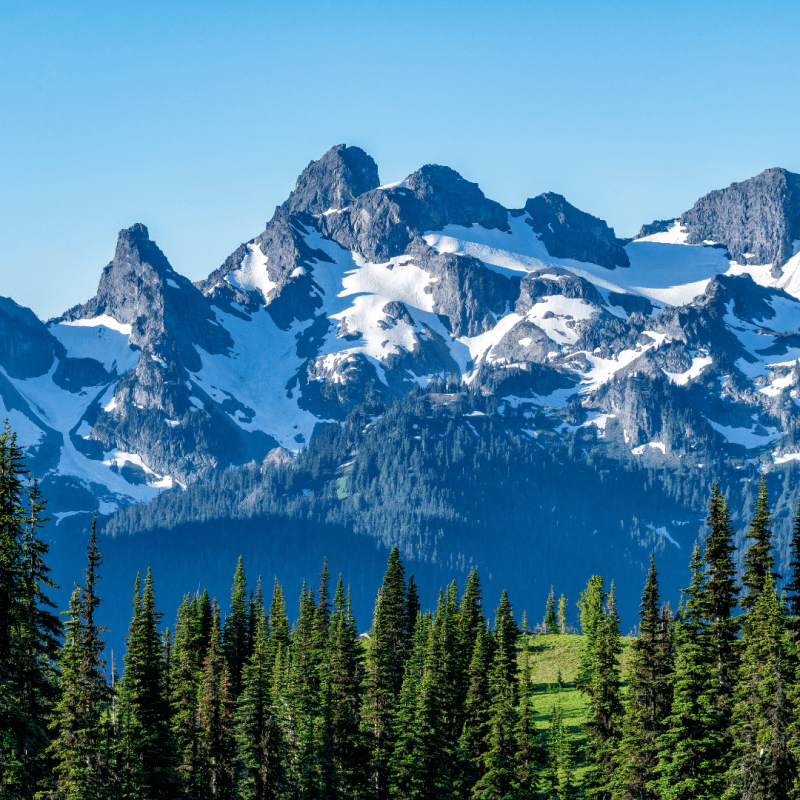
Panoramic view of snow-capped Himalayan mountain range above Kullu Valley near Manali in Himachal Pradesh

Here is a thought that surprises most people: June is arguably the best month to visit Manali. Not May, when the roads are still unpredictable. Not October, when half the town has packed up for winter. June, right in the thick of Indian summer, when the rest of the country is either melting or complaining about power cuts. That is when Manali quietly becomes one of the most beautiful places on earth.

The Beas River runs fat and loud with snowmelt. The pine forests above Old Manali glow a green so saturated it barely looks real. Rohtang Pass is open, the apple orchards are in full flush, and the temperature rarely climbs above 25°C. And because most people assume June is too hot, or too rainy, or too something. There is still a window before the full peak-season crowds of July descend. June is Manali’s open secret.

Whether you are planning a family summer trip, an adventure weekend, a romantic getaway, or a long overdue girls’ or boys’ trip. This guide covers everything you need to know: weather, things to do, how to get there, what to book in advance, and where to stay in a SaffronStays villa that actually feels like an escape rather than just another hotel room.

Table of Content

Why June Is the Best Time to Visit Manali

Most hill station travel advice operates on a simple logic: go before the crowds, go after the rains, go when the weather is perfect. Manali in June checks all three.

The temperature is ideal. Daytime highs sit between 15°C and 25°C in the town, dropping to a pleasant 8–12°C at night. After months of 40°C in Delhi, Mumbai, or Pune, that first breath of Kullu Valley air feels like a physical relief.

Rohtang Pass is open. The Border Roads Organisation typically clears the pass by late May or early June, making it accessible to tourists from June 1 onwards (weather permitting). This is the gateway to Lahaul and the wider Himalayan landscape, and it is only accessible for a few months each year.

The valley is at its greenest. Post-snowmelt, the Kullu Valley transforms into a wall of green. Wildflowers bloom across Solang and Beas Kund. The apple orchards around Naggar are in full leaf. And the Beas River, swollen with glacial melt, thunders alongside the highway in a way that genuinely impresses even seasoned Himalayan travellers.

It is still shoulder season. By mid-July, Manali becomes genuinely crowded, with traffic jams on the way to Rohtang, booked-out properties weeks in advance, inflated rates. June gives you the same landscapes with perhaps 40–50% fewer people, and rates that reflect that. For SaffronStays guests, this also means more flexibility on check-in times, meal customisation, and bonfire evenings without a queue.

LOCAL INSIGHT: Hotel occupancy in Manali reaches 80%+ by mid-July. June bookings, particularly for villa stays, should be secured at least 3–4 weeks in advance, but you will almost always find better rates and more caretaker attention than the peak-season rush.
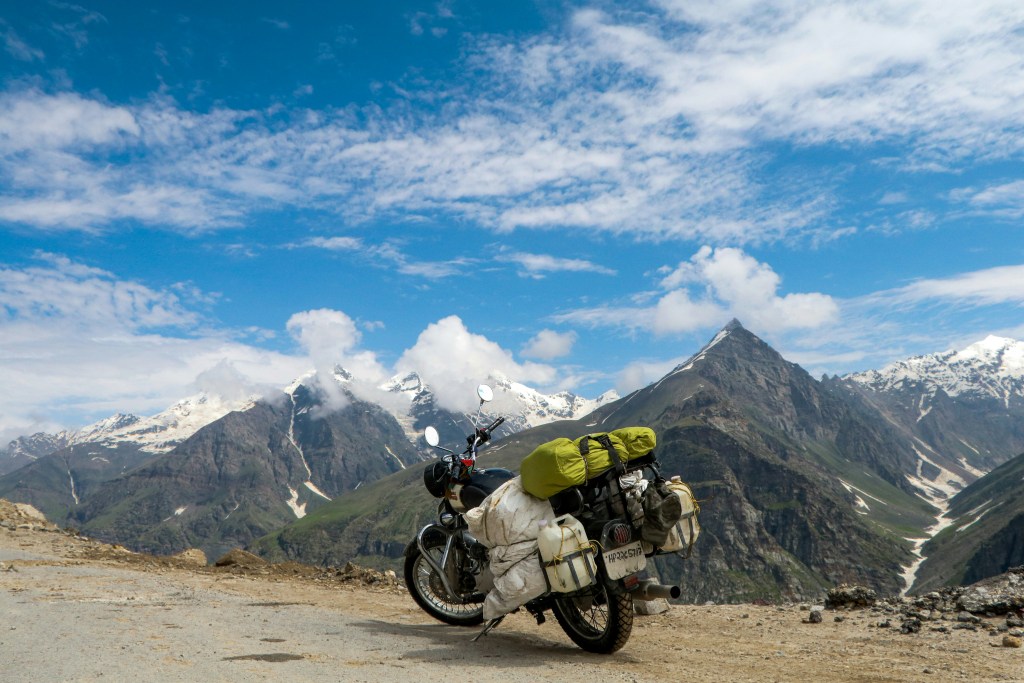
Loaded Royal Enfield motorcycle parked at Rohtang Pass near Manali with snow-capped Himalayan peaks and blue sky in the background

Manali in June: Weather & What to Expect

Understanding Manali’s June weather is not complicated, but it is worth being accurate about. The town sits at roughly 2,050 metres above sea level. Rohtang Pass, at 3,978 metres, operates in an entirely different climate on the same day.

ZoneAltitudeDay TempNight TempConditions
Manali Town / Mall Road2,050 m18–25°C10–14°CSunny, occasional afternoon showers
Old Manali / Vashisht2,100 m16–22°C9–12°CCool, forested, ideal for walks
Solang Valley2,480 m12–18°C5–8°CClear mornings, cloud builds by 2pm
Rohtang Pass3,978 m4–10°C0–5°CSnow patches, fog possible, permit required

A few practical weather notes for June specifically:

  • Pre-monsoon showers can arrive in late June, usually as short, sharp afternoon bursts. They clear quickly and rarely disrupt a full day’s plans.
  • Morning hours (6am–11am) are consistently clear and the best window for Rohtang Pass drives and high-altitude treks.
  • Pack a light fleece or jacket. Evenings at your villa will be cool enough to want one, especially at altitude.
  • Snowfall at Rohtang is possible in early June; by late June, snow is limited to patches at the highest points.

Things to do in Manali in June

June is Manali’s most activity-rich month. Rohtang is open, the rivers are high, the trails are clear, and the weather cooperates for most of the day. Here is how to spend your time well.

Rohtang Pass: The Drive Everyone Talks About

Fifty-one kilometres from Manali, Rohtang Pass sits at 3,978 metres above sea level and serves as the gateway to Lahaul and Spiti. In June, it has just reopened from winter closure, which means snow still dusts the higher ridges and the landscape feels almost impossibly dramatic.

Permit essential: All tourists require a permit, booked online at rohtangpermits.nic.in. Daily quotas apply: 800 petrol vehicles and 400 diesel vehicles. Book the night before your planned visit. Cost: ₹550.

Leave by 7am: Traffic builds rapidly. Early starters get clear roads, better light for photos, and more time at the pass before the afternoon clouds roll in.

Rohtang is closed on Tuesdays for road maintenance. Plan accordingly.

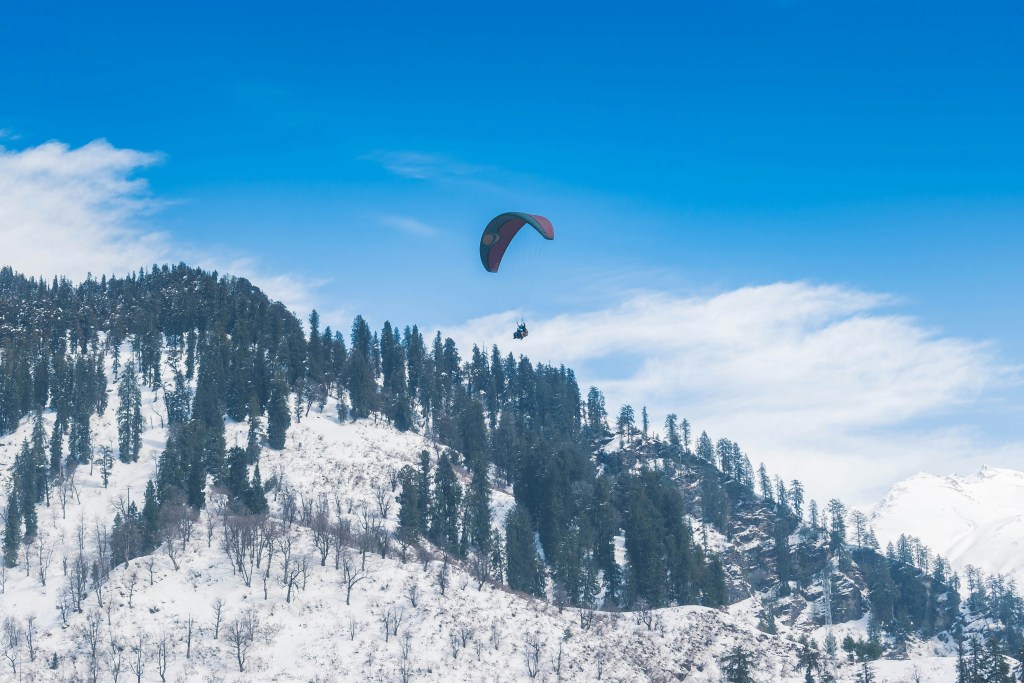
Tandem paraglider soaring over snow-covered Solang Valley near Manali in Himachal Pradesh against a clear blue sky

Solang Valley: Adventure Base Camp

Thirteen kilometres from Manali and sitting at 2,480 metres, Solang Valley is the adventure hub of the region. In June, with residual snow on the upper slopes and clear blue skies in the morning, it is at its most photogenic.

  • Paragliding: Tandem flights with experienced pilots. June offers excellent visibility and light winds. Approximately ₹1,000–3,000 depending on flight duration.
  • Zorbing: Rolling downhill in a transparent ball, chaotically good fun and completely safe. Great for kids.
  • ATV Rides: Quad bike trails through the valley floor. No licence required.
  • Beas Kund Trek: An 8km moderate trek from Solang to the glacial lake that is the source of the Beas River. One of the finest half-day hikes in Himachal Pradesh.
  • Ropeway: The gondola rises to Shitidhar peak at 2,960 metres, and worth it for the panoramic view alone.

Trekking: Best Trails for June

June is ideal for Manali’s classic treks. Snow has retreated from the mid-altitude trails, wildflowers are blooming, and the forest paths are dry underfoot.

TrekDistanceDifficultyDurationHighlight
Beas Kund16 km returnModerate1 dayGlacial lake, source of Beas River
Bhrigu Lake22 km returnModerate2 daysHigh-altitude lake at 4,300m, 360° Himalayan views
Hampta Pass35 kmModerate-Hard4–5 daysCrosses from Kullu Valley to Spiti; dramatic landscape shift
Chandrakhani Pass30 kmModerate3 daysPir Panjal views; enters Malana village
Sajla Waterfall Walk2 kmEasy1–2 hrsFamily-friendly forest walk; near SaffronStays villas

White Water Rafting on the Beas

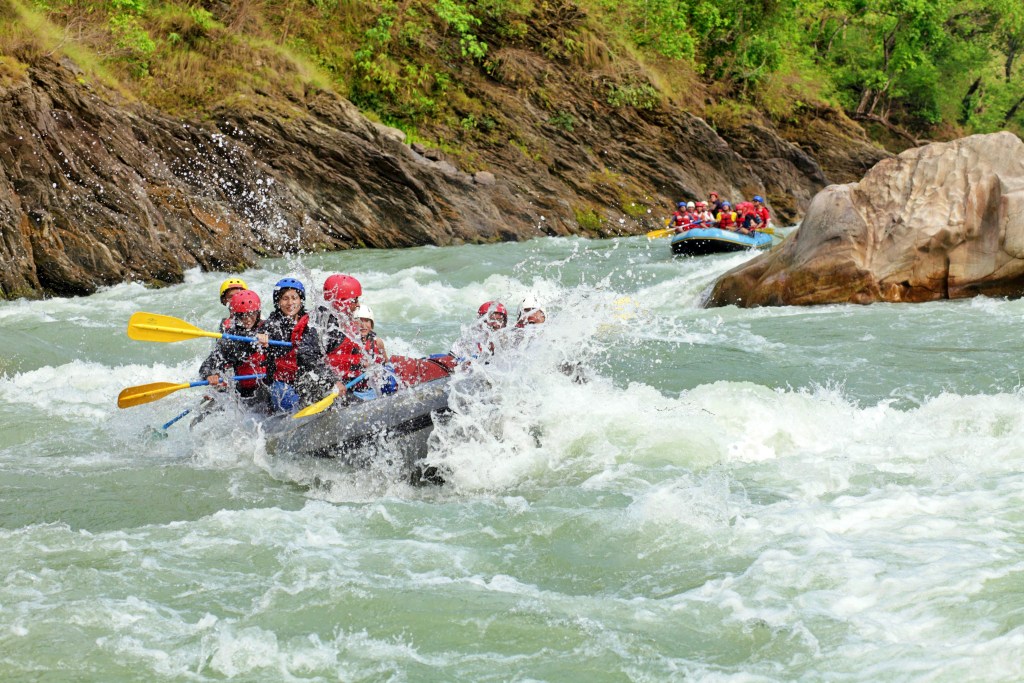
Snowmelt in June means the Beas River is at its most powerful. Rafting stretches between Pirdi and Jhiri offer Grade II–III rapids, genuinely exciting without being reckless. Most operators run morning sessions. Cost: approximately ₹600–1,200 per person for a 14km stretch.

Group of tourists white water rafting on the Beas River near Manali in Himachal Pradesh with green forested riverbanks

Old Manali and Vashisht: The Slower Side

Not every hour of a Manali trip needs to be adrenaline-fuelled. Old Manali, a 20-minute walk from the main market, has a completely different character: narrow lanes, wooden guesthouses, cedar trees, and cafés with mountain views. It is the kind of place that invites a second coffee and a slow afternoon.

Vashisht village, just across the river, has natural hot springs, a welcome counter to the cold evenings, and the ancient Vashisht Mandir. The SaffronStays Amlyn villa is located here, minutes from both.

Hadimba Devi Temple

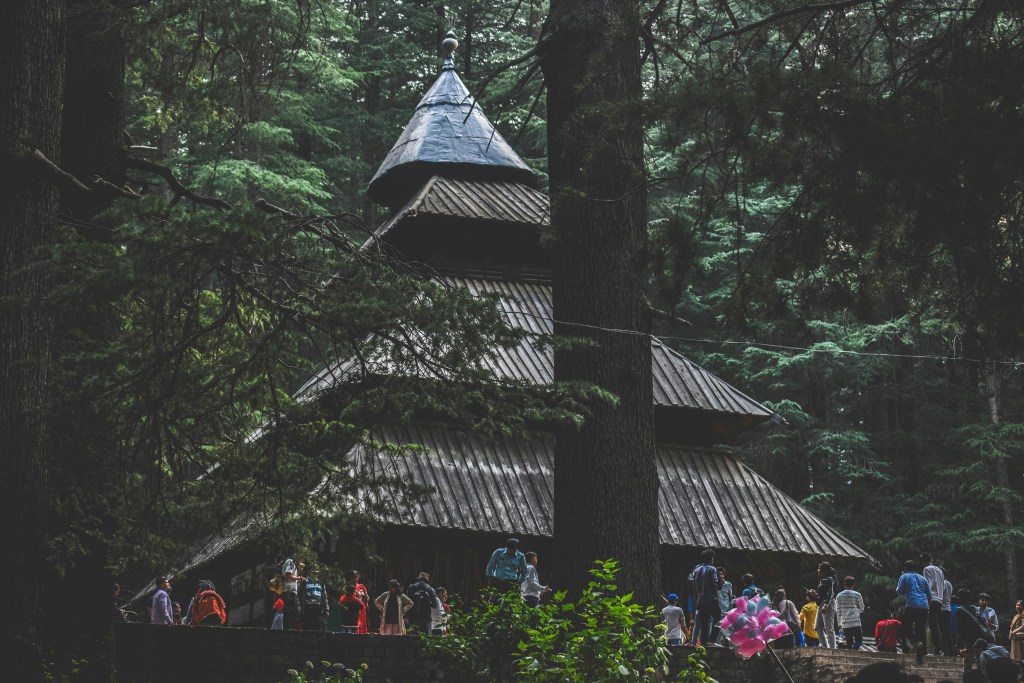
One of Manali’s most photographed landmarks, this 16th-century wooden pagoda sits inside a cedar forest and is dedicated to the goddess Hadimba. June’s clear mornings make for the best light, so arrive before 9am to beat the crowds and get the forest to yourself.

16th-century Hadimba Devi Temple pagoda surrounded by dense cedar forest in Manali, Himachal Pradesh

A 3-Day Manali Itinerary for June

This itinerary works for families, couples, and groups of friends. Adjust the activity intensity to match your group.

Day 1: Settle In, Slow Down, Acclimatise

  • Arrive in Manali by midday. Check into your SaffronStays villa, unpack, and let the altitude adjustment begin.
  • Afternoon: Walk through Old Manali. Browse the Tibetan market. Have chai at a café overlooking the valley. Resist the urge to overplan.
  • Late afternoon: Visit Hadimba Temple (30 minutes from most SaffronStays Manali properties). The cedar forest in the June afternoon light is genuinely lovely.
  • Evening: Bonfire at the villa (arrange with your SaffronStays caretaker). Pahadi dinner. The first night in Manali should feel like a proper arrival.

Day 2: Rohtang Pass & Solang Valley

  • 5:30am: Wake up. This is the most important early start of the trip.
  • 6am: Depart for Rohtang Pass. Your permit should be booked the previous evening (rohtangpermits.nic.in). The drive up is approximately 2 hours.
  • 8am–11am: Time at Rohtang. Snow activities, photos, the view into Lahaul. Do not rush: this is what the early alarm was for.
  • 12pm: Drive back, stop at Solang Valley for lunch and one activity (paragliding or zorbing recommended).
  • 3pm: Return to Manali. Hot shower, rest, Vashisht hot springs if legs permit.
  • Evening: Dinner in town or in-villa meal. Ask your caretaker to arrange local Himachali food. The Siddu (stuffed bread with ghee) at Monarch Manor is worth knowing about.

Day 3: Trekking or River Day

  • Option A (Active): Half-day Beas Kund trek from Solang. Start at 7am, return by 1pm. Wildflower season is at its peak in June.
  • Option B (Moderate): White water rafting on the Beas (morning session), followed by a visit to the Roerich Art Gallery in Naggar village, a beautiful 45-minute drive through the valley.
  • Option C (Families with younger children): Apple orchard walk near Naggar (SaffronStays Kesar Villa is set inside one), Naggar Castle visit, riverside picnic.
  • Afternoon: Mall Road shopping for Himachali shawls, local honey, and walnut products.
  • Evening: Pack up. If driving back overnight, depart by 7pm for Delhi.
Mall Road Busy market street in Manali town with local shops, Tibetan handicrafts and pine-forested hills in the background

Getting There: How to Reach Manali in June

RouteFromDurationNotes
By Road (Drive / Taxi)Delhi12–14 hrsNH3 via Chandigarh → Mandi. Leave at 5am or take overnight. Book AC taxi ₹8,000–12,000 one way.
By Volvo BusDelhi (ISBT)12–15 hrsHRTC and private operators. Overnight buses depart 5–8pm. Comfortable, cost-effective (₹1,200–1,800).
By Flight + TaxiAny major city3–4 hrs totalFly to Bhuntar (Kullu-Manali Airport, 50km). Taxi ~₹2,500. Flights are limited and weather-sensitive.
By Train + TaxiAny major city14–18 hrsTrain to Chandigarh or Kalka. Taxi to Manali (₹7,000–8,000, 6–7 hrs).
SAFFRONSTAYS TIPS: In June, road conditions are generally excellent. The Atal Tunnel (opened 2020) has transformed travel times: it bypasses Rohtang entirely, cutting 1.5–2 hours off the Manali-Lahaul journey and making the route usable year-round. For guests driving from Delhi, the Manali-bound NH3 is well-maintained through summer. Do check for any IMD weather alerts before departure.

Where to Stay: SaffronStays Villas in Manali

There is a version of a Manali trip that most people have had: a hotel corridor, a front desk that does not quite remember your name, a breakfast buffet shared with forty strangers, and walls thin enough to hear the family next door debating what to order for dinner. A SaffronStays villa in Manali is the opposite of all of that.

When you stay in a private villa, the space is entirely yours. No shared lobbies, no queues for the hot water, no negotiating with hotel staff about whether you can have a bonfire. Your caretaker is on-site, knows your name, and has already arranged the firewood. The kitchen can prepare Pahadi meals to order: a proper Siddu with ghee and walnut chutney, a pot of local rajma, chai on the veranda whenever you want it. There is no fixed breakfast slot, no checkout pressure, no sense that you are one room among many. The villa operates around your trip, not the other way around.

In the mountains specifically, this matters more than anywhere else. After a long day at Rohtang Pass or a morning rafting on the Beas, returning to a private living room with a fireplace, a garden with Himalayan views, and a caretaker who has already figured out dinner is a categorically different experience to a hotel room. The evenings in Manali in June are cool enough to sit outside with a blanket and watch the sky go dark over the ranges. That is not something a hotel can give you. A villa can.

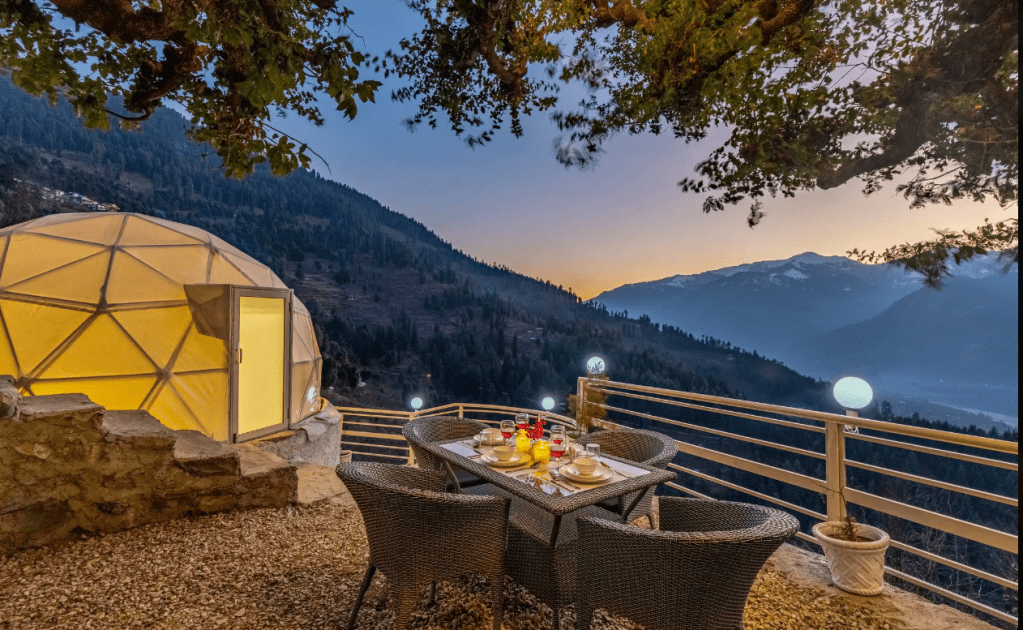
SaffronStays Interstellar in Manali. Private outdoor dining terrace with geodesic dome and panoramic Himalayan valley view at a SaffronStays villa in Manali

What to Sort Before You Go

Book 3–4 Weeks in Advance

June is not peak season but it is busy enough that the best SaffronStays villas fill up 3–4 weeks out. Villa stays in popular hill station destinations move faster than people expect, especially for groups and families travelling over weekends. Do not leave it to the last moment.

Rohtang Pass Permit

Book online at rohtangpermits.nic.in the evening before. 800 petrol and 400 diesel vehicle slots per day. Cost: ₹550. Closed every Tuesday.

What to Pack

  • Light fleece or zip-up jacket (essential for evenings and high altitude)
  • Waterproof layer (afternoon showers in late June are short but real)
  • Trekking shoes if you plan to hike (trail runners work for Beas Kund)
  • Sunscreen SPF 50+. UV intensity at altitude is much higher than at sea level
  • Warm socks and a thermal layer for the Rohtang Pass drive
  • Cash: ATMs at higher altitudes can be unreliable. Carry ₹10,000 in notes

Altitude Note

Manali town sits at 2,050 metres, so most healthy adults acclimatise in a few hours. Rohtang at 3,978 metres is a different matter. If you or anyone in your group has a history of altitude sickness, take it easy on Day 1 and consider carrying Diamox (consult a doctor before travel). Symptoms to watch for: headache, nausea, breathlessness at rest.

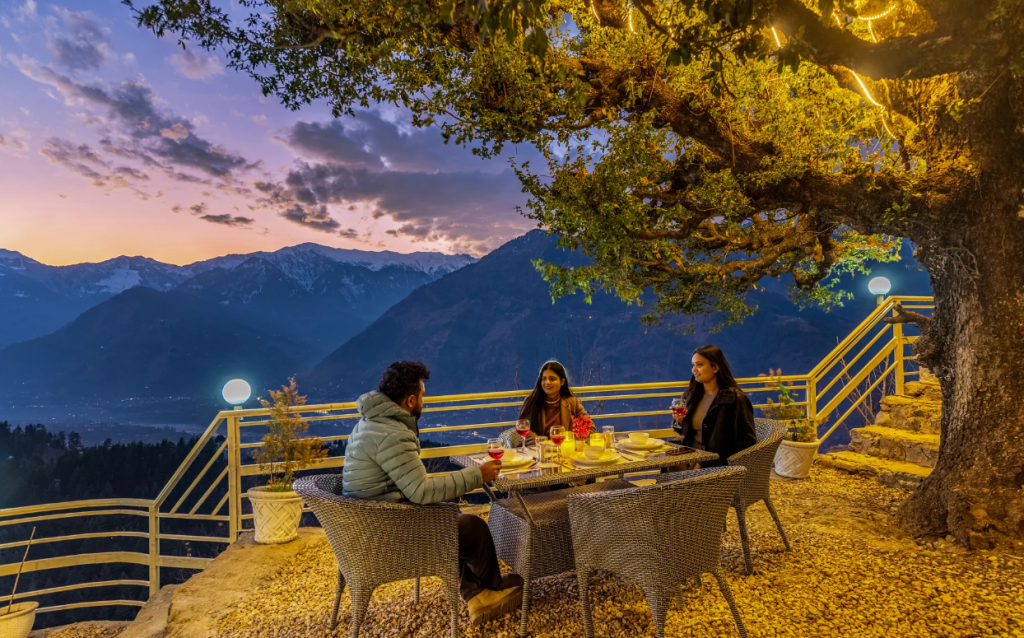
Guests enjoying an outdoor dinner under a tree at a SaffronStays Interstellar in Manali with snow-capped Himalayan peaks at sunset.

FAQs: Manali in June

Is Manali good to visit in June?

Yes. June is one of the best months to visit Manali. Temperatures range from 10–25°C, Rohtang Pass is open, the valley is at its greenest, and it is still shoulder season before the full July–August rush. For families travelling during school summer holidays, early June offers the best combination of good weather and manageable crowds.

Is there snow in Manali in June?

Snow remains at higher elevations in June, particularly at Rohtang Pass (3,978m) and Solang Valley. In Manali town itself (2,050m), there is no snow. Early June typically has more snow at altitude; by late June it is reduced to patches at the highest points.

Is Rohtang Pass open in June?

Yes. The BRO (Border Roads Organisation) typically opens Rohtang Pass in late May or early June. In 2026, the pass was open from June 1. Tourists require an online permit (rohtangpermits.nic.in, ₹550). The pass is closed every Tuesday for maintenance. Weather can cause temporary closures, so always check the day before you plan to go.

How many days in Manali are enough in June?

Three full days is the ideal minimum for a June visit. Day 1 for settling in and exploring the town, Day 2 for Rohtang Pass and Solang Valley, and Day 3 for trekking or the Kullu Valley. Five days gives you space to do all of this without rushing, plus a day trip to Naggar.

Is Manali safe for families in June?

Manali is a well-established, family-friendly destination and very safe in June. Road conditions are good, the town is calm, and altitude is manageable at 2,050 metres. For families with young children, stick to Manali town and Solang Valley on Day 2 rather than the Rohtang Pass drive, which can be strenuous for small children.

What is the best SaffronStays property in Manali for a family group?

For families and groups, Monarch Manor on Old Manali Road is the best choice: it sleeps up to 14 guests across 6 rooms, serves Pahadi meals on-site, and has the character of a genuine Himalayan heritage home rather than a serviced apartment. For smaller families or couples wanting a river view, The Amlyn in Vashisht is the pick.

Slow Travel in Uttarakhand: A 4-Day Itinerary Through Bhimtal and Mukteshwar

Two of Kumaon’s best-kept secrets. One unhurried circuit. Zero FOMO.

Most people spend three days in Uttarakhand trying to see five places. They rush Nainital, squeeze in Mukteshwar, and drive back wondering why the hills felt so stressful.

This itinerary is built differently. You’re going to two places: Bhimtal and Mukteshwar. And you’re going to stay long enough to actually feel them. A morning walk without a plan. Breakfast with a view. An afternoon that doesn’t involve rushing to a viewpoint before sunset.

That’s slow travel. And Kumaon is one of the best places in India to practise it.

Both destinations sit in the Nainital district of Uttarakhand, roughly 35 km apart. They’re easy to connect as a circuit. Together, they cover two very different moods. Bhimtal is lakeside and laid-back. Mukteshwar is elevated, forested, and big on Himalayan views. June is one of the best months to be here: the plains are cooking at 42°C, and you’re sitting at 7,500 feet watching clouds roll in over the deodar forest at a breezy 22°C.

Here’s how to do this trip properly: without rushing, without over-planning, and without regret.

WHY THIS PAIRING WORKS

Why Bhimtal and Mukteshwar, Not Just Nainital?

Nainital is beautiful. It’s also very crowded, especially in summer. Mall Road gets jammed. Lakeside parking turns into chaos. Hotels charge peak rates for views you can barely enjoy through the weekend traffic.

Bhimtal and Mukteshwar are 30 to 40 minutes away from Nainital. Close enough to access the Kumaon region, far enough to feel like you have the hills to yourself. These are not “dupe” destinations. They’re genuinely different in character, and many experienced Kumaon travellers prefer them to Nainital for exactly that reason.

Bhimtal sits at around 1,370 metres and is centred around the largest lake in Kumaon, a calm green expanse with a small island aquarium in the middle. The vibe here is quiet mornings by the water, lakeside cafés, and easy drives to nearby lakes like Sattal and Naukuchiatal.

Mukteshwar sits higher, at around 2,286 metres (7,500 feet), in the Kumaon hills above Bhimtal. It’s known for its fruit orchards, its deodar and oak forests, and one of the finest Himalayan panoramas in the region: Nanda Devi, Trishul, Panchachuli on a clear day. The town is small, the roads are quiet, and the pace is exactly what slow travel is supposed to feel like.

WEATHER & TIMING

Why June Is a Good Time to Visit

June sits in a sweet spot for this part of Uttarakhand. The monsoon typically arrives in the Kumaon hills around late June to early July, which means the first two to three weeks of June are pre-monsoon: lush, green from the previous year’s rains, pleasantly cool, and clear enough for those Himalayan views.

BHIMTAL 22–28°C daytime Evenings cool to 18°C. Light jacket at night.MUKTESHWAR 18–23°C daytime Noticeably cooler. Jacket essential after 6 PM.

Compared to Delhi, Mumbai, or Pune (where June means 40°C and humidity), this is another world entirely. The orchards in Mukteshwar are full of fruit. The forest is densely green. Early morning views of the Himalayas, before the clouds build up, are among the clearest of the year.

A HONEST NOTE ON JUNE WEATHER If you’re travelling in the second half of June, expect some afternoon showers. They’re usually brief, add to the atmosphere, and make evenings even better. Just carry a light rain jacket. Avoid booking if your dates fall after June 25, as the monsoon can arrive early some years.

THE ITINERARY

Your 4-Day Bhimtal and Mukteshwar Itinerary

DAY 1   Arrive in Bhimtal. Settle In. Don’t Rush.
GETTING THERE
If you’re coming from Delhi, the most common route is the overnight Kathgodam Shatabdi or a morning drive via Moradabad and Haldwani. From Kathgodam station, Bhimtal is about 30 km, a 45-minute cab ride. If driving, the Delhi-Bhimtal road distance is around 300 km, typically 7 to 8 hours depending on traffic out of Delhi. The drive from Haldwani to Bhimtal is the good part: you start climbing, the air changes, and the road cuts through small towns and tea stalls. Give yourself time for it.

THE EVENING
Check in, have lunch, and resist the urge to plan the afternoon like a checklist. Bhimtal’s lake is a 10-minute walk from most stays in the area. Go for a stroll around it. The lake is larger and quieter than Naini Lake. No paddle boat touts shouting at you, no jostling for space. Just a big green body of water with hills all around it.

→  Walk the Bhimtal Lake perimeter (about 2.5 km, flat and easy)
→  Boat ride to the island aquarium (small, quirky, fun for 30 minutes)
→  Evening chai at any lakeside stall. Ask for Kumaoni tea  

Dinner at your stay or at one of the small dhabas near the lake. Sleep well. The altitude and the quiet usually take care of that.
DAY 2   The Bhimtal Lakes Circuit
MORNING
The Bhimtal area is part of what locals call the Lake District of Kumaon. Within a 15-km radius, you have Bhimtal, Sattal, Naukuchiatal, and Khurpatal, all different in size, personality, and crowd levels. For Day 2, the plan is simple: pick one or two of the nearby lakes and spend your morning there. Sattal, a cluster of seven interconnected lakes, is the most unique and slightly more forested. Naukuchiatal (Nine Corners Lake) is larger and great for a quiet hour by the water. Both are under 20 km from Bhimtal.
→  Drive to Sattal (18 km) and walk the forest trail around the lakes
→  Or head to Naukuchiatal for kayaking or just a slow morning sit
→  Optional stop at Kainchi Dham on the way back, a peaceful Neem Karoli Baba ashram, significant in both Hindu tradition and, oddly, Silicon Valley lore

AFTERNOON
Back in Bhimtal for a late lunch. The Garh Parvat area near Bhimtal has a butterfly research centre that’s worth a quick visit if you’re curious about the region’s biodiversity. Otherwise, this is an excellent afternoon for doing absolutely nothing: sit in your room, read, nap, watch the lake from a café terrace.

In the evening, the Bhimeshwara Mahadev Temple on the lake bank is worth a visit. It’s ancient, calm, and gives you context for why this place has been significant long before it became a hill station.
DAY 3   Drive Up to Mukteshwar. Take the Slow Road.
THE DRIVE
Bhimtal to Mukteshwar is 35 km and takes around 1.5 hours. It’s one of those drives that is genuinely part of the trip. The road climbs steadily through pine and deodar forest, passing small villages, apple and plum orchards (in full fruit in June), and increasingly dramatic views as you gain elevation.

Don’t be in a hurry. Stop at a roadside stall for some local plums or a glass of Buransh (rhododendron) juice if you see it. Pull over somewhere between Dhanachuli and Mukteshwar; the valley views from these spots are stunning.

AFTERNOON IN MUKTESHWAR
Check in, have lunch, and then head to Mukteshwar Dham, the 350-year-old Shiva temple that the town is named after. It’s a short climb to the top, and the views from the temple compound are panoramic. On a clear June day, you can see a full sweep of the Himalayan range.
→  Mukteshwar Dham: the climb is easy, under 20 minutes. Worth every step.
→  From the temple, walk to Chauli ki Jali, a natural rock face viewpoint with a 180° view of the valley and the snowy peaks behind it
→  Chauli ki Jali is also famous for rock climbing and rappelling if you’re interested

EVENING
Mukteshwar at night is one of the better stargazing spots in the Kumaon region. There’s minimal light pollution, the altitude is good, and June nights are clear before the cloud cover builds. Some stays here offer telescope sessions; ask your host in advance. Dinner at your stay or at one of the small cafés in the market. The local Kumaoni thali, if you can find it, is the thing to eat.
DAY 4   One Last Morning. Then Head Home.
EARLY MORNING
Set your alarm for 5:30 AM. This is the only mandatory activity of the entire trip. Walk to any open viewpoint in Mukteshwar, or just step out of your room if your stay has a view, and watch the Himalayan peaks appear as the sky lightens. Nanda Devi (7,816 m), Trishul, Panchachuli: on a clear pre-monsoon June morning, they’re right there, close enough to feel improbable.

This is why people come to Mukteshwar. Everything else is bonus.

BEFORE YOU LEAVE
If you have time before hitting the road, the Bhalu Gaad Waterfall is a 3-km trail from the town that ends at a small but beautiful waterfall; it’s at its best in June when the streams are running full. It’s a 2-hour round trip, easy terrain, and a genuinely lovely way to spend a last morning.
→  Bhalu Gaad Waterfall trek: 3 km one way, easy, 2 hours return
→  Slow breakfast back at your stay
→  Pack up and drive down to Kathgodam or Haldwani for your train or onward road  

A NOTE ON LEAVING
Leave before you feel fully ready to. That’s usually the sign of a good slow travel trip: you’ve stayed long enough to feel settled, but not so long that the place becomes ordinary. Bhimtal and Mukteshwar tend to have that effect on people.

WHERE TO STAY

Choosing the Right Stay for a Slow Trip

The stay matters more on a slow travel trip than on a packed itinerary. When you’re not rushing between sights, you spend real time in your room, on your terrace, in the garden. It needs to be somewhere you actually want to be.

For Bhimtal, look for cottages or homestays with lake views or garden settings. The town is small enough that most good stays are within a short walk of the lake. Properties near Bhimtal Lake or the quieter Garur Tal area tend to offer the best balance of location and calm.

For Mukteshwar, prioritise elevation and views. The town sits at 7,500 feet, and the best stays have either Himalayan-facing rooms or outdoor sit-out areas that face the peaks. A terrace breakfast with a Nanda Devi view is not a small thing.

SaffronstStays has a curated selection of private villas and cottages across both destinations, properties we’ve vetted for comfort, views, and that particular quality of quiet that makes a hill station stay worth the drive.

Browse stays in Bhimtal: saffronstays.com/bhimtal

Browse stays in Mukteshwar: saffronstays.com/mukteshwar

BEFORE YOU GO

Practical Tips for This Trip

GETTING THERE

Nearest railhead is Kathgodam (60 km from Mukteshwar, 30 km from Bhimtal). Overnight trains from Delhi are convenient. Nearest airport is Pantnagar (90 km).
CAR OR CAB?

Hiring a cab for the full 4 days is the most flexible option: roughly ₹5,000–6,000/day. Self-drive works too, but the mountain stretches require comfort with hill roads.
WHAT TO PACK

Light clothes for the day, a fleece or light jacket for Mukteshwar evenings. Comfortable walking shoes. A rain jacket if you’re travelling mid-to-late June.
CONNECTIVITY

BSNL and Jio have the best coverage in these areas. Airtel works in Bhimtal but can be spotty in Mukteshwar. Plan for some offline time. It’s actually one of the perks.
CASH

Carry cash. ATMs exist in Bhimtal town and the Mukteshwar market, but smaller dhabas and local shops are cash-only.
ALTITUDE NOTE

Mukteshwar is at 7,500 ft. No serious altitude concerns, but some people feel slightly winded on the first day. Stay hydrated, take it slow on Day 3.

COMMON QUESTIONS

Frequently Asked Questions

Is June a good time to visit Mukteshwar?

Yes, especially the first two weeks of June. The weather is pleasant (18–23°C), the Himalayan views are clear in the mornings, and the orchards are in full bloom. The monsoon typically arrives in late June, so there may be some afternoon showers in the third and fourth week. Early June is ideal.

How far is Bhimtal from Mukteshwar?

About 35 km by road, which takes roughly 1.5 hours. The route climbs through forest and small villages and is a pleasant drive in its own right. A local cab can cover this easily.

Can I do this trip without a car?

It’s possible but limiting. Shared cabs run between Kathgodam, Bhimtal, and Mukteshwar, but the connections aren’t always timed conveniently. For a slow travel trip where you want flexibility (stopping for views, doing day trips to Sattal), a private cab is worth the cost.

Is Mukteshwar crowded in June?

Not particularly. Nainital sees the peak summer rush, but Mukteshwar stays relatively calm. You’ll find fellow travellers, but not the kind of crowds that make a hill station feel like a metro. Weekends can be slightly busier; travel on weekdays if you can.

How many days is enough for Bhimtal and Mukteshwar?

Four days covers both well for a slow travel trip. If you have an extra day, spend it in Bhimtal, where the lake district rewards unhurried exploration. Three days is the bare minimum; anything less and you’ll feel rushed.

What is the best base: Bhimtal or Mukteshwar?

This itinerary uses both: two nights in each, which is the ideal split. If you had to pick just one, Mukteshwar gives you the better views and more varied landscape, but Bhimtal is easier for families and anyone who prefers a less steep terrain.

Ready to Plan This Trip? Browse our hand-picked villas and cottages in Bhimtal and Mukteshwar, all vetted for views, quiet, and that very particular kind of comfort that makes the hills worth it.

The Last-Minute Guide to Jim Corbett in June: Closing Dates, Active Safari Zones, and Luxury Villa Stays

Planning a Jim Corbett safari in June? Find out which zones are closing, which stay open all season, and why a SaffronStays private villa in Ramnagar with a pool is the perfect retreat after your summer jungle adventure.

June at Jim Corbett: The Season That Rewards the Decisive

There is a particular kind of traveller who does their best planning under pressure. Who reads “closing soon” not as a warning but as an invitation. If that sounds like you, Jim Corbett National Park in June was made for you.

June is the final chapter of Corbett’s safari season — and in many ways, its most dramatic one. The forest floor is dry and open. The waterholes are active. The animals move with purpose toward the rivers. And the crowds that flood the park in December and January have long since thinned. What you get instead is a leaner, more focused wildlife experience — one that demands early mornings, the right zones, and the right place to stay when the jungle heat finally catches up with you.

This guide covers everything: which zones are open, which are closing and when, what to expect from a Jim Corbett safari in June, and why a SaffronStays private villa in Ramnagar is the most intelligent base you can choose for this trip.

The Zone-by-Zone Breakdown: What’s Open, What’s Closing, and When

Jim Corbett Tiger Reserve is divided into seven safari zones. Each operates on its own seasonal calendar, and in June, the differences between them matter enormously. Get this wrong, and you could arrive to find your preferred zone closed. Get it right, and you are looking at some of the finest wildlife sightings of the year.

Dhikala Zone — Closing June 15

Dhikala is the most coveted zone in Corbett — and for good reason. It is the largest of the seven, covering dense sal forest, open grasslands, and the sweeping floodplains of the Ramganga river. Tiger sighting rates here are among the highest in the park. The famous Canter Safari, which runs exclusively through Dhikala, carries up to 18 passengers through the zone in a single session of four to five hours.

The Dhikala zone closing date is June 15. After that, it does not reopen until mid-November. If Dhikala is on your list — and it should be — you have a narrow window left. Morning Canter Safaris depart as early as 5:00 AM in summer. Book your permits immediately through the official Corbett portal at corbettonline.uk.gov.in.

Durga Devi Zone — Closing June 15

Durga Devi is Corbett’s most scenic zone — hilly, forested, and dramatically different in character from Dhikala’s open plains. It is the zone of choice for serious birdwatchers and wildlife photographers who value variety over sheer volume. Leopards, elephants, and a remarkable range of Himalayan bird species make this one of the park’s most rewarding zones when conditions are right.

Like Dhikala, Durga Devi closes on June 15. Time is short.

Bijrani Zone — Closing June 30

Bijrani offers a compelling middle ground — accessible, well-maintained jeep trails, reliable tiger and elephant sightings, and dense mixed forest that provides excellent shade cover during summer safaris. It opens earlier in the season than most zones and runs all the way to June 30, giving late-June travellers a strong safari option when Dhikala and Durga Devi have already wound down.

Jhirna Zone — Open Year-Round

Jhirna is the zone that never closes. Open through every season including the monsoon, it is Corbett’s most dependable safari destination and the anchor of any June or July itinerary. The terrain is comparatively dry, with no major river running through it, which makes visibility excellent even as other zones become overgrown. Jhirna is particularly celebrated for sloth bear sightings, one of the rarest and most spectacular wildlife encounters available in any Indian national park, alongside consistent tiger and elephant activity.

For travellers arriving in late June or planning a monsoon-adjacent trip, Jhirna is not the backup option. It is the plan.

Dhela Zone — Open Year-Round

Dhela’s wide grasslands and rich biodiversity make it one of the most photogenic zones in the park. What it offers in June, in particular, is space and quiet — a safari experience that feels genuinely wild rather than managed. With fewer visitors than Bijrani or Dhikala during peak season, Dhela rewards patience and delivers the kind of unhurried encounters that wildlife photography demands.

Garjiya Zone — Open Year-Round

Positioned along the banks of the Kosi River, Garjiya offers a compact but rewarding safari circuit that works especially well for families and those visiting Corbett for the first time. The Garjiya Devi Temple, set dramatically on a large rock in the middle of the river, adds cultural depth to what is already a strong wildlife destination.

Why June Produces Some of the Best Wildlife Sightings of the Year

The conventional wisdom says winter is the best time to visit Jim Corbett. The reality is more nuanced.

Summer temperatures in Corbett climb between 30°C and 40°C. As the heat intensifies, water sources across the forest dry up rapidly. Tigers, leopards, elephants, deer, and wild boar — every significant animal in the park — are drawn toward the remaining rivers and waterholes out of necessity. This concentration of wildlife around predictable locations is precisely what makes June such a productive month for sightings.

Early morning safaris, starting between 5:00 and 6:00 AM, offer the most comfortable conditions and the highest activity windows. Animals that have been resting through the heat of the afternoon return to the water at dawn, and the quality of light in those first hours is extraordinary for photography. By 9:00 AM, the forest quietens. By noon, the dust and heat are at their peak.

June is also a remarkable month for birdwatching. Corbett is home to over 600 bird species, including the great pied hornbill, the white-backed vulture, and the orange-breasted green pigeon. The thinning of vegetation as summer progresses makes these birds considerably easier to spot than during the dense green months of the monsoon.

Practical Tips for a June Safari in Jim Corbett

Book safari permits well in advance. Dhikala and Bijrani permits sell out weeks before the closing dates. Do not assume availability — secure your slot on the official Corbett booking portal as soon as your dates are confirmed.

Go early, always. The park opens at dawn. An early morning jeep safari in Jhirna or Bijrani, starting at 5:00–6:00 AM, will consistently outperform any afternoon session in terms of both comfort and sightings.

Dress for the conditions. Lightweight cotton in earthy, muted tones — khaki, beige, olive — is the practical choice. Bright colours are not just aesthetically out of place in a jungle; they can disrupt animal behaviour and reduce your chances of meaningful sightings.

Carry water, always. Two litres per person per safari session is a minimum, not a suggestion. Open jeeps in 38°C heat are demanding, and dehydration sets in faster than most travellers expect.

Bring binoculars. The open summer landscape means that many of the best sightings happen at distance. A good pair of binoculars transforms a distant silhouette into a genuine encounter.

The Case for a Private Villa in Ramnagar Over a Resort

A safari ends when the jeep returns to the gate. What happens in the hours after defines the quality of the entire trip.

You have been up since 4:30 AM. You have spent two hours in an open vehicle moving through dust and heat. The experience has been extraordinary — but the sun is now high, the temperature is climbing, and what you need is not a hotel lobby or a shared resort pool. What you need is privacy, cold water, and the kind of stillness that lets the morning fully settle.

This is the case for a SaffronStays private villa in Ramnagar.

With over 30 carefully selected properties in Jim Corbett and Ramnagar, SaffronStays operates at the intersection of genuine luxury and genuine privacy. These are not hotel rooms with a jungle-themed paint job. They are entire private homes — managed to hospitality standards, staffed by attentive caretakers, and designed for the kind of travel that goes beyond ticking boxes.

What SaffronStays Jim Corbett Villas Offer

Private pools. After a summer morning in the forest, a private pool is not an indulgence — it is a necessity. SaffronStays villas come with pools that belong entirely to your group. No shared hours, no other guests, no compromise.

Proximity to safari gates. Several SaffronStays properties are 15 to 20 minutes from Corbett’s Sitabani and Amdanda safari gates. Early morning departures become logistically straightforward rather than stressful.

Considered amenities. Outdoor bars, barbeque setups, bonfire areas, sauna and spa facilities, and high-speed WiFi are standard across the portfolio. The properties are designed for groups — families, friends, couples — who want the full experience without sharing it with strangers.

Wildlife on the doorstep. At properties like SaffronStays Sher Bagh — a four-bedroom eco-conscious villa built with repurposed materials, set within open jungle views — elephant and deer sightings from the garden are not unusual. The safari does not end at the gate.

Flexible, personalised hosting. Unlike the standardised experience of a large resort, SaffronStays caretaking staff operate with a level of personal attention that makes the stay feel like visiting someone’s beautifully maintained home rather than checking into a property.

A Three-Night Corbett Itinerary Built Around SaffronStays

Day 1 — Arrival and Orientation Check into your SaffronStays villa by early afternoon. Spend the first evening at the Garjiya Devi Temple as the heat softens, followed by a quiet dinner on the villa lawn. A bonfire after dark sets the right tone for the days ahead.

Day 2 — Dhikala or Bijrani Morning Safari Depart at 4:30 AM for a 5:00 AM safari in Dhikala (if travelling before June 15) or Bijrani (open until June 30). Return by mid-morning. Spend the hottest hours of the day at the villa — pool, breakfast, rest. Consider an afternoon jeep safari in Jhirna as the light softens after 3:00 PM.

Day 3 — Jhirna and Dhela A morning jeep safari in Jhirna, the year-round zone with outstanding sloth bear and tiger activity near the riverbeds. Return by 9:00 AM. Afternoon at the villa with spa and barbeque. Evening walk along the Kosi river if your property permits.

Day 4 — Slow Morning, Scenic Drive A final swim, a long breakfast, and a relaxed departure. Stop at the Corbett Museum or Corbett Falls on the way out if time allows.

Frequently Asked Questions

Is Jim Corbett National Park open in June? Yes. While the Dhikala and Durga Devi zones close on June 15, and Bijrani closes on June 30, the Jhirna, Dhela, and Garjiya zones remain open year-round. A Jim Corbett safari in June is not only possible — in the right zones, it is exceptional.

What is the Dhikala zone closing date? Dhikala closes on June 15 every year for both safari and night stay. It reopens from mid-November.

Is June good for tiger sightings in Jim Corbett? Yes. The summer heat concentrates wildlife around water sources, making early morning sightings near rivers and waterholes more frequent and more predictable than in cooler, wetter months.

What are the best luxury resorts in Jim Corbett? For travellers who value privacy and a personalised experience, SaffronStays offers the finest portfolio of private villas in Jim Corbett and Ramnagar — properties that go well beyond what a standard resort can offer.

Are there private villas in Ramnagar with pools? Yes. SaffronStays operates several private pool villas in Ramnagar, including the four-bedroom Sher Bagh eco-villa, positioned close to Corbett’s safari gates with a private pool set against open jungle views.

How far is Ramnagar from Jim Corbett’s safari zones? Ramnagar is the gateway town to Jim Corbett, approximately 12 km from the park boundary. Most SaffronStays properties are 15 to 30 minutes from the primary safari gates.

Book Before the Season Closes

The Dhikala zone closing date is June 15. Bijrani follows on June 30. Safari permits for the remaining days are filling up now.

Jim Corbett in June is not a consolation prize for those who missed the winter season. It is a distinct, rewarding experience — one that belongs on any serious wildlife traveller’s itinerary. The heat, the open landscape, and the concentration of animals near water create conditions that winter simply cannot replicate.

Your private pool is ready. The forest is waiting. Explore SaffronStays private villas in Jim Corbett

The 2026 Char Dham & Uttarakhand Luxury Guide: From Sacred Shrines to Himalayan Escapes

Planning the Char Dham Yatra in 2026 is no longer just a pilgrimage; it is an invitation to explore the “Adventure Capital of Asia” and the colonial charm of the Shivalik hills. With the Delhi-Dehradun Expressway now reducing travel time from the capital to just 2.5 hours, the most efficient way to experience Uttarakhand is to blend your spiritual journey with a premium mountain vacation.

Whether you are here for the 16km Kedarnath trek or a quiet literary walk in Landour, this guide covers the essential 2026 rules, curated itineraries, and the best local flavors.

1. The 2026 Yatra Intelligence: Essential Rules

Before the adventure begins, master the new 2026 operational shifts to ensure a friction-free journey.

  • The Digital Silence: Authorities have enforced a strict mobile phone and camera ban inside the temple gates of Kedarnath, Badrinath, Gangotri, and Yamunotri. “Digital Cloakrooms” are available for device storage.
  • Mandatory Registration: Every pilgrim must carry a QR-coded Yatra e-pass. Register via the Official Portal or WhatsApp “YATRA” to +91-8394833833.
  • Night Driving Ban: For safety, mountain vehicle movement is strictly prohibited between 10:00 PM and 4:00 AM. This makes Dehradun the most strategic “Launchpad” for those arriving late via the Expressway.
  • Health Screening: For travelers over 55, mandatory fitness checks are conducted at transit hubs like Sonprayag.

2. Beyond the Shrines: Multi-City Extension Itineraries

Since you are already in the heart of the Himalayas, transform your pilgrimage into a complete regional experience with these 3-day extension options.

Option A: The Rishikesh Adventure & Wellness Circuit

Rishikesh is the “Adventure Capital of Asia,” and the 2026 season is the best time for high-octane thrills.

  • Day 1: Experience the morning Ganga Aarti at Triveni Ghat followed by a visit to the Beatles Ashram.
  • Day 2: The Adrenaline Rush. Book a White Water Rafting session (Shivpuri to Rishikesh) or try India’s highest Bungee Jump at Mohan Chatti.
  • Day 3: Recovery. Spend a quiet day by the river. Many travelers choose to anchor this leg in a private villa with a heated pool to recover from the physical toll of the Kedarnath trek.

Option B: The Mussoorie & Landour Literary Trail

  • Day 1: Explore the colonial charm of Landour. Walk to Lal Tibba for panoramic Himalayan views and grab a coffee at the iconic Landour Bakehouse.
  • Day 2: A picnic at George Everest Peak or a visit to the Kempty Falls early in the morning to beat the 2026 crowds.
  • Day 3: Descend toward Dehradun, exploring the Robber’s Cave (Guchhu Pani) before your flight home.

Option C: The Nainital Lake District Escape

A 6-7 hour drive from the Yatra hub takes you to the serene lakes of Kumaon.

  • Activities: Yachting at the Nainital Boat Club, sunset at Tiffin Top, and exploring the Tibetan Market for authentic momos.

3. The 2026 Culinary Map: Where to Eat

Uttarakhand’s cafe culture is at its peak. Here are the must-visit spots in the region:

  • Rishikesh: Visit Bhumi Cafe for the best organic, plant-based meals in the hills, or The Arches Bakery for riverside views and fresh sourdough. For a vibrant, backpacker-chic vibe, Little Buddha Cafe remains a top choice for its iconic Falafel platters.
  • Mussoorie/Landour: You cannot miss Landour Bakehouse for its 19th-century recipes or Cafe Chica for an authentic English breakfast in a 140-year-old estate setting.
  • Nainital: Sakley’s Restaurant & Pastry Shop is essential for home-style Swiss pastries, while Sonam Fast Food in the Tibetan Market serves the most famous mutton momos and Thukpa in the district.

The Private Chef Experience

While cafe-hopping is part of the charm, the record-breaking crowds of 2026 (with hotels at 85%+ occupancy) often lead to long wait times. Many discerning families are now opting for the privacy of a managed villa where private chefs take over. Whether you need a celebratory mountain barbecue or home cooked meals (prepared without onion or garlic) after your Yatra, having a chef curate your meals in a private dining setting is the ultimate luxury.

4. The 2026 Adventure Checklist: Thrills in Rishikesh

If you are an adventure traveler, Rishikesh in 2026 offers more than just rafting:

  • Giant Swing & Flying Fox: Soar over the Ganges at speeds of up to 140 kmph.
  • Sky Cycle: Ride India’s highest sky cycle at Shivpuri for a breathtaking view of the Shivaliks.
  • Reverse Bungee: A 2026 favorite for a quick adrenaline spike before your evening aarti.

5. Why a Private Sanctuary is Non-Negotiable

With daily pilgrim caps removed, the 2026 season is busier than ever. Choosing a managed private sanctuary through SaffronStays ensures you bypass crowded lobbies and overbooked restaurants. From a quiet basecamp that helps you manage the temple phone ban to private pools for post-trek recovery, we bridge the gap between a rugged pilgrimage and a luxury vacation. 

Is your 2026 Uttarakhand adventure secured, or will you be navigating the crowds alone? Anchor your journey with SaffronStays for a pilgrimage that is as peaceful as it is profound.

Top Indian Destinations for New Year 2026: From Tourist Classics to Offbeat Escapes

December is when India truly feels like it is in travel mode. The beaches are calmer, the hills are cooler, wildlife activity increases along the coastline and travellers all over the country start planning where they will welcome 2026. It is one of those months where the weather works in your favour no matter which direction you head in. From dolphin sightings along the Konkan coast to soft winter sunlight in the hills and festive energy in cultural hubs, every region has something special to offer.

To help you pick a destination quickly, here is a conversational, easy to browse guide to the best places to travel for New Year 2026, divided into Tourist Favourites and Offbeat Escapes.

Aerial view of a large, beautifully designed villa surrounded by lush greenery and palm trees under a vibrant sunset sky.

SaffronStays The White Whale, Goa

I. Tourist Favourites and All Time Classics

These are India’s most dependable New Year destinations. Great winter weather, plenty of things to do and a holiday atmosphere that pulls travellers back every year.

Goa

Goa in December feels like a postcard. Sunny mornings, cool evenings and beaches that look their best after the monsoon. Markets are lively, shacks are buzzing, sunsets turn pink and the festive vibe is everywhere. From the nightlife of North Goa to the quieter, more picturesque corners of South Goa, it is a classic that never disappoints.

Bhimtal

If you want the beauty of Uttarakhand without the holiday crowds of Nainital, Bhimtal is perfect. The lake is serene, the mornings are crisp and the surrounding hills are ideal for quiet walks. December skies here are incredibly clear, making it a peaceful and scenic New Year retreat.

Mussoorie

Mussoorie brings out that nostalgic hill station charm. The air is cool, cafes are warm and the views from places like Landour make you want to slow down. December often brings misty mornings and glowing sunsets, creating the perfect setting to unwind.

Manali

Manali in winter has a magic of its own. Snow dusts the mountains, pine forests look dreamy and the whole town feels festive. Whether you stay in Old Manali or head toward Solang or Naggar, it is a great place to bring in the new year surrounded by nature.

Shimla

Colonial charm, snowy possibilities and that classic Himachal winter feel. Mall Road lights up beautifully in December, and the scenic drives around Shimla feel extra special when the weather is cold and crisp.

A scenic view of a mountain retreat house nestled among tall green pine trees, showcasing a red-roofed structure that blends harmoniously with the natural surroundings.

SaffronStays Ekam, Shimla

Dharamshala

This is where calm meets culture. Dharamshala and nearby McLeod Ganj offer a mix of mountains, monasteries, Tibetan cafes and peaceful winter landscapes. December is cool, quiet and perfect for travellers who like a slower pace.

Kasauli

Small, quiet and beautifully preserved. Kasauli is the kind of place where you take long walks, enjoy misty mornings and settle into a peaceful New Year holiday. It is simple and refreshing.

Jaipur

December is one of Jaipur’s best months. The days are sunny, evenings are cool and the city looks stunning with all its forts, palaces and festive decor. It is ideal for travellers who want culture, food, shopping and celebration all in one place.

Udaipur

Udaipur in winter feels like a dream. The lakes are calm, the palaces glow golden in the evening and the weather is pleasantly cool. It is a wonderful destination for couples and families who want a romantic or culturally rich New Year.

A modern villa with terraces and a swimming pool, set against a mountainous backdrop and clear blue sky.

SaffronStays Moringa Wishing Tree

Nashik and Igatpuri

Nashik turns into wine country in winter. Vineyards are lush, tasting rooms are buzzing and the sunsets feel cinematic. Igatpuri, on the other hand, offers foggy mornings, cool breezes and sweeping Sahyadri views. Both are perfect for quick drives from Mumbai.

Alibaug

Just a ferry ride away from Mumbai, Alibaug is ideal for beach lovers. December brings clear skies and clean shores, and if you are lucky, you may even spot dolphins early in the morning. Great beaches, good food and private villas make it a strong New Year option.

Mahabaleshwar

Strawberry season, crisp winds and endless valley views. December is one of Mahabaleshwar’s prettiest months, perfect for long drives, family trips and relaxing holidays.

A charming two-story brick cottage situated on a hillside, surrounded by greenery and colorful flowers, featuring a wooden boat on the rocky slope.

SaffronStays Crescent Bay, Palshet

Coorg

Coorg is at its prime in winter. Coffee plantations are lush, mornings are misty and the forests feel alive. It is a beautiful, slow and deeply refreshing New Year escape.

Ooty

Cool weather, tea gardens, lakes and cosy fireplaces. Ooty has a classic charm that makes it a perfect hill station getaway for New Year celebrations.

II. Less Crowd, More Vibes

These are the destinations for travellers who want quiet views, untouched nature and a celebration away from the noise. Ideal if you want space, privacy and a slower, calmer start to 2026.

Mukteshwar

A peaceful Kumaon town with apple orchards, panoramic views and cool December temperatures. Perfect for travellers who want silence, scenery and slow mornings.

Dapoli

This coastal stretch is known for dolphin spotting, clean beaches and seasonal turtle nesting. December is one of the best times to visit, especially for nature lovers who prefer quieter shores.

A modern villa surrounded by lush green hills under a colorful sky at dusk.

SaffronStays Nautica

Sindhudurg

One of India’s richest marine belts. Expect clear waters, untouched beaches, coral patches and frequent dolphin sightings. A serene, wildlife rich destination for those who love the ocean.

Udupi

Calm beaches, island explorations, great food and a relaxed coastal mood. Udupi is ideal if you want the ocean without Goa’s crowds.

Khopoli

Close to Mumbai and Pune but surprisingly peaceful. Surrounded by greenery, rivers and quiet pockets, Khopoli is perfect for private villa stays.

Chikmagalur

A hill station wrapped in coffee plantations. The air is cool, the views are green and December mornings feel fresh and crisp.

Hosur

A quiet countryside near Bangalore known for open landscapes and slow paced living. Great for travellers who want a short, restful escape.

A cozy brick villa situated on a green lawn, surrounded by trees and under a blue sky with scattered clouds.

SaffronStays Amodhini Farmstay, Hosur

Hejamady

A small coastal village near Udupi with golden shorelines, quiet beaches and postcard worthy sunsets.

Kannur

A beautiful blend of culture and coast. Kannur’s beaches are clean, the crowds are minimal and December brings the vibrant Theyyam season to life.

Kodaikanal

Lakes, forests, waterfalls and cool weather. Kodaikanal is peaceful in December, perfect for travellers who want a gentle New Year getaway.

Pawna

A serene lakeside retreat popular for its sunsets, quiet surroundings and open skies. Perfect for groups looking for a relaxing start to 2026.

Mulshi

Close to Pune yet incredibly tranquil. Mulshi is known for its misty hills, lakes and nature heavy villas that make for a soothing New Year holiday.

A group of friends enjoying a sunset by a poolside at a scenic villa in a mountainous region, with lush greenery and hills in the background.

SaffronStays Blue Infinitum, Pawna

Choosing the Right Destination for Your New Year 2026 Mood

If you prefer activity, sightseeing, good food and a holiday buzz, the Tourist Favourites are where you should be. They offer comfort, atmosphere and reliable winter weather.

If you want quiet views, wildlife moments, long walks, slow mornings and privacy, the Less Crowd, More Vibes list will feel like a breath of fresh air.

Either way, December is one of the best months to explore India. Every region has something unique to offer, and private villas across these destinations make celebrations even more special.

Why Private Villas Are the Best Choice for New Year 2026 (vs Hotels and Resorts)

Every December, as the long weekend approaches, travellers across India begin searching for the perfect New Year getaway. Families plan reunions, friend groups look for celebration friendly spaces and couples seek calm escapes to start the year on a meaningful note. But one trend now stands out clearly: private villas have become the preferred choice for New Year celebrations, especially for those planning a holiday at the end of December 2025 to welcome 2026.

This shift reflects what modern travellers value most. People want privacy, space, comfort and experiences built around their group, not strangers. Hotels and resorts, although familiar, often feel crowded and restrictive during year end travel. Private villas offer a refreshing alternative that feels more personal and effortless.

The Holiday Rush and the Growing Popularity of Private Villas

New Year week is one of the busiest travel periods in India. Popular destinations like Lonavala, Alibaug, Goa, Karjat, Bangalore outskirts and Mahabaleshwar experience peak occupancy, and hotels often feel overwhelming. Guests navigate queues, crowded lobbies and inflated room rates.

Private villas offer a calmer solution. Instead of sharing spaces, you step into an environment reserved only for your group. This sense of exclusivity makes private villas the preferred option for travellers searching for New Year villas in India, private villas for New Year 2026 or group friendly villas near Mumbai, Pune and Bangalore.

A group of friends enjoying outdoor games in front of a private villa, with a beautiful garden and spacious balcony in the background.

SaffronStays Mograa Laffaire, Alibaug

Privacy and Personal Space for a Better Celebration

Privacy is the biggest draw during New Year travel. In a private villa, every corner of the home belongs to you. The pool, lawns, living rooms, terraces and lounges are exclusively for your group. There is no noise from other guests and no disruptions to your plans.

If you are travelling with children, seniors, couples or a close knit group of friends, this environment allows everyone to relax and enjoy the holiday at their own pace. The ability to celebrate together without navigating strangers creates an atmosphere no hotel can match.

The Cost Advantage Compared to Hotels

Many travellers assume villas are expensive. In reality, private villas are often more cost effective for groups, especially during the final week of December when hotel rates surge.

Here is a simple comparison that highlights the difference.

Hotel vs Villa During New Year Week

FeatureHotel (Per Room Pricing)Private Villa (Full House Pricing)
Cost for 8 peopleRequires 4 rooms at peak festive pricingOne villa shared by the entire group
PrivacyShared spaces and crowded common areasComplete privacy for your group
Celebration flexibilityRestricted timings and noise limitsPersonalised celebrations based on your preferences
MealsFixed buffets with limited varietyChef on call and customised menus
ComfortRooms scattered across floorsEveryone stays together under one roof

This is why search terms like affordable villas for New Year 2026 and large group villas in India record high volumes every December.

The Ease of a Private Chef on Call

One of the most appreciated comforts of a private villa is the dining experience. Hotels follow fixed schedules and standardised menus, which often feel crowded during New Year week.

In a villa, meals are freshly prepared for your group by a trained in house chef. Late brunches, simple meals for kids, customised food for seniors, barbeques by the pool and midnight snacks are all possible. The comfort of having meals designed for your tastes makes the holiday feel warm and relaxed.

A modern private villa with a swimming pool, surrounded by lush greenery, featuring outdoor seating and a barbecue setup, ideal for group gatherings and celebrations.

SaffronStays White Pearl, Vikramgad

Celebrate New Year Exactly the Way You Want

Hotels often operate with predetermined New Year itineraries. They have fixed dinner menus, fixed party timings and crowded events. A private villa gives you complete freedom to decide how you want to celebrate the last night of 2025 and welcome 2026.

Some groups prefer lively celebrations with music and poolside fun. Others enjoy quiet evenings by a bonfire, game nights or a cosy movie marathon. A villa lets you set the mood, choose the rhythm of your evening and make the celebration your own.

A festive gathering in a cozy living room with four friends celebrating together, decorated with Christmas ornaments and fairy lights.

SaffronStays Maitri, Igatpuri

Amenities That Make the Stay Special

Private villas come with experiences that are difficult to find in hotels. These include private pools, expansive lawns, open terraces, indoor game zones, home theatres, barbeque decks and pet friendly spaces. These amenities create opportunities for meaningful time together.

For families travelling with children and seniors, or large groups looking to stay together during New Year week, these features transform a simple stay into a memorable holiday.

The Comfort Families and Multi Generational Groups Desire

Travelling with young children or elderly parents during the year end rush requires flexibility and comfort. Private villas naturally offer a quiet and controlled environment where everyone feels at ease. Morning routines are smoother, mealtimes feel personal and the overall stay becomes far more comfortable for every age group. This is why searches for family friendly New Year villas continue to grow each year.

Why Villas Will Dominate New Year 2026 Travel

Travel patterns show that private villas have shifted from being an alternative to becoming the preferred option for festive holidays in India. With travellers placing greater importance on privacy, space and customised experiences, villa bookings for year end getaways are increasing faster than hotel bookings.

For New Year 2026, villa demand is expected to rise even earlier as more travellers choose celebration friendly homes that offer value and exclusivity.

Choosing the Right Villa for Your New Year Stay

Choosing a private villa for New Year goes beyond the destination. The number of bedrooms, size of common areas, presence of a private pool or lawn, chef services, safety measures and the quality of staff all play an important role in shaping the experience.

At SaffronStays, every villa is hand selected and managed with the assurance of comfort, warmth and consistency. The focus is on creating a holiday that feels truly personal.

The SaffronStays Standard

Across destinations such as Lonavala, Alibaug, Karjat, Mahabaleshwar, Goa, Nashik and the outskirts of Bangalore, SaffronStays offers private villas designed for joyful, comfortable and memorable celebrations. Every home includes chef on call services, trained caretakers and thoughtfully designed spaces. This ensures your New Year getaway in December 2025 feels relaxed from the moment you arrive.

Two women relax by a private poolside, lounging on sunbeds with drinks in hand, amidst a lush garden setting with vibrant plants and seating areas.

SaffronStays Laterite Grove,Karjat

FAQs

Are private villas better than hotels for New Year celebrations?
Yes. Private villas offer more privacy, more freedom and a more personal celebration environment compared to crowded hotels.

Are villas more affordable than hotels for groups?
Yes. Hotels charge per room, while villas charge for the full house. This makes villas significantly more cost effective for families and groups.

Do villas offer chef services during New Year week?
Most SaffronStays villas have trained chefs who prepare customised meals throughout your stay.

Are villas safe for families?
Private villas provide a secure and controlled environment ideal for both children and seniors.

A Thoughtful and Meaningful Way to Welcome 2026

New Year is a moment of togetherness. The setting you choose shapes the experience. A private villa offers a level of comfort, freedom and connection that a hotel cannot replicate. It allows you to celebrate the arrival of 2026 in a way that feels personal, relaxed and memorable.

For your December 2025 New Year getaway, choosing a private villa ensures you and your loved ones begin the new year in the most meaningful way possible.