Independence Day Weekend 2026: A Coastal Guide to Alibaug, Murud and Kashid

Monsoon storm clouds over Alibaug coastline, Maharashtra

The Arabian Sea along this stretch of coast is not swimmable right now, and that fact should shape the whole trip. Lifeguards at Alibaug, Murud and Kashid are turning swimmers back for good reason: monsoon currents and unpredictable tides make the water genuinely dangerous through August. Building a getaway around a beach day that cannot happen is how people end up either hurt or disappointed. What the coast offers instead: forts rising out of grey water, long stretches of sand built for walking rather than wading, and a private pool back at the villa for the swim everyone still wants.

A Saturday Independence Day changes who actually gets a long weekend out of this. Take Friday, August 14, and the coast opens into three unhurried days. Skip it, and the Konkan is still close enough that one day works, provided the drive out is planned rather than improvised.

Table Of Contents:

How to Actually Get There This Weekend

Two ways in, and this particular week the choice matters more than usual.

Road takes you from Sewri across the Atal Setu sea bridge to Chirle, then onto NH66 toward Alibaug. Budget two to two and a half hours door to door, plus a toll of roughly two hundred fifty rupees each way. The bridge does not care what the sea is doing, which counts for something in a month when a ferry crossing might not run at all.

Water takes you across on the M2M RoRo ferry from Bhaucha Dhakka to Mandwa, and it still makes sense for anyone bringing a car who would rather skip the drive around the bay. The crossing itself runs about an hour, with another 30 to 40 minutes by road from Mandwa into Alibaug town. This is the larger vehicle-carrying ferry, not the passenger catamaran from Gateway of India, and the distinction is worth knowing in August: the catamaran gets pulled off the water in heavy rain far more often than the RoRo does, though a same-morning call to confirm is still worth the two minutes it takes.

Pune’s route runs through Khopoli and Pen regardless of the final stop; the difference is how far you stay on it. The Mumbai-Pune Expressway to Khopoli, then onto NH66 via Pen toward Alibaug, covers roughly 140 to 150 kilometres and takes about two and a half to three hours. Continuing past Alibaug through Kashid to Murud on that same road adds another 45 minutes to an hour, putting Murud at roughly three to three and a half hours from Pune door to door. The Mulshi and Tamhini Ghat routes look shorter on a map and are more scenic, but real-world road reports consistently flag long stretches of poor surface, and this is not the year to test that in the rain.

LOGISTICS NOTE

Mumbai’s own flag-hoisting ceremony closes roads around Mantralaya and South Mumbai from 6 AM to 11 AM on August 15 itself, exactly when a lot of Saturday getaways try to leave the city. Anyone routing through South Mumbai should leave the evening of Friday, August 14 instead, which avoids both that restriction and the usual weekend build-up at Vadkhal Naka further down the highway.

What This Coast Actually Needs You to Pack

A monsoon coastal weekend has a different packing list than a sunny one, and most of it comes down to keeping feet dry and gear working. Quick-dry clothing matters more than waterproof clothing here, since staying dry all day is unrealistic once the drive itself involves stepping through puddled parking areas. Rubber-soled sandals or trekking shoes with grip beat regular sandals for fort visits; the stone steps at Kolaba and Korlai turn slick fast, and Phansad’s forest paths are worse.

A dry bag or two large zip-lock bags for phones and cameras earns their weight, particularly on the Kashid surf-watching walk where spray reaches further up the beach than it looks like it should. Basic mosquito repellent is worth packing for the Phansad detour specifically, since the sanctuary’s density of greenery in August comes with a proportional insect population. None of this is complicated, but it is the difference between a comfortable weekend and one spent managing wet shoes.

Alibaug: The One Where Everything Is Close

Alibaug is the easiest sell in this trio, and not because it tries hardest. It simply has more to do that has nothing to do with the sea. Kolaba Fort sits just offshore, usually reached on foot at low tide, but this is exactly the kind of walk to skip in August: locals describe monsoon low tide here as behaving more like half of a high tide, which means wading through waist-deep water rather than the ankle-deep crossing it is the rest of the year. Viewing it from Alibaug Beach instead works just as well. Under a monsoon sky, the fort’s silhouette against churning cloud cover makes a better photograph than the close-up ever would. Korlai Fort, a Portuguese-era structure about 40 minutes south, rewards the slightly longer detour with sea-and-creek views from higher ground, well clear of any tidal risk.

Treat the coastline itself as walking territory this month. Alibaug Beach, Kihim and Awas all work better as long, unhurried walks than as swimming spots right now. Kihim earns the extra detour for its casuarina groves alone, which keep the shoreline shaded and walkable even at midday.

Under a monsoon sky, the fort’s silhouette against churning cloud cover makes a better photograph than the close-up ever would.

Where to Stay in Alibaug

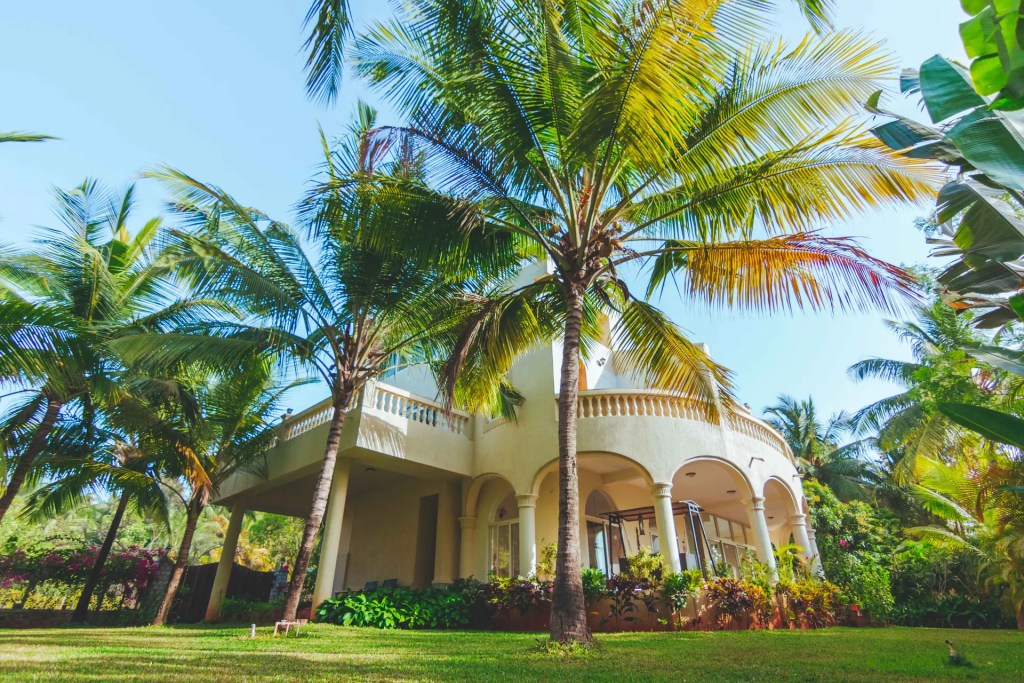
Two villas here, two different versions of the same weekend. SaffronStays Lighthouse by the Sea sits directly on Sasawane Beach, a three-bedroom pool villa built for exactly this kind of trip: a private pool for the swimming that actually happens, sea views from every room, and a short walk to sand worth walking. It is pet-friendly too, which counts on a long weekend when the dog is coming along.

SaffronStays Aura takes a different shape entirely. A four-bedroom villa about 25 minutes from Mandwa Jetty, closer to Awas and Kihim than to Sasawane, it comes with an onsite gym and table tennis that earn their keep on a weekend when the sea itself is off the table. This one suits a larger, more restless group, the kind that wants somewhere to burn energy between meals rather than just a view.

Either way, the kitchen does more work than usual on a trip like this. Alibaug’s Konkani cooking leans hard into monsoon produce, and a villa with an in-house chef turns a rained-out afternoon into the best part of the stay instead of the part everyone just tolerates.

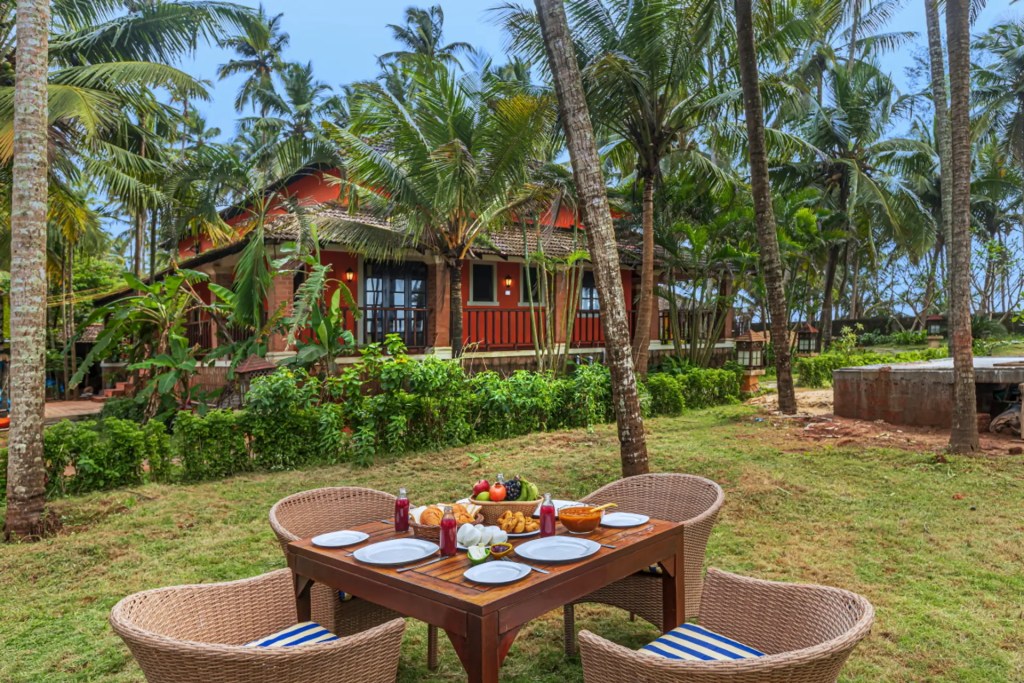
SaffronStays Lighthouse by the Sea villa exterior with private pool and sea view in the background, Sasawane Beach, Alibaug
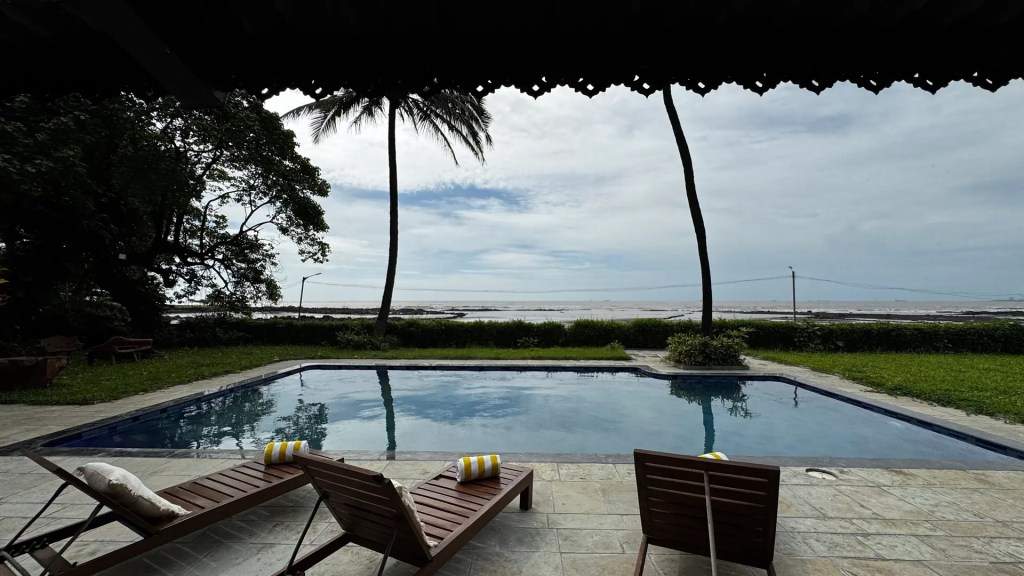
Private pool at SaffronStays Lighthouse by the Sea, Alibaug

Murud: The Fort Worth the Extra Hour

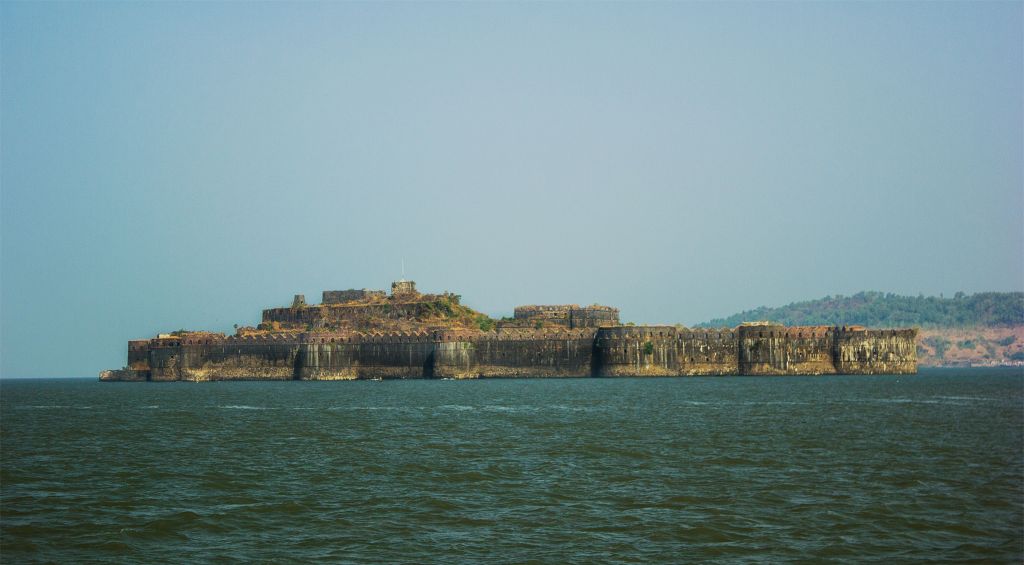
Murud is Alibaug’s quieter cousin, an hour further south, and it earns every extra minute almost entirely because of one fort. Murud-Janjira, built on a rock island just offshore, repelled every direct assault against it for over three hundred years, including repeated attempts by the Portuguese, the Marathas, and later the British navy. It remained under the rule of its Siddi Nawabs until it formally acceded to India in 1947, never taken by force. Even from a boat circling its walls rather than standing on the ramparts, that history lands. Boat access depends on tide and weather, so this is a morning plan, not an afternoon one. Check conditions locally the day before rather than showing up and hoping the crossing runs.

Murud Beach itself stretches long and stays largely uncrowded even on a holiday weekend, which makes it the better walking beach of the two towns. The advisory holds everywhere on this coast in August: ankle-to-knee depth only, and even that only with someone watching from the sand.

Where to Stay in Murud

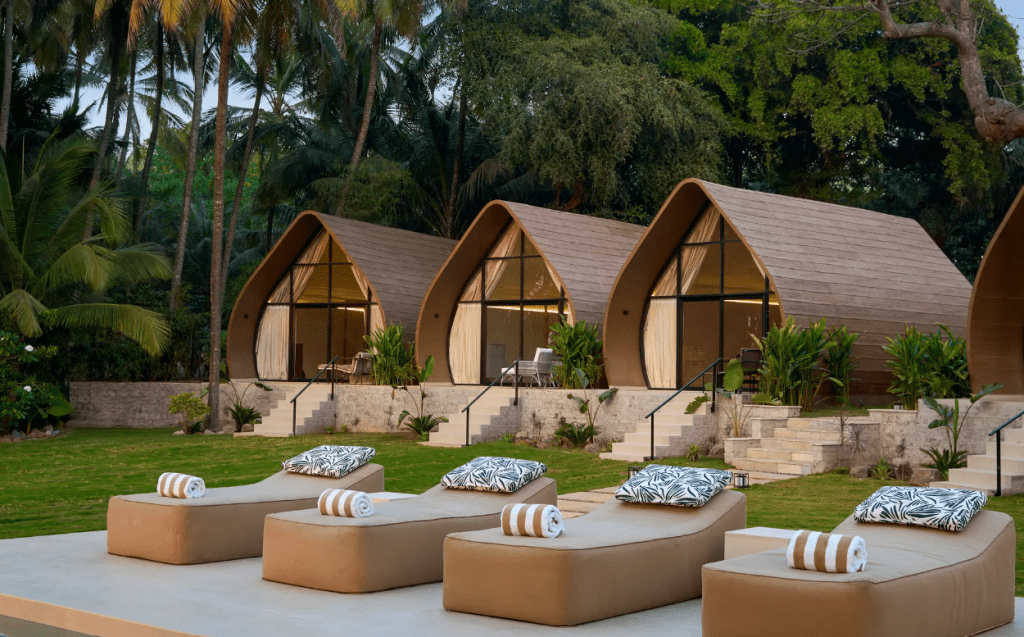
SaffronStays Ovates By The Sea makes the most of this stretch of coast. Built as independent sea-facing cabins, each with its own private plunge pool, alongside a larger common pool that handles group swimming, the six-bedroom property leans into the sea-view promise from every angle instead of tucking the water behind one shared pool. It suits a trip built around watching the Arabian Sea rather than fighting to get into it.

For a smaller, quieter version of the same weekend, SaffronStays Adora Woods And Hills, is a villa built for couples or a small family, with the same access to Murud’s fort circuit and coastline, minus the scale of a larger group stay.

Murud is a fishing town first, and it shows in the food. A villa stay with a dedicated chef is the easiest way to actually eat that catch the way locals do, rather than off a stall menu written for day-trippers.

Murud-Janjira Fort surrounded by open sea, shot from a circling boat with monsoon clouds overhead.
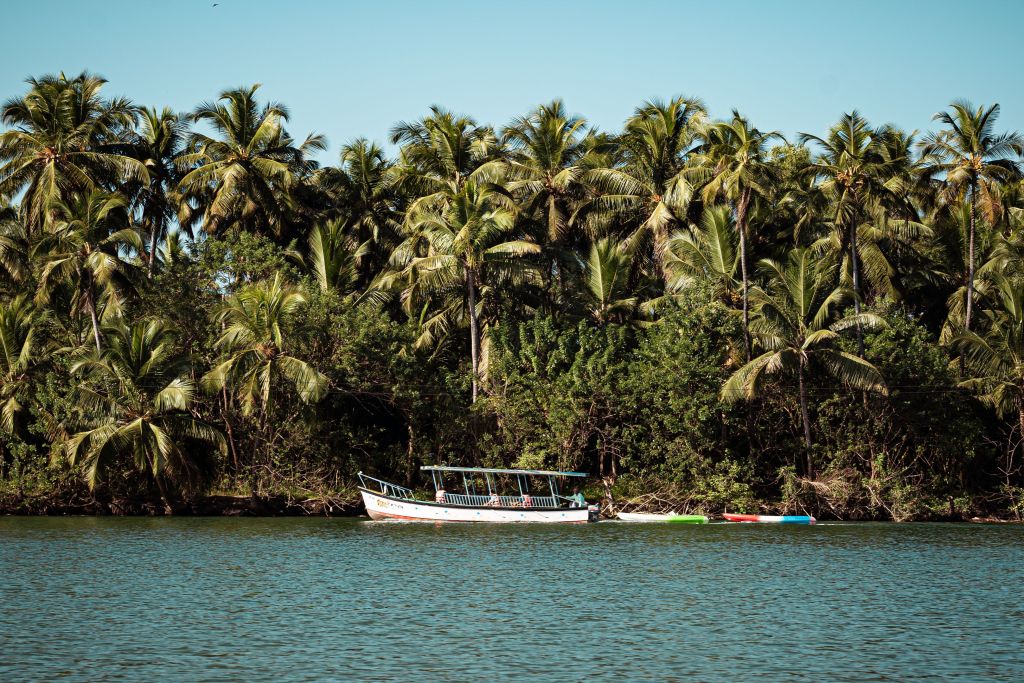
Murud-Janjira Fort surrounded by the Arabian Sea

Kashid: The One Town Where the Sea Is Still the Point

Kashid sits between Alibaug and Murud, and it is the one town on this stretch where the sea itself, not a fort or a walk, is the reason to come, even with swimming off the table. Kashid’s waves run six feet high or more nearly year-round, monsoon or not, which makes it a genuine surf-watching beach rather than a swimming one. Come for the swells breaking against pale sand and the sound of it from a safe distance, not for a dip.

Phansad Wildlife Sanctuary, a short drive inland, is the other half of a Kashid trip and the part most itineraries skip entirely. This is a real forest, not a manicured park, home to the Malabar giant squirrel alongside leopard and barking deer, though the squirrel is by far the likelier sighting; the other two are shy and mostly nocturnal. A monsoon visit means the canopy is at its thickest and greenest, and the squirrels themselves are the realistic reward for anyone who goes early, stays quiet, and keeps to the marked trails rather than expecting a wildlife documentary.

Come for the swells breaking against pale sand and the sound of it from a safe distance, not for a dip.
 High surf breaking on Kashid Beach with pale sand and dark monsoon sky, wide angle from the shoreline.
Kashid Beach in August

Where to Stay in Kashid

SaffronStays La Casa Maestro sits up in the Kashid hills rather than directly on the beach, a four-bedroom Spanish-style villa with a rooftop plunge pool and lawns bordered by coconut and mango groves. That slightly inland position works in the destination’s favour this month: it sits above the flood-prone low ground near the beach road, while keeping Kashid’s sand a short drive away for the walking and surf-watching that actually work in August.

Between the three towns, the drive itself earns its place as one of the better parts of the trip. The coastal road from Alibaug through Kashid to Murud runs about 50 kilometres, threading past paddy fields turned fluorescent green by the monsoon and fishing villages with hand-painted boats pulled up on the sand. Set aside a full day for it if the itinerary allows, and build slack into the return leg rather than the outward one; low-lying stretches of this road can flood after the heaviest showers, and it is easier to wait one out on the way back than on the way in.

 SaffronStays La Casa Maestro rooftop plunge pool at dusk, Spanish-style architecture, coconut grove visible below.
SaffronStays La Casa Maestro, Kashid

Three Towns, One Coastline

Three towns, one coastline, three different reasons to visit. Here is how they compare for a quick decision.

DestinationDistanceDrive TimeBest ForFeatured Villa
Alibaug~95-105 km2-2.5 hrs (road)Forts, easy reachLighthouse by the Sea, Aura
Murud~165 km3.5-4 hrsHistory, quiet beachesOvates By The Sea, Little Paradise
Kashid~125 km3-3.5 hrsSurf-watching, PhansadLa Casa Maestro

So, Which One

Whichever town wins, the shape of the trip stays the same: forts and walks in the morning, the villa pool in the afternoon, a Konkani or fresh-catch dinner cooked by someone else, and rain on the roof after dark. That is arguably a better August weekend than a sunny beach day would have been anyway, since none of it depends on the weather cooperating.

If August 15 falling on a Saturday means only the one day is free for this Independence Day weekend, Alibaug wins on drive time alone. If Friday, August 14 is actually free, Murud and Kashid both reward the extra distance, and pairing them on one loop puts the fort circuit and the surf-watching into a single trip.

Group size and pets change the calculus more than the destination itself does. A larger group scattering across a rained-out afternoon needs a villa with more than one common area, which points toward Aura in Alibaug or Ovates By The Sea in Murud, both built with enough separate spaces that a wet day does not mean everyone stuck in one room. A couple or small family gets more out of the quieter properties, Little Paradise in Murud or Lighthouse by the Sea in Alibaug, where the private pool and the sea view do most of the work without needing organised activities to fill the day. Anyone travelling with a dog should confirm pet-friendly status directly with the villa before booking, since it varies by property even within the same town.

None of it needs the sun to show up. That is the actual case for going.

Ready for the coast?

Browse private-pool villas in Alibaug, Murud and Kashid on SaffronStays and lock your Independence Day weekend before the good ones go.

Frequently Asked Questions

Is it safe to swim at Alibaug, Murud or Kashid beaches in August?

No. Strong currents and high tides through the monsoon make swimming unsafe at all three beaches this month. Villas here typically include a private pool for swimming, and the safest way to be near the sea is to walk the shore rather than enter it.

How long does it take to reach Alibaug from Mumbai by road?

About two to two and a half hours via the Atal Setu bridge and NH66, including a toll of roughly two hundred fifty rupees each way.

Is the M2M RoRo ferry running in August?

Generally yes, though heavy-rain cancellations happen occasionally. Confirm the morning of travel. The passenger catamaran from Gateway of India is more likely to be suspended during peak monsoon than the larger RoRo car ferry.

Should I leave Mumbai on the morning of August 15?

It is better to leave the evening of Friday, August 14. Mumbai’s own flag-hoisting ceremony closes roads around Mantralaya from 6 AM to 11 AM on August 15, adding to the usual weekend traffic.

Which of the three towns is best for a group with kids?

Alibaug generally offers the most villa variety for larger groups, and a property like SaffronStays Aura, with its onsite gym and table tennis, gives kids something to do beyond the pool.

Can Murud-Janjira Fort be visited in the monsoon?

Boat access depends on tide and sea conditions, so treat it as a morning plan and check conditions locally the day before rather than assuming the crossing will run.

Ultimate Monsoon Road Trips from Mumbai & Pune

Maharashtra changes its mind about itself every June. The brown hills that shrugged through eight months of heat turn a green so total it looks retouched, waterfalls appear on slopes that carried no water the week before, and the Western Ghats stop being a backdrop and start being the entire point of the drive. For a state whose two biggest cities sit less than three hours apart by expressway, this is a rare kind of luck: Mumbai and Pune are both wedged against a mountain range that performs its best trick exactly when the rest of India is trying to stay dry.

Ask a Mumbaikar or a Punekar where the monsoon lives and the answers cluster fast. Lonavala, for the ones who want reliability and roadside chikki. Mulshi, for the ones chasing a lake that turns the colour of wet slate. Kamshet, for the ones who know the paragliders go home in June but the valley gets better anyway. Mahabaleshwar, for the ones willing to give up a whole day to the drive because the strawberries and the cold, at 1,353 metres, are worth it.

What follows are four complete itineraries, not four destinations. Each one names the actual roads to take, the fastest way to get there, the forts and lakes and caves worth the detour, and where to eat along the way, because on all four of these routes the road is doing at least half the work. Fill the tank, check the wipers, and treat the drive itself as the first stop.

Table of Contents:

Mumbai to Lonavala: The Reliable One

Lonavala earns its reputation the boring way: it always works. Every Mumbai household with a car has done this drive at least once, usually several times, and the appeal has never really been about discovering something new. It is about a two-hour window in which the city recedes, the Sahyadris rise up on both sides, and by the time you are past Khopoli the temperature has dropped enough to justify rolling the windows down.

How to Reach

•  Distance from Mumbai: 83 to 100 km, depending on your starting point

•  Travel time: Roughly 2 hours via the Mumbai-Pune Expressway

•  Best way to reach: Self-drive via the Eastern Express Highway or Sion-Panvel Highway to Kalamboli, then the Mumbai-Pune Expressway through Khalapur Toll and Khopoli. Past Khopoli, the expressway runs through the Missing Link, its new tunnel-and-bridge alignment that opened on 1 May 2026, ending at the Kusgaon interchange, which puts you directly into Lonavala

•  From Navi Mumbai: the Atal Setu (Mumbai Trans Harbour Link) feeds straight onto the expressway near Kalamboli and skips the Sion-Panvel crawl

•  Two-wheelers: barred from the expressway and the Missing Link; use the Old Mumbai-Pune Highway (NH48) instead, which still climbs the Khandala ghat the traditional way

•  Good to know: the Missing Link is new infrastructure going through its first full monsoon; a landslide briefly shut it on 6 July 2026, so check live traffic status before setting out

Things to Do

•  Bhushi Dam, for the classic view of water spilling over the steps

•  Tiger’s Point and Lion’s Point, for valley panoramas

•  Karla and Bhaja Caves, rock-cut Buddhist sites more than two thousand years old and near-empty on weekdays

•  Rajmachi Fort trek, for a longer day with a full Sahyadri panorama

•  Della Adventure Park, for go-karting, bungee and other high-energy activities

Food and Cafes

•  Maganlal Chikki on Bazaar Road and Cooper’s Fudge in Ryewood, for Lonavala’s signature sweets

•  German Bakery, for an open-air continental breakfast or evening coffee

•  Kinara Village Dhaba, for a full North Indian sit-down meal

•  Golden Vada Pav, for the street-food stop locals actually queue for

•  Hotel Rama Krishna on the Mumbai-Pune Highway, for a reliable thali between sightseeing stops

DON’T MISS

Time your first crossing of the Missing Link for daylight. The Tiger Valley Bridge, rising some 100 metres above the valley floor, is worth seeing and not just using to get through.

The monsoon does not visit Lonavala. It moves in for three months and redecorates.

Where to stay: SaffronStays’ collection of villas around Lonavala sits close enough to the main sights for a lazy morning at Bhushi Dam, but far enough into the hills that the evenings stay quiet. The cluster also includes Glasshouse Celeste, part of SaffronStays’ flagship Celeste Collection, voted India’s Favourite Villa at the MakeMyTrip Awards.

Monsoon-green Sahyadri hills flanking the Mumbai-Pune Expressway near Lonavala, mist visible in the valley below, ideally shot from an elevated viewpoint like Khandala or Tiger’s Point
Monsoon-green hills along the Mumbai-Pune Expressway near Lonavala

Pune to Mulshi: The Lake Drive

Mulshi does not announce itself the way Lonavala does. No chikki shop marks the entrance, no wax museum, no crowd waiting at a single dam. What Mulshi has instead is a reservoir that spends the monsoon looking like it was poured from wet slate, ringed by hills that hold cloud low enough to touch the water.

How to Reach

•  Distance from Pune: 35 to 45 km

•  Travel time: About an hour

•  Best way to reach: Self-drive from Kothrud via Karve Road to Chandni Chowk, the junction off the Mumbai-Bangalore Highway that marks the start of the Mulshi stretch, then the Pune-Paud Road through Pirangut and Bhugaon to Mulshi Dam

•  Scenic alternative: via Lavasa Road, roughly 15 to 20 km longer, continuing naturally toward Tamhini Ghat, the shortest route from Pune to the Konkan beaches at Shrivardhan and Harihareshwar for a longer weekend

•  Good to know: fuel up in Pirangut or Paud, the last reliable pumps before the network gets patchy; avoid lingering past 5 or 6 pm, since fog settles fast into the Mulshi-Tamhini corridor after dark

Things to Do

•  Mulshi Dam, the easiest stop on this entire list for children or older relatives, with moving water within a minute of the shoulder, no trek required

•  Valanewadi, roughly 6 km past the dam, for the best elevated view of the full lake

•  Dhangad and Korigad forts, visible on the ridgeline for anyone wanting a fort detour

•  Tamhini Ghat, a scenic extension of the drive past the dam

•  Andharban trek, starting from a village just off this road, a six-to-seven-hour commitment best kept as its own day rather than an add-on

Food and Cafes

•  Paradise Cafe, just past the Tata Dam turn, for a dam-and-lake view and its well-loved chicken menu

•  Hotel Garva in Bhugaon, for Maharashtrian thalis and kala masala chicken in a traditional wada-style courtyard

•  Dhaba-style restaurants directly opposite Mulshi Dam, for a lakeside thali

•  Roadside stalls past Pirangut, for hot corn and chai

DON’T MISS

The stretch of road right after the Tata Dam turn, where the lake first comes into view through the trees. It is easy to drive past without slowing down, and it is the best photo opportunity on this entire route.

Where to stay: SaffronStays has a cluster of villas near the Mulshi reservoir itself, built for exactly this kind of view: mornings on a veranda with the lake still wrapped in mist, well before the day-trippers arrive.

Mulshi Lake in monsoon, still slate-grey water reflecting green hills and low cloud, shot from the lakeside road or a jetty at soft morning or evening light
Mulshi Lake reflecting monsoon clouds and hills near Pune

Pune to Kamshet: The Quiet Adventure Belt

Kamshet spends most of the year known for one thing: paragliding. Between October and May, the valley fills with instructors and first-timers running off a launch site with the Sahyadris spread out below them. Come June, that entire industry goes quiet, and it is tempting to assume Kamshet has nothing left to offer once the gliders are grounded. The opposite is true: the same valley, minus the crowds, filled instead with the kind of green that makes the whole point of the flying redundant for a few months.

How to Reach

•  Distance from Pune: 45 to 50 km

•  Travel time: 1 to 1.5 hours

•  Best way to reach: Self-drive on the Old Mumbai-Pune Highway (NH48) via Dehu Road and Talegaon Dabhade to Kamshet town

•  For Pawna Lake: continue past Kamshet to Somatne Phata and turn off onto the Kamshet-Pawnanagar road

•  By train: Kamshet has its own station on the Pune-Lonavala local line, a useful fallback for hiring a shared jeep onward to Pawnanagar

Things to Do

•  Pawna Lake, one of the region’s best-known camping spots, ringed by hills that stay green from June through September

•  Lohagad Fort, manageable in under an hour, for a 360-degree view of the Maval region

•  Visapur Fort, higher and more demanding, for the more serious trekker

•  Tikona and Tung forts, further along the same ridgeline, for stringing two or three into one day

•  Bedse Caves, 1st-century-BC rock-cut Buddhist caves, usually near-empty even on a weekend

Food and Cafes

•  Dhaba-style restaurants directly on Pawna’s shore, for Maharashtrian thalis, gavran chicken with Indrayani rice, and tandoori barbecue

•  Small cafes overlooking the lake and the Lohagad-Tikona-Tung skyline, for a quick vada pav and chai between forts

DON’T MISS

Skip the flying season logic entirely and go for the migratory birds instead. Pawna Lake draws visiting species between June and August, right when the paragliders have packed up for the year.

Kamshet in July is what Kamshet in December is trying to be for the other nine months.

Where to stay: SaffronStays’ presence in Kamshet puts guests within easy reach of Pawna Lake and the Maval forts, without the crowds that build up around Lonavala on a monsoon weekend.

Pawna Lake with green hills and the silhouette of Lohagad Fort in the distance, monsoon clouds overhead, shot in late afternoon light
Pawna Lake and Lohagad Fort near Kamshet in the monsoon

Mumbai to Mahabaleshwar: The Real Road Trip

Everything else on this list can be done as a half-day loop. Mahabaleshwar cannot, and that is precisely why it belongs on it. At five to six hours each way, this is the one route where the destination and the drive genuinely compete for attention, and where the temptation to treat the journey as a means to an end needs to be resisted from the start.

How to Reach

•  Distance from Mumbai: 247 to 270 km, depending on route

•  Travel time: 5 to 6 hours

•  Best way to reach: Self-drive via the Mumbai-Pune Expressway (through the Missing Link past Khopoli) to Pune, then NH48 through Satara district to Surur, followed by the Surur-Wai Road, Wai-Panchgani Road and Panchgani-Mahabaleshwar Road

•  Alternate route: NH66 through Mahad and Poladpur, roughly 226 km, better suited to travellers already coming up from the Konkan coast than a straightforward day’s drive from Mumbai

•  By rail: no station in Mahabaleshwar itself; the nearest, Wathar, is about 60 km away, so nearly everyone arrives by road

Things to Do

•  Wai, a natural halfway stop with small eateries before the final climb

•  Table Land in Panchgani, Asia’s second-highest plateau, a flat green expanse in the monsoon

•  Parsi Point and Sydney Point on the way in, Kate’s Point and Elephant’s Head Point closer to town

•  Pratapgad Fort, the trek most visitors build a half-day around

•  Venna Lake, the easiest lakeside stop for families

•  Lingmala Falls, over 150 metres tall and at its fullest in August, and the quieter Dhobi Falls a half-hour further

•  Kaas Plateau, roughly 30 to 40 minutes further for travellers with an extra half-day, best just outside peak monsoon when the flowering season begins

Food and Cafes

•  Mapro Garden on the Panchgani-Mahabaleshwar Road, for strawberry milkshakes, wood-fired pizza and preserves to take home

•  Mapro Food Park on the Wai-Surur Road, the sibling property with a working factory tour attached

•  The Grapevine Restaurant in Mahabaleshwar’s main market, known for lamb burgers and a broad enough menu for vegetarians too

•  Elsie’s Bakery, for fresh local bakes

•  Abhiruchi Garden Restaurant in Wai, for a family-style lunch stop before the final climb

DON’T MISS

Push on to Dhobi Falls even though Lingmala gets all the attention. Fewer visitors make the trip, and the walk in feels like it belongs to you for the afternoon.

Six hours to Mahabaleshwar sounds like a lot until you remember the alternative: staying home.

Where to stay: SaffronStays’ Mahabaleshwar and Panchgani villas sit within twenty minutes of most of the region’s viewpoints and waterfalls, which matters on a route this long. The reward for six hours of driving should be a home, not another commute.

Winding ghat road near Panchgani or Mahabaleshwar, mist-covered valley below, a waterfall visible in the distance, shot from a viewpoint along the road
Misty ghat road on the Mumbai to Mahabaleshwar route

Before You Leave: Monsoon Driving Notes for All Four Routes

MONSOON DRIVING ADVISORY

•  Leave by 6 or 6:30 am. Every route on this list gets exponentially more crowded after 9 am on a weekend.
•  Check wipers, brakes and tyre tread before any of these drives, not only the long one to Mahabaleshwar.
•  Do not stand under or swim near waterfalls and dam spillovers. Local authorities issue seasonal restrictions on several of these spots during peak monsoon; treat them as viewpoints, not swimming holes.
•  Fuel up before entering low-network stretches, particularly past Paud toward Mulshi and past Panchgani toward Mahabaleshwar.
•  Avoid driving after dark on ghat sections. Fog thickens fast on the Mulshi-Tamhini corridor, the approach to Pawna near Kamshet, and the Panchgani-Mahabaleshwar stretch.
•  Download offline maps for all four routes before leaving. Connectivity drops in patches on every one of them.

Frequently Asked Questions

Which of these four monsoon road trips is best for a first-time driver?

Mumbai to Lonavala is the most forgiving option, a mostly expressway drive with reliable infrastructure and no serious ghat sections. Pune to Mulshi is a close second for the same reasons.

Is it safe to drive to Mahabaleshwar during the monsoon?

Yes, with caution. The ghat road past Panchgani narrows and fog can reduce visibility quickly, so drive at a sensible pace, avoid night travel, and give trucks room on the hairpins.

What is the best time to leave for a monsoon day trip from Mumbai or Pune?

Between 6 and 7 am. All four routes see traffic build up sharply after 9 am on weekends, particularly closer to the destination.

Which route is best for a family with young children or elderly travellers?

Pune to Mulshi. The spillover point at Mulshi Dam requires no trekking or walking, making it the easiest monsoon stop on this list to reach and enjoy.

Can Kamshet still be visited in monsoon if paragliding is paused?

Yes. Paragliding pauses for safety between June and September, but Pawna Lake, Lohagad and Visapur forts, and the Bedse Caves remain fully accessible and are arguably at their best during these months.

How far in advance should villa stays be booked for these routes in monsoon?

At least 2 to 3 weeks ahead for weekend dates in July and August, when demand across Lonavala, Mulshi, Kamshet and Mahabaleshwar peaks simultaneously.

Udaipur in the Monsoon: A Complete Guide

Lake Pichola and the City Palace under monsoon cloud, water at full level, soft grey light.

What changes in the city, where to stay, and how to get there from Gujarat, Madhya Pradesh, Mumbai, Delhi and Pune

Udaipur looks like a different city once the monsoon arrives. For most of the year, it is a place people visit for clear skies and dry heat, its lakes and white marble palaces photographed under bright winter sun. Between July and September, that picture changes. The Aravalli hills around the city turn green. The lakes rise to levels they hold for only a few months a year, and the light softens into a grey that suits old sandstone and marble better than sharp sunlight usually does.

Most travel advice still treats Rajasthan as a winter destination and skips the monsoon question entirely. That misses what makes this particular season worth planning around. Udaipur was built around its lakes, quite literally, and monsoon is really the only time of year the city looks the way it was designed to look.
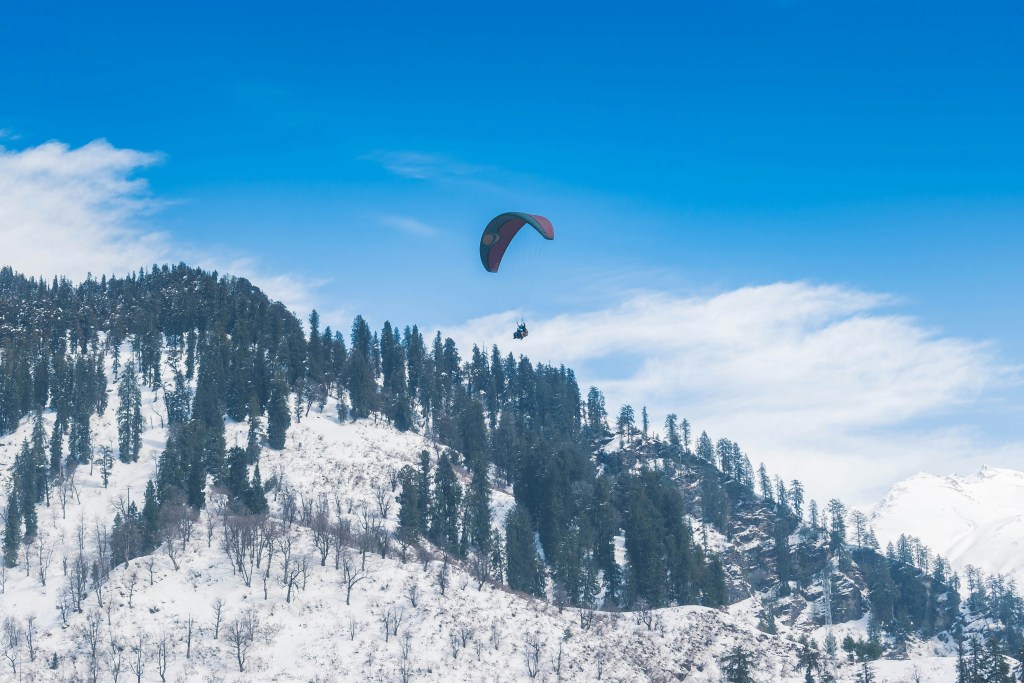
Table of Content:

What Changes in Udaipur During Monsoon

Lake Pichola existed before the city did, but Maharana Udai Singh II expanded it further when he founded Udaipur here in 1559. Every ruler after him added another lake, or another palace on an island in the middle of one, and the whole city grew up around water and reflection. For most of the year, Pichola and Fateh Sagar, the two main lakes, sit well below their full level. Monsoon changes that. Rain usually arrives through July, and by August both lakes are close to full, deep enough that the City Palace and its reflection blur into one another on a calm morning.

The weather itself is easier than most people expect. Rain tends to arrive in short bursts rather than settling in for the whole day, so mornings are often clear enough for sightseeing, with showers more likely in the afternoon or evening. Daytime temperatures run from the high 20s to low 30s in degrees Celsius, a real drop from the 40°C-plus the city sees in May and June. The crowds thin out too. Winter remains the busiest season for tourism in Udaipur, which makes monsoon the quietest and most affordable time to visit.

Monsoon shows Udaipur the way it was actually built to look.

Things to Do in Udaipur in Monsoon

The City Palace is worth visiting twice if there is time. Go once in the late morning, when the light is flat and even, and again closer to evening, when the marble catches whatever sun breaks through the clouds. A boat ride on Lake Pichola works better in monsoon than in any other season. The water sits high enough for the palace and surrounding hills to reflect clearly, instead of the muddy shallows visible for most of the year.

Sajjangarh Monsoon Palace seen through low cloud, hillside forest below.

Above the city, Sajjangarh, better known as the Monsoon Palace, was built in the 1880s by Maharana Sajjan Singh specifically to watch the clouds roll in over his kingdom. The drive up passes through a wildlife sanctuary that stays thick with mist through most of the season, and on a clear break in the weather, the view from the top stretches across the whole lake basin.

In the evenings, Bagore Ki Haveli, a restored eighteenth-century mansion on the Pichola waterfront, runs a nightly Dharohar dance show, a set of Rajasthani folk performances that ends with a dancer balancing seven brass pots on her head. During monsoon, the courtyard show has rain for a soundtrack, which makes it a good deal more atmospheric than the same performance in dry summer heat.

Food is worth building time around too. A Rajasthani thali, usually a dozen small dishes built around dal, gatte and kadhi, tastes better after a morning spent outdoors in cooler air. The cafés along the lake, half-empty for most of the year, fill up just enough in monsoon to feel lively, without a wait for a table. The old city rewards slow walking as well. Hathi Pol Bazaar, close to the City Palace, is where most of the miniature paintings and Pichwai art on sale in Udaipur are actually made, not just sold.

Where to Stay in Udaipur

Where a traveller stays in Udaipur changes the kind of trip it becomes. SaffronStays Rang Havelii sits close enough to the City Palace to share a version of the same rooftop views. The haveli took a year and a half to rebuild from near-ruin. Each of its eight rooms is designed around a different Rajasthani city’s craft tradition: Molela wall art from a village near Chittorgarh, marble from Makrana, sandstone floors from Dholpur. The rooftop pool looks out at the City Palace on one side and the Karni Mata hills on the other.

Villa feature, Udaipur SaffronStays Rang Havelii rooftop pool, City Palace visible across the water.

Pristine Manor takes a quieter approach. It sits between two lakes, a few hundred metres from Fateh Sagar, with a ten-thousand-square-foot garden that turns fully green by August, room enough for a large family or a pre-wedding function without feeling crowded. Kilakot, also near Fateh Sagar, is built around the same idea: slow mornings, open living, no fixed itinerary.

Between the three, most of what a traveller wants from Udaipur is covered: proximity to the palaces for anyone here to look at architecture, and enough distance from the noise for anyone here mainly to slow down. We have written a full lake-by-lake, café-by-café guide to Udaipur’s monsoon season separately, for anyone planning to spend a full week in the city rather than a long weekend.

Hariyali Teej Falls in August This Year

Within Teej section Women in green traditional attire celebrating Teej, decorated swings hung from a tree, henna-adorned hands visible.

August adds one more reason to plan around this season. Hariyali Teej, Rajasthan’s main monsoon festival, falls on 15 August this year. It marks the reunion of Shiva and Parvati, and the name roughly translates to green festival. For one day, women dress in green, apply fresh henna, and hang swings from trees and courtyard beams. Rajasthan calls it Shingara Teej locally, and it is celebrated more visibly here, with processions and decorated swings in courtyards and temples, than in most of the other states that also mark the day. It is not something a trip needs to be built around, but arriving during Teej week adds a genuine layer to a Udaipur visit that a dry-season trip does not offer.

Mount Abu: A Short Detour for Drivers

For anyone driving in from Gujarat, and often Madhya Pradesh too, Mount Abu makes a natural stop before or after Udaipur. It is Rajasthan’s only hill station, and the monsoon contrast is dramatic. While the rest of the state sits above 40°C in July, Mount Abu settles into the low twenties, with cloud low enough to touch the hills around Nakki Lake. The Dilwara Temples, a set of 11th and 13th century Jain temples known for their fine marble carving, are worth the climb in any season, but rain does nothing to them except clean the stone.

Rain does nothing to the temples except clean the stone.

SaffronStays Sylvan Farms sits on a hilltop above the town, its gardens and small working farms turning green through the season. Mount Abu to Udaipur is about 160 km, a three-hour drive through hills that turn from brown to green within a few weeks each year.

Getting to Udaipur

For Gujarat, Udaipur is close enough to be a proper weekend trip rather than a full holiday. Ahmedabad to Udaipur is about 260 km by road, a drive of 4.5 to 5 hours via NH48, and it is a route Ahmedabad already knows well, usually for weddings in the winter months. Vadodara and Surat add roughly one to two hours to the drive but follow largely the same road through Mehsana and Palanpur. Driving remains far more common than flying on this route, since the highway is faster door to door than the airport connections from Ahmedabad. Travellers routing through Mount Abu, Rajasthan’s only hill station and already a popular stop for Gujarat travellers, should plan for a full day of driving, with the hill station as a stop along the way rather than a separate detour.

From elsewhere in India, flying is usually the more practical option. Madhya Pradesh is the exception: Indore to Udaipur is about 390 km, roughly 5.5 to 6 hours by road, similar to the Gujarat drive, or under an hour and a half by direct flight. Delhi and Mumbai both have several direct flights to Udaipur a day, each taking around 1.5 hours, a shorter trip than the 10 to 13 hour drive from Delhi or the 750 km-plus drive from Mumbai. Pune has fewer direct options, with most flights connecting through Delhi, Mumbai or Ahmedabad and total travel time running 5.5 to 9 hours depending on the layover. Trains cover all of these routes too, but at 11 hours or more, they suit travellers who prefer an overnight journey over a short flight.

Planning the Trip

Monsoon runs July through September in Udaipur and the surrounding region. Rain tends to arrive in short spells rather than lasting all day, so most mornings stay clear enough for sightseeing. Daytime temperatures: high 20s to low 30s (°C) in Udaipur, low-to-mid 20s in Mount Abu, both a real break from the 40°C-plus both places see in peak summer. Ahmedabad to Udaipur: ~260 km, 4.5 to 5 hours by road. Indore to Udaipur: ~390 km, 5.5 to 6 hours by road. Delhi and Mumbai to Udaipur: ~1.5 hours by direct flight. Pack light layers for daytime humidity, something warmer for Mount Abu evenings if that is part of the trip, and a proper rain layer rather than a travel umbrella.

None of this needs much planning. A long weekend covers Udaipur comfortably on its own. Four or five days allow time for Mount Abu too, for anyone driving in from Gujarat or Madhya Pradesh. A private villa suits this season particularly well, since rain becomes part of a slow day rather than an interruption to a packed one. What changes most about a monsoon trip to Udaipur is not the itinerary but the season most people skip entirely. Winter shows the city at its clearest. Monsoon shows it the way it was actually built to look: lakes full, marble catching grey light instead of hard sun, and considerably fewer crowds in between.

Plan Your Monsoon Trip to Udaipur Explore SaffronStays villas in Udaipur and Mount Abu, from lakeside heritage havelis to hilltop farm retreats.

FAQ: Udaipur in Monsoon

Is Udaipur worth visiting in the monsoon, or is winter really the better season?

Winter remains the most comfortable season for sightseeing, but monsoon is when Udaipur’s lakes, Pichola and Fateh Sagar especially, fill closest to the level they were originally built for, and the city empties of winter crowds.

Is Udaipur a good weekend trip from Ahmedabad?

Yes. At around 260 km and 4.5 to 5 hours by road, Udaipur is one of the easiest weekend drives out of Ahmedabad, Vadodara or Surat, and it is a route Gujarat travellers already make often for weddings and family functions.

How do I reach Udaipur from Mumbai or Delhi?

Both cities have frequent direct flights to Udaipur, taking around 1.5 hours. Trains run too, but take 11 hours or more, so flying is the practical option for a short trip.

Is Indore a good starting point for a Udaipur trip?

Yes. Indore to Udaipur is about 390 km, roughly 5.5 to 6 hours by road, similar in length to the drive from Ahmedabad, and there are also direct flights under an hour and a half.

Can Mount Abu be combined with a Udaipur trip from Gujarat?

Yes, easily. Mount Abu and Udaipur are about 160 km and 3 hours apart, and it is a common route for Gujarat travellers driving in via Ahmedabad.

What is Hariyali Teej, and does it affect travel plans?

Hariyali Teej is Rajasthan’s main monsoon festival, marking the reunion of Shiva and Parvati with green clothing, henna, and decorated swings. In 2026 it falls on 15 August. It does not close attractions, but it brings extra colour and local celebration that week.

The Kerala Most Travellers Never See (Monsoon 2026 Villa Guide)

Kerala backwaters in the monsoon, Alleppey, with rain falling on the water and lush green palms on the banks in June

The sky over the Alleppey backwaters is the colour of pewter. The water in the canals reflects it perfectly. Rain falls in fine curtains that drift across the lagoons. The banks are so green they barely look real. And there is almost nobody else here.

This is what Kerala looks like when most of India has decided not to come.

Every year, travellers look at the June forecast, see rain, and pivot to the hills. Manali fills up. Shimla overflows. And Kerala, sitting at the other end of the country with its backwaters and its tea estates and its ancient Ayurveda retreats, gets quietly to itself.

Which is, of course, precisely the point.

The monsoon does not diminish Kerala. It reveals it. The tea estates in Munnar turn a green so saturated it looks painted. Waterfalls that were dry rock faces in March are now roaring. The Ayurveda retreats along the coast are at their most effective, because Ayurvedic physicians have recommended the humid monsoon air as the optimal season for deep treatments for centuries. And villa rates, flights, and resort prices across the state drop by 40 to 50 per cent the moment the rains arrive.

The version of Kerala that most visitors see is the polished, peak-season one. The monsoon version is the real one.

Table of Content:

A Landscape Built for Rain

Kerala is not a destination that merely tolerates the monsoon. It is a place that was designed for it.

The landscape here has been shaped by centuries of heavy annual rain. The backwater canal system exists because of it. The spice plantations, the paddy fields, the waterfall-threaded Western Ghats, and the entire tradition of Ayurveda all grew around the rhythm of a landscape that floods and drains and floods again every year without complaint. When the rains arrive, Kerala does not shut down. It opens up.

In 2026, the southwest monsoon reached Kerala on 24 May, the earliest arrival since 2009. By the time most travellers are reading this, the transformation is already complete: waterfalls at full volume, tea gardens gleaming, paddy fields flooded. The seasonal forecast is 92 per cent of the Long Period Average, which means a full, well-established monsoon without the exceptional flooding of unusual rainfall years. For a visitor, this is close to the ideal window.

Alleppey: The Backwaters Without the Tourists

If you have ever seen a photograph of the Kerala backwaters, it was probably taken in December or January. Blue sky, white clouds, a houseboat drifting between coconut palms. Beautiful, certainly. But it is the tourist version.

The backwaters in the monsoon are something else entirely. At night, with the rain on the roof and the water all around, the canals are as quiet as anywhere in India. The kind of quiet that a place surrounded by other tourists in high season simply cannot offer.

Rain falling on the Alleppey backwater canals in June with coconut palms reflected in the still water, Kerala

The practical question people ask about Alleppey in June is whether the houseboat experience is still good. The honest answer is yes, with some adjustments. Cooking on board continues. Canal cruises operate normally. The difference is that you spend more time on the covered deck watching the rain and less time sitting out in direct sun, which, to most people who have visited the backwaters in February and returned dehydrated and sunburned, turns out to be a significant improvement.

A private villa stay on the backwaters in June gives you something a houseboat cannot: a fixed point with a garden, a kitchen producing fresh Kerala meals, and the ability to wake up to the sound of rain on water without the slight motion sickness that some guests experience on houseboats during heavier rain.

Ayurveda: Why the Monsoon Is the Only Season That Matters

This is not a marketing angle. It is traditional medicine.

Kerala Ayurveda practitioners have recommended the monsoon months, specifically June through August, as the optimal window for Panchakarma and deep detoxification treatments for centuries. The reasoning is physiological: the humid air opens the pores, makes the skin more receptive to oil-based therapies, and the cooler temperatures reduce the body’s stress responses, allowing treatments to penetrate more effectively.

Kerala Tourism’s official programme actively promotes June to August as the peak Ayurveda season. Serious practitioners plan around it. The best clinics and retreat centres are busiest, not quietest, during these months.

Most visitors think of Ayurveda as a nice add-on to a Kerala trip. In June, it is the reason to come.

For a SaffronStays guest, this means that the private villa stays near the backwaters and hill estates are close to some of Kerala’s finest Ayurvedic centres. Treatments can be arranged on-site at several properties, including the WellBeingVilla in Wayanad, which is built specifically around Ayurvedic wellness in a five-bedroom ancestral home amid plantations.

Wayanad: When the Hills Finally Breathe

Wayanad in the monsoon is a different world from Wayanad in December.

The Vythiri forests turn dense and dark. Waterfalls that were dry tracks of rock in March are now roaring cascades. The tea estates around Kalpetta and Lakkidi glow in a way that photographers specifically travel for. Mornings begin in mist so thick you can barely see the valley below.

Misty tea estates and waterfall in Wayanad, Kerala, during the June monsoon with the Western Ghats in the background
Important: Wayanad travel advisory for June 2026 The Chooralmala and Mundakkai areas in Meppadi panchayat (Vythiri taluk) remain restricted following the July 2024 landslides. These areas are not accessible to tourists. Check Kerala State Disaster Management Authority advisories before travel, particularly for any hill-station treks in the Vythiri area. The rest of Wayanad, including Kalpetta, the tea estates, Edakkal Caves, Soochipara Falls, and Pookode Lake, is open and welcoming visitors.

With that caveat clearly stated: Wayanad in June is genuinely magnificent for travellers who plan thoughtfully. The Cholamala waterfall, which gives its name to the SaffronStays six-bedroom waterfront pool villa on the hill, is at full volume. The private natural pond on the 12-acre property, fed by a stream, is full. The forests surrounding the estate are alive in a way that simply does not exist in the dry season.

Wayanad rewards travellers who want to be inside the landscape rather than photographing it from a viewpoint. In June, there is no better way to do that than from a private villa with a garden that has been waiting all year for the rain.

The Numbers That Make This an Easy Decision

Beyond the atmosphere and the Ayurveda, there is a straightforward financial argument for Kerala in June.

Flights to Kochi (COK), Trivandrum (TRV), and Calicut (CCJ) from Delhi, Mumbai, and Bangalore are 40 to 50 per cent cheaper in June than in December and January. Five-star resorts that charge Rs 15,000 or more per night in peak winter are available for Rs 4,000 to Rs 7,000 in June. SaffronStays villas across Alleppey and Wayanad reflect a similar pattern, with meaningfully better rates than the winter peak for the same properties.

The same private villa on the Alleppey backwaters that costs Rs 18,000 a night in December might cost Rs 11,000 in June. The backwaters look better in the rain. You do the maths.

This makes June particularly compelling for groups. A family of eight or ten sharing a private villa with a caretaker, backwater views, and in-villa Kerala meals gets a genuinely luxurious experience at a price that would have been impossible in peak season.

What You Are Walking Into: The Honest Version

There is no value in pretending the monsoon is entirely without inconvenience. It is worth being specific about what to expect so you can plan accordingly.

  • Rain is persistent, not constant. Most days have dry windows in the morning and heavier rain in the afternoon and evening. Plan outdoor activities for mornings.
  • Sea swimming is not advised. Tides are rough and beaches carry red flag advisories through most of June. The backwaters, lakes, and hill estates are the right focus.
  • Some treks and outdoor activities close temporarily during heavy rain. Rafting on certain rivers does not reopen until July. Build flexibility into your itinerary.
  • Leeches appear in forested and damp areas. Wear high socks and closed shoes for any plantation or forest walk. They are harmless but worth knowing about.
  • Power cuts can happen during heavy rain in more remote areas. Private villa caretakers typically have generators or inverters. Worth confirming at booking.
  • Roads in hill areas can be slower after heavy rain. Check the Kerala State Disaster Management Authority website before driving into highland zones.
The travellers who love Kerala in June are those who come for the rain, not despite it. If your trip is built around the backwaters, plantation stays, Ayurveda, and the atmosphere of a landscape fully alive, June rewards you. If it is built around beach days, boat rides on open sea, or a checklist of viewpoints, wait until October.

Getting There

Kerala has three major airports: Kochi (COK), Trivandrum (TRV), and Calicut (CCJ). For Alleppey and the backwaters, Kochi is the closest at roughly 80 kilometres or two hours by road. For Wayanad, Calicut is the more practical option at around 75 kilometres from most estate stays.

By train, the Rajdhani and express services from Mumbai and Delhi reach Ernakulam (Kochi) and Shoranur well. Trains are comfortable, scenic through the Ghats, and weather-independent, which makes them a solid choice over flying during heavy rain periods.

By road from Bangalore, Wayanad is around 280 kilometres, typically five to six hours. The drive through the Ghats is spectacular in the monsoon, with cloud cover rolling through the passes, though it requires careful driving and checking road conditions before departure.

The Right Kind of Stay Changes Everything

There is a version of a Kerala trip that involves a large resort, a shared dining hall, a pool that nobody uses because it is raining, and the general feeling of being in a building rather than in Kerala. Most chain hotels in the state, however pleasant, put a layer of hospitality infrastructure between you and the landscape.

A private villa removes that layer entirely.

On the backwaters, waking up in a SaffronStays heritage homestay in Alleppey means stepping onto a garden that touches the water. Your caretaker has already made the filter coffee. The rain is doing something interesting to the surface of the canal. There is nowhere you have to be. Breakfast can wait. The Kerala morning is doing its best work right now, and you are inside it.

In Wayanad, a private villa set in a tea estate or against a forest means the monsoon is not something happening outside your window. It is the entire environment: the smell of it, the sound of it, the way it changes the light every twenty minutes. A hotel room cannot give you that. A private estate can.

Private villa garden on the Alleppey backwaters in the Kerala monsoon with rain on the water and coconut palms

FAQ: Kerala in Monsoon

PUBLISHING NOTE These 6 Q&As appear in the visible body of the post. The schema code below goes into the WordPress Custom HTML block or RankMath Schema tab only. Never paste schema into the post body.

Is Kerala worth visiting in June?

Yes, for the right kind of traveller. June is Kerala’s monsoon peak: the landscapes are at their most vivid, Ayurveda retreats are at their most effective, prices are 40 to 50 per cent lower than peak winter, and the state is wonderfully uncrowded. The trade-off is persistent rain, rough sea conditions, and the need for flexibility in outdoor plans. Travellers who come for the backwaters, plantation stays, and Ayurveda find June transformative. Travellers who come for beach holidays are better off waiting until October.

When does the Kerala monsoon start in 2026?

The 2026 southwest monsoon made landfall over Kerala on 24 May, the earliest onset since 2009. By June 4, the monsoon is fully established across the state. Wayanad and Munnar received their first heavy rain within 48 hours of onset. Seasonal rainfall is forecast at 92 per cent of the Long Period Average, classified as normal.

Is Alleppey good to visit in June?

Yes. The backwaters are at their most atmospheric in June: rain-speckled, quiet, and impossibly green. Houseboat and canal cruise operations continue normally. Sea swimming is not advisable due to rough monsoon tides, but the backwater experience has nothing to do with the sea. A private villa stay on the backwaters in June is one of the most distinctive travel experiences in South India.

Is Wayanad safe to visit in June 2026?

Most of Wayanad is open and welcoming visitors. The Chooralmala and Mundakkai areas in Meppadi panchayat remain restricted following the July 2024 landslides. Before any hill-area trekking, check the Kerala State Disaster Management Authority advisories. The tea estates, Edakkal Caves, Soochipara Falls, Pookode Lake, and most estate stays are unaffected and accessible.

What is Ayurveda season in Kerala?

June to August is the traditional Karkidakam or Ayurveda season in Kerala. The monsoon humidity opens the pores and makes the body more receptive to oil-based Panchakarma therapies. Kerala Tourism and Ayurvedic physicians have promoted this period as the optimal window for deep treatments for decades. The best Ayurveda clinics and retreat centres in the state are at their most active during these months.

How much cheaper is Kerala in June vs December?

Flights to Kochi, Trivandrum, and Calicut are typically 40 to 50 per cent cheaper in June than in December and January. Five-star resorts that charge Rs 15,000 or more per night in peak winter are available for Rs 4,000 to Rs 7,000 in June. SaffronStays villa rates reflect a similar pattern, with significantly better rates for the same properties in the monsoon months compared to peak season.

Manali in June 2026: The Complete Summer Guide for Families & Adventure Seekers

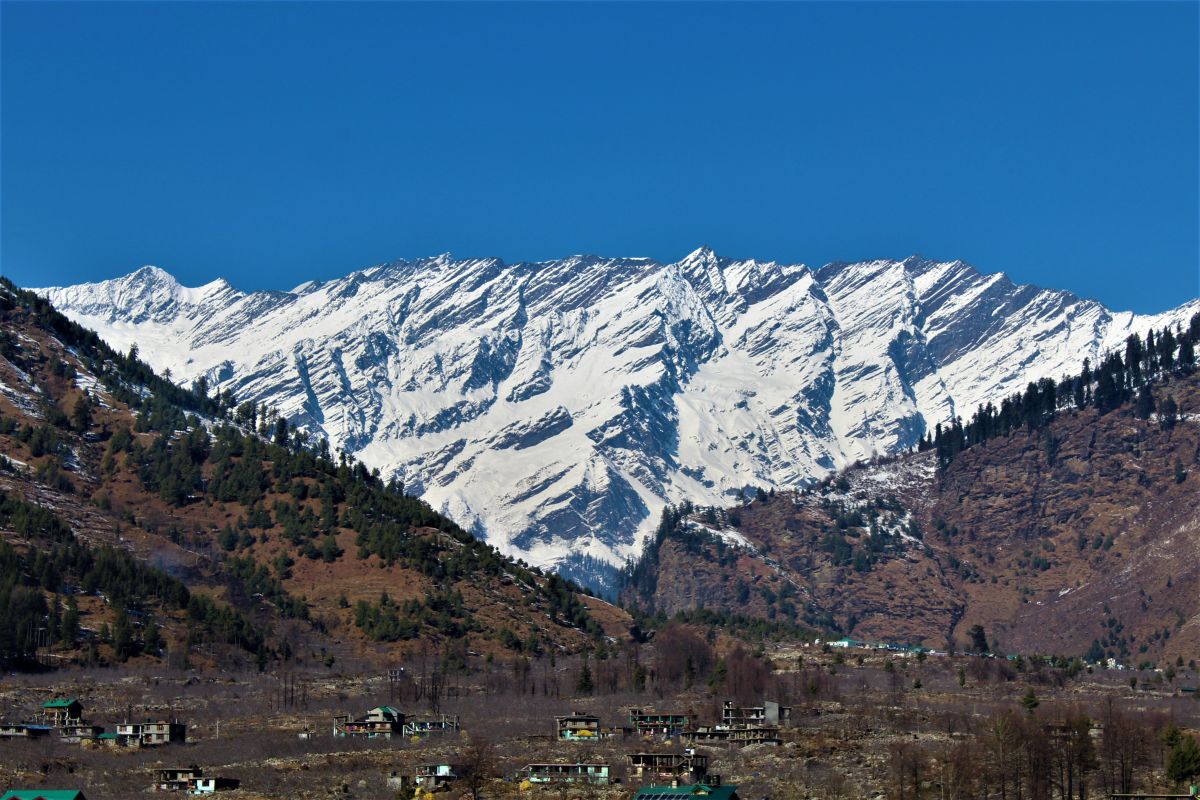
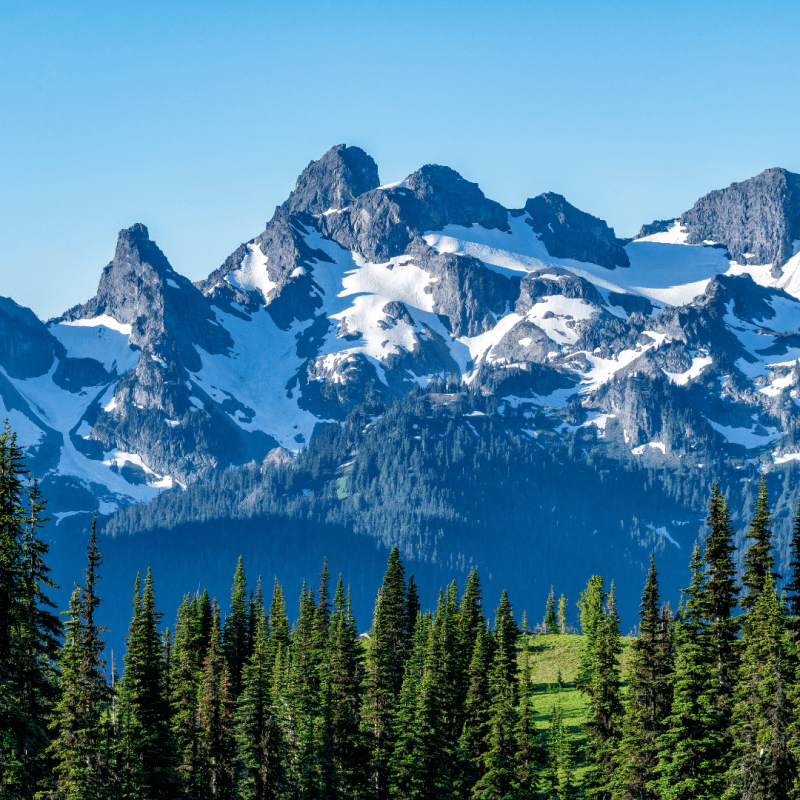
Panoramic view of snow-capped Himalayan mountain range above Kullu Valley near Manali in Himachal Pradesh

Here is a thought that surprises most people: June is arguably the best month to visit Manali. Not May, when the roads are still unpredictable. Not October, when half the town has packed up for winter. June, right in the thick of Indian summer, when the rest of the country is either melting or complaining about power cuts. That is when Manali quietly becomes one of the most beautiful places on earth.

The Beas River runs fat and loud with snowmelt. The pine forests above Old Manali glow a green so saturated it barely looks real. Rohtang Pass is open, the apple orchards are in full flush, and the temperature rarely climbs above 25°C. And because most people assume June is too hot, or too rainy, or too something. There is still a window before the full peak-season crowds of July descend. June is Manali’s open secret.

Whether you are planning a family summer trip, an adventure weekend, a romantic getaway, or a long overdue girls’ or boys’ trip. This guide covers everything you need to know: weather, things to do, how to get there, what to book in advance, and where to stay in a SaffronStays villa that actually feels like an escape rather than just another hotel room.

Table of Content

Why June Is the Best Time to Visit Manali

Most hill station travel advice operates on a simple logic: go before the crowds, go after the rains, go when the weather is perfect. Manali in June checks all three.

The temperature is ideal. Daytime highs sit between 15°C and 25°C in the town, dropping to a pleasant 8–12°C at night. After months of 40°C in Delhi, Mumbai, or Pune, that first breath of Kullu Valley air feels like a physical relief.

Rohtang Pass is open. The Border Roads Organisation typically clears the pass by late May or early June, making it accessible to tourists from June 1 onwards (weather permitting). This is the gateway to Lahaul and the wider Himalayan landscape, and it is only accessible for a few months each year.

The valley is at its greenest. Post-snowmelt, the Kullu Valley transforms into a wall of green. Wildflowers bloom across Solang and Beas Kund. The apple orchards around Naggar are in full leaf. And the Beas River, swollen with glacial melt, thunders alongside the highway in a way that genuinely impresses even seasoned Himalayan travellers.

It is still shoulder season. By mid-July, Manali becomes genuinely crowded, with traffic jams on the way to Rohtang, booked-out properties weeks in advance, inflated rates. June gives you the same landscapes with perhaps 40–50% fewer people, and rates that reflect that. For SaffronStays guests, this also means more flexibility on check-in times, meal customisation, and bonfire evenings without a queue.

LOCAL INSIGHT: Hotel occupancy in Manali reaches 80%+ by mid-July. June bookings, particularly for villa stays, should be secured at least 3–4 weeks in advance, but you will almost always find better rates and more caretaker attention than the peak-season rush.
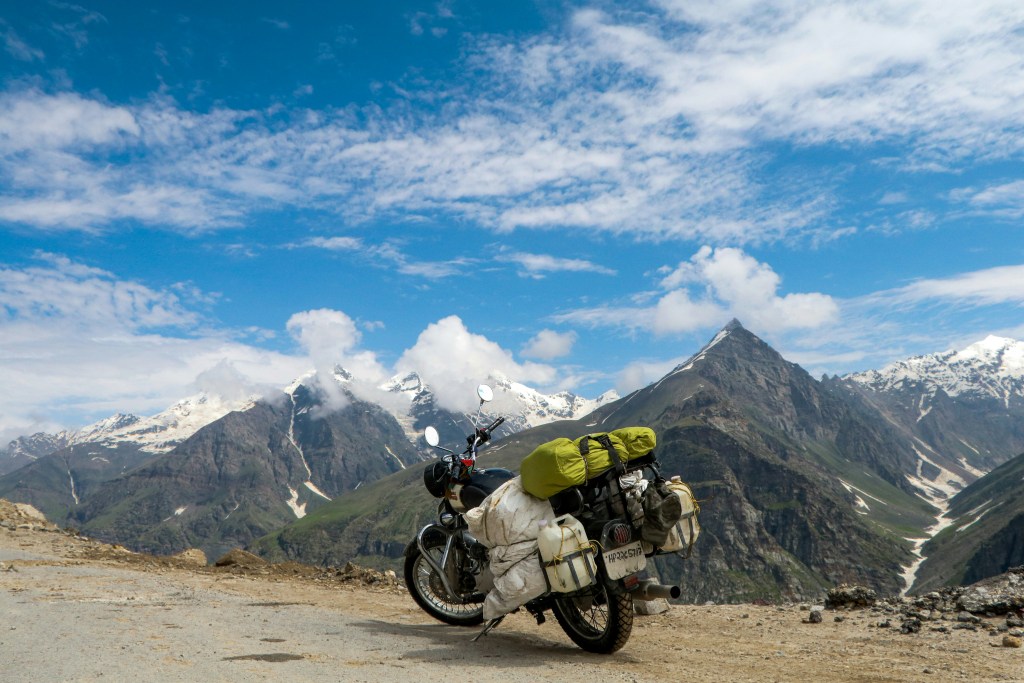
Loaded Royal Enfield motorcycle parked at Rohtang Pass near Manali with snow-capped Himalayan peaks and blue sky in the background

Manali in June: Weather & What to Expect

Understanding Manali’s June weather is not complicated, but it is worth being accurate about. The town sits at roughly 2,050 metres above sea level. Rohtang Pass, at 3,978 metres, operates in an entirely different climate on the same day.

ZoneAltitudeDay TempNight TempConditions
Manali Town / Mall Road2,050 m18–25°C10–14°CSunny, occasional afternoon showers
Old Manali / Vashisht2,100 m16–22°C9–12°CCool, forested, ideal for walks
Solang Valley2,480 m12–18°C5–8°CClear mornings, cloud builds by 2pm
Rohtang Pass3,978 m4–10°C0–5°CSnow patches, fog possible, permit required

A few practical weather notes for June specifically:

  • Pre-monsoon showers can arrive in late June, usually as short, sharp afternoon bursts. They clear quickly and rarely disrupt a full day’s plans.
  • Morning hours (6am–11am) are consistently clear and the best window for Rohtang Pass drives and high-altitude treks.
  • Pack a light fleece or jacket. Evenings at your villa will be cool enough to want one, especially at altitude.
  • Snowfall at Rohtang is possible in early June; by late June, snow is limited to patches at the highest points.

Things to do in Manali in June

June is Manali’s most activity-rich month. Rohtang is open, the rivers are high, the trails are clear, and the weather cooperates for most of the day. Here is how to spend your time well.

Rohtang Pass: The Drive Everyone Talks About

Fifty-one kilometres from Manali, Rohtang Pass sits at 3,978 metres above sea level and serves as the gateway to Lahaul and Spiti. In June, it has just reopened from winter closure, which means snow still dusts the higher ridges and the landscape feels almost impossibly dramatic.

Permit essential: All tourists require a permit, booked online at rohtangpermits.nic.in. Daily quotas apply: 800 petrol vehicles and 400 diesel vehicles. Book the night before your planned visit. Cost: ₹550.

Leave by 7am: Traffic builds rapidly. Early starters get clear roads, better light for photos, and more time at the pass before the afternoon clouds roll in.

Rohtang is closed on Tuesdays for road maintenance. Plan accordingly.

Tandem paraglider soaring over snow-covered Solang Valley near Manali in Himachal Pradesh against a clear blue sky

Solang Valley: Adventure Base Camp

Thirteen kilometres from Manali and sitting at 2,480 metres, Solang Valley is the adventure hub of the region. In June, with residual snow on the upper slopes and clear blue skies in the morning, it is at its most photogenic.

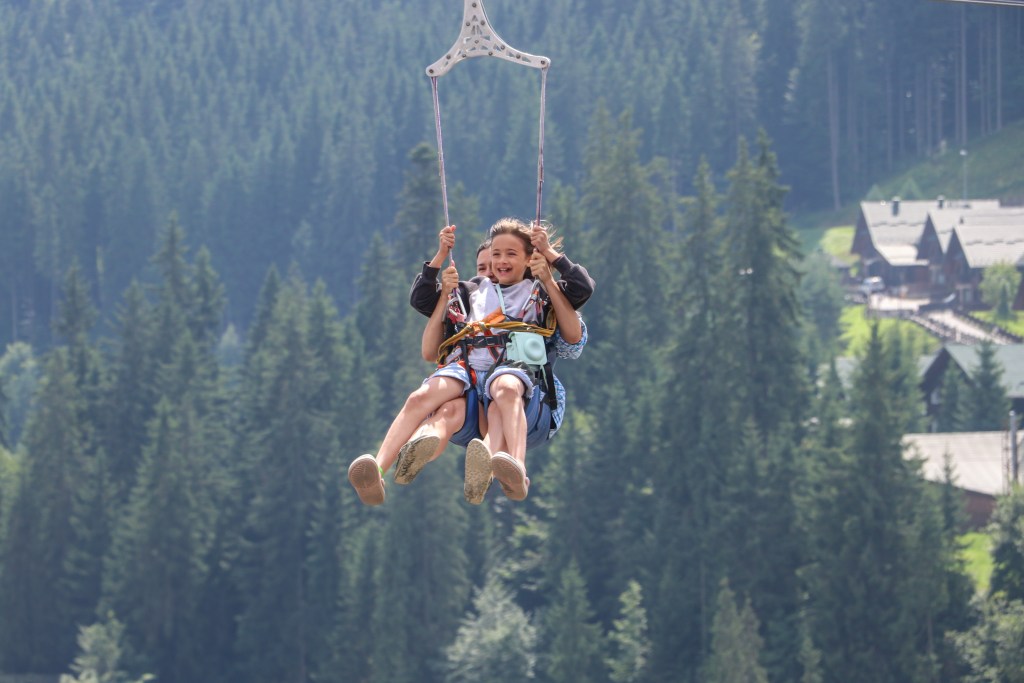
  • Paragliding: Tandem flights with experienced pilots. June offers excellent visibility and light winds. Approximately ₹1,000–3,000 depending on flight duration.
  • Zorbing: Rolling downhill in a transparent ball, chaotically good fun and completely safe. Great for kids.
  • ATV Rides: Quad bike trails through the valley floor. No licence required.
  • Beas Kund Trek: An 8km moderate trek from Solang to the glacial lake that is the source of the Beas River. One of the finest half-day hikes in Himachal Pradesh.
  • Ropeway: The gondola rises to Shitidhar peak at 2,960 metres, and worth it for the panoramic view alone.

Trekking: Best Trails for June

June is ideal for Manali’s classic treks. Snow has retreated from the mid-altitude trails, wildflowers are blooming, and the forest paths are dry underfoot.

TrekDistanceDifficultyDurationHighlight
Beas Kund16 km returnModerate1 dayGlacial lake, source of Beas River
Bhrigu Lake22 km returnModerate2 daysHigh-altitude lake at 4,300m, 360° Himalayan views
Hampta Pass35 kmModerate-Hard4–5 daysCrosses from Kullu Valley to Spiti; dramatic landscape shift
Chandrakhani Pass30 kmModerate3 daysPir Panjal views; enters Malana village
Sajla Waterfall Walk2 kmEasy1–2 hrsFamily-friendly forest walk; near SaffronStays villas

White Water Rafting on the Beas

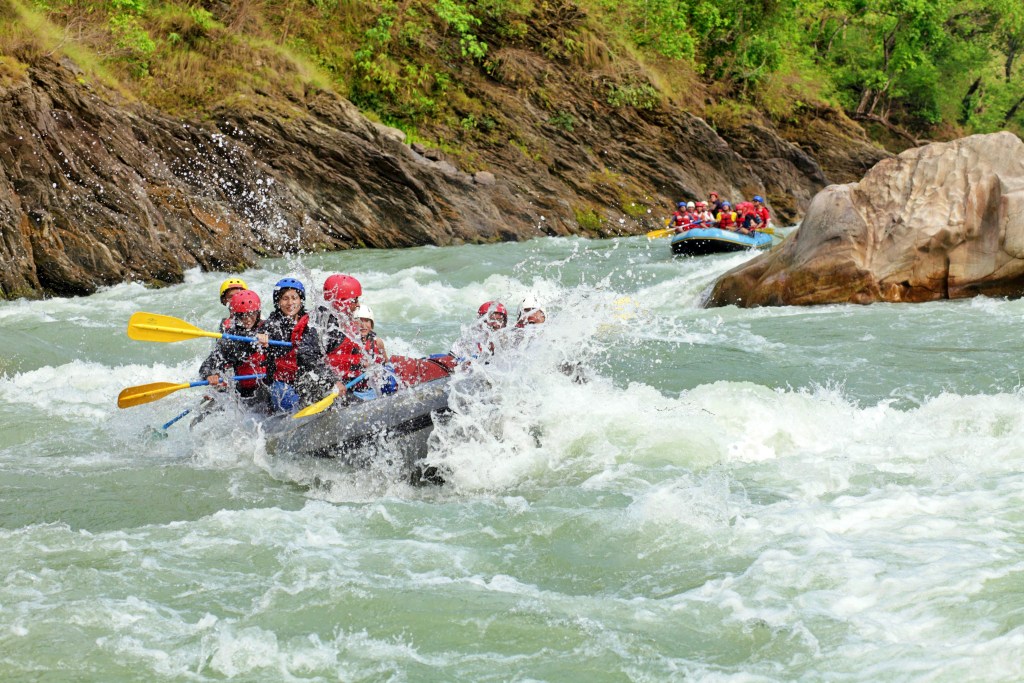
Snowmelt in June means the Beas River is at its most powerful. Rafting stretches between Pirdi and Jhiri offer Grade II–III rapids, genuinely exciting without being reckless. Most operators run morning sessions. Cost: approximately ₹600–1,200 per person for a 14km stretch.

Group of tourists white water rafting on the Beas River near Manali in Himachal Pradesh with green forested riverbanks

Old Manali and Vashisht: The Slower Side

Not every hour of a Manali trip needs to be adrenaline-fuelled. Old Manali, a 20-minute walk from the main market, has a completely different character: narrow lanes, wooden guesthouses, cedar trees, and cafés with mountain views. It is the kind of place that invites a second coffee and a slow afternoon.

Vashisht village, just across the river, has natural hot springs, a welcome counter to the cold evenings, and the ancient Vashisht Mandir. The SaffronStays Amlyn villa is located here, minutes from both.

Hadimba Devi Temple

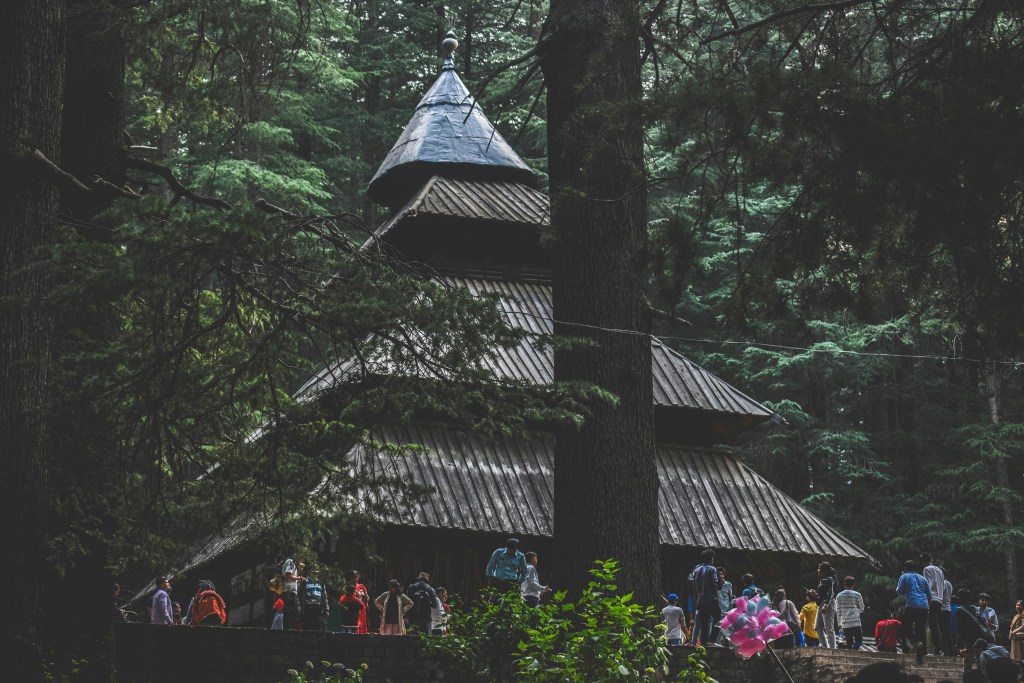
One of Manali’s most photographed landmarks, this 16th-century wooden pagoda sits inside a cedar forest and is dedicated to the goddess Hadimba. June’s clear mornings make for the best light, so arrive before 9am to beat the crowds and get the forest to yourself.

16th-century Hadimba Devi Temple pagoda surrounded by dense cedar forest in Manali, Himachal Pradesh

A 3-Day Manali Itinerary for June

This itinerary works for families, couples, and groups of friends. Adjust the activity intensity to match your group.

Day 1: Settle In, Slow Down, Acclimatise

  • Arrive in Manali by midday. Check into your SaffronStays villa, unpack, and let the altitude adjustment begin.
  • Afternoon: Walk through Old Manali. Browse the Tibetan market. Have chai at a café overlooking the valley. Resist the urge to overplan.
  • Late afternoon: Visit Hadimba Temple (30 minutes from most SaffronStays Manali properties). The cedar forest in the June afternoon light is genuinely lovely.
  • Evening: Bonfire at the villa (arrange with your SaffronStays caretaker). Pahadi dinner. The first night in Manali should feel like a proper arrival.

Day 2: Rohtang Pass & Solang Valley

  • 5:30am: Wake up. This is the most important early start of the trip.
  • 6am: Depart for Rohtang Pass. Your permit should be booked the previous evening (rohtangpermits.nic.in). The drive up is approximately 2 hours.
  • 8am–11am: Time at Rohtang. Snow activities, photos, the view into Lahaul. Do not rush: this is what the early alarm was for.
  • 12pm: Drive back, stop at Solang Valley for lunch and one activity (paragliding or zorbing recommended).
  • 3pm: Return to Manali. Hot shower, rest, Vashisht hot springs if legs permit.
  • Evening: Dinner in town or in-villa meal. Ask your caretaker to arrange local Himachali food. The Siddu (stuffed bread with ghee) at Monarch Manor is worth knowing about.

Day 3: Trekking or River Day

  • Option A (Active): Half-day Beas Kund trek from Solang. Start at 7am, return by 1pm. Wildflower season is at its peak in June.
  • Option B (Moderate): White water rafting on the Beas (morning session), followed by a visit to the Roerich Art Gallery in Naggar village, a beautiful 45-minute drive through the valley.
  • Option C (Families with younger children): Apple orchard walk near Naggar (SaffronStays Kesar Villa is set inside one), Naggar Castle visit, riverside picnic.
  • Afternoon: Mall Road shopping for Himachali shawls, local honey, and walnut products.
  • Evening: Pack up. If driving back overnight, depart by 7pm for Delhi.
Mall Road Busy market street in Manali town with local shops, Tibetan handicrafts and pine-forested hills in the background

Getting There: How to Reach Manali in June

RouteFromDurationNotes
By Road (Drive / Taxi)Delhi12–14 hrsNH3 via Chandigarh → Mandi. Leave at 5am or take overnight. Book AC taxi ₹8,000–12,000 one way.
By Volvo BusDelhi (ISBT)12–15 hrsHRTC and private operators. Overnight buses depart 5–8pm. Comfortable, cost-effective (₹1,200–1,800).
By Flight + TaxiAny major city3–4 hrs totalFly to Bhuntar (Kullu-Manali Airport, 50km). Taxi ~₹2,500. Flights are limited and weather-sensitive.
By Train + TaxiAny major city14–18 hrsTrain to Chandigarh or Kalka. Taxi to Manali (₹7,000–8,000, 6–7 hrs).
SAFFRONSTAYS TIPS: In June, road conditions are generally excellent. The Atal Tunnel (opened 2020) has transformed travel times: it bypasses Rohtang entirely, cutting 1.5–2 hours off the Manali-Lahaul journey and making the route usable year-round. For guests driving from Delhi, the Manali-bound NH3 is well-maintained through summer. Do check for any IMD weather alerts before departure.

Where to Stay: SaffronStays Villas in Manali

There is a version of a Manali trip that most people have had: a hotel corridor, a front desk that does not quite remember your name, a breakfast buffet shared with forty strangers, and walls thin enough to hear the family next door debating what to order for dinner. A SaffronStays villa in Manali is the opposite of all of that.

When you stay in a private villa, the space is entirely yours. No shared lobbies, no queues for the hot water, no negotiating with hotel staff about whether you can have a bonfire. Your caretaker is on-site, knows your name, and has already arranged the firewood. The kitchen can prepare Pahadi meals to order: a proper Siddu with ghee and walnut chutney, a pot of local rajma, chai on the veranda whenever you want it. There is no fixed breakfast slot, no checkout pressure, no sense that you are one room among many. The villa operates around your trip, not the other way around.
In the mountains specifically, this matters more than anywhere else. After a long day at Rohtang Pass or a morning rafting on the Beas, returning to a private living room with a fireplace, a garden with Himalayan views, and a caretaker who has already figured out dinner is a categorically different experience to a hotel room. The evenings in Manali in June are cool enough to sit outside with a blanket and watch the sky go dark over the ranges. That is not something a hotel can give you. A villa can.

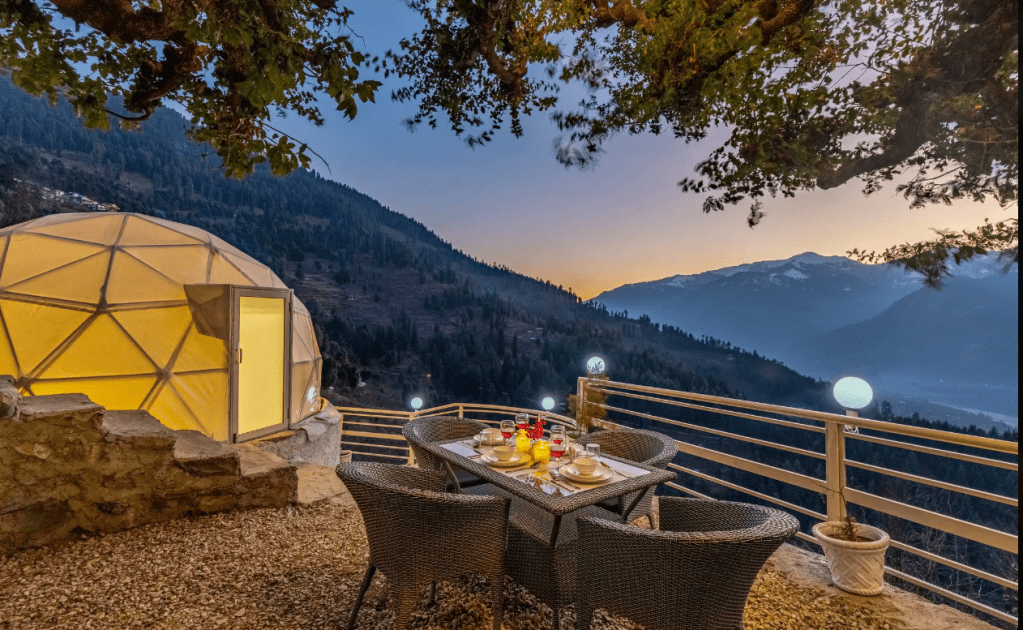
SaffronStays Interstellar in Manali. Private outdoor dining terrace with geodesic dome and panoramic Himalayan valley view at a SaffronStays villa in Manali

What to Sort Before You Go

Book 3–4 Weeks in Advance

June is not peak season but it is busy enough that the best SaffronStays villas fill up 3–4 weeks out. Villa stays in popular hill station destinations move faster than people expect, especially for groups and families travelling over weekends. Do not leave it to the last moment.

Rohtang Pass Permit

Book online at rohtangpermits.nic.in the evening before. 800 petrol and 400 diesel vehicle slots per day. Cost: ₹550. Closed every Tuesday.

What to Pack

  • Light fleece or zip-up jacket (essential for evenings and high altitude)
  • Waterproof layer (afternoon showers in late June are short but real)
  • Trekking shoes if you plan to hike (trail runners work for Beas Kund)
  • Sunscreen SPF 50+. UV intensity at altitude is much higher than at sea level
  • Warm socks and a thermal layer for the Rohtang Pass drive
  • Cash: ATMs at higher altitudes can be unreliable. Carry ₹10,000 in notes

Altitude Note

Manali town sits at 2,050 metres, so most healthy adults acclimatise in a few hours. Rohtang at 3,978 metres is a different matter. If you or anyone in your group has a history of altitude sickness, take it easy on Day 1 and consider carrying Diamox (consult a doctor before travel). Symptoms to watch for: headache, nausea, breathlessness at rest.

Guests enjoying an outdoor dinner under a tree at a SaffronStays Interstellar in Manali with snow-capped Himalayan peaks at sunset.

FAQs: Manali in June

Is Manali good to visit in June?

Yes. June is one of the best months to visit Manali. Temperatures range from 10–25°C, Rohtang Pass is open, the valley is at its greenest, and it is still shoulder season before the full July–August rush. For families travelling during school summer holidays, early June offers the best combination of good weather and manageable crowds.

Is there snow in Manali in June?

Snow remains at higher elevations in June, particularly at Rohtang Pass (3,978m) and Solang Valley. In Manali town itself (2,050m), there is no snow. Early June typically has more snow at altitude; by late June it is reduced to patches at the highest points.

Is Rohtang Pass open in June?

Yes. The BRO (Border Roads Organisation) typically opens Rohtang Pass in late May or early June. In 2026, the pass was open from June 1. Tourists require an online permit (rohtangpermits.nic.in, ₹550). The pass is closed every Tuesday for maintenance. Weather can cause temporary closures, so always check the day before you plan to go.

How many days in Manali are enough in June?

Three full days is the ideal minimum for a June visit. Day 1 for settling in and exploring the town, Day 2 for Rohtang Pass and Solang Valley, and Day 3 for trekking or the Kullu Valley. Five days gives you space to do all of this without rushing, plus a day trip to Naggar.

Is Manali safe for families in June?

Manali is a well-established, family-friendly destination and very safe in June. Road conditions are good, the town is calm, and altitude is manageable at 2,050 metres. For families with young children, stick to Manali town and Solang Valley on Day 2 rather than the Rohtang Pass drive, which can be strenuous for small children.

What is the best SaffronStays property in Manali for a family group?

For families and groups, Monarch Manor on Old Manali Road is the best choice: it sleeps up to 14 guests across 6 rooms, serves Pahadi meals on-site, and has the character of a genuine Himalayan heritage home rather than a serviced apartment. For smaller families or couples wanting a river view, The Amlyn in Vashisht is the pick.

Slow Travel in Uttarakhand: A 4-Day Itinerary Through Bhimtal and Mukteshwar

Two of Kumaon’s best-kept secrets. One unhurried circuit. Zero FOMO.

Most people spend three days in Uttarakhand trying to see five places. They rush Nainital, squeeze in Mukteshwar, and drive back wondering why the hills felt so stressful.

This itinerary is built differently. You’re going to two places: Bhimtal and Mukteshwar. And you’re going to stay long enough to actually feel them. A morning walk without a plan. Breakfast with a view. An afternoon that doesn’t involve rushing to a viewpoint before sunset.

That’s slow travel. And Kumaon is one of the best places in India to practise it.

Both destinations sit in the Nainital district of Uttarakhand, roughly 35 km apart. They’re easy to connect as a circuit. Together, they cover two very different moods. Bhimtal is lakeside and laid-back. Mukteshwar is elevated, forested, and big on Himalayan views. June is one of the best months to be here: the plains are cooking at 42°C, and you’re sitting at 7,500 feet watching clouds roll in over the deodar forest at a breezy 22°C.

Here’s how to do this trip properly: without rushing, without over-planning, and without regret.

WHY THIS PAIRING WORKS

Why Bhimtal and Mukteshwar, Not Just Nainital?

Nainital is beautiful. It’s also very crowded, especially in summer. Mall Road gets jammed. Lakeside parking turns into chaos. Hotels charge peak rates for views you can barely enjoy through the weekend traffic.

Bhimtal and Mukteshwar are 30 to 40 minutes away from Nainital. Close enough to access the Kumaon region, far enough to feel like you have the hills to yourself. These are not “dupe” destinations. They’re genuinely different in character, and many experienced Kumaon travellers prefer them to Nainital for exactly that reason.

Bhimtal sits at around 1,370 metres and is centred around the largest lake in Kumaon, a calm green expanse with a small island aquarium in the middle. The vibe here is quiet mornings by the water, lakeside cafés, and easy drives to nearby lakes like Sattal and Naukuchiatal.

Mukteshwar sits higher, at around 2,286 metres (7,500 feet), in the Kumaon hills above Bhimtal. It’s known for its fruit orchards, its deodar and oak forests, and one of the finest Himalayan panoramas in the region: Nanda Devi, Trishul, Panchachuli on a clear day. The town is small, the roads are quiet, and the pace is exactly what slow travel is supposed to feel like.

WEATHER & TIMING

Why June Is a Good Time to Visit

June sits in a sweet spot for this part of Uttarakhand. The monsoon typically arrives in the Kumaon hills around late June to early July, which means the first two to three weeks of June are pre-monsoon: lush, green from the previous year’s rains, pleasantly cool, and clear enough for those Himalayan views.

BHIMTAL 22–28°C daytime Evenings cool to 18°C. Light jacket at night.MUKTESHWAR 18–23°C daytime Noticeably cooler. Jacket essential after 6 PM.

Compared to Delhi, Mumbai, or Pune (where June means 40°C and humidity), this is another world entirely. The orchards in Mukteshwar are full of fruit. The forest is densely green. Early morning views of the Himalayas, before the clouds build up, are among the clearest of the year.

A HONEST NOTE ON JUNE WEATHER If you’re travelling in the second half of June, expect some afternoon showers. They’re usually brief, add to the atmosphere, and make evenings even better. Just carry a light rain jacket. Avoid booking if your dates fall after June 25, as the monsoon can arrive early some years.

THE ITINERARY

Your 4-Day Bhimtal and Mukteshwar Itinerary

DAY 1   Arrive in Bhimtal. Settle In. Don’t Rush.
GETTING THERE
If you’re coming from Delhi, the most common route is the overnight Kathgodam Shatabdi or a morning drive via Moradabad and Haldwani. From Kathgodam station, Bhimtal is about 30 km, a 45-minute cab ride. If driving, the Delhi-Bhimtal road distance is around 300 km, typically 7 to 8 hours depending on traffic out of Delhi. The drive from Haldwani to Bhimtal is the good part: you start climbing, the air changes, and the road cuts through small towns and tea stalls. Give yourself time for it.

THE EVENING
Check in, have lunch, and resist the urge to plan the afternoon like a checklist. Bhimtal’s lake is a 10-minute walk from most stays in the area. Go for a stroll around it. The lake is larger and quieter than Naini Lake. No paddle boat touts shouting at you, no jostling for space. Just a big green body of water with hills all around it.

→  Walk the Bhimtal Lake perimeter (about 2.5 km, flat and easy)
→  Boat ride to the island aquarium (small, quirky, fun for 30 minutes)
→  Evening chai at any lakeside stall. Ask for Kumaoni tea  

Dinner at your stay or at one of the small dhabas near the lake. Sleep well. The altitude and the quiet usually take care of that.
DAY 2   The Bhimtal Lakes Circuit
MORNING
The Bhimtal area is part of what locals call the Lake District of Kumaon. Within a 15-km radius, you have Bhimtal, Sattal, Naukuchiatal, and Khurpatal, all different in size, personality, and crowd levels. For Day 2, the plan is simple: pick one or two of the nearby lakes and spend your morning there. Sattal, a cluster of seven interconnected lakes, is the most unique and slightly more forested. Naukuchiatal (Nine Corners Lake) is larger and great for a quiet hour by the water. Both are under 20 km from Bhimtal.
→  Drive to Sattal (18 km) and walk the forest trail around the lakes
→  Or head to Naukuchiatal for kayaking or just a slow morning sit
→  Optional stop at Kainchi Dham on the way back, a peaceful Neem Karoli Baba ashram, significant in both Hindu tradition and, oddly, Silicon Valley lore

AFTERNOON
Back in Bhimtal for a late lunch. The Garh Parvat area near Bhimtal has a butterfly research centre that’s worth a quick visit if you’re curious about the region’s biodiversity. Otherwise, this is an excellent afternoon for doing absolutely nothing: sit in your room, read, nap, watch the lake from a café terrace.

In the evening, the Bhimeshwara Mahadev Temple on the lake bank is worth a visit. It’s ancient, calm, and gives you context for why this place has been significant long before it became a hill station.
DAY 3   Drive Up to Mukteshwar. Take the Slow Road.
THE DRIVE
Bhimtal to Mukteshwar is 35 km and takes around 1.5 hours. It’s one of those drives that is genuinely part of the trip. The road climbs steadily through pine and deodar forest, passing small villages, apple and plum orchards (in full fruit in June), and increasingly dramatic views as you gain elevation.

Don’t be in a hurry. Stop at a roadside stall for some local plums or a glass of Buransh (rhododendron) juice if you see it. Pull over somewhere between Dhanachuli and Mukteshwar; the valley views from these spots are stunning.

AFTERNOON IN MUKTESHWAR
Check in, have lunch, and then head to Mukteshwar Dham, the 350-year-old Shiva temple that the town is named after. It’s a short climb to the top, and the views from the temple compound are panoramic. On a clear June day, you can see a full sweep of the Himalayan range.
→  Mukteshwar Dham: the climb is easy, under 20 minutes. Worth every step.
→  From the temple, walk to Chauli ki Jali, a natural rock face viewpoint with a 180° view of the valley and the snowy peaks behind it
→  Chauli ki Jali is also famous for rock climbing and rappelling if you’re interested

EVENING
Mukteshwar at night is one of the better stargazing spots in the Kumaon region. There’s minimal light pollution, the altitude is good, and June nights are clear before the cloud cover builds. Some stays here offer telescope sessions; ask your host in advance. Dinner at your stay or at one of the small cafés in the market. The local Kumaoni thali, if you can find it, is the thing to eat.
DAY 4   One Last Morning. Then Head Home.
EARLY MORNING
Set your alarm for 5:30 AM. This is the only mandatory activity of the entire trip. Walk to any open viewpoint in Mukteshwar, or just step out of your room if your stay has a view, and watch the Himalayan peaks appear as the sky lightens. Nanda Devi (7,816 m), Trishul, Panchachuli: on a clear pre-monsoon June morning, they’re right there, close enough to feel improbable.

This is why people come to Mukteshwar. Everything else is bonus.

BEFORE YOU LEAVE
If you have time before hitting the road, the Bhalu Gaad Waterfall is a 3-km trail from the town that ends at a small but beautiful waterfall; it’s at its best in June when the streams are running full. It’s a 2-hour round trip, easy terrain, and a genuinely lovely way to spend a last morning.
→  Bhalu Gaad Waterfall trek: 3 km one way, easy, 2 hours return
→  Slow breakfast back at your stay
→  Pack up and drive down to Kathgodam or Haldwani for your train or onward road  

A NOTE ON LEAVING
Leave before you feel fully ready to. That’s usually the sign of a good slow travel trip: you’ve stayed long enough to feel settled, but not so long that the place becomes ordinary. Bhimtal and Mukteshwar tend to have that effect on people.

WHERE TO STAY

Choosing the Right Stay for a Slow Trip

The stay matters more on a slow travel trip than on a packed itinerary. When you’re not rushing between sights, you spend real time in your room, on your terrace, in the garden. It needs to be somewhere you actually want to be.

For Bhimtal, look for cottages or homestays with lake views or garden settings. The town is small enough that most good stays are within a short walk of the lake. Properties near Bhimtal Lake or the quieter Garur Tal area tend to offer the best balance of location and calm.

For Mukteshwar, prioritise elevation and views. The town sits at 7,500 feet, and the best stays have either Himalayan-facing rooms or outdoor sit-out areas that face the peaks. A terrace breakfast with a Nanda Devi view is not a small thing.

SaffronstStays has a curated selection of private villas and cottages across both destinations, properties we’ve vetted for comfort, views, and that particular quality of quiet that makes a hill station stay worth the drive.

Browse stays in Bhimtal: saffronstays.com/bhimtal

Browse stays in Mukteshwar: saffronstays.com/mukteshwar

BEFORE YOU GO

Practical Tips for This Trip

GETTING THERE

Nearest railhead is Kathgodam (60 km from Mukteshwar, 30 km from Bhimtal). Overnight trains from Delhi are convenient. Nearest airport is Pantnagar (90 km).
CAR OR CAB?

Hiring a cab for the full 4 days is the most flexible option: roughly ₹5,000–6,000/day. Self-drive works too, but the mountain stretches require comfort with hill roads.
WHAT TO PACK

Light clothes for the day, a fleece or light jacket for Mukteshwar evenings. Comfortable walking shoes. A rain jacket if you’re travelling mid-to-late June.
CONNECTIVITY

BSNL and Jio have the best coverage in these areas. Airtel works in Bhimtal but can be spotty in Mukteshwar. Plan for some offline time. It’s actually one of the perks.
CASH

Carry cash. ATMs exist in Bhimtal town and the Mukteshwar market, but smaller dhabas and local shops are cash-only.
ALTITUDE NOTE

Mukteshwar is at 7,500 ft. No serious altitude concerns, but some people feel slightly winded on the first day. Stay hydrated, take it slow on Day 3.

COMMON QUESTIONS

Frequently Asked Questions

Is June a good time to visit Mukteshwar?

Yes, especially the first two weeks of June. The weather is pleasant (18–23°C), the Himalayan views are clear in the mornings, and the orchards are in full bloom. The monsoon typically arrives in late June, so there may be some afternoon showers in the third and fourth week. Early June is ideal.

How far is Bhimtal from Mukteshwar?

About 35 km by road, which takes roughly 1.5 hours. The route climbs through forest and small villages and is a pleasant drive in its own right. A local cab can cover this easily.

Can I do this trip without a car?

It’s possible but limiting. Shared cabs run between Kathgodam, Bhimtal, and Mukteshwar, but the connections aren’t always timed conveniently. For a slow travel trip where you want flexibility (stopping for views, doing day trips to Sattal), a private cab is worth the cost.

Is Mukteshwar crowded in June?

Not particularly. Nainital sees the peak summer rush, but Mukteshwar stays relatively calm. You’ll find fellow travellers, but not the kind of crowds that make a hill station feel like a metro. Weekends can be slightly busier; travel on weekdays if you can.

How many days is enough for Bhimtal and Mukteshwar?

Four days covers both well for a slow travel trip. If you have an extra day, spend it in Bhimtal, where the lake district rewards unhurried exploration. Three days is the bare minimum; anything less and you’ll feel rushed.

What is the best base: Bhimtal or Mukteshwar?

This itinerary uses both: two nights in each, which is the ideal split. If you had to pick just one, Mukteshwar gives you the better views and more varied landscape, but Bhimtal is easier for families and anyone who prefers a less steep terrain.

Ready to Plan This Trip? Browse our hand-picked villas and cottages in Bhimtal and Mukteshwar, all vetted for views, quiet, and that very particular kind of comfort that makes the hills worth it.

The 2026 Char Dham & Uttarakhand Luxury Guide: From Sacred Shrines to Himalayan Escapes

Planning the Char Dham Yatra in 2026 is no longer just a pilgrimage; it is an invitation to explore the “Adventure Capital of Asia” and the colonial charm of the Shivalik hills. With the Delhi-Dehradun Expressway now reducing travel time from the capital to just 2.5 hours, the most efficient way to experience Uttarakhand is to blend your spiritual journey with a premium mountain vacation.

Whether you are here for the 16km Kedarnath trek or a quiet literary walk in Landour, this guide covers the essential 2026 rules, curated itineraries, and the best local flavors.

1. The 2026 Yatra Intelligence: Essential Rules

Before the adventure begins, master the new 2026 operational shifts to ensure a friction-free journey.

  • The Digital Silence: Authorities have enforced a strict mobile phone and camera ban inside the temple gates of Kedarnath, Badrinath, Gangotri, and Yamunotri. “Digital Cloakrooms” are available for device storage.
  • Mandatory Registration: Every pilgrim must carry a QR-coded Yatra e-pass. Register via the Official Portal or WhatsApp “YATRA” to +91-8394833833.
  • Night Driving Ban: For safety, mountain vehicle movement is strictly prohibited between 10:00 PM and 4:00 AM. This makes Dehradun the most strategic “Launchpad” for those arriving late via the Expressway.
  • Health Screening: For travelers over 55, mandatory fitness checks are conducted at transit hubs like Sonprayag.

2. Beyond the Shrines: Multi-City Extension Itineraries

Since you are already in the heart of the Himalayas, transform your pilgrimage into a complete regional experience with these 3-day extension options.

Option A: The Rishikesh Adventure & Wellness Circuit

Rishikesh is the “Adventure Capital of Asia,” and the 2026 season is the best time for high-octane thrills.

  • Day 1: Experience the morning Ganga Aarti at Triveni Ghat followed by a visit to the Beatles Ashram.
  • Day 2: The Adrenaline Rush. Book a White Water Rafting session (Shivpuri to Rishikesh) or try India’s highest Bungee Jump at Mohan Chatti.
  • Day 3: Recovery. Spend a quiet day by the river. Many travelers choose to anchor this leg in a private villa with a heated pool to recover from the physical toll of the Kedarnath trek.

Option B: The Mussoorie & Landour Literary Trail

  • Day 1: Explore the colonial charm of Landour. Walk to Lal Tibba for panoramic Himalayan views and grab a coffee at the iconic Landour Bakehouse.
  • Day 2: A picnic at George Everest Peak or a visit to the Kempty Falls early in the morning to beat the 2026 crowds.
  • Day 3: Descend toward Dehradun, exploring the Robber’s Cave (Guchhu Pani) before your flight home.

Option C: The Nainital Lake District Escape

A 6-7 hour drive from the Yatra hub takes you to the serene lakes of Kumaon.

  • Activities: Yachting at the Nainital Boat Club, sunset at Tiffin Top, and exploring the Tibetan Market for authentic momos.

3. The 2026 Culinary Map: Where to Eat

Uttarakhand’s cafe culture is at its peak. Here are the must-visit spots in the region:

  • Rishikesh: Visit Bhumi Cafe for the best organic, plant-based meals in the hills, or The Arches Bakery for riverside views and fresh sourdough. For a vibrant, backpacker-chic vibe, Little Buddha Cafe remains a top choice for its iconic Falafel platters.
  • Mussoorie/Landour: You cannot miss Landour Bakehouse for its 19th-century recipes or Cafe Chica for an authentic English breakfast in a 140-year-old estate setting.
  • Nainital: Sakley’s Restaurant & Pastry Shop is essential for home-style Swiss pastries, while Sonam Fast Food in the Tibetan Market serves the most famous mutton momos and Thukpa in the district.

The Private Chef Experience

While cafe-hopping is part of the charm, the record-breaking crowds of 2026 (with hotels at 85%+ occupancy) often lead to long wait times. Many discerning families are now opting for the privacy of a managed villa where private chefs take over. Whether you need a celebratory mountain barbecue or home cooked meals (prepared without onion or garlic) after your Yatra, having a chef curate your meals in a private dining setting is the ultimate luxury.

4. The 2026 Adventure Checklist: Thrills in Rishikesh

If you are an adventure traveler, Rishikesh in 2026 offers more than just rafting:

  • Giant Swing & Flying Fox: Soar over the Ganges at speeds of up to 140 kmph.
  • Sky Cycle: Ride India’s highest sky cycle at Shivpuri for a breathtaking view of the Shivaliks.
  • Reverse Bungee: A 2026 favorite for a quick adrenaline spike before your evening aarti.

5. Why a Private Sanctuary is Non-Negotiable

With daily pilgrim caps removed, the 2026 season is busier than ever. Choosing a managed private sanctuary through SaffronStays ensures you bypass crowded lobbies and overbooked restaurants. From a quiet basecamp that helps you manage the temple phone ban to private pools for post-trek recovery, we bridge the gap between a rugged pilgrimage and a luxury vacation. 

Is your 2026 Uttarakhand adventure secured, or will you be navigating the crowds alone? Anchor your journey with SaffronStays for a pilgrimage that is as peaceful as it is profound.
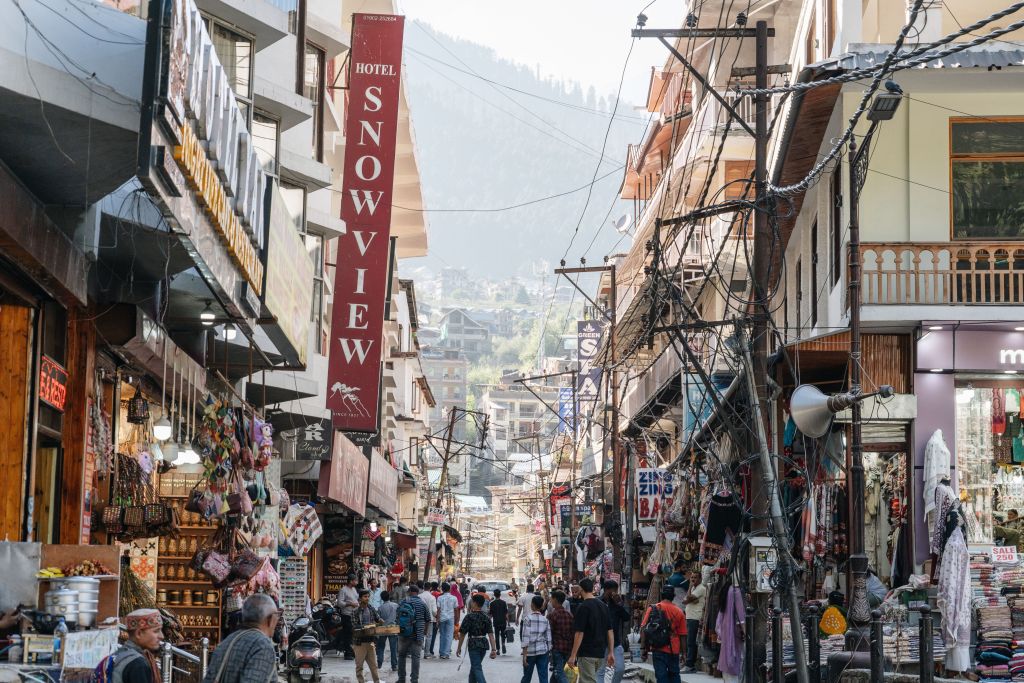
Hidden Villas for Punekars Who Prefer Silence Over Crowds

If you’re a Punekar, you’ve probably had this weekend more than once.

You leave early, hoping to get ahead of the traffic. The drive starts well, then slows down near the usual stretches. By the time you reach, every café has a wait, every viewpoint feels crowded, and the “quick break” you planned starts to feel like effort.

That’s exactly why more people are rethinking how they plan their weekend getaways near Pune.

Instead of heading to the same crowded spots, the shift is towards villas near Pune that offer something far more valuable: space, privacy, and a break that actually feels like one.

And the best part is, many of these private villas near Pune are within a comfortable 2-hour drive.

Why Villas Near Pune Are Becoming the First Choice

Weekend travel is no longer about covering places. It’s about how you spend your time once you get there.

That’s where villas near Pune stand out.

Unlike hotels, villas allow you to settle in without needing an agenda. You don’t have to step out to find something to do. The space itself becomes the experience.

For most Punekars, this means:

  • a slower pace without distractions
  • privacy for family or friends
  • the flexibility to plan your time your way

This is why staycations near Pune are increasingly centred around villas rather than traditional hotel stays.

Getting There Is Now Easier Than Before

For a long time, the biggest challenge with short trips wasn’t the distance, it was the unpredictability of the drive.

Routes toward Lonavala, Khandala, and Pawna could easily turn into long, stop-start journeys, especially on weekends.

This is where the Mumbai–Pune Missing Link project changes things.

By reducing congestion on one of the busiest stretches of the expressway, it is expected to make travel smoother and faster. For Punekars, this means that many places within 2 hours of Pune will actually feel like short drives again.

The impact is simple but important. When the journey becomes easier, planning a quick villa stay becomes far more practical, even at the last minute.

What to Look for in the Best Villas Near Pune

Not every villa offers the same experience. Choosing the right one depends on what kind of weekend you’re planning.

The best villas near Pune usually get a few things right.

They are located slightly away from crowded areas, so you get privacy without feeling disconnected. They offer enough space, whether you’re travelling as a couple, a family, or a group. And most importantly, they have features that make staying in worthwhile.

If you’re specifically looking for private pool villas near Pune, it’s worth prioritising properties that combine outdoor space with good views. It makes a noticeable difference to how relaxed the stay feels.

Quiet & Less Crowded Places Near Pune for a Villa Stay

The location plays a big role in how your weekend feels. Some destinations around Pune are far better suited for a quieter, more private villa experience.

Mulshi – For Scenic, Slow Weekends

Mulshi is one of the most reliable options when it comes to peaceful villas near Pune. Surrounded by backwaters and greenery, it naturally encourages a slower pace.

It works especially well if you’re planning a quiet break where you don’t feel the need to step out much. For couples or small groups, this is often one of the best choices.

Pawna – For Group Getaways Without the Rush

Pawna is often associated with campsites, but villas in this region offer a very different experience.

Set away from crowded areas, they provide large spaces, lake views, and enough privacy for group stays. This makes Pawna one of the top choices for villas near Pune for groups.

With better road connectivity improving access, the drive here is becoming smoother as well.

Khandala – For Easy, Quick Escapes

Khandala remains one of the most accessible options for a short break. While parts of it are busy, quieter villa locations offer a completely different experience.

If your priority is a short drive with minimal planning, this is where luxury villas near Pune make the most sense. You get greenery, comfort, and convenience without having to go too far.

Choosing the Right Villa for Your Weekend

The kind of villa you choose should match how you want to spend your time.

If you’re planning a quiet couple’s break, smaller villas with views and private sit-outs work best. For families, larger homes with multiple rooms and open spaces are more practical. And for groups, villas with shared areas and outdoor space make the experience smoother.

Many travellers also look for pet-friendly villas near Pune, especially for longer stays. In such cases, enclosed outdoor areas and quieter surroundings become important.

The idea is not just to find a place to stay, but to choose a space that supports the kind of weekend you want.

When to Plan Your Villa Stay Near Pune

Timing can make a noticeable difference to your experience.

Monsoon is ideal if you’re looking for greenery and scenic views, especially in Mulshi and Panshet. Winter offers comfortable weather and is perfect for spending time outdoors. Early summer tends to be quieter, which makes it easier to find better availability.

If avoiding crowds is your priority, planning a mid-week stay or choosing shoulder weekends can help.

FAQs

Which are the best villas near Pune?
The best villas near Pune are typically located in Mulshi, Panshet, Pawna, and Khandala, offering a mix of privacy, views, and easy access.

Are there private pool villas near Pune?
Yes, there are several private pool villas near Pune, especially in destinations like Mulshi and Pawna.

Which are less crowded places near Pune for a weekend?
Mulshi and Panshet are among the least crowded places near Pune for a peaceful weekend.
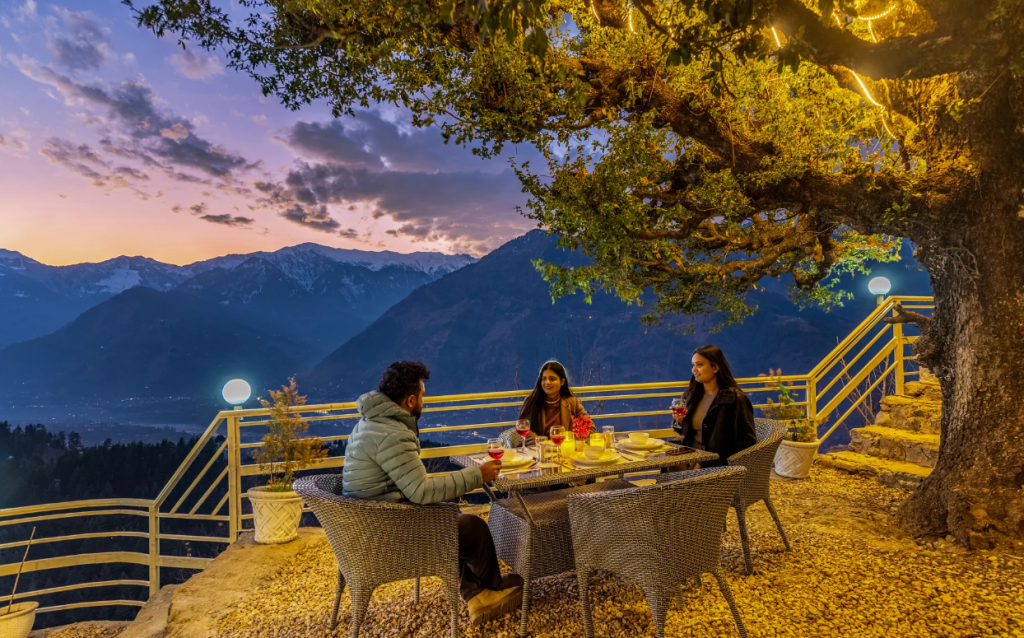
What are weekend getaways within 2 hours of Pune?
Mulshi, Panshet, Pawna, and Khandala are among the best weekend getaways within 2 hours of Pune.
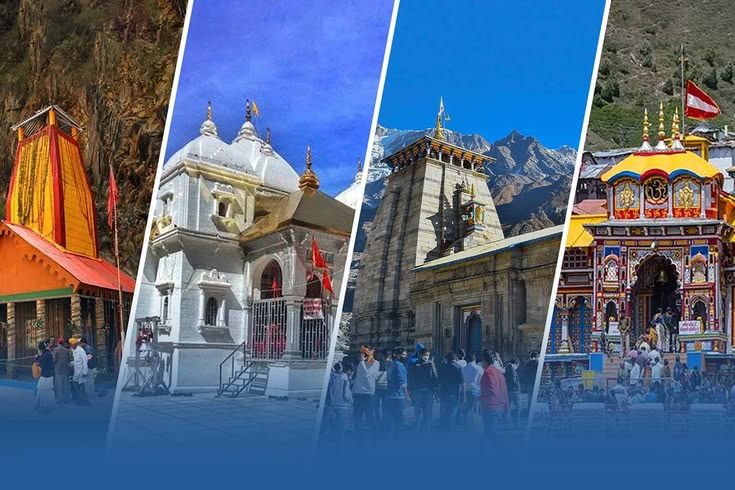
Are villas near Pune good for group stays?
Yes, many villas near Pune are designed for group stays, offering large spaces and private amenities.

A Better Way to Spend Your Weekend

The way Punekars approach weekends is changing.

Instead of following the same routes and crowded spots, more people are choosing villas near Pune that offer privacy, comfort, and a slower pace. With improved connectivity making travel easier, these escapes are no longer occasional, they’re becoming a more natural way to take a break.

Less time in traffic.
Less time around crowds.
More time in a space that feels like your own.

And once you experience that, it’s hard to go back.

The Ultimate Udaipur Travel Guide: How to Plan the Perfect City of Lakes Escape

Let’s be honest: planning a trip to Rajasthan’s most romantic destination can feel like trying to solve a 1,000-piece puzzle where every piece is made of white marble. You want the sunset boat rides and the “Venice of the East” charm, but you’d rather skip the part where you’re stuck in a Tuk-Tuk traffic jam behind a very confused cow. 

Whether you are chasing the golden January sun or looking for a private pool to beat the summer heat, this comprehensive Udaipur travel guide is your shortcut. We have broken down the city into bite-sized categories, from the non-negotiable sightseeing spots in Udaipur to the best local street food secrets. Consider this your local companion to navigate the Mewar region like a royal, without the typical tourist stress.

Best time to visit Udaipur

The best time to visit Udaipur is undoubtedly between October and March, when the desert heat retreats and the “City of Lakes” is bathed in a soft, golden winter glow. During these months, the weather in Udaipur is so perfect; expect crisp, sunny days and nights that are just chilly enough to justify that expensive pashmina you’re going to buy. January is the absolute peak for a reason; the lakes sparkle, the palaces are cool to the touch, and the vibe is purely celebratory. If you are a fan of drama, the monsoon months (July to September) turn the Aravalli hills into a lush green paradise, though you may encounter some humidity.

View of a vibrant cityscape through an intricately designed arch, showcasing colourful buildings and distant hills under a clear blue sky.

Things to do in Udaipur & places to visit in Udaipur

Udaipur isn’t just a city; it’s a sprawling gallery of history and nature. To help you navigate, we have divided the top sightseeing spots in Udaipur by their unique local character.

  •  Palaces & Heritage Landmarks
    • City Palace: The largest palace complex in Rajasthan. It’s a labyrinth of mirror-work and hanging gardens. Pro-tip: Enter through the Badi Pol gate at 9:15 AM to beat the tour buses.
    • Jag Mandir: An island palace on Lake Pichola accessible by boat. It is so beautiful that it reportedly inspired the design of the Taj Mahal.
    • Sajjangarh (Monsoon Palace): Perched high on a hill, this 19th-century palace offers the best panoramic sunset views of the city.
    • Bagore Ki Haveli Show: Every evening at 7:00 PM, they host the “Dharohar” folk dance. It is intense, colorful, and genuinely impressive—a perfect way to see Rajasthan’s heritage in motion.
  •  Lakes & Waterfront Areas
    • Lake Pichola: The oldest and most iconic lake. A sunset boat ride to see the Lake Palace glowing on the water is a core memory you actually want.
    • Fateh Sagar Lake: This is where the locals hang out. It is great for a long evening walk or a quick “Kulhad Coffee” by the promenade.
    • Lake Badi (Bahubali Hills): Located on the outskirts, a short 20-minute hike leads to a view that looks like a scene from an epic fantasy movie.
  •  Temples & Spiritual Sites
    • Jagdish Temple: A stunning Indo-Aryan temple near the City Palace. The morning “Aarti” (prayer) is loud, rhythmic, and incredibly soulful.
    • Eklingji Temple: Located 22 km away, this complex of 108 temples is a masterpiece of stone carving dedicated to the Lord of Mewar.
    • Karni Mata Temple: Accessible via a ropeway, this hilltop shrine provides a breathtaking bird’s-eye view of the entire city.
  •  Old City & Markets
    • Hathi Pol Bazaar: The primary choice for authentic Pichwai paintings and traditional Rajasthani footwear (Juttis).
    • Bada Bazaar: The bustling heart of the city for silver jewelry, camel leather journals, and vibrant Bandhani fabrics.
A waterfront view showcasing historic buildings with ornate facades, illuminated by the golden light of sunset, reflecting in the calm water below.

Best Day Trips from Udaipur

If you have an extra day, these legendary locations are worth the drive.

  • Chittorgarh Fort: A must-do day trip located 2 hours away. This UNESCO giant is one of the largest forts in India, echoing stories of Jauhar and Rajput bravery.
  • Kumbhalgarh Fort: A UNESCO site located 85 km from the city. It features the second-longest wall in the world (after the Great Wall of China). It is a spectacular drive through the Aravalli hills.
  • Ranthambore National Park: While it is a longer journey (roughly 6-7 hours), many travelers include it as a “long day trip” or a next-stop destination. It is the premier place in Rajasthan to spot the Royal Bengal Tiger in its natural habitat.

Places to stay in Udaipur 

Deciding where to stay in Udaipur is all about deciding how much of the city’s energy you want to wake up to.

  • Stay near the City Palace or Lake Pichola: For those who want to be in the heart of the action and hear the temple bells from their balcony, this is the spot. In the evening, explore the lanes of Udaipur for local handicraft, art and antique shops.
  • Stay near Fateh Sagar Lake: If you prefer wider roads and a more relaxed evening vibe, look for stays in this area. The sunsets at Fateh Sagar lake are breathtaking and definitely don’t want to miss it. 
  • Moringa Valley Region: For a truly immersive nature experience, the Moringa Valley area on the outskirts offers a secluded retreat. It is the ideal location for a private villa in Udaipur where the only neighbors are the Aravalli hills and the occasional peacock.

Famous Delicacies and Cafes in Udaipur

Udaipur’s food scene is a wild ride of spice and scenery. You haven’t truly arrived until you’ve tried the legendary Laal Maas (fiery mutton curry) or a massive Dal Baati Churma thali. For a breakfast that hits different, hunt down Mirchi Wada, Pyaaz Kachori, and Dal Kachori near the Clock Tower.

  • Experience royal dining in u\Udaipur: Ambrai is a must for a romantic dinner with a view of the lit-up City Palace. For a royal experience, try Sheesh Mahal at the Leela Palace.
  • Iconic Eats: Harigarh Restaurant and Khamma Gani are the heavyweights for lakeside fine dining with authentic Rajasthani flavors.
  • Charming Cafes: For a modern break, head to Jheel’s Ginger Coffee Bar for the best view of the ghats, or Appetite Food Zone for local favorites. Upre by 1559 AD and Sun and Moon Rooftop are also excellent for those looking for a blend of contemporary and traditional fusion.

Don’t Let the Sun Set on Your Chance

Udaipur is the kind of city that ruins other vacations for you. It is a city you soak in. Once you have watched the Aravalli hills turn purple from your private terrace or felt the cool marble of a thousand-year-old temple under your feet, everything else feels a little too quiet, a little too ordinary. 

This is the year to stop saying “someday” and finally walk through the marble gates yourself. Once you’ve had a private breakfast overlooking the mountains, you’ll never want to stay in a “regular” hotel again.

Last-Minute New Year Plans? Best Private Villas Near Mumbai & Pune for New Year’s Eve 2026

Planning a last-minute New Year’s Eve 2026 getaway does not mean settling for crowded hotels or rushed plans. If you are looking for privacy, flexibility, and space to celebrate your way, private villas near Mumbai and Pune are one of the most searched and booked options for year-end stays.

From hill towns like Lonavala and Kamshet to coastal favourites such as Alibaug, and green escapes like Karjat, Nashik, Palghar, and Pen, these destinations are all drivable from Mumbai and Pune, making them ideal for spontaneous plans. Below is a curated list of SaffronStays private villas that work especially well for New Year’s Eve celebrations, whether you are planning a lively house party or a relaxed countdown with close friends and family.

Best Private Villas Near Mumbai & Pune for New Year’s Eve 2026

A modern luxury villa with two separate units, featuring large windows and a serene atmosphere, set against a twilight sky.

1) SaffronStays Sabr & Shukr, Lonavala

SaffronStays Sabr & Shukr is an expansive 8-bedroom luxury villa in Lonavala, designed for large celebrations. Spread across two private villas, the property features two swimming pools, poolside bars, entertainment areas, indoor games, rooftop sit-outs, and scenic valley views. Located within easy driving distance from both Mumbai and Pune, it is one of the strongest options for big New Year gatherings.

Best for: Large groups, milestone celebrations, and high-energy New Year’s Eve parties
Location advantage: Lonavala, approx. 2 hours from Mumbai and Pune

View of a luxurious private villa with a swimming pool, surrounded by lush greenery, featuring outdoor seating and a scenic evening backdrop.

2) SaffronStays Palmora, Lonavala

Palmora is a 7-bedroom private pool villa in Lonavala with spacious lawns, a gazebo with a bar, and hill-facing views. The layout allows guests to spread out comfortably, making it ideal for group celebrations that continue late into the evening. Its location keeps travel time short while still offering a proper hill-station atmosphere.

Best for: Large families and mixed-age groups
Location advantage: Easily accessible from Mumbai and Pune

Exterior view of a spacious private villa with a swimming pool, surrounded by greenery and palm trees, featuring a red roof and steps leading to the entrance.

3) SaffronStays Moira by the Lake, Kamshet

Set on a vast private estate, SaffronStays Moira is a 6-bedroom lakeside villa in Kamshet with an infinity pool and uninterrupted water views. The calm setting makes it perfect for those who want a slower New Year’s Eve, surrounded by nature, without giving up on comfort or luxury.

Best for: Families, reunions, and relaxed celebrations
Location advantage: Scenic drive from both Mumbai and Pune

Exterior view of a modern private villa with a swimming pool, surrounded by green lawns and hills.

4) SaffronStays Infinity and Beyond, Alibaug

Infinity and Beyond is a 5-bedroom private pool villa in Alibaug, known for its striking infinity pool and bright, modern interiors. The home encourages indoor-outdoor living, making it a popular choice for New Year celebrations that revolve around poolside evenings and relaxed socialising.

Best for: Friends groups and pool-focused stays
Location advantage: Accessible from Mumbai via road or ferry

Gathering around a beautifully set outdoor dining table, a group of friends celebrates in a private villa garden with a swimming pool in the background, illuminated by string lights.

5) SaffronStays Hacienda by the Sea, Alibaug

SaffronStays Hacienda by the Sea is a 5-bedroom villa near the coast in Alibaug, offering lawns, open spaces, and an easy-going layout suitable for all age groups. The home is well suited for celebrations that include seniors and pets, while still offering enough space for a festive New Year’s Eve setup.

Best for: Families, pets, and multi-generational groups
Location advantage: Close to Mandwa Jetty and Mumbai ferry routes

A modern villa set in a green landscape with mountains in the background, featuring a pool, spacious lawns, and a sleek architectural design.

6) SaffronStays SanvinaFarm, Karjat

SanvinaFarm is a 4-bedroom private pool villa in Karjat, surrounded by greenery and mountain views. The riverside setting and peaceful environment make it ideal for those who want to celebrate New Year’s Eve away from crowded destinations, while still remaining close to the city.

Best for: Smaller groups and nature-focused stays
Location advantage: Easy drive from Mumbai and Pune

Two women enjoying drinks and snacks by the edge of an infinity pool overlooking lush green hills and a clear blue sky.

7) SaffronStays AnjanAiry, Nashik

SaffronStays AnjanAiry is a 4-bedroom villa with an infinity pool in Nashik, offering expansive countryside views and outdoor gathering spaces. Nashik’s pleasant year-end weather and vineyard surroundings add a distinct charm to New Year celebrations.

Best for: Families and friends seeking a refined, scenic escape
Location advantage: Comfortable drive from Mumbai and Pune

Outdoor view of a private villa pool area at sunset, featuring a swimming pool, lounge chair, and gazebo surrounded by greenery.

8) SaffronStays Laburnum House, Palghar

Laburnum House is a 3-bedroom private pool villa in Palghar, located within a large farm setting. With lawns, a gazebo, and open recreational areas, it is a great choice for intimate New Year gatherings that prioritise space and comfort.

Best for: Small groups, seniors, and pet-friendly stays
Location advantage: One of the closer countryside escapes from Mumbai

Exterior view of a modern villa with a swimming pool, sun loungers, and landscaped surroundings.

9) SaffronStays Ivory Mansion, Pen

Ivory Mansion is a 4-bedroom villa in Pen with a private pool, expansive lawns, and dedicated activity spaces. The outdoor areas make it ideal for games, group activities, and celebration setups that go beyond just a dinner-and-countdown format.

Best for: Active groups and families with children
Location advantage: Peaceful location, still drivable from Mumbai

A luxurious villa exterior featuring a private pool, outdoor seating area, and lush greenery surrounding the space.

10) SaffronStays Sea Breeze, Alibaug

SaffronStays Sea Breeze is a 4-bedroom private pool villa near the beach in Alibaug, designed for celebrations and milestone moments with family and friends. The villa features open social spaces and a layout that supports relaxed house parties, poolside evenings, and unhurried mornings after New Year’s Eve.

Its proximity to the coastline and easy access from Mumbai make it a strong choice for last-minute New Year plans near Mumbai, especially for groups that want privacy without long travel hours.

Best for: Families and friends looking for a beach-adjacent private villa
Location advantage: Accessible via road or ferry from Mumbai

Quick tips for booking last-minute New Year villas

  • Finalise your group size before shortlisting villas
  • Check music and outdoor usage rules in advance
  • Prioritise villas with private pools and multiple gathering spaces
  • Keep 1 to 2 backup options ready as New Year inventory moves fast

Whether you are planning a lively countdown or a quieter celebration, private villas near Mumbai and Pune offer the flexibility, privacy, and space that New Year’s Eve deserves. With drivable locations, private pools, and celebration-ready layouts, these SaffronStays homes are ideal for last-minute New Year’s Eve 2026 plans without compromise.