Mount Abu and Udaipur: Rajasthan’s Guide for this Independence Day Long Weekend

Mount Abu and Udaipur: Rajasthan's Long Weekend This Independence Day

Deciding between Rajasthan’s lakes and its hills usually means picking one and saving the other for later. This Independence Day weekend, that math changes. August 15 falls on a Saturday, and a single Friday off stretches the trip to three days, long enough to actually do both instead of choosing. Udaipur brings the city everyone already pictures, City Palace and Lake Pichola at sunset. Mount Abu brings the opposite: cooler air, forest, and a hunting palace that has stood in the Aravalli hills for four hundred years.

Udaipur and Mount Abu, this weekend, whether the start is a short drive out of Gujarat or a flight in from further afield. The full city-by-city breakdown is further down; first, what actually makes each one worth the trip.

Table of Contents:

Nakki Lake and Aravalli hills, Mount Abu, monsoon

Mount Abu: Rajasthan’s Only Hill Station

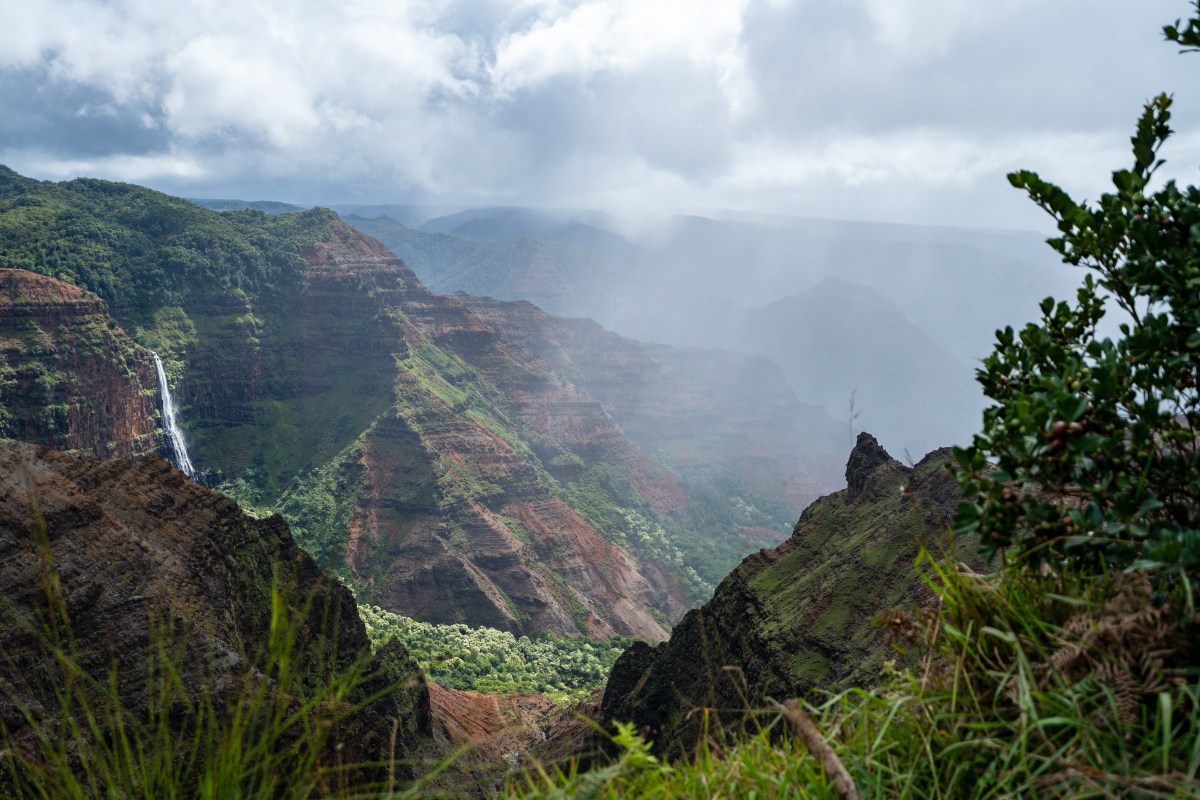
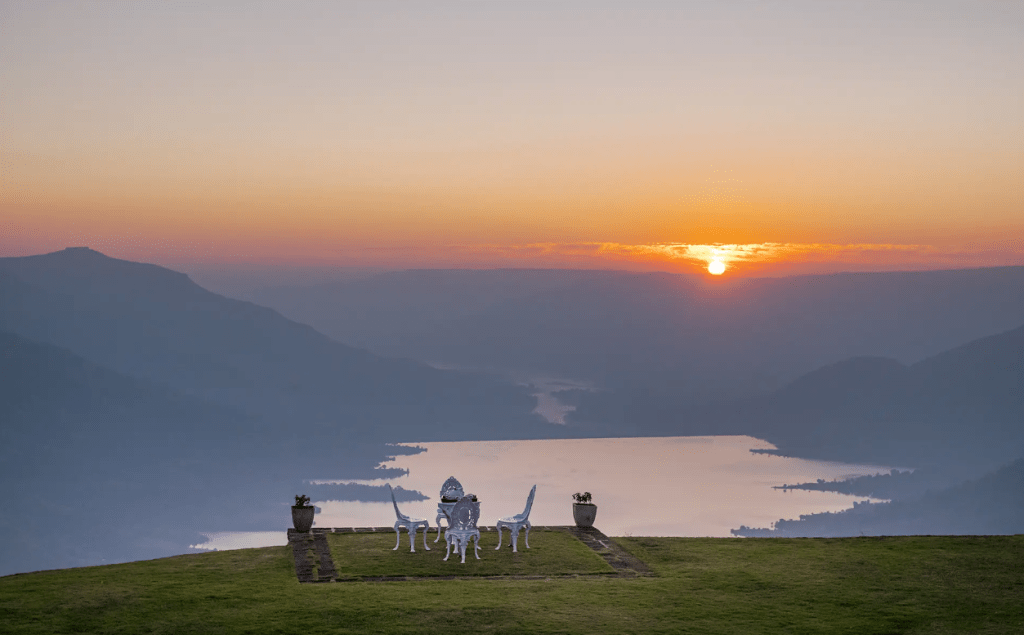
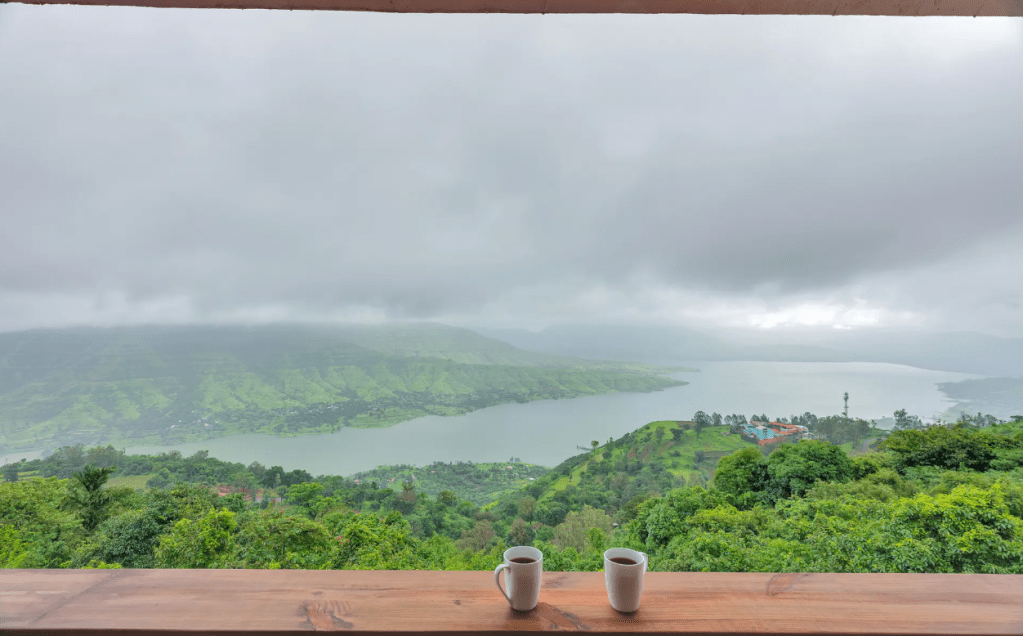
Mount Abu is the single hill station in a state otherwise defined by desert and fort country, which makes it a different kind of trip from the rest of Rajasthan. The Aravalli hills around it turn a deep green in August, Nakki Lake sits at the centre of town for an easy evening walk, and the Dilwara Jain Temples, marble carved fine enough to look like lacework rather than stone, are worth the visit even for travellers who do not usually seek out temple architecture. Guru Shikhar, the highest peak in the Aravalli range, is a 30 to 40 minute drive from town and clears on many mornings even when the rest of the hill is under cloud.

Marble carved fine enough to look like lacework rather than stone.

Where to Stay in Mount Abu

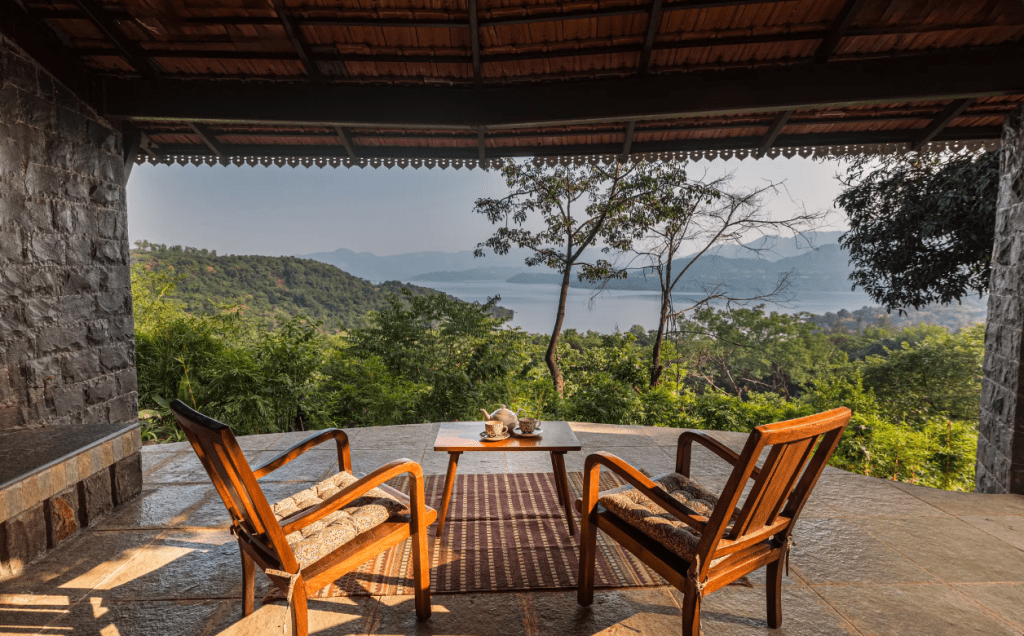
SaffronStays Sylvan Farms is not a conventional hill-station stay. A three-bedroom eco-luxury farm property spread across 4.4 acres of organic farmland about 15 minutes from Mount Abu’s main attractions, it runs on a real sustainability story: the estate supports seven local families, and the fireside evenings and farm-to-table meals come from land the property actively works rather than simply overlooks. It also sits close to one of Asia’s highest-resolution telescopes, and monsoon’s clearer air between showers often makes for better stargazing here than the hazier months on either side of it, worth timing an after-dinner walk outside for.

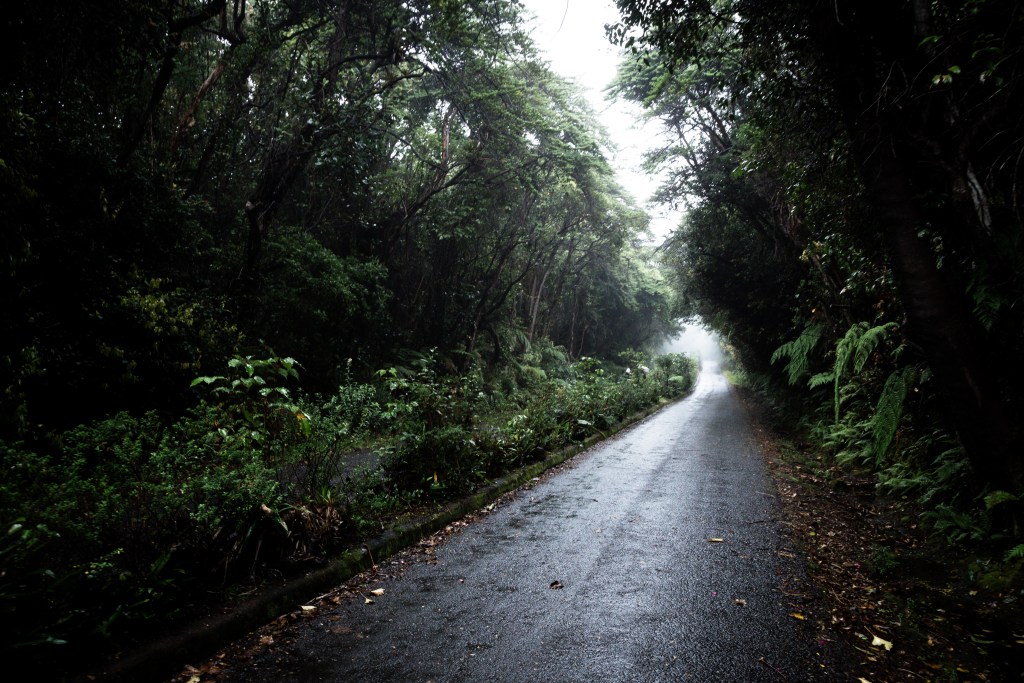
The final approach matters here. Roads from Ahmedabad to Abu Road are smooth highway, but the last 23 to 27 kilometres climbing into Mount Abu town wind through the hills and can turn slippery in heavy rain. Nothing about this rules out the drive, it just argues for daylight hours and an unhurried pace on that last stretch rather than pushing to arrive after dark.

Beyond Guru Shikhar and the temples, Achalgarh Fort makes an easy add-on on the way back from the peak, and Peace Park, a quiet garden built for meditation rather than sightseeing, is worth an hour for anyone who wants Mount Abu’s stillness without another monument to walk through. Honeymoon Point, a sunset viewpoint that draws a fraction of the crowd Sunset Point does, is the better choice for an unhurried evening. Food here leans vegetarian by local custom, and a proper Rajasthani thali, gatte ki sabzi, ker sangri, bajra roti, at any of the town’s established dining halls is worth planning a meal around rather than treating as a formality between sights.
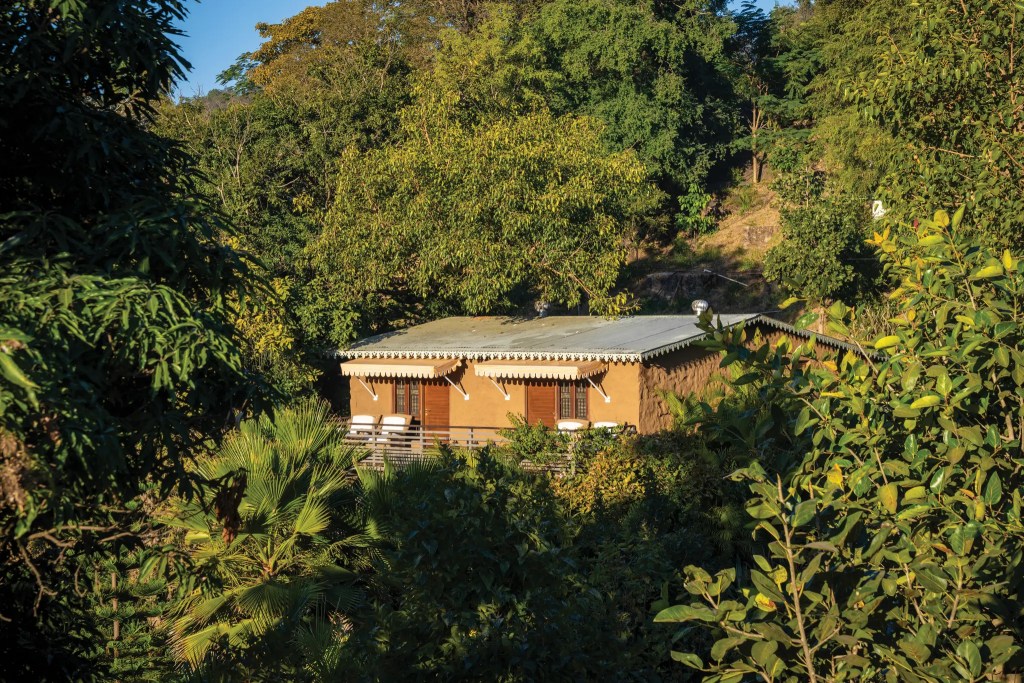
SaffronStays Sylvan Farms exterior with organic farmland and garden, misty Aravalli hills in the background
Eco-luxury farm villa with organic gardens, Sylvan Farms, Mount Abu

Udaipur: Two Very Different Stays

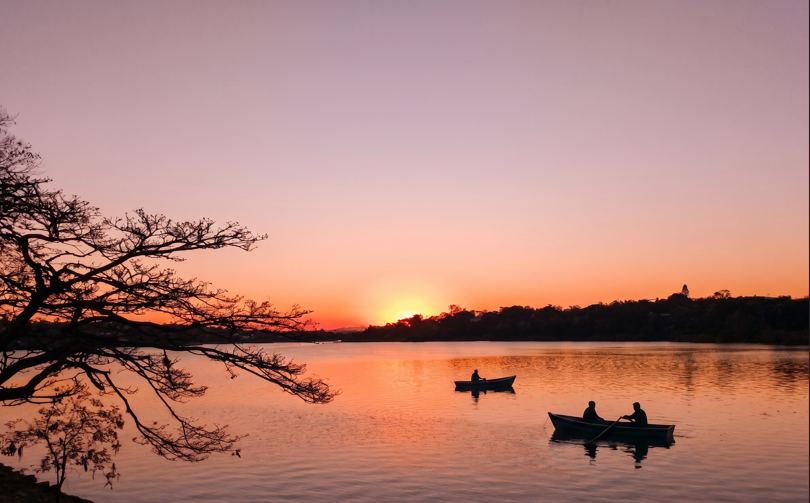
Udaipur needs little introduction: City Palace’s mirrored halls, Lake Pichola at sunset, the old city’s lanes opening onto lake views at nearly every turn. The NH48 route from Ahmedabad runs roughly 260 kilometres in about 5 hours, one of the more reliable highway drives on this list, and Gujarat consistently supplies a large share of Udaipur’s weekend visitors, close enough that a single day off still makes the trip worthwhile without the full three.

Gujarat consistently supplies a large share of Udaipur’s weekend visitors.

Where to Stay in Udaipur

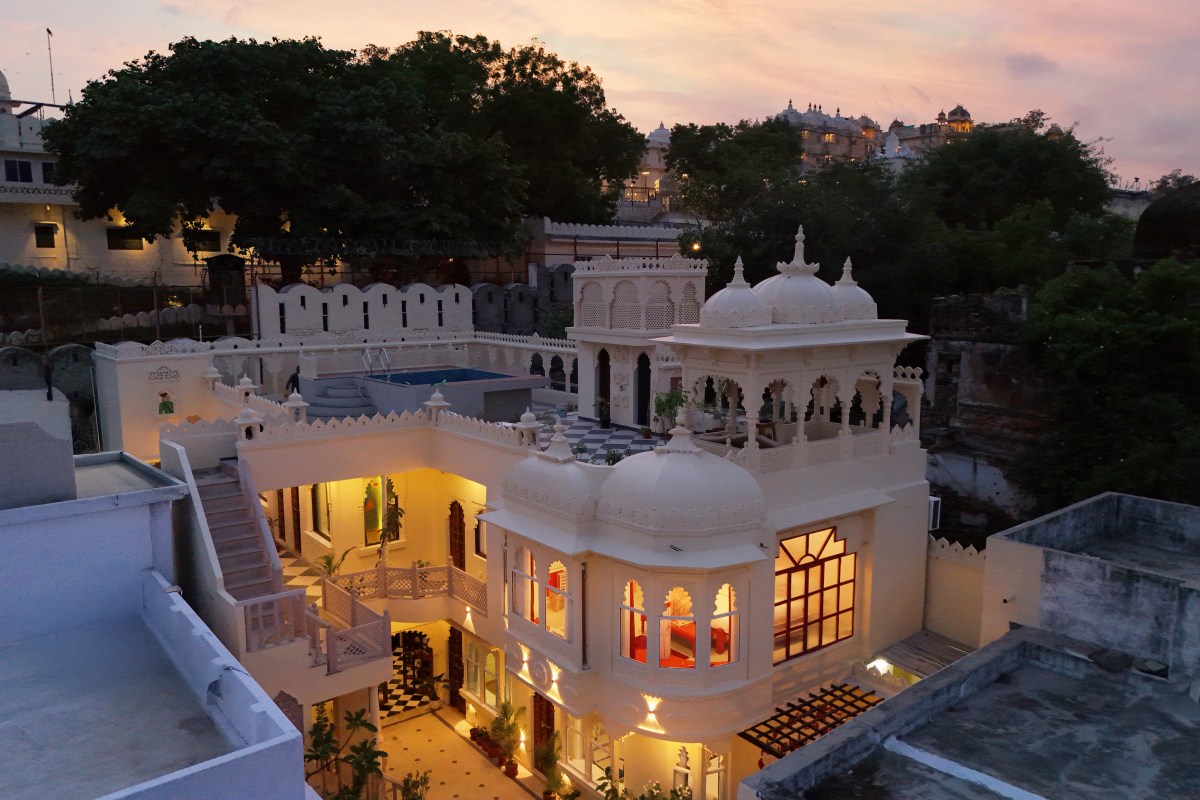
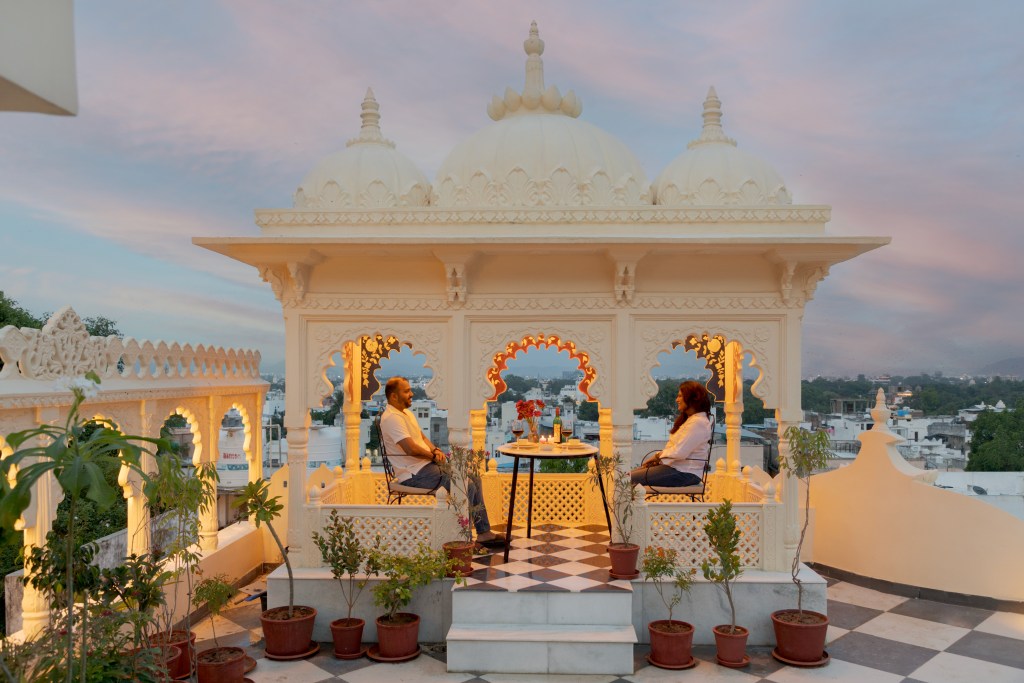
SaffronStays Rang Havelii sits close enough to the City Palace to share a version of the same rooftop views. The haveli took a year and a half to rebuild from near-ruin, and each of its eight rooms is designed around a different Rajasthani craft tradition: Molela wall art from a village near Chittorgarh, marble from Makrana, sandstone floors from Dholpur. It suits a trip built around the old city itself, walking distance to the ghats and markets rather than a drive away from them.

SaffronStays The Shikargarh Palace takes an entirely different kind of heritage: a 400-year-old former royal hunting retreat of the Mewar dynasty, set in the Aravalli hills outside the city. The original hunting structure, called an Odi, still stands at the centre of the property, with a newer 14-bedroom palace built around it during a recent restoration. Gardens, courtyards and a swimming pool make it a stay built for a large group rather than a couple, the kind of property where the estate itself is the weekend’s centrepiece rather than a base for sightseeing elsewhere.

Beyond these two, SaffronStays lists villas across Udaipur ranging from compact three-bedroom pool homes to eight-bedroom estates near Fateh Sagar Lake. The full Udaipur collection is linked below for anyone who wants to compare more options before booking.
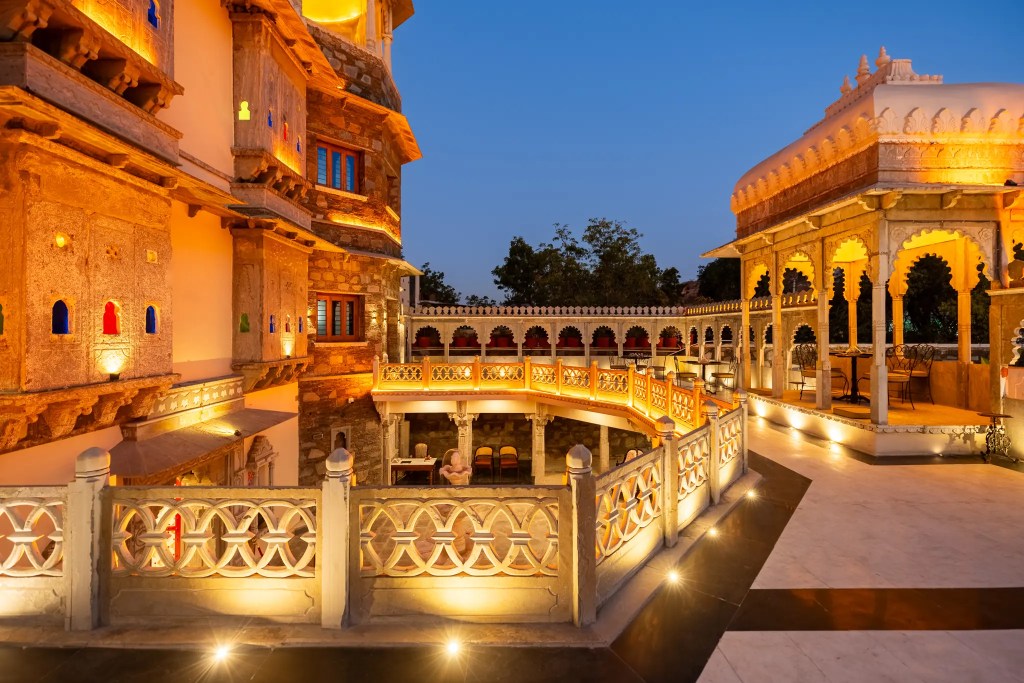
 SaffronStays The Shikargarh Palace heritage exterior with original stone Odi structure at centre, gardens and pool visible, Aravalli hills backdrop.
400-year-old heritage hunting palace, The Shikargarh Palace, Udaipur

How to Reach: A City-by-City Guide

Six cities, six real starting points. Here is exactly how each one gets to Mount Abu and Udaipur this Independence Day weekend.

From Ahmedabad

To Mount Abu: ~225-240 km, 4.5-5.5 hrs   |  

To Udaipur: ~260 km, ~5 hrs via NH48

The easiest version of this trip by a wide margin. Both routes run on good highway, and either destination is a comfortable single push without an overnight stop. One planning note specific to Ahmedabad: unlike Delhi or Mumbai, Gujarat’s own Independence Day ceremony has no fixed city-centre closure to route around, since the state ceremony moves venue every year rather than anchoring to one landmark.

From Vadodara

To Udaipur: ~300-360 km, 4-4.5 hrs   |  

To Mount Abu: via Udaipur or Abu Road, add ~1-1.5 hrs

Genuinely one of the shorter drives on this entire list, even shorter than Ahmedabad’s run to Udaipur.

From Surat

To Udaipur: ~450-500 km, 6-7 hrs   |  

To Mount Abu: via Ahmedabad or Abu Road, similar range

A longer stretch, but still a reasonable single-day push for a long weekend rather than a trip that needs a stopover.

From Mumbai

Direct drive: ~756-771 km, ~10 hrs   |  

Better option: Fly to Udaipur, then drive 3-4 hrs to Mount Abu

Ten hours is too long to start a three-day weekend with. Udaipur’s airport has direct Mumbai flights, and the local drive from there to Mount Abu is short and easy.

From Pune

Direct drive: ~865-900 km, ~15 hrs   |  

Better option: Fly to Udaipur via Mumbai or direct, then drive 3-4 hrs

The longest direct drive on this list. Flying is not a compromise here, it is the only realistic option for a weekend trip.

From Delhi

Direct drive: ~739-751 km, 13-14 hrs   |  

Fly option: Direct flights to Udaipur, then drive 3-4 hrs to Mount Abu   |  

Road-trip option: Delhi-Jaipur ~5 hrs, then Jaipur-Udaipur ~6.5 hrs

Delhi has a genuine road-trip alternative Mumbai and Pune do not: breaking the drive at Jaipur splits a 13-hour push into two manageable days, with Jaipur itself worth the overnight stop. That split works less well heading straight to Mount Abu, since Jaipur to Mount Abu alone still runs 9 to 11 hours; flying into Udaipur is the better call for that leg specifically.

Doing Both: The Loop Route

The useful thing about this particular pairing is that neither destination has to be chosen over the other. Mount Abu to Udaipur is a further 160 kilometres, about 3 hours on a route that counts among the better-maintained stretches in the region, which makes a full loop from Ahmedabad through both towns realistic across a 3-day weekend rather than a rushed add-on.

A straightforward version: Ahmedabad to Mount Abu on the morning of Friday, August 14, a full day and night there, then the 3-hour run to Udaipur on Saturday for two nights before the 5-hour drive back to Ahmedabad on Monday. Anyone with only the Saturday-Sunday weekend should pick one destination rather than force the loop into two days; Mount Abu suits a single-destination trip better given the shorter drive each way. Travellers flying in from Mumbai, Pune or Delhi can run the same loop in reverse from Udaipur airport, starting with Udaipur itself before the 3-hour drive out to Mount Abu.

PLANNING NOTE

Book villas two to three weeks ahead for this particular weekend. Independence Day is peak season for both destinations, and availability for larger properties tightens fast as the date approaches.

Mount Abu vs. Udaipur, Side by Side

Distance is covered above, by city. Here is how the two actually differ once you’re there.

DestinationCharacterBest ForFeatured Villa
Mount AbuForest, temples, altitudeRepeat Rajasthan visitors, quiet over sightseeingSylvan Farms
UdaipurLakes, palaces, the classic postcardFirst-time visitors, group celebrationsRang Havelii / Shikargarh Palace

Which One Fits

Content preference is one half of this decision: Udaipur suits anyone who has not been before and wants the version of Rajasthan postcards are made of, while Mount Abu suits anyone who has already done that trip, or who wants forest, altitude and a working heritage estate over palaces and lakes this particular weekend.

Ease of reach is the other half, and it matters more than usual this year. For Gujarat, that preference decides almost nothing, since both are within comfortable range. For Mumbai and Pune, where flying is the only realistic option either way, Udaipur’s better flight connectivity makes it the simpler single-destination pick if the loop is not on the table. For Delhi, the Jaipur stopover tips the balance toward Udaipur specifically, since that same road-trip logic does not extend cleanly to Mount Abu.

Rajasthan is closer than the drive feels. Browse private-pool villas in Mount Abu and Udaipur on SaffronStays and lock your Independence Day long weekend.

Frequently Asked Questions

How far is Mount Abu from Ahmedabad?

About 225 to 240 kilometres, roughly 4.5 to 5.5 hours by road. The route runs on smooth highway to Abu Road, then climbs a winding 23 to 27 kilometre hill road into Mount Abu town.

How far is Udaipur from Ahmedabad?

About 260 kilometres via NH48, roughly 5 hours under normal conditions. It is one of the more reliable highway drives from Ahmedabad.

What is the best way to reach Mount Abu or Udaipur from Mumbai or Delhi?

Flying, not driving. The direct road trip from Mumbai or Delhi runs past ten hours, closer to thirteen from Delhi. Udaipur’s airport has direct flights from both cities, and the local drive from Udaipur to Mount Abu is a manageable 3 to 4 hours.

Can I visit both Mount Abu and Udaipur in one long weekend?

Yes. Mount Abu to Udaipur is a further 160 kilometres, about 3 hours, making a loop trip through both destinations workable across a 3-day weekend with an early start each day, whether starting from Ahmedabad or from Udaipur airport.

Is Mount Abu safe to visit in monsoon?

Largely yes. Rajasthan’s monsoon is mild compared to coastal or Himalayan India. The one real caution is the final hill climb into Mount Abu town, which can get slippery in heavy rain.

What is the best villa in Mount Abu?

SaffronStays Sylvan Farms, a 3-bedroom eco-luxury farm stay about 15 minutes from Mount Abu’s main attractions, with a strong sustainability story and stargazing near one of Asia’s highest-resolution telescopes.

Does Gujarat have Independence Day traffic restrictions like Delhi or Mumbai?

Not in the same fixed way. Gujarat’s state-level Independence Day ceremony rotates venue each year rather than being anchored to one city landmark, so there is no recurring Ahmedabad-specific road closure to plan around.

Top 5 Destinations You Can Drive to From Delhi This Independence Day Long Weekend

top-places-to-drive-from-delhi-independence-day-weekend

Five weekends out of Delhi look different this August than they have in years. A new expressway just cut one drive in half. A festival lands on the exact same day as Independence Day itself. Another hill town just recorded its wettest week of the year. None of that is fine print, it changes which of these five actually makes sense to book.

Independence Day 2026 falls on a Saturday, so anyone who can take Friday, August 14 gets three days to use. Here is exactly where to drive from Delhi, how long each takes, what monsoon does to it, and which villa to book.

Table of Contents:

BEFORE YOU LEAVE

Delhi Police closes roads around the Red Fort from 4 AM to 10 AM on August 15 for the flag-hoisting ceremony. Kanwar Yatra restrictions also run August 4-12, with a full vehicle ban on the old Delhi-Haridwar highway; the new Dehradun expressway and NH-334 toward Rishikesh both stay open throughout.

Dehradun

Distance: ~250 km   |   Drive time: 2.5-3.5 hrs   |   Villa: SaffronStays Varenya

The Delhi-Dehradun Expressway opened in April 2026, cutting the drive from six hours to two and a half. That single change makes Dehradun the easiest pick on this list this year. SaffronStays Varenya, a six-bedroom pool villa on the edge of Rajaji National Park, sits right off the new route, with deer and peacocks visible from the veranda.

Monsoon works in Dehradun’s favour: the Doon valley’s forests are at their greenest, and the region sits low enough to avoid the landslide risk that affects higher hill routes. Mussoorie is under an hour away for an easy half-day trip.

SaffronStays Varenya villa exterior with private pool, forest edge of Rajaji National Park visible behind, evening light.
SaffronStays Varenya at the edge of Rajaji National Park, Dehradun

Jaipur

Distance: ~280 km   |   Drive time: ~5 hrs   |   Villa: SaffronStays Ambika Farms

Jaipur’s monsoon is mild by Indian standards, rain comes in short bursts, and this particular weekend has a bonus: Hariyali Teej falls on August 15, 2026, the same day as Independence Day, filling the old city with processions and decorated swings. SaffronStays Ambika Farms, a four-bedroom pool villa on Jaipur’s outskirts with a games room and garden, is the pick, and it markets itself directly to travellers coming from Delhi.

The NH48 route rarely floods, making this one of the more reliable drives on the list. Amber Fort and City Palace both photograph better rain-washed, with a fraction of the usual crowds.

SaffronStays Ambika Farms exterior with private pool and garden, monsoon clouds overhead.
Private pool villa with garden, Ambika Farms, Jaipur

Kasauli

Distance: ~300 km   |   Drive time: ~6 hrs   |   Villa: SaffronStays The Hill Abode

Kasauli ranks among the safer low-altitude Himachal bases for monsoon travel, and the road stays smooth until the final 40-kilometre climb. That said, an August 2025 rain event saw Kasauli record the highest 24-hour rainfall anywhere in the state, so check a live weather advisory before leaving rather than relying on general seasonal guidance.

SaffronStays The Hill Abode, a three-bedroom modern villa in Kumarhatti, sits about 1.5 hours from Chandigarh with floor-to-ceiling windows and a viewing deck built for valley views. It has no swimming pool, which fits the destination; Kasauli’s appeal is elevation and quiet, not water. A fireplace and bonfire setup cover the cooler, wetter evenings this time of year.

SaffronStays The Hill Abode exterior with floor-to-ceiling windows and viewing deck, misty Kasauli valley visible.
Modern valley-view villa, The Hill Abode, Kasauli

Rishikesh

Distance: ~250 km   |   Drive time: 5-6 hrs   |   Villa: SaffronStays Tarangini by Ganges

White-water rafting is officially suspended on the Ganga from July 1 to August 31 every year, so this is not the month for an adventure-first trip. Any operator offering private monsoon rafting this month is running an unlicensed, uninsured route.

The Ganga Aarti, ashrams and Laxman Jhula all stay open regardless. SaffronStays Tarangini by Ganges, a four-bedroom riverside villa bordering Rajaji National Park, suits a quieter, walking-and-stillness version of the trip. The Delhi approach road stays reliably monsoon-safe.

SaffronStays Tarangini by Ganges riverside villa terrace overlooking the Ganga in monsoon, Rajaji National Park forest visible.
Riverside villa terrace overlooking the Ganga, Rishikesh

Nainital

Distance: ~300-320 km   |   Drive time: 6-8 hrs   |   Villa: SaffronStays Naiintara

Nainital is the furthest and riskiest pick on this list. The hill stretch between Haldwani and Nainital carries real landslide risk in August, and several road-safety guides advise against the drive this month. Go only with a buffer day built in and a same-morning weather check, not a general seasonal assumption.

SaffronStays Naiintara sits directly on Naini Lake, with a quieter Mall Road and lake mist as the reward for anyone who still makes the trip prepared.

SaffronStays Naiintara lake-facing villa balcony overlooking a misty Naini Lake in the monsoon, stone architecture visible.
Lake-facing balcony at SaffronStays Naiintara, Nainital

All Five, Side by Side

DestinationDistanceDrive TimeRisk This WeekFeatured Villa
Dehradun~250 km2.5-3.5 hrsNew expressway, low landslide riskVarenya
Jaipur~280 km~5 hrsMild monsoon, reliable roads Ambika Farms
Kasauli~300 km~6 hrsSafer than deep Himachal, not risk-freeThe Hill Abode
Rishikesh~250 km5-6 hrsRafting suspended, town unaffectedTarangini by Ganges
Nainital~300-320 km6-8 hrsReal landslide risk, plan accordinglyNaiintara

Independence Day weekend is peak booking season across all five. Villa rates rise and availability tightens as the date approaches, especially for larger properties. Book two to three weeks out rather than the week of.

Four directions. One weekend. Your call.

Browse private-pool villas in Jaipur, Dehradun, Kasauli and Nainital on SaffronStays and lock your Independence Day weekend.

Frequently Asked Questions

How long does it take to drive from Delhi to Dehradun now?

About two and a half hours via the new Delhi-Dehradun Expressway, down from six hours on the old NH-58 route. The expressway opened in April 2026.

Is Rishikesh rafting open in August?

No. Uttarakhand’s state tourism department officially suspends all Ganga rafting from July 1 to August 31 every year due to dangerous monsoon water levels.

Is Kasauli safe to visit in monsoon?

Mostly, with caveats. It ranks among the safer low-altitude Himachal bases, but an August 2025 event saw it record the state’s highest rainfall. Check a live weather advisory before leaving.

Is it safe to drive from Delhi to Nainital in August?

It carries real risk. The Haldwani-Nainital hill stretch sits inside the monsoon landslide window, and multiple road-safety sources advise against the drive in July and August.

How long is the drive from Delhi to Jaipur?

About five hours covering roughly 280 kilometres via NH48, one of the more monsoon-reliable routes on this list.

What time do Red Fort roads close on Independence Day?

In recent years, Delhi Police has closed roads around the Red Fort from 4 AM to 10 AM on August 15. Exact 2026 timings will be confirmed closer to the date.

Rang Havelii: The Udaipur Haveli That Shares Its Wall With a Palace

Exterior shot of the Rang Havelii entrance lane at Bhatiyani Chohatta, City Palace boundary wall visible alongside, golden-hour light.

In the lane called Bhatiyani Chohatta, the walls do not so much end as surrender to a bigger one. Shopfronts give way, cows find their shade under low eaves, and then the stone itself changes character: this is the outer skin of Udaipur’s City Palace, four centuries old, running the length of the street like a border nobody thought to question. Somewhere along that stretch, without a signboard announcing itself, sits a doorway into eight rooms, seven living craft traditions, and one woman’s very deliberate refusal to be tasteful in the way the world currently defines tasteful.

That doorway opens into Rang Havelii, a heritage-style haveli built not from a restored palace wing but from a shell of collapsed chambers that its founder, Rashmi, found in ruins two years ago. What stands there now is arguably Udaipur’s most striking recent addition to the city’s old quarter: a boutique stay that treats colour not as a decorating choice but as its entire argument. The name says as much. Rang, in Hindi, means colour. Havelii is the traditional courtyard mansion of Rajasthan and North India. Put together, they describe exactly what waits on the other side of that unmarked door, and precisely what this property borrows from the past rather than inherits from it.

Table of Contents:

The Banker Who Built a Haveli

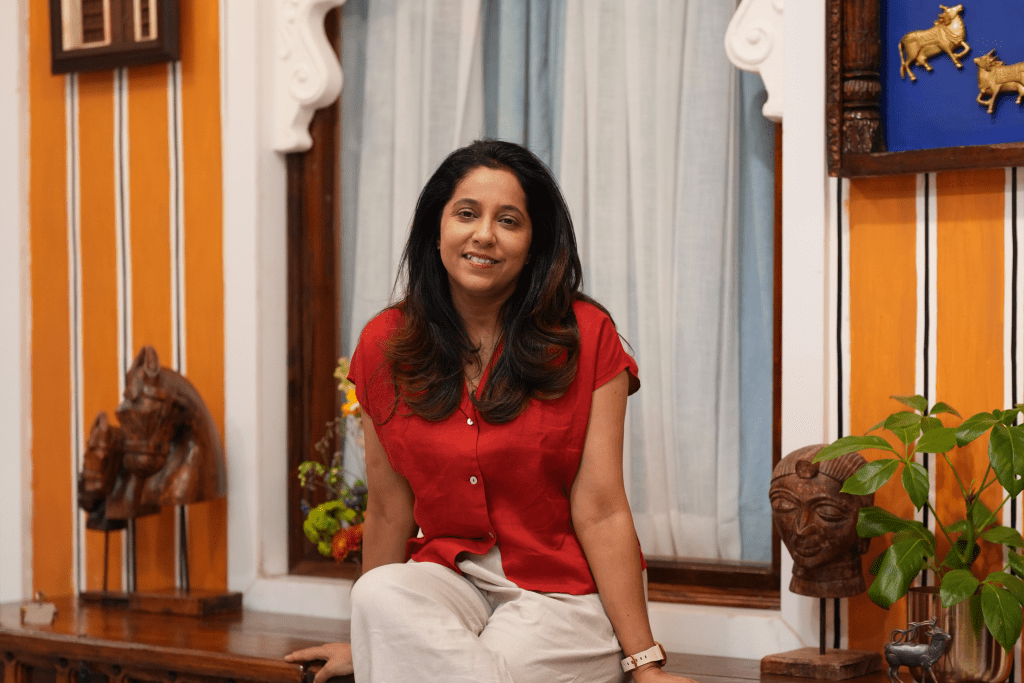
Rashmi did not train as an interior designer, an architect, or a hotelier. She spent her working years in banking before she began writing about food under the Instagram handle @kasoor_e_methi, building a loyal following for a voice that was unmistakably, unapologetically Rajasthani. When she first walked into what would become Rang Havelii, the building offered her nothing to work with in the conventional sense. “When I first found this place two years back, it was in complete shambles,” she says. “But in my heart I knew that this place had a lot of potential and I could turn this into something really special.”

She did not hire a design firm and hand over a mood board. She commissioned artisans directly, brief by brief, room by room. The dining table, made from ethically sourced camel bone carved and embedded into wood in an intricate technique local to Rajasthan, was built to a specification she gave craftspeople who work almost exclusively in this material. The mural above the breakfast nook, mapping Udaipur’s own skyline onto a stairwell wall, began as a scale drawing by her illustrator friend Monica, based in Mumbai, who plotted the City Palace, the ghats, and the lake against real dimensions before local artists reproduced it by hand. “I was just a little confused what to kind of make here,” Rashmi recalls of that particular wall. “So I took the help of my illustrator friend… I told her that I want something unique.”

The result reads less like a restoration and more like a personal statement rendered at the scale of a building, built from scratch in the visual language of a much older Rajasthan. “It’s just a representation of me,” she says of the finished haveli. “And when you come here, you will experience the same love and warmth that I grew up with and that Rajasthan has to offer.”

A Living Gallery: Eight Rooms, Eight Colours

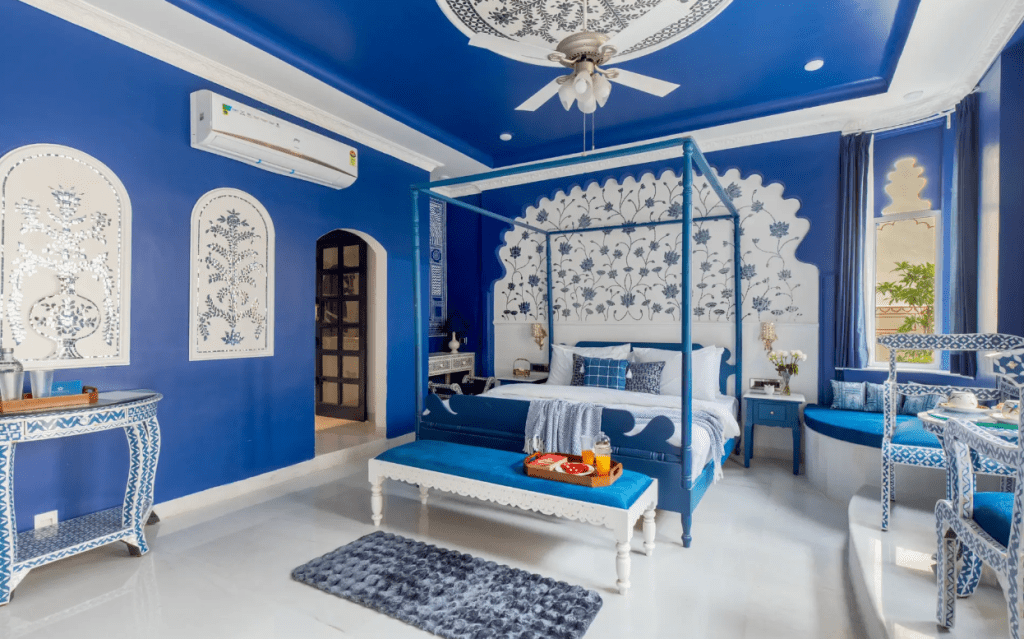
Every one of Rang Havelii’s eight rooms is painted, furnished, and dressed in a single dominant colour, and every room showcases a distinct craft tradition. Guests do not simply sleep at a heritage-style property here. They sleep inside a specific, deliberately unrepeated art installation, then walk down a corridor into a completely different one.

Bagh Baradari carries the storytelling energy of Phad scroll painting, a tradition rooted in the Bhilwara belt of Mewar, its walls animated with the loose, narrative brushwork this folk art is known for. Panna Bagh, on the ground floor, goes the other way entirely: mint-green walls with hand-painted trees and birds, a quiet garden room that borrows its calm from the Rajput palace gardens of old. Maaru Mahal, one floor up, trades green for gold, taking its warmth from the sandstone palaces of Jaisalmer and the open Thar beyond them.

RoomColourCraft Focus / Inspiration
Bagh BaradariForest tonesPhad scroll painting (Bhilwara belt)
Panna BaghMint greenHand-painted garden motifs, Rajput palace gardens
Maaru MahalGold / sandstoneJaisalmer and Thar desert palette
Kamal TalaiSoft pink / lotusPichwai art, Nathdwara (17th century)
Surkh DarbarCrimsonMewar miniature painting
Neel JharokhaBlueJodhpur’s Blue City tradition
Rajwadi VatikaPinkJaipur palace garden aesthetic
Darpan DarbarMirror / white-goldThikri mirror-glass art, Udaipur
Thikri mirror art room Darpan Darbar at Rang Havelii Udaipur

Two rooms reward the closest attention. Darpan Darbar is built around Thikri, an inlaid mirror-glass craft specific to the Mewar region, in which small pieces of convex mirror and coloured glass are cut, polished, and set into plaster to catch and multiply light across a wall. By evening, a single lit candle in this room throws itself into dozens of reflected points across the ceiling and walls, an effect the room was clearly designed around. Surkh Darbar, by contrast, is quieter and more exacting: its walls carry Mewar miniature painting, worked in fine detail with squirrel-hair brushes and pigments traditionally drawn from minerals and plant matter, the same technique used for centuries in courtly manuscripts across this region.
The communal spaces do not let up either. The living room holds a hand-painted Pichwai mural, a collaboration between Rashmi’s sister and a local artist. The entrance is marked by a Toran, the ceremonial door hanging central to Rajasthani weddings, flanked by chairs shaped like elephants, a nod to the elephant rides up to Jaipur’s Amer Fort. A hand-carved Kavad, sourced from artisans in Bassi near Chittorgarh, sits nearby: a wooden shrine that opens like a series of folding doors, each panel painted with its own episode from a larger story of gods and goddesses, traditionally narrated aloud by the Kavadiya Brahmin families who carried these shrines door to door.

“Just as these days minimalism is trending, but as you know, Rajasthan is all about maximalism. So there will be a lot of colours and patterns and textures. Having been born in Rajasthan myself, I have this natural inclination towards colours and vibrance.”

— Rashmi, Founder, Rang Havelii

Seven Crafts, Under One Roof

What separates Rang Havelii from Udaipur’s many other heritage-styled stays is specificity. Almost anyone can call a property a living museum. Rang Havelii can name the village each craft came from.

Pichwai, the devotional cloth painting depicting Srinathji, traces to Nathdwara, near Udaipur, and dates to the seventeenth century. Thikri mirror-glass work is native to Udaipur and the wider Mewar region. Miniature painting here follows the Mewar school, distinguished from the more famous Mughal miniature tradition by its palette and its subject matter, closer to courtly and devotional life than imperial record-keeping. Phad, the scroll paintings that narrate the deeds of folk deities like Pabuji and Devnarayan, comes out of the Bhilwara belt, traditionally unrolled and sung by travelling bhopa performers rather than simply displayed. Bone inlay, seen throughout the property in furniture, uses ethically sourced camel bone carved and set into wood, then filled with resin. Kavad shrine-making is specific to Bassi, a small town near Chittorgarh. And Molela terracotta, added to the property’s craft roster after the press materials for this piece were written, comes from a single village of that name on the Banas river near Nathdwara, a GI-tagged tradition of flat terracotta plaques depicting local deities, made almost exclusively by the Kumhar potter families who have worked that clay for generations.

None of these crafts are displayed behind glass at Rang Havelii. They are load-bearing, in the most literal sense: walls, furniture, shrines, and tabletops that a guest touches, sits at, and sleeps beside rather than views from a rope barrier. The building itself is new. The hands that made everything inside it are not.

Food, Hosting, and Atithi Devo Bhava

“Rang Havelii for me was a perfect blend of the two things that I love: food and hosting,” Rashmi says, and the kitchen bears this out. It runs less like a hotel restaurant and more like the kitchen of someone who has spent years feeding people she cares about, which, as a food blogger for years before Rang Havelii existed, is exactly what Rashmi was already doing. The in-house chef prepares Rajasthani food with the kind of personal attention a restaurant kitchen rarely offers, and meals are available at an additional charge rather than folded into a flat room rate, closer in spirit to eating at someone’s home than paying for a fixed hotel menu.

That hosting philosophy has a name in Rajasthan: Atithi Devo Bhava, the guest as god. The Toran at the entrance is not purely decorative. It references a wedding-day ritual in which a groom touches the door hanging with his sword on reaching his bride’s threshold, a gesture of respect and welcome that predates the building by centuries, even where the building itself does not. Guests crossing into Rang Havelii cross the same threshold. On the ground, this translates into specific, remembered service: reviews on the live listing repeatedly single out staff members by name, and the property currently holds a 4.9-out-of-5 rating across more than fifty stays, with cleanliness, safety, and staff attentiveness scoring particularly high.

Rajasthani thali meal experience at Rang Havelii Udaipur

A Wall Away From the City Palace

Location does most of the remaining work. Rang Havelii shares a boundary wall with the City Palace of Udaipur, one of the largest palace complexes in Rajasthan and, after dark, one of the most theatrically lit buildings in the city. From the rooftop chhatri and the private pool at Rang Havelii, guests watch that illumination directly, and during Diwali, the same terrace becomes a private viewing point for fireworks across the old city skyline. Jagdish Temple and Lake Pichola are each roughly a five-minute walk away. Fateh Sagar Lake is closer to fifteen minutes. The haveli sits inside Udaipur’s old city grid, within the kind of walkable radius that lets a stay double as a base for exploring rather than a destination requiring its own transport plan for every outing.

GOOD TO KNOW

Rang Havelii shares a boundary wall with the City Palace, Udaipur’s largest palace complex.

Jagdish Temple and Lake Pichola: approximately 5 minutes on foot.

Fateh Sagar Lake: approximately 15 minutes on foot.

Best light for the rooftop chhatri and pool: late afternoon into the evening, when the City Palace begins its nightly illumination.

Diwali is a particularly strong time to book this specific property, given the terrace’s direct sightline to the city’s fireworks.

Getting There, Including the Drive Every Gujarati Traveller Already Knows

Rang Havelii sits close enough to the centre of Udaipur that the wider question is less about reaching the haveli and more about reaching the city. Maharana Pratap Airport is roughly 24 kilometres away, a 30 to 40 minute drive depending on traffic. Udaipur City Railway Station and the main bus stand are both about 2 to 3 kilometres out, a 10 to 15 minute drive from the property, or a manageable one for anyone willing to walk part of the old city on arrival.

For travellers coming from Gujarat, this is a familiar route long before it is a search query. Ahmedabad to Udaipur runs roughly 260 kilometres via NH48, a drive of four to four and a half hours that has become one of the state’s most reliable weekend getaways, popular enough that Himmatnagar and the Shamlaji temple stop are landmarks in their own right for anyone who has made the drive before. Direct trains, including the ADI-UDZ Express, connect Ahmedabad’s Kalupur station to Udaipur City, and flights run the route as well, though most Gujarati travellers making a weekend of it still choose the highway for the flexibility it offers to detour toward Nathdwara, Eklingji, or Kumbhalgarh along the way. Travellers from Surat and Vadodara add roughly two and four hours respectively onto that same NH48 corridor, making Udaipur, and a stay inside its old city walls, a realistic two-night plan rather than a stretch.

From Mumbai, Pune, Delhi NCR, and Bangalore, Udaipur is well served by direct flights into Maharana Pratap Airport, putting Rang Havelii within a half-day’s travel from each of these cities door to door.

Rooftop pool and chhatri at dusk with the illuminated City Palace visible in the background.
Rooftop pool with City Palace view at Rang Havelii Udaipur
Stay Inside the Story

Book a room, a wing, or the entire eight-room haveli at Rang Havelii, Udaipur, through SaffronStays.
BOOK RANG HAVELII

Frequently Asked Questions

Where exactly is Rang Havelii located in Udaipur?

Rang Havelii is located in Bhatiyani Chohatta, in Udaipur’s old city, sharing a boundary wall with the City Palace. It sits within a five-minute walk of Jagdish Temple and Lake Pichola.

Is Rang Havelii an actual heritage building?

No. Rang Havelii is a heritage-style haveli, built two years ago from a collapsed shell of chambers and designed using traditional Rajasthani architecture, materials, and craft. It is not a centuries-old or protected heritage structure, and it shares a boundary wall with one that is: the City Palace.

How far is Rang Havelii from Udaipur’s airport and railway station?

Maharana Pratap Airport is approximately 24 kilometres away, a 30 to 40 minute drive. Udaipur City Railway Station and the main bus stand are both roughly 2 to 3 kilometres away, about 10 to 15 minutes by road.

What Rajasthani art forms can I see at Rang Havelii?

The property features seven craft traditions across its rooms and common areas: Pichwai painting from Nathdwara, Thikri mirror-glass art from Udaipur, Mewar miniature painting, Phad scroll painting from the Bhilwara belt, camel bone inlay furniture, hand-carved Kavad shrines from Bassi, and Molela terracotta from Rajsamand district.

Can I book just one or two rooms, or do I need to book the entire haveli?

Rang Havelii can be booked room by room, as a partial wing, or in its entirety for larger groups and celebrations. Room configurations and exact availability are confirmed at the time of booking on the SaffronStays listing.

Is Rang Havelii within walking distance of Lake Pichola and the City Palace?

Yes. The City Palace is directly adjacent, sharing a wall with the property, and Lake Pichola is approximately a five-minute walk away.

Is Udaipur a good weekend getaway from Ahmedabad and Gujarat?

Udaipur is one of Gujarat’s most popular weekend destinations, roughly 260 kilometres and four to four and a half hours from Ahmedabad via NH48. It is also well connected from Surat and Vadodara by the same highway, and by direct train and flight options.

Does Rang Havelii provide meals?

Yes, meals are available at an additional charge, prepared by an in-house chef, with vegetarian, non-vegetarian, and Jain options on the menu.

8 Places in Maharashtra That Look Better in the Rain

places to visit in maharashtra during monsoon, monsoon getaways near pune, monsoon getaways near mumbai, maharashtra in the rain

Ask anyone who drives the Mumbai-Pune Expressway in July why they keep coming back, and they will rarely mention temperature. They will describe a specific moment instead: the windows fogging up somewhere past Khopoli, the land outside turning a green that does not exist for the other nine months of the year, the first waterfall showing up on a cliff face that was bone dry in May. Maharashtra spends most of the calendar being a reliably good state to visit. For about twelve weeks between June and September, it becomes something else entirely, and the places that look merely pleasant in winter start looking like they were built for exactly this weather.

The eight places on this list were not chosen because they are the only monsoon-worthy spots in the state. Maharashtra has dozens, from Amboli’s cloud forests to Bhandardara waterfalls, and a case could be made for nearly any corner of the Western Ghats in July. These eight were chosen because each one undergoes a genuine, visible transformation when the rain arrives, the kind that makes a photograph taken in August look like it belongs to a different location entirely from one taken in March. Most are within two to three hours of Mumbai or Pune. One is a city rather than a getaway, and earns its place on this list for reasons that have nothing to do with waterfalls at all.

Table of Content:

Pawna: The Lake That Everyone Photographs for a Reason

Wide shot of Pawna Lake at golden hour or under monsoon cloud cover, with Tikona or Lohagad fort visible in the background, tents or campsite silhouettes optional in the foreground.
Pawna Lake in monsoon with Tikona fort visible through low cloud in the Sahyadri hills

Pawna Lake spends the dry months as a modest, workmanlike reservoir hemmed in by two forts, Tikona and Lohagad, that most visitors only notice because they happen to be visible from the water. By July, the lake has filled out toward the edge of the surrounding hills, the forts sit half wrapped in low cloud, and the tented campsites that line the shore fill with people who have driven out from Pune and Mumbai specifically to watch weather happen. This is Maharashtra’s most photographed monsoon lake for a reason: the water itself barely changes shape, but everything around it does, hillsides shifting from scrubby brown to a green dense enough to look almost tropical.

What makes Pawna worth the drive in the rain rather than in October, when the campsites are just as active, is the light. Monsoon afternoons here tend to produce a flat, silver quality, broken by shafts of sun when the clouds thin, that turns the lake into a mirror for whatever is happening in the sky above it. Fishermen work the shallows in the early morning before the day-trippers arrive, and the fort ruins on Tikona are close to unrecognisable from their summer selves, greener, mistier, and considerably harder to photograph without a cloud drifting straight through the frame.

Pawna gets crowded on weekends regardless of season, so a Friday evening arrival, ahead of the Saturday rush, is worth the extra planning. SaffronStays has a small cluster of private villas scattered along the lake’s quieter edges, useful for anyone who wants the view without pitching a tent in a downpour.

Mulshi: The Quiet One

Mulshi backwaters shot from one of SaffronStays Sunkissed, grey monsoon sky, still water reflecting the hills, a couple or small group seated at an outdoor table optional for scale.
Mulshi Lake backwaters seen from SaffronStays Sunkissed during the Maharashtra monsoon

If Pawna is Maharashtra’s monsoon lake for groups and campsites, Mulshi is its version for two people who would rather not talk to anyone else for a weekend. The lake here, formed by the Mulshi Dam on the Mula River, sits further from the main Pune-Lonavala traffic and draws a noticeably quieter crowd, more couples and small families than college groups. The backwater views from the handful of cafes along its edge, several built specifically to look out at the reservoir, are at their best precisely when the weather is at its worst everywhere else: heavy grey sky, water the colour of pewter, hills across the lake fading in and out of visibility as the rain moves through.

Mulshi’s real monsoon asset is Tamhini Ghat, the mountain pass connecting it to the Konkan side of the Sahyadris. In one particularly wet month in 2025, Tamhini reportedly recorded more rainfall than Cherrapunji over the same period, a fact locals mention with some pride. The drive through it during monsoon, waterfalls appearing directly beside the road and cloud settling low enough that you drive through it rather than beneath it, is reason enough to make the trip even without stopping anywhere else.

The area has a fair spread of SaffronStays villas tucked into the lakeside villages around Mulshi, several with the kind of covered outdoor seating that makes watching a downpour from a dry armchair one of the better ways to spend a Sunday.

Lonavala: Everyone Already Knows, and It’s Still Worth It

Cloud-covered Sahyadri valley view from Tiger’s Point near Lonavala during monsoon

Lonavala earns its reputation the hard way: by being genuinely worth visiting even though everyone already knows about it. The twin hill station, paired with Khandala just three kilometres away, has been Mumbai and Pune’s default monsoon escape for so long that it risks sounding like a cliche in every travel list, this one included. What actually happens here in the rain justifies the reputation regardless. Bhushi Dam turns from a trickle into a genuine cascade that people queue up to sit under. Waterfalls that do not exist for nine months of the year appear on hillsides that were dry scrub in April. The valley views from Tiger’s Point and Rajmachi Point disappear and reappear every few minutes as cloud banks move through, which sounds like a minor detail until you are standing there watching an entire valley vanish and return in real time.

Lonavala’s caves, Bhaja and Karla, both carved more than two thousand years ago, take on a different character in the rain too: cooler, quieter, with moisture on the rock faces that makes the carvings look freshly cut rather than ancient. The town gets its fair share of tourist-trap chikki shops and crowded viewpoints, but a short drive out toward Rajmachi Fort, or an early morning at Tiger’s Point before the day-trip buses arrive, still delivers the version of Lonavala that made it famous in the first place. Duke’s Nose, the sharp cliff outcrop overlooking the valley, is worth the short trek for anyone who wants a viewpoint fewer people bother reaching.

SaffronStays runs a solid collection of villas in and around Lonavala, several positioned specifically for valley views, which is the one thing worth paying attention to when the entire point of the visit is watching weather move across a landscape.

The valley views from Tiger’s Point disappear and reappear every few minutes as cloud banks move through, until you are standing there watching an entire valley vanish and return in real time.

Kamshet: Grounded, and Better for It

Kamshet valley and Pawna Lake view from a hillside launch point, terraced green fields visible below, overcast sky, no paragliders in frame (out of season) featuring Moira By the Lake
Green terraced valley and Pawna Lake view from the Kamshet hills during monsoon featuring Moira By the Lake

Kamshet built its modern reputation on paragliding, and most of the year that reputation is well earned: this stretch of the Sahyadris, overlooking Pawna Lake, is one of the better paragliding sites in western India. Monsoon changes that equation completely. Flying pauses for safety reasons for the duration of the season, roughly June through September, and any trip planned around paragliding in the rain will be disappointed. What Kamshet trades paragliding for, though, is arguably a better reason to visit: the view that made it a launch site in the first place gets more dramatic once you stop looking at it from the air and start looking at it from a valley road instead.

Kamshet in the rain is a countryside experience more than an adventure-sports one. The Indrayani river runs fuller, the terraced fields around the villages turn a saturated green rarely seen outside monsoon, and the same ridgelines paragliders use as launch points become viewpoints for anyone willing to walk up with an umbrella. It is quieter than Lonavala, twenty minutes down the same highway, and gets a fraction of the weekend traffic, which makes it a reasonable choice for anyone who wants Sahyadri monsoon scenery without fighting for a parking spot.

A handful of SaffronStays villas sit in the hills around Kamshet, most with views straight down toward Pawna, which turns out to be a fairly good consolation for a grounded paraglider.

Panshet: The Adventurous Counterpoint

Panshet Dam backwaters at high water, water sports activity (kayaking or boating) visible in the middle distance, green hills surrounding the reservoir, overcast sky.
Panshet Dam backwaters full during monsoon with kayaking activity on the water

Panshet is where Pune goes for water sports, and the dam here, formally the Tanaji Sagar Dam on the Ambi River, is built for exactly that kind of energy: jet skiing, kayaking, banana boat rides, a small water park beside the main reservoir. In the dry months this can read as a fairly ordinary picnic spot fifty kilometres outside the city. Monsoon changes the arithmetic. The dam fills close to capacity, the backwaters expand visibly, and the waterfalls scattered around the area, rain-fed and essentially dry the rest of the year, start running properly. The Sahyadri hills surrounding the reservoir turn the same saturated green as everywhere else on this list, but Panshet’s specific character, adventure rather than contemplation, sets it apart from the quieter lakes nearby.

The drive out is part of the appeal. The road from Pune through Khadakwasla to Panshet passes small villages and roadside stalls selling misal pav and vada pav, reliable monsoon fuel for anyone making the trip. Varasgaon Dam, a short distance away, and the Neelkantheshwar temple nearby round out a day that works equally well as a quick outing or an overnight camping trip, tents sheltered under sheds when the rain gets heavy enough to need it.

SaffronStays has villas scattered through the Panshet-Mulshi belt for anyone who would rather swap the campsite tent for a proper bed after a day on the water.

Mahabaleshwar: The One Worth the Longer Drive

SaffronStays Gold Mist in Mahabaleshwar during monsoon, mist rolling through the valley below, boats on the lake if using the Venna Lake option.
Mist rolling over the valley at SaffronStays Gold Mist in Mahabaleshwar during monsoon

Mahabaleshwar earns the title ‘Queen of Hill Stations’ honestly, and the monsoon is when it collects on that reputation most fully. This is also the one destination on this list where distance genuinely matters to how you plan the trip. From Pune, it is a straightforward three-hour drive, well within weekend range. From Mumbai, it runs closer to five or six hours by road, which makes it less a quick escape and more a proper trip that deserves at least two nights to be worth the drive.

Once there, the payoff is considerable. Venna Lake, ordinarily a pleasant boating spot, turns genuinely dramatic in the rain, mist rolling off the water and the surrounding hills disappearing into cloud within minutes. Arthur’s Seat and the other viewpoints around town trade their usual wide Deccan views for something more atmospheric: valleys filling and emptying with fog, waterfalls like Chinaman’s Falls running at a fraction of their winter volume but visible from the road for the first time in months. Strawberry season overlaps with the early monsoon here too, an unlikely but genuinely pleasant combination of fresh berries and grey skies that the town leans into fully, with roadside stalls selling strawberries and cream through the wetter months.

The market town itself, lined with old colonial-era buildings and genuinely good food, holds up well even on days when the rain makes the viewpoints impractical. SaffronStays has a spread of villas around Mahabaleshwar, most set back from the main tourist strip with their own gardens, which matters more here than almost anywhere else on this list, given how much of the appeal is simply sitting somewhere quiet and watching the weather move.

Panchgani: Mahabaleshwar’s Quieter Sibling

Table Land plateau in Panchgani, cloud drifting across the flat expanse at eye level, green grass covering what would be cracked brown earth in summer.
Table Land plateau in Panchgani covered in green grass with monsoon cloud drifting across

Panchgani sits twenty minutes from Mahabaleshwar and spends most of its existence in that town’s shadow, which is a shame, because the two places do genuinely different things in the rain. Where Mahabaleshwar is misty valleys and waterfalls, Panchgani’s signature is Table Land, Asia’s second-largest volcanic plateau, a vast flat expanse that turns from cracked brown earth in summer to a green table stretching to the horizon by August. Walking across it in a light drizzle, cloud drifting past at eye level rather than somewhere far below, is a genuinely different sensation from any of the valley or lake views elsewhere on this list.

The town itself carries a colonial-era, boarding-school quiet that suits overcast weather better than bright sun. Old cottages, Parsi-run bakeries, and a handful of viewpoints, Sydney Point and Parsi Point among them, look out over the same Krishna Valley that Mahabaleshwar does, just from a different and generally less crowded angle. Panchgani’s strawberry and mulberry farms run alongside Mahabaleshwar’s, so the two destinations pair naturally into a single trip for anyone willing to make the longer drive out from Pune or Mumbai.

SaffronStays’ villas in the area tend toward open lawns and older, more traditional architecture, well suited to the town’s general character, and offer a quieter base than staying directly in Mahabaleshwar’s more built-up centre.

Pune: The City That Actually Improves in the Rain

Rain-soaked tree-lined street in Pune, ideally Fergusson College Road or a Koregaon Park lane, wet pavement reflecting streetlights or overcast daylight, monsoon greenery on the trees.
Rain-soaked tree-lined street in Pune during monsoon with wet pavement and greenery

A city does not usually belong on a list like this, and Pune is here for reasons that have nothing to do with waterfalls or lakes. Monsoon changes Pune in a way that is easy to miss if you are only passing through on the way to Lonavala or Mahabaleshwar: the tree-lined stretches of Fergusson College Road and Koregaon Park turn a deep green, the Mula-Mutha riverfront fills out, and the city’s already substantial cafe culture becomes something closer to essential, since a rainy afternoon in Pune is genuinely best spent watching it from inside a window seat with something hot to drink.

Sinhagad Fort, a short drive from the city centre, is Pune’s own version of a monsoon fort trek: gentler than Torna or Rajmachi, accessible in a couple of hours, rewarding with valley views and Khadakwasla Lake below once the cloud cover thins enough to see it. History runs through the city regardless of weather. Shaniwar Wada and the Aga Khan Palace both hold up fine on a wet day, and Pune’s food scene, from roadside bhutta stalls to old Irani cafes, is arguably better suited to monsoon than to any other season.

Pune itself does not carry SaffronStays villas within the city, but it works well as the starting point for every other destination on this list, with the brand’s Lonavala, Mulshi and Karjat-area villas all within a two-hour drive, close enough for a spontaneous decision the moment the sky turns the right shade of grey.

BEFORE YOU GO: MONSOON TRAVEL NOTES

Roads to Panshet, Mulshi and Pawna can get rough in heavy rain. A higher-clearance vehicle helps but is not essential on the main routes.Paragliding at Kamshet pauses for the season. Do not plan a trip around it between June and September.Water sports at Panshet and swimming in most dam backwaters are restricted or discouraged during high water. Check locally before getting in.Weekday visits avoid the worst of the crowds at Pawna, Lonavala and Mahabaleshwar. All three get dense on weekends.Carry a basic rain layer and a dry bag for phones and cameras. Network coverage thins out around Panshet, Mulshi and the more remote parts of Kamshet.

None of these eight places require the rain to be worth visiting. What the monsoon adds is a kind of urgency, a sense that the landscape is doing something it will not be doing again until next June. Two nights in any one of them, or a longer loop connecting three or four, is enough to understand why so many people from Mumbai and Pune treat these three wet months as the real travel season rather than a compromise, and why the places that photograph as merely nice in December start looking like something else entirely once the rain sets in.

Ready to watch the rain from somewhere better than a bus window?

SaffronStays has private villas across Pawna, Mulshi, Lonavala, Kamshet, Mahabaleshwar and Panchgani, each within a few hours of Mumbai or Pune. Explore SaffronStays villas in Maharashtra

Frequently Asked Questions

Which places in Maharashtra look best during monsoon?

Pawna, Mulshi, Lonavala, Kamshet, Panshet, Mahabaleshwar, Panchgani and Pune each undergo a visible transformation during the monsoon, from dry brown hillsides turning lush green to seasonal waterfalls appearing on cliffs that stay dry the rest of the year.

What is the best time to visit these places for monsoon views?

Late June through September is peak monsoon in Maharashtra. July and August generally bring the heaviest, most dramatic rainfall and the greenest landscapes, though roads and visibility can be more challenging during this window.

Is Kamshet paragliding open during monsoon?

No. Paragliding at Kamshet pauses for safety reasons for the duration of the monsoon season, typically June through September. Visitors during this period should plan around the valley and lake views instead.

How far is Mahabaleshwar from Mumbai and Pune?

Mahabaleshwar is about 260 km from Mumbai, roughly five to six hours by road, and about 120 km from Pune, around three hours. It suits a Pune weekend more easily than a Mumbai one.

Are these places accessible without a car?

Lonavala and Pune both have good rail connections from Mumbai and Pune. Pawna, Mulshi, Kamshet, Panshet, Mahabaleshwar and Panchgani are best reached by road, either self-drive or a hired cab, since local public transport is limited.

Which of these places suits a couple’s monsoon getaway best?

Mulshi and Panchgani tend to draw a quieter, more couple-oriented crowd, with lakeside cafes and valley viewpoints suited to slower days, compared to the larger weekend crowds at Pawna and Lonavala.

Ultimate Monsoon Road Trips from Mumbai & Pune

Maharashtra changes its mind about itself every June. The brown hills that shrugged through eight months of heat turn a green so total it looks retouched, waterfalls appear on slopes that carried no water the week before, and the Western Ghats stop being a backdrop and start being the entire point of the drive. For a state whose two biggest cities sit less than three hours apart by expressway, this is a rare kind of luck: Mumbai and Pune are both wedged against a mountain range that performs its best trick exactly when the rest of India is trying to stay dry.

Ask a Mumbaikar or a Punekar where the monsoon lives and the answers cluster fast. Lonavala, for the ones who want reliability and roadside chikki. Mulshi, for the ones chasing a lake that turns the colour of wet slate. Kamshet, for the ones who know the paragliders go home in June but the valley gets better anyway. Mahabaleshwar, for the ones willing to give up a whole day to the drive because the strawberries and the cold, at 1,353 metres, are worth it.

What follows are four complete itineraries, not four destinations. Each one names the actual roads to take, the fastest way to get there, the forts and lakes and caves worth the detour, and where to eat along the way, because on all four of these routes the road is doing at least half the work. Fill the tank, check the wipers, and treat the drive itself as the first stop.

Table of Contents:

Mumbai to Lonavala: The Reliable One

Lonavala earns its reputation the boring way: it always works. Every Mumbai household with a car has done this drive at least once, usually several times, and the appeal has never really been about discovering something new. It is about a two-hour window in which the city recedes, the Sahyadris rise up on both sides, and by the time you are past Khopoli the temperature has dropped enough to justify rolling the windows down.

How to Reach

•  Distance from Mumbai: 83 to 100 km, depending on your starting point

•  Travel time: Roughly 2 hours via the Mumbai-Pune Expressway

•  Best way to reach: Self-drive via the Eastern Express Highway or Sion-Panvel Highway to Kalamboli, then the Mumbai-Pune Expressway through Khalapur Toll and Khopoli. Past Khopoli, the expressway runs through the Missing Link, its new tunnel-and-bridge alignment that opened on 1 May 2026, ending at the Kusgaon interchange, which puts you directly into Lonavala

•  From Navi Mumbai: the Atal Setu (Mumbai Trans Harbour Link) feeds straight onto the expressway near Kalamboli and skips the Sion-Panvel crawl

•  Two-wheelers: barred from the expressway and the Missing Link; use the Old Mumbai-Pune Highway (NH48) instead, which still climbs the Khandala ghat the traditional way

•  Good to know: the Missing Link is new infrastructure going through its first full monsoon; a landslide briefly shut it on 6 July 2026, so check live traffic status before setting out

Things to Do

•  Bhushi Dam, for the classic view of water spilling over the steps

•  Tiger’s Point and Lion’s Point, for valley panoramas

•  Karla and Bhaja Caves, rock-cut Buddhist sites more than two thousand years old and near-empty on weekdays

•  Rajmachi Fort trek, for a longer day with a full Sahyadri panorama

•  Della Adventure Park, for go-karting, bungee and other high-energy activities

Food and Cafes

•  Maganlal Chikki on Bazaar Road and Cooper’s Fudge in Ryewood, for Lonavala’s signature sweets

•  German Bakery, for an open-air continental breakfast or evening coffee

•  Kinara Village Dhaba, for a full North Indian sit-down meal

•  Golden Vada Pav, for the street-food stop locals actually queue for

•  Hotel Rama Krishna on the Mumbai-Pune Highway, for a reliable thali between sightseeing stops

DON’T MISS

Time your first crossing of the Missing Link for daylight. The Tiger Valley Bridge, rising some 100 metres above the valley floor, is worth seeing and not just using to get through.

The monsoon does not visit Lonavala. It moves in for three months and redecorates.

Where to stay: SaffronStays’ collection of villas around Lonavala sits close enough to the main sights for a lazy morning at Bhushi Dam, but far enough into the hills that the evenings stay quiet. The cluster also includes Glasshouse Celeste, part of SaffronStays’ flagship Celeste Collection, voted India’s Favourite Villa at the MakeMyTrip Awards.

Monsoon-green Sahyadri hills flanking the Mumbai-Pune Expressway near Lonavala, mist visible in the valley below, ideally shot from an elevated viewpoint like Khandala or Tiger’s Point
Monsoon-green hills along the Mumbai-Pune Expressway near Lonavala

Pune to Mulshi: The Lake Drive

Mulshi does not announce itself the way Lonavala does. No chikki shop marks the entrance, no wax museum, no crowd waiting at a single dam. What Mulshi has instead is a reservoir that spends the monsoon looking like it was poured from wet slate, ringed by hills that hold cloud low enough to touch the water.

How to Reach

•  Distance from Pune: 35 to 45 km

•  Travel time: About an hour

•  Best way to reach: Self-drive from Kothrud via Karve Road to Chandni Chowk, the junction off the Mumbai-Bangalore Highway that marks the start of the Mulshi stretch, then the Pune-Paud Road through Pirangut and Bhugaon to Mulshi Dam

•  Scenic alternative: via Lavasa Road, roughly 15 to 20 km longer, continuing naturally toward Tamhini Ghat, the shortest route from Pune to the Konkan beaches at Shrivardhan and Harihareshwar for a longer weekend

•  Good to know: fuel up in Pirangut or Paud, the last reliable pumps before the network gets patchy; avoid lingering past 5 or 6 pm, since fog settles fast into the Mulshi-Tamhini corridor after dark

Things to Do

•  Mulshi Dam, the easiest stop on this entire list for children or older relatives, with moving water within a minute of the shoulder, no trek required

•  Valanewadi, roughly 6 km past the dam, for the best elevated view of the full lake

•  Dhangad and Korigad forts, visible on the ridgeline for anyone wanting a fort detour

•  Tamhini Ghat, a scenic extension of the drive past the dam

•  Andharban trek, starting from a village just off this road, a six-to-seven-hour commitment best kept as its own day rather than an add-on

Food and Cafes

•  Paradise Cafe, just past the Tata Dam turn, for a dam-and-lake view and its well-loved chicken menu

•  Hotel Garva in Bhugaon, for Maharashtrian thalis and kala masala chicken in a traditional wada-style courtyard

•  Dhaba-style restaurants directly opposite Mulshi Dam, for a lakeside thali

•  Roadside stalls past Pirangut, for hot corn and chai

DON’T MISS

The stretch of road right after the Tata Dam turn, where the lake first comes into view through the trees. It is easy to drive past without slowing down, and it is the best photo opportunity on this entire route.

Where to stay: SaffronStays has a cluster of villas near the Mulshi reservoir itself, built for exactly this kind of view: mornings on a veranda with the lake still wrapped in mist, well before the day-trippers arrive.

Mulshi Lake in monsoon, still slate-grey water reflecting green hills and low cloud, shot from the lakeside road or a jetty at soft morning or evening light
Mulshi Lake reflecting monsoon clouds and hills near Pune

Pune to Kamshet: The Quiet Adventure Belt

Kamshet spends most of the year known for one thing: paragliding. Between October and May, the valley fills with instructors and first-timers running off a launch site with the Sahyadris spread out below them. Come June, that entire industry goes quiet, and it is tempting to assume Kamshet has nothing left to offer once the gliders are grounded. The opposite is true: the same valley, minus the crowds, filled instead with the kind of green that makes the whole point of the flying redundant for a few months.

How to Reach

•  Distance from Pune: 45 to 50 km

•  Travel time: 1 to 1.5 hours

•  Best way to reach: Self-drive on the Old Mumbai-Pune Highway (NH48) via Dehu Road and Talegaon Dabhade to Kamshet town

•  For Pawna Lake: continue past Kamshet to Somatne Phata and turn off onto the Kamshet-Pawnanagar road

•  By train: Kamshet has its own station on the Pune-Lonavala local line, a useful fallback for hiring a shared jeep onward to Pawnanagar

Things to Do

•  Pawna Lake, one of the region’s best-known camping spots, ringed by hills that stay green from June through September

•  Lohagad Fort, manageable in under an hour, for a 360-degree view of the Maval region

•  Visapur Fort, higher and more demanding, for the more serious trekker

•  Tikona and Tung forts, further along the same ridgeline, for stringing two or three into one day

•  Bedse Caves, 1st-century-BC rock-cut Buddhist caves, usually near-empty even on a weekend

Food and Cafes

•  Dhaba-style restaurants directly on Pawna’s shore, for Maharashtrian thalis, gavran chicken with Indrayani rice, and tandoori barbecue

•  Small cafes overlooking the lake and the Lohagad-Tikona-Tung skyline, for a quick vada pav and chai between forts

DON’T MISS

Skip the flying season logic entirely and go for the migratory birds instead. Pawna Lake draws visiting species between June and August, right when the paragliders have packed up for the year.

Kamshet in July is what Kamshet in December is trying to be for the other nine months.

Where to stay: SaffronStays’ presence in Kamshet puts guests within easy reach of Pawna Lake and the Maval forts, without the crowds that build up around Lonavala on a monsoon weekend.

Pawna Lake with green hills and the silhouette of Lohagad Fort in the distance, monsoon clouds overhead, shot in late afternoon light
Pawna Lake and Lohagad Fort near Kamshet in the monsoon

Mumbai to Mahabaleshwar: The Real Road Trip

Everything else on this list can be done as a half-day loop. Mahabaleshwar cannot, and that is precisely why it belongs on it. At five to six hours each way, this is the one route where the destination and the drive genuinely compete for attention, and where the temptation to treat the journey as a means to an end needs to be resisted from the start.

How to Reach

•  Distance from Mumbai: 247 to 270 km, depending on route

•  Travel time: 5 to 6 hours

•  Best way to reach: Self-drive via the Mumbai-Pune Expressway (through the Missing Link past Khopoli) to Pune, then NH48 through Satara district to Surur, followed by the Surur-Wai Road, Wai-Panchgani Road and Panchgani-Mahabaleshwar Road

•  Alternate route: NH66 through Mahad and Poladpur, roughly 226 km, better suited to travellers already coming up from the Konkan coast than a straightforward day’s drive from Mumbai

•  By rail: no station in Mahabaleshwar itself; the nearest, Wathar, is about 60 km away, so nearly everyone arrives by road

Things to Do

•  Wai, a natural halfway stop with small eateries before the final climb

•  Table Land in Panchgani, Asia’s second-highest plateau, a flat green expanse in the monsoon

•  Parsi Point and Sydney Point on the way in, Kate’s Point and Elephant’s Head Point closer to town

•  Pratapgad Fort, the trek most visitors build a half-day around

•  Venna Lake, the easiest lakeside stop for families

•  Lingmala Falls, over 150 metres tall and at its fullest in August, and the quieter Dhobi Falls a half-hour further

•  Kaas Plateau, roughly 30 to 40 minutes further for travellers with an extra half-day, best just outside peak monsoon when the flowering season begins

Food and Cafes

•  Mapro Garden on the Panchgani-Mahabaleshwar Road, for strawberry milkshakes, wood-fired pizza and preserves to take home

•  Mapro Food Park on the Wai-Surur Road, the sibling property with a working factory tour attached

•  The Grapevine Restaurant in Mahabaleshwar’s main market, known for lamb burgers and a broad enough menu for vegetarians too

•  Elsie’s Bakery, for fresh local bakes

•  Abhiruchi Garden Restaurant in Wai, for a family-style lunch stop before the final climb

DON’T MISS

Push on to Dhobi Falls even though Lingmala gets all the attention. Fewer visitors make the trip, and the walk in feels like it belongs to you for the afternoon.

Six hours to Mahabaleshwar sounds like a lot until you remember the alternative: staying home.

Where to stay: SaffronStays’ Mahabaleshwar and Panchgani villas sit within twenty minutes of most of the region’s viewpoints and waterfalls, which matters on a route this long. The reward for six hours of driving should be a home, not another commute.

Winding ghat road near Panchgani or Mahabaleshwar, mist-covered valley below, a waterfall visible in the distance, shot from a viewpoint along the road
Misty ghat road on the Mumbai to Mahabaleshwar route

Before You Leave: Monsoon Driving Notes for All Four Routes

MONSOON DRIVING ADVISORY

•  Leave by 6 or 6:30 am. Every route on this list gets exponentially more crowded after 9 am on a weekend.
•  Check wipers, brakes and tyre tread before any of these drives, not only the long one to Mahabaleshwar.
•  Do not stand under or swim near waterfalls and dam spillovers. Local authorities issue seasonal restrictions on several of these spots during peak monsoon; treat them as viewpoints, not swimming holes.
•  Fuel up before entering low-network stretches, particularly past Paud toward Mulshi and past Panchgani toward Mahabaleshwar.
•  Avoid driving after dark on ghat sections. Fog thickens fast on the Mulshi-Tamhini corridor, the approach to Pawna near Kamshet, and the Panchgani-Mahabaleshwar stretch.
•  Download offline maps for all four routes before leaving. Connectivity drops in patches on every one of them.

Frequently Asked Questions

Which of these four monsoon road trips is best for a first-time driver?

Mumbai to Lonavala is the most forgiving option, a mostly expressway drive with reliable infrastructure and no serious ghat sections. Pune to Mulshi is a close second for the same reasons.

Is it safe to drive to Mahabaleshwar during the monsoon?

Yes, with caution. The ghat road past Panchgani narrows and fog can reduce visibility quickly, so drive at a sensible pace, avoid night travel, and give trucks room on the hairpins.

What is the best time to leave for a monsoon day trip from Mumbai or Pune?

Between 6 and 7 am. All four routes see traffic build up sharply after 9 am on weekends, particularly closer to the destination.

Which route is best for a family with young children or elderly travellers?

Pune to Mulshi. The spillover point at Mulshi Dam requires no trekking or walking, making it the easiest monsoon stop on this list to reach and enjoy.

Can Kamshet still be visited in monsoon if paragliding is paused?

Yes. Paragliding pauses for safety between June and September, but Pawna Lake, Lohagad and Visapur forts, and the Bedse Caves remain fully accessible and are arguably at their best during these months.

How far in advance should villa stays be booked for these routes in monsoon?

At least 2 to 3 weeks ahead for weekend dates in July and August, when demand across Lonavala, Mulshi, Kamshet and Mahabaleshwar peaks simultaneously.

Coorg in July 2026: Coffee, Rain, and the Particular Silence of a Misty Plantation

Rain falls on a coffee plantation differently than it falls anywhere else, settling into the leaves one at a time rather than crashing against them, until the whole estate holds a low steady hush that makes conversation start to feel unnecessary. This is Coorg in July, and it behaves nothing like the version of Coorg that shows up on postcards and winter itineraries.

Most travellers picture Coorg in its winter form, with clear skies, an organised weekend circuit between viewpoints, and a waterfall stop timed carefully against traffic on the way back to Bangalore. July asks for something slower and less scheduled than that, because the coffee plants are still holding the last of their berries before the October harvest, mist sits low in the valleys until well past mid-morning, and the whole district settles into a rhythm that rewards travellers willing to slow down and run on it too.

July does not interrupt Coorg. It is the month the plantation was built for.

Table of Contents

What July Actually Looks Like in Coorg

July sits at the centre of Coorg’s monsoon, with temperatures holding between 19°C and 25°C through most of the month and rain arriving in spells rather than a single continuous downpour, often clearing by afternoon before returning again by evening. Roads to Madikeri, Virajpet, and the main plantation belts generally stay open under normal conditions, though a handful of interior trekking trails close temporarily after the heavier spells pass through.

This is also the wettest stretch of the year, with July rainfall typically running between 900 and 1,200 millimetres, which means waterfalls across the district hit their strongest flow of the entire year. Coffee plants, still carrying the last of their cherries before the October harvest, turn a deep saturated green that photographs never quite manage to capture, no matter how good the camera.

None of this makes July a compromise season for anyone willing to plan around it. It makes it a different destination altogether, one built around slowness and atmosphere rather than a tightly packed sightseeing checklist.

The Particular Silence of a Working Plantation

Most travel writing about Coorg leads with waterfalls, but the real character of July here runs quieter than any single landmark can capture. It lives in the sound of rain on a tin roof at six in the morning, the smell of wet earth mixing with drying coffee cherries on a covered drying floor, and the mist that collects at the base of the hills and refuses to lift until well past mid-morning most days.

Staying inside a working plantation, rather than at a hotel on its edge, changes how the entire month feels, because mornings start with walks between coffee rows still dripping from the night before and evenings settle into sitting under a covered veranda with a filter coffee, watching rain move across the valley as though it has somewhere else to be. Nobody is rushing between attractions in a stay like this, since the plantation itself has quietly become the attraction.

This is where a heritage bungalow earns its keep over a standard resort room, and SaffronStays’ Calamondinn Bungalow, a 130-year-old colonial home set inside a working coffee estate near Nagarhole, is built for exactly this kind of month. High ceilings and wide verandas were designed for tropical rain long before air conditioning existed, and in July that old design does genuinely useful work, letting guests wake to birdsong between showers, take guided walks through the plantation with the host, and sit down to meals cooked from what the estate itself produces just outside the kitchen door.

Most visitors think of a Coorg homestay as somewhere to sleep between waterfalls. In July, the plantation itself becomes the reason to stay.

Things to Do Between the Showers

Coorg in July rewards a flexible itinerary far more than a tightly packed one, and a handful of spots are genuinely worth building the day around rather than rushing past on the way to the next stop.

Abbey Falls runs at its most powerful this month, framed by coffee and spice plantations along the approach road, and the viewing platform stays open in most weather even though the walkway leading up to it can turn slippery after a heavy spell.

Dubare Elephant Camp, sitting on the banks of the Kaveri, continues operating through July, and the swollen monsoon river adds a real sense of drama to the whole setting that the dry season simply cannot match.

Raja’s Seat in Madikeri offers a different kind of view in the rain, with mist rolling through the valley below in slow waves while the garden empties out compared to peak season, which makes the whole spot feel almost private for anyone who visits early.

Namdroling Monastery, home to one of the largest Tibetan Buddhist settlements in India, works particularly well on a heavier rain day, since its gold statues and detailed murals hold their own against grey skies outside and give travellers somewhere absorbing to spend an hour indoors.

Monsoon travel note for Coorg, July 2026

Short treks around Tadiandamol or Brahmagiri are possible with a local guide, but trails get slick and leeches are a genuine consideration this month. Guided routes only, and carry high socks. Ghat sections on the Madikeri-Mangalore route can slow down after heavy rain. Check conditions before setting out, and build a buffer into any drive. Most main attractions, including Abbey Falls, Dubare and Madikeri Fort, stay open through normal monsoon spells. A raincoat and closed waterproof shoes matter more than an umbrella.

Where to Stay: Four Coorg Villas Built for the Rain

Coorg’s monsoon character comes through best in homes that were designed around the plantation rather than built apart from it, and a few SaffronStays properties do this particularly well, each in its own way.

Calamondinn Bungalow remains the standout choice for July. Set inside its own coffee estate near Nagarhole National Park, this five-bedroom colonial home combines antique furnishings with genuine estate life, from guided plantation walks and home-cooked Kodava meals to covered verandas that turn every rain shower into part of the stay rather than an interruption to it. SaffronStays has also been recognised at the MakeMyTrip Awards for India’s Favourite Villa, which is a fair marker of the hospitality standard guests can expect across the wider portfolio.

Tanjore Villa takes a completely different route. Guests enter through a 172-year-old temple door into a five-bedroom heritage home filled with rosewood furniture and gold-leaf Tanjore art, and a stream runs through the property and past several of the bedrooms, so that in July the constant sound of moving water becomes a calming presence running through the estate’s coffee and avocado plantations.

Coorg Toddy Farms, a traditional Mangalore-style villa set on the Harangi backwaters, sits inside its own coffee plantation and offers a quieter, more rustic take on estate living, with the nearby river adding an extra layer of monsoon atmosphere that suits travellers looking for something less polished and more immersive.

Jerdon’s Perch, sitting on the edge of the Coorg-Sakleshpur coffee belt, is a pet-friendly pool villa surrounded by plantations and paddy fields, and it tends to suit larger groups who want open lawns and shared spaces to go along with their estate walks.

The same rain that closes a beach opens up everything a coffee estate has to offer.

Getting There and Packing for July

Coorg sits roughly 250 to 260 kilometres from Bangalore, which typically works out to a drive of five to six hours depending on whether the route runs through Mysore or Kushalnagar. The nearest airport is Mangalore International, about three to four hours away by road, and the closest railhead is Mysore Junction, around 95 kilometres out, so weekend travellers coming from Bangalore should budget for slower ghat sections in heavy rain and build a genuine buffer into the schedule rather than planning it tight.

Packing for July means raincoats rather than umbrellas, closed waterproof footwear, quick-dry clothing, and insect repellent for leeches on any forest or plantation trail. Most plantation stays provide gumboots for guests heading out into the estate, which is worth confirming at the time of booking rather than assuming it is included.

 Misty coffee plantation road in Coorg during the July monsoon with the Western Ghats in the background
Stay Inside Coorg’s Coffee Country Private plantation villas across Coorg. Your caretaker, your veranda, your monsoon.

FAQ: Coorg in July

PUBLISHING NOTE These 5 Q&As appear in the visible body of the post. The schema code below goes into the WordPress Custom HTML block or RankMath Schema tab only. Never paste schema into the post body.

Is Coorg worth visiting in July?

Yes, for travellers who want lush landscapes, low crowds and lower rates rather than dry, clear-sky sightseeing. Waterfalls and coffee plantations are at their most dramatic this month.

What is the weather like in Coorg in July?

Expect temperatures between 19°C and 25°C, frequent rain spells through the day, and rainfall around 900 to 1,200 millimetres for the month, the wettest period of the year.

Are Coorg’s roads and attractions open during monsoon?

Main roads and popular attractions including Abbey Falls, Dubare Elephant Camp and Madikeri Fort generally stay accessible. Some interior trekking trails close temporarily after heavy rain.

What should I pack for Coorg in July?

A raincoat, waterproof closed shoes, quick-dry clothing and insect repellent. Gumboots are often provided at plantation stays for estate walks.

Which SaffronStays villa is best for a coffee estate stay in Coorg?

Calamondinn Bungalow offers the most immersive plantation stay, with guided estate walks and home-cooked meals inside a working coffee estate near Nagarhole.

Ranikhet: Where the Kumaon Hills Keep Their Best Secrets

Panoramic view of snow-capped Himalayan peaks from Ranikhet hill station in Uttarakhand, with pine forest in the foreground

Nainital performs. Mussoorie performs. Ranikhet simply exists at 1,829 metres, pine-quiet and unhurried, and lets the Himalayan range do the talking.

Set in the Almora district of Uttarakhand’s Kumaon division, Ranikhet is a cantonment town that has always belonged more to the Indian Army than to the tourist trail. Its pine forests run unbroken into its deodar groves. Its golf course was laid out in 1920 and still rolls against a backdrop of the Nanda Devi massif. Its bazaar sells woollen shawls and rhododendron squash, not refrigerator magnets. On most mornings, the loudest sound is a barking deer moving through the trees.

The name itself is a promise. Ranikhet means Queen’s Meadow, and legend holds that Queen Padmini of Kumaon was so enchanted by this landscape that her husband, King Sudhardev, had a palace built here simply to keep her near it. The palace is long gone. The enchantment, evidently, persisted.

For those who have run out of patience with overcrowded hill stations, Ranikhet is not a compromise. It is the correction.

Table of Content:

How to Reach Ranikhet

The nearest railway station is Kathgodam, approximately 80 km from Ranikhet, and well connected to Delhi, Lucknow, and other major cities. From Kathgodam, taxis and shared jeeps make the climb through Bhowali and Khairna on roads that are in good condition for most of the year. Pantnagar Airport lies about 110 km away and operates daily flights from Delhi, making a fly-drive arrival entirely feasible.

From Delhi by road, the distance is roughly 350 km via the NH9 and NH109 route through Haldwani and Bhowali, a journey of around seven to eight hours. Most travellers find the drive rewarding, particularly the last hour as the altitude rises and the temperature begins to drop.

Ranikhet has direct bus connections to Nainital (60 km), Almora (50 km), and Ramnagar (96 km), making it a natural base for wider Kumaon explorations.

cenic mountain road through pine forests on the way to Ranikhet in Uttarakhand's Kumaon hills

The Best Time to Visit Ranikhet

Ranikhet holds something back for every season. But seasons are not created equal here.

Summer (April to June) is when Ranikhet earns its broadest audience. Temperatures hover between 10 and 27 degrees Celsius, the forest paths are open, the orchards at Chaubatia are heavy with colour, and the contrast with the plains below feels almost theatrical.

Monsoon (July to August) transforms the hills into something impossibly green. The deodar slopes take on a depth of colour that no summer light produces. Experienced travellers know to love this season for what it offers, while keeping an eye on road conditions on certain routes.

Autumn (September to November) is the season the discerning traveller tends to know about. The skies clear after the rains, the Himalayan range emerges in full definition, and views from Chaubatia in October, with Nanda Devi and Trishul carrying the first dusting of seasonal snow, are genuinely difficult to beat.

Winter (December to February) brings sub-zero nights and occasional snowfall. For those who come prepared, a Ranikhet winter means fireplace evenings, empty trails, and the hill station at its most private.

Places to Visit in Ranikhet

Ranikhet does not offer a theme park. What it offers is a series of unhurried encounters with landscape, history, and the particular quality of light that you only find at altitude. These are the places that repay the journey.

Chaubatia Gardens and Bhalu Dam

Six kilometres from the town centre, the government orchards at Chaubatia spread across 600 acres of hillside. Apple, apricot, peach, plum, and walnut grow in overlapping rows, and the views from the upper reaches take in Nanda Devi, Trishul, and Nilkanth in a single sweep. Come in spring for the blossoms; come in summer for the fruit. A further three kilometres along an easy forest trail brings you to Bhalu Dam, an artificial reservoir ringed by dense trees and frequented by birdwatchers and picnickers.

Jhula Devi Temple

Built in the eighth century and dedicated to Goddess Durga, Jhula Devi Temple is most immediately recognisable for its bells, thousands of them, brass and bronze, hung by devotees whose wishes the goddess has been said to grant. The sound the wind makes through all of this metal is unlike anything a hill station is supposed to produce. Approximately two kilometres from Ranikhet’s main bazaar.

Upat Golf Course

The nine-hole Upat Golf Course, established around 1920, is one of the highest golf courses in Asia and maintained by the Indian Army. The fairways roll through chhir pine forest, and on a clear morning the Himalayan range is visible from almost every hole. The course is open to civilians at an affordable fee. Five kilometres from town on the Almora road.

Majkhali and the Night Sky

Ten kilometres from Ranikhet town, the village of Majkhali sits at an elevation well above the light pollution of the settlements below. On clear nights in autumn and winter, the sky above Majkhali is the kind of sky that reminds you what the sky actually looks like. It is widely considered the best stargazing location in the Ranikhet belt.

Kumaon Regimental Centre Museum

The KRC Museum’s collection of photographs, weapons, uniforms, and medals tells the story of the Kumaon Regiment with precision. A section is dedicated to Field Marshal Sam Manekshaw, who served with the Kumaonis before becoming the only officer in Indian military history to hold the rank of Field Marshal. A small admission fee, and a couple of hours of your attention. Both are well spent.

Day Trips: Dwarahat Temples and Binsar Wildlife Sanctuary

Dwarahat, approximately 33 km south, is an ancient temple town containing a cluster of 55 temples from the 10th to 12th centuries. Binsar Wildlife Sanctuary, 30 km to the north-east, is a 47-square-kilometre forest reserve sheltering leopard, barking deer, red fox, and over 200 bird species. The sanctuary’s Zero Point viewpoint offers a panorama of over 300 km of the Himalayan range on a clear day.

Things to Do in Ranikhet

Ranikhet rewards a certain pace. The things it offers are not spectacular in the engineered sense; they become spectacular over two or three days when the urgency of the city has finally left your body.

Walking and forest trails are the primary activity. The paths between Chaubatia and Bhalu Dam, the lanes around the golf course, the road that winds down from Majkhali at dusk: each is a complete experience. Bring good shoes and no particular schedule.

Trekking is available at several grades. The trail to the Haidakhan Temple at Chiliyanaula, 4.5 km from the bus stand, is accessible to most fitness levels and passes through dense woodland. More ambitious trekkers use Ranikhet as a staging point for longer routes into the Kumaon interior.

Birding in Ranikhet is quietly excellent. The forests around Majkhali and Chaubatia support Himalayan woodpeckers, minivets, laughingthrushes, and various raptors. During migration season the list extends considerably.

Local market and shopping. The Sadar Bazaar is where to buy Kumaoni woollens, local honey, rhododendron squash, and handwoven fabrics. The quality is genuine and the transaction is direct.

Ranikhet does not perform for you. It simply exists, at altitude, in full possession of itself, and waits for you to adjust your expectations downward and your attention upward.

Where to Stay in Ranikhet: Private Villas Worth Knowing About

A private villa in Ranikhet means a caretaker who knows your name before you arrive, a cook who sources from local markets and produces pahadi dishes that no restaurant menu has ever listed, and mornings that you do not share with strangers. SaffronStays manages a portfolio of private homes across the Ranikhet-Kumaon belt, ranging from architecturally ambitious eco-retreats to classic multi-bedroom estates.

THE CELESTE COLLECTION  |  Sky, Water, Earth

The Celeste properties are SaffronStays’ most architecturally distinctive homes in the Kumaon hills. Each is built around a different element of the natural world and speaks a completely different architectural language. The question is not which is better. It is which element you want to wake up inside.

Glasshouse Celeste, Bhatrojkhan | Element: Sky

Glasshouse Celeste luxury glass villa in Ranikhet with floor-to-ceiling windows and 360-degree Himalayan views, winner of India's Favourite Villa at MakeMyTrip Awards

Built around the concept of a glass pavilion and designed by IDIEQ, an architecture practice rooted in Uttarakhand, the villa sits at 4,500 feet in Bhatrojkhan, midway between Corbett and Ranikhet, and delivers a panorama of the Kumaon valleys that is, by any honest assessment, disorienting in the best sense. The floor-to-ceiling glass walls make no distinction between indoors and the mountain sky. The room on the left of the living area faces the sunrise; the two on the right are built for the sunset. The marble bathtubs have radiant skylights above them, so that an evening soak doubles as stargazing.

Chef Prem’s pahadi kitchen has been singled out in review after review for the kind of home cooking that makes resort food feel dishonest by comparison. Solar-powered. Rainwater harvesting. Steam room, outdoor fireplace, hammock, pool table. Pet-friendly. The property runs entirely on its own resources, which is the right way to build something in these hills.

Glasshouse Celeste has been featured in Architectural Digest and won India’s Favourite Villa at the MakeMyTrip Awards, a recognition earned through consistent guest experience rather than marketing. It accommodates up to nine guests across three bedrooms and is one of the few properties in the region where the photograph genuinely undersells the reality.

Aquadome Celeste, Ramnagar | Element: Water

Where Glasshouse Celeste reaches for the sky, Aquadome Celeste settles beside water. Set along the Ramganga River in the Kumaon foothills near Ramnagar, this property takes the geodesic dome as its architectural form: three domes, each self-contained, surrounded by forest, positioned so that the river is not a backdrop but an active part of the experience.

A seven-to-ten minute trek from the property brings you to the Ramganga’s edge. Jim Corbett National Park is roughly two hours away by road, making Aquadome the right choice for travellers who want the hills and the wildlife corridor in the same itinerary. Positioned as a digital detox retreat: eco-conscious in its design, minimalist in its interior, and generous with what it places outside the windows.

Luna Celeste, Ranikhet | Element: Earth

 Luna Celeste pod villa set in the forests of Ranikhet with sweeping valley views and evening bonfire, part of the SaffronStays Celeste Collection

The most earthbound of the three. Luna Celeste is a pod-style villa set within the forests of the Ranikhet-Almora belt, close to the Kasar Devi Temple and within easy reach of the Binsar Wildlife Sanctuary. Three fully independent pods within a forested estate: each private, each with its own valley views, each far enough from the others that a group of three couples can share the property and still feel as though they have the hillside to themselves.

Bonfires and barbecues are a natural part of evenings here, given the forest setting and the open sky above. A recently renovated addition to the collection, it carries a 4.8 rating across 82 stays. Luna Celeste accommodates up to nine guests across its three pods.

THREE MORE STAYS WORTH KNOWING

Edelweiss Estate, Dadgaliya | For Families and Large Groups

Set in Village Dadgaliya on the Dwarahat-Ranikhet road, Edelweiss Estate sits within fifteen minutes’ walk of the Upat Golf Course and close to Chaubatia Gardens. Available as Amore (one room), Bluebell House (three bedrooms), or Primrose House (three bedrooms), with the option to take the entire estate as a nine-room private takeover for larger gatherings. Views of Nanda Devi and Trishul from all rooms. Chef Surendra’s cooking and caretaker Bhupendra’s hospitality appear by name in enough guest reviews to constitute a character reference.

Brookside Estate, Majkhali | For Stargazers and Larger Parties

Majkhali is one of the finest stargazing locations in Uttarakhand: low light pollution, open ridgelines, and the kind of clear autumn and winter skies that make the Milky Way visible without optical equipment. Brookside Estate sits within this village: a four-bedroom property sleeping up to ten, rated 4.8 across its reviews. For groups who want to combine Ranikhet’s landscape with genuinely dark-sky evenings, Brookside is the most logical base in the region.

The Entire Edelweiss Estate | For the Big Occasion

When the occasion is a milestone birthday, a family reunion, or a group large enough to require nine bedrooms and still want the property entirely to themselves. The lawn is large enough for outdoor celebrations. The kitchen team scales accordingly. The views of the Himalayan range do not become less dramatic the more people there are to see them.

Planning Your Ranikhet Trip: Practical Notes

Quick notes for Ranikhet travellers

Pack for two seasons simultaneously.
Even in summer, Ranikhet evenings drop sharply once the sun leaves the ridgeline. A fleece or light down jacket is non-negotiable beyond April.

Eat local wherever possible.
Bhatt ki Churkani (black soybean dal), Gahat Soup (horse gram), Kafuli (spinach), and Bal Mithai (a Kumaoni sugar-coated fudge) are things you should seek rather than default to the pan-Indian menu.

Road conditions.
The main roads via Haldwani and Bhowali are reliable year-round. Certain access roads can be affected during peak monsoon (July to mid-August). Your villa host will always be the most reliable source of current road information.

Allow more time than you think you need.
Ranikhet has a habit of making the days feel useful even when nothing scheduled has been accomplished. The best itinerary here is the one with the most empty space in it.
Sunset valley view from Ranikhet in Kumaon, Uttarakhand, layered hills and evening light over the Himalayan foothills

A Last Word

Queen Padmini was apparently not wrong. Ranikhet does not need to be discovered; it is not lost. But it is easy to overlook, which amounts to the same thing.

The Kumaon hills have always rewarded the traveller who asks less of a destination and is willing to receive more from it. Ranikhet, more than most places in the range, is built for exactly that exchange.

Find Your Stay in Ranikhet Browse the Celeste Collection, Edelweiss Estate, Brookside Estate, and 30+ private villas across Ranikhet and the Kumaon hills. Your caretaker, your kitchen, your Himalayan morning.

FAQ: Ranikhet Travel Guide

PUBLISHING NOTE These 8 Q&As appear in the visible body of the post. The schema code below goes into the WordPress Custom HTML block or RankMath Schema tab only. Never paste schema into the post body. Answers here must match the schema exactly. Do not change one without changing the other.

Is Ranikhet worth visiting?

Yes, for the right kind of traveller. Ranikhet is a cantonment hill station in Uttarakhand that has remained uncommercialized compared to Nainital or Mussoorie. It offers unobstructed Himalayan views, 600 acres of orchards at Chaubatia, one of Asia’s highest golf courses, and genuine quiet. For families seeking a private villa stay with caretaker hospitality and home-cooked pahadi food, it is one of the most satisfying hill station destinations in North India.

What is the best time to visit Ranikhet?

April to June (summer) and September to November (autumn) are the best times to visit Ranikhet. Summer offers temperatures between 10 and 27 degrees Celsius, ideal for sightseeing and outdoor activities. Autumn brings crystal-clear skies with dramatic Himalayan views after the monsoon. Winter (December to February) sees sub-zero nights and occasional snowfall, suited to travellers who enjoy a snow experience.

How do I reach Ranikhet from Delhi?

From Delhi, Ranikhet is approximately 350 km by road, a 7 to 8 hour drive via NH9 and NH109 through Haldwani and Bhowali. The nearest railway station is Kathgodam (80 km), well connected to Delhi and other major cities. The nearest airport is Pantnagar (110 km), with daily flights from Delhi. From both Kathgodam and Pantnagar, taxis and shared jeeps are readily available.

What are the best places to visit in Ranikhet?

The top places to visit in Ranikhet include Chaubatia Gardens (600-acre orchard with Himalayan views), Jhula Devi Temple (8th-century temple famous for its bells), Upat Golf Course (one of Asia’s highest golf courses), Majkhali (best stargazing in Uttarakhand), the Kumaon Regimental Centre Museum, Bhalu Dam, and day trips to Dwarahat Temples and Binsar Wildlife Sanctuary.

What is the Glasshouse Celeste in Ranikhet?

Glasshouse Celeste is a luxury 3-bedroom glass villa in Ranikhet managed by SaffronStays. Built around a glass pavilion architecture by IDIEQ architects, it sits at 4,500 feet and offers 360-degree panoramic Himalayan views. Solar-powered with rainwater harvesting, it features marble bathtubs with star-lit skylights, a telescope, outdoor fireplace, and sauna. Featured in Architectural Digest and winner of India’s Favourite Villa at the MakeMyTrip Awards.

What is the Celeste Collection by SaffronStays?

The Celeste Collection is three architecturally distinct properties by SaffronStays in the Kumaon hills, each themed around a natural element. Glasshouse Celeste (sky) is a glass villa with 360-degree views near Ranikhet. Aquadome Celeste (water) features geodesic domes along the Ramganga River near Ramnagar. Luna Celeste (earth) is a 3-pod forest villa near Ranikhet offering valley views and bonfire evenings.

Is Ranikhet good for a weekend trip from Delhi?

Yes. At roughly 350 km, a Friday night departure allows arrival by early Saturday morning. Two nights covers Chaubatia Gardens, Jhula Devi Temple, the golf course, and Majkhali. Three nights is recommended for a relaxed pace with day trips to Binsar or Dwarahat.

What makes Ranikhet different from Nainital or Mussoorie?

Unlike Nainital and Mussoorie, Ranikhet is a cantonment hill station that has remained uncommercialized. It offers pine and deodar forests, one of Asia’s highest golf courses, the 600-acre Chaubatia Gardens, and dramatic Himalayan views without the crowds, traffic, or noise. Private villa stays make for a considerably more private experience than the hotel-heavy alternatives.

The Kerala Most Travellers Never See (Monsoon 2026 Villa Guide)

Kerala backwaters in the monsoon, Alleppey, with rain falling on the water and lush green palms on the banks in June

The sky over the Alleppey backwaters is the colour of pewter. The water in the canals reflects it perfectly. Rain falls in fine curtains that drift across the lagoons. The banks are so green they barely look real. And there is almost nobody else here.

This is what Kerala looks like when most of India has decided not to come.

Every year, travellers look at the June forecast, see rain, and pivot to the hills. Manali fills up. Shimla overflows. And Kerala, sitting at the other end of the country with its backwaters and its tea estates and its ancient Ayurveda retreats, gets quietly to itself.

Which is, of course, precisely the point.

The monsoon does not diminish Kerala. It reveals it. The tea estates in Munnar turn a green so saturated it looks painted. Waterfalls that were dry rock faces in March are now roaring. The Ayurveda retreats along the coast are at their most effective, because Ayurvedic physicians have recommended the humid monsoon air as the optimal season for deep treatments for centuries. And villa rates, flights, and resort prices across the state drop by 40 to 50 per cent the moment the rains arrive.

The version of Kerala that most visitors see is the polished, peak-season one. The monsoon version is the real one.

Table of Content:

A Landscape Built for Rain

Kerala is not a destination that merely tolerates the monsoon. It is a place that was designed for it.

The landscape here has been shaped by centuries of heavy annual rain. The backwater canal system exists because of it. The spice plantations, the paddy fields, the waterfall-threaded Western Ghats, and the entire tradition of Ayurveda all grew around the rhythm of a landscape that floods and drains and floods again every year without complaint. When the rains arrive, Kerala does not shut down. It opens up.

In 2026, the southwest monsoon reached Kerala on 24 May, the earliest arrival since 2009. By the time most travellers are reading this, the transformation is already complete: waterfalls at full volume, tea gardens gleaming, paddy fields flooded. The seasonal forecast is 92 per cent of the Long Period Average, which means a full, well-established monsoon without the exceptional flooding of unusual rainfall years. For a visitor, this is close to the ideal window.

Alleppey: The Backwaters Without the Tourists

If you have ever seen a photograph of the Kerala backwaters, it was probably taken in December or January. Blue sky, white clouds, a houseboat drifting between coconut palms. Beautiful, certainly. But it is the tourist version.

The backwaters in the monsoon are something else entirely. At night, with the rain on the roof and the water all around, the canals are as quiet as anywhere in India. The kind of quiet that a place surrounded by other tourists in high season simply cannot offer.

Rain falling on the Alleppey backwater canals in June with coconut palms reflected in the still water, Kerala

The practical question people ask about Alleppey in June is whether the houseboat experience is still good. The honest answer is yes, with some adjustments. Cooking on board continues. Canal cruises operate normally. The difference is that you spend more time on the covered deck watching the rain and less time sitting out in direct sun, which, to most people who have visited the backwaters in February and returned dehydrated and sunburned, turns out to be a significant improvement.

A private villa stay on the backwaters in June gives you something a houseboat cannot: a fixed point with a garden, a kitchen producing fresh Kerala meals, and the ability to wake up to the sound of rain on water without the slight motion sickness that some guests experience on houseboats during heavier rain.

Ayurveda: Why the Monsoon Is the Only Season That Matters

This is not a marketing angle. It is traditional medicine.

Kerala Ayurveda practitioners have recommended the monsoon months, specifically June through August, as the optimal window for Panchakarma and deep detoxification treatments for centuries. The reasoning is physiological: the humid air opens the pores, makes the skin more receptive to oil-based therapies, and the cooler temperatures reduce the body’s stress responses, allowing treatments to penetrate more effectively.

Kerala Tourism’s official programme actively promotes June to August as the peak Ayurveda season. Serious practitioners plan around it. The best clinics and retreat centres are busiest, not quietest, during these months.

Most visitors think of Ayurveda as a nice add-on to a Kerala trip. In June, it is the reason to come.

For a SaffronStays guest, this means that the private villa stays near the backwaters and hill estates are close to some of Kerala’s finest Ayurvedic centres. Treatments can be arranged on-site at several properties, including the WellBeingVilla in Wayanad, which is built specifically around Ayurvedic wellness in a five-bedroom ancestral home amid plantations.

Wayanad: When the Hills Finally Breathe

Wayanad in the monsoon is a different world from Wayanad in December.

The Vythiri forests turn dense and dark. Waterfalls that were dry tracks of rock in March are now roaring cascades. The tea estates around Kalpetta and Lakkidi glow in a way that photographers specifically travel for. Mornings begin in mist so thick you can barely see the valley below.

Misty tea estates and waterfall in Wayanad, Kerala, during the June monsoon with the Western Ghats in the background
Important: Wayanad travel advisory for June 2026 The Chooralmala and Mundakkai areas in Meppadi panchayat (Vythiri taluk) remain restricted following the July 2024 landslides. These areas are not accessible to tourists. Check Kerala State Disaster Management Authority advisories before travel, particularly for any hill-station treks in the Vythiri area. The rest of Wayanad, including Kalpetta, the tea estates, Edakkal Caves, Soochipara Falls, and Pookode Lake, is open and welcoming visitors.

With that caveat clearly stated: Wayanad in June is genuinely magnificent for travellers who plan thoughtfully. The Cholamala waterfall, which gives its name to the SaffronStays six-bedroom waterfront pool villa on the hill, is at full volume. The private natural pond on the 12-acre property, fed by a stream, is full. The forests surrounding the estate are alive in a way that simply does not exist in the dry season.

Wayanad rewards travellers who want to be inside the landscape rather than photographing it from a viewpoint. In June, there is no better way to do that than from a private villa with a garden that has been waiting all year for the rain.

The Numbers That Make This an Easy Decision

Beyond the atmosphere and the Ayurveda, there is a straightforward financial argument for Kerala in June.

Flights to Kochi (COK), Trivandrum (TRV), and Calicut (CCJ) from Delhi, Mumbai, and Bangalore are 40 to 50 per cent cheaper in June than in December and January. Five-star resorts that charge Rs 15,000 or more per night in peak winter are available for Rs 4,000 to Rs 7,000 in June. SaffronStays villas across Alleppey and Wayanad reflect a similar pattern, with meaningfully better rates than the winter peak for the same properties.

The same private villa on the Alleppey backwaters that costs Rs 18,000 a night in December might cost Rs 11,000 in June. The backwaters look better in the rain. You do the maths.

This makes June particularly compelling for groups. A family of eight or ten sharing a private villa with a caretaker, backwater views, and in-villa Kerala meals gets a genuinely luxurious experience at a price that would have been impossible in peak season.

What You Are Walking Into: The Honest Version

There is no value in pretending the monsoon is entirely without inconvenience. It is worth being specific about what to expect so you can plan accordingly.

  • Rain is persistent, not constant. Most days have dry windows in the morning and heavier rain in the afternoon and evening. Plan outdoor activities for mornings.
  • Sea swimming is not advised. Tides are rough and beaches carry red flag advisories through most of June. The backwaters, lakes, and hill estates are the right focus.
  • Some treks and outdoor activities close temporarily during heavy rain. Rafting on certain rivers does not reopen until July. Build flexibility into your itinerary.
  • Leeches appear in forested and damp areas. Wear high socks and closed shoes for any plantation or forest walk. They are harmless but worth knowing about.
  • Power cuts can happen during heavy rain in more remote areas. Private villa caretakers typically have generators or inverters. Worth confirming at booking.
  • Roads in hill areas can be slower after heavy rain. Check the Kerala State Disaster Management Authority website before driving into highland zones.
The travellers who love Kerala in June are those who come for the rain, not despite it. If your trip is built around the backwaters, plantation stays, Ayurveda, and the atmosphere of a landscape fully alive, June rewards you. If it is built around beach days, boat rides on open sea, or a checklist of viewpoints, wait until October.

Getting There

Kerala has three major airports: Kochi (COK), Trivandrum (TRV), and Calicut (CCJ). For Alleppey and the backwaters, Kochi is the closest at roughly 80 kilometres or two hours by road. For Wayanad, Calicut is the more practical option at around 75 kilometres from most estate stays.

By train, the Rajdhani and express services from Mumbai and Delhi reach Ernakulam (Kochi) and Shoranur well. Trains are comfortable, scenic through the Ghats, and weather-independent, which makes them a solid choice over flying during heavy rain periods.

By road from Bangalore, Wayanad is around 280 kilometres, typically five to six hours. The drive through the Ghats is spectacular in the monsoon, with cloud cover rolling through the passes, though it requires careful driving and checking road conditions before departure.

The Right Kind of Stay Changes Everything

There is a version of a Kerala trip that involves a large resort, a shared dining hall, a pool that nobody uses because it is raining, and the general feeling of being in a building rather than in Kerala. Most chain hotels in the state, however pleasant, put a layer of hospitality infrastructure between you and the landscape.

A private villa removes that layer entirely.

On the backwaters, waking up in a SaffronStays heritage homestay in Alleppey means stepping onto a garden that touches the water. Your caretaker has already made the filter coffee. The rain is doing something interesting to the surface of the canal. There is nowhere you have to be. Breakfast can wait. The Kerala morning is doing its best work right now, and you are inside it.

In Wayanad, a private villa set in a tea estate or against a forest means the monsoon is not something happening outside your window. It is the entire environment: the smell of it, the sound of it, the way it changes the light every twenty minutes. A hotel room cannot give you that. A private estate can.

Private villa garden on the Alleppey backwaters in the Kerala monsoon with rain on the water and coconut palms

FAQ: Kerala in Monsoon

PUBLISHING NOTE These 6 Q&As appear in the visible body of the post. The schema code below goes into the WordPress Custom HTML block or RankMath Schema tab only. Never paste schema into the post body.

Is Kerala worth visiting in June?

Yes, for the right kind of traveller. June is Kerala’s monsoon peak: the landscapes are at their most vivid, Ayurveda retreats are at their most effective, prices are 40 to 50 per cent lower than peak winter, and the state is wonderfully uncrowded. The trade-off is persistent rain, rough sea conditions, and the need for flexibility in outdoor plans. Travellers who come for the backwaters, plantation stays, and Ayurveda find June transformative. Travellers who come for beach holidays are better off waiting until October.

When does the Kerala monsoon start in 2026?

The 2026 southwest monsoon made landfall over Kerala on 24 May, the earliest onset since 2009. By June 4, the monsoon is fully established across the state. Wayanad and Munnar received their first heavy rain within 48 hours of onset. Seasonal rainfall is forecast at 92 per cent of the Long Period Average, classified as normal.

Is Alleppey good to visit in June?

Yes. The backwaters are at their most atmospheric in June: rain-speckled, quiet, and impossibly green. Houseboat and canal cruise operations continue normally. Sea swimming is not advisable due to rough monsoon tides, but the backwater experience has nothing to do with the sea. A private villa stay on the backwaters in June is one of the most distinctive travel experiences in South India.

Is Wayanad safe to visit in June 2026?

Most of Wayanad is open and welcoming visitors. The Chooralmala and Mundakkai areas in Meppadi panchayat remain restricted following the July 2024 landslides. Before any hill-area trekking, check the Kerala State Disaster Management Authority advisories. The tea estates, Edakkal Caves, Soochipara Falls, Pookode Lake, and most estate stays are unaffected and accessible.

What is Ayurveda season in Kerala?

June to August is the traditional Karkidakam or Ayurveda season in Kerala. The monsoon humidity opens the pores and makes the body more receptive to oil-based Panchakarma therapies. Kerala Tourism and Ayurvedic physicians have promoted this period as the optimal window for deep treatments for decades. The best Ayurveda clinics and retreat centres in the state are at their most active during these months.

How much cheaper is Kerala in June vs December?

Flights to Kochi, Trivandrum, and Calicut are typically 40 to 50 per cent cheaper in June than in December and January. Five-star resorts that charge Rs 15,000 or more per night in peak winter are available for Rs 4,000 to Rs 7,000 in June. SaffronStays villa rates reflect a similar pattern, with significantly better rates for the same properties in the monsoon months compared to peak season.

Waking Up Above the Clouds: A Guide to Coorg and Chikmagalur Coffee Plantation Stays in June

There is a particular kind of morning that only coffee country can offer.

You wake up to the sound of rain tapping softly against tiled roofs. Wisps of cloud drift lazily through rows of coffee bushes. The air smells of wet earth, pepper vines, and freshly brewed filter coffee. Somewhere in the distance, a Malabar whistling thrush announces the start of another monsoon day.

This is June in Karnataka’s coffee heartland.

While much of the country is battling rising temperatures, the hills of Coorg and Chikmagalur begin their annual transformation. Coffee estates turn emerald green, waterfalls return to life, and the roads winding through the Western Ghats become some of the most scenic drives in South India.

Whether you are planning a family getaway, a slow monsoon escape, or simply want to spend a few days surrounded by coffee plantations and mountain views, Coorg and Chikmagalur offer two distinct yet equally memorable experiences.

Table of Content:

Why June Is the Sweet Spot for Karnataka’s Coffee Country

Most travellers associate hill stations with summer. Seasoned travellers know that coffee country comes into its own once the rains arrive.

June marks the beginning of the monsoon season across Coorg and Chikmagalur. The first showers wash away the dust of summer, streams begin flowing again, and entire valleys disappear beneath blankets of mist. The weather remains pleasantly cool, typically ranging between 18 and 25 degrees Celsius, making it ideal for long walks through plantations, leisurely breakfasts overlooking the hills, and afternoons spent listening to rain from a covered verandah.

Unlike peak holiday periods, June also brings a quieter atmosphere. Roads are less crowded, viewpoints feel more intimate, and plantation stays offer a sense of privacy that is increasingly difficult to find in popular destinations.

Practical note: early June (before the 15th) is the most rewarding window. The hills have already greened up and waterfalls started flowing, but the heaviest sustained rain has not yet arrived. Carry a waterproof layer, wear high socks on plantation walks (leeches appear in damp undergrowth), and build flexibility into your plans. Some trails close temporarily after heavy rain.
Emerald green coffee bushes shaded by silver oak trees on a Coorg estate in the June monsoon, Karnataka

Coorg: Where Families Find Space to Slow Down

Ask anyone in Karnataka about their favourite monsoon destination and chances are Coorg will feature near the top of the list.

Known as the Scotland of India, Kodagu district combines rolling coffee estates, forested hills, rivers, and charming plantation homes that have been welcoming guests for generations. For families looking for private villa stays in Coorg, the region offers a compelling alternative to conventional hotels. Private villas allow families to gather under one roof, share meals together, enjoy expansive gardens, and experience the slower rhythms of estate life.

A typical day in Coorg rarely needs an itinerary.

Mornings begin with steaming cups of locally grown coffee. Afternoons are spent exploring nearby waterfalls, driving through mist-covered roads, or simply watching clouds move across the hills. Evenings often end around a bonfire when weather permits, accompanied by local Kodava cuisine and stories that stretch long after dinner.

The emphasis here is not on rushing from one attraction to another. It is on allowing the landscape to set the pace.

Among the most rewarding ways to experience Coorg is by staying within a working plantation itself. SaffronStays operates private villas set amid acres of greenery, with views of the Harangi backwaters and the quiet rhythms of a working estate that many day visitors never see.

Chikmagalur: Living Among the Coffee Estates

If Coorg feels established and familiar, Chikmagalur feels wonderfully immersive.

Often regarded as the birthplace of coffee cultivation in India, Chikmagalur has a long association with sprawling estates, mountain landscapes, and plantation culture. The region’s elevation gives it a distinct character. The roads are steeper, the views broader, and the coffee estates stretch as far as the eye can see.

For travellers seeking a luxury plantation stay experience in Chikmagalur, the appeal lies in staying within these estates rather than merely visiting them.

A morning walk here might take you through rows of coffee bushes shaded by silver oak trees. You could spend an afternoon learning about the coffee-growing process from bean to brew, before returning to a verandah overlooking rolling hills wrapped in mist.

Unlike busier hill destinations, Chikmagalur rewards travellers who appreciate slower experiences. Time is measured not by sightseeing checklists but by cups of coffee, changing weather patterns, and conversations that unfold naturally.

SaffronStays properties in Chikmagalur place guests in the heart of plantation landscapes, allowing them to experience the region’s defining character from the moment they wake up. The result is not just a stay in Chikmagalur. It is an opportunity to live, however briefly, within the rhythms of a working coffee estate.

Sunrise over rolling coffee estates in Chikmagalur, Karnataka, with mist filling the valleys in June

Coorg or Chikmagalur: Which Makes the Better Drive from Bangalore?

One of the biggest advantages both destinations share is accessibility from Bangalore.

Coorg typically takes between five and six hours by road via the Mysore route. Chikmagalur is often a little closer, at four to five hours via NH75 through Hassan. Both are well within reach of a Bangalore weekend drive, making them natural choices for the city’s professionals and families looking to escape between Friday evening and Sunday night.

Choosing between the two ultimately depends on the experience you are seeking. Coorg tends to appeal more to families looking for spacious homes, heritage character, backwater views, and a broader range of activities. Chikmagalur is often preferred by travellers who want to immerse themselves in coffee culture, mountain landscapes, and plantation life with fewer distractions.

The good news is that there is no wrong answer. Both destinations deliver the sense of escape that city dwellers crave, particularly during the monsoon months.

Extending the Journey: Why Kabini Deserves a Place on Your Radar

For travellers planning a longer Karnataka getaway, Kabini offers a compelling addition to a coffee-country itinerary.

While it is better known for wildlife experiences than coffee plantations, the region’s water bodies, forests, and tranquil surroundings create a completely different atmosphere from the hills. Many travellers exploring Kabini waterfront resorts and stays are drawn by the opportunity to spend time near the backwaters, where mornings often begin with bird calls and mist rising over the water.

Combining Kabini with either Coorg or Chikmagalur creates a well-rounded itinerary that blends plantations, forests, and waterfront landscapes into a single journey through Karnataka’s most rewarding countryside.

Kabini backwaters at dawn with mist rising over the water and forest on the opposite bank, Karnataka

Why Private Villas Work So Well During the Monsoon

Rain has a way of encouraging people to slow down.

That is precisely why private villas often feel more rewarding than conventional hotels during this season. Instead of navigating crowded dining halls or busy common areas, guests have the freedom to enjoy the weather on their own terms. Breakfast can stretch into lunch. Conversations can continue uninterrupted. Children can explore open lawns while adults settle into a covered sit-out with a book and a fresh cup of coffee.

The experience feels personal rather than programmed.

In destinations built around nature and scenery, that difference matters. A hotel gives you a room with a view. A private estate puts you inside the view.

A Three-Day Coffee Country Escape

A long weekend is often all you need.

Leave Bangalore early on a Friday morning and arrive in Coorg or Chikmagalur by afternoon. Spend the evening settling into your villa and enjoying your first monsoon sunset. Reserve the second day for estate walks, coffee experiences, local cuisine, and nearby viewpoints. Allow room for spontaneity because some of the best moments in coffee country are unplanned.

On the final morning, wake up early, enjoy one last leisurely breakfast overlooking the hills, and begin the drive back with a few bags of freshly roasted coffee in the boot.

The journey home feels considerably shorter when you have spent a weekend above the clouds.

One Last Thought

June transforms Coorg and Chikmagalur into some of the most rewarding destinations in South India. The landscapes are greener, the air is cooler, and the experience feels more intimate than during peak holiday periods.

Whether you choose the spacious charm of a Coorg family villa or the immersive appeal of a Chikmagalur plantation stay, one thing is certain: few places make slowing down feel this effortless.

And sometimes, all it takes is a cup of coffee, a blanket of mist, and a home surrounded by the Western Ghats to remember how refreshing that can be.

Browse SaffronStays properties in Coorg and Chikmagalur at saffronstays.com/villas/villas-in-coorg.

Plan Your Monsoon Coffee Country Escape Private plantation villas in Coorg, Chikmagalur, and Kabini. Your caretaker, your kitchen, your estate. saffronstays.com/villas/villas-in-coorg

YOU MIGHT ALSO LIKE

  • Kerala in Monsoon 2026: Why June Is the Best-Kept Secret for a South India Villa Stay  (Published 4 June)
  • Escaping the Nilgiri Summer Rush: Private Estates in Coonoor and Kodaikanal  (Published 4 June)
  • Best Places to Visit in India in June 2026: SaffronStays Region-by-Region Guide  (Publishing 18 June)

FAQ: Coorg and Chikmagalur in June

Is Coorg good to visit in June?

Yes, with the right expectations. Early June is excellent: the estates are vivid green, waterfalls have started flowing, and the worst of the monsoon rain has not yet arrived. By mid to late June, expect sustained rainfall and some trail closures. Pack a waterproof layer, wear high socks on plantation walks, and build flexibility into your plans. For travellers who enjoy the atmosphere of rain and mist, June in Coorg is genuinely magical.

How far is Coorg from Bangalore?

Coorg (Madikeri) is roughly 240 to 260 kilometres from Bangalore, typically a five to six hour drive via the Mysore route (NH275). Traffic through Mysore and road conditions in the Ghats can affect the timing. Most travellers leave Bangalore by 5am or 6am on a Friday to arrive comfortably by early afternoon.

Which is better for a monsoon stay: Coorg or Chikmagalur?

Both are excellent but they offer different experiences. Coorg is better for families wanting spacious villas, heritage character, and a wider range of activities around the Harangi backwaters and nearby attractions. Chikmagalur is better for travellers who want pure plantation immersion: steeper terrain, broader views, and a stronger focus on coffee culture. If you have four or more days, combining both is very rewarding.

What is the drive time from Bangalore to Chikmagalur?

Chikmagalur is roughly 240 kilometres from Bangalore via NH75 through Hassan, typically four to five hours by road. The route passes through pleasant countryside and the drive itself is part of the experience. Start early to arrive before afternoon and make the most of your first evening at the estate.

What should I pack for a Coorg or Chikmagalur monsoon stay?

Waterproof jacket or poncho, waterproof shoes or sandals that can get wet, high socks for plantation walks (essential for leech protection in damp areas), a light fleece for evenings (temperatures drop to 16 to 18 degrees Celsius after dark), and a power bank since signal can be patchy on estates. Leave itinerary pressure at home. The best thing to pack for a monsoon coffee country stay is willingness to let the weather decide the day.

Manali in June 2026: The Complete Summer Guide for Families & Adventure Seekers

Panoramic view of snow-capped Himalayan mountain range above Kullu Valley near Manali in Himachal Pradesh

Here is a thought that surprises most people: June is arguably the best month to visit Manali. Not May, when the roads are still unpredictable. Not October, when half the town has packed up for winter. June, right in the thick of Indian summer, when the rest of the country is either melting or complaining about power cuts. That is when Manali quietly becomes one of the most beautiful places on earth.

The Beas River runs fat and loud with snowmelt. The pine forests above Old Manali glow a green so saturated it barely looks real. Rohtang Pass is open, the apple orchards are in full flush, and the temperature rarely climbs above 25°C. And because most people assume June is too hot, or too rainy, or too something. There is still a window before the full peak-season crowds of July descend. June is Manali’s open secret.

Whether you are planning a family summer trip, an adventure weekend, a romantic getaway, or a long overdue girls’ or boys’ trip. This guide covers everything you need to know: weather, things to do, how to get there, what to book in advance, and where to stay in a SaffronStays villa that actually feels like an escape rather than just another hotel room.

Table of Content

Why June Is the Best Time to Visit Manali

Most hill station travel advice operates on a simple logic: go before the crowds, go after the rains, go when the weather is perfect. Manali in June checks all three.

The temperature is ideal. Daytime highs sit between 15°C and 25°C in the town, dropping to a pleasant 8–12°C at night. After months of 40°C in Delhi, Mumbai, or Pune, that first breath of Kullu Valley air feels like a physical relief.

Rohtang Pass is open. The Border Roads Organisation typically clears the pass by late May or early June, making it accessible to tourists from June 1 onwards (weather permitting). This is the gateway to Lahaul and the wider Himalayan landscape, and it is only accessible for a few months each year.

The valley is at its greenest. Post-snowmelt, the Kullu Valley transforms into a wall of green. Wildflowers bloom across Solang and Beas Kund. The apple orchards around Naggar are in full leaf. And the Beas River, swollen with glacial melt, thunders alongside the highway in a way that genuinely impresses even seasoned Himalayan travellers.

It is still shoulder season. By mid-July, Manali becomes genuinely crowded, with traffic jams on the way to Rohtang, booked-out properties weeks in advance, inflated rates. June gives you the same landscapes with perhaps 40–50% fewer people, and rates that reflect that. For SaffronStays guests, this also means more flexibility on check-in times, meal customisation, and bonfire evenings without a queue.

LOCAL INSIGHT: Hotel occupancy in Manali reaches 80%+ by mid-July. June bookings, particularly for villa stays, should be secured at least 3–4 weeks in advance, but you will almost always find better rates and more caretaker attention than the peak-season rush.
Loaded Royal Enfield motorcycle parked at Rohtang Pass near Manali with snow-capped Himalayan peaks and blue sky in the background

Manali in June: Weather & What to Expect

Understanding Manali’s June weather is not complicated, but it is worth being accurate about. The town sits at roughly 2,050 metres above sea level. Rohtang Pass, at 3,978 metres, operates in an entirely different climate on the same day.

ZoneAltitudeDay TempNight TempConditions
Manali Town / Mall Road2,050 m18–25°C10–14°CSunny, occasional afternoon showers
Old Manali / Vashisht2,100 m16–22°C9–12°CCool, forested, ideal for walks
Solang Valley2,480 m12–18°C5–8°CClear mornings, cloud builds by 2pm
Rohtang Pass3,978 m4–10°C0–5°CSnow patches, fog possible, permit required

A few practical weather notes for June specifically:

  • Pre-monsoon showers can arrive in late June, usually as short, sharp afternoon bursts. They clear quickly and rarely disrupt a full day’s plans.
  • Morning hours (6am–11am) are consistently clear and the best window for Rohtang Pass drives and high-altitude treks.
  • Pack a light fleece or jacket. Evenings at your villa will be cool enough to want one, especially at altitude.
  • Snowfall at Rohtang is possible in early June; by late June, snow is limited to patches at the highest points.

Things to do in Manali in June

June is Manali’s most activity-rich month. Rohtang is open, the rivers are high, the trails are clear, and the weather cooperates for most of the day. Here is how to spend your time well.

Rohtang Pass: The Drive Everyone Talks About

Fifty-one kilometres from Manali, Rohtang Pass sits at 3,978 metres above sea level and serves as the gateway to Lahaul and Spiti. In June, it has just reopened from winter closure, which means snow still dusts the higher ridges and the landscape feels almost impossibly dramatic.

Permit essential: All tourists require a permit, booked online at rohtangpermits.nic.in. Daily quotas apply: 800 petrol vehicles and 400 diesel vehicles. Book the night before your planned visit. Cost: ₹550.

Leave by 7am: Traffic builds rapidly. Early starters get clear roads, better light for photos, and more time at the pass before the afternoon clouds roll in.

Rohtang is closed on Tuesdays for road maintenance. Plan accordingly.

Tandem paraglider soaring over snow-covered Solang Valley near Manali in Himachal Pradesh against a clear blue sky

Solang Valley: Adventure Base Camp

Thirteen kilometres from Manali and sitting at 2,480 metres, Solang Valley is the adventure hub of the region. In June, with residual snow on the upper slopes and clear blue skies in the morning, it is at its most photogenic.

  • Paragliding: Tandem flights with experienced pilots. June offers excellent visibility and light winds. Approximately ₹1,000–3,000 depending on flight duration.
  • Zorbing: Rolling downhill in a transparent ball, chaotically good fun and completely safe. Great for kids.
  • ATV Rides: Quad bike trails through the valley floor. No licence required.
  • Beas Kund Trek: An 8km moderate trek from Solang to the glacial lake that is the source of the Beas River. One of the finest half-day hikes in Himachal Pradesh.
  • Ropeway: The gondola rises to Shitidhar peak at 2,960 metres, and worth it for the panoramic view alone.

Trekking: Best Trails for June

June is ideal for Manali’s classic treks. Snow has retreated from the mid-altitude trails, wildflowers are blooming, and the forest paths are dry underfoot.

TrekDistanceDifficultyDurationHighlight
Beas Kund16 km returnModerate1 dayGlacial lake, source of Beas River
Bhrigu Lake22 km returnModerate2 daysHigh-altitude lake at 4,300m, 360° Himalayan views
Hampta Pass35 kmModerate-Hard4–5 daysCrosses from Kullu Valley to Spiti; dramatic landscape shift
Chandrakhani Pass30 kmModerate3 daysPir Panjal views; enters Malana village
Sajla Waterfall Walk2 kmEasy1–2 hrsFamily-friendly forest walk; near SaffronStays villas

White Water Rafting on the Beas

Snowmelt in June means the Beas River is at its most powerful. Rafting stretches between Pirdi and Jhiri offer Grade II–III rapids, genuinely exciting without being reckless. Most operators run morning sessions. Cost: approximately ₹600–1,200 per person for a 14km stretch.

Group of tourists white water rafting on the Beas River near Manali in Himachal Pradesh with green forested riverbanks

Old Manali and Vashisht: The Slower Side

Not every hour of a Manali trip needs to be adrenaline-fuelled. Old Manali, a 20-minute walk from the main market, has a completely different character: narrow lanes, wooden guesthouses, cedar trees, and cafés with mountain views. It is the kind of place that invites a second coffee and a slow afternoon.

Vashisht village, just across the river, has natural hot springs, a welcome counter to the cold evenings, and the ancient Vashisht Mandir. The SaffronStays Amlyn villa is located here, minutes from both.

Hadimba Devi Temple

One of Manali’s most photographed landmarks, this 16th-century wooden pagoda sits inside a cedar forest and is dedicated to the goddess Hadimba. June’s clear mornings make for the best light, so arrive before 9am to beat the crowds and get the forest to yourself.

16th-century Hadimba Devi Temple pagoda surrounded by dense cedar forest in Manali, Himachal Pradesh

A 3-Day Manali Itinerary for June

This itinerary works for families, couples, and groups of friends. Adjust the activity intensity to match your group.

Day 1: Settle In, Slow Down, Acclimatise

  • Arrive in Manali by midday. Check into your SaffronStays villa, unpack, and let the altitude adjustment begin.
  • Afternoon: Walk through Old Manali. Browse the Tibetan market. Have chai at a café overlooking the valley. Resist the urge to overplan.
  • Late afternoon: Visit Hadimba Temple (30 minutes from most SaffronStays Manali properties). The cedar forest in the June afternoon light is genuinely lovely.
  • Evening: Bonfire at the villa (arrange with your SaffronStays caretaker). Pahadi dinner. The first night in Manali should feel like a proper arrival.

Day 2: Rohtang Pass & Solang Valley

  • 5:30am: Wake up. This is the most important early start of the trip.
  • 6am: Depart for Rohtang Pass. Your permit should be booked the previous evening (rohtangpermits.nic.in). The drive up is approximately 2 hours.
  • 8am–11am: Time at Rohtang. Snow activities, photos, the view into Lahaul. Do not rush: this is what the early alarm was for.
  • 12pm: Drive back, stop at Solang Valley for lunch and one activity (paragliding or zorbing recommended).
  • 3pm: Return to Manali. Hot shower, rest, Vashisht hot springs if legs permit.
  • Evening: Dinner in town or in-villa meal. Ask your caretaker to arrange local Himachali food. The Siddu (stuffed bread with ghee) at Monarch Manor is worth knowing about.

Day 3: Trekking or River Day

  • Option A (Active): Half-day Beas Kund trek from Solang. Start at 7am, return by 1pm. Wildflower season is at its peak in June.
  • Option B (Moderate): White water rafting on the Beas (morning session), followed by a visit to the Roerich Art Gallery in Naggar village, a beautiful 45-minute drive through the valley.
  • Option C (Families with younger children): Apple orchard walk near Naggar (SaffronStays Kesar Villa is set inside one), Naggar Castle visit, riverside picnic.
  • Afternoon: Mall Road shopping for Himachali shawls, local honey, and walnut products.
  • Evening: Pack up. If driving back overnight, depart by 7pm for Delhi.
Mall Road Busy market street in Manali town with local shops, Tibetan handicrafts and pine-forested hills in the background

Getting There: How to Reach Manali in June

RouteFromDurationNotes
By Road (Drive / Taxi)Delhi12–14 hrsNH3 via Chandigarh → Mandi. Leave at 5am or take overnight. Book AC taxi ₹8,000–12,000 one way.
By Volvo BusDelhi (ISBT)12–15 hrsHRTC and private operators. Overnight buses depart 5–8pm. Comfortable, cost-effective (₹1,200–1,800).
By Flight + TaxiAny major city3–4 hrs totalFly to Bhuntar (Kullu-Manali Airport, 50km). Taxi ~₹2,500. Flights are limited and weather-sensitive.
By Train + TaxiAny major city14–18 hrsTrain to Chandigarh or Kalka. Taxi to Manali (₹7,000–8,000, 6–7 hrs).
SAFFRONSTAYS TIPS: In June, road conditions are generally excellent. The Atal Tunnel (opened 2020) has transformed travel times: it bypasses Rohtang entirely, cutting 1.5–2 hours off the Manali-Lahaul journey and making the route usable year-round. For guests driving from Delhi, the Manali-bound NH3 is well-maintained through summer. Do check for any IMD weather alerts before departure.

Where to Stay: SaffronStays Villas in Manali

There is a version of a Manali trip that most people have had: a hotel corridor, a front desk that does not quite remember your name, a breakfast buffet shared with forty strangers, and walls thin enough to hear the family next door debating what to order for dinner. A SaffronStays villa in Manali is the opposite of all of that.

When you stay in a private villa, the space is entirely yours. No shared lobbies, no queues for the hot water, no negotiating with hotel staff about whether you can have a bonfire. Your caretaker is on-site, knows your name, and has already arranged the firewood. The kitchen can prepare Pahadi meals to order: a proper Siddu with ghee and walnut chutney, a pot of local rajma, chai on the veranda whenever you want it. There is no fixed breakfast slot, no checkout pressure, no sense that you are one room among many. The villa operates around your trip, not the other way around.

In the mountains specifically, this matters more than anywhere else. After a long day at Rohtang Pass or a morning rafting on the Beas, returning to a private living room with a fireplace, a garden with Himalayan views, and a caretaker who has already figured out dinner is a categorically different experience to a hotel room. The evenings in Manali in June are cool enough to sit outside with a blanket and watch the sky go dark over the ranges. That is not something a hotel can give you. A villa can.
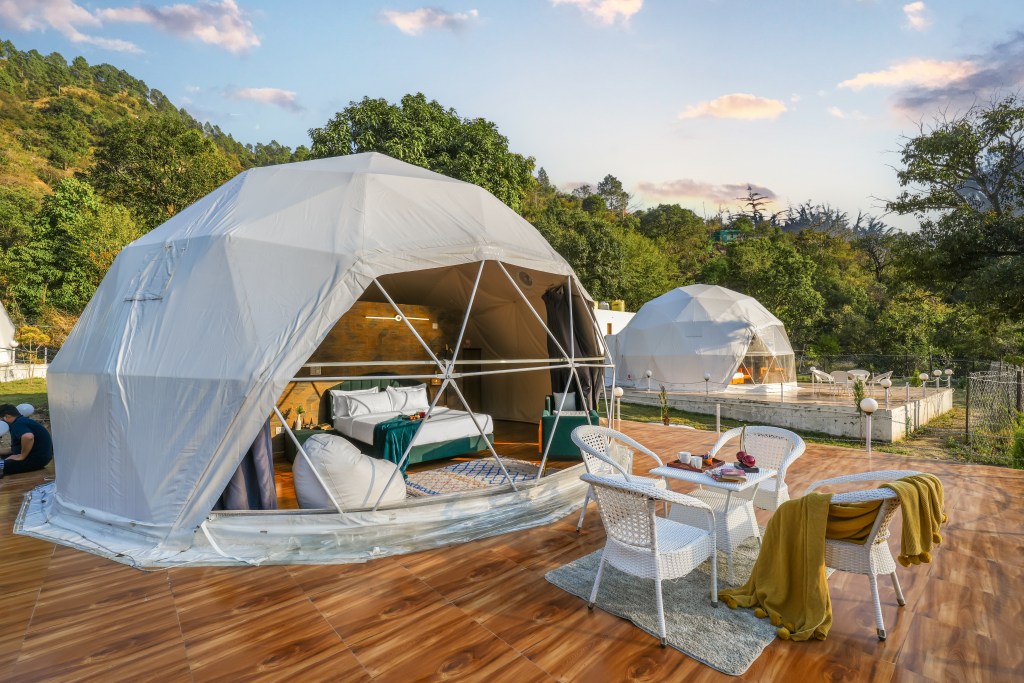
SaffronStays Interstellar in Manali. Private outdoor dining terrace with geodesic dome and panoramic Himalayan valley view at a SaffronStays villa in Manali

What to Sort Before You Go

Book 3–4 Weeks in Advance

June is not peak season but it is busy enough that the best SaffronStays villas fill up 3–4 weeks out. Villa stays in popular hill station destinations move faster than people expect, especially for groups and families travelling over weekends. Do not leave it to the last moment.

Rohtang Pass Permit

Book online at rohtangpermits.nic.in the evening before. 800 petrol and 400 diesel vehicle slots per day. Cost: ₹550. Closed every Tuesday.

What to Pack

  • Light fleece or zip-up jacket (essential for evenings and high altitude)
  • Waterproof layer (afternoon showers in late June are short but real)
  • Trekking shoes if you plan to hike (trail runners work for Beas Kund)
  • Sunscreen SPF 50+. UV intensity at altitude is much higher than at sea level
  • Warm socks and a thermal layer for the Rohtang Pass drive
  • Cash: ATMs at higher altitudes can be unreliable. Carry ₹10,000 in notes

Altitude Note

Manali town sits at 2,050 metres, so most healthy adults acclimatise in a few hours. Rohtang at 3,978 metres is a different matter. If you or anyone in your group has a history of altitude sickness, take it easy on Day 1 and consider carrying Diamox (consult a doctor before travel). Symptoms to watch for: headache, nausea, breathlessness at rest.

Guests enjoying an outdoor dinner under a tree at a SaffronStays Interstellar in Manali with snow-capped Himalayan peaks at sunset.

FAQs: Manali in June

Is Manali good to visit in June?

Yes. June is one of the best months to visit Manali. Temperatures range from 10–25°C, Rohtang Pass is open, the valley is at its greenest, and it is still shoulder season before the full July–August rush. For families travelling during school summer holidays, early June offers the best combination of good weather and manageable crowds.

Is there snow in Manali in June?

Snow remains at higher elevations in June, particularly at Rohtang Pass (3,978m) and Solang Valley. In Manali town itself (2,050m), there is no snow. Early June typically has more snow at altitude; by late June it is reduced to patches at the highest points.

Is Rohtang Pass open in June?

Yes. The BRO (Border Roads Organisation) typically opens Rohtang Pass in late May or early June. In 2026, the pass was open from June 1. Tourists require an online permit (rohtangpermits.nic.in, ₹550). The pass is closed every Tuesday for maintenance. Weather can cause temporary closures, so always check the day before you plan to go.

How many days in Manali are enough in June?

Three full days is the ideal minimum for a June visit. Day 1 for settling in and exploring the town, Day 2 for Rohtang Pass and Solang Valley, and Day 3 for trekking or the Kullu Valley. Five days gives you space to do all of this without rushing, plus a day trip to Naggar.

Is Manali safe for families in June?

Manali is a well-established, family-friendly destination and very safe in June. Road conditions are good, the town is calm, and altitude is manageable at 2,050 metres. For families with young children, stick to Manali town and Solang Valley on Day 2 rather than the Rohtang Pass drive, which can be strenuous for small children.

What is the best SaffronStays property in Manali for a family group?

For families and groups, Monarch Manor on Old Manali Road is the best choice: it sleeps up to 14 guests across 6 rooms, serves Pahadi meals on-site, and has the character of a genuine Himalayan heritage home rather than a serviced apartment. For smaller families or couples wanting a river view, The Amlyn in Vashisht is the pick.