Ranikhet: Where the Kumaon Hills Keep Their Best Secrets

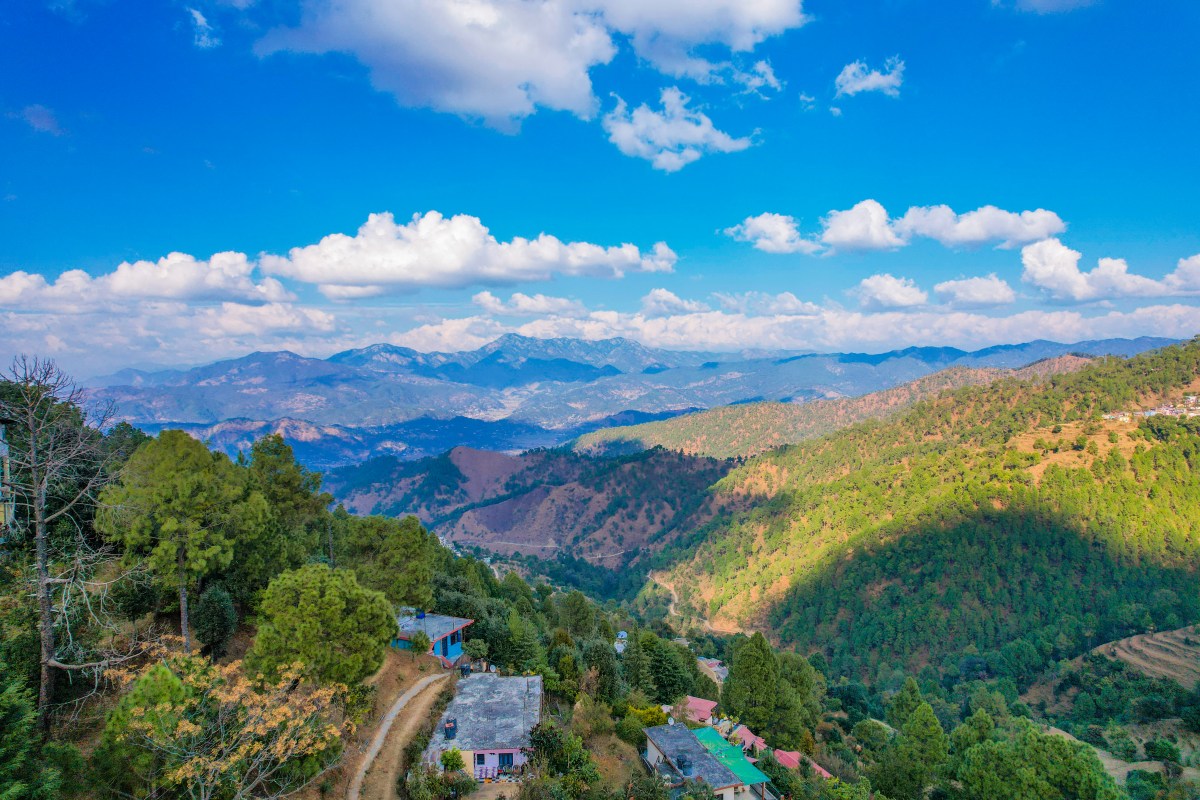
Panoramic view of snow-capped Himalayan peaks from Ranikhet hill station in Uttarakhand, with pine forest in the foreground

Nainital performs. Mussoorie performs. Ranikhet simply exists at 1,829 metres, pine-quiet and unhurried, and lets the Himalayan range do the talking.

Set in the Almora district of Uttarakhand’s Kumaon division, Ranikhet is a cantonment town that has always belonged more to the Indian Army than to the tourist trail. Its pine forests run unbroken into its deodar groves. Its golf course was laid out in 1920 and still rolls against a backdrop of the Nanda Devi massif. Its bazaar sells woollen shawls and rhododendron squash, not refrigerator magnets. On most mornings, the loudest sound is a barking deer moving through the trees.

The name itself is a promise. Ranikhet means Queen’s Meadow, and legend holds that Queen Padmini of Kumaon was so enchanted by this landscape that her husband, King Sudhardev, had a palace built here simply to keep her near it. The palace is long gone. The enchantment, evidently, persisted.

For those who have run out of patience with overcrowded hill stations, Ranikhet is not a compromise. It is the correction.

Table of Content:

How to Reach Ranikhet

The nearest railway station is Kathgodam, approximately 80 km from Ranikhet, and well connected to Delhi, Lucknow, and other major cities. From Kathgodam, taxis and shared jeeps make the climb through Bhowali and Khairna on roads that are in good condition for most of the year. Pantnagar Airport lies about 110 km away and operates daily flights from Delhi, making a fly-drive arrival entirely feasible.

From Delhi by road, the distance is roughly 350 km via the NH9 and NH109 route through Haldwani and Bhowali, a journey of around seven to eight hours. Most travellers find the drive rewarding, particularly the last hour as the altitude rises and the temperature begins to drop.

Ranikhet has direct bus connections to Nainital (60 km), Almora (50 km), and Ramnagar (96 km), making it a natural base for wider Kumaon explorations.
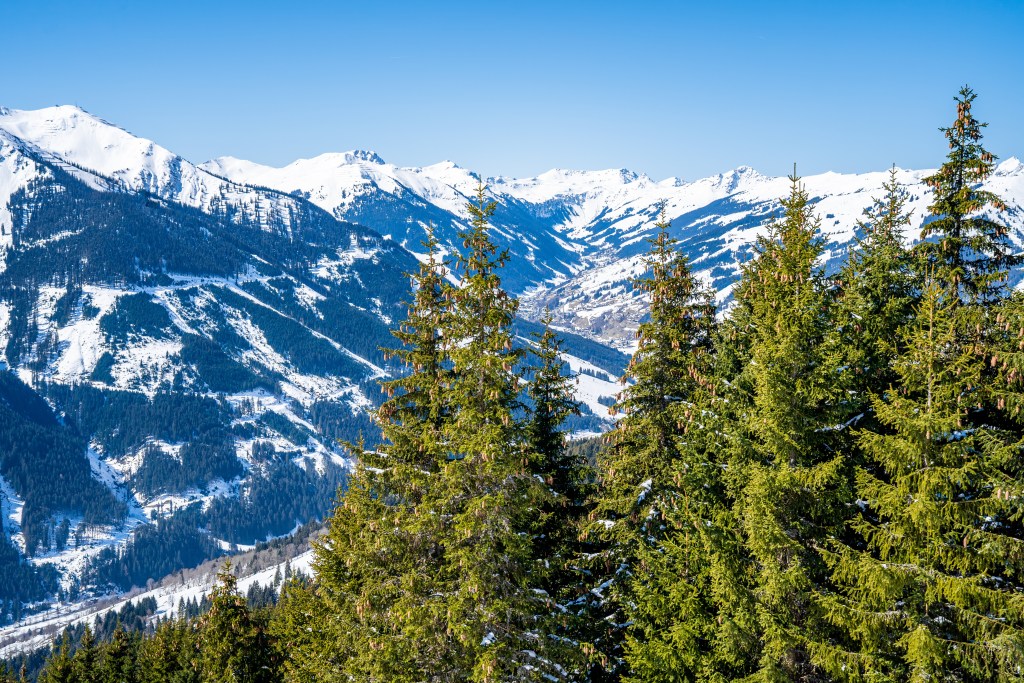
cenic mountain road through pine forests on the way to Ranikhet in Uttarakhand's Kumaon hills

The Best Time to Visit Ranikhet

Ranikhet holds something back for every season. But seasons are not created equal here.

Summer (April to June) is when Ranikhet earns its broadest audience. Temperatures hover between 10 and 27 degrees Celsius, the forest paths are open, the orchards at Chaubatia are heavy with colour, and the contrast with the plains below feels almost theatrical.

Monsoon (July to August) transforms the hills into something impossibly green. The deodar slopes take on a depth of colour that no summer light produces. Experienced travellers know to love this season for what it offers, while keeping an eye on road conditions on certain routes.

Autumn (September to November) is the season the discerning traveller tends to know about. The skies clear after the rains, the Himalayan range emerges in full definition, and views from Chaubatia in October, with Nanda Devi and Trishul carrying the first dusting of seasonal snow, are genuinely difficult to beat.

Winter (December to February) brings sub-zero nights and occasional snowfall. For those who come prepared, a Ranikhet winter means fireplace evenings, empty trails, and the hill station at its most private.

Places to Visit in Ranikhet

Ranikhet does not offer a theme park. What it offers is a series of unhurried encounters with landscape, history, and the particular quality of light that you only find at altitude. These are the places that repay the journey.

Chaubatia Gardens and Bhalu Dam

Six kilometres from the town centre, the government orchards at Chaubatia spread across 600 acres of hillside. Apple, apricot, peach, plum, and walnut grow in overlapping rows, and the views from the upper reaches take in Nanda Devi, Trishul, and Nilkanth in a single sweep. Come in spring for the blossoms; come in summer for the fruit. A further three kilometres along an easy forest trail brings you to Bhalu Dam, an artificial reservoir ringed by dense trees and frequented by birdwatchers and picnickers.

Jhula Devi Temple

Built in the eighth century and dedicated to Goddess Durga, Jhula Devi Temple is most immediately recognisable for its bells, thousands of them, brass and bronze, hung by devotees whose wishes the goddess has been said to grant. The sound the wind makes through all of this metal is unlike anything a hill station is supposed to produce. Approximately two kilometres from Ranikhet’s main bazaar.

Upat Golf Course

The nine-hole Upat Golf Course, established around 1920, is one of the highest golf courses in Asia and maintained by the Indian Army. The fairways roll through chhir pine forest, and on a clear morning the Himalayan range is visible from almost every hole. The course is open to civilians at an affordable fee. Five kilometres from town on the Almora road.

Majkhali and the Night Sky

Ten kilometres from Ranikhet town, the village of Majkhali sits at an elevation well above the light pollution of the settlements below. On clear nights in autumn and winter, the sky above Majkhali is the kind of sky that reminds you what the sky actually looks like. It is widely considered the best stargazing location in the Ranikhet belt.

Kumaon Regimental Centre Museum

The KRC Museum’s collection of photographs, weapons, uniforms, and medals tells the story of the Kumaon Regiment with precision. A section is dedicated to Field Marshal Sam Manekshaw, who served with the Kumaonis before becoming the only officer in Indian military history to hold the rank of Field Marshal. A small admission fee, and a couple of hours of your attention. Both are well spent.

Day Trips: Dwarahat Temples and Binsar Wildlife Sanctuary

Dwarahat, approximately 33 km south, is an ancient temple town containing a cluster of 55 temples from the 10th to 12th centuries. Binsar Wildlife Sanctuary, 30 km to the north-east, is a 47-square-kilometre forest reserve sheltering leopard, barking deer, red fox, and over 200 bird species. The sanctuary’s Zero Point viewpoint offers a panorama of over 300 km of the Himalayan range on a clear day.

Things to Do in Ranikhet
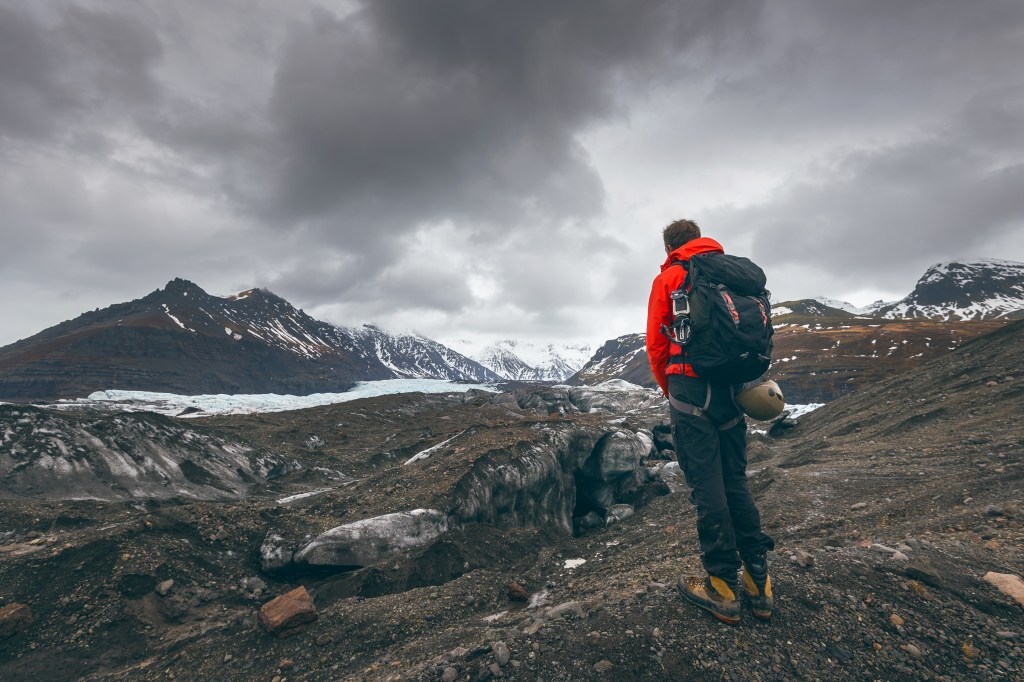
Ranikhet rewards a certain pace. The things it offers are not spectacular in the engineered sense; they become spectacular over two or three days when the urgency of the city has finally left your body.

Walking and forest trails are the primary activity. The paths between Chaubatia and Bhalu Dam, the lanes around the golf course, the road that winds down from Majkhali at dusk: each is a complete experience. Bring good shoes and no particular schedule.

Trekking is available at several grades. The trail to the Haidakhan Temple at Chiliyanaula, 4.5 km from the bus stand, is accessible to most fitness levels and passes through dense woodland. More ambitious trekkers use Ranikhet as a staging point for longer routes into the Kumaon interior.

Birding in Ranikhet is quietly excellent. The forests around Majkhali and Chaubatia support Himalayan woodpeckers, minivets, laughingthrushes, and various raptors. During migration season the list extends considerably.

Local market and shopping. The Sadar Bazaar is where to buy Kumaoni woollens, local honey, rhododendron squash, and handwoven fabrics. The quality is genuine and the transaction is direct.

Ranikhet does not perform for you. It simply exists, at altitude, in full possession of itself, and waits for you to adjust your expectations downward and your attention upward.

Where to Stay in Ranikhet: Private Villas Worth Knowing About

A private villa in Ranikhet means a caretaker who knows your name before you arrive, a cook who sources from local markets and produces pahadi dishes that no restaurant menu has ever listed, and mornings that you do not share with strangers. SaffronStays manages a portfolio of private homes across the Ranikhet-Kumaon belt, ranging from architecturally ambitious eco-retreats to classic multi-bedroom estates.

THE CELESTE COLLECTION  |  Sky, Water, Earth

The Celeste properties are SaffronStays’ most architecturally distinctive homes in the Kumaon hills. Each is built around a different element of the natural world and speaks a completely different architectural language. The question is not which is better. It is which element you want to wake up inside.

Glasshouse Celeste, Bhatrojkhan | Element: Sky

Glasshouse Celeste luxury glass villa in Ranikhet with floor-to-ceiling windows and 360-degree Himalayan views, winner of India's Favourite Villa at MakeMyTrip Awards

Built around the concept of a glass pavilion and designed by IDIEQ, an architecture practice rooted in Uttarakhand, the villa sits at 4,500 feet in Bhatrojkhan, midway between Corbett and Ranikhet, and delivers a panorama of the Kumaon valleys that is, by any honest assessment, disorienting in the best sense. The floor-to-ceiling glass walls make no distinction between indoors and the mountain sky. The room on the left of the living area faces the sunrise; the two on the right are built for the sunset. The marble bathtubs have radiant skylights above them, so that an evening soak doubles as stargazing.

Chef Prem’s pahadi kitchen has been singled out in review after review for the kind of home cooking that makes resort food feel dishonest by comparison. Solar-powered. Rainwater harvesting. Steam room, outdoor fireplace, hammock, pool table. Pet-friendly. The property runs entirely on its own resources, which is the right way to build something in these hills.

Glasshouse Celeste has been featured in Architectural Digest and won India’s Favourite Villa at the MakeMyTrip Awards, a recognition earned through consistent guest experience rather than marketing. It accommodates up to nine guests across three bedrooms and is one of the few properties in the region where the photograph genuinely undersells the reality.

Aquadome Celeste, Ramnagar | Element: Water
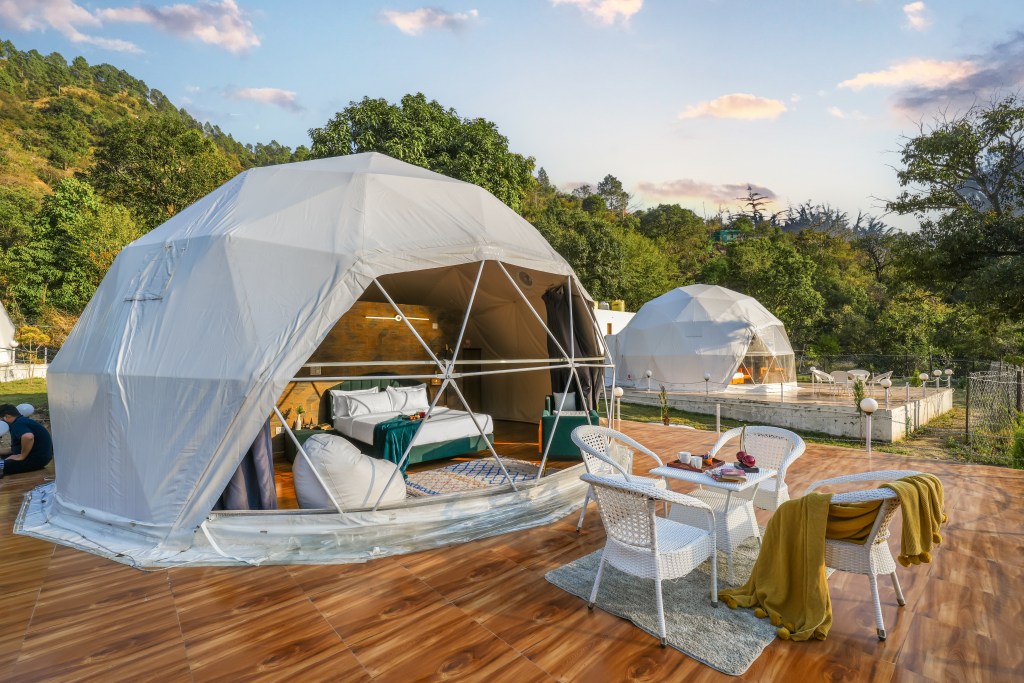
Where Glasshouse Celeste reaches for the sky, Aquadome Celeste settles beside water. Set along the Ramganga River in the Kumaon foothills near Ramnagar, this property takes the geodesic dome as its architectural form: three domes, each self-contained, surrounded by forest, positioned so that the river is not a backdrop but an active part of the experience.

A seven-to-ten minute trek from the property brings you to the Ramganga’s edge. Jim Corbett National Park is roughly two hours away by road, making Aquadome the right choice for travellers who want the hills and the wildlife corridor in the same itinerary. Positioned as a digital detox retreat: eco-conscious in its design, minimalist in its interior, and generous with what it places outside the windows.

Luna Celeste, Ranikhet | Element: Earth

 Luna Celeste pod villa set in the forests of Ranikhet with sweeping valley views and evening bonfire, part of the SaffronStays Celeste Collection

The most earthbound of the three. Luna Celeste is a pod-style villa set within the forests of the Ranikhet-Almora belt, close to the Kasar Devi Temple and within easy reach of the Binsar Wildlife Sanctuary. Three fully independent pods within a forested estate: each private, each with its own valley views, each far enough from the others that a group of three couples can share the property and still feel as though they have the hillside to themselves.

Bonfires and barbecues are a natural part of evenings here, given the forest setting and the open sky above. A recently renovated addition to the collection, it carries a 4.8 rating across 82 stays. Luna Celeste accommodates up to nine guests across its three pods.

THREE MORE STAYS WORTH KNOWING

Edelweiss Estate, Dadgaliya | For Families and Large Groups
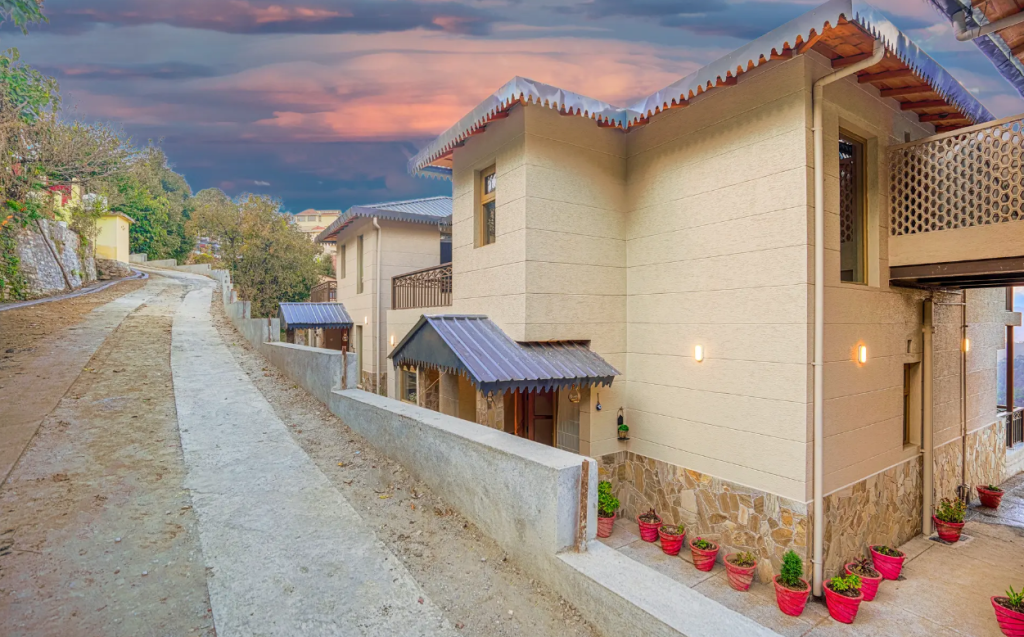
Set in Village Dadgaliya on the Dwarahat-Ranikhet road, Edelweiss Estate sits within fifteen minutes’ walk of the Upat Golf Course and close to Chaubatia Gardens. Available as Amore (one room), Bluebell House (three bedrooms), or Primrose House (three bedrooms), with the option to take the entire estate as a nine-room private takeover for larger gatherings. Views of Nanda Devi and Trishul from all rooms. Chef Surendra’s cooking and caretaker Bhupendra’s hospitality appear by name in enough guest reviews to constitute a character reference.

Brookside Estate, Majkhali | For Stargazers and Larger Parties
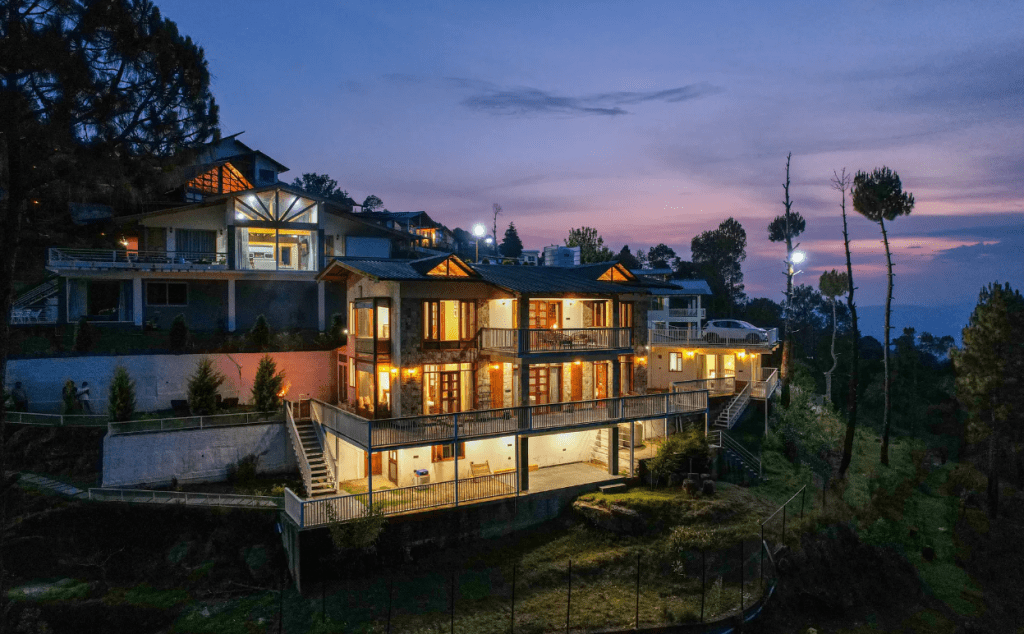
Majkhali is one of the finest stargazing locations in Uttarakhand: low light pollution, open ridgelines, and the kind of clear autumn and winter skies that make the Milky Way visible without optical equipment. Brookside Estate sits within this village: a four-bedroom property sleeping up to ten, rated 4.8 across its reviews. For groups who want to combine Ranikhet’s landscape with genuinely dark-sky evenings, Brookside is the most logical base in the region.

The Entire Edelweiss Estate | For the Big Occasion

When the occasion is a milestone birthday, a family reunion, or a group large enough to require nine bedrooms and still want the property entirely to themselves. The lawn is large enough for outdoor celebrations. The kitchen team scales accordingly. The views of the Himalayan range do not become less dramatic the more people there are to see them.

Planning Your Ranikhet Trip: Practical Notes

Quick notes for Ranikhet travellers

Pack for two seasons simultaneously.
Even in summer, Ranikhet evenings drop sharply once the sun leaves the ridgeline. A fleece or light down jacket is non-negotiable beyond April.

Eat local wherever possible.
Bhatt ki Churkani (black soybean dal), Gahat Soup (horse gram), Kafuli (spinach), and Bal Mithai (a Kumaoni sugar-coated fudge) are things you should seek rather than default to the pan-Indian menu.

Road conditions.
The main roads via Haldwani and Bhowali are reliable year-round. Certain access roads can be affected during peak monsoon (July to mid-August). Your villa host will always be the most reliable source of current road information.

Allow more time than you think you need.
Ranikhet has a habit of making the days feel useful even when nothing scheduled has been accomplished. The best itinerary here is the one with the most empty space in it.
Sunset valley view from Ranikhet in Kumaon, Uttarakhand, layered hills and evening light over the Himalayan foothills

A Last Word

Queen Padmini was apparently not wrong. Ranikhet does not need to be discovered; it is not lost. But it is easy to overlook, which amounts to the same thing.

The Kumaon hills have always rewarded the traveller who asks less of a destination and is willing to receive more from it. Ranikhet, more than most places in the range, is built for exactly that exchange.

Find Your Stay in Ranikhet Browse the Celeste Collection, Edelweiss Estate, Brookside Estate, and 30+ private villas across Ranikhet and the Kumaon hills. Your caretaker, your kitchen, your Himalayan morning.

FAQ: Ranikhet Travel Guide

PUBLISHING NOTE These 8 Q&As appear in the visible body of the post. The schema code below goes into the WordPress Custom HTML block or RankMath Schema tab only. Never paste schema into the post body. Answers here must match the schema exactly. Do not change one without changing the other.

Is Ranikhet worth visiting?

Yes, for the right kind of traveller. Ranikhet is a cantonment hill station in Uttarakhand that has remained uncommercialized compared to Nainital or Mussoorie. It offers unobstructed Himalayan views, 600 acres of orchards at Chaubatia, one of Asia’s highest golf courses, and genuine quiet. For families seeking a private villa stay with caretaker hospitality and home-cooked pahadi food, it is one of the most satisfying hill station destinations in North India.

What is the best time to visit Ranikhet?

April to June (summer) and September to November (autumn) are the best times to visit Ranikhet. Summer offers temperatures between 10 and 27 degrees Celsius, ideal for sightseeing and outdoor activities. Autumn brings crystal-clear skies with dramatic Himalayan views after the monsoon. Winter (December to February) sees sub-zero nights and occasional snowfall, suited to travellers who enjoy a snow experience.

How do I reach Ranikhet from Delhi?

From Delhi, Ranikhet is approximately 350 km by road, a 7 to 8 hour drive via NH9 and NH109 through Haldwani and Bhowali. The nearest railway station is Kathgodam (80 km), well connected to Delhi and other major cities. The nearest airport is Pantnagar (110 km), with daily flights from Delhi. From both Kathgodam and Pantnagar, taxis and shared jeeps are readily available.

What are the best places to visit in Ranikhet?

The top places to visit in Ranikhet include Chaubatia Gardens (600-acre orchard with Himalayan views), Jhula Devi Temple (8th-century temple famous for its bells), Upat Golf Course (one of Asia’s highest golf courses), Majkhali (best stargazing in Uttarakhand), the Kumaon Regimental Centre Museum, Bhalu Dam, and day trips to Dwarahat Temples and Binsar Wildlife Sanctuary.

What is the Glasshouse Celeste in Ranikhet?

Glasshouse Celeste is a luxury 3-bedroom glass villa in Ranikhet managed by SaffronStays. Built around a glass pavilion architecture by IDIEQ architects, it sits at 4,500 feet and offers 360-degree panoramic Himalayan views. Solar-powered with rainwater harvesting, it features marble bathtubs with star-lit skylights, a telescope, outdoor fireplace, and sauna. Featured in Architectural Digest and winner of India’s Favourite Villa at the MakeMyTrip Awards.

What is the Celeste Collection by SaffronStays?

The Celeste Collection is three architecturally distinct properties by SaffronStays in the Kumaon hills, each themed around a natural element. Glasshouse Celeste (sky) is a glass villa with 360-degree views near Ranikhet. Aquadome Celeste (water) features geodesic domes along the Ramganga River near Ramnagar. Luna Celeste (earth) is a 3-pod forest villa near Ranikhet offering valley views and bonfire evenings.

Is Ranikhet good for a weekend trip from Delhi?

Yes. At roughly 350 km, a Friday night departure allows arrival by early Saturday morning. Two nights covers Chaubatia Gardens, Jhula Devi Temple, the golf course, and Majkhali. Three nights is recommended for a relaxed pace with day trips to Binsar or Dwarahat.

What makes Ranikhet different from Nainital or Mussoorie?

Unlike Nainital and Mussoorie, Ranikhet is a cantonment hill station that has remained uncommercialized. It offers pine and deodar forests, one of Asia’s highest golf courses, the 600-acre Chaubatia Gardens, and dramatic Himalayan views without the crowds, traffic, or noise. Private villa stays make for a considerably more private experience than the hotel-heavy alternatives.

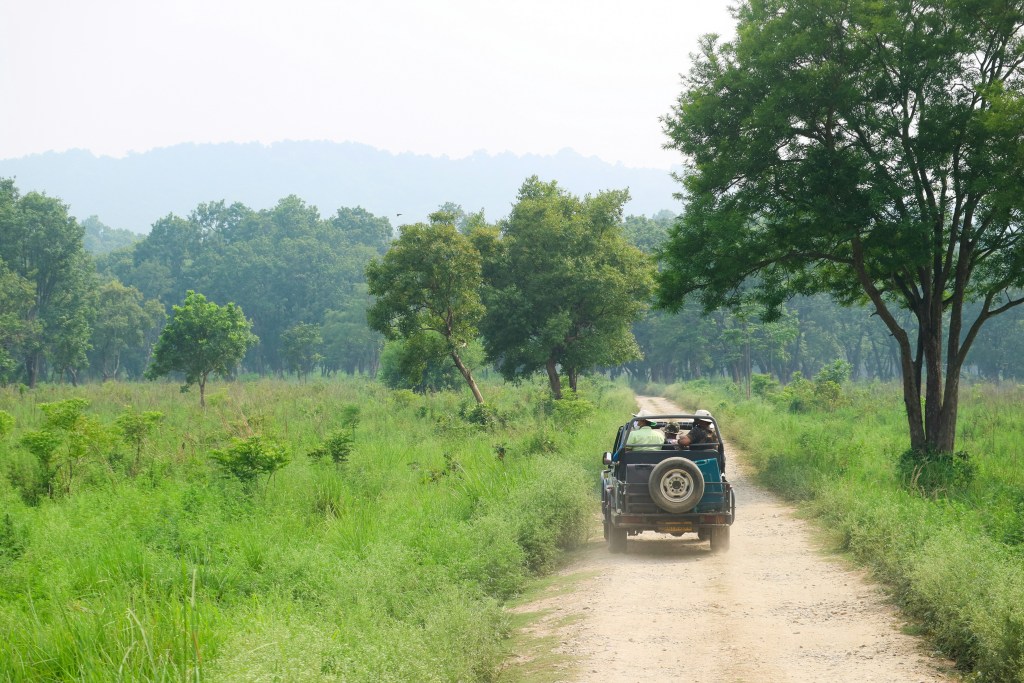
The Last-Minute Guide to Jim Corbett in June: Closing Dates, Active Safari Zones, and Luxury Villa Stays

Planning a Jim Corbett safari in June? Find out which zones are closing, which stay open all season, and why a SaffronStays private villa in Ramnagar with a pool is the perfect retreat after your summer jungle adventure.

June at Jim Corbett: The Season That Rewards the Decisive

There is a particular kind of traveller who does their best planning under pressure. Who reads “closing soon” not as a warning but as an invitation. If that sounds like you, Jim Corbett National Park in June was made for you.

June is the final chapter of Corbett’s safari season — and in many ways, its most dramatic one. The forest floor is dry and open. The waterholes are active. The animals move with purpose toward the rivers. And the crowds that flood the park in December and January have long since thinned. What you get instead is a leaner, more focused wildlife experience — one that demands early mornings, the right zones, and the right place to stay when the jungle heat finally catches up with you.

This guide covers everything: which zones are open, which are closing and when, what to expect from a Jim Corbett safari in June, and why a SaffronStays private villa in Ramnagar is the most intelligent base you can choose for this trip.

The Zone-by-Zone Breakdown: What’s Open, What’s Closing, and When

Jim Corbett Tiger Reserve is divided into seven safari zones. Each operates on its own seasonal calendar, and in June, the differences between them matter enormously. Get this wrong, and you could arrive to find your preferred zone closed. Get it right, and you are looking at some of the finest wildlife sightings of the year.

Dhikala Zone — Closing June 15

Dhikala is the most coveted zone in Corbett — and for good reason. It is the largest of the seven, covering dense sal forest, open grasslands, and the sweeping floodplains of the Ramganga river. Tiger sighting rates here are among the highest in the park. The famous Canter Safari, which runs exclusively through Dhikala, carries up to 18 passengers through the zone in a single session of four to five hours.

The Dhikala zone closing date is June 15. After that, it does not reopen until mid-November. If Dhikala is on your list — and it should be — you have a narrow window left. Morning Canter Safaris depart as early as 5:00 AM in summer. Book your permits immediately through the official Corbett portal at corbettonline.uk.gov.in.

Durga Devi Zone — Closing June 15

Durga Devi is Corbett’s most scenic zone — hilly, forested, and dramatically different in character from Dhikala’s open plains. It is the zone of choice for serious birdwatchers and wildlife photographers who value variety over sheer volume. Leopards, elephants, and a remarkable range of Himalayan bird species make this one of the park’s most rewarding zones when conditions are right.

Like Dhikala, Durga Devi closes on June 15. Time is short.

Bijrani Zone — Closing June 30

Bijrani offers a compelling middle ground — accessible, well-maintained jeep trails, reliable tiger and elephant sightings, and dense mixed forest that provides excellent shade cover during summer safaris. It opens earlier in the season than most zones and runs all the way to June 30, giving late-June travellers a strong safari option when Dhikala and Durga Devi have already wound down.

Jhirna Zone — Open Year-Round

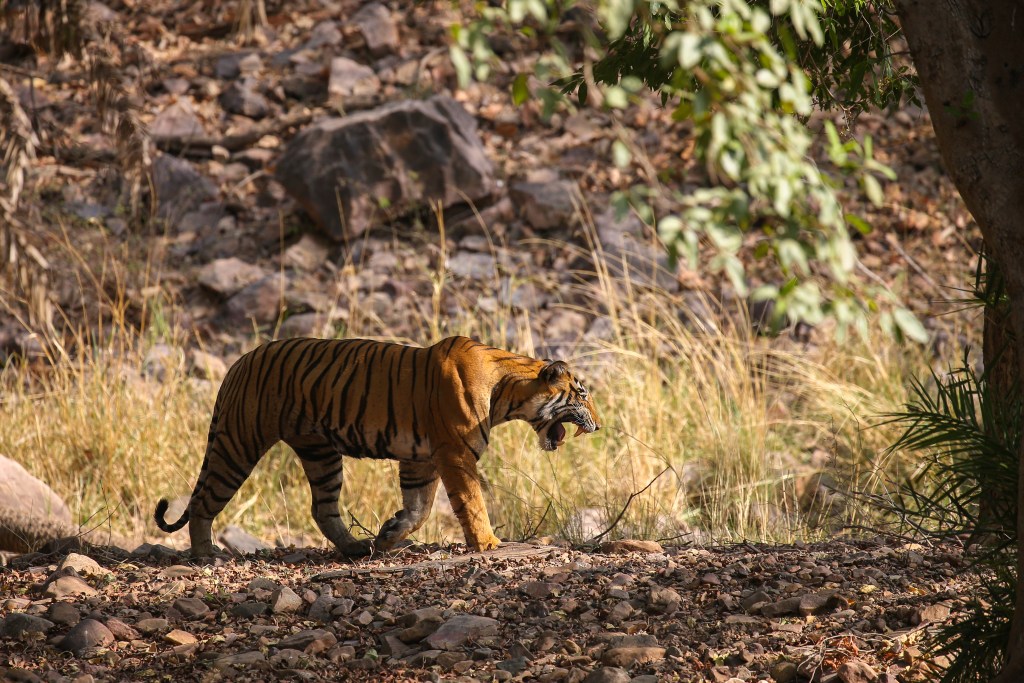
Jhirna is the zone that never closes. Open through every season including the monsoon, it is Corbett’s most dependable safari destination and the anchor of any June or July itinerary. The terrain is comparatively dry, with no major river running through it, which makes visibility excellent even as other zones become overgrown. Jhirna is particularly celebrated for sloth bear sightings, one of the rarest and most spectacular wildlife encounters available in any Indian national park, alongside consistent tiger and elephant activity.

For travellers arriving in late June or planning a monsoon-adjacent trip, Jhirna is not the backup option. It is the plan.

Dhela Zone — Open Year-Round

Dhela’s wide grasslands and rich biodiversity make it one of the most photogenic zones in the park. What it offers in June, in particular, is space and quiet — a safari experience that feels genuinely wild rather than managed. With fewer visitors than Bijrani or Dhikala during peak season, Dhela rewards patience and delivers the kind of unhurried encounters that wildlife photography demands.

Garjiya Zone — Open Year-Round

Positioned along the banks of the Kosi River, Garjiya offers a compact but rewarding safari circuit that works especially well for families and those visiting Corbett for the first time. The Garjiya Devi Temple, set dramatically on a large rock in the middle of the river, adds cultural depth to what is already a strong wildlife destination.

Why June Produces Some of the Best Wildlife Sightings of the Year

The conventional wisdom says winter is the best time to visit Jim Corbett. The reality is more nuanced.

Summer temperatures in Corbett climb between 30°C and 40°C. As the heat intensifies, water sources across the forest dry up rapidly. Tigers, leopards, elephants, deer, and wild boar — every significant animal in the park — are drawn toward the remaining rivers and waterholes out of necessity. This concentration of wildlife around predictable locations is precisely what makes June such a productive month for sightings.

Early morning safaris, starting between 5:00 and 6:00 AM, offer the most comfortable conditions and the highest activity windows. Animals that have been resting through the heat of the afternoon return to the water at dawn, and the quality of light in those first hours is extraordinary for photography. By 9:00 AM, the forest quietens. By noon, the dust and heat are at their peak.

June is also a remarkable month for birdwatching. Corbett is home to over 600 bird species, including the great pied hornbill, the white-backed vulture, and the orange-breasted green pigeon. The thinning of vegetation as summer progresses makes these birds considerably easier to spot than during the dense green months of the monsoon.

Practical Tips for a June Safari in Jim Corbett

Book safari permits well in advance. Dhikala and Bijrani permits sell out weeks before the closing dates. Do not assume availability — secure your slot on the official Corbett booking portal as soon as your dates are confirmed.

Go early, always. The park opens at dawn. An early morning jeep safari in Jhirna or Bijrani, starting at 5:00–6:00 AM, will consistently outperform any afternoon session in terms of both comfort and sightings.

Dress for the conditions. Lightweight cotton in earthy, muted tones — khaki, beige, olive — is the practical choice. Bright colours are not just aesthetically out of place in a jungle; they can disrupt animal behaviour and reduce your chances of meaningful sightings.

Carry water, always. Two litres per person per safari session is a minimum, not a suggestion. Open jeeps in 38°C heat are demanding, and dehydration sets in faster than most travellers expect.

Bring binoculars. The open summer landscape means that many of the best sightings happen at distance. A good pair of binoculars transforms a distant silhouette into a genuine encounter.

The Case for a Private Villa in Ramnagar Over a Resort

A safari ends when the jeep returns to the gate. What happens in the hours after defines the quality of the entire trip.

You have been up since 4:30 AM. You have spent two hours in an open vehicle moving through dust and heat. The experience has been extraordinary — but the sun is now high, the temperature is climbing, and what you need is not a hotel lobby or a shared resort pool. What you need is privacy, cold water, and the kind of stillness that lets the morning fully settle.

This is the case for a SaffronStays private villa in Ramnagar.

With over 30 carefully selected properties in Jim Corbett and Ramnagar, SaffronStays operates at the intersection of genuine luxury and genuine privacy. These are not hotel rooms with a jungle-themed paint job. They are entire private homes — managed to hospitality standards, staffed by attentive caretakers, and designed for the kind of travel that goes beyond ticking boxes.

What SaffronStays Jim Corbett Villas Offer

Private pools. After a summer morning in the forest, a private pool is not an indulgence — it is a necessity. SaffronStays villas come with pools that belong entirely to your group. No shared hours, no other guests, no compromise.

Proximity to safari gates. Several SaffronStays properties are 15 to 20 minutes from Corbett’s Sitabani and Amdanda safari gates. Early morning departures become logistically straightforward rather than stressful.

Considered amenities. Outdoor bars, barbeque setups, bonfire areas, sauna and spa facilities, and high-speed WiFi are standard across the portfolio. The properties are designed for groups — families, friends, couples — who want the full experience without sharing it with strangers.

Wildlife on the doorstep. At properties like SaffronStays Sher Bagh — a four-bedroom eco-conscious villa built with repurposed materials, set within open jungle views — elephant and deer sightings from the garden are not unusual. The safari does not end at the gate.

Flexible, personalised hosting. Unlike the standardised experience of a large resort, SaffronStays caretaking staff operate with a level of personal attention that makes the stay feel like visiting someone’s beautifully maintained home rather than checking into a property.

A Three-Night Corbett Itinerary Built Around SaffronStays

Day 1 — Arrival and Orientation Check into your SaffronStays villa by early afternoon. Spend the first evening at the Garjiya Devi Temple as the heat softens, followed by a quiet dinner on the villa lawn. A bonfire after dark sets the right tone for the days ahead.

Day 2 — Dhikala or Bijrani Morning Safari Depart at 4:30 AM for a 5:00 AM safari in Dhikala (if travelling before June 15) or Bijrani (open until June 30). Return by mid-morning. Spend the hottest hours of the day at the villa — pool, breakfast, rest. Consider an afternoon jeep safari in Jhirna as the light softens after 3:00 PM.

Day 3 — Jhirna and Dhela A morning jeep safari in Jhirna, the year-round zone with outstanding sloth bear and tiger activity near the riverbeds. Return by 9:00 AM. Afternoon at the villa with spa and barbeque. Evening walk along the Kosi river if your property permits.

Day 4 — Slow Morning, Scenic Drive A final swim, a long breakfast, and a relaxed departure. Stop at the Corbett Museum or Corbett Falls on the way out if time allows.

Frequently Asked Questions

Is Jim Corbett National Park open in June? Yes. While the Dhikala and Durga Devi zones close on June 15, and Bijrani closes on June 30, the Jhirna, Dhela, and Garjiya zones remain open year-round. A Jim Corbett safari in June is not only possible — in the right zones, it is exceptional.

What is the Dhikala zone closing date? Dhikala closes on June 15 every year for both safari and night stay. It reopens from mid-November.

Is June good for tiger sightings in Jim Corbett? Yes. The summer heat concentrates wildlife around water sources, making early morning sightings near rivers and waterholes more frequent and more predictable than in cooler, wetter months.

What are the best luxury resorts in Jim Corbett? For travellers who value privacy and a personalised experience, SaffronStays offers the finest portfolio of private villas in Jim Corbett and Ramnagar — properties that go well beyond what a standard resort can offer.

Are there private villas in Ramnagar with pools? Yes. SaffronStays operates several private pool villas in Ramnagar, including the four-bedroom Sher Bagh eco-villa, positioned close to Corbett’s safari gates with a private pool set against open jungle views.

How far is Ramnagar from Jim Corbett’s safari zones? Ramnagar is the gateway town to Jim Corbett, approximately 12 km from the park boundary. Most SaffronStays properties are 15 to 30 minutes from the primary safari gates.

Book Before the Season Closes

The Dhikala zone closing date is June 15. Bijrani follows on June 30. Safari permits for the remaining days are filling up now.

Jim Corbett in June is not a consolation prize for those who missed the winter season. It is a distinct, rewarding experience — one that belongs on any serious wildlife traveller’s itinerary. The heat, the open landscape, and the concentration of animals near water create conditions that winter simply cannot replicate.

Your private pool is ready. The forest is waiting. Explore SaffronStays private villas in Jim Corbett

The 2026 Char Dham & Uttarakhand Luxury Guide: From Sacred Shrines to Himalayan Escapes

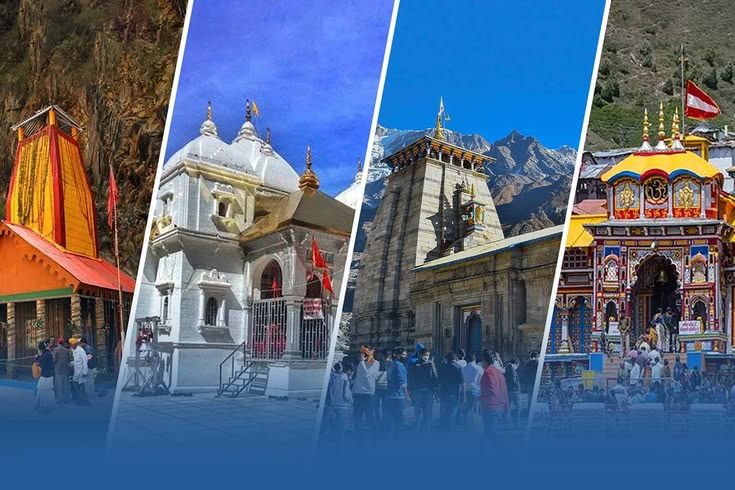
Planning the Char Dham Yatra in 2026 is no longer just a pilgrimage; it is an invitation to explore the “Adventure Capital of Asia” and the colonial charm of the Shivalik hills. With the Delhi-Dehradun Expressway now reducing travel time from the capital to just 2.5 hours, the most efficient way to experience Uttarakhand is to blend your spiritual journey with a premium mountain vacation.

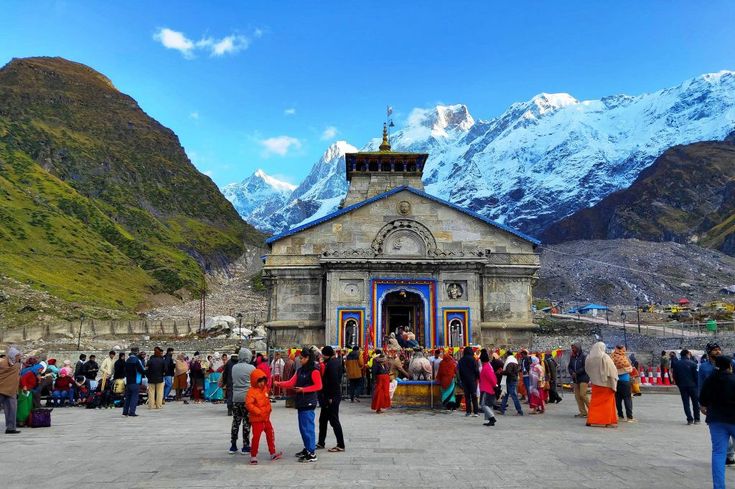
Whether you are here for the 16km Kedarnath trek or a quiet literary walk in Landour, this guide covers the essential 2026 rules, curated itineraries, and the best local flavors.

1. The 2026 Yatra Intelligence: Essential Rules

Before the adventure begins, master the new 2026 operational shifts to ensure a friction-free journey.

  • The Digital Silence: Authorities have enforced a strict mobile phone and camera ban inside the temple gates of Kedarnath, Badrinath, Gangotri, and Yamunotri. “Digital Cloakrooms” are available for device storage.
  • Mandatory Registration: Every pilgrim must carry a QR-coded Yatra e-pass. Register via the Official Portal or WhatsApp “YATRA” to +91-8394833833.
  • Night Driving Ban: For safety, mountain vehicle movement is strictly prohibited between 10:00 PM and 4:00 AM. This makes Dehradun the most strategic “Launchpad” for those arriving late via the Expressway.
  • Health Screening: For travelers over 55, mandatory fitness checks are conducted at transit hubs like Sonprayag.

2. Beyond the Shrines: Multi-City Extension Itineraries

Since you are already in the heart of the Himalayas, transform your pilgrimage into a complete regional experience with these 3-day extension options.

Option A: The Rishikesh Adventure & Wellness Circuit

Rishikesh is the “Adventure Capital of Asia,” and the 2026 season is the best time for high-octane thrills.

  • Day 1: Experience the morning Ganga Aarti at Triveni Ghat followed by a visit to the Beatles Ashram.
  • Day 2: The Adrenaline Rush. Book a White Water Rafting session (Shivpuri to Rishikesh) or try India’s highest Bungee Jump at Mohan Chatti.
  • Day 3: Recovery. Spend a quiet day by the river. Many travelers choose to anchor this leg in a private villa with a heated pool to recover from the physical toll of the Kedarnath trek.

Option B: The Mussoorie & Landour Literary Trail

  • Day 1: Explore the colonial charm of Landour. Walk to Lal Tibba for panoramic Himalayan views and grab a coffee at the iconic Landour Bakehouse.
  • Day 2: A picnic at George Everest Peak or a visit to the Kempty Falls early in the morning to beat the 2026 crowds.
  • Day 3: Descend toward Dehradun, exploring the Robber’s Cave (Guchhu Pani) before your flight home.

Option C: The Nainital Lake District Escape

A 6-7 hour drive from the Yatra hub takes you to the serene lakes of Kumaon.

  • Activities: Yachting at the Nainital Boat Club, sunset at Tiffin Top, and exploring the Tibetan Market for authentic momos.

3. The 2026 Culinary Map: Where to Eat

Uttarakhand’s cafe culture is at its peak. Here are the must-visit spots in the region:

  • Rishikesh: Visit Bhumi Cafe for the best organic, plant-based meals in the hills, or The Arches Bakery for riverside views and fresh sourdough. For a vibrant, backpacker-chic vibe, Little Buddha Cafe remains a top choice for its iconic Falafel platters.
  • Mussoorie/Landour: You cannot miss Landour Bakehouse for its 19th-century recipes or Cafe Chica for an authentic English breakfast in a 140-year-old estate setting.
  • Nainital: Sakley’s Restaurant & Pastry Shop is essential for home-style Swiss pastries, while Sonam Fast Food in the Tibetan Market serves the most famous mutton momos and Thukpa in the district.

The Private Chef Experience

While cafe-hopping is part of the charm, the record-breaking crowds of 2026 (with hotels at 85%+ occupancy) often lead to long wait times. Many discerning families are now opting for the privacy of a managed villa where private chefs take over. Whether you need a celebratory mountain barbecue or home cooked meals (prepared without onion or garlic) after your Yatra, having a chef curate your meals in a private dining setting is the ultimate luxury.

4. The 2026 Adventure Checklist: Thrills in Rishikesh

If you are an adventure traveler, Rishikesh in 2026 offers more than just rafting:

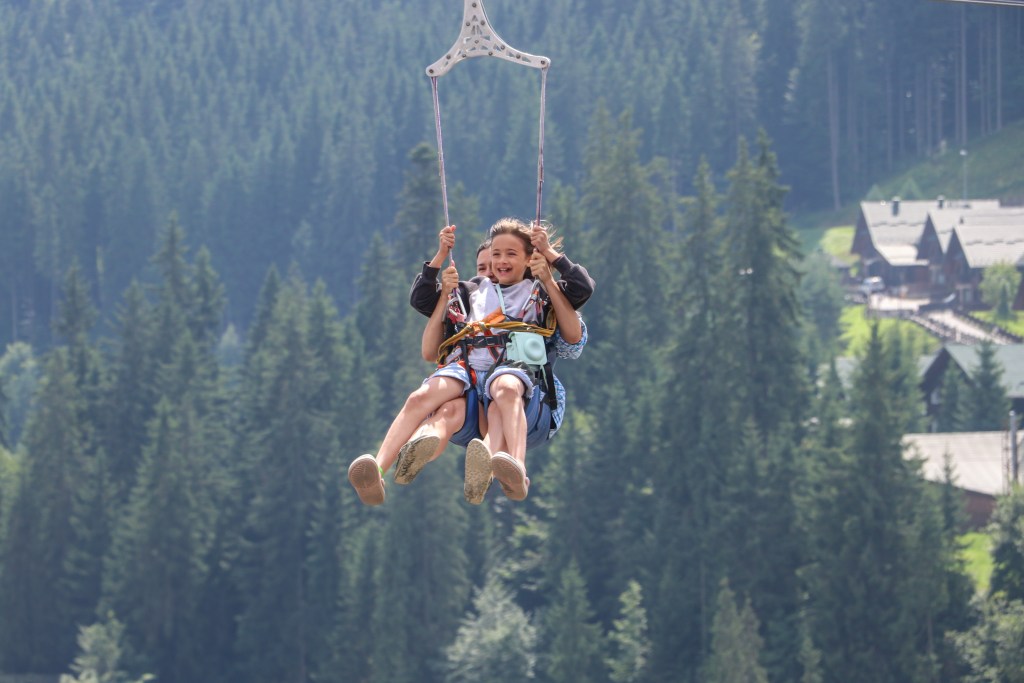
  • Giant Swing & Flying Fox: Soar over the Ganges at speeds of up to 140 kmph.
  • Sky Cycle: Ride India’s highest sky cycle at Shivpuri for a breathtaking view of the Shivaliks.
  • Reverse Bungee: A 2026 favorite for a quick adrenaline spike before your evening aarti.

5. Why a Private Sanctuary is Non-Negotiable

With daily pilgrim caps removed, the 2026 season is busier than ever. Choosing a managed private sanctuary through SaffronStays ensures you bypass crowded lobbies and overbooked restaurants. From a quiet basecamp that helps you manage the temple phone ban to private pools for post-trek recovery, we bridge the gap between a rugged pilgrimage and a luxury vacation. 

Is your 2026 Uttarakhand adventure secured, or will you be navigating the crowds alone? Anchor your journey with SaffronStays for a pilgrimage that is as peaceful as it is profound.

Travel Through Architecture: Discover Enchanting Spaces

When we travel, it is often the space itself that lingers in memory. The way sunlight filters through a courtyard, the curve of a staircase, or the openness of a lawn can stay with us long after we’ve left. Service and amenities matter, but it is architecture that quietly sets the tone of an experience, shaping how we feel in ways we may not even notice.

Article content
Raj Reverie, Jaipur

Some spaces speak of heritage and grandeur. In Rajasthan, the tradition of expansive courtyards and sprawling lawns lives on, designed to encourage gathering and connection. SaffronStays Raj Reverie carries forward this spirit. Its openness and scale create a sense of quiet royalty—not through lavish ornamentation, but through the dignity of proportion and the generosity of space.

Article content
Glasshouse Celeste, Uttarakhand

Others are designed to draw us closer to nature. Saffronstays Glasshouse Celeste was envisioned as a way of living with the elements. Its transparent walls and open decks erase the boundary between inside and outside, making the sky, the breeze, and the landscape part of daily life. Here, calm comes not from what is added, but from what is revealed.

Article content
Eagle’s Span, Pawna

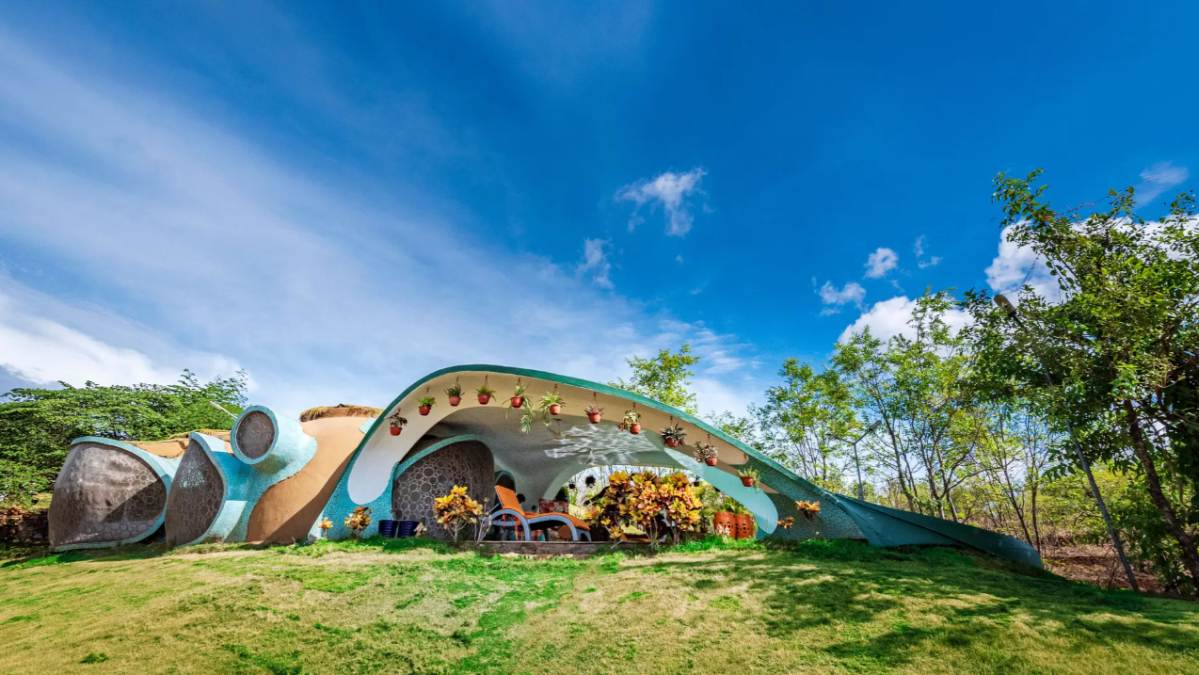
Then there are spaces born from imagination. SaffronStays Eagle’s Span, shaped like an eagle in flight, feels less like a house and more like a vision suspended above the hillside. SaffronStays AsanjA Dragonfly, its whimscialy designed architecture enchants guests with its earthen courtyards and storybook charm. And SaffronStays Amarah, once a science museum, is a castle-like residence, standing at the crossroads of past and present, its walls carrying echoes of both knowledge and wonder.

Article content
AsanjA Dragonfly, Murbad

What ties these places together is intent. Architecture in hospitality isn’t only about aesthetics, it shapes movement, guides emotions, and frames experiences. A courtyard can bring people together. A pathway can slow the pace of life. A window can turn a fleeting view into a lasting memory.

Article content
Amarah, Goa

In the end, these thoughtful spaces remind us that architecture is more than design, it is the silent host. It guides our experiences, creates moments of reflection or wonder, and leaves behind stories that travelers carry with them long after they leave.

Article content
Kosha Villa, Pawna

SaffronStays Kosha Villas, perched on the edge of Pawna Lake, offers yet another kind of architectural poetry. Its design channels Santorini-inspired elegance, whitewashed walls, arched facades, and blue-toned accents that echo the hues of sky and water. The infinity pool seems to dissolve into the lake, creating the illusion of boundless horizons. Minimalist yet soulful, the villa’s architecture balances openness with intimacy, turning every corner into a postcard-worthy frame. It’s not just a retreat but a Mediterranean dreamscape, transported to the hills near Lonavala.

Handloom Shopping in Himachal & Uttarakhand: A Traveller’s Guide + Stays Nearby

If you’re heading to the mountains for your next holiday, don’t just pack warm clothes, make space in your bag for treasures you’ll find along the way. Himachal Pradesh and Uttarakhand are handloom shopping paradises, offering woolens, shawls, and handicrafts that are as much a part of the landscape as the pine forests and snow peaks.

This isn’t just shopping;  it’s bringing home the mountains.

Why Buy Handlooms in the Himalayas?

Buying from local artisans keeps centuries-old weaving traditions alive, supports families in remote villages, and gives you a piece of the hills that lasts far beyond your trip. Whether it’s a Kullu shawl, a Bhotia carpet, or an Aipan-printed runner, every item carries a story.

Close-up of a person's hands weaving colorful threads on a loom, showcasing traditional craftsmanship.

What to Buy in Himachal Pradesh

Kullu Woollens – No trip to Himachal is complete without a Kullu shawl. Woven from fine merino or angora wool, these shawls are known for their earthy base colours and bright geometric borders. Head to Akhara Bazaar in Kullu town or visit Bhuttico outlets, a co-operative that ensures fair pay for weavers. For authenticity, look for the GI (Geographical Indication) tag stitched into the fabric..
Stay nearby: SaffronStays Monarch Manor, Shimla — a colonial estate with easy access to shopping streets.

Exterior view of a beautifully designed villa at dusk, surrounded by lush greenery and mountains, featuring warm lighting and landscaped gardens.

Kinnauri Shawls – If you’re travelling towards Reckong Peo or Sangla, keep an eye out for Kinnauri shawls. These are heavier and more intricate than Kullu shawls, often taking months to weave. Their elaborate borders are inspired by Buddhist symbols and local mythology. Best places to buy include local co-operatives in Kinnaur or craft shops in Shimla’s Lakkar Bazaar.

Chamba Rumals –These aren’t your typical embroidered cloths. Chamba rumals are hand-embroidered square fabrics once used in royal dowries. The double-sided stitch means the front and back look identical, a skill passed down for generations. You can find authentic pieces at Himachal Emporium in Chamba or Shimla.
 

Himachali Caps (Kullu & Kinnauri) = The Himachali cap is as much a part of the culture as the mountains themselves. In Kullu, you’ll see them in deep greens and maroons, while in Kinnaur, the caps have distinctive patterned bands. They make for easy-to-pack gifts, available widely in Mall Road, Manali and Kullu town markets.
Stay nearby: SaffronStays The Elements, Kullu, serene forest views after a day of exploring.

Scenic view of a house with a red triangular roof surrounded by greenery and mountains in the background.

What to Buy in Uttarakhand


From Pahadi woolens and warm blankets to intricate Ringaal bamboo crafts, explore markets in Dehradun, Almora, and Nainital that keep the region’s heritage alive through every weave and carve.

Pashulok & Ramnagar Woollens
Uttarakhand’s winters inspire some of the coziest hand-knitted sweaters, stoles, and socks. In Ramnagar and Pashulok (near Rishikesh), women’s self-help groups sell handwoven shawls and scarves made of sheep and angora wool. The designs are simple, but the quality is exceptional.
Stay nearby: SaffronStays Timber Quest, Dehradun,  a boutique wood cabin set in nature.

Cozy wooden interior of a circular bedroom with large windows and a view of greenery, featuring a bed with a light-colored quilt, a small table with drinks, and decorative curtains.

Kumaoni & Garhwali Weaves
Look for Pithoragarh and Bageshwar-made woollens, light but incredibly warm. Pashmina might not be native here, but you’ll find soft, pure wool wraps woven in traditional stripes and checks. The Pahadi Topi (local wool cap) is also a great buy from these regions.

Stay nearby: SaffronStays Timber Quest, Dehradun — greenery and artisan markets within minutes.

View of a charming villa with flower beds and potted plants in a well-maintained garden, set against a backdrop of lush greenery and a colorful sunset.

 SaffronStays The Woods, Dehradun— close to both lakes and local markets.

Aipan Work
Aipan is not a textile but a folk art form often seen on fabrics like stoles, cushion covers, and table runners. Originating from the Kumaon region, it uses red fabric and white patterns drawn with rice paste. You’ll find these in Almora markets and Dehradun’s Paltan Bazaar.
Bhotia Carpets & Rugs
In Munsiyari and Dharchula, the Bhotia tribe weaves thick wool carpets called dan in bold geometric patterns. These are made from pure sheep wool and dyed with natural colors. They’re warm, durable, and completely handwoven, a perfect keepsake for your home.

A modern villa with a swimming pool, surrounded by lush greenery and trees, illuminated at twilight.

Stay nearby: SaffronStays Varenya villa, Dehradun,  perfect for relaxing after market days.

Insider Tips for Buying Authentic Handlooms

  • Always check for a GI tag or artisan co-operative label.
  • Choose local co-operatives over tourist souvenir shops — they pay artisans fairly.
  • Bargain gently, but respect the craftsmanship and time involved.
  • Visit weaving centers where you can watch artisans at work — it makes the souvenir even more meaningful.

A close-up of a person's hand applying red dye to a decorative fabric featuring intricate patterns and designs.

Wrap Up Your Trip in Style

The best way to end a day of shopping in Himachal or Uttarakhand? Relaxing in a SaffronStays villa nearby. With handcrafted interiors, mountain views, and local flavours on your plate, it’s the perfect complement to the treasures in your shopping bag.

From a Kullu shawl that keeps you warm on snowy evenings to a Bhotia rug that brightens your home, each purchase carries the soul of the Himalayas. And when paired with a stay that’s just as rooted in the region, you’re not just travelling — you’re living the hills.

Religious Tourism in Uttarakhand: A Travel Guide to Temples and Peaceful Stays

Uttarakhand, also known as Devbhoomi, has always held a pull for those seeking a more meaningful way to travel. Its forest trails, hilltop shrines, and lesser-known sacred sites offer not just religious value but also a chance to slow down and reconnect. For travellers planning a temple circuit across Kumaon, here’s a practical guide that blends key temple visits with thoughtfully located private stays.

Hanuman Dham and Stay Options near Jim Corbett

Hanuman Dham, located near Ramnagar in the foothills of Kumaon, is one of the newer but increasingly popular temples in the region. Known for its well-maintained premises and peaceful setting, it offers a calm space for prayer and reflection, away from the crowds. The temple complex includes landscaped gardens, shrines, and access to the Kosi River nearby.

Travellers often combine this visit with a wildlife safari at Jim Corbett National Park, making it a great stop for those seeking both spiritual and nature-focused experiences.

A well-lit eco-friendly villa at dusk, featuring modern architecture, a private pool, and a fire pit area, surrounded by lush greenery and inviting outdoor spaces.

Just 15 to 20 minutes from Hanuman Dham and the Sitabani or Amdanda gates of the park, SaffronStays Sher Bagh provides a practical base. This 4-bedroom eco-friendly villa is built using sustainable materials and is well-suited for families or groups looking to explore both religious sites and natural surroundings. It features a private pool, farm-to-table meals, and guided jungle trails. For anyone searching where to stay near Hanuman Dham or temples near Jim Corbett, this location allows easy access to both.

Best time to visit: October to March, when the weather is pleasant and safaris are operational.
How to reach: The nearest railway station is Ramnagar (15 km). Pantnagar Airport is 80 km away.

Mukteshwar Mahadev Temple and Places to Stay Nearby

Perched on a quiet ridge in the Kumaon hills, Mukteshwar Mahadev Temple is over 350 years old and holds significance in local lore. The climb to the temple is short and scenic, and the site offers panoramic Himalayan views on clear days. A few minutes’ walk from here is Chauli ki Jali, a natural rock formation believed to be spiritually significant and popular among local devotees.

This temple visit can be easily paired with local sightseeing around Mukteshwar town or a short forest walk.

For those wanting to stay in close proximity, SaffronStays Plaksha is a forest-lined home surrounded by oak and pine. It’s ideal for small families or couples on a quiet retreat. Another option is SaffronStays Ridgeview Manor, which offers a slightly more spacious setting with mountain views and traditional wooden interiors. Both are well-suited for travellers mapping a temple itinerary in Mukteshwar or looking for a peaceful stay near Mukteshwar Mahadev Temple.

Best time to visit: March to June and October to December.
How to reach: The nearest railway station is Kathgodam (65 km). The road from Nainital to Mukteshwar offers scenic valley views.

Temples Around Almora: Katarmal Sun Temple and Kasar Devi

Located about 15 km from Almora town, the Katarmal Sun Temple is one of the few temples in India dedicated to Surya. Built in the 9th century, the complex is an architectural and spiritual gem, yet it remains under-visited. Its isolated setting adds to the experience, offering a rare opportunity for undisturbed exploration.

Nearby, Kasar Devi Temple sits on a ridge known not only for its spiritual importance but also for its unusual geomagnetic properties. The temple area has drawn global travellers for decades and offers peaceful trails and quiet lookouts over the valley. It’s a preferred location for those practising yoga, meditation, or simply seeking an alternative travel experience.

For accommodation close to both sites, SaffronStays Glasshouse Celeste is a modern retreat with panoramic windows, making the most of Almora’s forested surroundings. It’s a good option for those who want a minimalist space with easy access to local temples. Alternatively, SaffronStays Edelweiss Estate, built in traditional mountain style, offers warmth and comfort with proximity to both Katarmal and Kasar Devi.

Best time to visit: April to June and September to November.
How to reach: Almora is about 90 km from Kathgodam railway station. Local taxis or private vehicles are the best way to reach Katarmal and Kasar Devi.

Crafting a Temple Route Across Devbhoomi

For travellers mapping out a religious trip through Devbhoomi Uttarakhand, the combination of Hanuman Dham, Mukteshwar Mahadev, Katarmal, and Kasar Devi offers a varied but manageable itinerary. Each location offers something distinct, whether it’s river access, panoramic views, historical depth, or quiet energy.

Suggested route:
Start in Ramnagar → Visit Hanuman Dham → Drive to Mukteshwar → End in Almora or Kasar Devi
(Recommended trip duration: 5 to 7 days)

Travel tips:

  • Hire a private vehicle for greater flexibility between temple visits
  • Start temple visits early to avoid crowds and catch morning light
  • Carry appropriate clothing such as light layers in summer and warm jackets in winter
  • Pack your own reusable water bottles and bags to reduce plastic usage in eco-sensitive zones
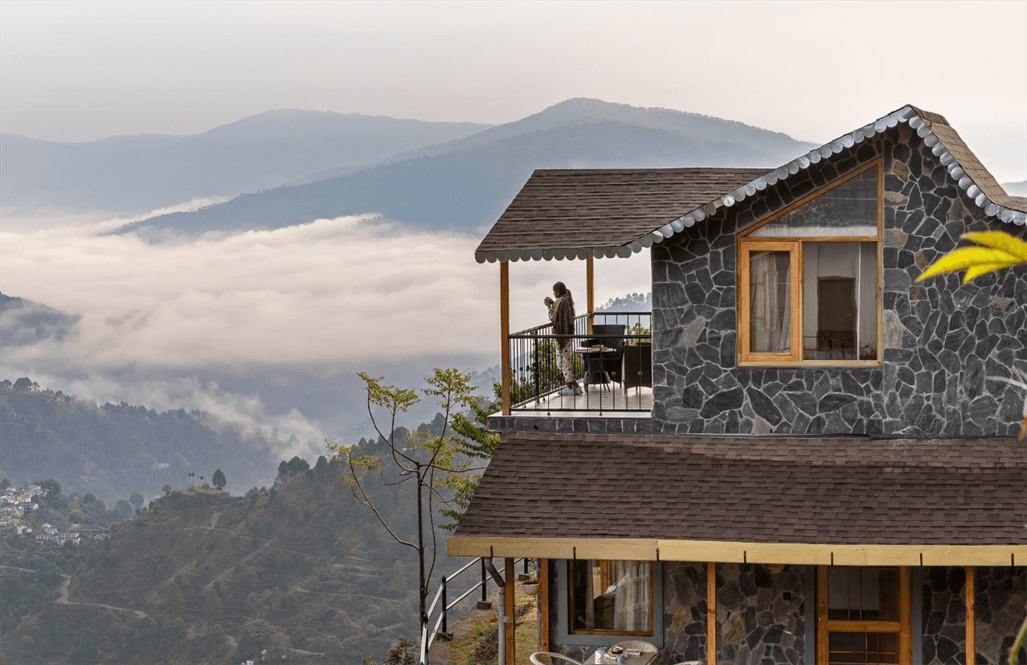
A cozy eco-friendly villa with stone walls and a balcony overlooking misty mountains, surrounded by lush greenery in the Kumaon foothills.

As Uttarakhand continues to draw spiritual seekers and mindful travellers, these sacred sites offer more than just a moment of prayer… they provide a chance to pause, reflect and reconnect with something deeper. From the ancient sun temple of Katarmal to the peaceful Hanuman Dham and the mythic silence of Mukteshwar, every stop on this journey through Devbhoomi is a step into history, nature and inner stillness. And with thoughtfully located stays that honour the spirit of the land, your time here becomes even more meaningful.

Ready to chart your own temple trail through the hills of Uttarakhand? Plan your stay at these peaceful retreats and turn your spiritual journey into a soulful getaway.

Places to Visit in Dehradun: The Ultimate Base to Explore Garhwal

places to visit in dehradun : Sahastradhara

Nestled within the breathtaking foothills of the Himalayas, Dehradun stands as the eminent gateway to the natural wonders of Garhwal. Beyond its mere geographical significance, this city is a testament to the harmonious coexistence of culture, history, and adventure. In this comprehensive guide, we shall embark on an extensive journey to explore the finest places to visit in Dehradun. It is our aim to unveil the splendors of this city and beyond, highlighting the magnificence of its landscape.

Dehradun’s allure is attributed to its profound cultural heritage and historical significance. As the capital of Uttarakhand, it serves as a pivotal gateway connecting explorers to the region’s treasured gems. Dehradun is more than a mere transit point; it’s a destination deserving of thorough exploration, serving as the ideal prelude to the myriad places to visit in Dehradun.

Exploring Dehradun

  • Robber’s Cave: Our journey commences with the fascinating Robber’s Cave, affectionately known as Guchu Pani. This geological wonder is celebrated for its subterranean river, a marvel that vanishes and re-emerges a short distance away. Robber’s Cave is undeniably one of the most captivating places to visit in Dehradun.

Just minutes from Robber’s cave is SaffronStays Doon Mansion that exemplifies architectural grandeur as our first signature in Dehradun. With gorgeous views of the Doon valley, this mansion has everything from entertainment to relaxation.

  • Forest Research Institute: The majestic Forest Research Institute is a synthesis of architectural grandeur and natural beauty. Its stately edifices, verdant gardens, and enlightening exhibitions provide a glimpse into the profound significance of forests. A visit to this institute is a must among the array of places to visit in Dehradun.

15 minutes from FRI, the Doon Garden Villa, located just opposite the Doon School, is an ideal home for families and individual travellers looking for a sweet mix of the countryside and the city.

  • Sahastradhara: Revered as the ‘Thousand-fold Spring,’ Sahastradhara is a visual symphony, celebrated for its therapeutic waters. These milky sulphur springs, coupled with intriguing caves and a scenic cable car ride, offer a distinctive experience that ranks among the paramount places to visit in Dehradun.

SaffronStays Baramasa is located just over 35 minutes from Sahastradhara, 15 minutes from Robber’s cave and has its own swimming pool. And it doesn’t end there – just behind Baramasa, you’ll find a seasonal river if you’re lucky!

  • Local Markets: To immerse oneself in the vivacity of local culture, one must wander through the bustling local markets. Here, travelers can procure distinctive souvenirs, indigenous handicrafts, and savor the local flavors. Sampling Garhwali snacks and sweets adds a delectable dimension to the exploration of the places to visit in Dehradun.

Beyond Places to Visit in Dehradun: The Garhwal Region

Dehradun is more than a launchpad; it’s the doorway to the magnificent landscapes of Garhwal. A world of natural splendors unfolds beyond the city’s confines, and Dehradun serves as the ideal inaugural point for your voyage into the enchanting places to visit in Dehradun.

Adventure Awaits: Treks and Hikes

Garhwal beckons adventure enthusiasts with its panoply of trekking opportunities. From the renowned Har Ki Dun trek to the surreal Valley of Flowers, each expedition promises an encounter with the Himalayan realm. The adventure extends far beyond Dehradun, and the enumerated places to visit in Dehradun are but the threshold to an epic sojourn.

The Spiritual Haven: Rishikesh and Haridwar

Rishikesh and Haridwar, the spiritual sanctuaries nestled along the banks of the sacred Ganges, are situated just a stone’s throw away from Dehradun. These towns have earned repute for their spiritual and cultural prominence. To witness the sublime Ganga Aarti during the evening hours is to experience a tranquil respite, complementing the exploration of the places to visit in Dehradun.

Just a little distance from Rishikesh stands SaffronStays Solana, the perfect swimming pool villa if you just wanna relax a bit at home before the Ganga Aarti.

A Glimpse of Wildlife: Rajaji National Park

For those entranced by the natural world, a visit to Rajaji National Park is imperative. This sanctuary hosts a staggering diversity of flora and fauna, offering encounters with elephants, tigers, leopards, and an array of wildlife amidst the luxuriant verdure. The national park is indubitably among the premier places to visit in Dehradun for wildlife enthusiasts.

The Divine Charms: Temples and Ashrams

Garhwal’s spiritual heritage finds expression in its temples and ashrams, scattered generously throughout the landscape. Visiting these sacred sites, such as the Tapkeshwar Temple and Swarg Ashram, reveals a blend of architectural grandeur and spiritual calm. These temples and ashrams, without question, constitute the most revered places to visit in Dehradun.Delicious Delights: Local Cuisine

Exploring Garhwali cuisine is an expedition into a palette of flavors as diverse as the region’s topography. Savoring local dishes such as Aloo Ke Gutke, Phanu, and Singodi is a culinary journey that unveils the distinctive tastes offered by Dehradun’s local eateries. The local cuisine endows a delectable dimension to the exploration of the places to visit in Dehradun.

How to Get There: Travel Tips

For a seamless journey, a few practical considerations are invaluable:

  • Dehradun is readily accessible via air, rail, or road, ensuring ease of travel.
  • The optimal seasons for a visit are the spring and summer months, promising pleasant weather conditions. However, if you’re trying to catch the beauty of the land, try visiting during the winter months!
  • To savor the entirety of the attractions, a trip spanning 3-4 days is recommended. These travel tips serve as the quintessential guide to maximize the exploration of the places to visit in Dehradun.

Off the Beaten Path: Hidden Gems in Dehradun

While Dehradun’s iconic attractions beckon, there exist concealed treasures waiting to be discovered. These lesser-known places add depth to your exploration of the places to visit in Dehradun.

1. Mindrolling Monastery: The resplendent Mindrolling Monastery is a beautiful and calm retreat, offering solace in its environs and intricate Tibetan architecture.

2. Lachhiwala: A natural lagoon enveloped by sylvan forests, Lachhiwala presents an ideal setting for a leisurely day amidst nature’s embrace.

3. Daat Kali Temple: This ancient shrine, dedicated to Goddess Kali, provides a spiritual sojourn within a tranquil and contemplative milieu.

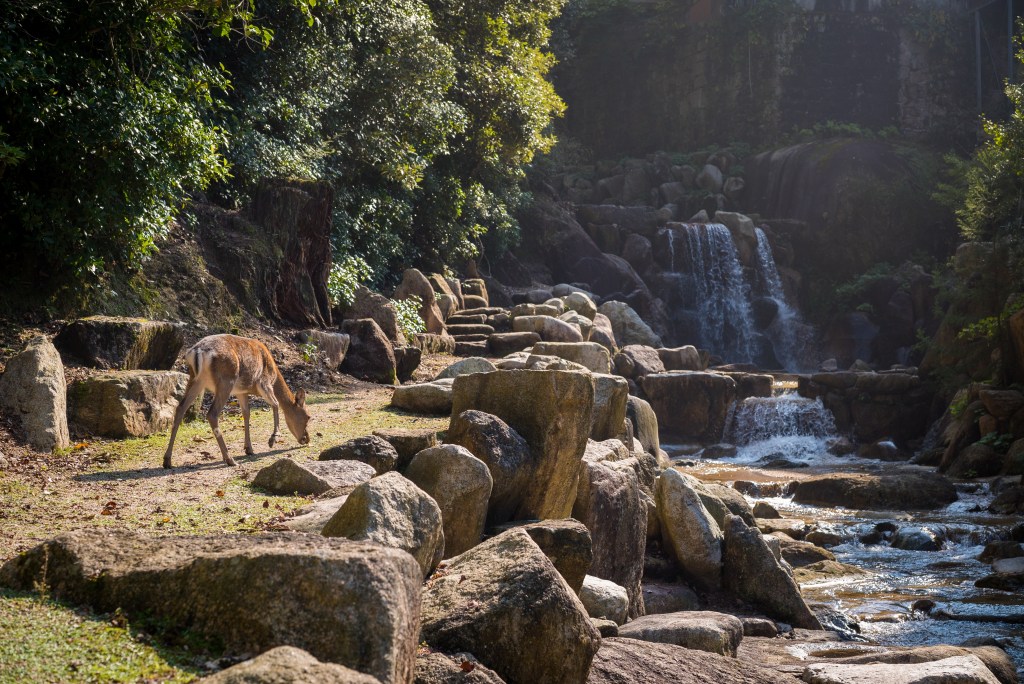
4. Malsi Deer Park: A remarkable site for those intrigued by wildlife, the Malsi Deer Park offers an opportunity to connect with nature and witness the grace of these majestic creatures.

5. Tapovan: The sacred and divine Tapovan is an ascetic haven where spiritual seekers find their respite amidst sublime surroundings.

6. Sai Darbar Temple: This revered temple devoted to Sai Baba offers a spiritual sojourn, beckoning devotees and admirers to seek solace and blessings.

7. Wadia Institute of Himalayan Geology: An enlightening visit to this institute provides insights into the geological treasures of the Himalayas, offering a fascinating perspective on the region’s terrain.

SaffronStays brings you a beautiful collection of villas in Dehradun that will fascinate and inspire you – from meditative quiets to convenient locations, valley views to swimming pools, simplicity to luxury, we have it all!

In Dehradun’s offerings, we find an amalgamation of nature, culture, and adventure. With a multitude of places to visit in Dehradun, the city stands as a gateway to Garhwal’s enthralling natural wonders. As your voyage unfolds, SaffronStays shall be your constant companion, ensuring you unravel every captivating facet of this enchanting city and its surroundings. Dehradun is a veritable treasure trove, and SaffronStays is your guide to unearth its many jewels, presenting a profound exploration of all the extraordinary places to visit in Dehradun. We encourage you to check out these homestays in Dehradun to make the most out of your retreat as we get you the best of both the culture and the comfort.

Embark on this incredible journey, let Dehradun be your guide to Garhwal, and savor the magnificence of this unique destination.

Manila, Uttarakhand: A Birding Haven

Just (50 km) ahead of Jim Corbett (Ramnagar) lies the town of Manila, Uttarakhand a birding haven for nature enthusiasts. Apart from its natural beauty, the town offers panoramic views of the lower Himalayan hills, which contribute to its growing popularity. Additionally, Manila is home to the revered Manila Devi Mandir, an important historical site that attracts many visitors.

Manila in the Almora district of Uttarakhand, is a paradise for bird-watching. Its diverse ecosystems offer an ideal habitat for various bird species. Explore the captivating world of bird watching in Manila and discover the unique birds that adorn the region throughout the year. Here is your guide to explore the local avian population and bird-watching opportunities all year round.


January:

As winter blankets the region, Manila welcomes several winter visitors from the high-altitude regions. For example, the majestic Himalayan Monal, Snow Pigeon, and the elusive Wallcreeper, as they navigate the snow-clad forests and rocky terrains.

February:

With the arrival of February, the avian activity in Manila reaches its peak. This month is a great time to spot various species and is considered a great season for bird-watching. Witness birds such as the colorful Fire-tailed Sunbird, White-capped Water Redstart, and the enchanting Golden Bush Robin, as they engage in courtship displays and nesting preparations.

March:

As spring arrives, the forests of Manila come alive with an abundance of birdlife. Listen to the melodious songs of the Oriental Magpie Robin and Grey-headed Canary Flycatcher. Additionally, keep an eye out for the stunning Rufous-bellied Woodpecker and Blue Whistling Thrush.

April:

April brings a burst of vibrant colours and migratory birds to Manila. Witness the graceful Plum-headed Parakeet, the striking Verditer Flycatcher, and the majestic Himalayan Griffon soaring through the skies. This month is also an opportune time to spot the rare and endangered Cheer Pheasant in the higher altitudes.

May:

As summer takes hold, the bird activity in Manila continues to thrive. Scan the treetops for the delightful Chestnut-crowned Warbler and the gorgeous Himalayan Bluetail. Keep an ear out for the distinct calls of the Rufous-bellied Niltava and the Black-faced Warbler as they establish territories and attract mates.

June:

June brings monsoon rains to Manila, transforming the landscape into a lush green paradise. This is an ideal time to spot the vibrant birds such as Rufous Sibia, the acrobatic Crested Kingfisher, and the elegant Rufous-breasted Accentor.

July:

Despite the rainy season, July offers exciting bird-watching opportunities in Manila. Seek out the beautiful Grey Treepie, the elusive Brown Dipper, and the charismatic Yellow-bellied Fantail as they seek shelter and forage amidst the rain-drenched forests and streams.

August:

As the monsoon begins to recede, August is a prime time for bird watching in Manila. Spot the majestic birds such as the Great Barbet, the striking Ultramarine Flycatcher, and the elusive Rusty-tailed Flycatcher as they emerge from their hiding places and make their presence known.

September:

September marks the transition from the monsoon season to autumn in Manila. Witness breathtaking avians such as the Himalayan Rubythroat, the charismatic Spotted Forktail, and the stunning Slaty-blue Flycatcher as they prepare for their migratory journeys to lower altitudes.

October:

With the arrival of October, migratory birds begin to arrive in Manila once again. Look out for the vibrant Verditer Flycatcher, the delightful White-throated Fantail, and the elegant White-collared Blackbird as they explore the forests and valleys before winter sets in.

November:

November offers an excellent opportunity to spot a variety of birds in Manila. Keep an eye out for the striking Blue-fronted Redstart, the elusive Black Bulbul, and the beautiful Green-backed Tit as they establish territories and prepare for the upcoming winter.

December:

As the year comes to a close, Manila’s avian residents and winter visitors offer a spectacular farewell. Witness the magnificent White-throated Laughing Thrush, the charming Rufous Sibia, and the graceful Grey-winged Blackbird as they navigate the winter landscapes in search of food and shelter.


SaffronStays brings you a luxe homestay which amalgamates the experience of bird-watching with luxury living. SaffronStays Friendship Lane near Bajkhet is a set of 7 cottages perched on a slopping hill which offers a bird-watching experience right from its balcony. Birding enthusiasts and families can enjoy a dreamy getaway in the lap of nature. Grab your binoculars, explore the trails, and immerse yourself in the captivating world of bird-watching in Manila, Uttarakhand.


How to reach here?
By Air: The closest airport to SaffronStays Friendship Lane is Pantnagar Airport (163 km) 4.5 hours.


By Train: The closest Railway station to SaffronStays Friendship Lane is Ramnagar Railway Station (80.8 km) 2 hours 41 minutes.

By Road: SaffronStays Friendship Lane is 339 km away from Delhi and is about a 7.5 hours drive and (470 km) 10 hrs drive from Chandigarh.

Summers in the Hills : Your Ultimate Summer Escape in 2024

Summer in the hills

As the summer sun caresses the hills, a leisurely walk through Dehradun’s streets unveils a sensory feast—whiffs of pine-laden air, the soothing rustle of leaves, and stories etched into the fabric of the Himalayan foothills. This how summers in the hills feels like, an immersive experience that beautifully captures the essence of slow living. With breathtaking valley views, waterfalls, hot springs, easy treks and warm pahadi hospitality, which makes it the perfect place to be.

In this travel guide for 2024 summers, we will take you through some of the top places to visit in Dehradun and recommend some unique homestays to make your stay more comfortable.


  1. Sahastradhara

Sahastradhara is a popular tourist attraction in Dehradun, which offers visitors a relaxing experience amidst waterfalls, caverns, and steppe agricultural fields. The name refers to the waterfalls and water that flows from the limestone stalactites inside the caverns. The monsoon season is the best time to visit Sahastradhara when the waters roar vigorously over the rocks. You can also ride a ropeway to the top of the mountain for a breathtaking view of the waterfalls and surroundings. SaffronStays Cottage Glade & SaffronStays Paradise Pines are some of the best homestays near Sahastradhara, perfect for small families and friends group.


  1. Robbers Cave

Robbers Cave is a natural cave in Dehradun, which is a popular picnic spot. It has ice-cold springs inside and is surrounded by high hills. Couples can explore this intriguing spot in Dehradun on a single-day trip. You can enter the cave and walk through it by dipping your feet in the icy water. Playing with water might result in getting wet, so carrying an extra set of clothes is always a good idea. SaffronStays Wildernest & SaffronStays Polaris offer private suites, perfect for couples, small families and groups.


  1.  Lachhiwala

Lachhiwala is an idyllic picnic location in Dehradun surrounded by Sal trees. It is well-known for its bird viewing, walking routes, and stunning sunset views. It is one of the most popular tourist destinations in Dehradun, offering a relaxing man-made pool and lush nature all around it. SaffronStays Elysian is one of the finest luxury villas near Lachhiwala. This 3-bedroom luxury home with modern interiors and amenities offers one of the most scenic views accompanied by warm hospitality.


4. Forest Research Institute


Dehradun’s Forest Research Institute is a well-known educational institution with charming Roman-style architecture and 6 museums displaying research on different areas of forestry such as plants, animals and much more. Surrounded by natural beauty, the institute attracts many nature lovers and picnickers. SaffronStays Vedic Homes offer a unique homestay experience near the Forest Research Institute. With 6 rustic cottages and a pool, this private homestay is perfect for couples, families and groups for a nature retreat.


  1. Mussoorie

Mussoorie, the “Queen of the Hills,” is a hill station located just an hour away from Dehradun. It is one of India’s popular tourist destinations, offering gorgeous valley views, mesmerizing waterfalls and glorious sunsets. SaffronStays The Cinnamon House & SaffronStays Pax & Opis ~ Glen are some of the top homestays close to the famous Mussoorie Mall Road offering a comfortable getaway for couples, families and large groups. 

Plan your trip to Dehradun and around to experience a true mountain getaway. Book your stay at one of the recommended homestays to make your stay more comfortable.


Best Vacation Places In India: 8 Reasons Why Uttarakhand Makes It At The Top

Pergola Sitting at SaffronStays Glasshouse Celeste in Rankihet

Every day, you put forth a lot of effort to earn your daily living. But if you haven’t taken a vacation in months, it’s time to reconsider your life choices. Consider renting a cottage in Uttarakhand, and take ten days off. Cottages for rent are the ideal getaway to spend some quality days from regular life with peaceful settings inside and out and the carefree feeling that can only come from knowing that everything is being taken care of. Travellers consider Uttarakhand as one of the best places in India because it has an equally wonderful atmosphere. The stunning Himalayan range, mountain wind, stunning sunsets and traditional cuisines of Uttarakhand make it an excellent spot to explore on vacation.

If you still have doubts, we have compiled a list of 8 reasons for you, why Uttarakhand must be on your bucket list!

Calm Winds and Chill Atmosphere
The cool climes all year round are perfect for you to enjoy your mornings with a pot of freshly brewed coffe or a steaming cup of chai. Going to the plains doesn’t provide much relief from the hot summer heat. Choose a trip in Uttarakhand, such as Mukteshwar, where the cool temperatures will provide a welcome respite from the scorching and busy streets of cities. Leave steamy commutes behind and enjoy chilly alpine mornings. Uttarakhand cottages, such as SaffronStays El Sueno, Mukteshwar and SaffronStays Doon Garden Villa, Dehradun, feature a painting-like appeal and rustic furnishings that will brighten your vacation. You could also enjoy a crackling bonfire on chilly nights.

Panorama Views Unmatched in Every Way
The breathtaking vistas are one thing you will never run out of in the hills. Although farms and beaches have their distinct charms, nothing compares to the sight of a panoramic view in the mountains. Private villas for rent near Delhi like SaffronStays Maison Calme, Mussoorie and SaffronStays Kenny’s Kove, Mukteshwar provide stunning views that cannot be seen anywhere else, from far-off villages that seem to be as little as huts to panorama images of hills rolling to the horizon. Lay down as night falls and take in the hills’ stargazing. You’ll feel on top of the world if you picture yourself sipping coffee while wearing a scarf and standing on a balcony that views over woods and valleys all at once.

Lush Greenery

Head up to Uttarakhand, one of the best places to visit in India, to reconnect with nature. You need to give your eyes a break from those screens and let them feast upon acres and acres of green. Watch the sun rising over dense farms, an experience to take at cottage-like hillside luxury villa, SaffronStays Paradise Pines, Dehradun. Or else, sip your favourite beverage on the large balcony while you enjoy the view of verdant valleys and the lovely garden at SaffronStays Casa Bellissimo, Dehradun — one of the best Dehradun cottages.

Pollution-free Air
The higher the hill, the cleaner the air! Uttarakhand, one of the stunning places to visit in India, offers crisp and fresh air, thanks to the miles of tall trees and lush vegetation. It would be a welcome break from your regular life in the city to spend a few days in a green, litter-free environment (free of wrappers and plastic bags). For instance, the modest outdoor lounging area of SaffronStays Fourest, Bhimtal is lovely and has a pleasant vibe. You will breathe clean air in areas with less pollution, just as the local plants and wildlife do. So if you’re seeking some fresh air, a hillside luxury home is the ideal choice for you.

Outdoor Activities
There are several activities to enjoy while on vacation in the hills. You must stretch your limbs as you participate in exciting activities and fun local tours. Imagine strolling the valley’s verdant trails or paragliding over it. These activities are available at the cottages for rent near Dehradun, such as SaffronStays Ghughuti Ku Baasa, Dehradun and SaffronStays Doon Hideout, Dehradun. Explore Tibetan markets, walk to the stunning Kempty Falls (2.5 hours away), or camp overnight in George Everest Park for a starry night. There are always exciting things to do in the hills, no matter where you are.

A Relaxing Vacation
Cool temperatures, breathtaking sights, natural habitats, and clean landscapes will give you the most relaxing holiday. Those stress lines will vanish as you take in the beauty of the hills. Tasks, deadlines, and to-do lists will disappear, allowing your mind much-needed rest. A stay at one of our villas near Delhi combines beauty, peace and encourages slow living. Choose SaffronStays Glasshouse Celeste, Ranikhet, one of our Signature By SaffronStays homestays in Ranikhet, where the tranquillity, handcrafted hospitality and 360 degree expansive views, 4500 feet above sea level will help you to unwind and be one with nature, like never before.

Homes That Suit The Needs Of All
Whether it’s a stay starting from INR 5000 ( easy on your pockets, eh?) or a luxury stay that is scripted and curated exclusively for you, Uttarakhand has a wide range of accommodations to choose from. Moreover, there’s a place for every occasion: be it unique date nights or anniversary celebrations (couple-friendly chalets and cottages), intimate family gatherings or reunions with friends and corporate offsites (large estates and elegant suites), the gorgeous state in Northern India comprises cosy cottages and homestays to large bungalows and estates to create unforgettable memories, as you plan a stay there.

Accessibility
With access to the airports and well connected roads for a smooth drive, visiting Uttarakhand becomes easy and comfortable at any time of the year:

  • By Air: Travelers may take a direct flight to Pantnagar Airport (Kumaon Region) or Jolly Grant Airport (Dehradun) from their respective cities and a short road trip to their destination after.
  • By Rail: For ease of connectivity, Uttarakhand comprises 16 big and small railway stations which connect with Lucknow, Delhi, Kolkata, and other major cities in India. Some well-known stations inside the state are Haridwar, Dehradun, Kathgodam, Rudrapur, Tanakpur, and Pantnagar station.
  • By Road: The most popular form of traveling, the well-connected highways like NH 108, NH 109, NH 119, NH 121, NH 123 and NH 72A seamlessly connect the state with other parts of the country. Guests have easy access to the bus and taxis that are available throughout the state,or they may opt for private car rentals to roam around.

It’s time to take a break from work and visit Uttarakhand, one of the best travel destinations in India. Enjoy a bowl of thukpa by the roadside while looking out at the hills, or wake up to breath-taking views of fog-covered mountains and verdant forest from the balcony of your holiday home. What more could you want from a vacation? Your next tropical holiday in Uttarakhand is ready and waiting for you; all you have to do is pack your bags!

If you prefer to go in a smaller group, check into the cottages listed above. Uttarakhand has plenty to offer everyone, making it ideal for families, couples, and even solo travellers. No one can deny that it’s one of the best tour places in India. We hope you have a wonderful time touring Uttarakhand and the surrounding areas. Enjoy a safe trip!