Top 5 Destinations You Can Drive to From Delhi This Independence Day Long Weekend

top-places-to-drive-from-delhi-independence-day-weekend

Five weekends out of Delhi look different this August than they have in years. A new expressway just cut one drive in half. A festival lands on the exact same day as Independence Day itself. Another hill town just recorded its wettest week of the year. None of that is fine print, it changes which of these five actually makes sense to book.

Independence Day 2026 falls on a Saturday, so anyone who can take Friday, August 14 gets three days to use. Here is exactly where to drive from Delhi, how long each takes, what monsoon does to it, and which villa to book.

Table of Contents:

BEFORE YOU LEAVE

Delhi Police closes roads around the Red Fort from 4 AM to 10 AM on August 15 for the flag-hoisting ceremony. Kanwar Yatra restrictions also run August 4-12, with a full vehicle ban on the old Delhi-Haridwar highway; the new Dehradun expressway and NH-334 toward Rishikesh both stay open throughout.

Dehradun

Distance: ~250 km   |   Drive time: 2.5-3.5 hrs   |   Villa: SaffronStays Varenya

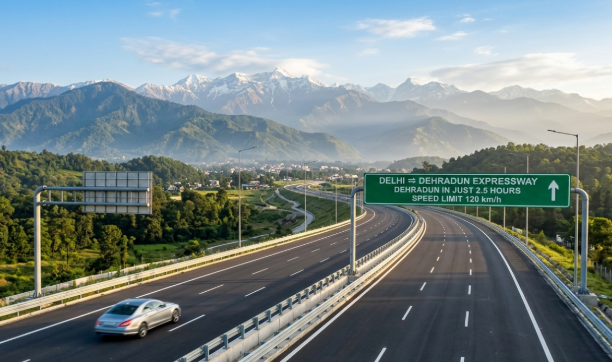
The Delhi-Dehradun Expressway opened in April 2026, cutting the drive from six hours to two and a half. That single change makes Dehradun the easiest pick on this list this year. SaffronStays Varenya, a six-bedroom pool villa on the edge of Rajaji National Park, sits right off the new route, with deer and peacocks visible from the veranda.

Monsoon works in Dehradun’s favour: the Doon valley’s forests are at their greenest, and the region sits low enough to avoid the landslide risk that affects higher hill routes. Mussoorie is under an hour away for an easy half-day trip.

SaffronStays Varenya villa exterior with private pool, forest edge of Rajaji National Park visible behind, evening light.
SaffronStays Varenya at the edge of Rajaji National Park, Dehradun

Jaipur

Distance: ~280 km   |   Drive time: ~5 hrs   |   Villa: SaffronStays Ambika Farms

Jaipur’s monsoon is mild by Indian standards, rain comes in short bursts, and this particular weekend has a bonus: Hariyali Teej falls on August 15, 2026, the same day as Independence Day, filling the old city with processions and decorated swings. SaffronStays Ambika Farms, a four-bedroom pool villa on Jaipur’s outskirts with a games room and garden, is the pick, and it markets itself directly to travellers coming from Delhi.

The NH48 route rarely floods, making this one of the more reliable drives on the list. Amber Fort and City Palace both photograph better rain-washed, with a fraction of the usual crowds.

SaffronStays Ambika Farms exterior with private pool and garden, monsoon clouds overhead.
Private pool villa with garden, Ambika Farms, Jaipur

Kasauli

Distance: ~300 km   |   Drive time: ~6 hrs   |   Villa: SaffronStays The Hill Abode

Kasauli ranks among the safer low-altitude Himachal bases for monsoon travel, and the road stays smooth until the final 40-kilometre climb. That said, an August 2025 rain event saw Kasauli record the highest 24-hour rainfall anywhere in the state, so check a live weather advisory before leaving rather than relying on general seasonal guidance.

SaffronStays The Hill Abode, a three-bedroom modern villa in Kumarhatti, sits about 1.5 hours from Chandigarh with floor-to-ceiling windows and a viewing deck built for valley views. It has no swimming pool, which fits the destination; Kasauli’s appeal is elevation and quiet, not water. A fireplace and bonfire setup cover the cooler, wetter evenings this time of year.

SaffronStays The Hill Abode exterior with floor-to-ceiling windows and viewing deck, misty Kasauli valley visible.
Modern valley-view villa, The Hill Abode, Kasauli

Rishikesh

Distance: ~250 km   |   Drive time: 5-6 hrs   |   Villa: SaffronStays Tarangini by Ganges

White-water rafting is officially suspended on the Ganga from July 1 to August 31 every year, so this is not the month for an adventure-first trip. Any operator offering private monsoon rafting this month is running an unlicensed, uninsured route.

The Ganga Aarti, ashrams and Laxman Jhula all stay open regardless. SaffronStays Tarangini by Ganges, a four-bedroom riverside villa bordering Rajaji National Park, suits a quieter, walking-and-stillness version of the trip. The Delhi approach road stays reliably monsoon-safe.
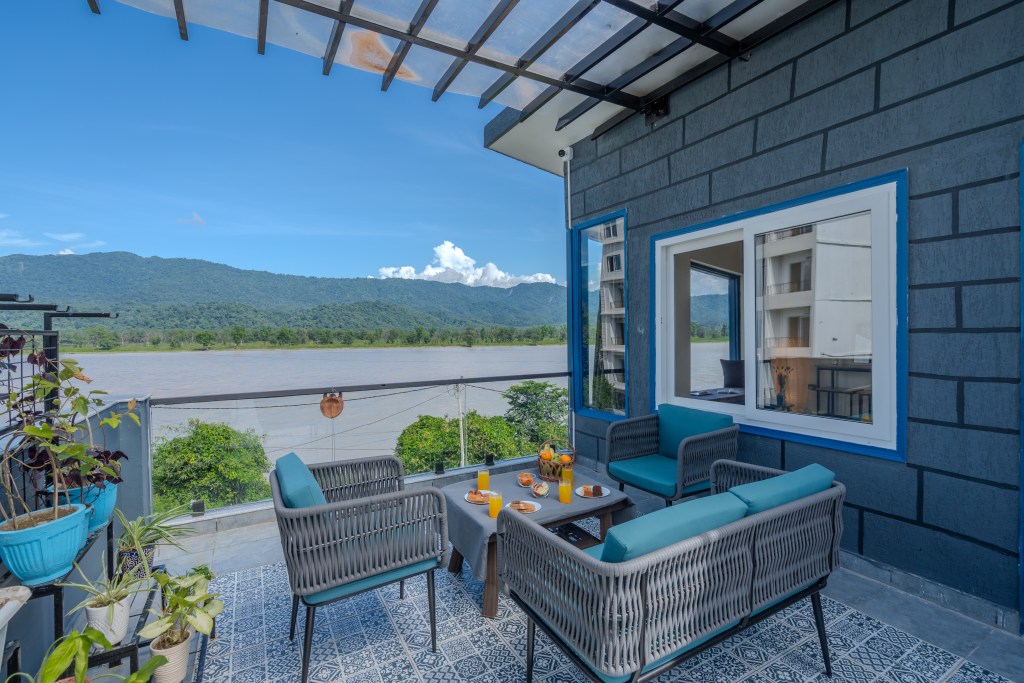
SaffronStays Tarangini by Ganges riverside villa terrace overlooking the Ganga in monsoon, Rajaji National Park forest visible.
Riverside villa terrace overlooking the Ganga, Rishikesh

Nainital

Distance: ~300-320 km   |   Drive time: 6-8 hrs   |   Villa: SaffronStays Naiintara

Nainital is the furthest and riskiest pick on this list. The hill stretch between Haldwani and Nainital carries real landslide risk in August, and several road-safety guides advise against the drive this month. Go only with a buffer day built in and a same-morning weather check, not a general seasonal assumption.

SaffronStays Naiintara sits directly on Naini Lake, with a quieter Mall Road and lake mist as the reward for anyone who still makes the trip prepared.

SaffronStays Naiintara lake-facing villa balcony overlooking a misty Naini Lake in the monsoon, stone architecture visible.
Lake-facing balcony at SaffronStays Naiintara, Nainital

All Five, Side by Side

DestinationDistanceDrive TimeRisk This WeekFeatured Villa
Dehradun~250 km2.5-3.5 hrsNew expressway, low landslide riskVarenya
Jaipur~280 km~5 hrsMild monsoon, reliable roads Ambika Farms
Kasauli~300 km~6 hrsSafer than deep Himachal, not risk-freeThe Hill Abode
Rishikesh~250 km5-6 hrsRafting suspended, town unaffectedTarangini by Ganges
Nainital~300-320 km6-8 hrsReal landslide risk, plan accordinglyNaiintara

Independence Day weekend is peak booking season across all five. Villa rates rise and availability tightens as the date approaches, especially for larger properties. Book two to three weeks out rather than the week of.

Four directions. One weekend. Your call.

Browse private-pool villas in Jaipur, Dehradun, Kasauli and Nainital on SaffronStays and lock your Independence Day weekend.

Frequently Asked Questions

How long does it take to drive from Delhi to Dehradun now?

About two and a half hours via the new Delhi-Dehradun Expressway, down from six hours on the old NH-58 route. The expressway opened in April 2026.

Is Rishikesh rafting open in August?

No. Uttarakhand’s state tourism department officially suspends all Ganga rafting from July 1 to August 31 every year due to dangerous monsoon water levels.

Is Kasauli safe to visit in monsoon?

Mostly, with caveats. It ranks among the safer low-altitude Himachal bases, but an August 2025 event saw it record the state’s highest rainfall. Check a live weather advisory before leaving.

Is it safe to drive from Delhi to Nainital in August?

It carries real risk. The Haldwani-Nainital hill stretch sits inside the monsoon landslide window, and multiple road-safety sources advise against the drive in July and August.

How long is the drive from Delhi to Jaipur?

About five hours covering roughly 280 kilometres via NH48, one of the more monsoon-reliable routes on this list.

What time do Red Fort roads close on Independence Day?

In recent years, Delhi Police has closed roads around the Red Fort from 4 AM to 10 AM on August 15. Exact 2026 timings will be confirmed closer to the date.
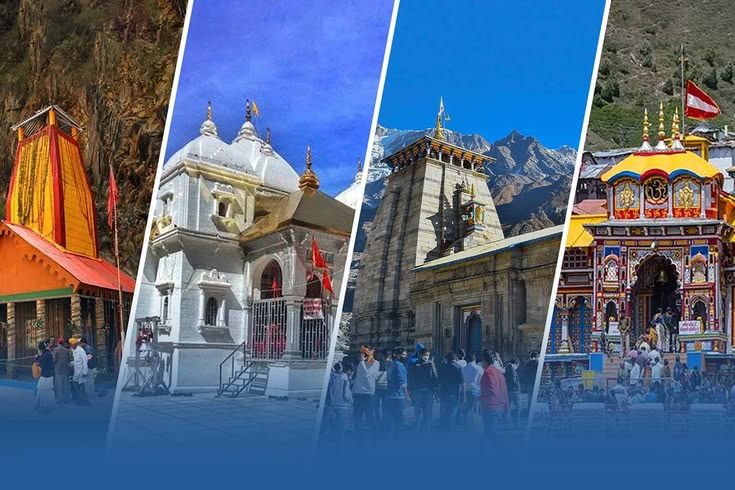
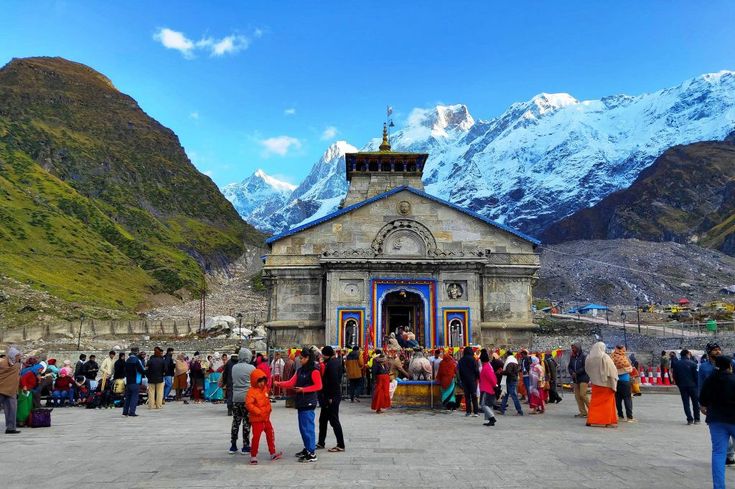
The 2026 Char Dham & Uttarakhand Luxury Guide: From Sacred Shrines to Himalayan Escapes

Planning the Char Dham Yatra in 2026 is no longer just a pilgrimage; it is an invitation to explore the “Adventure Capital of Asia” and the colonial charm of the Shivalik hills. With the Delhi-Dehradun Expressway now reducing travel time from the capital to just 2.5 hours, the most efficient way to experience Uttarakhand is to blend your spiritual journey with a premium mountain vacation.

Whether you are here for the 16km Kedarnath trek or a quiet literary walk in Landour, this guide covers the essential 2026 rules, curated itineraries, and the best local flavors.

1. The 2026 Yatra Intelligence: Essential Rules

Before the adventure begins, master the new 2026 operational shifts to ensure a friction-free journey.

  • The Digital Silence: Authorities have enforced a strict mobile phone and camera ban inside the temple gates of Kedarnath, Badrinath, Gangotri, and Yamunotri. “Digital Cloakrooms” are available for device storage.
  • Mandatory Registration: Every pilgrim must carry a QR-coded Yatra e-pass. Register via the Official Portal or WhatsApp “YATRA” to +91-8394833833.
  • Night Driving Ban: For safety, mountain vehicle movement is strictly prohibited between 10:00 PM and 4:00 AM. This makes Dehradun the most strategic “Launchpad” for those arriving late via the Expressway.
  • Health Screening: For travelers over 55, mandatory fitness checks are conducted at transit hubs like Sonprayag.

2. Beyond the Shrines: Multi-City Extension Itineraries

Since you are already in the heart of the Himalayas, transform your pilgrimage into a complete regional experience with these 3-day extension options.

Option A: The Rishikesh Adventure & Wellness Circuit

Rishikesh is the “Adventure Capital of Asia,” and the 2026 season is the best time for high-octane thrills.

  • Day 1: Experience the morning Ganga Aarti at Triveni Ghat followed by a visit to the Beatles Ashram.
  • Day 2: The Adrenaline Rush. Book a White Water Rafting session (Shivpuri to Rishikesh) or try India’s highest Bungee Jump at Mohan Chatti.
  • Day 3: Recovery. Spend a quiet day by the river. Many travelers choose to anchor this leg in a private villa with a heated pool to recover from the physical toll of the Kedarnath trek.

Option B: The Mussoorie & Landour Literary Trail

  • Day 1: Explore the colonial charm of Landour. Walk to Lal Tibba for panoramic Himalayan views and grab a coffee at the iconic Landour Bakehouse.
  • Day 2: A picnic at George Everest Peak or a visit to the Kempty Falls early in the morning to beat the 2026 crowds.
  • Day 3: Descend toward Dehradun, exploring the Robber’s Cave (Guchhu Pani) before your flight home.

Option C: The Nainital Lake District Escape

A 6-7 hour drive from the Yatra hub takes you to the serene lakes of Kumaon.

  • Activities: Yachting at the Nainital Boat Club, sunset at Tiffin Top, and exploring the Tibetan Market for authentic momos.

3. The 2026 Culinary Map: Where to Eat

Uttarakhand’s cafe culture is at its peak. Here are the must-visit spots in the region:

  • Rishikesh: Visit Bhumi Cafe for the best organic, plant-based meals in the hills, or The Arches Bakery for riverside views and fresh sourdough. For a vibrant, backpacker-chic vibe, Little Buddha Cafe remains a top choice for its iconic Falafel platters.
  • Mussoorie/Landour: You cannot miss Landour Bakehouse for its 19th-century recipes or Cafe Chica for an authentic English breakfast in a 140-year-old estate setting.
  • Nainital: Sakley’s Restaurant & Pastry Shop is essential for home-style Swiss pastries, while Sonam Fast Food in the Tibetan Market serves the most famous mutton momos and Thukpa in the district.

The Private Chef Experience

While cafe-hopping is part of the charm, the record-breaking crowds of 2026 (with hotels at 85%+ occupancy) often lead to long wait times. Many discerning families are now opting for the privacy of a managed villa where private chefs take over. Whether you need a celebratory mountain barbecue or home cooked meals (prepared without onion or garlic) after your Yatra, having a chef curate your meals in a private dining setting is the ultimate luxury.

4. The 2026 Adventure Checklist: Thrills in Rishikesh

If you are an adventure traveler, Rishikesh in 2026 offers more than just rafting:

  • Giant Swing & Flying Fox: Soar over the Ganges at speeds of up to 140 kmph.
  • Sky Cycle: Ride India’s highest sky cycle at Shivpuri for a breathtaking view of the Shivaliks.
  • Reverse Bungee: A 2026 favorite for a quick adrenaline spike before your evening aarti.

5. Why a Private Sanctuary is Non-Negotiable

With daily pilgrim caps removed, the 2026 season is busier than ever. Choosing a managed private sanctuary through SaffronStays ensures you bypass crowded lobbies and overbooked restaurants. From a quiet basecamp that helps you manage the temple phone ban to private pools for post-trek recovery, we bridge the gap between a rugged pilgrimage and a luxury vacation. 

Is your 2026 Uttarakhand adventure secured, or will you be navigating the crowds alone? Anchor your journey with SaffronStays for a pilgrimage that is as peaceful as it is profound.

How the New Delhi–Dehradun Expressway Is Changing Weekend Getaways from Delhi NCR

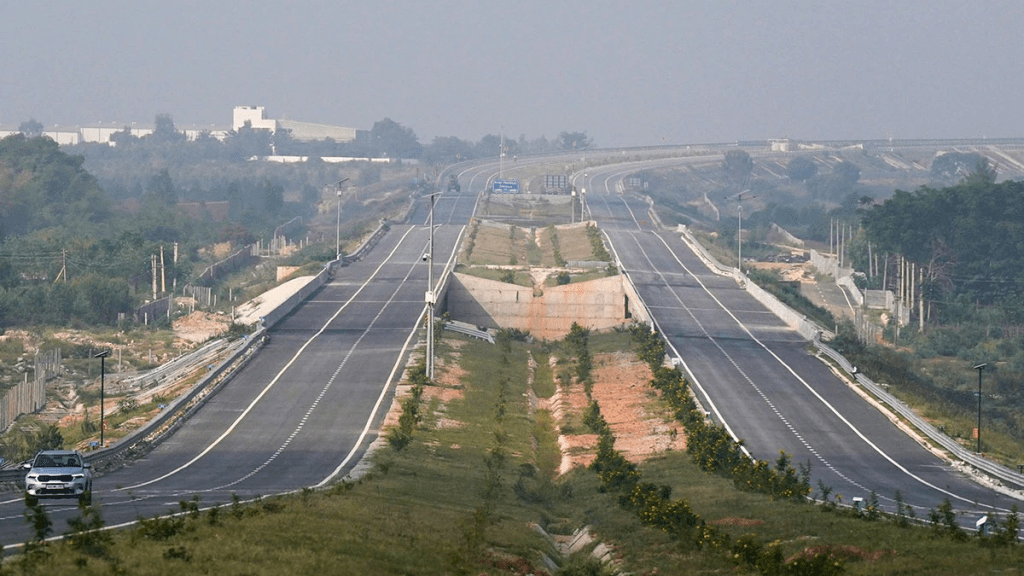
Delhi Deahradun Expressway

For years, a quick escape from Delhi to the hills or the Ganga belt came with a familiar hesitation. The destinations were always appealing, but the journey often wasn’t. Long hours on the road, unpredictable traffic, and fatigue at the end of the drive meant that what should have been a relaxing break started feeling like a logistical exercise.

The Delhi–Dehradun Expressway changes that in a very real way. By significantly reducing travel time, it shifts not just distances on a map, but the way people from Delhi NCR think about weekend getaways and short breaks.

What is the Delhi–Dehradun Expressway?

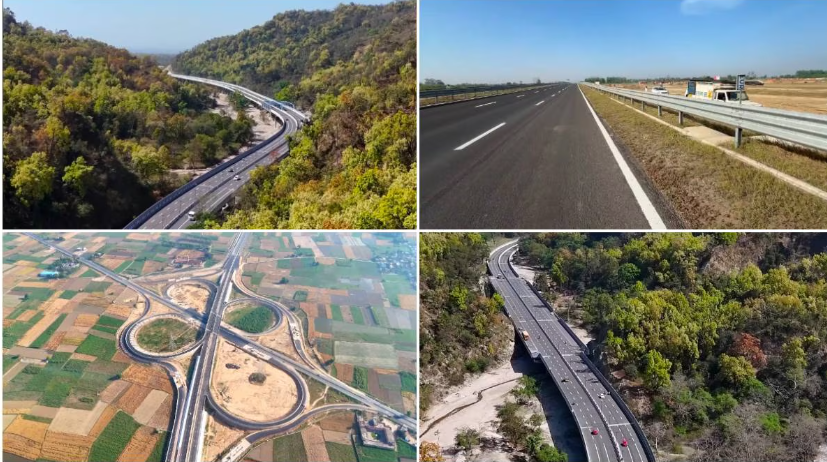
The Delhi–Dehradun Expressway is a 6-lane, access-controlled highway spanning over 200 km, designed to improve connectivity between Delhi and Uttarakhand. It is one of India’s key infrastructure projects aimed at reducing travel time and making road journeys smoother and more predictable.

One of its defining features is a wildlife-friendly elevated corridor through Rajaji National Park, along with improved connectivity toward Haridwar and surrounding regions.

Delhi Dehradun Expressway

Delhi to Dehradun Travel Time After the Expressway

The biggest impact of the Delhi–Dehradun Expressway is the reduction in travel time.

Delhi to Dehradun travel time has come down from approximately 6–6.5 hours to around 2.5 hours.

This makes it one of the fastest and most convenient road trips from Delhi to Uttarakhand, turning what was once a long journey into a comfortable drive.

Key Benefits of the Delhi–Dehradun Expressway for Travellers

  • Reduces Delhi to Dehradun travel time to about 2.5 hours
  • Makes Delhi to Mussoorie road trips faster and more comfortable
  • Improves access to Haridwar and Rishikesh
  • Enables easier weekend getaways from Delhi NCR
  • Reduces travel fatigue for families and group travellers

Delhi Dehradun Expressway

A Highway That Changes Travel Behaviour

At its core, the expressway is an infrastructure upgrade. But its real impact is behavioural.

When a drive that once took an entire day becomes manageable within a few hours, it stops being a commitment and starts becoming an option. This shift is what makes the expressway important for travellers.

Weekend planning becomes easier. Short breaks feel more practical. The hesitation that once came with long drives begins to disappear. For many, this means travelling more often, not just travelling further.

The Return of the Weekend Getaway

The biggest transformation lies in how weekends are now being planned. Earlier, destinations like Dehradun or Mussoorie were reserved for long weekends or carefully planned breaks. Today, they begin to fit into a much shorter window.

A Delhi to Dehradun road trip can now start after work on a Friday. A two-night stay feels relaxed instead of rushed. Even spontaneous plans begin to feel realistic.

This is where the expressway expands the practical travel radius of Delhi NCR, making Uttarakhand one of the most accessible regions for quick escapes.

Destinations That Are Now Easier to Reach from Delhi NCR

While Dehradun is the most direct beneficiary, the expressway improves access to several popular travel destinations.

Dehradun

Dehradun is now one of the easiest driveable getaways from Delhi NCR. It works well for short breaks, work-from-anywhere stays, and relaxed weekends without the stress of a long journey.

Haridwar

With improved connectivity, Haridwar becomes more convenient for spiritual and slow-paced getaways. The ease of access makes it suitable even for shorter visits.

Mussoorie

Mussoorie benefits significantly as an extension of Dehradun. The Delhi to Mussoorie road trip becomes more comfortable, encouraging more frequent visits to the hills.

Rishikesh

Rishikesh, known for wellness and riverside experiences, becomes easier to include in short itineraries. Improved highway access simplifies the journey for weekend travellers.

Why This Matters for Staycations

Staycations are driven by one key factor: ease of access. The easier it is to reach a destination, the more often people are willing to travel.

With the Delhi–Dehradun Expressway:

  • Travellers can plan multiple short breaks instead of one long holiday
  • Weekend travel becomes more frequent
  • Trips become less about logistics and more about experience

This shift is redefining how people approach weekend getaways from Delhi NCR, making shorter, more relaxed stays the preferred choice.

Best Types of Stays for Short Getaways from Delhi

As travel becomes easier, expectations from stays evolve as well.

Travellers are increasingly looking for:

  • Private spaces for families and groups
  • Flexible stays that work for short durations
  • Homes that offer comfort without rigid schedules

This is where villa stays and private homes become a natural fit. They align with the idea of slower, more flexible travel, especially for quick getaways.

For brands like SaffronStays, this shift is not just about location. It is about offering stays that match the new rhythm of travel, where convenience and experience go hand in hand.

A New Way of Travelling from Delhi NCR

The expressway signals a broader change. Travel becomes less rigid and more responsive to intent.

A quiet weekend with family, a small celebration with friends, or even a last-minute break from the city becomes easier to plan. The road no longer dictates the decision. The experience does.

Delhi Dehradun Expressway

The Bigger Picture

The Delhi–Dehradun Expressway is more than a highway project. It is a shift in how destinations are perceived.

Places that once felt distant now feel closer. Journeys that once required effort now feel effortless. And travel, which often feels like a commitment, becomes something people can choose more freely.

For travellers from Delhi NCR, this is not just about reaching Dehradun faster. It is about rediscovering the ease of getting away.