Best Sea-Facing Resorts Near Goa: Discover a Slower, Richer Konkan Escape

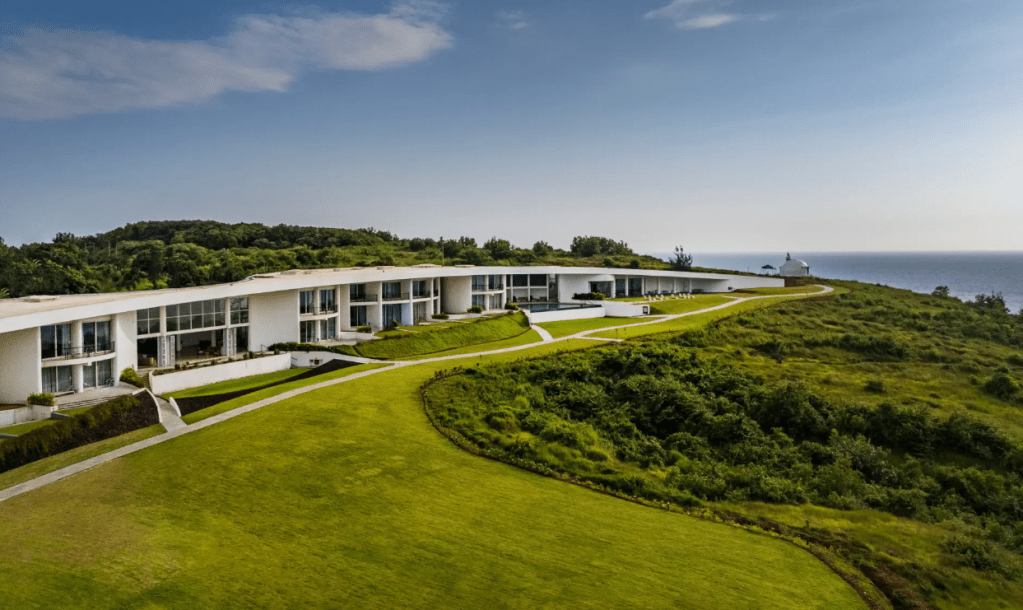
Araqila Resort

If you’ve been searching for resorts near Goa, chances are you’re not just looking for a place to stay. You’re looking for better views, fewer crowds, and an experience that actually feels like a break.

That shift in traveller behaviour is exactly why the Konkan coast in Maharashtra is seeing a steady rise, especially regions like Sindhudurg, Vengurla, and Tarkarli. These destinations offer everything people associate with Goa, but with far more space and far less noise.

And this is where a sea-facing stay like Araqila Resort powered by SaffronStays stands out.

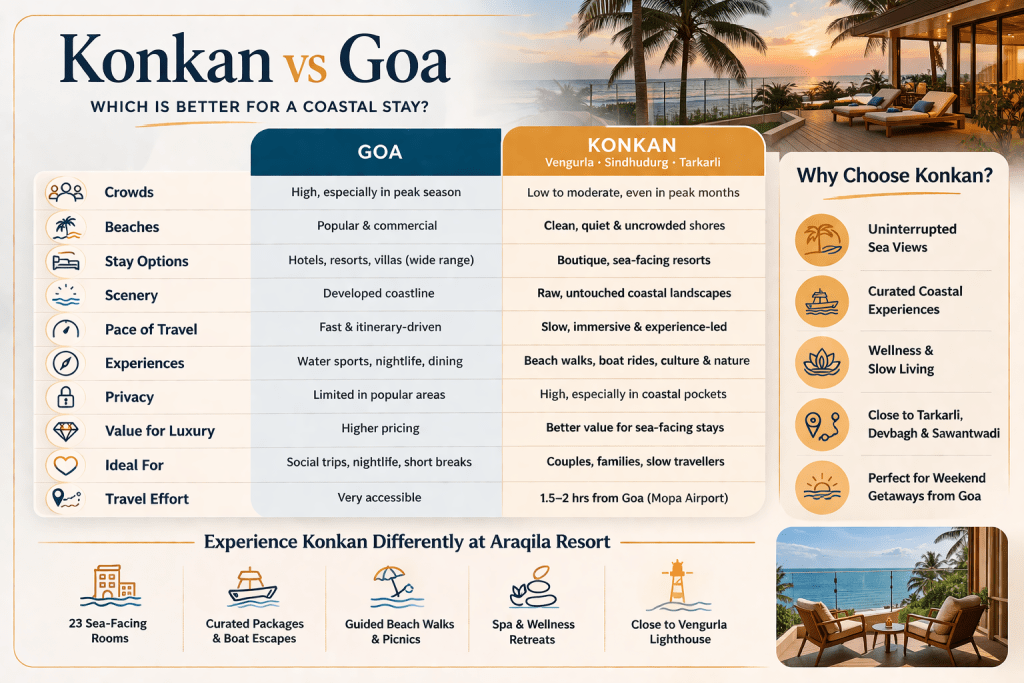
Konkan vs Goa: Which Is Better for a Coastal Stay?

This is one of the most searched questions today, especially by travellers planning a short coastal escape.

For travellers searching for quiet beach resorts near Goa or sea-facing resorts in Maharashtra, Konkan is increasingly becoming the preferred choice.

Why Travellers Are Looking for Resorts Near Goa (But Not in Goa)

Search trends for “places near Goa for vacation” and “weekend getaways near Goa” are growing because travellers want proximity without the chaos.

Konkan offers that advantage.

Within a few hours from Goa, you can access:

  • Tarkarli and Devbagh, known for some of the clearest waters on the west coast
  • Vengurla’s coastline, with hidden beaches and dramatic viewpoints
  • Sawantwadi, a cultural town known for its palace and traditional crafts

This makes it one of the most compelling regions for anyone looking for beach resorts near Goa or luxury stays in Konkan.

Why Sea-Facing Resorts Near Goa Are in Demand

Searches for sea view resorts near Goa and beachfront resorts in Konkan are rising because travellers are redefining luxury.

It’s no longer just about amenities. It’s about:

  • Waking up to uninterrupted ocean views
  • Being close enough to hear the waves, not traffic
  • Experiencing the coastline, not just visiting it

A true sea-facing resort delivers something inland stays simply cannot.

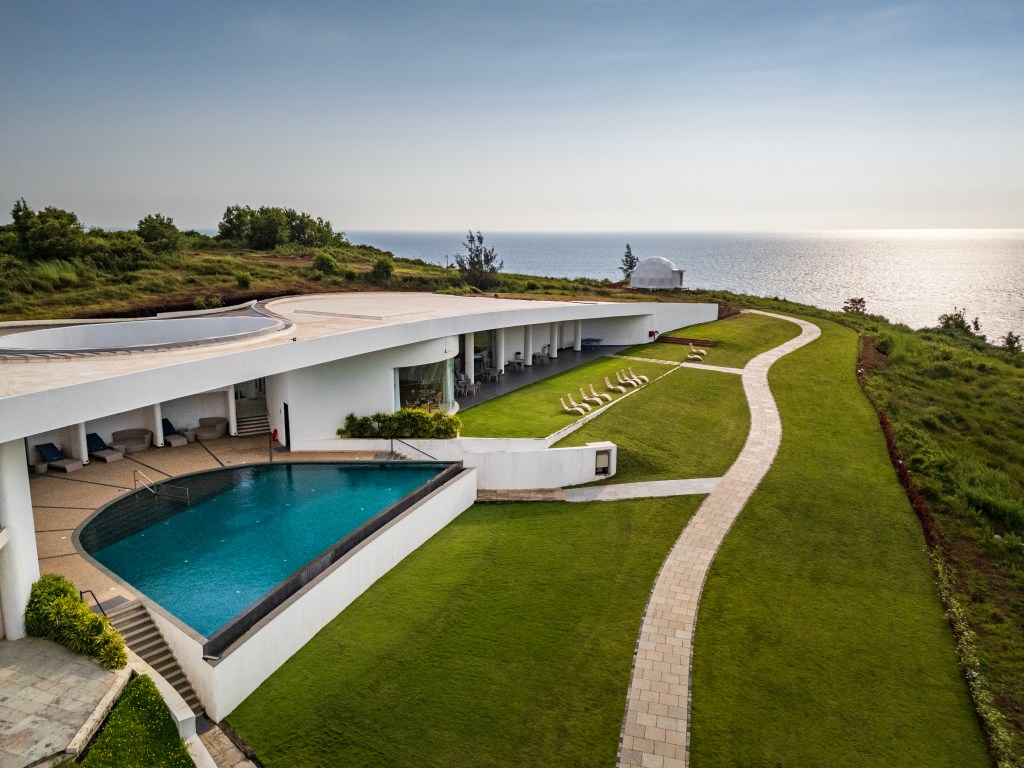
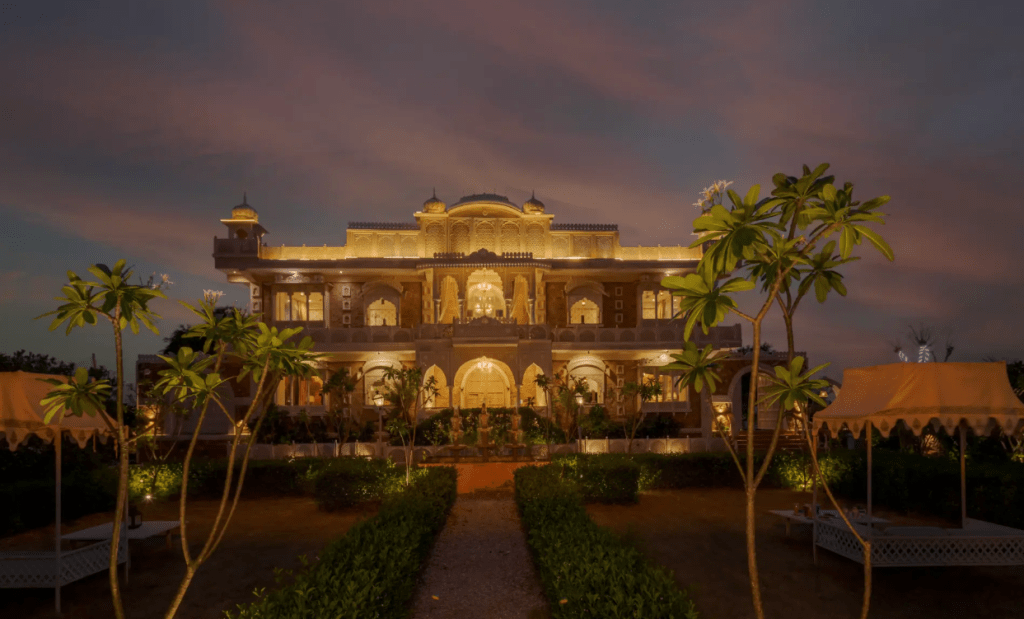
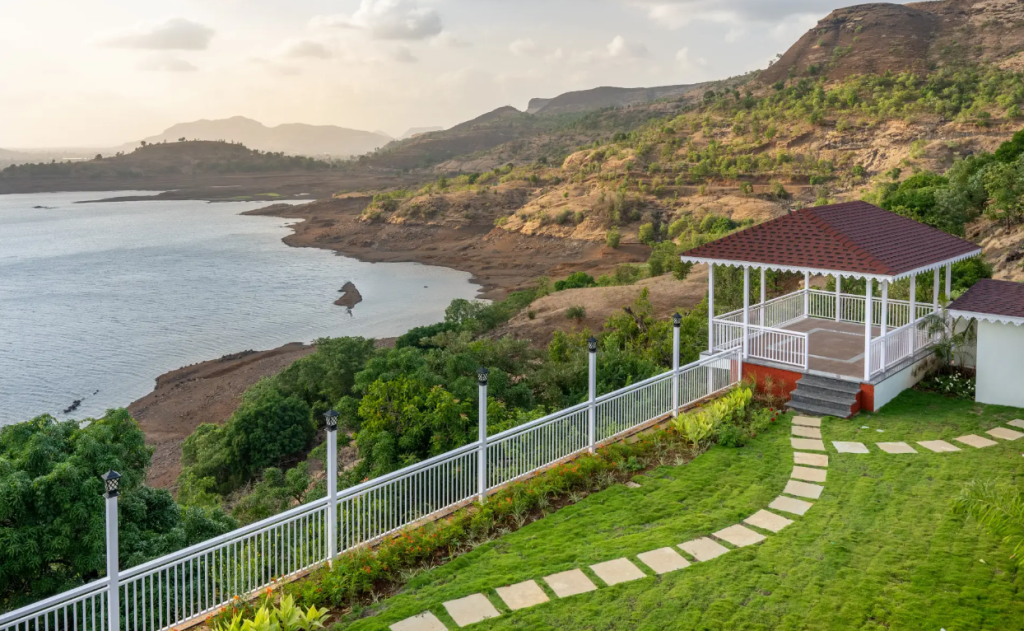
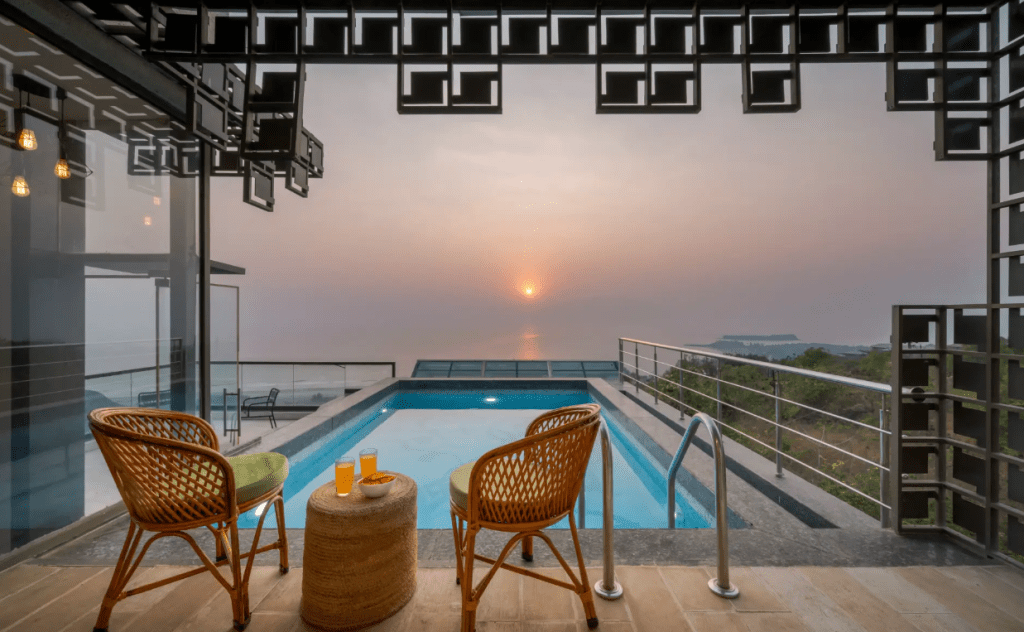
Araqila resort, sea facing, beach front resort

Araqila Resort, Sindhudurg

Araqila Resort: A Sea-Facing Resort Near Goa That Feels Different

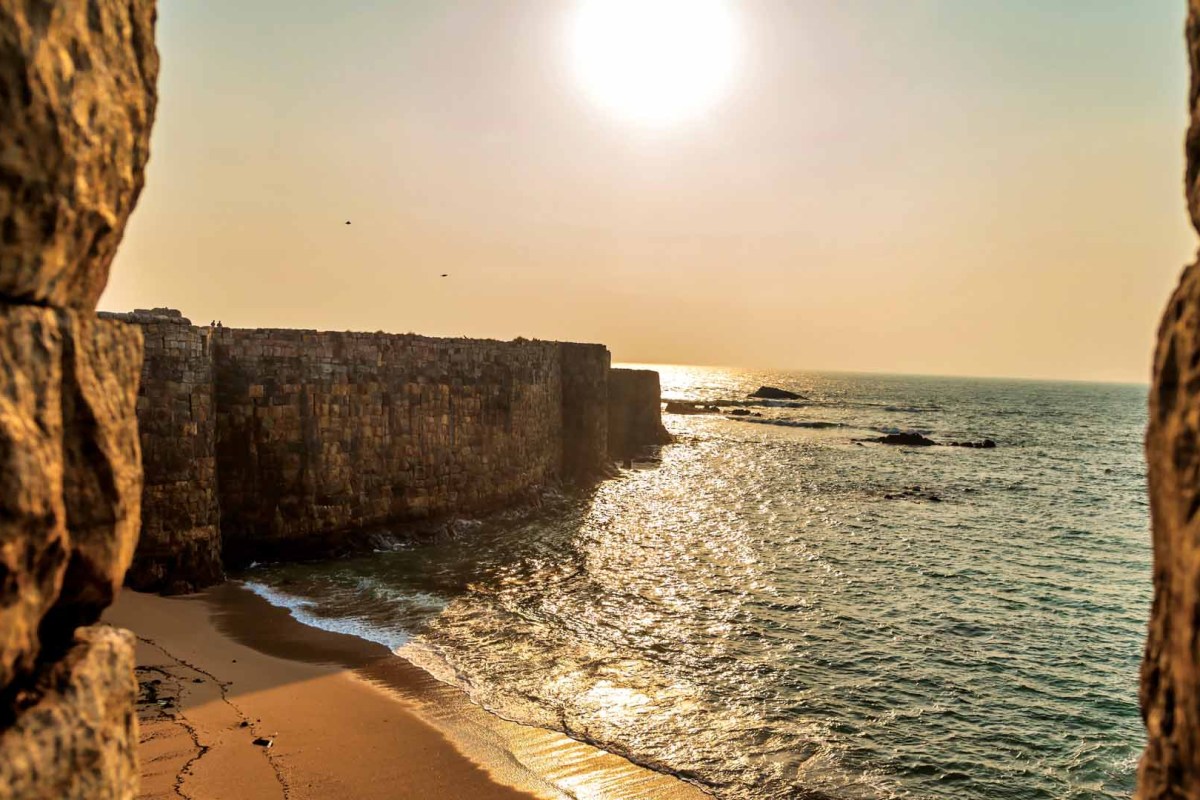
Located along the Vengurla coast, Araqila Resort by SaffronStays offers 23 sea-facing rooms designed around one idea — slow, immersive coastal living.

This is not a conventional resort experience. It is built around:

  • Guided beach walks every morning
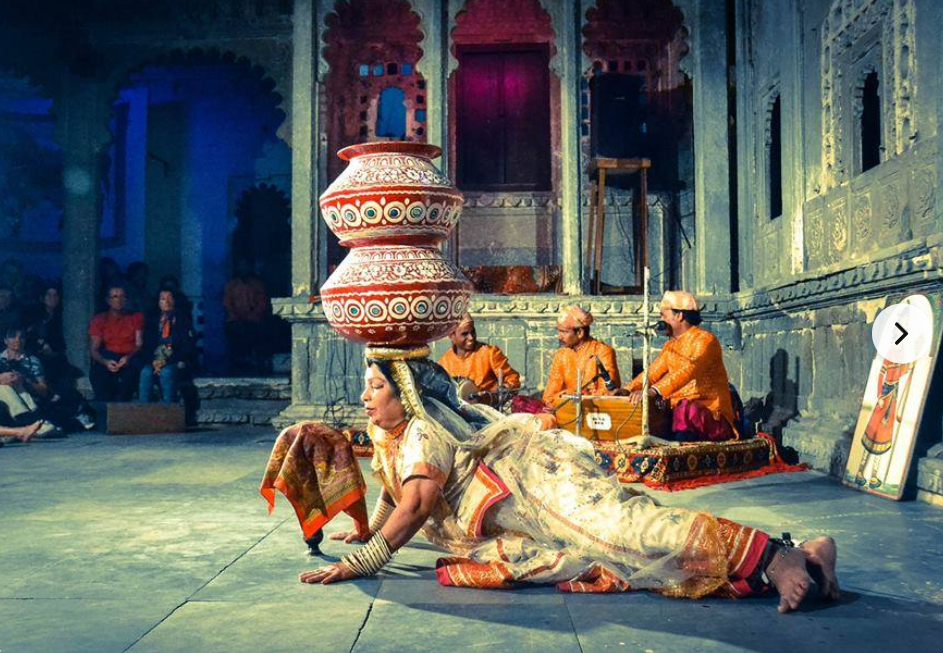
  • Curated coastal and cultural experiences
  • Wellness-led stays and spa therapies
  • Easy access to nearby beaches and towns

For travellers searching for resorts near Goa with sea view or luxury resorts in Sindhudurg, Araqila offers both location and experience.

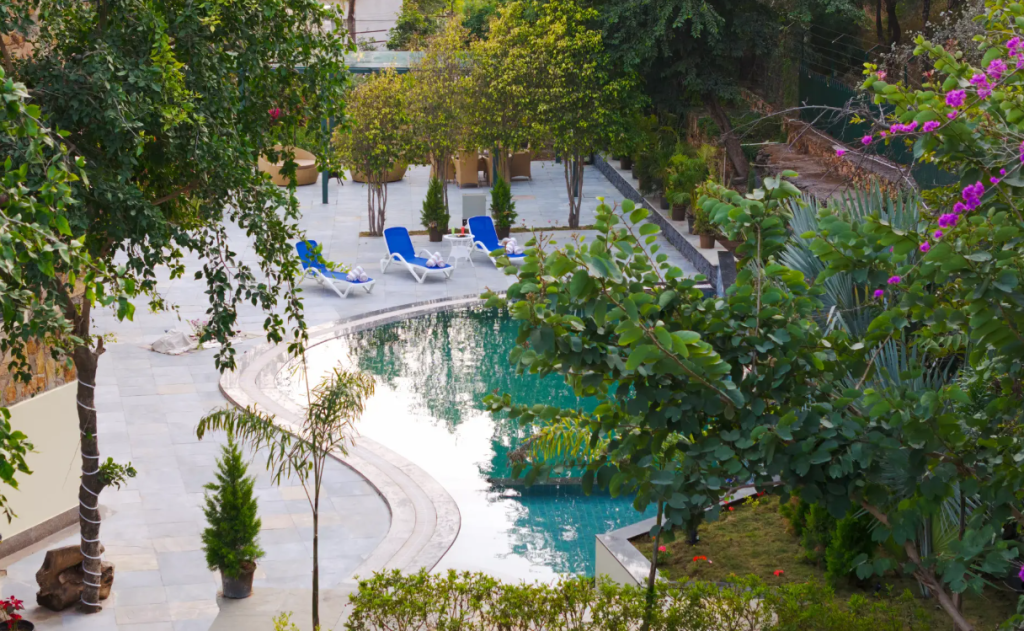
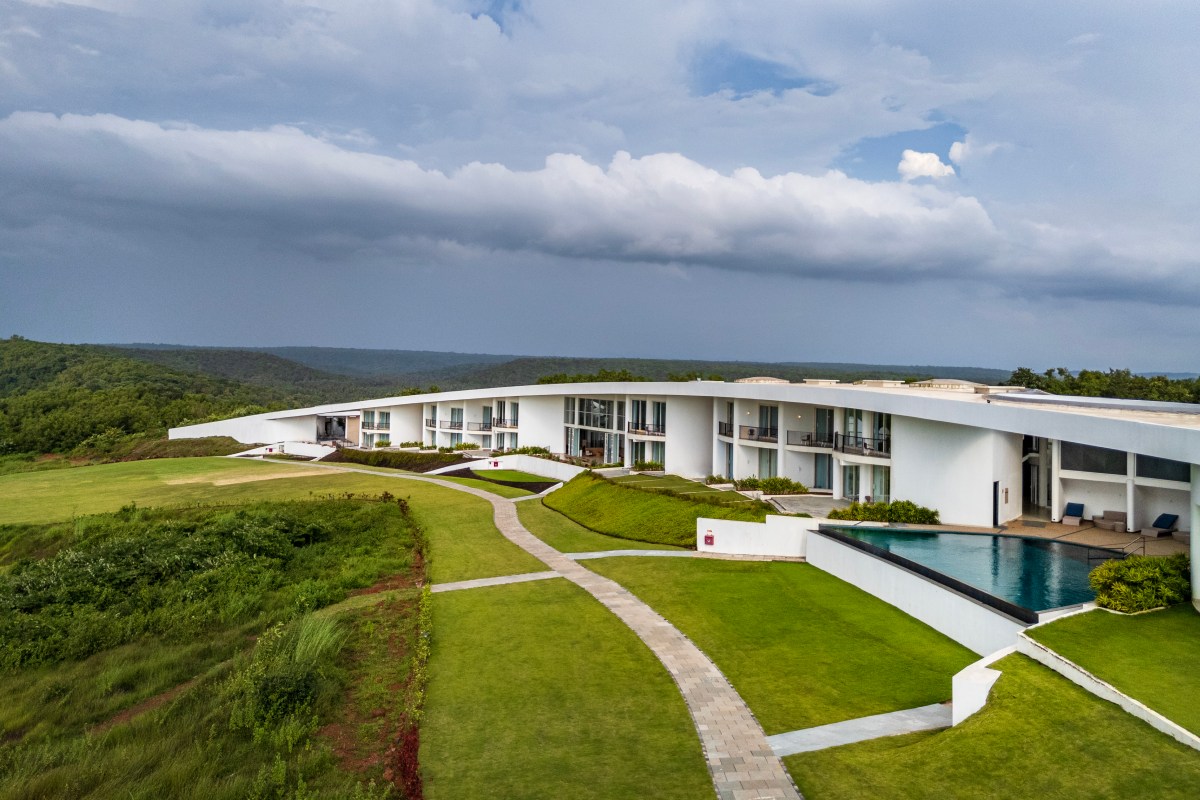
Araqila Resort boat riding
DCIM\100MEDIA\DJI_0563.JPG

Konkan Getaway Packages That Go Beyond Just a Stay

One of the biggest gaps in most resorts near Goa is that guests are left to plan everything themselves. Araqila solves this by offering curated Konkan getaway packages that combine stay, meals, and experiences.

Coastal Exploration Packages

If you’re looking for Tarkarli packages with stay or Konkan coastal experiences, options like the Tarkarli–Devbagh coastal getaway give you access to clear waters, boat rides, and one of Maharashtra’s most unique beach landscapes.

The Vengurla coastline experience complements this with lighthouse views, scenic drives, and quieter coastal stretches that most travellers miss. 

Araqila Resort wellness retreat

Wellness & Slow Living Retreats

Searches for wellness retreats near Goa and slow living coastal stays are growing, and experiences like the Spa & Slow Living Escape are designed for exactly that.

For a more immersive version, the Signature Wellness Retreat combines multiple spa sessions with curated coastal experiences, creating a balanced, restorative stay. 

Experiential Coastal Getaways

If you’re looking for Konkan tour packages that include activities, the Konkan Boat Escape offers private boat rides through calm backwaters and scenic stretches of the coast.

The Seamless Konkan Escape is ideal for travellers who want everything taken care of, from airport transfers to curated beach experiences. 

Extended Stay Offers

For longer breaks, the Stay Longer Benefit (Pay 2, Stay 3) allows guests to spend more time exploring the region at a slower pace, making it ideal for those searching for long weekend getaways near Goa.

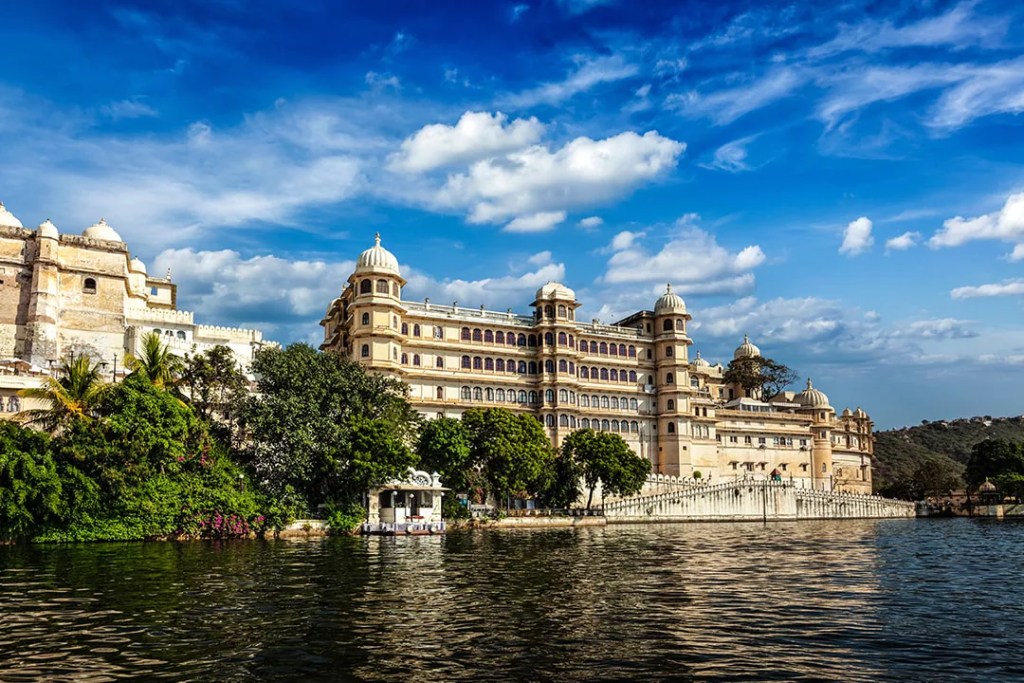
Araqila Resort beach

Top Experiences Near Vengurla and Sindhudurg

If you’re planning a stay at a resort near Goa, this is what makes the Konkan experience stand out:

  • Guided beach walks along quiet shores
  • Beach picnics on uncrowded stretches like Sagartirth
  • Visits to Vengurla Lighthouse for panoramic sunset views
  • Boat rides in Tarkarli and Devbagh
  • Cultural visits to Sawantwadi and local markets

These experiences transform a stay into something far more immersive than a typical beach holiday.

How to Reach Araqila Resort (Near Goa)

Accessibility is one of the biggest advantages for travellers considering resorts near Goa. Araqila is well connected via:

  • Mopa Airport (North Goa) – approx. 45 minutes
  • Sindhudurg Airport – approx. 1 hour

This makes it ideal for:

  • Weekend getaways near Goa
  • Short coastal escapes from Mumbai or Pune
  • Quick luxury breaks without long travel times 

Best Time to Visit the Konkan Coast

If you’re planning a stay at a sea-facing resort near Goa, timing matters.

  • October to March: Best weather, ideal for beach experiences and exploration
  • April to June: Warmer but great for quieter stays and fewer crowds
  • Monsoon (July to September): Lush landscapes, dramatic views, perfect for slow living

Who Should Consider a Konkan Coastal Stay?

Araqila and similar resorts in Konkan near Goa are best suited for:

  • Couples looking for quiet, scenic stays
  • Families wanting safe, experience-led holidays
  • Corporate teams planning offsites away from crowded hubs
  • Travellers seeking slow, meaningful coastal getaways

Araqila Resort

A Different Way to Experience the Coast

The real decision today is not just about where you go, but how you experience it.

You can choose a crowded coastal destination where everything moves fast or you can choose a place where the day begins with the sound of waves, where experiences are built into your stay, and where the coast still feels untouched. 

For those searching for the best sea-facing resorts near Goa, the answer may not lie in Goa itself.

It may lie in Konkan.

FAQs 

Are there good resorts near Goa that are less crowded?

Yes, regions like Vengurla and Sindhudurg in Konkan offer several sea-facing resorts that are quieter and more spacious compared to Goa.

Which is the best sea-facing resort near Goa?

Sea-facing resorts in Konkan, such as those in Vengurla, offer uninterrupted ocean views, curated experiences, and a more relaxed coastal environment.

How far is Vengurla from Goa?

Vengurla is approximately 1.5 to 2 hours from North Goa, making it ideal for a short coastal getaway.

What are the best experiences in Konkan?

Top experiences include Tarkarli boat rides, Devbagh beach exploration, lighthouse visits in Vengurla, and cultural trips to Sawantwadi.

How the New Delhi–Dehradun Expressway Is Changing Weekend Getaways from Delhi NCR

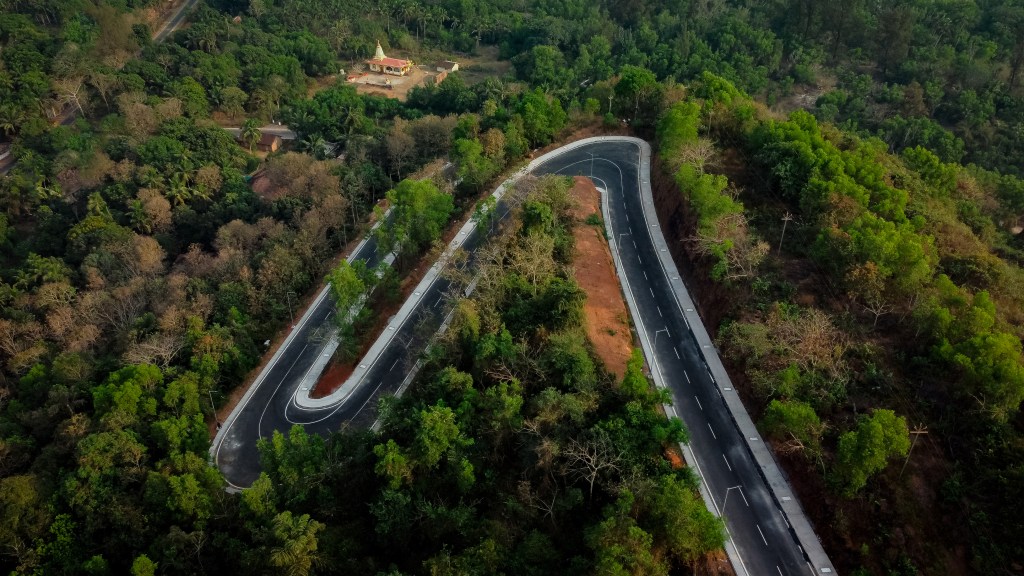
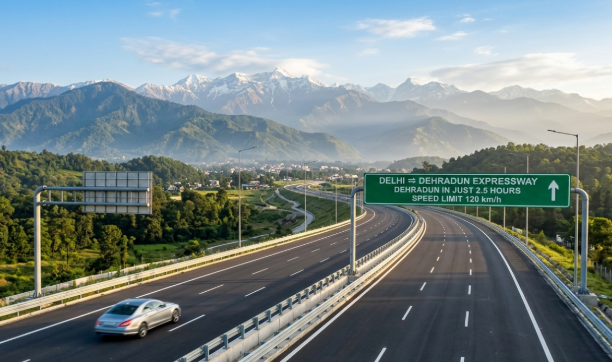
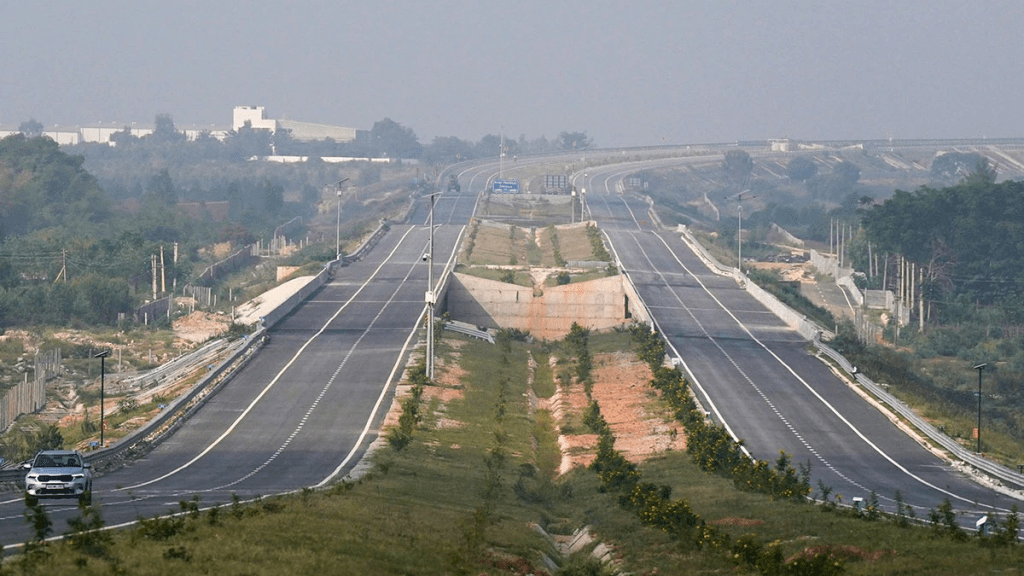
Delhi Deahradun Expressway

For years, a quick escape from Delhi to the hills or the Ganga belt came with a familiar hesitation. The destinations were always appealing, but the journey often wasn’t. Long hours on the road, unpredictable traffic, and fatigue at the end of the drive meant that what should have been a relaxing break started feeling like a logistical exercise.

The Delhi–Dehradun Expressway changes that in a very real way. By significantly reducing travel time, it shifts not just distances on a map, but the way people from Delhi NCR think about weekend getaways and short breaks.

What is the Delhi–Dehradun Expressway?

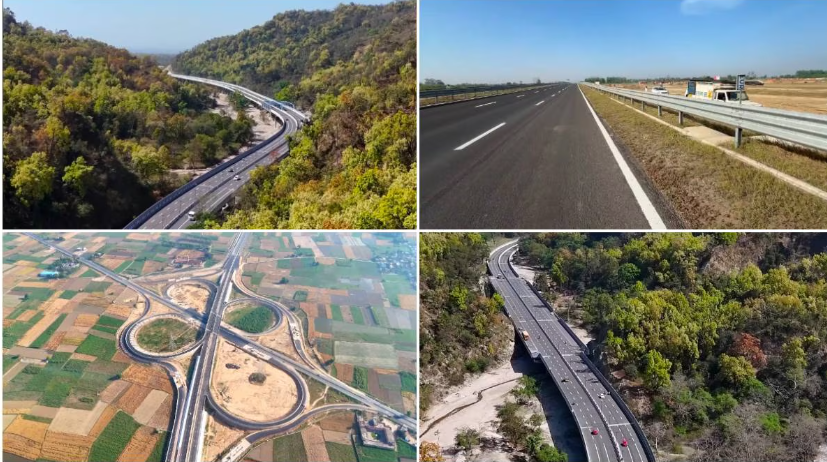
The Delhi–Dehradun Expressway is a 6-lane, access-controlled highway spanning over 200 km, designed to improve connectivity between Delhi and Uttarakhand. It is one of India’s key infrastructure projects aimed at reducing travel time and making road journeys smoother and more predictable.

One of its defining features is a wildlife-friendly elevated corridor through Rajaji National Park, along with improved connectivity toward Haridwar and surrounding regions.

Delhi Dehradun Expressway

Delhi to Dehradun Travel Time After the Expressway

The biggest impact of the Delhi–Dehradun Expressway is the reduction in travel time.

Delhi to Dehradun travel time has come down from approximately 6–6.5 hours to around 2.5 hours.

This makes it one of the fastest and most convenient road trips from Delhi to Uttarakhand, turning what was once a long journey into a comfortable drive.

Key Benefits of the Delhi–Dehradun Expressway for Travellers

  • Reduces Delhi to Dehradun travel time to about 2.5 hours
  • Makes Delhi to Mussoorie road trips faster and more comfortable
  • Improves access to Haridwar and Rishikesh
  • Enables easier weekend getaways from Delhi NCR
  • Reduces travel fatigue for families and group travellers

Delhi Dehradun Expressway

A Highway That Changes Travel Behaviour

At its core, the expressway is an infrastructure upgrade. But its real impact is behavioural.

When a drive that once took an entire day becomes manageable within a few hours, it stops being a commitment and starts becoming an option. This shift is what makes the expressway important for travellers.

Weekend planning becomes easier. Short breaks feel more practical. The hesitation that once came with long drives begins to disappear. For many, this means travelling more often, not just travelling further.

The Return of the Weekend Getaway

The biggest transformation lies in how weekends are now being planned. Earlier, destinations like Dehradun or Mussoorie were reserved for long weekends or carefully planned breaks. Today, they begin to fit into a much shorter window.

A Delhi to Dehradun road trip can now start after work on a Friday. A two-night stay feels relaxed instead of rushed. Even spontaneous plans begin to feel realistic.

This is where the expressway expands the practical travel radius of Delhi NCR, making Uttarakhand one of the most accessible regions for quick escapes.

Destinations That Are Now Easier to Reach from Delhi NCR

While Dehradun is the most direct beneficiary, the expressway improves access to several popular travel destinations.

Dehradun

Dehradun is now one of the easiest driveable getaways from Delhi NCR. It works well for short breaks, work-from-anywhere stays, and relaxed weekends without the stress of a long journey.

Haridwar

With improved connectivity, Haridwar becomes more convenient for spiritual and slow-paced getaways. The ease of access makes it suitable even for shorter visits.

Mussoorie

Mussoorie benefits significantly as an extension of Dehradun. The Delhi to Mussoorie road trip becomes more comfortable, encouraging more frequent visits to the hills.

Rishikesh

Rishikesh, known for wellness and riverside experiences, becomes easier to include in short itineraries. Improved highway access simplifies the journey for weekend travellers.

Why This Matters for Staycations

Staycations are driven by one key factor: ease of access. The easier it is to reach a destination, the more often people are willing to travel.

With the Delhi–Dehradun Expressway:

  • Travellers can plan multiple short breaks instead of one long holiday
  • Weekend travel becomes more frequent
  • Trips become less about logistics and more about experience

This shift is redefining how people approach weekend getaways from Delhi NCR, making shorter, more relaxed stays the preferred choice.

Best Types of Stays for Short Getaways from Delhi

As travel becomes easier, expectations from stays evolve as well.

Travellers are increasingly looking for:

  • Private spaces for families and groups
  • Flexible stays that work for short durations
  • Homes that offer comfort without rigid schedules

This is where villa stays and private homes become a natural fit. They align with the idea of slower, more flexible travel, especially for quick getaways.

For brands like SaffronStays, this shift is not just about location. It is about offering stays that match the new rhythm of travel, where convenience and experience go hand in hand.

A New Way of Travelling from Delhi NCR

The expressway signals a broader change. Travel becomes less rigid and more responsive to intent.

A quiet weekend with family, a small celebration with friends, or even a last-minute break from the city becomes easier to plan. The road no longer dictates the decision. The experience does.

Delhi Dehradun Expressway

The Bigger Picture

The Delhi–Dehradun Expressway is more than a highway project. It is a shift in how destinations are perceived.

Places that once felt distant now feel closer. Journeys that once required effort now feel effortless. And travel, which often feels like a commitment, becomes something people can choose more freely.

For travellers from Delhi NCR, this is not just about reaching Dehradun faster. It is about rediscovering the ease of getting away.

How to Plan a Celebration Trip for 15+ People in India (Without Losing Your Mind)

It always begins the same way. A simple message on a WhatsApp group: “Guys, let’s plan a trip.”

Within minutes, it spirals. Goa vs mountains. Budget debates. Dates that don’t match. Someone suggests “let’s just see,” and someone else is already planning outfits. And suddenly, planning a celebration for 15+ people starts feeling less like excitement and more like coordination chaos.

But here’s the truth most people don’t realise until it’s too late:

Large group trips don’t fail because of people. They fail because of poor planning decisions early on.

Get those right, and everything else becomes surprisingly easy.

How do you plan a trip for 15+ people in India? (Quick Answer)

If you’re short on time, here’s what actually works:

  • Lock dates early based on majority
  • Set a clear per-person budget upfront
  • Assign responsibilities across the group
  • Choose a destination based on the occasion
  • Book a private villa instead of multiple hotel rooms
  • Keep the itinerary flexible

The biggest difference-maker?
Booking a space designed for large groups from the start.

Step 1: Start With Dates, Not Destinations

Most people begin with “Where should we go?”
The smarter question is “When can most people go?”

With a group this size, perfect alignment doesn’t exist. What works is momentum. Share a couple of date options, let people respond quickly, and lock what works for the majority.

Because once dates are set, the trip becomes real. Everything else starts falling into place.

Step 2: Define the Celebration Before the Location

Not all group trips are built the same.

A 30th birthday celebration has a very different energy from a family reunion. A corporate offsite needs structure, while a friends’ getaway thrives on spontaneity.

When you’re clear about the kind of celebration, the destination almost chooses itself.

For instance, we’ve seen groups pick Goa villas for milestone birthdays, while quick weekend reunions often lean towards Lonavala or Alibaug for easy access and relaxed settings.

A group of six people enjoying drinks and conversing in a sunny garden setting with a modern house in the background. Fairy lights are hung above them, and the atmosphere appears relaxed and festive.

Step 3: Fix the Budget Early (It Solves Half Your Problems)

If there’s one conversation that simplifies everything, it’s this one.

A clearly defined per-person budget removes hesitation, speeds up decisions, and avoids awkward discussions later. It also helps filter options instantly.

Instead of debating endlessly, the group aligns faster when everyone knows what they’re comfortable spending.

Step 4: Don’t Plan Alone — Build a Core Team

There’s always one person who ends up doing everything. Don’t let that be you.

Large group trips work best when planning is shared. Someone handles bookings, someone manages logistics, someone takes charge of food or activities.

Interestingly, when people are involved in planning, they show up more engaged. The trip starts feeling like a collective experience even before it begins.

Step 5: The One Decision That Changes Everything

Here’s where most large group trips quietly fall apart.

Booking multiple hotel rooms feels like the obvious choice. It’s familiar, easy, and seems organised.

But once you arrive, the cracks show.

You’re split across floors. There’s no real space to sit together. Conversations get fragmented. And the one thing you planned this trip for, being together, starts slipping away.

That’s when most groups realise they need something else entirely.

Araqila Resort, Sindhudurg

Step 6: Why Private Villas Redefine Group Celebrations

There’s a noticeable shift when a group checks into a villa instead of a hotel.

The energy changes.

People gather naturally in the living room. Music flows without interruptions. Meals become shared experiences instead of scheduled slots. There’s no rushing, no splitting up, no constant coordination.

For large groups, this isn’t just about comfort. It’s about continuity.

We’ve seen this play out across SaffronStays homes. Groups celebrating birthdays in Goa villas with private pools, families reconnecting over long meals in Alibaug, teams unwinding across expansive lawns in Lonavala.

And practically speaking, when the cost is shared across 15–20 people, villas often offer far better value than booking multiple hotel rooms.

This is exactly why searches for villas for large groups in India have grown rapidly in recent years.

A woman relaxing on a lounge chair by a swimming pool at sunset, with a table displaying various colorful cocktails; two people playing volleyball in the pool in the background.

SaffronStays Satori, Mulshi

Step 7: What Makes a Villa Truly Work for 15+ People

Not every villa can handle a large group well.

It’s not just about fitting everyone in. It’s about how the space feels when everyone is there.

Look for:

  • Spacious common areas where everyone can gather comfortably
  • Outdoor spaces like lawns or decks for evenings together
  • Thoughtful layouts that balance privacy and shared moments

The best villas don’t just accommodate people. They bring them together.

Step 8: Where to Go: Best Destinations for Group Getaways in India

Some destinations consistently work better for large groups because they combine accessibility, space, and the right kind of experiences.

These are also destinations where curated homes, like those by SaffronStays, are designed specifically for group stays and celebrations, making planning significantly easier.

A modern villa exterior at dusk featuring a swimming pool, outdoor seating area, and large glass doors that reveal a stylish interior.

SaffronStays Waters by Kosha Villas, Pawna

Step 9: Leave Space for the Unexpected

There’s a tendency to over-plan, especially with large groups.

But the most memorable parts of any trip rarely come from the itinerary. They come from the in-between moments. Late-night conversations. Unplanned games. Long, unhurried meals.

When the setting is right, you don’t need to fill every hour. The experience unfolds on its own.

Step 10: Keep It Simple, Keep It Transparent

A little structure makes a big difference.

Shared tools for expenses, quick polls for decisions, and open communication can eliminate most of the friction that comes with group planning.

When everything feels clear and easy, people relax. And when people relax, the trip becomes what it was meant to be.

A group of diverse friends enjoying a meal outdoors at a beautifully set table, surrounded by greenery and flowers.

SaffronStays Hacienda by the Sea, Alibaug

What Actually Makes a Group Trip Work

Planning for 15+ people will never be completely seamless.

But it doesn’t have to feel overwhelming.

Because in the end, it’s not about managing every detail perfectly. It’s about creating an environment where everything feels effortless once you arrive.

And more often than not, that comes down to one choice:

Choosing a space where everyone can truly be together.

Planning Your Next Celebration Stay?

If you’re looking for spaces that are thoughtfully designed for large groups, celebrations, and shared experiences, explore SaffronStays’ collection of villas across India.

From beachside homes in Goa to expansive villas in Lonavala and Alibaug, each space is designed to make group stays feel seamless, comfortable, and memorable.

Because when the setting is right, the celebration takes care of itself.

Corporate Offsite Venues in Maharashtra: Why Nature-Backed Estate Retreats Deliver Better Results

people enjoying in Safrronstays vedika

Corporate offsites have changed. They are no longer about moving a meeting from the office to a hotel ballroom. Today, when companies search for corporate offsite venues in Maharashtra, leadership retreat venues near Mumbai, or corporate retreat villas near Pune, they are not looking for a venue alone.

They are looking for clarity.  Alignment. Real  conversations.  Better outcomes. And increasingly, they are finding all of this in nature-backed estate retreats.

Across Maharashtra, from the lakes of Mulshi to the green coastal stretches of Alibaug, from the vineyard valleys of Nashik to the sea-facing calm of Sindhudurg, companies are choosing immersive, private spaces over traditional hotel settings. Because the environment changes how teams think.

Why Hotels No Longer Deliver the Same Impact

Hotels are efficient. But efficiency is not transformation.

A typical hotel offsite looks like this:

  • Back-to-back sessions in enclosed conference rooms
  • Shared lobbies with other events
  • Structured meal slots
  • Teams dispersing to rooms after dinner

The shift from office to hotel is physical, not psychological.

When planners search for an exclusive corporate offsite venue with accommodation, what they truly want is immersion. They want a setting where the team remains present, undistracted and connected. Private estate retreats provide that.

A full buyout means no parallel events. No outside noise. No overlapping agendas. The space belongs entirely to the team, and that changes the tone of discussions immediately.

How Nature Improves Strategic Thinking

There is a reason more companies are searching for lake-view corporate retreats near Pune or sea-facing corporate offsites in Maharashtra.

Nature reduces mental fatigue.  Open skies create perspective.  Water calms urgency.  Greenery lowers stress levels.

In Mulshi, lake views framed by hills create quiet focus. Strategy sessions feel slower, more deliberate, more thoughtful. It is an ideal setting for leadership alignment and annual planning meets.

A picturesque building with a pyramid-shaped roof, surrounded by lush greenery and distant mountains, illuminated at twilight.

Satori (Entire Estate~ 14 rooms), Mulshi

In Alibaug, proximity to Mumbai offers convenience, yet the green landscapes and coastal breeze create immediate separation from city intensity. Teams can arrive quickly but mentally disconnect almost instantly.

Modern villa with large windows overlooking a blue swimming pool, surrounded by lush greenery and palm trees.

SaffronStays Casa Del Palms, Alibaug

Nashik offers something layered. Dam views, mountain backdrops and vineyards combine to create space for big-picture thinking. It is increasingly becoming a preferred destination for senior management retreats and multi-day corporate offsites. The environment encourages both structured sessions and relaxed evening conversations that often lead to breakthrough ideas.

A chef grilling kebabs outdoors near a swimming pool, with guests enjoying food and music in a luxurious backyard setting.

SaffronStays Aqua Vista, Nashik

Sindhudurg delivers a different kind of clarity. The sea changes energy. The horizon expands thinking. Teams move away from daily operational concerns and begin focusing on long-term vision and creative direction.

A modern villa with a swimming pool overlooking the ocean, surrounded by landscaped greenery and a winding path.

Araqila Resort, Sindhudurg

Each region supports a different objective and that is why location selection has become strategic.

Choosing the Right Region for the Right Outcome

When selecting a corporate offsite venue in Maharashtra, the question is not just “where?”  it is “why?”

  • Mulshi works best for focused strategy and leadership planning.
  • Alibaug is ideal for short-format team resets close to Mumbai.
  • Nashik supports senior management retreats that require depth and perspective.
  • Sindhudurg suits vision-setting offsites and creative resets by the sea.

The right landscape strengthens the purpose of the retreat.

Space That Adapts to Your Agenda

One of the biggest advantages of nature-backed estate retreats is flexibility.

 Morning workshops can move outdoors. Breakout discussions can happen under trees.
Evening networking can unfold under open skies.  Late-night brainstorming doesn’t end when a banquet hall closes.

For companies searching for a corporate retreat with stay in Maharashtra, this integration of accommodation, meeting space and leisure areas into one private setting makes planning seamless.

There are no rigid ballroom timelines. No competing event schedules. Just space that adapts to your team’s rhythm.

Food Experiences That Build Culture

The most meaningful offsite conversations rarely happen during formal presentations. They happen at dinner. Estate retreats allow dining to feel intentional rather than transactional. Across Maharashtra, teams can experience:

  • Outdoor barbecue evenings
  • Traditional Maharashtrian meals
  • Coastal seafood experiences in Sindhudurg
  • Vineyard-inspired wine pairings in Nashik
  • Farm-style dining in Mulshi

When teams dine outdoors rather than under artificial lighting, hierarchies soften. Discussions become open. Informal bonding strengthens professional trust.

For planners looking for corporate offsite venues with curated dining experiences, this becomes a defining factor in overall success.

Why Nature-Backed Estate Retreats Deliver Stronger ROI

A successful corporate offsite should result in:

-Clearer direction.
-Stronger alignment.
-Better collaboration.
-Renewed energy.

Nature-backed estate venues support this through:

• Complete privacy
• Continuous team immersion
• Stress-reducing surroundings
• Flexible indoor and outdoor setups

Unlike hotel-based retreats where engagement dips after scheduled sessions, estate offsites maintain collective presence throughout the stay. That uninterrupted time often produces deeper alignment than tightly timed agendas ever could.

Frequently Asked Questions

What are the most preferred corporate offsite locations in Maharashtra?
Mulshi, Alibaug, Nashik and Sindhudurg are among the most preferred regions due to their natural settings, accessibility and suitability for private estate retreats.

Why choose an estate or resort  instead of a hotel for a corporate retreat?
Estate venues provide exclusivity, flexibility, privacy and immersive environments that foster stronger engagement and strategic thinking.

Is Nashik suitable for leadership retreats?
Yes. With its dam views, mountain landscapes and vineyards, Nashik offers both inspiration and accessibility, making it ideal for senior management offsites.

How far in advance should corporate offsite venues be booked?
Premium estate retreats in Maharashtra are often booked a month in advance, especially during peak planning seasons.

The Real Shift

Corporate offsites are no longer about stepping away from the office. They are about stepping into perspective. Lake views in Mulshi bring calm. Green escapes in Alibaug create ease.  Mountain horizons in Nashik inspire scale.  Sea-facing settings in Sindhudurg expand thinking. Nature-backed estate retreats do not just host meetings. They shape them.

Fly by Day, Unwind by the Lake: Your Ultimate Guide to Kamshet’s ultimate Flying Retreats

Lake view from villa serene peaceful

At sunrise in Kamshet, the sky is not just a view, it is an invitation. Paragliders rise slowly above the Sahyadris, morning light spills over Uksan Lake, and the entire valley feels suspended between thrill and stillness.

For travellers planning a paragliding escape to Kamshet, the experience no longer ends at the landing site. In 2026, it extends into private villa stays, slow sunsets by Uksan Lake, and weekends designed around both thrill and quiet luxury.

Person tandem paragliding in the sky, capturing the moment with a selfie stick. The flyer is wearing a bright yellow jacket and a red helmet, while the instructor is in a dark outfit and sunglasses, both smiling against a backdrop of hills and hazy sky.

1. Kamshet Paragliding Escape with Private Villas

Kamshet is globally recognised as one of the best paragliding destinations in India, attracting adventure seekers looking for tandem paragliding in Kamshet, certified instructors, and panoramic Sahyadri valley views. But the experience should not end when you land.

The defining travel shift for 2026 is Adventure Luxury in Maharashtra, where your morning begins 2,000 feet above the Western Ghats and your evening ends in a private lakeside villa in Kamshet with mountain views.

By choosing a SaffronStays Kamshet villa, you are not just booking accommodation. You are securing a front row seat to the Sahyadris, access to Uksan Lake sunsets, and proximity to major take off points without staying in crowded hill station hotels. Homes such as Moira, Foresta, Le Farm, and Latitude by the Lake are strategically located to keep you close to leading paragliding schools while offering privacy, curated meals, and uninterrupted valley views.

This combination of Kamshet paragliding and luxury private villa stay makes the destination rank high for adventure weekend getaways near Mumbai and Pune.

2. The Season Timeline: Best Time for Paragliding in Kamshet

If you are searching for best time for paragliding in Kamshet, here is a complete seasonal breakdown to help you plan your 2026 trip.

Peak Season: October to February
This is considered the best season for paragliding in Kamshet. Expect cool winds, clear blue skies, and stable flying conditions. Temperatures range between 18°C and 25°C, making it ideal for beginners and first time flyers. Crowd levels are high, so booking your villa at least three weeks in advance is recommended.

Shoulder Season: March to May
During these months, thermals are stronger, which makes flying more dynamic and suitable for experienced flyers. Crowd levels are moderate, and villa availability is better compared to peak winter months.

Monsoon Season: June to September
Flying operations are typically closed due to safety conditions. However, this is when Kamshet transforms into a lush green escape with waterfalls and misty Sahyadri views. It is one of the best times for a monsoon villa stay near Mumbai and a peaceful countryside retreat.

Pro tip for 2026: The golden weeks are usually the last two weeks of November and the first week of February, offering near perfect weather and balanced tourist inflow.

3. The Big Four: Where to Stay in Kamshet

For those searching best villas in Kamshet for paragliding weekend, these four homes consistently stand out for location, privacy, and experience.

SaffronStays Moira
A minimalist lakeside retreat ideal for small groups. If you want a private villa with lake view in Kamshet, this home offers uninterrupted views of Uksan Lake and the Sahyadri ranges. It is perfect for watching gliders descend while relaxing on your private porch.

Serene lakeside view featuring two hanging chairs, a circular pool, and lush greenery in the foreground, with hills in the background.

SaffronStays Moira, Kamshet

SaffronStays Foresta by the Lake
Set amidst greenery, this villa feels like a hidden forest retreat. It is ideal for travellers who want a serene nature stay near Kamshet paragliding site and a cool environment after flying.

A serene outdoor space featuring three white benches and two decorative clay pots on a lush green lawn, with a rustic house in the background.

SaffronStays Foresta by the Lake, Kamshet

SaffronStays Le Farm
A sprawling estate designed for larger families and friend groups visiting paragliding schools in Kamshet. It combines countryside charm with farm to table luxury, making it suitable for long, indulgent weekends.

A cozy outdoor seating area with a glass table featuring chess and board games, overlooking a serene lake and lush hills under a cloudy sky.

SaffronStays Le Farm, Kamshet

SaffronStays Latitude by the Lake
Located just steps from the water, this villa offers one of the most scenic lakeside stays in Kamshet. Imagine ending your adventure filled day with a bonfire by Uksan Lake under a sky full of stars.

Most of these villas are within a 15 to 30 minute drive from leading operators such as Nirvana Adventures and Temple Pilots, making them strategically positioned for convenience and comfort.

A beautiful stone cottage with arched windows, set against a sunset backdrop over a lake. The landscape features a well-maintained green lawn with stepping stones, and a black bench in the foreground.

SaffronStays Latitude by the Lake, Kamshet

4. Food and Experiences: Beyond the Skies

A Kamshet flying getaway is incomplete without the right culinary and slow living experiences. Unlike hotels, private villas in Kamshet allow personalised dining experiences curated to your group’s preferences.

You can request authentic Maharashtrian Pithla Bhakri, local style thalis, or a private BBQ setup for your evening bonfire. After landing from your flight, the rhythm shifts. Afternoons are for poolside lounging. Evenings are for golden sunsets over Uksan Lake. Nights are for conversations under open skies with minimal light pollution.

Beyond paragliding, Kamshet offers lakeside walks, birdwatching, countryside treks, and complete digital detox opportunities, making it one of the best luxury weekend getaways near Mumbai and Pune.

Frequently Asked Questions

How far are these villas from the Kamshet paragliding sites?
Most luxury villas in Kamshet are located within a 15 to 30 minute drive from major take off points and certified schools.

Is Kamshet suitable for beginners?
Yes. Tandem paragliding in Kamshet is beginner friendly and conducted with trained instructors and strict safety protocols.

Can non flyers enjoy the stay?
Absolutely. While part of the group experiences paragliding, others can enjoy lakeside relaxation, private pool time, birdwatching, or simply unwind in a luxury villa setting.

How far is Kamshet from Mumbai and Pune?
Kamshet is approximately 2.5 hours from Mumbai and 1.5 hours from Pune, making it one of the most accessible adventure weekend destinations in Maharashtra.

Kamshet continues to rank among top searches for paragliding in Maharashtra, private villas near Lonavala without crowds, and luxury adventure getaway near Mumbai.

You arrive for the thrill of Kamshet paragliding.
You stay for the stillness of Uksan Lake.
And somewhere between sky and lake, the Fly Unwind lifestyle becomes more than a weekend.

Beyond the Temple: How to Experience Mahashivratri 2026 in Trimbakeshwar Like an Insider

trimbakeshwar temple in nashik set for mahashivratri

Mahashivratri 2026 is not just a festival date. It is a powerful spiritual moment. In 2026, as the Great Night of Shiva falls on Sunday, 15 February 2026, the sacred town of Trimbakeshwar Temple becomes the spiritual heartbeat of Maharashtra.

Devotees from across India will gather at this revered Jyotirlinga. But the true insider way to experience Mahashivratri in Trimbakeshwar is not just about temple queues. It is about balance between intense spiritual rituals and the serene luxury of Nashik vineyard stays.

If you are searching for Mahashivratri 2026 date, best time to visit Trimbakeshwar, where to stay near Trimbakeshwar Temple, or luxury villas in Nashik for Mahashivratri, this is your complete guide.

An ornate entrance gate decorated with lights and flowers, leading to a temple illuminated at night.

1. The Divine Timeline: Mahashivratri 2026 Date, Weather in Nashik & Crowd Planning

The official Mahashivratri 2026 date is Sunday, 15 February 2026. Because it falls on a weekend, expect significant footfall at Trimbakeshwar Temple darshan.

February is considered the best time to visit Nashik. Day temperatures hover around 31°C, while nights cool down to approximately 17°C. This makes it ideal for late-night temple rituals, vineyard walks, and outdoor dining experiences.

The smartest way to plan your Mahashivratri weekend getaway near Mumbai is to arrive a day prior. Use Saturday to explore vineyards and relax. Keep Sunday focused on your temple visit. If you are seeking deeper spiritual immersion, attend the Nishita Kaal Puja at Trimbakeshwar Temple, which takes place around midnight and is considered the most spiritually significant ritual of the night.

Planning your visit this way allows you to experience Mahashivratri temple rituals in Trimbakeshwar without unnecessary stress.

A pair of hands using pruning shears to cut a bunch of dark purple grapes hanging from a vine in a vineyard.

2. The Table-to-Soul Experience: Nashik Grape Season in February

February marks the peak of Nashik grape harvest season. Vineyards in Dindori and Gangapur are lush and active, making this the perfect time for a vineyard experience in Nashik.

Walking through working grape orchards offers a refreshing contrast to temple energy. Many farms along the Trimbak to Nashik road sell fresh Thompson Seedless and Crimson grapes directly to visitors. Buying grapes during Nashik crush season is a unique local experience.

Nashik is widely known as the Wine Capital of India. A sunset tasting at Sula Vineyards or Soma Vine Village is one of the most recommended experiences during a Nashik weekend trip in February. Chenin Blanc and Shiraz tastings paired with vineyard-view dining create the perfect balance after temple darshan.

This combination of Trimbakeshwar Jyotirlinga pilgrimage and luxury vineyard experiences in Nashik makes Mahashivratri 2026 uniquely memorable.

Aerial view of a modern villa surrounded by lush vineyards and hills, featuring a swimming pool and outdoor seating.

SaffronStays Maitri, Igatpuri

3. Your Private Sanctuary: Luxury Villas Near Trimbakeshwar Temple

With thousands of devotees visiting for Mahashivratri 2026, hotels near Trimbakeshwar are expected to be crowded. Choosing a private villa near Trimbakeshwar Temple offers privacy, comfort, and convenience.

SaffronStays Villa Reya, located near Anjaneri, is ideal for travellers seeking mountain view villas in Nashik. Its infinity pool overlooking the Sahyadri range makes it perfect for relaxation after temple visits.

A couple enjoying a drink while seated by an infinity pool at sunset, surrounded by nature and modern architecture.

SaffronStays Villa Reya, Nashik

SaffronStays Aamelia by the Hills is suited for families planning a Mahashivratri family getaway in Nashik. This five-bedroom luxury villa features expansive lawns and a private waterfall, making it one of the most desirable large group villas near Trimbakeshwar.

A scenic view of a modern house set on a hillside surrounded by lush greenery and rolling hills under a cloudy sky.

SaffronStays Aamelia by the Hills, Nashik

SaffronStays AnjanAiry offers panoramic foothill views and a private swimming pool, making it an excellent option for those looking for a private pool villa near Trimbakeshwar Temple.

A modern house set on a hillside, surrounded by dry grass and small trees, with a backdrop of mountains and a colorful sunset sky.

SaffronStays AnjanAiry , Nashik

Staying slightly away from the temple in a luxury villa in Nashik ensures a peaceful retreat after darshan while remaining within driving distance of the shrine.

4. Essential Travel Information for Mahashivratri 2026 in Nashik

Reaching Trimbakeshwar from Mumbai takes approximately 3.5 to 4 hours by road. The most direct route is via NH160. Many travellers now prefer the Mumbai–Nagpur Samruddhi Expressway for a smoother and faster drive toward Nashik.

On Mahashivratri at Trimbakeshwar Temple, special rituals such as Maha Pooja and continuous Abhishek are conducted throughout the night. If you plan to perform a Rudrabhishek at Trimbakeshwar, booking a local priest in advance is strongly recommended.

Visitors can also purchase fresh grapes directly from farms along the Trimbak to Nashik route, especially during February grape season in Nashik.

Why Mahashivratri 2026 in Nashik and Trimbakeshwar Is Worth Planning Early

This is more than a religious visit. It is a carefully timed spiritual getaway near Mumbai that combines devotion, nature, and comfort.

You experience:

  • One of the twelve sacred Jyotirlingas at Trimbakeshwar Temple
  • The most pleasant February weather in Nashik
  • Peak Nashik grape harvest season
  • Premium luxury villas near Trimbakeshwar
  • An easy weekend drive from Mumbai

If you are planning a Mahashivratri weekend trip from Mumbai, combining temple rituals with vineyard luxury offers a balanced and elevated experience.

Plan early. Choose privacy. Experience devotion and design in one seamless Mahashivratri 2026 Nashik getaway.

Wag More, Worry Less: Late Winter Pet-Friendly Travel Guide to Villas in India

February is when travel in India finally exhales. The holiday crowds have dispersed, the weather has settled into a comfortable rhythm, and destinations feel open again. Mornings are cool, afternoons are pleasant, and evenings invite you outdoors, making this one of the best months for slow, pet-friendly travel across the country.

For travellers planning a pet-friendly vacation in India, February offers ideal conditions. Temperatures are well suited for long walks, open lawns, and outdoor living. Coastal regions feel breezy without humidity, hill areas remain crisp without being cold, and countryside destinations are calm and accessible. It is a month that supports movement without exhaustion and exploration without pressure, especially when travelling with dogs.

Pet-friendly travel in India is becoming more visible, but meaningful travel with pets depends on choosing the right season and the right kind of stay. February allows pets to adapt more easily to new environments, routines, and surroundings. Days unfold slowly, daily walks become central to the experience, and accommodation choices play a crucial role in how relaxed the trip feels.

This guide focuses on February travel with pets in India, offering practical insights into choosing destinations, understanding pet-friendly stays, and planning villa holidays that prioritise comfort, space, and calm. Whether you are travelling with family, friends, or solo with your dog, this is a season that supports thoughtful, unhurried travel designed around shared experiences rather than packed itineraries.

A young woman joyfully interacting with a golden retriever dog while sitting on the grass in a park during sunset.

What Truly Makes a Stay Pet-Friendly in India

Travelling with pets in India is not regulated uniformly. While many hotels say they allow pets, the experience varies drastically. A truly pet-friendly stay means:

Clear Policies –Clear guidelines around pet size, numbers, and rules remove uncertainty and help travellers plan with confidence.

Unshared Outdoor Space – Space is equally important. Pets, especially dogs, need room to move freely without navigating shared corridors, elevators, or busy common areas

Ease of Movement –  Easy outdoor access allows pets to follow natural routines, whether that means early morning walks or quiet evening time outdoors. 

Safety and Comfort – Comfort also plays a role. Shaded areas, safe flooring, and calm surroundings help pets adjust faster and settle into unfamiliar environments. 

When these elements come together, travel stops feeling like a compromise and starts feeling inclusive.

The Challenges of Travelling With Pets in India

Travelling with pets in India requires practical awareness. Transport can be a challenge, as not all flights, trains, or local travel options are designed with pets in mind. Once you arrive, environmental conditions matter more than expected. Certain destinations may feel mild on the calendar but can still be warm underfoot during the day, making open lawns and shaded ground essential.

Public pet infrastructure is still limited across many regions. Dog parks, pet-friendly cafes, and dedicated walking zones are not yet common. Noise is another factor that often catches travellers off guard. Markets, festivals, or sudden fireworks can be stressful for pets sensitive to sound. Understanding these challenges does not limit your travel choices. Instead, it helps you select destinations and stays that work with your pet’s needs rather than against them.

A Pomeranian dog peeking out of a car window. Dog travelling

How Different Pets Experience Travel

Dogs are individuals, and travel affects them differently.

High-Energy Dogs – These dogs need space and activity. Long walks, open lawns, and shade matter most.

Older Dogs – Smaller distances, shaded areas, comfy bedding, and predictable routines make a big difference.

Anxious or Sensitive Pets – Avoid loud places. Slow introductions to new spaces help. Quiet outdoor areas are key.

As you read villa recommendations below, think of them in terms of what your pet experiences,  not just what the property offers.

Why Late January and February Are Ideal for Pet-Friendly Travel

Many travellers aim for December and miss something important,  weather stability.

Weather WinsLate January and February are generally:

  • sunny without heat
  • cool mornings and mild afternoons
  • low humidity in coastal areas
  • clear skies in hill regions

This weather balance is perfect for pets and humans alike. Your dog can enjoy longer walks without overheating. Outdoor time becomes the daily norm.

Fewer Crowds, More Room

Post-holiday crowds are gone. Parks, trails, and beaches feel expansive. This makes staying outdoors more rewarding and less stressful.

Seasonal Experiences Open Up

Local markets become regular again, nature trails feel private, and restaurants open outdoor seating for long lunches.

This seasonal clarity makes your travel with a pet both easier to plan and more pleasant to live.

A woman interacts playfully with a dog in a sunlit garden, with greenery in the background and the dog standing on its hind legs.

How Your Choice of Stay Shapes the Entire Holiday

Your accommodation is not just a roof. It becomes the base camp of your holiday life.

Here’s what matters most and why villas often work best:

1. Predictable Daily Rhythm

Pets thrive on routine. Villages, towns, and villas allow gentle morning schedules that aren’t dictated by reception rules or shared breakfasts.

2. Space to Move and Play

Private lawns and open grounds allow you to play fetch, stroll, and exercise without crowding.

3. Ease of Outdoor Access

Instead of elevators and busy hallways, villas often open directly to lawns, gardens, or quiet streets.

4. Quiet, Predictable Surroundings

Less traffic, fewer strangers, and calmer soundscapes reduce anxiety for pets who are sensitive to noise.

In this guide, the recommendations below highlight stays that align with these benefits.

Coastal Destinations for Late Winter Travel With Pets

Coastal regions work especially well for pet-friendly travel during late January and February. Cooler sand in the mornings, steady sea breezes, and wide open beaches create ideal conditions for dogs who enjoy movement and exploration. Without the pressure of peak-season crowds, walks along the shore feel calmer and more spacious.

Villas near the coast often allow pets to enjoy both outdoor relaxation and easy access to walking routes. Days can unfold slowly, beginning with early beach walks and ending with relaxed evenings outdoors, without the discomfort that summer heat often brings.

A swing seat in a lush garden overlooking the ocean, with a small table set with drinks and fruit.

SaffronStays Time and Tide, Alibaug

Hill and Riverside Retreats for Calm, Comfortable Stays

Hill regions and riverside destinations come into their own during late winter. February brings pleasant daytime temperatures, cool evenings, and shaded walking paths that suit pets who prefer gentler activity. Forest edges, riverside trails, and quiet roads offer variety without overstimulation.

These destinations tend to be quieter during this season, which benefits pets sensitive to noise or crowds. Staying in such areas allows you to combine light exploration with ample rest, creating a rhythm that feels balanced and restorative rather than busy.

A modern A-frame house with a wooden exterior and large windows, set in a lush green landscape with trees and mountains in the background, during sunset.

SaffronStays Cheese Cottage, Tanmarg

Travelling with pets opens up a world of shared experiences that go beyond basic sightseeing.

Here are realistic activities you can include:

Morning Walks

Early hours before the sun heats the ground are ideal for long dog walks.

Gentle Trail Explorations

Nearby nature trails or rural paths make for relaxed scenic time.

Open Lawn Playtime

Simple games like fetch, scent trails, and hide-and-seek enrich your dog’s day.

Quiet Community Exploration

Visiting local markets, small town streets, and waterfront promenades together.

These activities help you bond, reduce stress, and enjoy travel in a meaningful, pet-aware way.

How to Choose Your Pet-Friendly Stay

Before you book, consider these criteria:

Check Pet Policies
Know what size, number, and breed conditions exist.

Proximity to Walkable Space
You want a place that lets you step outside and go walking without long drives.

Shade and Ground Comfort
Sunny lawn or sandy beach — both need shade and soft walking surfaces for pets.

Nearby Quiet Spaces
Dogs benefit more from calm walks than crowded streets.

Use these real travel insights to evaluate every place you consider. Choosing with these factors in mind helps ensure your travel experience feels comfortable rather than complicated.

Why Travelling With Pets Changes How You See a Place

Travelling with pets naturally slows you down. You notice light, sounds, and rhythms more closely. Morning routines matter. Quiet streets feel valuable. Outdoor time becomes central rather than optional.

Pets invite presence and observation. They shift the focus from ticking off sights to experiencing moments. A New Year vacation in India during late January and February offers the perfect opportunity to embrace this pace. It allows you to travel in a way that feels intuitive, grounded, and shared.

Late January and February offer one of the most rewarding windows for pet-friendly travel in India. With the right destination, season, and stay, travel becomes less about adjustment and more about ease.

By understanding what truly makes a stay pet-friendly, planning for real challenges, and choosing environments that support both movement and rest, you create a holiday that feels calm, connected, and joyful.

Travel with intention. Observe with curiosity. And enjoy the season alongside those who walk with you every day.

Sula Wine Festival in Nashik: Dates, Best Time, Weather, Stay Guide

Every February, Nashik changes pace.

The roads leading into the city grow busier, vineyards hum with conversation, and the quiet countryside takes on a festive rhythm. The Sula Wine Festival does not announce itself loudly. It simply arrives, and for a few days, Nashik becomes a place where afternoons stretch, evenings linger, and plans tend to blur into longer, better ones.

If you are considering the Sula Wine Festival in Nashik in 2026, this is less a checklist and more a sense of how to experience it well.

When the Festival Happens and Why Timing Matters

The Sula Wine Festival is usually held in early February, spread across a weekend at Sula Vineyards. As of January 15, 2026, official dates are 31st January and 1st February 2026.

This timing is no accident. February brings Nashik its most forgiving weather. Days are warm but comfortable, evenings cool down enough to invite long conversations outdoors, and the vineyards look expansive and green. It is the sort of weather that lets you stay out longer than intended, whether you are moving between music stages or sitting down for an unhurried meal.

Crowds are very much part of the picture, especially on Saturday evenings. Sunday afternoons slow down, and that shift in energy is worth keeping in mind while planning.

Illuminated '#SULAFEST' sign in a vineyard at dusk with palm trees in the background.

Best Time to Visit the Sula Wine Festival

  • Overall best window: January end – Early February
  • Most lively: Saturday evening
  • More relaxed: Sunday afternoon
  • Best balance: Arrive a day early or stay back a day after the festival

Spacing the festival between quieter days makes the experience feel fuller and far less rushed.

Crowd enjoying a music festival with fireworks in the night sky, featuring a stage with the banner 'SulaFest' and colorful decorations.

What You Can Do at the Sula Wine Festival

  • Attend live music performances across open-air stages
  • Explore wine tasting zones featuring Sula and select labels
  • Join guided tastings for a deeper understanding of wines
  • Enjoy food counters designed for easy outdoor dining
  • Walk through the vineyards during sunset hours
  • Spend time in seating zones that encourage lingering rather than rushing

The festival works best when you allow yourself to wander rather than chase every act or counter.

A Pre-Festival Aerial Show to Watch For

If you are planning your Nashik visit around the Sula Wine Festival, it is worth arriving a little earlier. About a week before SulaFest, Nashik hosts an aerial display by the Surya Kiran Aerobatic Team of the Indian Air Force. The team, formed in 1996 and known for its precision flying, performs over the Gangapur Dam area, drawing large crowds and attention across the city.

What makes this especially memorable is that guests staying at villas near open landscapes and vineyards, including select SaffronStays villas near Nashik, can often catch glimpses of the formations from balconies, terraces, or outdoor sit-outs. Watching the jets paint patterns across the sky against vineyard views adds a rare and unexpected dimension to the festival week, turning the stay itself into part of the spectacle.

A modern two-story house surrounded by lush greenery and palm trees, featuring a well-maintained lawn, a swimming pool, and a small outdoor seating area with a table and chairs.

SaffronStays Mango Vino, Nashik

The Flow of a SulaFest Weekend

What makes the Sula Wine Festival enjoyable is not just what happens inside the vineyard, but how it shapes the rest of your weekend.

Many visitors pair festival hours with vineyard lunches at places like York Winery or Soma Vine Village, where meals unfold at a slower pace. Others explore Nashik’s quieter wineries or step into the city for local food that anchors the experience beyond wine.

This rhythm, festival energy balanced with slower interludes, is what keeps the weekend from feeling overwhelming.

Food stalls at an outdoor festival featuring people enjoying various dishes and interacting with vendors.

Food That Complements the Experience

A Sula Wine Festival weekend feels incomplete without slowing down over good food, both at vineyards and in Nashik’s older neighbourhoods. Wine-heavy days benefit from meals that are grounding, familiar, and regionally rooted, and Nashik delivers quietly on that front.

Beyond the festival grounds, Nashik’s vineyards offer some of the most rewarding food and wine experiences in the region. Stepping into these spaces helps balance the high energy of SulaFest with slower, more deliberate meals.

Around the vineyards, a few names stand out for different reasons:

  • York Winery
    Known for relaxed vineyard lunches and an easygoing menu that pairs well with wine tastings and long afternoons outdoors.
  • Soma Vine Village
    A good choice for leisurely meals with vineyard views, offering food that complements tastings without feeling rushed.
  • Grover Zampa Vineyards
    Best suited for structured, tasting-led experiences that focus on wine appreciation and guided pairings
  • Vallonné Vineyards
    Ideal for those seeking quiet, reservation-only dining in an intimate setting away from festival crowds.

Visiting one or two of these vineyards outside festival hours adds depth to the weekend and allows Nashik to reveal itself beyond the music and crowds.

Within Nashik city, local institutions add depth to the visit and balance out vineyard-heavy days. No visit to Nashik is complete without trying its signature dish, Misal, a spicy, layered preparation that locals take very seriously.

A stainless steel platter featuring various Indian dishes, including a bowl of noodles, a container of curry, a tall glass of yogurt drink, two bread rolls, and several small bowls with condiments like diced onion, lemon, and crispy snacks.

Some of the most well-known spots for Misal include:

  • Sadhana Misal
    Famous for its traditional chulha preparation, often referred to by locals as Chulivarchi Misal, known for its deep, smoky flavour and consistent taste.
  • Om Tea House (Old Nashik)
    A long-standing local favourite for its balanced spice levels and no-frills, old-school preparation.
  • Shamsundar Misal
    Known for its rich gravy and hearty portions, popular among those who enjoy a bolder, spicier misal.

Beyond misal, Nashik is also a rewarding place to experience Maharashtrian thalis and Chulivarchi Jevan, where meals are cooked on an authentic wood-fired chulha. This style of cooking lends an earthy, smoky depth to everyday dishes and reflects the region’s traditional food culture.

  • Shree Krishna Vijay Restaurant
    A dependable stop for Maharashtrian thalis, offering familiar flavours and generous portions.
  • Local Chulivarchi Jevan Bhojanalays
    Scattered across older parts of Nashik, these serve slow-cooked meals prepared on wood fire, giving classic dishes their distinctive aroma.

An outdoor dining area featuring a rustic oven, wooden tables, and a pizza topped with fresh basil, alongside a bottle of red wine and wine glasses.

For something more contemporary, Nashik’s food scene has also evolved beyond traditional fare.

  • Nipha Pizzeria
    A popular artisanal pizza spot known for wood-fired pizzas, seasonal toppings, and a relaxed, modern vibe, making it a good change of pace between vineyard visits.

Together, these food experiences allow visitors to move easily between tradition and modern dining, adding balance and texture to a Sula Wine Festival weekend in Nashik.

Balancing vineyard food with local Nashik flavours keeps the weekend varied and prevents festival fatigue. It also encourages travellers to step beyond Sula Vineyards and experience the city in a more rounded way.

Getting There Has Become Easier

Reaching Nashik has become significantly easier, especially from Mumbai, thanks to improved road connectivity. The Samruddhi Mahamarg has reduced travel time and made the drive smoother and more predictable, turning Nashik into a comfortable weekend destination. From Mumbai, the journey by road now takes roughly 2.5 to 3.5 hours, depending on traffic and exit points, while the older Mumbai Nashik highway remains a reliable alternative. From Pune, Nashik is about 210 to 220 km away, and the drive usually takes 4 to 5 hours via NH60, passing through scenic countryside and smaller towns.

For those who prefer trains, Nashik Road railway station is well connected to both Mumbai and Pune, with multiple daily services. Trains from Mumbai typically take 3 to 5 hours, while journeys from Pune are closer to five hours, depending on the service. Once in Nashik, travelling between vineyards, food spots, and accommodation is easiest with a private vehicle or pre-booked taxi, especially during Sula Wine Festival weekends when local demand is high.

Why Staying in a Villa Changes Everything

The Sula Wine Festival is known to attract a large number of visitors, and finding the right place to stay during the weekend can quickly become tricky. One way to elevate the experience is by choosing a private villa in Nashik instead of a standard hotel room. Some of these villas are set amid vineyards or come with their own vineyard views, allowing you to experience the festival in a more immersive and unhurried way, away from the bustle, while still staying connected to the region’s wine-led landscape.

Choosing a villa stay near Nashik offers a different pace. It gives you space to decompress after long festival hours, flexibility in planning your days, and a quieter setting to return to when the crowds thin out.

Stay Option: Private Villas Near Nashik 

SaffronStays villas near Nashik are suited for travellers who prefer privacy and comfort. They work especially well for private stays near Sula Vineyards, luxury villas in Nashik, group stay options in Nashik, and a relaxed weekend stay near Nashik vineyards.

For many, the villa becomes part of the memory, not just a place to sleep.

A beautifully set dining table overlooking a scenic landscape with a river, lush greenery, and a sunset in the background.

SaffronStays Lake House ~ Marigold

Stay Amid the Vineyards

One of the most memorable ways to experience the Sula Wine Festival is by staying in a villa surrounded by vineyards. Instead of starting your day in traffic or crowded common areas, you wake up to lush vineyard views from your balcony, with rows of vines stretching into the distance and mornings unfolding at a slower pace.

A balcony overlooking a lush green field, featuring two wicker chairs and a small round table with drinks. The scene is surrounded by tropical plants under a clear blue sky.

SaffronStays Eden

Villas with private vineyard settings offer a quieter, more immersive stay, allowing you to soak in the essence of Nashik’s wine country beyond festival hours. Evenings can be spent outdoors with open skies and conversations that linger, while mornings begin with fresh air and uninterrupted views. For travellers who value space, privacy, and a deeper connection to the landscape, staying amid vineyards turns the festival into a full-bodied experience rather than a single event.

A woman sits on the edge of an infinity pool, overlooking a lush green landscape with trees and distant hills. The sky is partially cloudy and the setting is tranquil.

SaffronStays Onellaa

The Sula Wine Festival in Nashik is not about doing everything. It is about doing enough, at the right pace.

Choose your days carefully, expect crowds during peak hours, leave room for vineyards and food beyond the festival, and stay somewhere that lets the experience breathe. When approached this way, SulaFest feels less like an event and more like a well-timed pause in one of Maharashtra’s most inviting regions.

Panchgani vs Mahabaleshwar During Strawberry Season: A Complete Travel Comparison

Elephant's Head Point in Mahabaleshwar, Maharashtra

Strawberry season brings Panchgani and Mahabaleshwar into sharp focus every winter. From December to March, this part of Maharashtra becomes the country’s strawberry belt, drawing travellers who want fresh produce, cool weather, scenic viewpoints, and relaxed hill-town days.

Because the two destinations are close to each other and often visited together, many travellers struggle to decide between them. This guide offers a complete comparison of Panchgani vs Mahabaleshwar during strawberry season, covering sightseeing, strawberry farms, food experiences, crowds, accessibility, and stay options so you can plan with clarity.

A person sitting on a ledge, overlooking a scenic landscape with a river and mountains in the background, framed by a bare tree branch.

Strawberry Season Timeline in Panchgani and Mahabaleshwar

Strawberry season typically runs from early December to March, but the experience varies depending on when you visit.

  • December to early January
    Early harvest period with fewer visitors, cooler mornings, and limited strawberry availability. Ideal for travellers who want quiet sightseeing.
  • Mid-January to late February
    Peak strawberry season. Best fruit quality, most farm visits open, maximum food options, and highest crowd levels, especially on weekends.
  • March
    Late season with strawberries still available, warmer afternoons, and steady crowds as visitors try to catch the season before it ends.

Daytime temperatures usually range between 15°C and 24°C, making this one of the most comfortable travel windows in the region.

Panchgani vs Mahabaleshwar: How the Two Towns Feel

Although Panchgani and Mahabaleshwar are geographically close, they feel very different to explore.

Panchgani is known for its open tablelands, wide roads, and expansive views. Sightseeing feels unhurried and crowd movement is more evenly spread.

Mahabaleshwar is a classic forested hill station with winding roads, clustered attractions, and a livelier atmosphere, especially during peak strawberry weeks.

This difference becomes most apparent when sightseeing and moving between attractions.

Sightseeing in Panchgani During Strawberry Season

Panchgani sightseeing revolves around open viewpoints and short drives, which pair well with strawberry farm visits.

Popular places to see in Panchgani include:

  • Table Land for wide plateau views and morning walks
  • Parsi Point overlooking the Krishna Valley and Dhom Dam
  • Sydney Point for sunset views and photography
  • Rajpuri Caves for short walks and historical interest
  • Bhilar village nearby, known for quiet roads and scenic surroundings

These spots are spread out and spacious, which helps Panchgani feel calmer even during peak season.

Sightseeing in Mahabaleshwar During Strawberry Season

Mahabaleshwar offers more sightseeing options, but they are closer together and tend to get busier.

Must-visit places in Mahabaleshwar include:

  • Arthur’s Seat for dramatic valley views
  • Elephant’s Head Point surrounded by forested landscapes
  • Venna Lake for boating and food stalls
  • Lingmala Waterfall viewpoint for seasonal scenery
  • Old Mahabaleshwar for temples and quieter surroundings

Sightseeing here benefits from early starts, especially during peak strawberry weekends.

Strawberry Farms in Panchgani: What and Where

Strawberry farms in Panchgani are usually located on the outskirts of town and along the Panchgani–Mahabaleshwar road. Most are small, family-run farms that open to visitors during peak season.

What you can expect at Panchgani strawberry farms:

  • Walks through active strawberry fields
  • Fresh strawberries sold by weight
  • Simple tasting experiences
  • A quieter, more personal atmosphere

Farm visits here are usually short and relaxed, making them easy to combine with sightseeing.

Strawberry Farms in Mahabaleshwar: What and Where

Mahabaleshwar has a more established strawberry tourism circuit, with farms located around Old Mahabaleshwar, Lingmala, and the main access roads.

Popular strawberry stops include:

  • Mapro Garden, known for strawberry-based products, food counters, and cafés
  • Larger strawberry farms offering packaged fruit and tasting counters
  • Roadside farm stalls selling fresh produce and desserts

These places can get busy during peak season, but they also offer the widest variety of strawberry-based food and products.

Best Time of Day for Strawberry Farm Visits

Strawberry farms are best visited late morning to early afternoon, once dew has lifted from the plants.

Helpful tips:

  • Visit viewpoints early in the morning
  • Plan farm visits after 10.30 am
  • Expect higher prices and limited quantities during peak season
  • Carry cash for smaller farm stalls

Food Experiences During Strawberry Season

Strawberry season adds a strong food focus to both destinations.

Food Experiences in Panchgani

  • Roadside stalls serving fresh strawberries with cream
  • Small cafés near viewpoints offering strawberry milkshakes
  • Farm-adjacent stalls with seasonal desserts

Food Experiences in Mahabaleshwar

  • Food gardens serving strawberry ice creams and shakes
  • Shops selling strawberry jams, syrups, and preserves
  • Cafés around Venna Lake and central areas with expanded seasonal menus

Travellers looking for variety usually prefer Mahabaleshwar, while those who enjoy quieter food stops often prefer Panchgani.

Accessibility and Getting Around

Both destinations are well-connected by road.

  • From Pune: Around 2.5 to 3 hours
  • From Mumbai: Around 5 to 6 hours depending on traffic

Panchgani lies on the route to Mahabaleshwar, making it easy to cover both towns in one trip without changing accommodation.

Sample Itineraries for Strawberry Season

Two-Day Itinerary

  • Day 1: Panchgani viewpoints, strawberry farm visit, sunset at Parsi Point
  • Day 2: Mahabaleshwar sightseeing, food gardens, Venna Lake

Three-Day Itinerary

  • Day 1: Panchgani sightseeing and farms
  • Day 2: Mahabaleshwar viewpoints and food experiences
  • Day 3: Revisit favourite spots or explore quieter areas like Old Mahabaleshwar

A scenic view of a modern bungalow with a red tiled roof, surrounded by lush greenery and mountains in the background under a cloudy sky.

SaffronStays Valley’s Edge

Where to Stay During Strawberry Season

Accommodation choice becomes especially important during peak season.

Many travellers prefer private villa stays that offer space, parking ease, and quieter surroundings. Villas also allow flexible meal timings and relaxed evenings after busy sightseeing days.

Villa stays in Panchgani suit travellers who want calm views and easy access to farms. Villa stays in Mahabaleshwar work well for those who want proximity to sightseeing and food hubs.

SaffronStays offers curated private villas in both Panchgani

A spacious red-brick house with a tiled roof, surrounded by lush greenery and colorful flowers in a well-maintained garden.

SaffronStays Garnet, Mahabaleshwar

Frequently Asked Questions

Q. When is the strawberry season in Panchgani and Mahabaleshwar?

Strawberry season in Panchgani and Mahabaleshwar usually begins in early December and lasts until March. The peak season, when strawberries are at their sweetest and farms are most active, is from mid-January to late February.

Q. Which is better during strawberry season, Panchgani or Mahabaleshwar?

Both destinations are excellent during strawberry season, but they suit different travel styles. Panchgani is better for travellers who prefer open views, lighter crowds, and a relaxed pace. Mahabaleshwar is better for those who want more sightseeing options, organised strawberry farms, and a lively hill-station atmosphere.

Q. Which place is less crowded during strawberry season?

Panchgani generally feels less crowded than Mahabaleshwar, especially during peak weekends. Its open tablelands and spread-out viewpoints help manage visitor flow better. Mahabaleshwar sees higher footfall around popular attractions and food gardens during peak season.

Q. Can visitors go strawberry picking in Panchgani and Mahabaleshwar?

Yes, visitors can explore strawberry farms in both Panchgani and Mahabaleshwar during the season. Some farms allow limited strawberry picking, while others focus on selling freshly harvested fruit and offering tasting experiences. Availability depends on the farm and the time of visit.

Q. What is the best time of day to visit strawberry farms?
The best time to visit strawberry farms is late morning to early afternoon, usually after 10.30 am. By this time, dew has lifted from the plants and farm activities are fully underway. Early mornings are better reserved for sightseeing and viewpoints.

Q. Is it possible to cover both Panchgani and Mahabaleshwar in one trip?
Yes, Panchgani and Mahabaleshwar are located close to each other and are connected by a short scenic drive. Most travellers comfortably cover both destinations in a two- or three-day trip without changing their accommodation.

Q. What should travellers expect in terms of prices and availability during peak strawberry season?
During peak strawberry season, especially in February, strawberry prices can be higher and availability may be limited at some farms due to demand. Accommodation and sightseeing spots also see higher footfall, so advance planning is recommended.

Q. Where should one stay during strawberry season for a better experience?
During peak season, staying in a private villa slightly away from busy town centres often offers a more comfortable experience. Villas provide easier parking, quieter surroundings, and flexibility for early sightseeing starts. Both Panchgani and Mahabaleshwar have villa options suited for strawberry-season travel.

Panchgani vs Mahabaleshwar – What to Choose?

If you value open landscapes, lighter crowds, and relaxed sightseeing combined with simple strawberry farm visits, choose Panchgani.

Choose Mahabaleshwar if you want a wider sightseeing circuit, more structured strawberry farms, and a lively food-focused hill-station experience.

Both destinations offer memorable strawberry-season experiences. With the right timing and planning, either can be the perfect winter escape.

Strawberry Season in Mahabaleshwar: When It Starts and What to Expect

A narrow concrete pathway with white railings extending towards a cliff edge, overlooking a vast expanse of blue water or sky with white clouds

Mahabaleshwar’s winter feels different. The air is cooler, the mornings are misty, and everywhere you look, strawberries begin to take centre stage. Grown in the surrounding plateau villages, Mahabaleshwar strawberries are known for their sweetness, colour, and freshness, making this one of the most anticipated seasonal experiences in Maharashtra.

If you’re planning a visit around strawberries, timing is everything. This guide explains when strawberry season starts in Mahabaleshwar, the best weeks to visit, what the weather feels like, how crowded it gets, where to experience strawberry farms, and what food you should not miss.

When is strawberry season in Mahabaleshwar?

Strawberry season in Mahabaleshwar usually starts in December and lasts until March, with the best time to visit between mid-January and mid-February.

This is when strawberry farms are fully productive, fruit quality is consistently high, and most seasonal food experiences are easily available. Visitors coming during this window get the most complete strawberry-season experience without having to chase availability.

When does strawberry season start in Mahabaleshwar? (Season timeline explained)

Strawberry cultivation in Mahabaleshwar depends heavily on winter temperatures and rainfall patterns. While exact dates vary slightly each year, the season typically follows a clear rhythm.

In December, the first strawberries begin to appear in markets and roadside stalls. These early batches are fresh but limited in quantity. By January, the harvest reaches its peak. Strawberry farms across Mahabaleshwar and nearby Panchgani are active, and strawberries dominate menus, markets, and local produce stalls.

February continues to offer excellent availability, though weekends tend to see higher demand. By March, strawberries are still present, but quantities may reduce and quality can vary depending on weather conditions.

A landscaped garden featuring a curved walkway alongside a small pond, with lush greenery and colorful shrubs.

Best time to visit Mahabaleshwar for strawberries

For travellers specifically visiting for strawberries, the best time to visit Mahabaleshwar for strawberries is from mid-January to mid-February.

During these weeks:

  • strawberries are consistently fresh and widely available
  • the weather supports full days of sightseeing and food trails
  • farms, cafés, and markets are fully geared for the season

This period allows you to enjoy strawberries without building your entire itinerary around limited access or unpredictable supply.

Weather in Mahabaleshwar during strawberry season

Winter weather plays a big role in both strawberry quality and travel comfort. During strawberry season, Mahabaleshwar experiences cool mornings, pleasant afternoons, and crisp evenings.

Daytime temperatures are comfortable for walking, visiting viewpoints, and exploring farms, while early mornings and nights may feel cool, especially in open areas. This climate is ideal for strawberries and equally enjoyable for visitors.

A light jacket for mornings and evenings and comfortable walking shoes are usually all you need.

Crowd levels during strawberry season in Mahabaleshwar

Strawberry season overlaps with Mahabaleshwar’s busiest tourist months, so crowd levels vary depending on timing.

Weekends and long holidays tend to be busier, particularly near popular viewpoints, markets, and well-known food stops. Weekdays are noticeably calmer and better suited for farm visits and relaxed exploration.

If you prefer a quieter experience, start your day early. Mornings are the best time to visit farms and viewpoints before tour groups arrive.

Strawberry farms and strawberry picking in Mahabaleshwar

Visiting strawberry farms is one of the most memorable parts of the season. Several strawberry farms in Mahabaleshwar and nearby Panchgani open their fields to visitors during the harvest months.

A typical strawberry picking experience involves walking through cultivated rows, understanding how strawberries are grown, and in some cases, picking fruit directly from the plants. Many farms sell freshly packed strawberries, while some offer simple milkshakes or fruit plates made from the day’s harvest.

Farm access can depend on crop conditions, so it’s best to keep plans flexible and confirm timings locally.

Strawberry food experiences you should try

Even if you don’t visit a farm, strawberry season is impossible to miss once you’re in town. Seasonal menus and roadside stalls make strawberries a central part of the Mahabaleshwar food experience.

Some popular strawberry treats include:

  • strawberries served with fresh cream
  • strawberry milkshakes and ice creams
  • strawberry-based desserts and sandwiches
  • jams, preserves, and fruit products to take home

Food hubs like Mapro Gardens are closely associated with strawberry products and are often part of a seasonal visit.

Strawberry festival in Mahabaleshwar: what to know

Mahabaleshwar is often linked to a strawberry festival held during the peak harvest period, usually associated with Mapro. The scale and exact dates can vary each year.

If your visit coincides with festival activities, expect more visitors around food hubs and popular venues. Booking accommodation early and planning your day around peak hours helps avoid delays.

How to plan your strawberry-season visit

A strawberry-focused visit does not need an overloaded itinerary.

With one day, you can explore a strawberry farm or market in the morning, visit viewpoints by midday, and enjoy food stops in the afternoon.

With two days, spread experiences out. Use one day for farms, food, and markets, and the second for viewpoints, cafés, and relaxed walks.

This approach lets strawberries enhance your trip rather than dominate it.

Aerial view of a house situated on a cliffside, surrounded by lush greenery and rolling hills, capturing the scenic landscape.

SaffronStays Gold Mist

Where to stay during strawberry season in Mahabaleshwar

Strawberry-season days start early, and staying close to Mahabaleshwar helps you make the most of mornings and avoid unnecessary travel.

If you’re planning a comfortable base, consider:

These options allow flexibility, privacy, and an unhurried pace during a busy season.

SaffronStays Valley’s Edge

FAQs: strawberry season in Mahabaleshwar

When does strawberry season start in Mahabaleshwar?
Strawberry season usually begins in December and continues until March.

What is the best time to visit Mahabaleshwar for strawberries?
Mid-January to mid-February offers the best balance of availability, quality, and weather.

Is strawberry picking available every day?
Not always. Farm access depends on crop readiness and daily schedules.

Are strawberry farms suitable for children?
Many farms are family-friendly, but supervision is recommended due to uneven ground.

Is Mahabaleshwar very crowded during strawberry season?
Weekends are busy, while weekdays are calmer and easier to explore.

What should I pack for a strawberry-season visit?
Comfortable shoes, a light jacket, and sun protection for afternoons.

Strawberry season in Mahabaleshwar is not about rushing from one stop to another. It’s about slowing down, tasting the season at its peak, and enjoying the hill station when both nature and weather are at their best. With the right timing and a flexible plan, it’s one of the most rewarding times to visit.