Manali in June 2026: The Complete Summer Guide for Families & Adventure Seekers

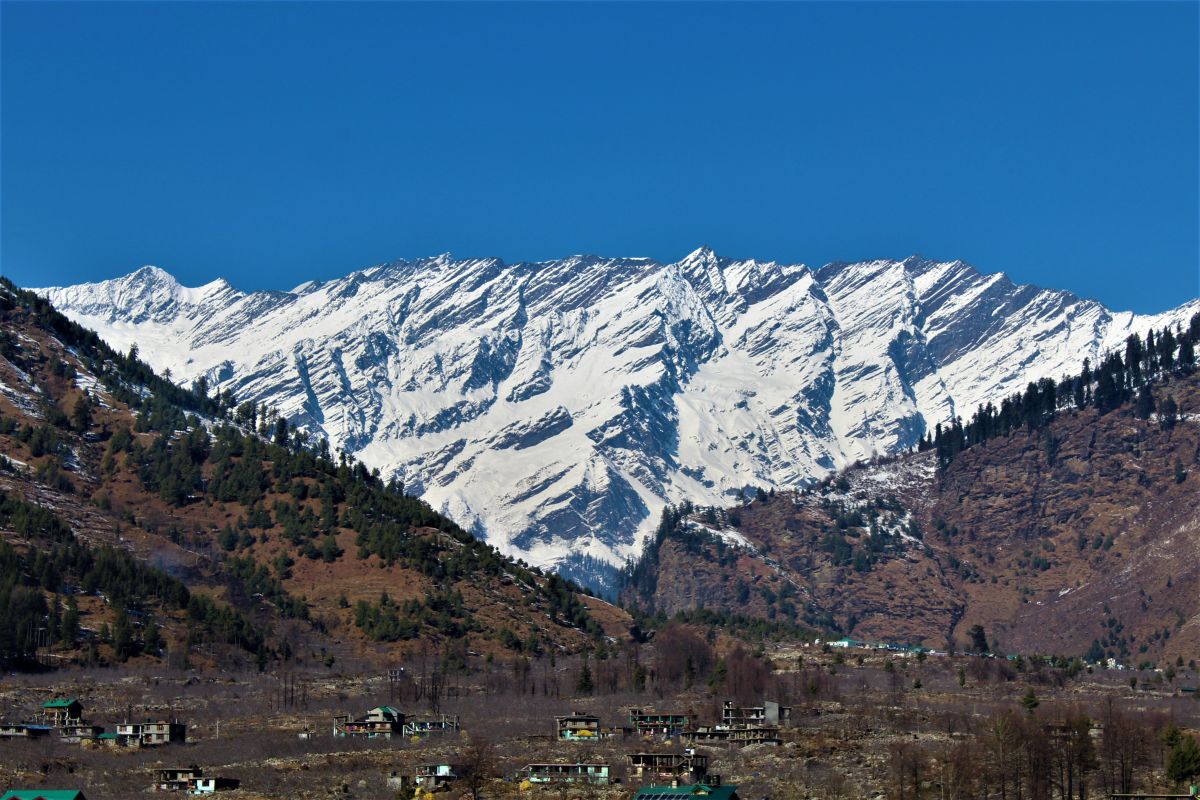
Panoramic view of snow-capped Himalayan mountain range above Kullu Valley near Manali in Himachal Pradesh

Here is a thought that surprises most people: June is arguably the best month to visit Manali. Not May, when the roads are still unpredictable. Not October, when half the town has packed up for winter. June, right in the thick of Indian summer, when the rest of the country is either melting or complaining about power cuts. That is when Manali quietly becomes one of the most beautiful places on earth.

The Beas River runs fat and loud with snowmelt. The pine forests above Old Manali glow a green so saturated it barely looks real. Rohtang Pass is open, the apple orchards are in full flush, and the temperature rarely climbs above 25°C. And because most people assume June is too hot, or too rainy, or too something. There is still a window before the full peak-season crowds of July descend. June is Manali’s open secret.

Whether you are planning a family summer trip, an adventure weekend, a romantic getaway, or a long overdue girls’ or boys’ trip. This guide covers everything you need to know: weather, things to do, how to get there, what to book in advance, and where to stay in a SaffronStays villa that actually feels like an escape rather than just another hotel room.

Table of Content

Why June Is the Best Time to Visit Manali

Most hill station travel advice operates on a simple logic: go before the crowds, go after the rains, go when the weather is perfect. Manali in June checks all three.

The temperature is ideal. Daytime highs sit between 15°C and 25°C in the town, dropping to a pleasant 8–12°C at night. After months of 40°C in Delhi, Mumbai, or Pune, that first breath of Kullu Valley air feels like a physical relief.

Rohtang Pass is open. The Border Roads Organisation typically clears the pass by late May or early June, making it accessible to tourists from June 1 onwards (weather permitting). This is the gateway to Lahaul and the wider Himalayan landscape, and it is only accessible for a few months each year.

The valley is at its greenest. Post-snowmelt, the Kullu Valley transforms into a wall of green. Wildflowers bloom across Solang and Beas Kund. The apple orchards around Naggar are in full leaf. And the Beas River, swollen with glacial melt, thunders alongside the highway in a way that genuinely impresses even seasoned Himalayan travellers.

It is still shoulder season. By mid-July, Manali becomes genuinely crowded, with traffic jams on the way to Rohtang, booked-out properties weeks in advance, inflated rates. June gives you the same landscapes with perhaps 40–50% fewer people, and rates that reflect that. For SaffronStays guests, this also means more flexibility on check-in times, meal customisation, and bonfire evenings without a queue.

LOCAL INSIGHT: Hotel occupancy in Manali reaches 80%+ by mid-July. June bookings, particularly for villa stays, should be secured at least 3–4 weeks in advance, but you will almost always find better rates and more caretaker attention than the peak-season rush.
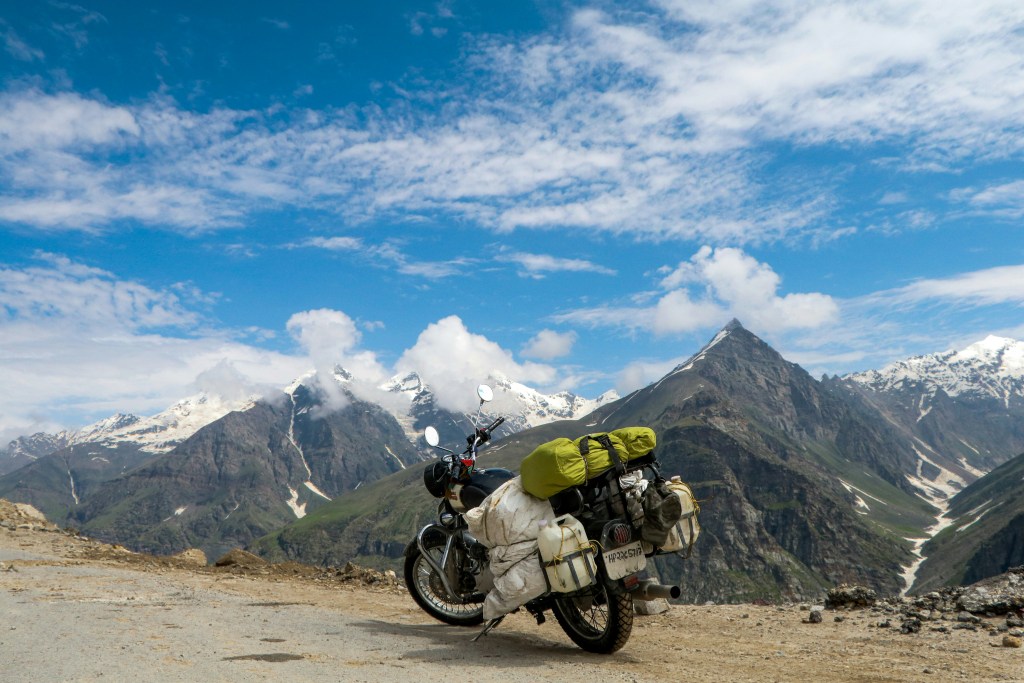
Loaded Royal Enfield motorcycle parked at Rohtang Pass near Manali with snow-capped Himalayan peaks and blue sky in the background

Manali in June: Weather & What to Expect

Understanding Manali’s June weather is not complicated, but it is worth being accurate about. The town sits at roughly 2,050 metres above sea level. Rohtang Pass, at 3,978 metres, operates in an entirely different climate on the same day.

ZoneAltitudeDay TempNight TempConditions
Manali Town / Mall Road2,050 m18–25°C10–14°CSunny, occasional afternoon showers
Old Manali / Vashisht2,100 m16–22°C9–12°CCool, forested, ideal for walks
Solang Valley2,480 m12–18°C5–8°CClear mornings, cloud builds by 2pm
Rohtang Pass3,978 m4–10°C0–5°CSnow patches, fog possible, permit required

A few practical weather notes for June specifically:

  • Pre-monsoon showers can arrive in late June, usually as short, sharp afternoon bursts. They clear quickly and rarely disrupt a full day’s plans.
  • Morning hours (6am–11am) are consistently clear and the best window for Rohtang Pass drives and high-altitude treks.
  • Pack a light fleece or jacket. Evenings at your villa will be cool enough to want one, especially at altitude.
  • Snowfall at Rohtang is possible in early June; by late June, snow is limited to patches at the highest points.

Things to do in Manali in June

June is Manali’s most activity-rich month. Rohtang is open, the rivers are high, the trails are clear, and the weather cooperates for most of the day. Here is how to spend your time well.

Rohtang Pass: The Drive Everyone Talks About

Fifty-one kilometres from Manali, Rohtang Pass sits at 3,978 metres above sea level and serves as the gateway to Lahaul and Spiti. In June, it has just reopened from winter closure, which means snow still dusts the higher ridges and the landscape feels almost impossibly dramatic.

Permit essential: All tourists require a permit, booked online at rohtangpermits.nic.in. Daily quotas apply: 800 petrol vehicles and 400 diesel vehicles. Book the night before your planned visit. Cost: ₹550.

Leave by 7am: Traffic builds rapidly. Early starters get clear roads, better light for photos, and more time at the pass before the afternoon clouds roll in.

Rohtang is closed on Tuesdays for road maintenance. Plan accordingly.
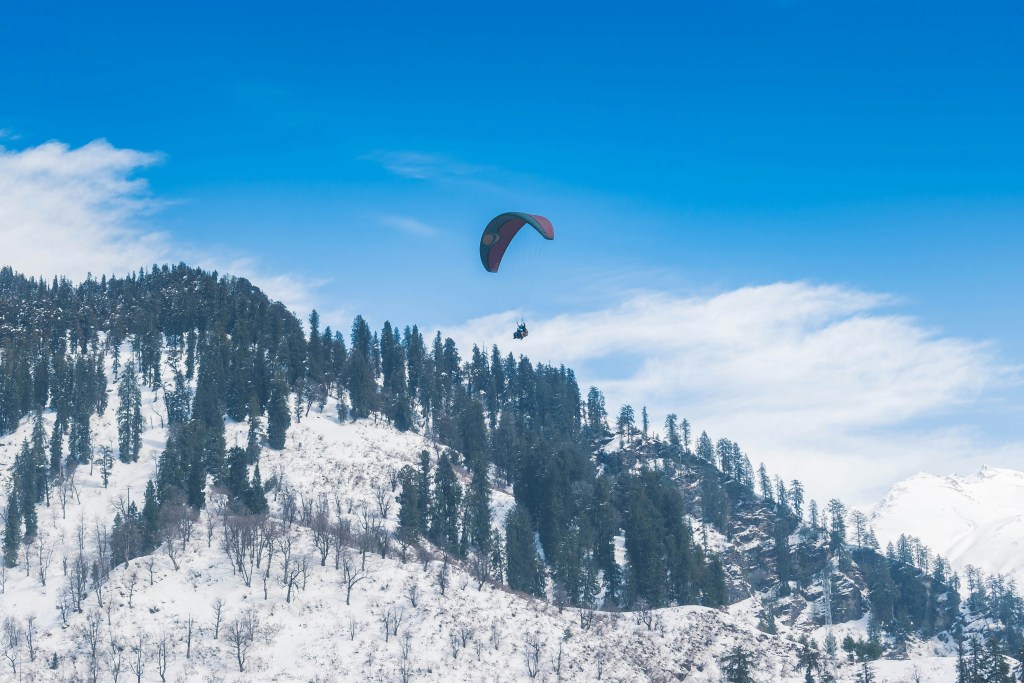
Tandem paraglider soaring over snow-covered Solang Valley near Manali in Himachal Pradesh against a clear blue sky

Solang Valley: Adventure Base Camp

Thirteen kilometres from Manali and sitting at 2,480 metres, Solang Valley is the adventure hub of the region. In June, with residual snow on the upper slopes and clear blue skies in the morning, it is at its most photogenic.

  • Paragliding: Tandem flights with experienced pilots. June offers excellent visibility and light winds. Approximately ₹1,000–3,000 depending on flight duration.
  • Zorbing: Rolling downhill in a transparent ball, chaotically good fun and completely safe. Great for kids.
  • ATV Rides: Quad bike trails through the valley floor. No licence required.
  • Beas Kund Trek: An 8km moderate trek from Solang to the glacial lake that is the source of the Beas River. One of the finest half-day hikes in Himachal Pradesh.
  • Ropeway: The gondola rises to Shitidhar peak at 2,960 metres, and worth it for the panoramic view alone.

Trekking: Best Trails for June

June is ideal for Manali’s classic treks. Snow has retreated from the mid-altitude trails, wildflowers are blooming, and the forest paths are dry underfoot.

TrekDistanceDifficultyDurationHighlight
Beas Kund16 km returnModerate1 dayGlacial lake, source of Beas River
Bhrigu Lake22 km returnModerate2 daysHigh-altitude lake at 4,300m, 360° Himalayan views
Hampta Pass35 kmModerate-Hard4–5 daysCrosses from Kullu Valley to Spiti; dramatic landscape shift
Chandrakhani Pass30 kmModerate3 daysPir Panjal views; enters Malana village
Sajla Waterfall Walk2 kmEasy1–2 hrsFamily-friendly forest walk; near SaffronStays villas

White Water Rafting on the Beas

Snowmelt in June means the Beas River is at its most powerful. Rafting stretches between Pirdi and Jhiri offer Grade II–III rapids, genuinely exciting without being reckless. Most operators run morning sessions. Cost: approximately ₹600–1,200 per person for a 14km stretch.

Group of tourists white water rafting on the Beas River near Manali in Himachal Pradesh with green forested riverbanks

Old Manali and Vashisht: The Slower Side

Not every hour of a Manali trip needs to be adrenaline-fuelled. Old Manali, a 20-minute walk from the main market, has a completely different character: narrow lanes, wooden guesthouses, cedar trees, and cafés with mountain views. It is the kind of place that invites a second coffee and a slow afternoon.

Vashisht village, just across the river, has natural hot springs, a welcome counter to the cold evenings, and the ancient Vashisht Mandir. The SaffronStays Amlyn villa is located here, minutes from both.

Hadimba Devi Temple

One of Manali’s most photographed landmarks, this 16th-century wooden pagoda sits inside a cedar forest and is dedicated to the goddess Hadimba. June’s clear mornings make for the best light, so arrive before 9am to beat the crowds and get the forest to yourself.
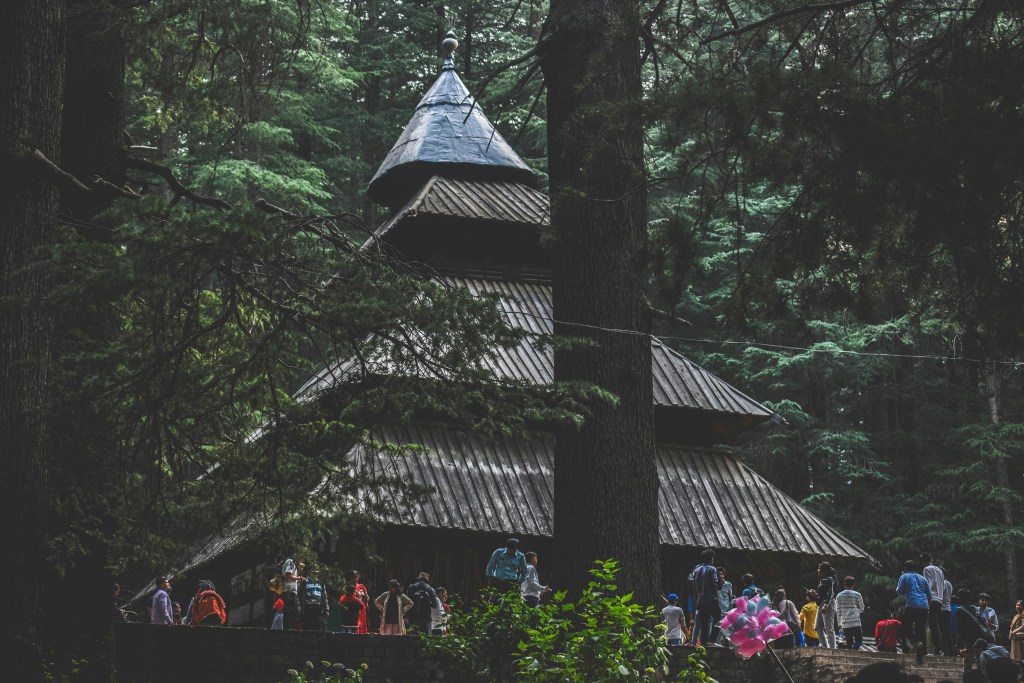
16th-century Hadimba Devi Temple pagoda surrounded by dense cedar forest in Manali, Himachal Pradesh

A 3-Day Manali Itinerary for June

This itinerary works for families, couples, and groups of friends. Adjust the activity intensity to match your group.

Day 1: Settle In, Slow Down, Acclimatise

  • Arrive in Manali by midday. Check into your SaffronStays villa, unpack, and let the altitude adjustment begin.
  • Afternoon: Walk through Old Manali. Browse the Tibetan market. Have chai at a café overlooking the valley. Resist the urge to overplan.
  • Late afternoon: Visit Hadimba Temple (30 minutes from most SaffronStays Manali properties). The cedar forest in the June afternoon light is genuinely lovely.
  • Evening: Bonfire at the villa (arrange with your SaffronStays caretaker). Pahadi dinner. The first night in Manali should feel like a proper arrival.

Day 2: Rohtang Pass & Solang Valley

  • 5:30am: Wake up. This is the most important early start of the trip.
  • 6am: Depart for Rohtang Pass. Your permit should be booked the previous evening (rohtangpermits.nic.in). The drive up is approximately 2 hours.
  • 8am–11am: Time at Rohtang. Snow activities, photos, the view into Lahaul. Do not rush: this is what the early alarm was for.
  • 12pm: Drive back, stop at Solang Valley for lunch and one activity (paragliding or zorbing recommended).
  • 3pm: Return to Manali. Hot shower, rest, Vashisht hot springs if legs permit.
  • Evening: Dinner in town or in-villa meal. Ask your caretaker to arrange local Himachali food. The Siddu (stuffed bread with ghee) at Monarch Manor is worth knowing about.

Day 3: Trekking or River Day

  • Option A (Active): Half-day Beas Kund trek from Solang. Start at 7am, return by 1pm. Wildflower season is at its peak in June.
  • Option B (Moderate): White water rafting on the Beas (morning session), followed by a visit to the Roerich Art Gallery in Naggar village, a beautiful 45-minute drive through the valley.
  • Option C (Families with younger children): Apple orchard walk near Naggar (SaffronStays Kesar Villa is set inside one), Naggar Castle visit, riverside picnic.
  • Afternoon: Mall Road shopping for Himachali shawls, local honey, and walnut products.
  • Evening: Pack up. If driving back overnight, depart by 7pm for Delhi.
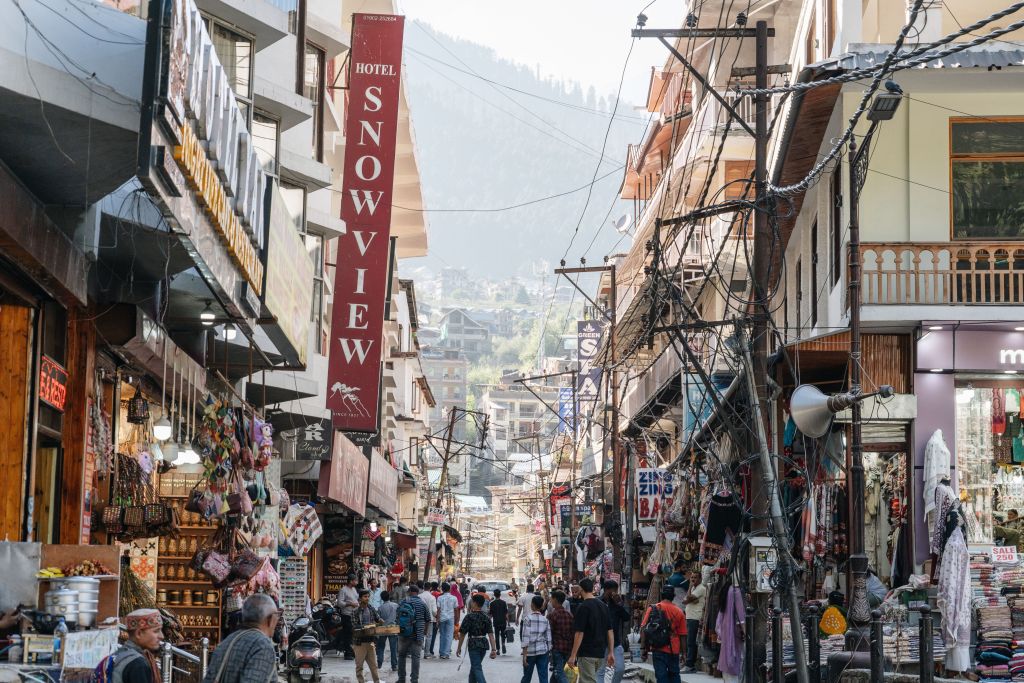
Mall Road Busy market street in Manali town with local shops, Tibetan handicrafts and pine-forested hills in the background

Getting There: How to Reach Manali in June

RouteFromDurationNotes
By Road (Drive / Taxi)Delhi12–14 hrsNH3 via Chandigarh → Mandi. Leave at 5am or take overnight. Book AC taxi ₹8,000–12,000 one way.
By Volvo BusDelhi (ISBT)12–15 hrsHRTC and private operators. Overnight buses depart 5–8pm. Comfortable, cost-effective (₹1,200–1,800).
By Flight + TaxiAny major city3–4 hrs totalFly to Bhuntar (Kullu-Manali Airport, 50km). Taxi ~₹2,500. Flights are limited and weather-sensitive.
By Train + TaxiAny major city14–18 hrsTrain to Chandigarh or Kalka. Taxi to Manali (₹7,000–8,000, 6–7 hrs).
SAFFRONSTAYS TIPS: In June, road conditions are generally excellent. The Atal Tunnel (opened 2020) has transformed travel times: it bypasses Rohtang entirely, cutting 1.5–2 hours off the Manali-Lahaul journey and making the route usable year-round. For guests driving from Delhi, the Manali-bound NH3 is well-maintained through summer. Do check for any IMD weather alerts before departure.

Where to Stay: SaffronStays Villas in Manali

There is a version of a Manali trip that most people have had: a hotel corridor, a front desk that does not quite remember your name, a breakfast buffet shared with forty strangers, and walls thin enough to hear the family next door debating what to order for dinner. A SaffronStays villa in Manali is the opposite of all of that.

When you stay in a private villa, the space is entirely yours. No shared lobbies, no queues for the hot water, no negotiating with hotel staff about whether you can have a bonfire. Your caretaker is on-site, knows your name, and has already arranged the firewood. The kitchen can prepare Pahadi meals to order: a proper Siddu with ghee and walnut chutney, a pot of local rajma, chai on the veranda whenever you want it. There is no fixed breakfast slot, no checkout pressure, no sense that you are one room among many. The villa operates around your trip, not the other way around.

In the mountains specifically, this matters more than anywhere else. After a long day at Rohtang Pass or a morning rafting on the Beas, returning to a private living room with a fireplace, a garden with Himalayan views, and a caretaker who has already figured out dinner is a categorically different experience to a hotel room. The evenings in Manali in June are cool enough to sit outside with a blanket and watch the sky go dark over the ranges. That is not something a hotel can give you. A villa can.
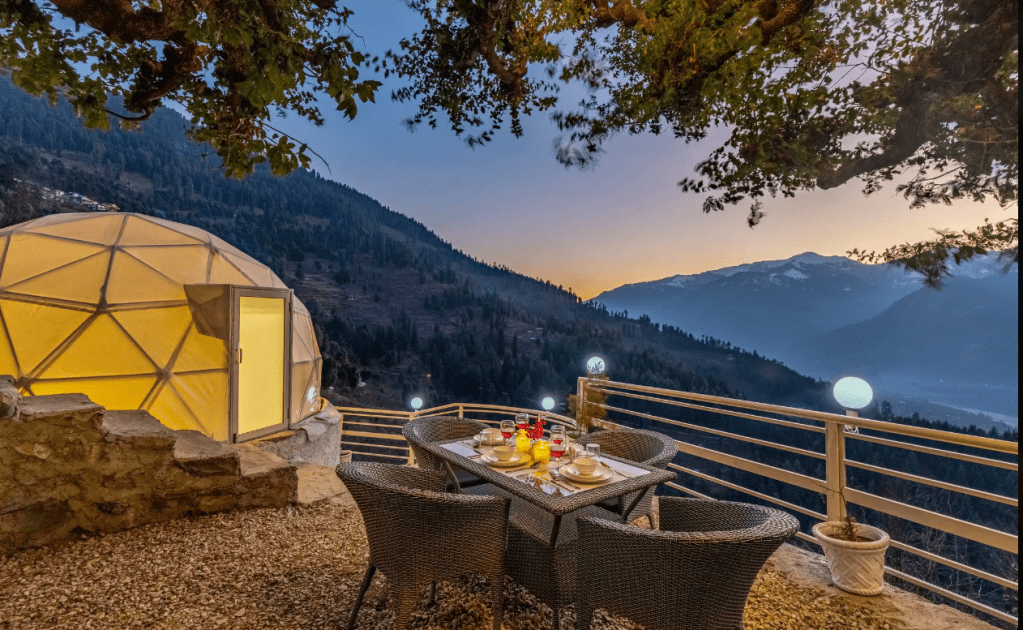
SaffronStays Interstellar in Manali. Private outdoor dining terrace with geodesic dome and panoramic Himalayan valley view at a SaffronStays villa in Manali

What to Sort Before You Go

Book 3–4 Weeks in Advance

June is not peak season but it is busy enough that the best SaffronStays villas fill up 3–4 weeks out. Villa stays in popular hill station destinations move faster than people expect, especially for groups and families travelling over weekends. Do not leave it to the last moment.

Rohtang Pass Permit

Book online at rohtangpermits.nic.in the evening before. 800 petrol and 400 diesel vehicle slots per day. Cost: ₹550. Closed every Tuesday.

What to Pack

  • Light fleece or zip-up jacket (essential for evenings and high altitude)
  • Waterproof layer (afternoon showers in late June are short but real)
  • Trekking shoes if you plan to hike (trail runners work for Beas Kund)
  • Sunscreen SPF 50+. UV intensity at altitude is much higher than at sea level
  • Warm socks and a thermal layer for the Rohtang Pass drive
  • Cash: ATMs at higher altitudes can be unreliable. Carry ₹10,000 in notes

Altitude Note

Manali town sits at 2,050 metres, so most healthy adults acclimatise in a few hours. Rohtang at 3,978 metres is a different matter. If you or anyone in your group has a history of altitude sickness, take it easy on Day 1 and consider carrying Diamox (consult a doctor before travel). Symptoms to watch for: headache, nausea, breathlessness at rest.
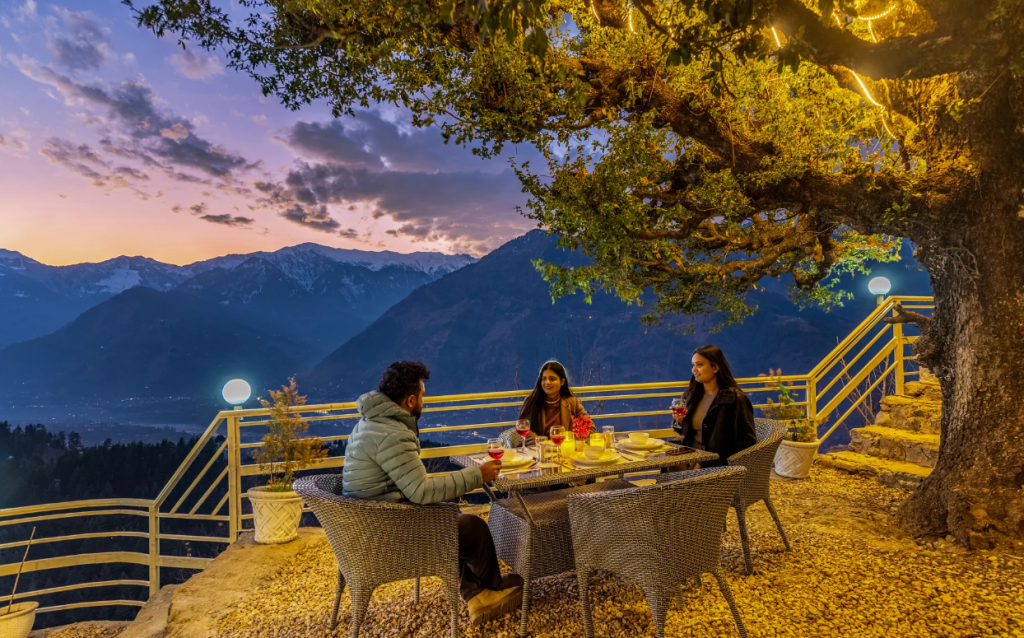
Guests enjoying an outdoor dinner under a tree at a SaffronStays Interstellar in Manali with snow-capped Himalayan peaks at sunset.

FAQs: Manali in June

Is Manali good to visit in June?

Yes. June is one of the best months to visit Manali. Temperatures range from 10–25°C, Rohtang Pass is open, the valley is at its greenest, and it is still shoulder season before the full July–August rush. For families travelling during school summer holidays, early June offers the best combination of good weather and manageable crowds.

Is there snow in Manali in June?

Snow remains at higher elevations in June, particularly at Rohtang Pass (3,978m) and Solang Valley. In Manali town itself (2,050m), there is no snow. Early June typically has more snow at altitude; by late June it is reduced to patches at the highest points.

Is Rohtang Pass open in June?

Yes. The BRO (Border Roads Organisation) typically opens Rohtang Pass in late May or early June. In 2026, the pass was open from June 1. Tourists require an online permit (rohtangpermits.nic.in, ₹550). The pass is closed every Tuesday for maintenance. Weather can cause temporary closures, so always check the day before you plan to go.

How many days in Manali are enough in June?

Three full days is the ideal minimum for a June visit. Day 1 for settling in and exploring the town, Day 2 for Rohtang Pass and Solang Valley, and Day 3 for trekking or the Kullu Valley. Five days gives you space to do all of this without rushing, plus a day trip to Naggar.

Is Manali safe for families in June?

Manali is a well-established, family-friendly destination and very safe in June. Road conditions are good, the town is calm, and altitude is manageable at 2,050 metres. For families with young children, stick to Manali town and Solang Valley on Day 2 rather than the Rohtang Pass drive, which can be strenuous for small children.

What is the best SaffronStays property in Manali for a family group?

For families and groups, Monarch Manor on Old Manali Road is the best choice: it sleeps up to 14 guests across 6 rooms, serves Pahadi meals on-site, and has the character of a genuine Himalayan heritage home rather than a serviced apartment. For smaller families or couples wanting a river view, The Amlyn in Vashisht is the pick.
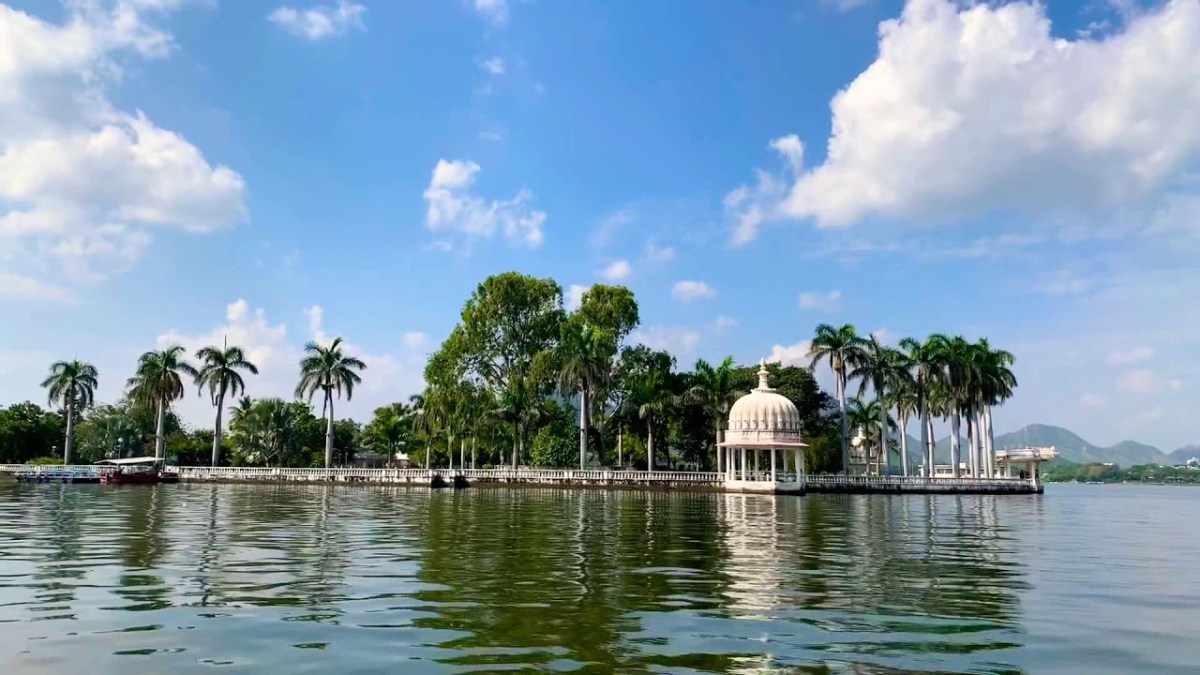
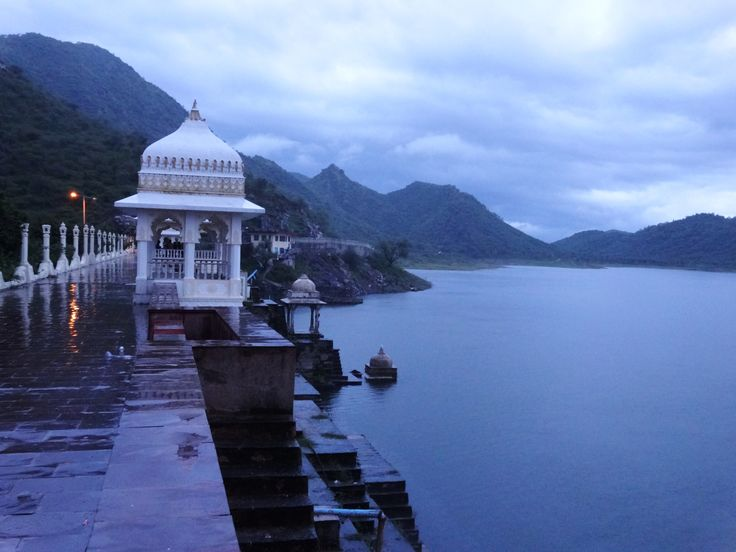
Udaipur in Monsoon: Why the City of Lakes Feels Completely Different in the Rains

udaipur

Most travellers plan Udaipur for winter. Clear skies, palace views, and predictable sunsets make it an easy choice.

But those who have experienced Udaipur in monsoon will tell you something different.

The city does not just look different in the rains. It feels different. Slower, quieter, and far more atmospheric. The lakes fill up, the Aravalli hills turn green, and the air carries a kind of stillness that is difficult to find during peak season.

If you are wondering if Udaipur is worth visiting in monsoon, the answer is yes, but only if you are willing to experience it differently.

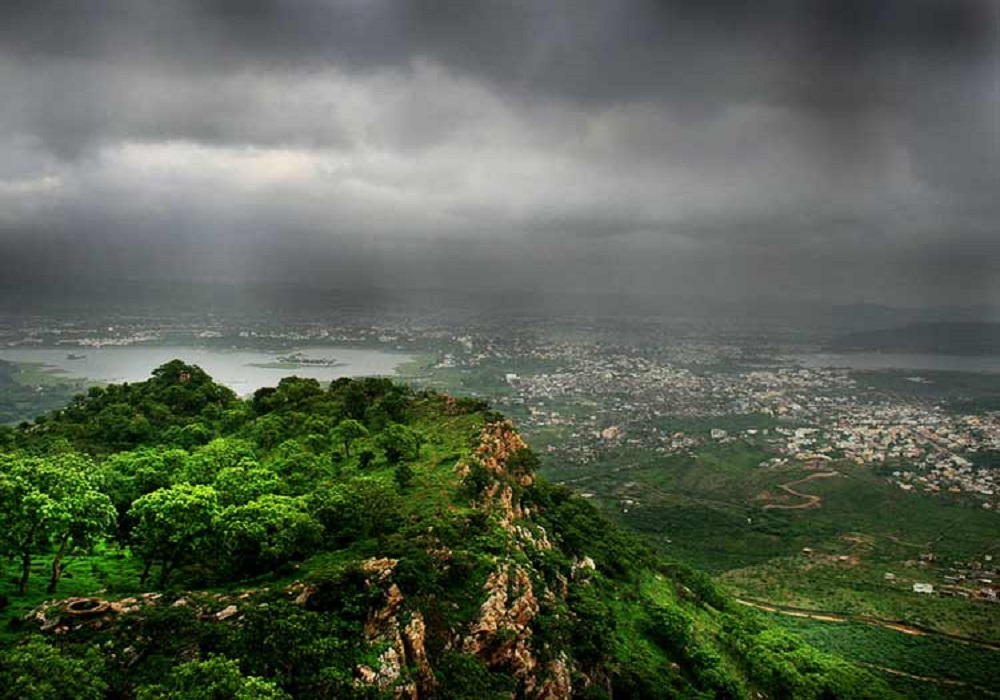
View of Badi Lake

What Udaipur in Monsoon Really Feels Like

The transformation begins with the landscape.

The usually muted tones of Rajasthan give way to deep greens. The Udaipur lakes in monsoon like Pichola, Fateh Sagar, and Badi begin to look fuller and more reflective. The hills soften under layers of mist, and the light shifts into something gentler and more diffused.

Even the rhythm of the city changes.

There is less urgency, fewer crowds, and more pauses. You step out when the sky clears, stop when the rain arrives, and allow the day to unfold instead of controlling it.

This is why the Udaipur monsoon travel experience stays with people longer. It is not about covering more, but about experiencing differently.

Is Udaipur Good in Monsoon? What You Should Know

Udaipur in monsoon is not about perfect conditions. It is about a different kind of travel.

Is Udaipur worth visiting in monsoon?
Yes. Udaipur is worth visiting in monsoon if you enjoy green landscapes, fuller lakes, fewer crowds, and a slower pace of travel. It is less suited for travellers who want to cover every attraction quickly.

How is Udaipur in the rainy season?
The city becomes quieter and more scenic, but plans need to stay flexible. Rain comes in intervals, not all day, which allows you to explore in phases.

This is what makes the monsoon in Udaipur feel less like a checklist and more like a lived experience.

View from the City Palace

What to Do and How to Experience It Right

The list of things to do in Udaipur in monsoon does not change dramatically, but your approach should.

The City Palace remains essential, but mornings work best before crowds gather between dry spells. A boat ride on Lake Pichola feels more immersive under overcast skies, especially when the water reflects the shifting light.

The Sajjangarh Monsoon Palace is at its best during this season. The drive through mist-covered hills often becomes more memorable than the destination itself.

But beyond these well-known places to visit in Udaipur in monsoon, the real moments are unplanned.

A long lunch overlooking the lake. A café break that stretches longer than expected. An evening where the rain quietly decides your pace.

Udaipur Monsoon Planning Guide

A good Udaipur monsoon travel guide is not about adding more places. It is about planning better.

The season typically runs from July to September. If you are travelling during Udaipur in July or August, expect intermittent showers rather than continuous rain.

Mornings are usually clearer, making them ideal for sightseeing. Afternoons and evenings slow down naturally, which is when you lean into cafés, indoor spaces, or simply pause.

A few small decisions make a big difference:

  • Start early and keep afternoons flexible
  • Avoid overpacking your itinerary
  • Choose footwear that handles wet surfaces
  • Book key experiences like boat rides in advance during peak weekends

These are not major adjustments, but they change how smoothly your trip unfolds.

SaffronStays Shreevats

When the Rain Slows You Down, the City Changes and So Should Your Stay

One of the most defining shifts during Udaipur in monsoon is not what you see, but how you move.

You step out with a plan, pause when the rain arrives, and find yourself returning earlier than expected. Afternoons stretch. Evenings lengthen. The city quietly asks you to slow down.

And without realising it, you begin to spend more time at your stay than you planned.

This is where most trips either fall flat or become unforgettable.

Because in monsoon, your stay is no longer just where you sleep. It becomes where your experience continues.

This is exactly why villas in Udaipur in monsoon have become increasingly preferred. A private villa in Udaipur gives you something the season demands but most hotels are not designed for. Space to pause without feeling confined.

You are not waiting out the rain in a room. You are watching it arrive from a terrace. You are sitting through it in an open living space. You are letting the day unfold instead of forcing it forward.

In a luxury villa in Udaipur, especially one set against the Aravalli hills or within the old city, the rain becomes part of the experience itself. The landscape shifts around you, the light softens, and the city feels closer and more personal.

And then there is the quiet shift in how you eat.

You no longer plan every meal outside. You linger. You prefer warmth and familiarity. This is where the presence of an in-house chef changes the rhythm entirely. Meals arrive when you are ready, not when you need to step out. A slow lunch stretches into an afternoon. Dinner becomes something you settle into rather than rush through.

It is a quieter kind of luxury. But in the monsoon, it is the one that stays with you.

SaffronStays Villa Rohi

When Udaipur Stops Performing

Most people visit Udaipur for what they have already seen. Clear skies, postcard views, and a city that behaves exactly as expected.

But Udaipur in monsoon is not built for predictability.

It is built for travellers who do not mind when plans shift. Who understands that a delayed afternoon can lead to a better evening. Who are willing to trade perfect weather for something more immersive.

Because somewhere between the first drizzle on Lake Pichola and the mist rolling over the Aravallis, the city stops performing and starts revealing itself.

And if you let it, you stop travelling through Udaipur. You start living in it.

The 11th Hour Guide to the May 1st Long Weekend: Villas Near Mumbai Still Accepting Bookings for Labour Day

01 MAY long weekend

You just realised May 1 is a Friday.

A rare three-day long weekend is here, and you haven’t booked anything.

Many popular stays get reserved early, but there’s still a smart last-minute option — villas near Mumbai still accepting bookings for the May 1 Labour Day long weekend.

Private pools. Open lawns. Mountain views. Beach sunsets. No fixed schedules. Just your people, your pace, and a stay that actually feels like a break.

If you’re searching now, you’re not late. You’re right on time.

SaffronStays Atmos, Nandgaon

Why This Weekend Is Perfect for a Quick Escape

With May 1 falling on a Friday, you get an easy three-day break without taking extra leave.

It also arrives in one of the best short-trip windows of the year — before the monsoon, with clearer skies, open roads, and warm weather made better by poolside stays.

Even better, new travel upgrades make popular getaways easier to reach:

Sometimes, the best part of a holiday is getting there faster.

Leave Smart: When to Travel from Mumbai

If you want a peaceful start to the weekend, timing matters more than distance.

Thursday evening departures are ideal. If not, Friday before sunrise is your best move.

By 9 AM, roads to Lonavala and Alibaug begin filling. By noon, traffic builds up.

The people who leave early are usually the same people already in the pool by lunch.

Karjat & Khopoli – Best Villas Near Mumbai for Value

Karjat is what smart travellers book when everyone else is busy searching other places. Khopoli is the nearby option many overlook.

Both are closer for Mumbai travellers, greener, calmer, and often offer more space for the same budget. Spacious villas, mountain views, and private lawns make them ideal for groups, reunions, or spontaneous getaways.

Karjat brings countryside charm, while Khopoli offers quick access via the Mumbai–Pune route. With the Missing Link Project, travel here becomes even easier.

How to Reach Karjat & Khopoli from Mumbai

  • By Car: 1.5 to 2 hours depending on route and traffic
  • By Train: Direct rail connectivity to Karjat and Khopoli routes
  • Best Route: Mumbai–Pune Expressway corridor

Search for group villas near Karjat, villas in Khopoli, pet friendly villas near Mumbai, or pool villas near Mumbai.

SaffronStays The Private League, Karjat

Alibaug – Best Beach Villas Near Mumbai

Every group has one person who says, “Can we go somewhere coastal?”

Alibaug is usually the answer.

Sea breeze, seafood lunches, sunset drives, and spacious villas make it one of the most popular beach escapes from Mumbai.

With Atal Setu and M2M Ferry, Alibaug is now faster and easier to reach.

How to Reach Alibaug from Mumbai

  • By Car: 2 to 3 hours
  • By Ferry: Mumbai to Mandwa route
  • By Road: Via Atal Setu

Search for villas in Alibaug for family trips, beach villas near Mumbai, or luxury villas in Alibaug.

SaffronStays Summer Breeze, Alibaug

Lonavala & Pawna – Scenic Villas for the Perfect Weekend

Lonavala and Pawna give you the best of both worlds — hills and lake views.

From hill-view villas in Lonavala to lake-facing stays near Pawna, this region is perfect for scenic drives, bonfires, pool time, and relaxed group weekends close to Mumbai.

With the Missing Link Project, getting here becomes even more convenient.

How to Reach Lonavala & Pawna from Mumbai

  • By Car: 2 to 2.5 hours for Lonavala, 2.5 to 3 hours for Pawna via Lonavala route
  • By Train: Frequent trains to Lonavala, followed by a short drive to Pawna
  • Best Route: Mumbai–Pune Expressway

Search for private pool villas in Lonavala, lake view villas near Pawna, group villas near Lonavala, or weekend villas near Mumbai.

SaffronStays HeavOne (Penta), Lonavala

Wada & Palghar – Villas Near Mumbai for Space and Privacy

If your ideal weekend means fewer crowds and more space, Wada and Palghar are smart choices.

These destinations are known for large villas, greenery, private pools, and peaceful surroundings, ideal for birthdays, reunions, or family getaways.

How to Reach Wada & Palghar from Mumbai

  • By Car: 2 to 2.5 hours depending on your starting point and route
  • By Train: Western Railway route for Palghar, followed by local road transfers if needed
  • Best For: Quick weekend getaways with more privacy and space

Search for villas in Wada, pool villas in Palghar, group villas near Mumbai, or private villas near Mumbai.

SaffronStays Laburnum House, Wada

Igatpuri & Nashik – Luxury Villas with Nature Views

For travellers who want peace, cooler weather, and slower mornings, Igatpuri and Nashik are strong choices.

Igatpuri offers hills, misty mornings, and quiet villas tucked into nature. Nashik adds vineyards, scenic drives, and a relaxed luxury vibe.

With the Samruddhi Mahamarg, travel here has become faster and smoother.

How to Reach Igatpuri & Nashik from Mumbai

  • By Car: 2.5 to 3 hours for Igatpuri, 3 to 4 hours for Nashik
  • By Train: Direct rail connectivity to both destinations
  • Best Route: Mumbai–Nashik highway / Samruddhi Mahamarg corridor

Search for luxury villas in Igatpuri, villas in Nashik, nature villas near Mumbai, or weekend staycation Maharashtra.

SaffronStays Zeel by the Lake, Igatpuri

Konkan Getaways – For Travellers Who Want the Long Weekend to Feel Longer

If beaches, seafood lunches, temple mornings, and scenic coastal roads sound like your kind of break, the Konkan coast deserves your attention.

Ratnagiri, Ganpatipule, Dapoli, and Sindhudurg offer something city escapes rarely do — slower days, quieter beaches, fresher food, and the feeling that time moves differently here.

Mango season adds another reason to go. So does the journey. With Vande Bharat trains, Konkan Railway routes, and improved road connectivity, reaching the coast is easier than before.

How to Reach Konkan Destinations from Mumbai

  • Ratnagiri: Train via Konkan Railway / road via NH66
  • Ganpatipule: Ratnagiri by train, then short drive
  • Dapoli: 5–6 hour road trip from Mumbai
  • Sindhudurg: Train, road, or nearby airport access

Search for villas in Ratnagiri, Ganpatipule beach villas, Dapoli villas near beach, luxury stays in Sindhudurg, or Konkan villas Maharashtra.

SaffronStays Nautica, Dapoli

Why Villas Near Mumbai Are a Smarter Choice for Long Weekends

Long weekends can quickly expose weak bookings — delayed check-ins, unclear access, outdated photos, poor upkeep, or no support when something goes wrong.

That’s why many travellers prefer villas near Mumbai during busy dates. They offer privacy, spacious common areas, flexible schedules, and a smoother stay experience, especially for families and groups.

With better housekeeping, reliable assistance, and well-maintained spaces, the right villa can turn a rushed trip into a seamless getaway.

This is where SaffronStays villas near Mumbai become worth exploring.

Look for luxury villas near Mumbai, private pool villas in Lonavala, weekend villas in Maharashtra, beach villas in Alibaug, or family villas near Mumbai.

Quick FAQs Before You Book

Is it too late to book for the May 1 weekend?

No. Many premium villas release cancellations closer to date.

Is May weather too hot?

Warm afternoons, but ideal for pool villas and outdoor evenings.

What’s the best 2-night trip from Mumbai?

Karjat, Lonavala, Alibaug.

Best longer trip?

Ratnagiri, Dapoli, Ganpatipule, Sindhudurg.

Best time to leave Mumbai?

Thursday evening or Friday before 6 AM.

Are villas better for groups?

They usually offer more privacy, space, and better value per person.

The Best Long Weekends Are Rarely Overplanned

Sometimes the best trips begin late.

One message. One booking. One road trip.

And by Sunday night, you’re wondering why you don’t do this more often.If the May 1 long weekend is still open on your calendar, browse SaffronStays luxury villas near Mumbai, pick your destination, and leave before the city remembers it wants a holiday too.

Mumbai-Pune Expressway’s Missing Link Is Opening — Here’s Why Your Lonavala Staycation Just Got Better

For the first time in over two decades, the most dreaded stretch of road in Maharashtra is about to disappear. What takes its place will change how Mumbai and Pune think about the weekend.

It was 11 PM on a Sunday in February 2026 when a gas tanker overturned near the Adoshi tunnel and brought one of India’s busiest expressways to a complete standstill. For 32 hours, thousands of cars sat trapped on the Mumbai-Pune Expressway in the dark. Families with children. People with early Monday meetings. Travellers trying to make it back from a Lonavala weekend. Social media filled with footage of people standing outside their cars on the expressway, cooking instant noodles on portable stoves, waiting.

That incident was not a freak accident. It was the inevitable result of a flaw that engineers had flagged as far back as 1995 – a chronic bottleneck in the Khandala ghat section where two major highways merge into one narrow mountain corridor, turning ten lanes of traffic into six, through hairpin bends, at steep gradients, during rain and landslides. Every monsoon, every long weekend, every Diwali, this 19.8-kilometre stretch between the Khopoli exit and the Sinhgad Institute junction has extracted hours from the lives of every single person who wanted to go to Lonavala, Khandala, or Pune.

That stretch is finally being fixed. The Mumbai-Pune Expressway Missing Link – a ₹6,695 crore infrastructure project by the Maharashtra State Road Development Corporation (MSRDC) is 99% complete as of April 2026 and is targeted to partially open on May 1, 2026 (Maharashtra Day). And for anyone who uses the Mumbai-Pune corridor to reach a weekend destination, the implications are enormous.

What exactly is the Missing Link project?

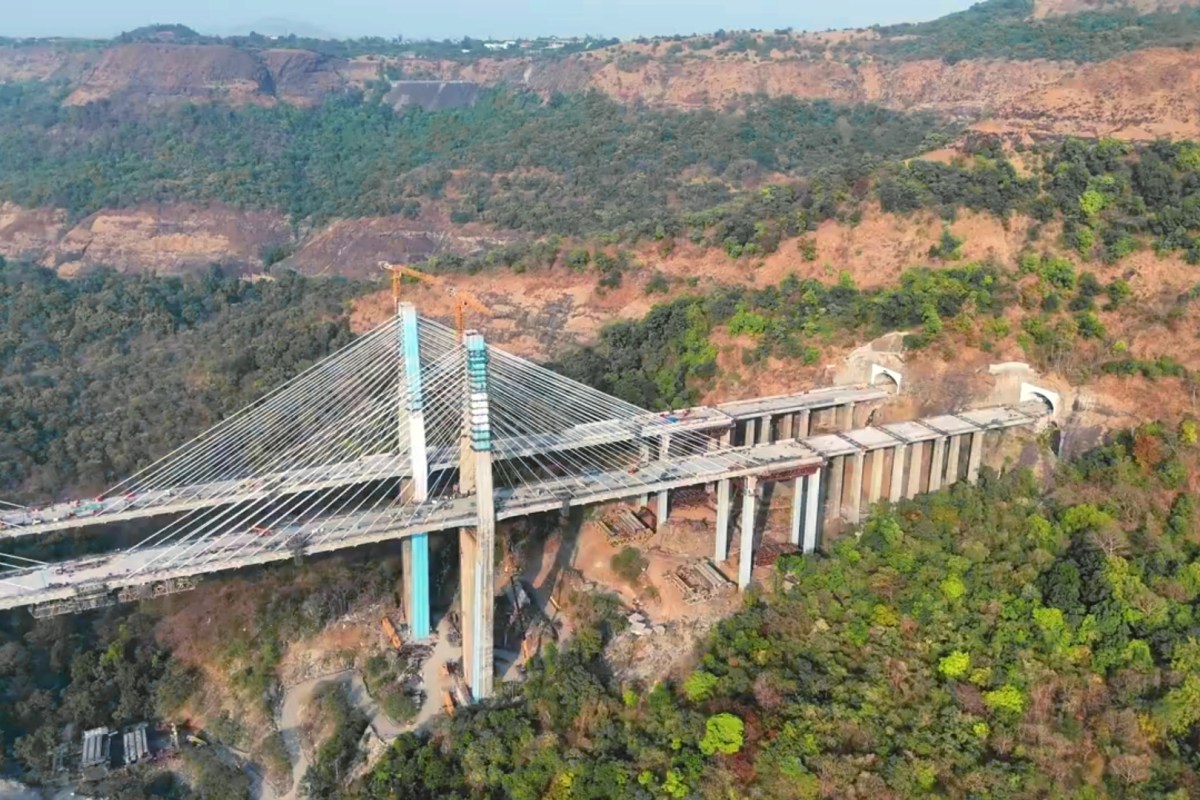
The Missing Link is a 13.3-kilometre, 8-lane, access-controlled highway corridor built by MSRDC to bypass the Khandala ghat section of the existing expressway. It connects the Khopoli exit to Kusgaon running through the Sahyadri hills via twin tunnels, elevated viaducts, and a cable-stayed bridge instead of winding over them through the current ghat route.

The project has been in construction since March 2019 and represents one of the most technically complex road engineering undertakings India has attempted. The core infrastructure includes two twin tunnels (1.75 km and 8.92 km – the latter being India’s longest road tunnel), two cable-stayed bridges spanning Tiger Valley and the Khandala gorge, and the widening of the existing expressway from six to eight lanes between Khalapur Toll Plaza and the Khopoli exit.

Once open, the new alignment reduces the problem stretch from 19.8 km to 13.3 km cutting overall distance between Mumbai and Pune by approximately 6 km and allows vehicles to travel at speeds up to 120 kmph, versus the 60–80 kmph crawl that currently defines the ghat.

Comparison of current and proposed travel routes between Mumbai and Pune, highlighting improvements in distance, speed, and safety.

The project is not a new expressway, it is a replacement for the single worst stretch of the existing one. Everything else about your route to Pune, Lonavala, or beyond stays the same. What changes is that the section most likely to trap you for two hours on a Sunday evening no longer exists as a bottleneck.

Graphic displaying key transportation metrics: 30 minutes saved per journey, 6 km distance reduced, 120 km/h maximum speed, and 70% of vehicles expected to shift on day one.

How much time does it actually save and why does it matter for a weekend trip?

The official figure is 25 to 30 minutes saved on the Mumbai-Pune journey. In isolation, that sounds modest. In context, it is transformative.

The existing ghat section does not merely cost you 30 minutes of travel time. It costs you the confidence to make the trip at all. Ask anyone who has attempted a Sunday evening return from Lonavala during peak monsoon season. The uncertainty of will the ghat be clear? Will there be a rockfall? Has a truck broken down at the hairpin? shapes decisions about whether to travel in the first place. People book shorter stays to avoid Sunday evening traffic. They leave Lonavala at 3 PM instead of 6 PM to beat the queue. They cancel plans entirely when the weather forecast looks bad.

What the Missing Link restores is not just time, it is predictability. The new alignment runs entirely through tunnels and on elevated viaducts, which means landslides cannot close it. The tunnel grade is near-flat, which means heavy vehicles do not slow to a crawl and cause rear-pile-ups. Traffic police estimate that approximately 70% of expressway vehicles, primarily cars and passenger vans will shift to the new alignment from Day 1, relieving the existing ghat simultaneously.

Text information about travel times from Mumbai and Pune to Lonavala, highlighting accessibility for weekend trips.

For the monsoon season specifically which is, counterintuitively, the most popular time to visit Lonavala, the impact is greatest. The Western Ghats become a different world between June and September: waterfalls appear on every ridge, Bhushi Dam overflows, and the valley turns a shade of green that photographs cannot fully capture. But monsoon is also when the ghat section historically becomes most dangerous, and often closes. The new tunnel alignment means the expressway’s access to Lonavala is no longer a single point of failure in heavy rain.

The destinations that benefit most and why now is the time to book

The Missing Link terminates at Kusgaon, right at the Lonavala exit. That geography is not incidental — it makes the entire cluster of Western Ghats destinations along this corridor meaningfully more accessible from both Mumbai and Pune. Here are the four destinations that see the most immediate benefit.

Overview of Lonavala highlighting its attractions such as Bhushi Dam, Tiger's Leap, and monsoon beauty.
Pawna Lake description featuring serene waters, stargazing opportunities, and ideal for couples seeking seclusion.

The most popular hill station getaway in Maharashtra just became reliably accessible for a Friday evening arrival and a Sunday evening return without the existential dread.

Your new weekend formula: how to plan the perfect SaffronStays getaway now that the ghat isn’t in the way

The opening of the Missing Link does not just change how fast you get to Lonavala; it changes when you go, how long you stay, and how much you enjoy the return journey. Here is the new calculus for planning a SaffronStays weekend in the Sahyadris.

Arrive Friday evening, not Saturday morning

Under the old ghat conditions, a Friday evening departure from Mumbai was a coin toss. You might arrive at 9 PM, you might arrive at midnight. Most people played it safe and drove Saturday morning, losing half their weekend. With the Missing Link, a Friday evening departure from Bandra at 7 PM becomes a predictable 9 PM arrival in Lonavala. That is an extra 14–16 hours of weekend, and it is a significant shift in how private villa stays work. A Saturday morning arrival meant you were already paying for Friday night without using it. No longer.

Extend your monsoon stay with confidence

Historically, the advice for monsoon Lonavala weekends was to leave by Sunday afternoon at 3 PM to beat the ghat backlog. The Missing Link’s weather-independent tunnel alignment changes this entirely. A Sunday evening departure at 6 PM after a long lunch, a last walk to the waterfall, and a leisurely checkout is now a genuine option. For SaffronStays guests, that means a full two-night stay actually delivers two full days, not one and a half.

With our curated villas across Lonavala and Khandala, SaffronStays has a property for every traveller profile.

The engineering marvel behind the drive: what MSRDC actually built

For travellers who appreciate knowing what is beneath and around them, the Missing Link is not just convenient infrastructure, it is a genuinely extraordinary piece of engineering. Here are the numbers that tell that story.

Infographic highlighting key statistics about a significant infrastructure project in India, including a tunnel length of 8.9 km, a tunnel width of 23.3 m, the height of a cable-stayed bridge at 182 m, and the total project cost of ₹6,695 crores.

The 8.9 km tunnel was constructed using controlled blasting through the Sahyadri rock, beneath an active lake. The cable-stayed bridge over Tiger Valley with its twin pylons rising 182 metres from the valley floor was built in wind conditions that regularly exceeded 180 kmph at the construction site. These were not planning-room numbers; engineers designing the bridge had to account for cyclonic-level gusts in a valley that acts as a natural wind funnel. The fact that the structure was completed is a genuine engineering achievement, and when you drive across it, you will be crossing one of the tallest road bridges in India.

Text discussing safety improvements for the Mumbai-Pune Expressway, focusing on the Missing Link and its features for reducing accidents.

Practical guide: what you need to know before you drive the Missing Link

Here are the key details for travellers planning their first trip on the new alignment.

When does the Missing Link open?

MSRDC has confirmed May 1, 2026 – Maharashtra Day as the targeted partial inauguration date. As of early April 2026, 99% of civil work is complete and load testing on the cable-stayed bridge is underway. Only light motor vehicles (cars, SUVs, passenger vans) will be permitted initially. Heavy vehicles will be phased in once safety certifications are complete.

How do I access the Missing Link? Where does it start and end?

The Missing Link starts at the Khopoli exit on the Mumbai-Pune Expressway and terminates at Kusgaon, near Lonavala. If you are driving from Mumbai, you will enter the new alignment shortly after the Khopoli exit the signage will direct you. If heading to Lonavala or Khandala, you exit at Kusgaon, which puts you right at the Lonavala entry point.

Is a FASTag required? Will there be separate tolls?

Yes, FASTag is required across the Mumbai-Pune Expressway. The toll structure for the Missing Link section has not been officially confirmed at time of publishing. Check the MSRDC website or the expressway toll authority for updates before your journey. The existing toll plazas on the expressway remain operational.

Are there any rules specific to the tunnel section?

Standard Indian expressway tunnel rules apply: headlights on at all times inside the tunnel, no lane changes in the tunnel (lanes are marked), no stopping except in designated emergency bays, maintain safe following distance. The 8.9 km tunnel will have continuous lighting and emergency signage throughout. No overtaking permitted in the tunnel.

What is the best time of day to drive to Lonavala after the Missing Link opens?

Friday evenings (after 7 PM from Mumbai) and Saturday mornings (before 9 AM) will continue to see higher traffic on the overall expressway, but the ghat bottleneck that made those timings punishing has been removed. For monsoon visits, the tunnel alignment makes rain-day driving significantly safer and more predictable. Sunday evenings which historically have been the worst are now a viable departure window for those staying at private villas in Lonavala.

The road is finally ready. Is your weekend?

For over two decades, the Khandala ghat has been the silent tax on Maharashtra’s most popular weekend corridor. It has eaten hours, caused accidents, forced early departures, and convinced countless travellers to simply stay home on the weekends when the expressway looked too unpredictable to risk. That era is ending.

The Missing Link is not a small upgrade to existing infrastructure. It is a fundamental rethinking of how the Mumbai-Pune corridor connects to the Western Ghats through the hills instead of over them, at 120 kmph instead of 60, in a tunnel engineered to stay open in conditions that regularly closed the ghat. It is, by any measure, one of the most significant improvements to weekend travel accessibility in Maharashtra in a generation.

For SaffronStays guests, this means the hills are closer than they have ever been. Lonavala at 1 hour 30 minutes from Mumbai. Khandala with its tiger valley views, now a reliable evening drive. Pawna Lake’s dark skies accessible without a pre-dawn departure. The Sahyadris in all their monsoon-soaked, waterfall-draped, fort-topped glory are now squarely within reach of a Friday night escape and a leisurely Sunday return.

The villas are ready. The expressway is ready. Book early! The moment the ghat opens to 120 kmph, Lonavala weekends are going to look very different on everyone’s calendar.

How to Plan a Celebration Trip for 15+ People in India (Without Losing Your Mind)

It always begins the same way. A simple message on a WhatsApp group: “Guys, let’s plan a trip.”

Within minutes, it spirals. Goa vs mountains. Budget debates. Dates that don’t match. Someone suggests “let’s just see,” and someone else is already planning outfits. And suddenly, planning a celebration for 15+ people starts feeling less like excitement and more like coordination chaos.

But here’s the truth most people don’t realise until it’s too late:

Large group trips don’t fail because of people. They fail because of poor planning decisions early on.

Get those right, and everything else becomes surprisingly easy.

How do you plan a trip for 15+ people in India? (Quick Answer)

If you’re short on time, here’s what actually works:

  • Lock dates early based on majority
  • Set a clear per-person budget upfront
  • Assign responsibilities across the group
  • Choose a destination based on the occasion
  • Book a private villa instead of multiple hotel rooms
  • Keep the itinerary flexible

The biggest difference-maker?
Booking a space designed for large groups from the start.

Step 1: Start With Dates, Not Destinations

Most people begin with “Where should we go?”
The smarter question is “When can most people go?”

With a group this size, perfect alignment doesn’t exist. What works is momentum. Share a couple of date options, let people respond quickly, and lock what works for the majority.

Because once dates are set, the trip becomes real. Everything else starts falling into place.

Step 2: Define the Celebration Before the Location

Not all group trips are built the same.

A 30th birthday celebration has a very different energy from a family reunion. A corporate offsite needs structure, while a friends’ getaway thrives on spontaneity.

When you’re clear about the kind of celebration, the destination almost chooses itself.

For instance, we’ve seen groups pick Goa villas for milestone birthdays, while quick weekend reunions often lean towards Lonavala or Alibaug for easy access and relaxed settings.

A group of six people enjoying drinks and conversing in a sunny garden setting with a modern house in the background. Fairy lights are hung above them, and the atmosphere appears relaxed and festive.

Step 3: Fix the Budget Early (It Solves Half Your Problems)

If there’s one conversation that simplifies everything, it’s this one.

A clearly defined per-person budget removes hesitation, speeds up decisions, and avoids awkward discussions later. It also helps filter options instantly.

Instead of debating endlessly, the group aligns faster when everyone knows what they’re comfortable spending.

Step 4: Don’t Plan Alone — Build a Core Team

There’s always one person who ends up doing everything. Don’t let that be you.

Large group trips work best when planning is shared. Someone handles bookings, someone manages logistics, someone takes charge of food or activities.

Interestingly, when people are involved in planning, they show up more engaged. The trip starts feeling like a collective experience even before it begins.

Step 5: The One Decision That Changes Everything

Here’s where most large group trips quietly fall apart.

Booking multiple hotel rooms feels like the obvious choice. It’s familiar, easy, and seems organised.

But once you arrive, the cracks show.

You’re split across floors. There’s no real space to sit together. Conversations get fragmented. And the one thing you planned this trip for, being together, starts slipping away.

That’s when most groups realise they need something else entirely.

Araqila Resort, Sindhudurg

Step 6: Why Private Villas Redefine Group Celebrations

There’s a noticeable shift when a group checks into a villa instead of a hotel.

The energy changes.

People gather naturally in the living room. Music flows without interruptions. Meals become shared experiences instead of scheduled slots. There’s no rushing, no splitting up, no constant coordination.

For large groups, this isn’t just about comfort. It’s about continuity.

We’ve seen this play out across SaffronStays homes. Groups celebrating birthdays in Goa villas with private pools, families reconnecting over long meals in Alibaug, teams unwinding across expansive lawns in Lonavala.

And practically speaking, when the cost is shared across 15–20 people, villas often offer far better value than booking multiple hotel rooms.

This is exactly why searches for villas for large groups in India have grown rapidly in recent years.

A woman relaxing on a lounge chair by a swimming pool at sunset, with a table displaying various colorful cocktails; two people playing volleyball in the pool in the background.

SaffronStays Satori, Mulshi

Step 7: What Makes a Villa Truly Work for 15+ People

Not every villa can handle a large group well.

It’s not just about fitting everyone in. It’s about how the space feels when everyone is there.

Look for:

  • Spacious common areas where everyone can gather comfortably
  • Outdoor spaces like lawns or decks for evenings together
  • Thoughtful layouts that balance privacy and shared moments

The best villas don’t just accommodate people. They bring them together.

Step 8: Where to Go: Best Destinations for Group Getaways in India

Some destinations consistently work better for large groups because they combine accessibility, space, and the right kind of experiences.

These are also destinations where curated homes, like those by SaffronStays, are designed specifically for group stays and celebrations, making planning significantly easier.

A modern villa exterior at dusk featuring a swimming pool, outdoor seating area, and large glass doors that reveal a stylish interior.

SaffronStays Waters by Kosha Villas, Pawna

Step 9: Leave Space for the Unexpected

There’s a tendency to over-plan, especially with large groups.

But the most memorable parts of any trip rarely come from the itinerary. They come from the in-between moments. Late-night conversations. Unplanned games. Long, unhurried meals.

When the setting is right, you don’t need to fill every hour. The experience unfolds on its own.

Step 10: Keep It Simple, Keep It Transparent

A little structure makes a big difference.

Shared tools for expenses, quick polls for decisions, and open communication can eliminate most of the friction that comes with group planning.

When everything feels clear and easy, people relax. And when people relax, the trip becomes what it was meant to be.

A group of diverse friends enjoying a meal outdoors at a beautifully set table, surrounded by greenery and flowers.

SaffronStays Hacienda by the Sea, Alibaug

What Actually Makes a Group Trip Work

Planning for 15+ people will never be completely seamless.

But it doesn’t have to feel overwhelming.

Because in the end, it’s not about managing every detail perfectly. It’s about creating an environment where everything feels effortless once you arrive.

And more often than not, that comes down to one choice:

Choosing a space where everyone can truly be together.

Planning Your Next Celebration Stay?

If you’re looking for spaces that are thoughtfully designed for large groups, celebrations, and shared experiences, explore SaffronStays’ collection of villas across India.

From beachside homes in Goa to expansive villas in Lonavala and Alibaug, each space is designed to make group stays feel seamless, comfortable, and memorable.

Because when the setting is right, the celebration takes care of itself.

Corporate Offsite Venues in Maharashtra: Why Nature-Backed Estate Retreats Deliver Better Results

people enjoying in Safrronstays vedika

Corporate offsites have changed. They are no longer about moving a meeting from the office to a hotel ballroom. Today, when companies search for corporate offsite venues in Maharashtra, leadership retreat venues near Mumbai, or corporate retreat villas near Pune, they are not looking for a venue alone.

They are looking for clarity.  Alignment. Real  conversations.  Better outcomes. And increasingly, they are finding all of this in nature-backed estate retreats.

Across Maharashtra, from the lakes of Mulshi to the green coastal stretches of Alibaug, from the vineyard valleys of Nashik to the sea-facing calm of Sindhudurg, companies are choosing immersive, private spaces over traditional hotel settings. Because the environment changes how teams think.

Why Hotels No Longer Deliver the Same Impact

Hotels are efficient. But efficiency is not transformation.

A typical hotel offsite looks like this:

  • Back-to-back sessions in enclosed conference rooms
  • Shared lobbies with other events
  • Structured meal slots
  • Teams dispersing to rooms after dinner

The shift from office to hotel is physical, not psychological.

When planners search for an exclusive corporate offsite venue with accommodation, what they truly want is immersion. They want a setting where the team remains present, undistracted and connected. Private estate retreats provide that.

A full buyout means no parallel events. No outside noise. No overlapping agendas. The space belongs entirely to the team, and that changes the tone of discussions immediately.

How Nature Improves Strategic Thinking

There is a reason more companies are searching for lake-view corporate retreats near Pune or sea-facing corporate offsites in Maharashtra.

Nature reduces mental fatigue.  Open skies create perspective.  Water calms urgency.  Greenery lowers stress levels.

In Mulshi, lake views framed by hills create quiet focus. Strategy sessions feel slower, more deliberate, more thoughtful. It is an ideal setting for leadership alignment and annual planning meets.

A picturesque building with a pyramid-shaped roof, surrounded by lush greenery and distant mountains, illuminated at twilight.

Satori (Entire Estate~ 14 rooms), Mulshi

In Alibaug, proximity to Mumbai offers convenience, yet the green landscapes and coastal breeze create immediate separation from city intensity. Teams can arrive quickly but mentally disconnect almost instantly.

Modern villa with large windows overlooking a blue swimming pool, surrounded by lush greenery and palm trees.

SaffronStays Casa Del Palms, Alibaug

Nashik offers something layered. Dam views, mountain backdrops and vineyards combine to create space for big-picture thinking. It is increasingly becoming a preferred destination for senior management retreats and multi-day corporate offsites. The environment encourages both structured sessions and relaxed evening conversations that often lead to breakthrough ideas.

A chef grilling kebabs outdoors near a swimming pool, with guests enjoying food and music in a luxurious backyard setting.

SaffronStays Aqua Vista, Nashik

Sindhudurg delivers a different kind of clarity. The sea changes energy. The horizon expands thinking. Teams move away from daily operational concerns and begin focusing on long-term vision and creative direction.

A modern villa with a swimming pool overlooking the ocean, surrounded by landscaped greenery and a winding path.

Araqila Resort, Sindhudurg

Each region supports a different objective and that is why location selection has become strategic.

Choosing the Right Region for the Right Outcome

When selecting a corporate offsite venue in Maharashtra, the question is not just “where?”  it is “why?”

  • Mulshi works best for focused strategy and leadership planning.
  • Alibaug is ideal for short-format team resets close to Mumbai.
  • Nashik supports senior management retreats that require depth and perspective.
  • Sindhudurg suits vision-setting offsites and creative resets by the sea.

The right landscape strengthens the purpose of the retreat.

Space That Adapts to Your Agenda

One of the biggest advantages of nature-backed estate retreats is flexibility.

 Morning workshops can move outdoors. Breakout discussions can happen under trees.
Evening networking can unfold under open skies.  Late-night brainstorming doesn’t end when a banquet hall closes.

For companies searching for a corporate retreat with stay in Maharashtra, this integration of accommodation, meeting space and leisure areas into one private setting makes planning seamless.

There are no rigid ballroom timelines. No competing event schedules. Just space that adapts to your team’s rhythm.

Food Experiences That Build Culture

The most meaningful offsite conversations rarely happen during formal presentations. They happen at dinner. Estate retreats allow dining to feel intentional rather than transactional. Across Maharashtra, teams can experience:

  • Outdoor barbecue evenings
  • Traditional Maharashtrian meals
  • Coastal seafood experiences in Sindhudurg
  • Vineyard-inspired wine pairings in Nashik
  • Farm-style dining in Mulshi

When teams dine outdoors rather than under artificial lighting, hierarchies soften. Discussions become open. Informal bonding strengthens professional trust.

For planners looking for corporate offsite venues with curated dining experiences, this becomes a defining factor in overall success.

Why Nature-Backed Estate Retreats Deliver Stronger ROI

A successful corporate offsite should result in:

-Clearer direction.
-Stronger alignment.
-Better collaboration.
-Renewed energy.

Nature-backed estate venues support this through:

• Complete privacy
• Continuous team immersion
• Stress-reducing surroundings
• Flexible indoor and outdoor setups

Unlike hotel-based retreats where engagement dips after scheduled sessions, estate offsites maintain collective presence throughout the stay. That uninterrupted time often produces deeper alignment than tightly timed agendas ever could.

Frequently Asked Questions

What are the most preferred corporate offsite locations in Maharashtra?
Mulshi, Alibaug, Nashik and Sindhudurg are among the most preferred regions due to their natural settings, accessibility and suitability for private estate retreats.

Why choose an estate or resort  instead of a hotel for a corporate retreat?
Estate venues provide exclusivity, flexibility, privacy and immersive environments that foster stronger engagement and strategic thinking.

Is Nashik suitable for leadership retreats?
Yes. With its dam views, mountain landscapes and vineyards, Nashik offers both inspiration and accessibility, making it ideal for senior management offsites.

How far in advance should corporate offsite venues be booked?
Premium estate retreats in Maharashtra are often booked a month in advance, especially during peak planning seasons.

The Real Shift

Corporate offsites are no longer about stepping away from the office. They are about stepping into perspective. Lake views in Mulshi bring calm. Green escapes in Alibaug create ease.  Mountain horizons in Nashik inspire scale.  Sea-facing settings in Sindhudurg expand thinking. Nature-backed estate retreats do not just host meetings. They shape them.

10 Best Road Trips from Delhi This Republic Day Long Weekend

If you are planning a short escape in late January, the Republic Day long weekend is one of the best times to step out of the city. With winter still in full swing and travel conditions ideal across North India, this is the perfect opportunity to plan a road trip from Delhi that feels refreshing without requiring too many days off.

For travellers searching for the best road trips from Delhi this Republic Day long weekend, this guide focuses on destinations that are easy to reach by road, rewarding to explore in winter, and ideal for a 2 to 3 day trip from Delhi. From hill stations and wildlife reserves to heritage cities and spiritual towns, these destinations offer a complete long weekend experience with minimal travel fatigue.

This blog is designed as a planning-first travel guide, helping you understand what each destination is like, what you can realistically do there, and why it works especially well for a winter road trip from Delhi.

Three motorcycles parked on a stone path with a scenic view of snow-capped mountains and lush greenery in the background.

1. Gurugram, Delhi NCR

Gurugram is the closest and easiest weekend getaway from Delhi by road, making it ideal for travellers looking for a luxury staycation rather than a sightseeing-heavy trip. Located just outside the capital, Gurugram offers private villas, open spaces, and high-end experiences that let you unwind without spending hours driving.

This destination is best suited for travellers who want a short road trip from Delhi focused on rest, celebrations, and comfort.

How to reach:

  • Distance from Delhi: ~30 km
  • Travel time: 1 to 1.5 hours
  • Best way to reach: Self-drive or cab

Two women sitting in striped armchairs under trees, engaged in conversation in a garden.

SaffronStays Emerald Farms, Gurugram

Things to do and places to visit:

Food and cafés

  • Fine-dining restaurants around Golf Course Road
  • Café hopping in Sector 29 and Cyber Hub

Do not miss

Planning at least one completely unstructured day to truly enjoy a staycation near Delhi.

2. Vrindavan, Uttar Pradesh

A Delhi to Vrindavan road trip is one of the most popular short journeys from the capital, especially for travellers seeking a spiritual and cultural experience. Vrindavan is closely associated with Lord Krishna and is known for its temples, ghats, and devotional atmosphere.

Winter is the best time to visit Vrindavan, as the pleasant weather makes temple hopping and walking around the town far more comfortable. It is one of the most rewarding 2 day trips from Delhi by road.

How to reach:

  • Distance from Delhi: ~160 km
  • Travel time: 3 to 3.5 hours
  • Best way to reach: Self-drive via Yamuna Expressway, cab, train to Mathura

Things to do and places to visit:

  • Prem Mandir, one of the most iconic temples in Vrindavan, known for its white marble architecture and illuminated evening displays
  • Banke Bihari Temple
  • ISKCON Vrindavan
  • Evening walks along the Yamuna ghats

Food you should try:

  • Mathura peda
  • Local kachoris and traditional vegetarian meals near temple areas

Modern three-story house with balconies, surrounded by greenery and a well-maintained garden.

SaffronStays Aaramya Dham, Vrindavan

Do not miss

Visiting Prem Mandir after sunset when the lighting and evening atmosphere are at their best.

3. Dehradun, Uttarakhand

A Dehradun road trip from Delhi is ideal for travellers looking for a relaxed hill destination that does not involve steep mountain driving. Dehradun combines the freshness of the hills with the convenience of a city, making it perfect for a 3 day road trip from Delhi in winter.

It is also a great base if you want to explore nearby hill towns without shifting accommodations.

How to reach:

  • Distance from Delhi: ~250 km
  • Travel time: 5.5 to 6.5 hours
  • Best way to reach: Self-drive, cab, train

Things to do and places to visit:

  • Robber’s Cave and Sahastradhara for short nature outings
  • Forest Research Institute, one of the city’s most recognisable landmarks
  • Café hopping along Rajpur Road

Food and café:

  • Local bakeries and breakfast cafés
  • Popular spots serving North Indian comfort food

A beautifully illuminated wooden house with multiple gabled roofs, surrounded by a well-maintained lawn and garden, in the evening light.

SaronStays The Woods, Dehradun

Do not miss:

A relaxed day trip to Mussoorie if you want classic hill station views during your Dehradun stay.

4. Jim Corbett National Park, Uttarakhand

Jim Corbett is one of the most sought-after wildlife road trips from Delhi, especially during the winter months. January is considered one of the best times to visit Jim Corbett National Park due to pleasant weather and increased chances of wildlife sightings.

This destination is ideal for travellers planning a nature-focused 3 day trip from Delhi.

A modern two-story house at dusk, featuring illuminated windows and a rooftop water tank. In the foreground, a garden area includes a pool and a colorful tiled play area with scattered toys. People gather around a fire pit on the right, creating a cozy atmosphere.

SaffronStays Sher Bagh, Jim Corbett

How to reach:

  • Distance from Delhi: 250 to 270 km
  • Travel time: 6 to 7 hours
  • Best way to reach: Self-drive, cab, train to Ramnagar

Things to do and places to visit:

  • Jeep safaris in popular zones like Bijrani and Dhikala
  • Birdwatching and riverside walks
  • Nature photography in forest buffer areas

Do not miss:

Booking your safari permits well in advance, as long weekends see high demand.

5. Jaipur, Rajasthan

The Delhi to Jaipur road trip is one of the most classic and well-loved routes from the capital. Jaipur, known as the Pink City, offers a rich mix of forts, palaces, markets, and food, all best explored during the winter season.

It is an excellent choice for travellers planning a heritage road trip from Delhi.

A beautifully designed historic mansion with intricate architectural details, surrounded by lush greenery and blue sky.

SaffronStays Raj Reverie, Jaipur

How to reach:

  • Distance from Delhi: 280 to 300 km
  • Travel time: 5 to 6 hours
  • Best way to reach: Self-drive, cab, train

Things to do and places to visit:

  • Amber Fort, City Palace, Hawa Mahal
  • Johari Bazaar and Bapu Bazaar for shopping
  • Museums and heritage cafés

Food you should not miss:

  • Dal baati churma
  • Ghewar
  • Traditional Rajasthani thali

6. Mussoorie, Uttarakhand

Mussoorie is one of the most popular hill station road trips from Delhi, especially for travellers visiting the mountains for the first time. Winter adds misty views, crisp air, and a quieter charm to this classic destination.

A scenic pathway leading to a cozy house surrounded by lush trees at sunset, with warm light illuminating the stone walkway.

SaffronStays Charming Cottage, Mussoorie

How to reach:

  • Distance from Delhi: ~280 km
  • Travel time: 6.5 to 7.5 hours
  • Best way to reach: Self-drive, cab, train to Dehradun

Things to do and places to visit:

  • Mall Road walks and café breaks
  • Gun Hill cable car
  • Camel’s Back Road

Do not miss:

Early morning walks before the town becomes busy.

7. Kasauli, Himachal Pradesh

Kasauli is a peaceful hill town and one of the best quiet hill stations near Delhi for a long weekend. It is ideal for travellers who prefer slow travel, nature walks, and calm surroundings.

A scenic hillside with lush green trees and a white house nestled among the mountains in a misty atmosphere.

SaffronStays Saanjh, Kasauli

How to reach:

  • Distance from Delhi: ~285 km
  • Travel time: 6.5 to 7 hours
  • Best way to reach: Self-drive, cab

Things to do and places to visit:

  • Gilbert Trail nature walk
  • Sunset Point
  • Heritage churches

Food to try:

  • Fresh bakery items and café-style meals

8. Bhimtal, Uttarakhand

Bhimtal is a serene lake town in the Kumaon region and a quieter alternative to Nainital. It works well for travellers looking for a peaceful road trip from Delhi in winter.

A cozy house at night with warm lighting, featuring a stone facade, a wooden roof, and a staircase leading up. In front, there is a fire pit with a small fire and two chairs arranged nearby, surrounded by potted plants.

SafronStays Kurmavana, Bhimtal

How to reach:

  • Distance from Delhi: ~290 km
  • Travel time: 7 to 8 hours
  • Best way to reach: Self-drive, cab, train to Kathgodam

Things to do and places to visit:

  • Bhimtal Lake boating
  • Short drives to nearby viewpoints
  • Leisure walks around the lake

9. Nainital, Uttarakhand

A Nainital road trip from Delhi is a winter favourite thanks to its lake views, viewpoints, and lively town atmosphere. It is well-suited for travellers planning a 3 day hill station trip from Delhi.

SaffronStays Naiintara, Nainital

How to reach:

  • Distance from Delhi: 300 to 320 km
  • Travel time: 7 to 8 hours
  • Best way to reach: Self-drive, cab, train to Kathgodam

Things to do and places to visit:

  • Naini Lake
  • Snow View Point
  • Mall Road shopping and cafés

10. Shimla, Himachal Pradesh

Shimla is a classic hill station road trip from Delhi, offering colonial charm, scenic views, and winter experiences. It is best suited for travellers willing to drive longer for a fuller mountain holiday.

A scenic view of a traditional house with a wooden exterior, featuring a porch and a green roof, surrounded by trees. In the foreground, there is a small lawn with a white pergola and wooden table set.

SaffronStays Mulberry Villa, Shimla

How to reach:

  • Distance from Delhi: ~340 km
  • Travel time: 8 to 9 hours
  • Best way to reach: Self-drive, cab, train

Things to do and places to visit:

  • The Ridge and Mall Road
  • Jakhoo Temple
  • Kufri for winter activities

Travel tips for a Republic Day long weekend road trip from Delhi

Start your drive early to avoid traffic and winter fog, especially on routes towards Uttarakhand and Himachal Pradesh. Carry adequate warm clothing for hill destinations, book stays and activities in advance due to high long-weekend demand, and keep buffer time for your return journey.

From short road trips from Delhi to scenic hill drives and wildlife escapes, these are the best road trips from Delhi this Republic Day long weekend for travellers who want maximum experience in limited time. With smart planning, even a short winter drive from Delhi can feel like a complete holiday.

The Way India Celebrates New Year Is Changing. Here’s Why It Matters.

Families enjoying New Year party at home in India with decorations and lights

The Way India Celebrates New Year Is Changing. Here’s Why It Matters.

As the New Year approaches, one pattern becomes increasingly clear. The way people celebrate this moment is changing, and in many ways, it is reshaping how India travels.

New Year was once centred around a single night. A countdown, a party, and a sense of closure. Today, it has evolved into something more deliberate. For a growing segment of travellers, New Year is no longer about how the year ends, but about how the next one begins. Where they wake up on January 1, the pace they start the year with, and the kind of time they spend with the people around them now matter far more than midnight itself.

In that sense, New Year has shifted from being a reason to party into a reason to travel.

This reflects a broader move towards experiential and event-led travel, where trips are planned around moments that matter. Celebrations are no longer squeezed into itineraries. Instead, destinations and stays are chosen to support the experience people want to create.

Why Big Groups Are Rethinking How They Celebrate

Big-group travel around New Year reveals one of the clearest behavioural shifts. When families and friends come together to celebrate, the objective is rarely a single highlight. It is continuity, comfort, and shared time.

Large groups bring different ages, energy levels, and expectations into the same space. As a result, rigid celebration formats and crowded venues are increasingly giving way to environments that allow flexibility and flow. This has led to the rise of intent-led travel, where destination choice is driven by how people want to celebrate rather than where everyone else is going.

The Rise of Intent-Led Travel

Distinct traveller archetypes are now emerging around New Year.

The Culture-Plus-Energy Seeker

These travellers enjoy vibrant evenings but also value history, design, culture, and scenic beauty during the day. Their ideal New Year balances celebration with exploration.

SaffronStays Citadel, Goa

In Goa, homes like SaffronStays Citadel reflect this shift. Designed as part of the X-Series collection, it caters to groups who want to celebrate life’s biggest moments while staying connected to the destination’s quieter, more considered side.

SaffronStays Kanota Courtyard, Jaipur

In Rajasthan, properties such as Kanota Courtyard in Jaipur and Rang Havelii in Udaipur resonate with travellers who prefer celebrations grounded in heritage, shared spaces, and a strong sense of place.

SaffronStays Rang Havelii, Udaipur

The Close-to-Home Celebrator

This segment consists largely of travellers from Mumbai and Pune who want New Year to feel like a getaway without the fatigue of long travel. Privacy, natural surroundings, and exclusivity matter more than distance.

SaffronStays Six Degrees, Alibaug

Homes such as Six Degree in Alibaug cater to this mindset, offering space and comfort for group celebrations while remaining close enough to the city to keep travel easy. Similarly, lake-facing retreats like Kosha by the Waters in Pawna appeal to groups who want to celebrate quietly, surrounded by nature, without moving too far from home. Satori in the Sahyadris is for those who like to take things slow — wide views, long chats, and plans that don’t need sticking to. Peaceful, secluded, yet an easy drive from the city.

SaffronStays Kosha by the Waters, Pawna

Satori, Mulshi is for those who like to take things slow, wide views, long chats, and plans that don’t need sticking to. Peaceful, secluded, yet an easy drive from the city, it’s the perfect spot to unwind, reconnect, and let the day unfold at your own pace.

A landscaped view of a traditional-style building with a pyramid-shaped roof, surrounded by greenery and mountains in the background.

SATORI, Mulshi

The Reset-First Traveller

For this group, New Year marks a reset rather than a party. Wellness, nature, and clarity define their travel choices. Celebrations are intentional and quieter, often centred around outdoor living and mindful experiences.

SaffronStays Boudhi Tree Villas, Rishikesh

Spaces like Boudhi Tree Villa in Rishikesh and forest-set stays such as The Timber in Dehradun align with travellers who want to begin the year feeling grounded rather than overstimulated.

SaffronStays Timber Villas, Dehradun

The Quiet Mountain Loyalist

These travellers actively avoid crowded hill stations. They seek lesser-known mountain destinations where the pace is slow and the surroundings feel untouched.

SaffronStays Edelweiss Estate, Ranikhet

Estates like Edelweiss Estate in Ranikhet and curated mountain stays like The Unwind Chalet in Mukteshwar appeal to those who want New Year to be about stillness, views, and uninterrupted time away from urban intensity.

SaffronStays Unwind Chalet, Mukhteshwar

The Offbeat Coastal Explorer

This group looks beyond mainstream beach destinations. They are drawn to quieter coastlines, unexplored trails, and regions that feel undiscovered.

Properties such as Araqila Resort in Sindhudurg reflect this intent, offering space and seclusion for travellers who want their New Year celebrations to unfold away from crowds and predictability.

Araqila Resort, Sindhudurg

This level of segmentation signals a maturing travel market. When travellers choose destinations based on intent rather than trend, it indicates a structural shift rather than a seasonal preference.

What the Data Is Telling Us

These changes are supported by broader travel data. India recorded over 2.5 billion domestic tourist visits in 2023, underscoring the scale of domestic travel. Even small changes in preference within such a large market can reshape entire categories.

Industry research consistently points to the rise of experiential travel, longer stays, and event-led journeys. Travellers are planning earlier, spending more intentionally, and prioritising stays that offer space, privacy, and flexibility, especially around year-end.

New Year travel, in particular, has become a strong signal of how people want to travel through the year ahead.

What This Means for Hospitality

For hospitality brands, asset owners, and investors, the implications are clear. Demand is shifting towards environments that support shared living, flexible pacing, and emotional comfort.

Private home hospitality and large-format stays are not replacing hotels. They are addressing a different need altogether. One rooted in togetherness, control over time, and the ability to celebrate without compromise.

What New Year Travel Is Really Telling Us

If there is one moment that reveals where Indian travel is headed, it is New Year.

When New Year becomes a reason to travel rather than simply a reason to party, it reflects a deeper change in values. People are choosing meaning over noise, time over timelines, and shared experiences over fleeting moments.

This is not a passing trend shaped by one season. It is a long-term shift in how people want to celebrate life’s milestones.

And once a market begins to value intention, privacy, and connection, it rarely looks back.

Your Ultimate Rishikesh New Year 2026 Guide: Homestays, Activities & Cafés

Planning a peaceful, memorable New Year 2026? Rishikesh, nestled in the Himalayan foothills along the Ganga, offers the perfect mix of serenity, adventure, culture, and wellness. This guide covers everything you need, where to stay, what to do, how to reach, and even cafés and local flavours, for travellers from Delhi, Noida, Gurgaon, Agra, and nearby cities.Whether you’re looking for riverfront villas, quiet retreats, or adventure-filled days, this guide helps you plan a 5-day New Year escape in Rishikesh.

A group of performers conducting a Ganga Aarti ceremony at Triveni Ghat in Rishikesh, with flaming lamps and a scenic river view at dusk.

How to Reach Rishikesh

Rishikesh is highly accessible, and we’ve broken it down by travel mode for clarity:

By Road

  • Distance from Delhi: ~230 km, ~6-hour drive
  • Well-connected highways make road trips easy
  • Ideal for families or groups who want flexibility and scenic stops along the way

By Rail

  • Nearest station: Haridwar (~20 km from Rishikesh)
  • Frequent trains connect Delhi, Chandigarh, and nearby cities
  • From Haridwar, private cabs or autos take you directly to villas near Triveni Ghat

By Air

  • Nearest airport: Dehradun (Jolly Grant Airport, 20–30 km)
  • Frequent flights from Delhi and Mumbai
  • Private transfers or cabs bring you straight to riverside villas, avoiding busy commercial areas like Tapovan

A person standing on a balcony overlooking the Ganga River in Rishikesh, dressed in a white top and yellow skirt, surrounded by greenery.

SaffronStays Triveni Darshan

Where to Stay in Rishikesh

Choosing the right location is crucial for a memorable New Year

Tapovan Area

  • Popular for cafés, local markets, and Beatles Ashram
  • Highly commercialised; mornings are busy and riverside views may be limited
  • Suitable for travellers seeking cultural access and café hopping

Near Triveni Ghat

  • Ideal for travellers who want peace, direct Ganga views, and scenic mornings
  • Triveni Darshan Villa: Riverside villa with wide balconies, terrace, and space for a bonfire. Perfect for families or small groups wanting easy access to Ganga Aarti.
  • Boudhi Tree Villa: Private pool, open dining, and large lawns for outdoor-focused stays and relaxed New Year celebrations.
  • Saklana Haveli: A heritage-inspired villa offering royal interiors, spacious suites, and traditional Rajasthani décor. Perfect for those seeking a luxurious, regal experience in Rishikesh while staying close to the river and cultural spots.

Why Triveni Ghat over Tapovan: Enjoy tranquil riverside mornings, private outdoor spaces, and a reflective start to the New Year, while still being close to cultural hotspots.

A modern villa at night with illuminated windows, featuring guests gathered around a bonfire in the garden, enjoying a cozy atmosphere.

SaffronStays Boudhi Tree Villas

Things to Do in Rishikesh for New Year 2026

Rishikesh caters to different traveller interests. Here’s a categorised guide:

Adventure Seekers

  • River Rafting on the Ganga
  • Short Treks: Neer Garh Waterfalls, Kunjapuri Trails
  • Bonfire Evenings in villa gardens

Spiritual Seekers

  • Ganga Aarti at Triveni Ghat or Parmarth Niketan
  • Visit temples and ashrams for meditation and reflection

Café and Culture Lovers

  • Tapovan Cafés: Chotiwala Café, Beatles Café, Ganga View Café
  • Explore local markets and creative spaces

Wellness and Yoga Enthusiasts

  • Morning yoga and meditation sessions along the river
  • Private wellness routines available at selected villas

Two people seated at a circular table under a gazebo in a scenic outdoor setting, surrounded by greenery and hills.

SaffronStays Sukh Saklana

5-Day Rishikesh New Year 2026 Itinerary

Day 1 – Arrival and Riverside Settling
Arrive from Delhi NCR, check-in at a villa near Triveni Ghat, and take a calm evening walk along the river. Dinner at the villa or Chotiwala Café.

Day 2 – Yoga and Cultural Exploration
Morning yoga session, visit Beatles Ashram, explore local temples, and attend Ganga Aarti in the evening.

Day 3 – Adventure Day
Short morning trek or nature walk, followed by river rafting. Return to villa for evening bonfire or quiet riverside time.

Day 4 – Café Hopping & Light Sightseeing
Explore Tapovan cafés, enjoy riverside walks, and discover creative spaces. Evening relaxation at villa with private pool or terrace.

Day 5 – Slow Morning & Departure
Peaceful breakfast, optional short sightseeing or shopping, then head back to Delhi NCR or nearby cities.

FAQ: Planning Your New Year Trip to Rishikesh

Q1: When should I book a villa for New Year 2026 in Rishikesh?
A: Early December or January is recommended, as villas near Triveni Ghat fill up quickly.

Q2: Is Rishikesh safe for families during New Year?
A: Yes, especially if you stay in private villas. Stick to recommended river spots and guided rafting for safety.

Q3: Can I do adventure activities in winter?
A: Absolutely. River rafting, short treks, and nature walks are ideal in December weather (10–20°C).

Q4: Are there vegetarian or vegan café options?
A: Yes, Tapovan cafés like Chotiwala Café and Beatles Café offer vegetarian-friendly options, while some also cater to vegan diets.Q5: How far are villas from Delhi or other NCR cities?
A: About 6 hours by road. Trains to Haridwar or flights to Dehradun airport are convenient alternatives.

Villa Wedding vs Hotel Wedding: What’s Better for an Intimate Celebration in India?

A new wave of celebrations is sweeping through India. Smaller guest lists, longer stays, relaxed itineraries and weddings that feel more personal than performative. As families shift from scale to sentiment, the big question emerges:

For an intimate wedding in India, what works better: a hotel or a private villa?

Hotels have long been the standard choice, but couples today are gravitating toward private homes. Beautiful villas where everyone stays together and the celebration unfolds over days instead of hours. Here is a thoughtful, brand-appropriate look at why the villa format is becoming the preferred backdrop for intimate weddings across India.

An outdoor wedding setup featuring a white altar adorned with flowers and drapes, surrounded by chairs on a green lawn with a beach and water in the background.

Understanding the Intimate Wedding Mindset

Modern couples are redefining what it means to celebrate together. They want:

  • A curated guest list
  • Two or three days of relaxed, meaningful time
  • Privacy instead of crowded public spaces
  • A seamless blend of stay, rituals and celebrations
  • A setting that feels personal, natural and close-knit

In this context, the venue becomes more than a location. It becomes the heart of the celebration.

The Case for Hotels: Structured, Familiar, Convenient

Hotels offer familiar conveniences that work well for large-scale weddings:

  • Standardised service
  • In-house catering
  • Reliable infrastructure
  • Accommodation and venue under one roof

These benefits matter when you have hundreds of guests and need structure.

But as weddings get smaller and more experience-led, the format shifts. A banquet hall built for 250 guests rarely feels intimate when your list is 80. Public lobbies, fixed meal slots and parallel events create a rhythm that does not align with the warmth couples now seek.

Why Private Villas Are Emerging as the Preferred Choice

1. True Exclusivity

In a villa, the entire property becomes your family’s home for the days you celebrate.
No shared lawns, no other events, no divided focus.
It is just you, your people and your celebration.

2. A Natural Multi-Day Flow

An intimate villa wedding is not boxed into event slots. Guests arrive, settle in, reconnect and move naturally through mehendi, cocktails, pheras and brunches.
Every corner of the house is part of the celebration.
Lawns, verandahs, courtyards and terraces create a fluid experience.

3. Elevated Design Possibilities

Villas offer design and decor flexibility that hotels often cannot.
Imagine:

  • a haldi by the pool
  • sunset pheras on the lawn
  • long-table dinners under the stars
  • a sangeet in the courtyard
  • a relaxed day-after brunch on the verandah

Villas allow creativity without the limits of preset layouts or vendor restrictions.

4. A Photogenic, Character-Rich Setting

A villa brings personality to the celebration.
From riverside verandahs to heritage stone walls to dense green gardens, the setting elevates both the experience and the photographs.
The home becomes a part of your wedding narrative.

5. Thoughtful Use of Budget

Intimate weddings are not about cutting back but about spending with intention.
When you choose a villa, your investment goes toward stay, food, decor and shared experiences.
You pay for what you personally use and value, not for excess capacity.

6. A More Relaxed Guest Experience

In a villa, guests stay together, linger longer and actually unwind.
They are not shuttling between rooms and venues.
They share breakfast, enjoy the pool, take mid-day naps and have long conversations.
The celebration becomes a holiday that everyone remembers.

Addressing Planning Logistics

Celebrations in a private villa do require attention to detail.
This is where curated villa brands add real value.

SaffronStays ensures that homes suitable for intimate celebrations have:

  • Verified infrastructure
  • Professional housekeeping and service staff
  • Local teams for decor, food and vendor coordination
  • Backup systems
  • Clear guidelines for sound, setup and capacities
  • Proximity to additional rooms for extended guest lists

The joy of a villa wedding is in its warmth and personalisation, and the right hospitality partner ensures the logistics remain effortless.

An intimate wedding ceremony set in a beautifully decorated outdoor space, featuring a floral backdrop adorned with pink and white flowers. The bride and groom, dressed in traditional attire, are seated in front of a small altar, surrounded by family members participating in the rituals.

Choosing the Right Venue for Your Celebration

A hotel may still make sense if:

  • your guest list is very large
  • you prefer a fully standardised, preset format
  • convenience matters more than ambience

A villa is the better choice if your celebration is meant to be:

  • close-knit
  • immersive
  • design-forward
  • multi-day
  • emotionally meaningful

The Verdict: For Intimate Weddings, Villas Have a Distinct Advantage

A hotel gives you efficiency. A villa gives you soul.

For couples dreaming of a celebration that feels personal yet luxurious, unhurried yet elegant, intimate yet unforgettable, the villa format is not just an alternative.
It is a better fit.

And when that villa is curated, serviced and celebration-ready, the experience becomes effortless, elevated and entirely your own.