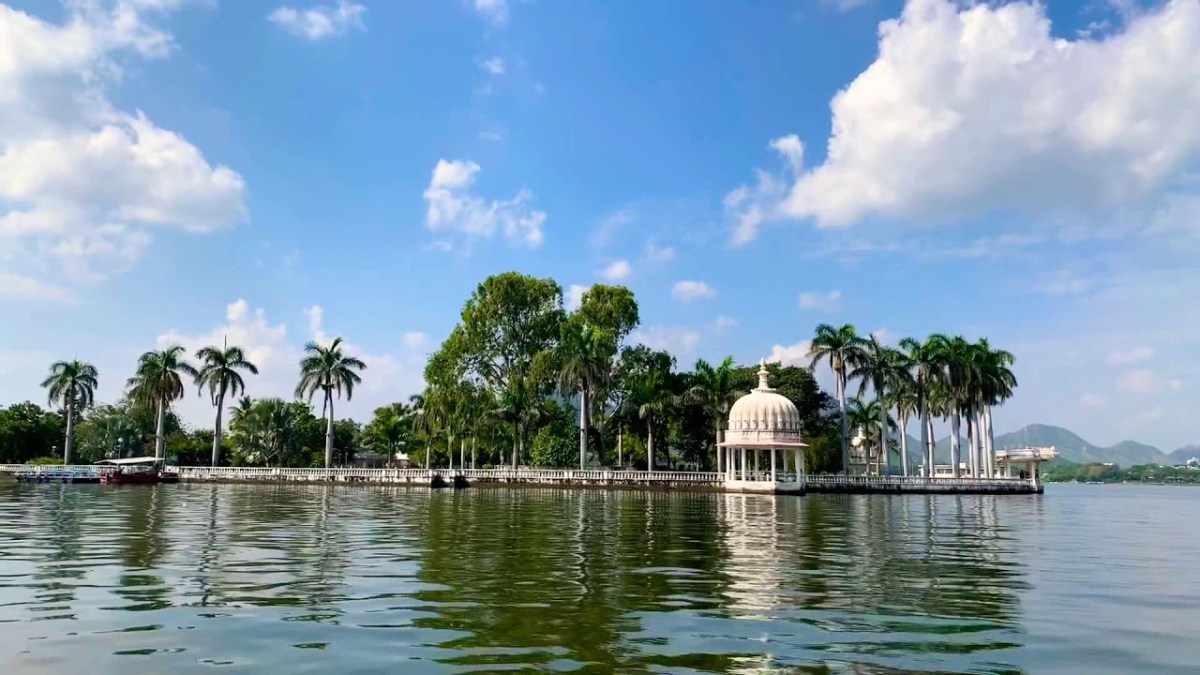
Most travellers plan Udaipur for winter. Clear skies, palace views, and predictable sunsets make it an easy choice.
But those who have experienced Udaipur in monsoon will tell you something different.
The city does not just look different in the rains. It feels different. Slower, quieter, and far more atmospheric. The lakes fill up, the Aravalli hills turn green, and the air carries a kind of stillness that is difficult to find during peak season.
If you are wondering if Udaipur is worth visiting in monsoon, the answer is yes, but only if you are willing to experience it differently.
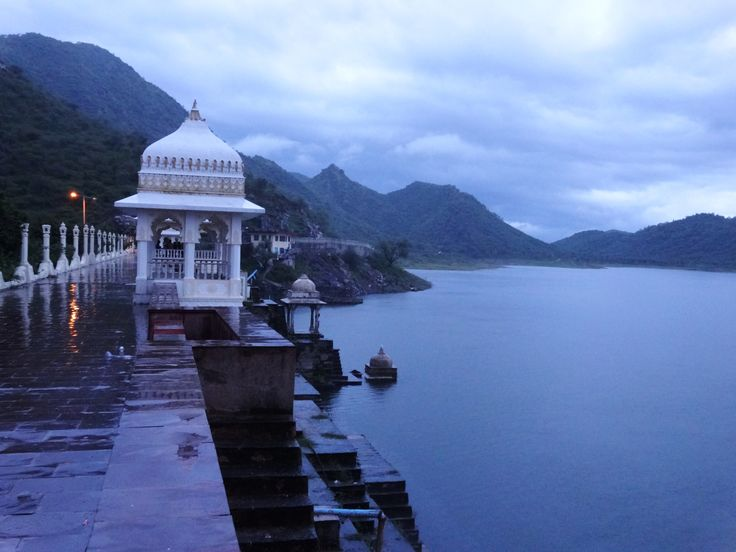
View of Badi Lake
What Udaipur in Monsoon Really Feels Like
The transformation begins with the landscape.
The usually muted tones of Rajasthan give way to deep greens. The Udaipur lakes in monsoon like Pichola, Fateh Sagar, and Badi begin to look fuller and more reflective. The hills soften under layers of mist, and the light shifts into something gentler and more diffused.
Even the rhythm of the city changes.
There is less urgency, fewer crowds, and more pauses. You step out when the sky clears, stop when the rain arrives, and allow the day to unfold instead of controlling it.
This is why the Udaipur monsoon travel experience stays with people longer. It is not about covering more, but about experiencing differently.
Is Udaipur Good in Monsoon? What You Should Know
Udaipur in monsoon is not about perfect conditions. It is about a different kind of travel.
Is Udaipur worth visiting in monsoon?
Yes. Udaipur is worth visiting in monsoon if you enjoy green landscapes, fuller lakes, fewer crowds, and a slower pace of travel. It is less suited for travellers who want to cover every attraction quickly.
How is Udaipur in the rainy season?
The city becomes quieter and more scenic, but plans need to stay flexible. Rain comes in intervals, not all day, which allows you to explore in phases.
This is what makes the monsoon in Udaipur feel less like a checklist and more like a lived experience.

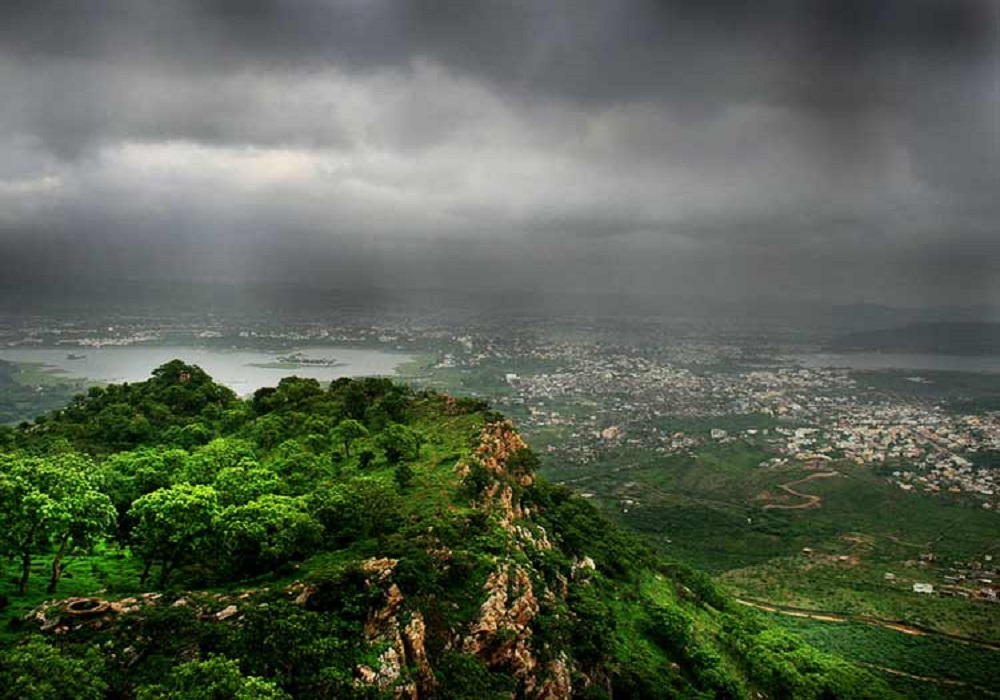
View from the City Palace
What to Do and How to Experience It Right
The list of things to do in Udaipur in monsoon does not change dramatically, but your approach should.
The City Palace remains essential, but mornings work best before crowds gather between dry spells. A boat ride on Lake Pichola feels more immersive under overcast skies, especially when the water reflects the shifting light.
The Sajjangarh Monsoon Palace is at its best during this season. The drive through mist-covered hills often becomes more memorable than the destination itself.
But beyond these well-known places to visit in Udaipur in monsoon, the real moments are unplanned.
A long lunch overlooking the lake. A café break that stretches longer than expected. An evening where the rain quietly decides your pace.
Udaipur Monsoon Planning Guide
A good Udaipur monsoon travel guide is not about adding more places. It is about planning better.
The season typically runs from July to September. If you are travelling during Udaipur in July or August, expect intermittent showers rather than continuous rain.
Mornings are usually clearer, making them ideal for sightseeing. Afternoons and evenings slow down naturally, which is when you lean into cafés, indoor spaces, or simply pause.
A few small decisions make a big difference:
- Start early and keep afternoons flexible
- Avoid overpacking your itinerary
- Choose footwear that handles wet surfaces
- Book key experiences like boat rides in advance during peak weekends
These are not major adjustments, but they change how smoothly your trip unfolds.

When the Rain Slows You Down, the City Changes and So Should Your Stay
One of the most defining shifts during Udaipur in monsoon is not what you see, but how you move.
You step out with a plan, pause when the rain arrives, and find yourself returning earlier than expected. Afternoons stretch. Evenings lengthen. The city quietly asks you to slow down.
And without realising it, you begin to spend more time at your stay than you planned.
This is where most trips either fall flat or become unforgettable.
Because in monsoon, your stay is no longer just where you sleep. It becomes where your experience continues.
This is exactly why villas in Udaipur in monsoon have become increasingly preferred. A private villa in Udaipur gives you something the season demands but most hotels are not designed for. Space to pause without feeling confined.
You are not waiting out the rain in a room. You are watching it arrive from a terrace. You are sitting through it in an open living space. You are letting the day unfold instead of forcing it forward.
In a luxury villa in Udaipur, especially one set against the Aravalli hills or within the old city, the rain becomes part of the experience itself. The landscape shifts around you, the light softens, and the city feels closer and more personal.
And then there is the quiet shift in how you eat.
You no longer plan every meal outside. You linger. You prefer warmth and familiarity. This is where the presence of an in-house chef changes the rhythm entirely. Meals arrive when you are ready, not when you need to step out. A slow lunch stretches into an afternoon. Dinner becomes something you settle into rather than rush through.
It is a quieter kind of luxury. But in the monsoon, it is the one that stays with you.

When Udaipur Stops Performing
Most people visit Udaipur for what they have already seen. Clear skies, postcard views, and a city that behaves exactly as expected.
But Udaipur in monsoon is not built for predictability.
It is built for travellers who do not mind when plans shift. Who understands that a delayed afternoon can lead to a better evening. Who are willing to trade perfect weather for something more immersive.
Because somewhere between the first drizzle on Lake Pichola and the mist rolling over the Aravallis, the city stops performing and starts revealing itself.
And if you let it, you stop travelling through Udaipur. You start living in it.