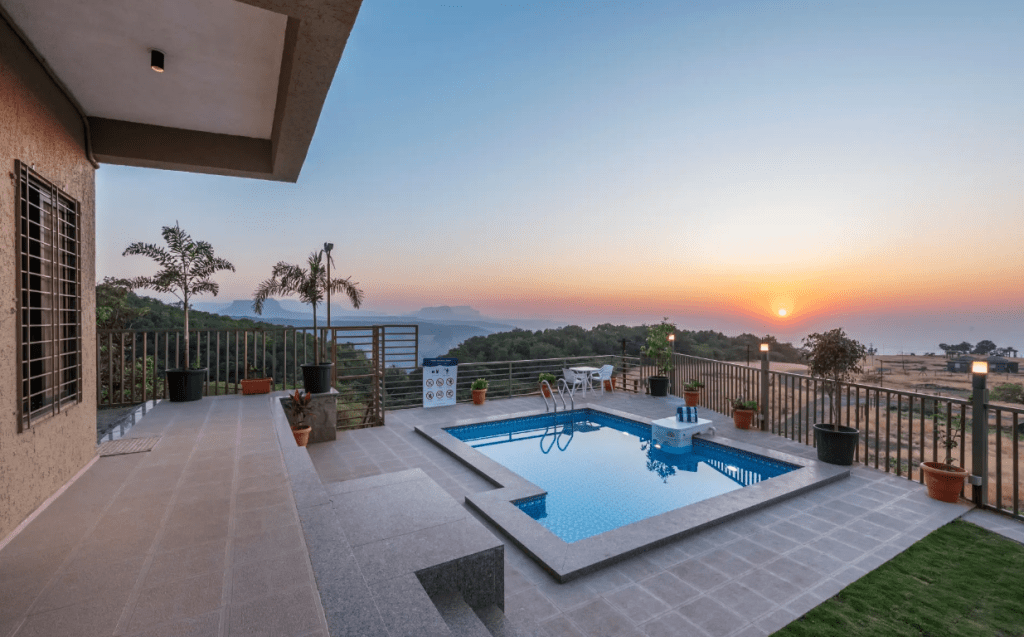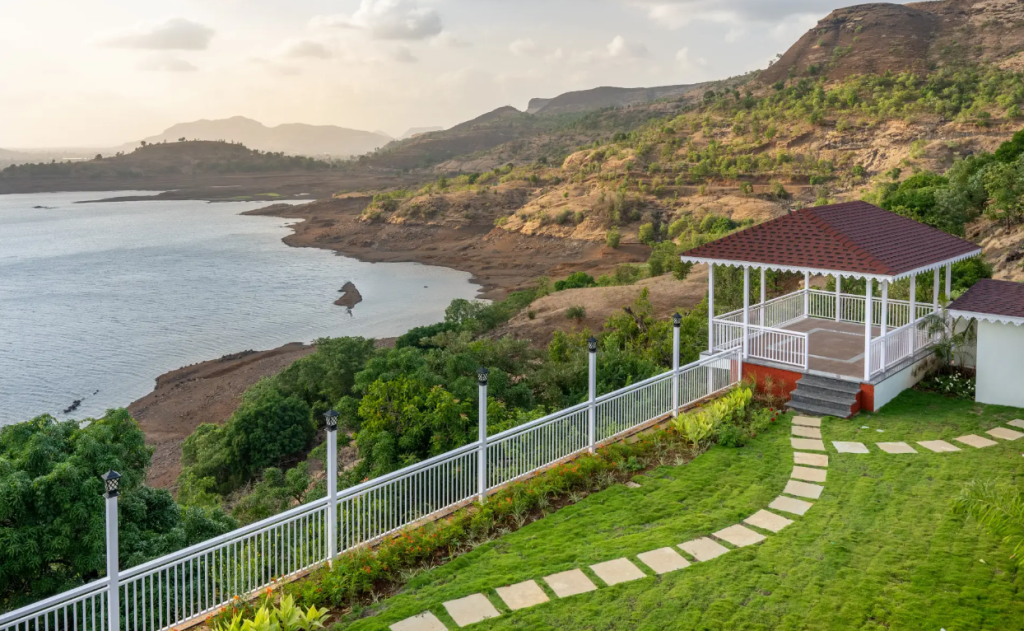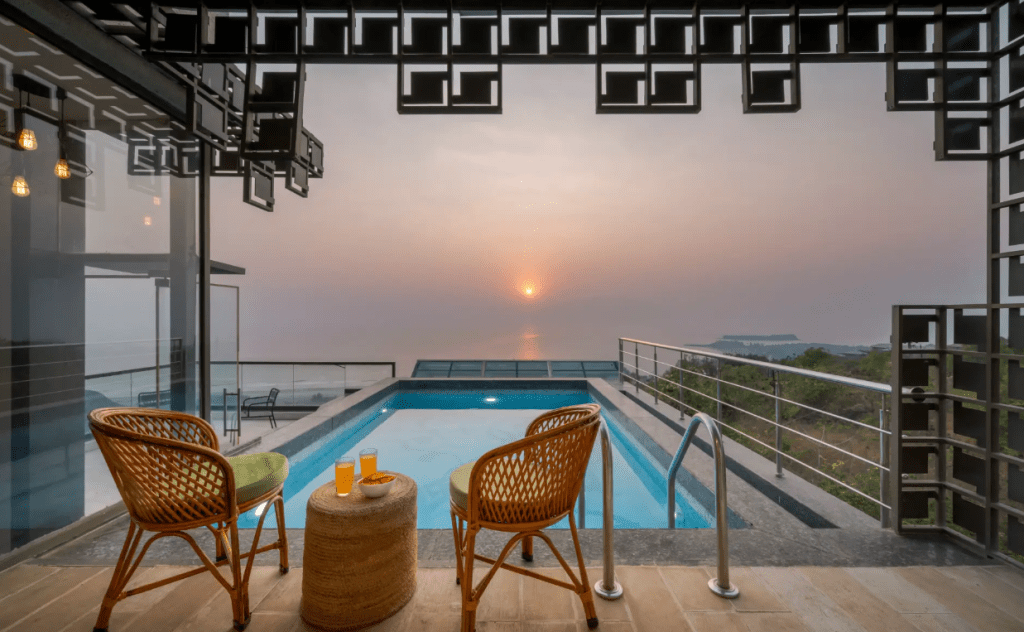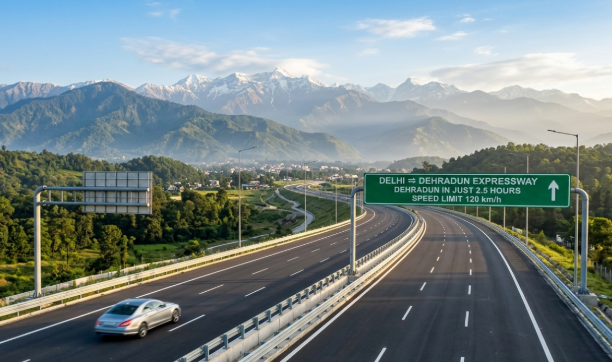
Why Fly to Bali for a Luxury Wellness Retreat When Konkan Has Araqila?

sindhudurg

For years, the idea of a wellness retreat in India has come with a boarding pass. Bali. Thailand. Somewhere far enough to feel like an escape.

But what if the reset you’re looking for isn’t across oceans, but along a quieter stretch of India’s own coastline?

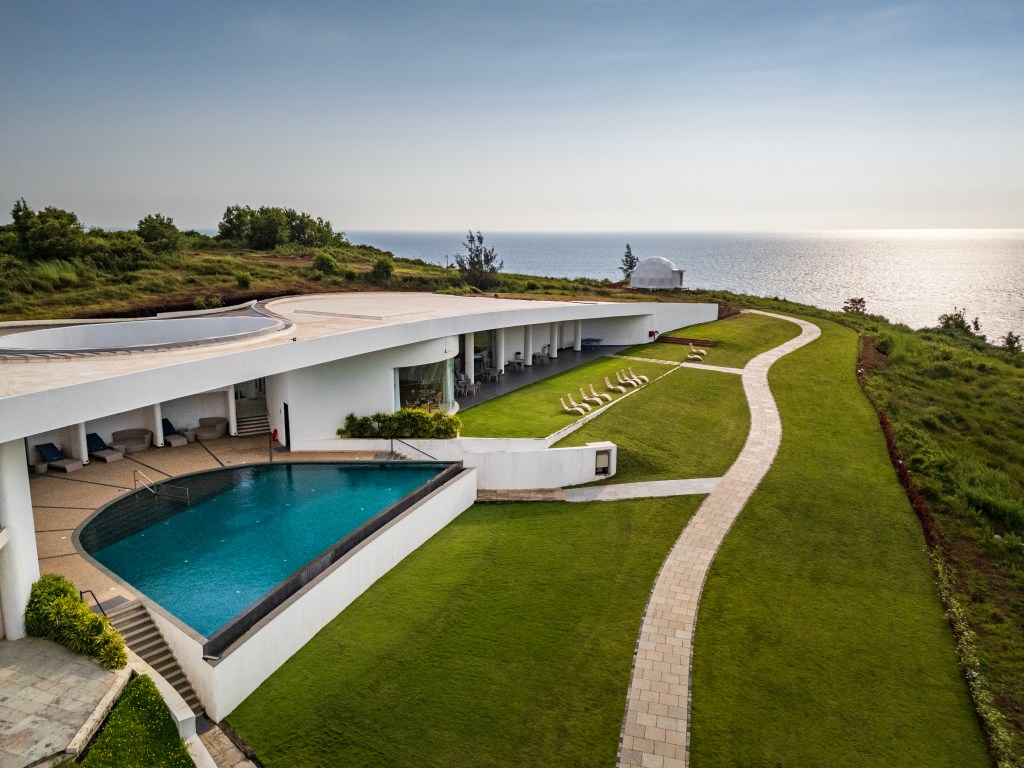
Araqila, by SaffronStays, sits along the Sindhudurg coast, making it one of the most distinctive luxury wellness retreats near Goa. Here, the Arabian Sea feels unhurried, the air carries salt and stillness, and the rhythm of life naturally slows down.

And getting here is far easier than most people expect.

Araqila Resort, Sindhudurg

Sea-Facing Rooms at a Wellness Retreat Near Goa

At Araqila, the first shift happens the moment you enter your room.

Every room opens out to uninterrupted ocean views, placing it among the most compelling sea-facing resorts near Goa. No partial glimpses. Just the sea, constant and grounding.

And then there’s a detail that quietly changes everything:
there are no televisions in the rooms.

Not because something is missing. But because something more important is being offered.

Instead of screens, you get the sound of waves, natural light easing you into the day, and evenings that stretch into conversations or stillness.

It’s this shift that makes Araqila feel like a true digital detox retreat in India, without ever needing to say it out loud.

Yoga retreat at Araqila Resort, Sindhudurg

Morning Wellness by the Sea: Yoga, Walks and Open Lawns

Wellness here doesn’t begin at the spa. It begins with how you wake up.

Araqila’s expansive lawns overlook the sea, making it a natural setting for a yoga retreat near Goa. There’s no pressure to follow a fixed routine, yet everything around you invites movement.

Mornings unfold gently. A bit of stretching, a walk across the lawn, maybe a yoga session facing the horizon.

And then, just a short walk away, the beach.

Walking barefoot across sand and grass creates a kind of grounding most wellness resorts in Maharashtra try to recreate artificially. Here, it’s simply part of your day.

Authentic Malvani Cuisine at Araqila Resort, Sindhudurg

Authentic Malvani Cuisine: A Core Part of the Wellness Experience

At Araqila, food doesn’t feel like a curated menu. It feels like a continuation of the place.

This is authentic Malvani cuisine, built around local ingredients, seasonal produce, and fresh seafood sourced from the coast.

You’ll find yourself returning to dishes like the fish thali in Konkan, where rawa-fried local fish, prawn curry, greens, and sol kadhi come together in a way that feels both indulgent and balanced.

Seafood remains a highlight. Freshly grilled fish, prawns in Malvani curry, and simple preparations that allow flavour to take the lead.

Breakfast, too, carries a strong sense of place. Ghavan, misal pav, kanda poha, alongside lighter options like fresh juices and smoothie bowls.

There’s no separation between indulgence and wellness here. The food belongs comfortably in both.

The Ganjifa Art

Cultural Experiences in Sindhudurg: Beyond a Typical Spa Retreat

What sets Araqila apart from a standard spa retreat near Goa is its connection to the region.

A short drive takes you into Sawantwadi, known for its living traditions and an important part of Sindhudurg tourism.

Here, you’ll find:

  • Ganjifa art in Sawantwadi, still practised by local artisans
  • The historic Sawantwadi Palace
  • Local markets filled with handcrafted goods

It adds a layer of cultural immersion that most retreats miss. You’re not just stepping away from routine, you’re stepping into a place with depth.

Sindhudurg’s Coastal Getaway

Vengurla Coastline and Things to Do in Sindhudurg

The Vengurla coastline offers a quieter alternative to crowded beach destinations.

It’s not built for noise. It’s built for stillness.

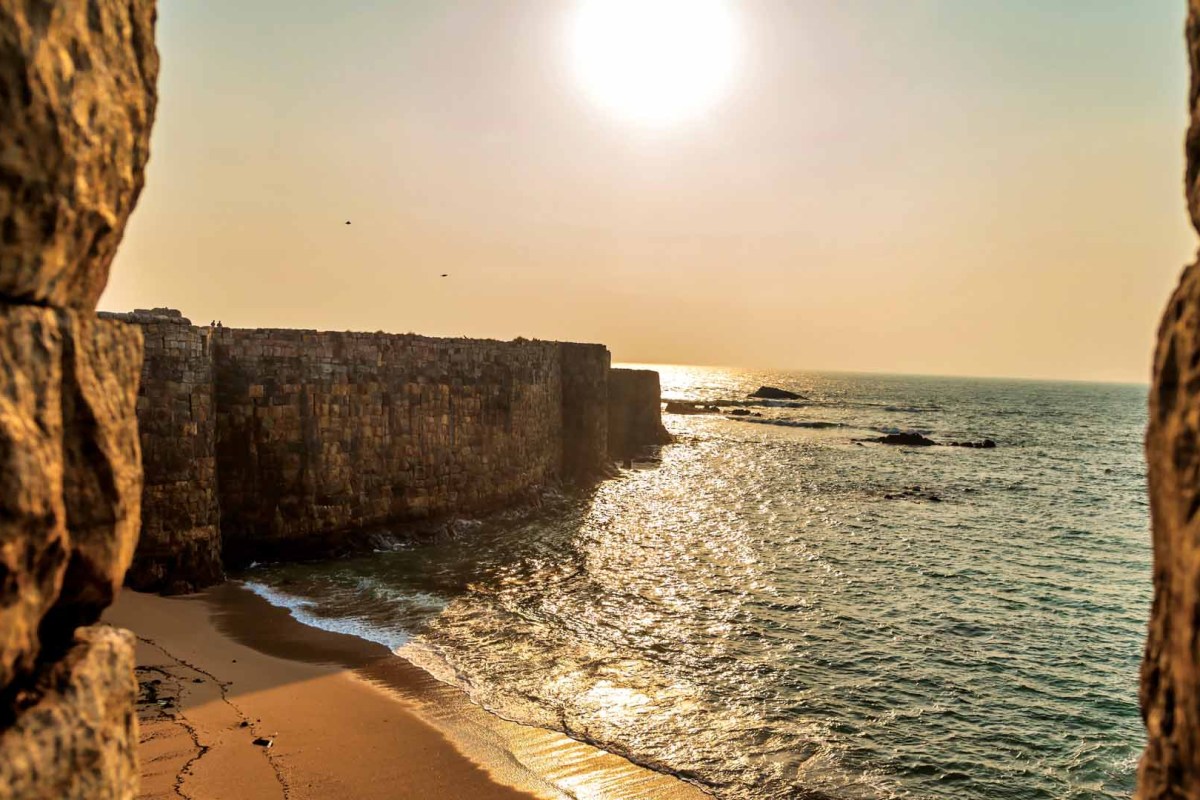
Lighthouse views, lesser-known beaches, and coastal drives make this region ideal for those looking for a Konkan coastal getaway.

Add to that the forts of Sindhudurg, and the experience gains a sense of history. Exploring them adds movement to your stay without taking away from its calm.

AraSpa Experience at Araqila Resort, Sindhudurg

Luxury Spa Retreat in India: The AraSpa Experience

After days filled with sea air, movement, and exploration, the spa becomes the final layer of the experience.

AraSpa by Tattva positions Araqila as a refined luxury spa retreat in India, focusing on therapies that restore rather than overwhelm.

From Swedish and deep tissue massages to Indian Abhyanga and reflexology, each treatment feels aligned with the slower rhythm of the stay.

Longer spa rituals bring together bodywork, facials, and relaxation in a way that feels complete and unhurried.

RoRo ferry to Konkan

Getting to Araqila: Easier Than You Think

Part of what makes Araqila such a strong alternative to international retreats is how accessible it has become.

With Fly91 flights to Sindhudurg, reaching this part of Konkan is no longer a long, complicated journey. Guests can now fly closer to the region, reducing travel time significantly and making short wellness breaks far more practical.

For those who prefer a more scenic route, the RoRo ferry to Konkan offers a unique way to travel with your vehicle across the coast. It turns the journey itself into part of the experience, especially for travellers driving down from Mumbai or nearby regions.

Combined with proximity to Mopa Airport, Araqila stands out as one of the most convenient wellness retreats near Goa that still feels far removed from the crowds.
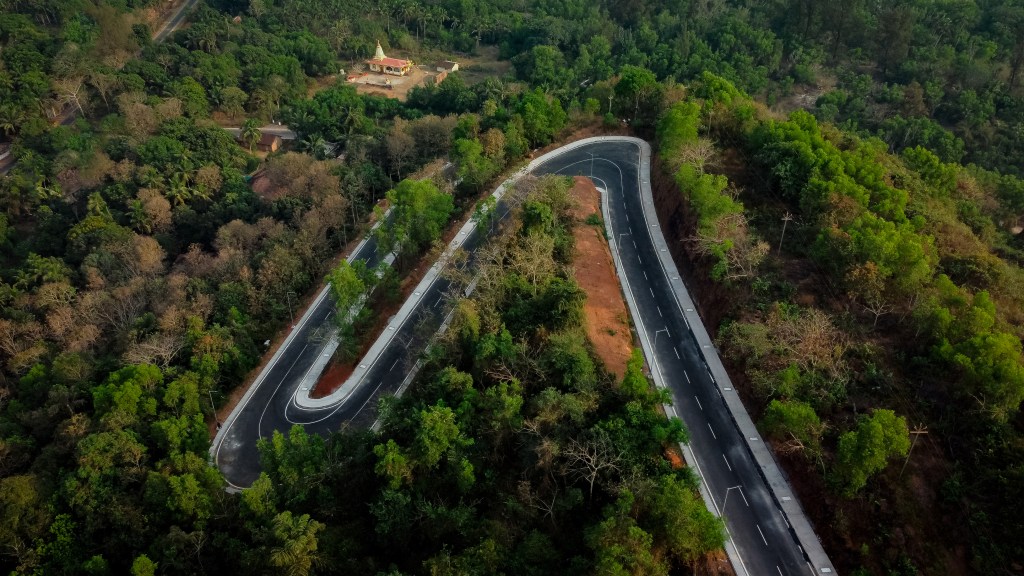
Approach road to Araqila Resort, Sindhudurg

A Wellness Retreat That Adapts to You

Not every guest arrives looking for the same kind of pause.

Some come for a slow living retreat in Konkan, where the focus is on stillness, nature, and time. Others are drawn to a more immersive experience that blends wellness with exploration, culture, and food.

There are also those who simply want ease. A stay where everything is taken care of, allowing them to switch off completely.

Araqila understands this without needing to over-explain it. Whether you’re looking for a luxury wellness retreat near Goa, a nature-led escape, or a more curated coastal experience, the stay adapts to your intent.

Who Is This Wellness Retreat Ideal For

Araqila works best for those looking for:

It’s not built for rushed itineraries. It’s built for presence.
Araqila Resort, Sindhudurg

FAQs: Wellness Retreats Near Goa

What is the best wellness retreat near Goa?
If you’re looking for a balance of sea views, spa experiences, and cultural immersion, Araqila in Sindhudurg offers a strong alternative to traditional Goa resorts.

Are there wellness retreats in Maharashtra?
Yes, Konkan is emerging as a key destination, with properties like Araqila offering a mix of nature, food, and wellness experiences.

What makes Araqila different from Goa resorts?
Unlike most Goa properties, Araqila focuses on slower living, regional food, fewer crowds, and a more immersive coastal experience.

What Makes It Stay With You

What stays with you about Araqila isn’t something you can point to immediately.

It’s not just the sea-facing rooms, or the quiet of the Vengurla coastline, or even the comfort of a well-timed spa session. It’s the way everything comes together without interruption. The way mornings feel unforced, meals feel familiar yet new, and time feels like it stretches just enough.

There’s no moment where the experience tries too hard to impress you. It simply allows you to settle into it.
Udaipur in Monsoon: Why the City of Lakes Feels Completely Different in the Rains

udaipur

Most travellers plan Udaipur for winter. Clear skies, palace views, and predictable sunsets make it an easy choice.

But those who have experienced Udaipur in monsoon will tell you something different.

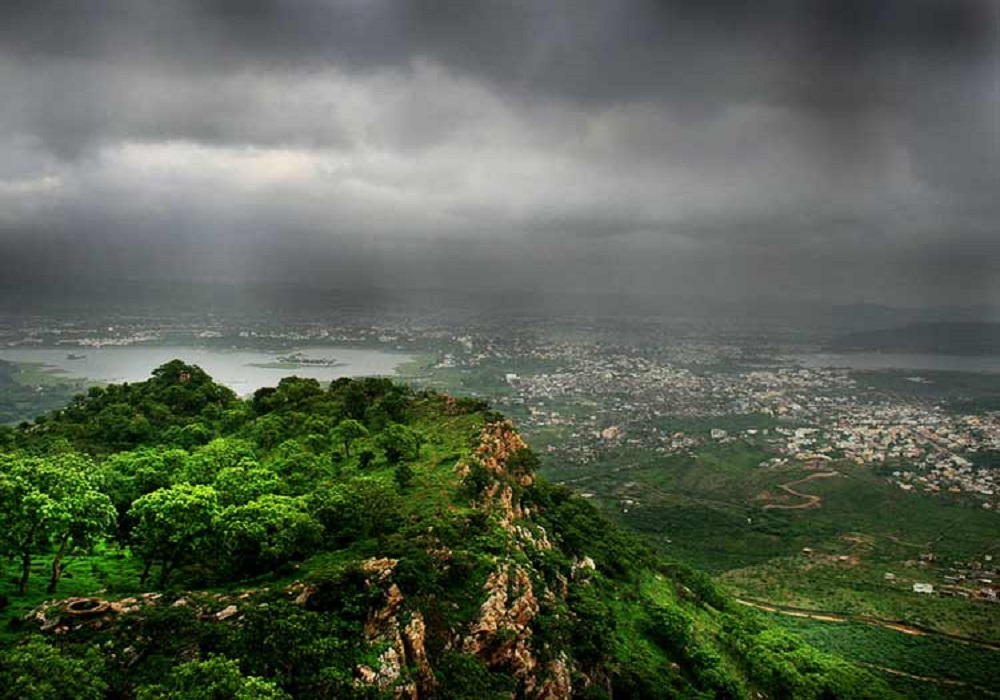
The city does not just look different in the rains. It feels different. Slower, quieter, and far more atmospheric. The lakes fill up, the Aravalli hills turn green, and the air carries a kind of stillness that is difficult to find during peak season.

If you are wondering if Udaipur is worth visiting in monsoon, the answer is yes, but only if you are willing to experience it differently.

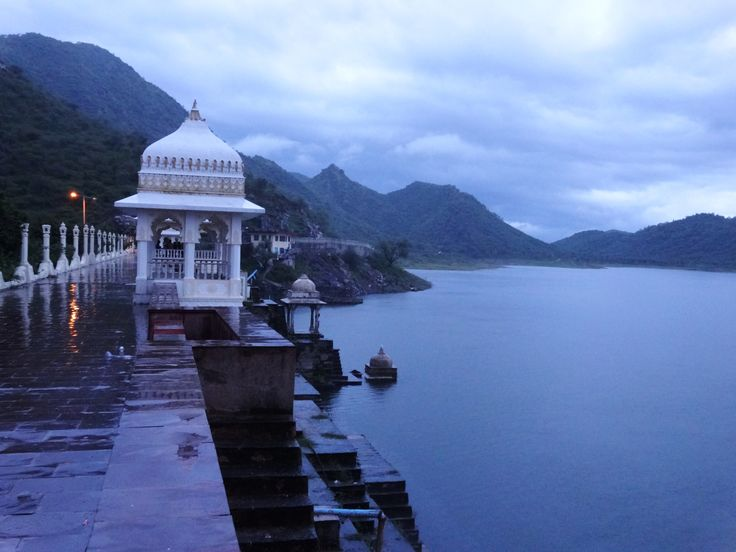
View of Badi Lake

What Udaipur in Monsoon Really Feels Like

The transformation begins with the landscape.

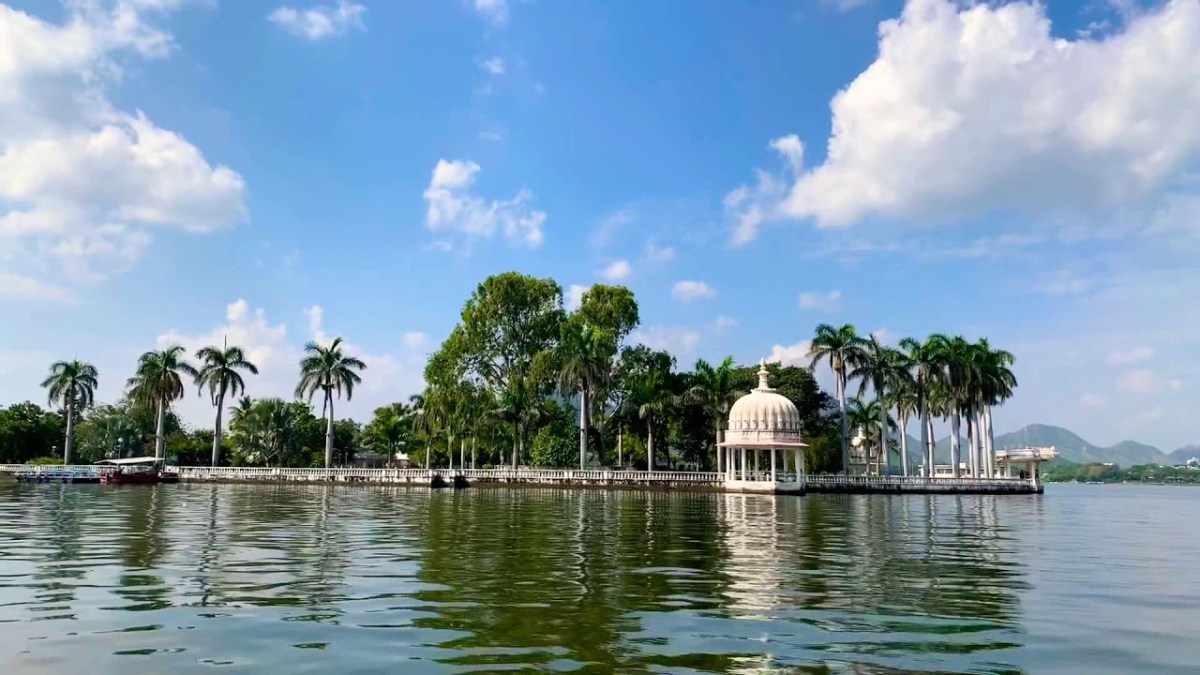
The usually muted tones of Rajasthan give way to deep greens. The Udaipur lakes in monsoon like Pichola, Fateh Sagar, and Badi begin to look fuller and more reflective. The hills soften under layers of mist, and the light shifts into something gentler and more diffused.

Even the rhythm of the city changes.

There is less urgency, fewer crowds, and more pauses. You step out when the sky clears, stop when the rain arrives, and allow the day to unfold instead of controlling it.

This is why the Udaipur monsoon travel experience stays with people longer. It is not about covering more, but about experiencing differently.

Is Udaipur Good in Monsoon? What You Should Know

Udaipur in monsoon is not about perfect conditions. It is about a different kind of travel.

Is Udaipur worth visiting in monsoon?
Yes. Udaipur is worth visiting in monsoon if you enjoy green landscapes, fuller lakes, fewer crowds, and a slower pace of travel. It is less suited for travellers who want to cover every attraction quickly.

How is Udaipur in the rainy season?
The city becomes quieter and more scenic, but plans need to stay flexible. Rain comes in intervals, not all day, which allows you to explore in phases.

This is what makes the monsoon in Udaipur feel less like a checklist and more like a lived experience.

View from the City Palace

What to Do and How to Experience It Right

The list of things to do in Udaipur in monsoon does not change dramatically, but your approach should.

The City Palace remains essential, but mornings work best before crowds gather between dry spells. A boat ride on Lake Pichola feels more immersive under overcast skies, especially when the water reflects the shifting light.

The Sajjangarh Monsoon Palace is at its best during this season. The drive through mist-covered hills often becomes more memorable than the destination itself.

But beyond these well-known places to visit in Udaipur in monsoon, the real moments are unplanned.

A long lunch overlooking the lake. A café break that stretches longer than expected. An evening where the rain quietly decides your pace.

Udaipur Monsoon Planning Guide

A good Udaipur monsoon travel guide is not about adding more places. It is about planning better.

The season typically runs from July to September. If you are travelling during Udaipur in July or August, expect intermittent showers rather than continuous rain.

Mornings are usually clearer, making them ideal for sightseeing. Afternoons and evenings slow down naturally, which is when you lean into cafés, indoor spaces, or simply pause.

A few small decisions make a big difference:

  • Start early and keep afternoons flexible
  • Avoid overpacking your itinerary
  • Choose footwear that handles wet surfaces
  • Book key experiences like boat rides in advance during peak weekends

These are not major adjustments, but they change how smoothly your trip unfolds.

SaffronStays Shreevats

When the Rain Slows You Down, the City Changes and So Should Your Stay

One of the most defining shifts during Udaipur in monsoon is not what you see, but how you move.

You step out with a plan, pause when the rain arrives, and find yourself returning earlier than expected. Afternoons stretch. Evenings lengthen. The city quietly asks you to slow down.

And without realising it, you begin to spend more time at your stay than you planned.

This is where most trips either fall flat or become unforgettable.

Because in monsoon, your stay is no longer just where you sleep. It becomes where your experience continues.

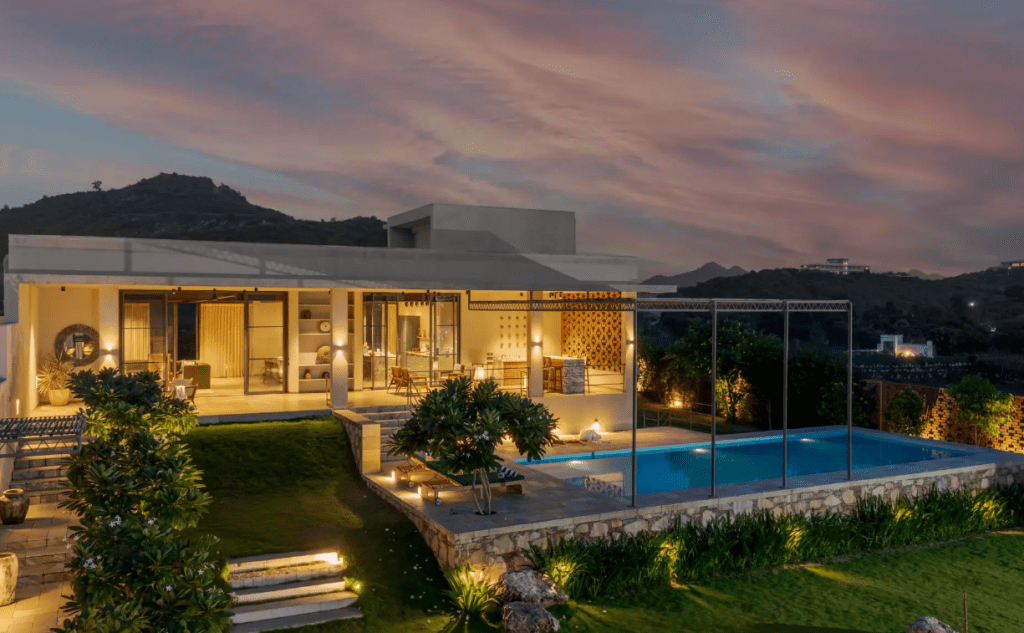
This is exactly why villas in Udaipur in monsoon have become increasingly preferred. A private villa in Udaipur gives you something the season demands but most hotels are not designed for. Space to pause without feeling confined.

You are not waiting out the rain in a room. You are watching it arrive from a terrace. You are sitting through it in an open living space. You are letting the day unfold instead of forcing it forward.

In a luxury villa in Udaipur, especially one set against the Aravalli hills or within the old city, the rain becomes part of the experience itself. The landscape shifts around you, the light softens, and the city feels closer and more personal.

And then there is the quiet shift in how you eat.

You no longer plan every meal outside. You linger. You prefer warmth and familiarity. This is where the presence of an in-house chef changes the rhythm entirely. Meals arrive when you are ready, not when you need to step out. A slow lunch stretches into an afternoon. Dinner becomes something you settle into rather than rush through.

It is a quieter kind of luxury. But in the monsoon, it is the one that stays with you.

SaffronStays Villa Rohi

When Udaipur Stops Performing

Most people visit Udaipur for what they have already seen. Clear skies, postcard views, and a city that behaves exactly as expected.

But Udaipur in monsoon is not built for predictability.

It is built for travellers who do not mind when plans shift. Who understands that a delayed afternoon can lead to a better evening. Who are willing to trade perfect weather for something more immersive.

Because somewhere between the first drizzle on Lake Pichola and the mist rolling over the Aravallis, the city stops performing and starts revealing itself.

And if you let it, you stop travelling through Udaipur. You start living in it.

The 11th Hour Guide to the May 1st Long Weekend: Villas Near Mumbai Still Accepting Bookings for Labour Day

01 MAY long weekend

You just realised May 1 is a Friday.

A rare three-day long weekend is here, and you haven’t booked anything.

Many popular stays get reserved early, but there’s still a smart last-minute option — villas near Mumbai still accepting bookings for the May 1 Labour Day long weekend.

Private pools. Open lawns. Mountain views. Beach sunsets. No fixed schedules. Just your people, your pace, and a stay that actually feels like a break.

If you’re searching now, you’re not late. You’re right on time.

SaffronStays Atmos, Nandgaon

Why This Weekend Is Perfect for a Quick Escape

With May 1 falling on a Friday, you get an easy three-day break without taking extra leave.

It also arrives in one of the best short-trip windows of the year — before the monsoon, with clearer skies, open roads, and warm weather made better by poolside stays.

Even better, new travel upgrades make popular getaways easier to reach:

Sometimes, the best part of a holiday is getting there faster.

Leave Smart: When to Travel from Mumbai

If you want a peaceful start to the weekend, timing matters more than distance.

Thursday evening departures are ideal. If not, Friday before sunrise is your best move.

By 9 AM, roads to Lonavala and Alibaug begin filling. By noon, traffic builds up.

The people who leave early are usually the same people already in the pool by lunch.

Karjat & Khopoli – Best Villas Near Mumbai for Value

Karjat is what smart travellers book when everyone else is busy searching other places. Khopoli is the nearby option many overlook.

Both are closer for Mumbai travellers, greener, calmer, and often offer more space for the same budget. Spacious villas, mountain views, and private lawns make them ideal for groups, reunions, or spontaneous getaways.
Karjat brings countryside charm, while Khopoli offers quick access via the Mumbai–Pune route. With the Missing Link Project, travel here becomes even easier.

How to Reach Karjat & Khopoli from Mumbai

  • By Car: 1.5 to 2 hours depending on route and traffic
  • By Train: Direct rail connectivity to Karjat and Khopoli routes
  • Best Route: Mumbai–Pune Expressway corridor

Search for group villas near Karjat, villas in Khopoli, pet friendly villas near Mumbai, or pool villas near Mumbai.

SaffronStays The Private League, Karjat

Alibaug – Best Beach Villas Near Mumbai

Every group has one person who says, “Can we go somewhere coastal?”

Alibaug is usually the answer.

Sea breeze, seafood lunches, sunset drives, and spacious villas make it one of the most popular beach escapes from Mumbai.

With Atal Setu and M2M Ferry, Alibaug is now faster and easier to reach.

How to Reach Alibaug from Mumbai

  • By Car: 2 to 3 hours
  • By Ferry: Mumbai to Mandwa route
  • By Road: Via Atal Setu

Search for villas in Alibaug for family trips, beach villas near Mumbai, or luxury villas in Alibaug.

SaffronStays Summer Breeze, Alibaug

Lonavala & Pawna – Scenic Villas for the Perfect Weekend

Lonavala and Pawna give you the best of both worlds — hills and lake views.

From hill-view villas in Lonavala to lake-facing stays near Pawna, this region is perfect for scenic drives, bonfires, pool time, and relaxed group weekends close to Mumbai.

With the Missing Link Project, getting here becomes even more convenient.

How to Reach Lonavala & Pawna from Mumbai

  • By Car: 2 to 2.5 hours for Lonavala, 2.5 to 3 hours for Pawna via Lonavala route
  • By Train: Frequent trains to Lonavala, followed by a short drive to Pawna
  • Best Route: Mumbai–Pune Expressway

Search for private pool villas in Lonavala, lake view villas near Pawna, group villas near Lonavala, or weekend villas near Mumbai.

SaffronStays HeavOne (Penta), Lonavala

Wada & Palghar – Villas Near Mumbai for Space and Privacy

If your ideal weekend means fewer crowds and more space, Wada and Palghar are smart choices.

These destinations are known for large villas, greenery, private pools, and peaceful surroundings, ideal for birthdays, reunions, or family getaways.

How to Reach Wada & Palghar from Mumbai

  • By Car: 2 to 2.5 hours depending on your starting point and route
  • By Train: Western Railway route for Palghar, followed by local road transfers if needed
  • Best For: Quick weekend getaways with more privacy and space

Search for villas in Wada, pool villas in Palghar, group villas near Mumbai, or private villas near Mumbai.

SaffronStays Laburnum House, Wada

Igatpuri & Nashik – Luxury Villas with Nature Views

For travellers who want peace, cooler weather, and slower mornings, Igatpuri and Nashik are strong choices.

Igatpuri offers hills, misty mornings, and quiet villas tucked into nature. Nashik adds vineyards, scenic drives, and a relaxed luxury vibe.

With the Samruddhi Mahamarg, travel here has become faster and smoother.

How to Reach Igatpuri & Nashik from Mumbai

  • By Car: 2.5 to 3 hours for Igatpuri, 3 to 4 hours for Nashik
  • By Train: Direct rail connectivity to both destinations
  • Best Route: Mumbai–Nashik highway / Samruddhi Mahamarg corridor

Search for luxury villas in Igatpuri, villas in Nashik, nature villas near Mumbai, or weekend staycation Maharashtra.

SaffronStays Zeel by the Lake, Igatpuri

Konkan Getaways – For Travellers Who Want the Long Weekend to Feel Longer

If beaches, seafood lunches, temple mornings, and scenic coastal roads sound like your kind of break, the Konkan coast deserves your attention.

Ratnagiri, Ganpatipule, Dapoli, and Sindhudurg offer something city escapes rarely do — slower days, quieter beaches, fresher food, and the feeling that time moves differently here.

Mango season adds another reason to go. So does the journey. With Vande Bharat trains, Konkan Railway routes, and improved road connectivity, reaching the coast is easier than before.

How to Reach Konkan Destinations from Mumbai

  • Ratnagiri: Train via Konkan Railway / road via NH66
  • Ganpatipule: Ratnagiri by train, then short drive
  • Dapoli: 5–6 hour road trip from Mumbai
  • Sindhudurg: Train, road, or nearby airport access

Search for villas in Ratnagiri, Ganpatipule beach villas, Dapoli villas near beach, luxury stays in Sindhudurg, or Konkan villas Maharashtra.

SaffronStays Nautica, Dapoli

Why Villas Near Mumbai Are a Smarter Choice for Long Weekends

Long weekends can quickly expose weak bookings — delayed check-ins, unclear access, outdated photos, poor upkeep, or no support when something goes wrong.

That’s why many travellers prefer villas near Mumbai during busy dates. They offer privacy, spacious common areas, flexible schedules, and a smoother stay experience, especially for families and groups.

With better housekeeping, reliable assistance, and well-maintained spaces, the right villa can turn a rushed trip into a seamless getaway.

This is where SaffronStays villas near Mumbai become worth exploring.

Look for luxury villas near Mumbai, private pool villas in Lonavala, weekend villas in Maharashtra, beach villas in Alibaug, or family villas near Mumbai.

Quick FAQs Before You Book

Is it too late to book for the May 1 weekend?

No. Many premium villas release cancellations closer to date.

Is May weather too hot?

Warm afternoons, but ideal for pool villas and outdoor evenings.

What’s the best 2-night trip from Mumbai?

Karjat, Lonavala, Alibaug.

Best longer trip?

Ratnagiri, Dapoli, Ganpatipule, Sindhudurg.

Best time to leave Mumbai?

Thursday evening or Friday before 6 AM.

Are villas better for groups?

They usually offer more privacy, space, and better value per person.

The Best Long Weekends Are Rarely Overplanned

Sometimes the best trips begin late.

One message. One booking. One road trip.

And by Sunday night, you’re wondering why you don’t do this more often.If the May 1 long weekend is still open on your calendar, browse SaffronStays luxury villas near Mumbai, pick your destination, and leave before the city remembers it wants a holiday too.

How the New Delhi–Dehradun Expressway Is Changing Weekend Getaways from Delhi NCR

Delhi Deahradun Expressway

For years, a quick escape from Delhi to the hills or the Ganga belt came with a familiar hesitation. The destinations were always appealing, but the journey often wasn’t. Long hours on the road, unpredictable traffic, and fatigue at the end of the drive meant that what should have been a relaxing break started feeling like a logistical exercise.

The Delhi–Dehradun Expressway changes that in a very real way. By significantly reducing travel time, it shifts not just distances on a map, but the way people from Delhi NCR think about weekend getaways and short breaks.

What is the Delhi–Dehradun Expressway?

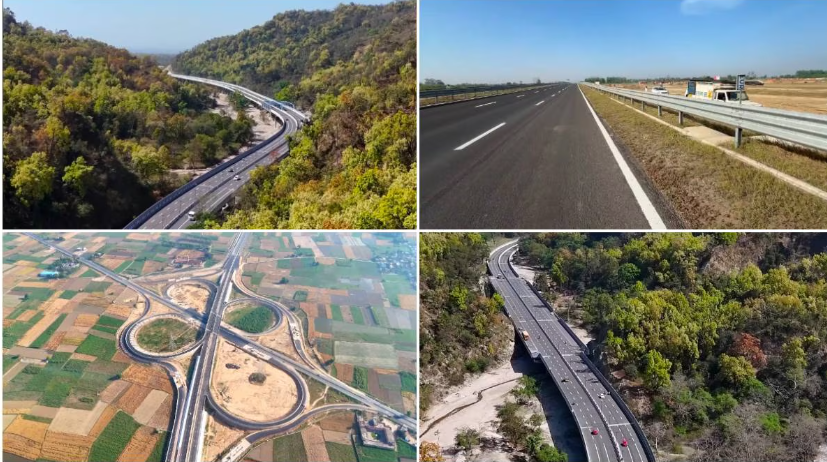
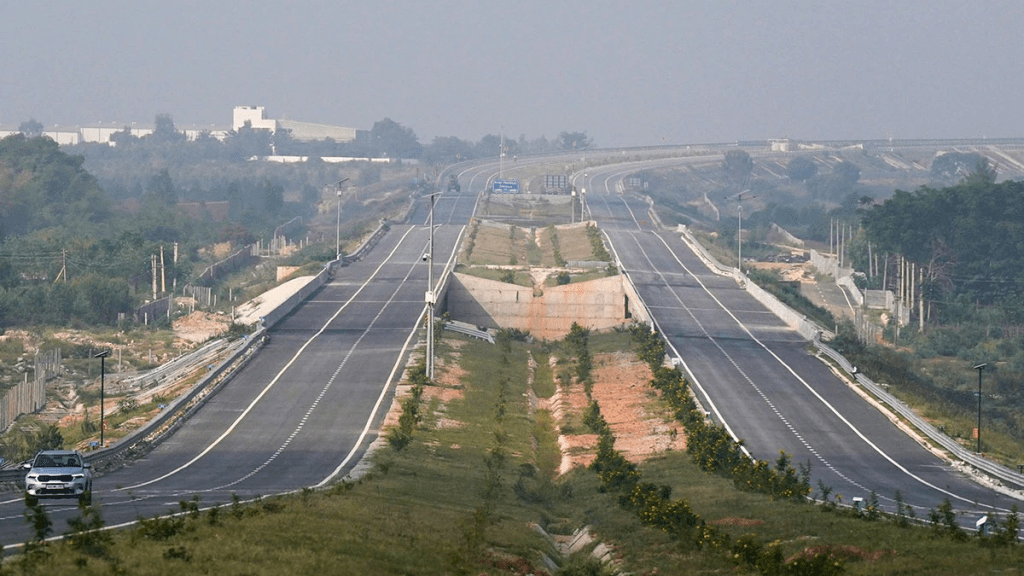
The Delhi–Dehradun Expressway is a 6-lane, access-controlled highway spanning over 200 km, designed to improve connectivity between Delhi and Uttarakhand. It is one of India’s key infrastructure projects aimed at reducing travel time and making road journeys smoother and more predictable.

One of its defining features is a wildlife-friendly elevated corridor through Rajaji National Park, along with improved connectivity toward Haridwar and surrounding regions.

Delhi Dehradun Expressway

Delhi to Dehradun Travel Time After the Expressway

The biggest impact of the Delhi–Dehradun Expressway is the reduction in travel time.

Delhi to Dehradun travel time has come down from approximately 6–6.5 hours to around 2.5 hours.

This makes it one of the fastest and most convenient road trips from Delhi to Uttarakhand, turning what was once a long journey into a comfortable drive.

Key Benefits of the Delhi–Dehradun Expressway for Travellers

  • Reduces Delhi to Dehradun travel time to about 2.5 hours
  • Makes Delhi to Mussoorie road trips faster and more comfortable
  • Improves access to Haridwar and Rishikesh
  • Enables easier weekend getaways from Delhi NCR
  • Reduces travel fatigue for families and group travellers

Delhi Dehradun Expressway

A Highway That Changes Travel Behaviour

At its core, the expressway is an infrastructure upgrade. But its real impact is behavioural.

When a drive that once took an entire day becomes manageable within a few hours, it stops being a commitment and starts becoming an option. This shift is what makes the expressway important for travellers.

Weekend planning becomes easier. Short breaks feel more practical. The hesitation that once came with long drives begins to disappear. For many, this means travelling more often, not just travelling further.

The Return of the Weekend Getaway

The biggest transformation lies in how weekends are now being planned. Earlier, destinations like Dehradun or Mussoorie were reserved for long weekends or carefully planned breaks. Today, they begin to fit into a much shorter window.

A Delhi to Dehradun road trip can now start after work on a Friday. A two-night stay feels relaxed instead of rushed. Even spontaneous plans begin to feel realistic.

This is where the expressway expands the practical travel radius of Delhi NCR, making Uttarakhand one of the most accessible regions for quick escapes.

Destinations That Are Now Easier to Reach from Delhi NCR

While Dehradun is the most direct beneficiary, the expressway improves access to several popular travel destinations.

Dehradun

Dehradun is now one of the easiest driveable getaways from Delhi NCR. It works well for short breaks, work-from-anywhere stays, and relaxed weekends without the stress of a long journey.

Haridwar

With improved connectivity, Haridwar becomes more convenient for spiritual and slow-paced getaways. The ease of access makes it suitable even for shorter visits.

Mussoorie

Mussoorie benefits significantly as an extension of Dehradun. The Delhi to Mussoorie road trip becomes more comfortable, encouraging more frequent visits to the hills.

Rishikesh

Rishikesh, known for wellness and riverside experiences, becomes easier to include in short itineraries. Improved highway access simplifies the journey for weekend travellers.

Why This Matters for Staycations

Staycations are driven by one key factor: ease of access. The easier it is to reach a destination, the more often people are willing to travel.

With the Delhi–Dehradun Expressway:

  • Travellers can plan multiple short breaks instead of one long holiday
  • Weekend travel becomes more frequent
  • Trips become less about logistics and more about experience

This shift is redefining how people approach weekend getaways from Delhi NCR, making shorter, more relaxed stays the preferred choice.

Best Types of Stays for Short Getaways from Delhi

As travel becomes easier, expectations from stays evolve as well.

Travellers are increasingly looking for:

  • Private spaces for families and groups
  • Flexible stays that work for short durations
  • Homes that offer comfort without rigid schedules

This is where villa stays and private homes become a natural fit. They align with the idea of slower, more flexible travel, especially for quick getaways.

For brands like SaffronStays, this shift is not just about location. It is about offering stays that match the new rhythm of travel, where convenience and experience go hand in hand.

A New Way of Travelling from Delhi NCR

The expressway signals a broader change. Travel becomes less rigid and more responsive to intent.

A quiet weekend with family, a small celebration with friends, or even a last-minute break from the city becomes easier to plan. The road no longer dictates the decision. The experience does.

Delhi Dehradun Expressway

The Bigger Picture

The Delhi–Dehradun Expressway is more than a highway project. It is a shift in how destinations are perceived.

Places that once felt distant now feel closer. Journeys that once required effort now feel effortless. And travel, which often feels like a commitment, becomes something people can choose more freely.

For travellers from Delhi NCR, this is not just about reaching Dehradun faster. It is about rediscovering the ease of getting away.

Mumbai-Pune Expressway’s Missing Link Is Opening — Here’s Why Your Lonavala Staycation Just Got Better

For the first time in over two decades, the most dreaded stretch of road in Maharashtra is about to disappear. What takes its place will change how Mumbai and Pune think about the weekend.

It was 11 PM on a Sunday in February 2026 when a gas tanker overturned near the Adoshi tunnel and brought one of India’s busiest expressways to a complete standstill. For 32 hours, thousands of cars sat trapped on the Mumbai-Pune Expressway in the dark. Families with children. People with early Monday meetings. Travellers trying to make it back from a Lonavala weekend. Social media filled with footage of people standing outside their cars on the expressway, cooking instant noodles on portable stoves, waiting.

That incident was not a freak accident. It was the inevitable result of a flaw that engineers had flagged as far back as 1995 – a chronic bottleneck in the Khandala ghat section where two major highways merge into one narrow mountain corridor, turning ten lanes of traffic into six, through hairpin bends, at steep gradients, during rain and landslides. Every monsoon, every long weekend, every Diwali, this 19.8-kilometre stretch between the Khopoli exit and the Sinhgad Institute junction has extracted hours from the lives of every single person who wanted to go to Lonavala, Khandala, or Pune.

That stretch is finally being fixed. The Mumbai-Pune Expressway Missing Link – a ₹6,695 crore infrastructure project by the Maharashtra State Road Development Corporation (MSRDC) is 99% complete as of April 2026 and is targeted to partially open on May 1, 2026 (Maharashtra Day). And for anyone who uses the Mumbai-Pune corridor to reach a weekend destination, the implications are enormous.

What exactly is the Missing Link project?

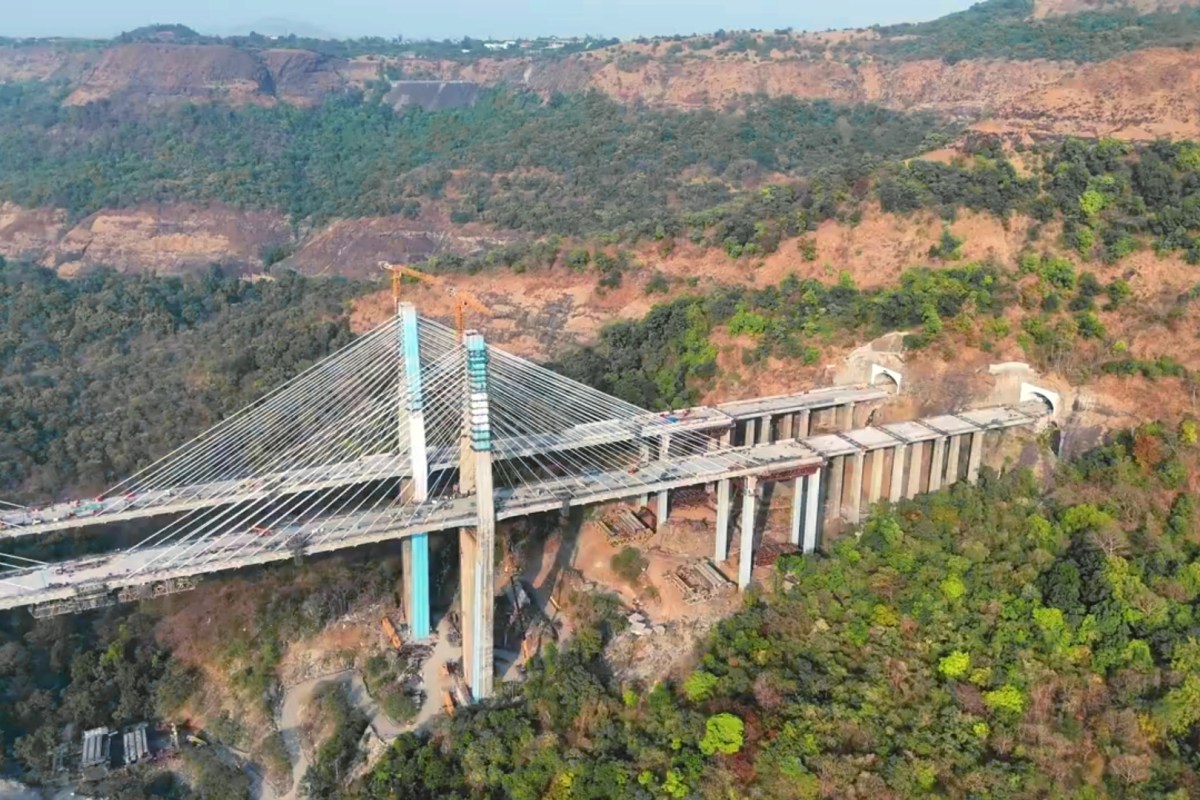
The Missing Link is a 13.3-kilometre, 8-lane, access-controlled highway corridor built by MSRDC to bypass the Khandala ghat section of the existing expressway. It connects the Khopoli exit to Kusgaon running through the Sahyadri hills via twin tunnels, elevated viaducts, and a cable-stayed bridge instead of winding over them through the current ghat route.

The project has been in construction since March 2019 and represents one of the most technically complex road engineering undertakings India has attempted. The core infrastructure includes two twin tunnels (1.75 km and 8.92 km – the latter being India’s longest road tunnel), two cable-stayed bridges spanning Tiger Valley and the Khandala gorge, and the widening of the existing expressway from six to eight lanes between Khalapur Toll Plaza and the Khopoli exit.

Once open, the new alignment reduces the problem stretch from 19.8 km to 13.3 km cutting overall distance between Mumbai and Pune by approximately 6 km and allows vehicles to travel at speeds up to 120 kmph, versus the 60–80 kmph crawl that currently defines the ghat.

Comparison of current and proposed travel routes between Mumbai and Pune, highlighting improvements in distance, speed, and safety.

The project is not a new expressway, it is a replacement for the single worst stretch of the existing one. Everything else about your route to Pune, Lonavala, or beyond stays the same. What changes is that the section most likely to trap you for two hours on a Sunday evening no longer exists as a bottleneck.

Graphic displaying key transportation metrics: 30 minutes saved per journey, 6 km distance reduced, 120 km/h maximum speed, and 70% of vehicles expected to shift on day one.

How much time does it actually save and why does it matter for a weekend trip?

The official figure is 25 to 30 minutes saved on the Mumbai-Pune journey. In isolation, that sounds modest. In context, it is transformative.

The existing ghat section does not merely cost you 30 minutes of travel time. It costs you the confidence to make the trip at all. Ask anyone who has attempted a Sunday evening return from Lonavala during peak monsoon season. The uncertainty of will the ghat be clear? Will there be a rockfall? Has a truck broken down at the hairpin? shapes decisions about whether to travel in the first place. People book shorter stays to avoid Sunday evening traffic. They leave Lonavala at 3 PM instead of 6 PM to beat the queue. They cancel plans entirely when the weather forecast looks bad.

What the Missing Link restores is not just time, it is predictability. The new alignment runs entirely through tunnels and on elevated viaducts, which means landslides cannot close it. The tunnel grade is near-flat, which means heavy vehicles do not slow to a crawl and cause rear-pile-ups. Traffic police estimate that approximately 70% of expressway vehicles, primarily cars and passenger vans will shift to the new alignment from Day 1, relieving the existing ghat simultaneously.

Text information about travel times from Mumbai and Pune to Lonavala, highlighting accessibility for weekend trips.

For the monsoon season specifically which is, counterintuitively, the most popular time to visit Lonavala, the impact is greatest. The Western Ghats become a different world between June and September: waterfalls appear on every ridge, Bhushi Dam overflows, and the valley turns a shade of green that photographs cannot fully capture. But monsoon is also when the ghat section historically becomes most dangerous, and often closes. The new tunnel alignment means the expressway’s access to Lonavala is no longer a single point of failure in heavy rain.

The destinations that benefit most and why now is the time to book

The Missing Link terminates at Kusgaon, right at the Lonavala exit. That geography is not incidental — it makes the entire cluster of Western Ghats destinations along this corridor meaningfully more accessible from both Mumbai and Pune. Here are the four destinations that see the most immediate benefit.

Overview of Lonavala highlighting its attractions such as Bhushi Dam, Tiger's Leap, and monsoon beauty.
Pawna Lake description featuring serene waters, stargazing opportunities, and ideal for couples seeking seclusion.

The most popular hill station getaway in Maharashtra just became reliably accessible for a Friday evening arrival and a Sunday evening return without the existential dread.

Your new weekend formula: how to plan the perfect SaffronStays getaway now that the ghat isn’t in the way

The opening of the Missing Link does not just change how fast you get to Lonavala; it changes when you go, how long you stay, and how much you enjoy the return journey. Here is the new calculus for planning a SaffronStays weekend in the Sahyadris.

Arrive Friday evening, not Saturday morning

Under the old ghat conditions, a Friday evening departure from Mumbai was a coin toss. You might arrive at 9 PM, you might arrive at midnight. Most people played it safe and drove Saturday morning, losing half their weekend. With the Missing Link, a Friday evening departure from Bandra at 7 PM becomes a predictable 9 PM arrival in Lonavala. That is an extra 14–16 hours of weekend, and it is a significant shift in how private villa stays work. A Saturday morning arrival meant you were already paying for Friday night without using it. No longer.

Extend your monsoon stay with confidence

Historically, the advice for monsoon Lonavala weekends was to leave by Sunday afternoon at 3 PM to beat the ghat backlog. The Missing Link’s weather-independent tunnel alignment changes this entirely. A Sunday evening departure at 6 PM after a long lunch, a last walk to the waterfall, and a leisurely checkout is now a genuine option. For SaffronStays guests, that means a full two-night stay actually delivers two full days, not one and a half.

With our curated villas across Lonavala and Khandala, SaffronStays has a property for every traveller profile.

The engineering marvel behind the drive: what MSRDC actually built

For travellers who appreciate knowing what is beneath and around them, the Missing Link is not just convenient infrastructure, it is a genuinely extraordinary piece of engineering. Here are the numbers that tell that story.

Infographic highlighting key statistics about a significant infrastructure project in India, including a tunnel length of 8.9 km, a tunnel width of 23.3 m, the height of a cable-stayed bridge at 182 m, and the total project cost of ₹6,695 crores.

The 8.9 km tunnel was constructed using controlled blasting through the Sahyadri rock, beneath an active lake. The cable-stayed bridge over Tiger Valley with its twin pylons rising 182 metres from the valley floor was built in wind conditions that regularly exceeded 180 kmph at the construction site. These were not planning-room numbers; engineers designing the bridge had to account for cyclonic-level gusts in a valley that acts as a natural wind funnel. The fact that the structure was completed is a genuine engineering achievement, and when you drive across it, you will be crossing one of the tallest road bridges in India.

Text discussing safety improvements for the Mumbai-Pune Expressway, focusing on the Missing Link and its features for reducing accidents.

Practical guide: what you need to know before you drive the Missing Link

Here are the key details for travellers planning their first trip on the new alignment.

When does the Missing Link open?

MSRDC has confirmed May 1, 2026 – Maharashtra Day as the targeted partial inauguration date. As of early April 2026, 99% of civil work is complete and load testing on the cable-stayed bridge is underway. Only light motor vehicles (cars, SUVs, passenger vans) will be permitted initially. Heavy vehicles will be phased in once safety certifications are complete.

How do I access the Missing Link? Where does it start and end?

The Missing Link starts at the Khopoli exit on the Mumbai-Pune Expressway and terminates at Kusgaon, near Lonavala. If you are driving from Mumbai, you will enter the new alignment shortly after the Khopoli exit the signage will direct you. If heading to Lonavala or Khandala, you exit at Kusgaon, which puts you right at the Lonavala entry point.

Is a FASTag required? Will there be separate tolls?

Yes, FASTag is required across the Mumbai-Pune Expressway. The toll structure for the Missing Link section has not been officially confirmed at time of publishing. Check the MSRDC website or the expressway toll authority for updates before your journey. The existing toll plazas on the expressway remain operational.

Are there any rules specific to the tunnel section?

Standard Indian expressway tunnel rules apply: headlights on at all times inside the tunnel, no lane changes in the tunnel (lanes are marked), no stopping except in designated emergency bays, maintain safe following distance. The 8.9 km tunnel will have continuous lighting and emergency signage throughout. No overtaking permitted in the tunnel.

What is the best time of day to drive to Lonavala after the Missing Link opens?

Friday evenings (after 7 PM from Mumbai) and Saturday mornings (before 9 AM) will continue to see higher traffic on the overall expressway, but the ghat bottleneck that made those timings punishing has been removed. For monsoon visits, the tunnel alignment makes rain-day driving significantly safer and more predictable. Sunday evenings which historically have been the worst are now a viable departure window for those staying at private villas in Lonavala.

The road is finally ready. Is your weekend?

For over two decades, the Khandala ghat has been the silent tax on Maharashtra’s most popular weekend corridor. It has eaten hours, caused accidents, forced early departures, and convinced countless travellers to simply stay home on the weekends when the expressway looked too unpredictable to risk. That era is ending.

The Missing Link is not a small upgrade to existing infrastructure. It is a fundamental rethinking of how the Mumbai-Pune corridor connects to the Western Ghats through the hills instead of over them, at 120 kmph instead of 60, in a tunnel engineered to stay open in conditions that regularly closed the ghat. It is, by any measure, one of the most significant improvements to weekend travel accessibility in Maharashtra in a generation.

For SaffronStays guests, this means the hills are closer than they have ever been. Lonavala at 1 hour 30 minutes from Mumbai. Khandala with its tiger valley views, now a reliable evening drive. Pawna Lake’s dark skies accessible without a pre-dawn departure. The Sahyadris in all their monsoon-soaked, waterfall-draped, fort-topped glory are now squarely within reach of a Friday night escape and a leisurely Sunday return.

The villas are ready. The expressway is ready. Book early! The moment the ghat opens to 120 kmph, Lonavala weekends are going to look very different on everyone’s calendar.

How to Plan a Celebration Trip for 15+ People in India (Without Losing Your Mind)

It always begins the same way. A simple message on a WhatsApp group: “Guys, let’s plan a trip.”

Within minutes, it spirals. Goa vs mountains. Budget debates. Dates that don’t match. Someone suggests “let’s just see,” and someone else is already planning outfits. And suddenly, planning a celebration for 15+ people starts feeling less like excitement and more like coordination chaos.

But here’s the truth most people don’t realise until it’s too late:

Large group trips don’t fail because of people. They fail because of poor planning decisions early on.

Get those right, and everything else becomes surprisingly easy.

How do you plan a trip for 15+ people in India? (Quick Answer)

If you’re short on time, here’s what actually works:

  • Lock dates early based on majority
  • Set a clear per-person budget upfront
  • Assign responsibilities across the group
  • Choose a destination based on the occasion
  • Book a private villa instead of multiple hotel rooms
  • Keep the itinerary flexible

The biggest difference-maker?
Booking a space designed for large groups from the start.

Step 1: Start With Dates, Not Destinations

Most people begin with “Where should we go?”
The smarter question is “When can most people go?”

With a group this size, perfect alignment doesn’t exist. What works is momentum. Share a couple of date options, let people respond quickly, and lock what works for the majority.

Because once dates are set, the trip becomes real. Everything else starts falling into place.

Step 2: Define the Celebration Before the Location

Not all group trips are built the same.

A 30th birthday celebration has a very different energy from a family reunion. A corporate offsite needs structure, while a friends’ getaway thrives on spontaneity.

When you’re clear about the kind of celebration, the destination almost chooses itself.

For instance, we’ve seen groups pick Goa villas for milestone birthdays, while quick weekend reunions often lean towards Lonavala or Alibaug for easy access and relaxed settings.

A group of six people enjoying drinks and conversing in a sunny garden setting with a modern house in the background. Fairy lights are hung above them, and the atmosphere appears relaxed and festive.

Step 3: Fix the Budget Early (It Solves Half Your Problems)

If there’s one conversation that simplifies everything, it’s this one.

A clearly defined per-person budget removes hesitation, speeds up decisions, and avoids awkward discussions later. It also helps filter options instantly.

Instead of debating endlessly, the group aligns faster when everyone knows what they’re comfortable spending.

Step 4: Don’t Plan Alone — Build a Core Team

There’s always one person who ends up doing everything. Don’t let that be you.

Large group trips work best when planning is shared. Someone handles bookings, someone manages logistics, someone takes charge of food or activities.

Interestingly, when people are involved in planning, they show up more engaged. The trip starts feeling like a collective experience even before it begins.

Step 5: The One Decision That Changes Everything

Here’s where most large group trips quietly fall apart.

Booking multiple hotel rooms feels like the obvious choice. It’s familiar, easy, and seems organised.

But once you arrive, the cracks show.

You’re split across floors. There’s no real space to sit together. Conversations get fragmented. And the one thing you planned this trip for, being together, starts slipping away.

That’s when most groups realise they need something else entirely.

Araqila Resort, Sindhudurg

Step 6: Why Private Villas Redefine Group Celebrations

There’s a noticeable shift when a group checks into a villa instead of a hotel.

The energy changes.

People gather naturally in the living room. Music flows without interruptions. Meals become shared experiences instead of scheduled slots. There’s no rushing, no splitting up, no constant coordination.

For large groups, this isn’t just about comfort. It’s about continuity.

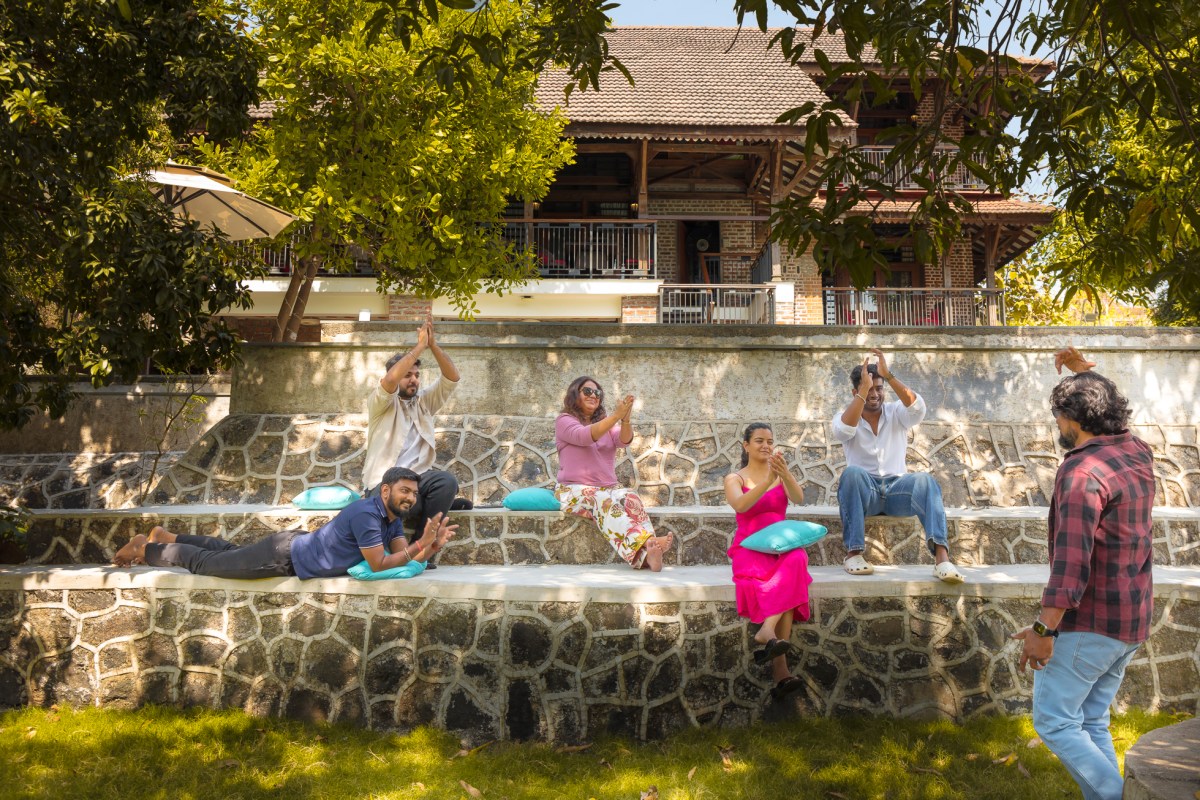
We’ve seen this play out across SaffronStays homes. Groups celebrating birthdays in Goa villas with private pools, families reconnecting over long meals in Alibaug, teams unwinding across expansive lawns in Lonavala.

And practically speaking, when the cost is shared across 15–20 people, villas often offer far better value than booking multiple hotel rooms.

This is exactly why searches for villas for large groups in India have grown rapidly in recent years.

A woman relaxing on a lounge chair by a swimming pool at sunset, with a table displaying various colorful cocktails; two people playing volleyball in the pool in the background.

SaffronStays Satori, Mulshi

Step 7: What Makes a Villa Truly Work for 15+ People

Not every villa can handle a large group well.

It’s not just about fitting everyone in. It’s about how the space feels when everyone is there.

Look for:

  • Spacious common areas where everyone can gather comfortably
  • Outdoor spaces like lawns or decks for evenings together
  • Thoughtful layouts that balance privacy and shared moments

The best villas don’t just accommodate people. They bring them together.

Step 8: Where to Go: Best Destinations for Group Getaways in India

Some destinations consistently work better for large groups because they combine accessibility, space, and the right kind of experiences.

These are also destinations where curated homes, like those by SaffronStays, are designed specifically for group stays and celebrations, making planning significantly easier.

A modern villa exterior at dusk featuring a swimming pool, outdoor seating area, and large glass doors that reveal a stylish interior.

SaffronStays Waters by Kosha Villas, Pawna

Step 9: Leave Space for the Unexpected

There’s a tendency to over-plan, especially with large groups.

But the most memorable parts of any trip rarely come from the itinerary. They come from the in-between moments. Late-night conversations. Unplanned games. Long, unhurried meals.

When the setting is right, you don’t need to fill every hour. The experience unfolds on its own.

Step 10: Keep It Simple, Keep It Transparent

A little structure makes a big difference.

Shared tools for expenses, quick polls for decisions, and open communication can eliminate most of the friction that comes with group planning.

When everything feels clear and easy, people relax. And when people relax, the trip becomes what it was meant to be.

A group of diverse friends enjoying a meal outdoors at a beautifully set table, surrounded by greenery and flowers.

SaffronStays Hacienda by the Sea, Alibaug

What Actually Makes a Group Trip Work

Planning for 15+ people will never be completely seamless.

But it doesn’t have to feel overwhelming.

Because in the end, it’s not about managing every detail perfectly. It’s about creating an environment where everything feels effortless once you arrive.

And more often than not, that comes down to one choice:

Choosing a space where everyone can truly be together.

Planning Your Next Celebration Stay?

If you’re looking for spaces that are thoughtfully designed for large groups, celebrations, and shared experiences, explore SaffronStays’ collection of villas across India.

From beachside homes in Goa to expansive villas in Lonavala and Alibaug, each space is designed to make group stays feel seamless, comfortable, and memorable.

Because when the setting is right, the celebration takes care of itself.

Corporate Offsite Venues in Maharashtra: Why Nature-Backed Estate Retreats Deliver Better Results

people enjoying in Safrronstays vedika

Corporate offsites have changed. They are no longer about moving a meeting from the office to a hotel ballroom. Today, when companies search for corporate offsite venues in Maharashtra, leadership retreat venues near Mumbai, or corporate retreat villas near Pune, they are not looking for a venue alone.

They are looking for clarity.  Alignment. Real  conversations.  Better outcomes. And increasingly, they are finding all of this in nature-backed estate retreats.

Across Maharashtra, from the lakes of Mulshi to the green coastal stretches of Alibaug, from the vineyard valleys of Nashik to the sea-facing calm of Sindhudurg, companies are choosing immersive, private spaces over traditional hotel settings. Because the environment changes how teams think.

Why Hotels No Longer Deliver the Same Impact

Hotels are efficient. But efficiency is not transformation.

A typical hotel offsite looks like this:

  • Back-to-back sessions in enclosed conference rooms
  • Shared lobbies with other events
  • Structured meal slots
  • Teams dispersing to rooms after dinner

The shift from office to hotel is physical, not psychological.

When planners search for an exclusive corporate offsite venue with accommodation, what they truly want is immersion. They want a setting where the team remains present, undistracted and connected. Private estate retreats provide that.

A full buyout means no parallel events. No outside noise. No overlapping agendas. The space belongs entirely to the team, and that changes the tone of discussions immediately.

How Nature Improves Strategic Thinking

There is a reason more companies are searching for lake-view corporate retreats near Pune or sea-facing corporate offsites in Maharashtra.

Nature reduces mental fatigue.  Open skies create perspective.  Water calms urgency.  Greenery lowers stress levels.

In Mulshi, lake views framed by hills create quiet focus. Strategy sessions feel slower, more deliberate, more thoughtful. It is an ideal setting for leadership alignment and annual planning meets.

A picturesque building with a pyramid-shaped roof, surrounded by lush greenery and distant mountains, illuminated at twilight.

Satori (Entire Estate~ 14 rooms), Mulshi

In Alibaug, proximity to Mumbai offers convenience, yet the green landscapes and coastal breeze create immediate separation from city intensity. Teams can arrive quickly but mentally disconnect almost instantly.

Modern villa with large windows overlooking a blue swimming pool, surrounded by lush greenery and palm trees.

SaffronStays Casa Del Palms, Alibaug

Nashik offers something layered. Dam views, mountain backdrops and vineyards combine to create space for big-picture thinking. It is increasingly becoming a preferred destination for senior management retreats and multi-day corporate offsites. The environment encourages both structured sessions and relaxed evening conversations that often lead to breakthrough ideas.

A chef grilling kebabs outdoors near a swimming pool, with guests enjoying food and music in a luxurious backyard setting.

SaffronStays Aqua Vista, Nashik

Sindhudurg delivers a different kind of clarity. The sea changes energy. The horizon expands thinking. Teams move away from daily operational concerns and begin focusing on long-term vision and creative direction.

A modern villa with a swimming pool overlooking the ocean, surrounded by landscaped greenery and a winding path.

Araqila Resort, Sindhudurg

Each region supports a different objective and that is why location selection has become strategic.

Choosing the Right Region for the Right Outcome

When selecting a corporate offsite venue in Maharashtra, the question is not just “where?”  it is “why?”

  • Mulshi works best for focused strategy and leadership planning.
  • Alibaug is ideal for short-format team resets close to Mumbai.
  • Nashik supports senior management retreats that require depth and perspective.
  • Sindhudurg suits vision-setting offsites and creative resets by the sea.

The right landscape strengthens the purpose of the retreat.

Space That Adapts to Your Agenda

One of the biggest advantages of nature-backed estate retreats is flexibility.

 Morning workshops can move outdoors. Breakout discussions can happen under trees.
Evening networking can unfold under open skies.  Late-night brainstorming doesn’t end when a banquet hall closes.

For companies searching for a corporate retreat with stay in Maharashtra, this integration of accommodation, meeting space and leisure areas into one private setting makes planning seamless.

There are no rigid ballroom timelines. No competing event schedules. Just space that adapts to your team’s rhythm.

Food Experiences That Build Culture

The most meaningful offsite conversations rarely happen during formal presentations. They happen at dinner. Estate retreats allow dining to feel intentional rather than transactional. Across Maharashtra, teams can experience:

  • Outdoor barbecue evenings
  • Traditional Maharashtrian meals
  • Coastal seafood experiences in Sindhudurg
  • Vineyard-inspired wine pairings in Nashik
  • Farm-style dining in Mulshi

When teams dine outdoors rather than under artificial lighting, hierarchies soften. Discussions become open. Informal bonding strengthens professional trust.

For planners looking for corporate offsite venues with curated dining experiences, this becomes a defining factor in overall success.

Why Nature-Backed Estate Retreats Deliver Stronger ROI

A successful corporate offsite should result in:

-Clearer direction.
-Stronger alignment.
-Better collaboration.
-Renewed energy.

Nature-backed estate venues support this through:

• Complete privacy
• Continuous team immersion
• Stress-reducing surroundings
• Flexible indoor and outdoor setups

Unlike hotel-based retreats where engagement dips after scheduled sessions, estate offsites maintain collective presence throughout the stay. That uninterrupted time often produces deeper alignment than tightly timed agendas ever could.

Frequently Asked Questions

What are the most preferred corporate offsite locations in Maharashtra?
Mulshi, Alibaug, Nashik and Sindhudurg are among the most preferred regions due to their natural settings, accessibility and suitability for private estate retreats.

Why choose an estate or resort  instead of a hotel for a corporate retreat?
Estate venues provide exclusivity, flexibility, privacy and immersive environments that foster stronger engagement and strategic thinking.

Is Nashik suitable for leadership retreats?
Yes. With its dam views, mountain landscapes and vineyards, Nashik offers both inspiration and accessibility, making it ideal for senior management offsites.

How far in advance should corporate offsite venues be booked?
Premium estate retreats in Maharashtra are often booked a month in advance, especially during peak planning seasons.

The Real Shift

Corporate offsites are no longer about stepping away from the office. They are about stepping into perspective. Lake views in Mulshi bring calm. Green escapes in Alibaug create ease.  Mountain horizons in Nashik inspire scale.  Sea-facing settings in Sindhudurg expand thinking. Nature-backed estate retreats do not just host meetings. They shape them.

Holi in Mathura & Vrindavan: A Complete Guide to Braj Holi Celebrations

Holi in mathura and vrindavan, people enjoying the festival of colours

Holi in Mathura and Vrindavan is not a one-day burst of colour it is a week-long cultural and spiritual journey that unfolds across the Braj region. Rooted in the legends of Lord Krishna and Radha, Braj Holi blends devotion, folklore, music, food, and community into one of India’s most immersive festival experiences.

Unlike typical Holi celebrations, Holi in Vrindavan and Mathura follows a sacred rhythm, with each day marked by a distinct ritual, location, and emotion. This guide covers when to visit, what to expect, crowd dynamics, food experiences, and where to stay so even a first-time visitor can navigate Braj Holi with ease.

A vibrant festival scene with a large crowd celebrating, covered in colorful powders, surrounded by traditional architecture and decorations.

Quick Guide: Holi in Mathura & Vrindavan

  • Region: Braj (Mathura, Vrindavan, Barsana, Nandgaon)
  • Festival Duration: 7–9 days
  • Best Time to Visit: 4–6 days before main Holi
  • Famous Celebrations: Lathmar Holi, Phoolwali Holi, Widow’s Holi
  • Ideal Trip Length: 3–5 days
  • Best For: Cultural travellers, spiritual seekers, photographers

What Is Braj Holi?

Braj Holi refers to the traditional Holi celebrations across towns connected to Lord Krishna’s life. Each destination contributes a different layer to the festival, Vrindavan focuses on devotion, Barsana on folklore, Nandgaon on playful rivalry, and Mathura on community rituals.

Together, these celebrations create a multi-day Holi experience that is deeply spiritual, theatrical, and participatory.

Best Time to Experience Holi in Mathura & Vrindavan

Season & Weather

Holi typically falls between late February and March, making it one of the best times to visit the region.

  • Day temperatures: 22°C–30°C
  • Evenings: Mild and comfortable
  • Mornings: Ideal for temple rituals

The pleasant weather allows long outdoor celebrations without the fatigue of peak summer heat.

Crowd Levels During Holi in Mathura & Vrindavan

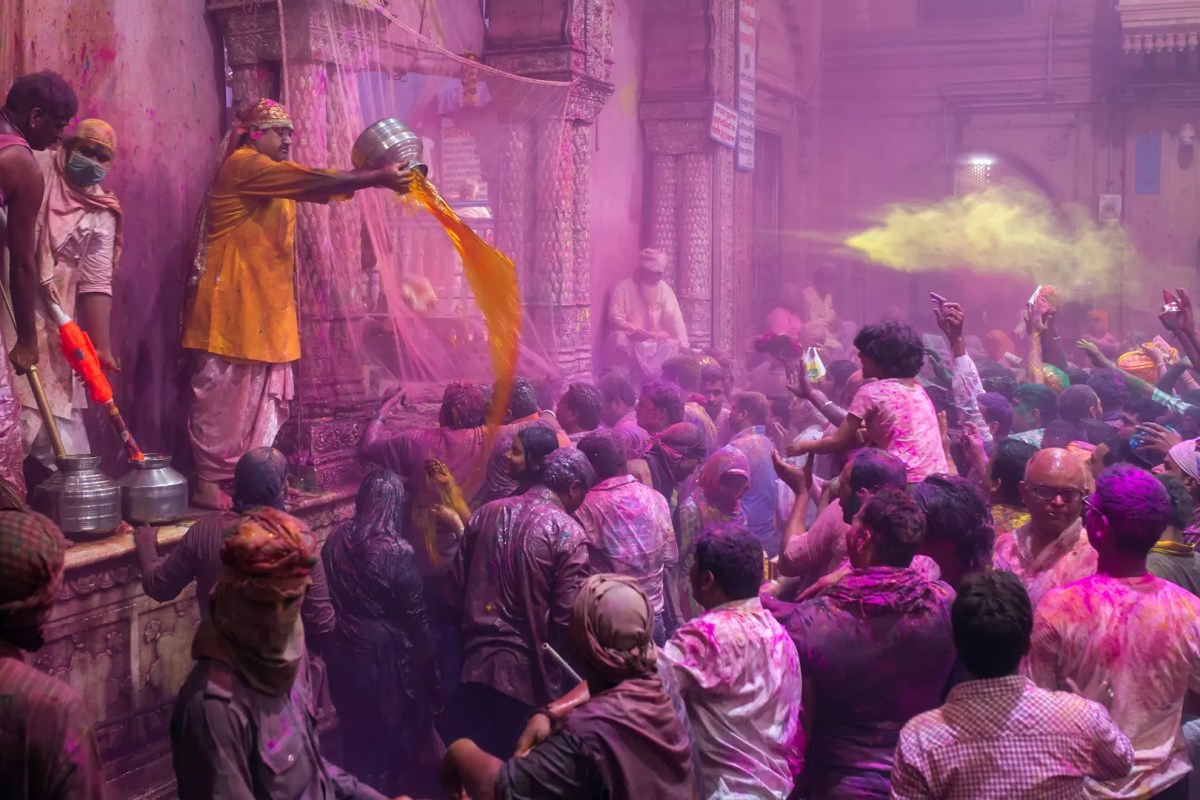
Crowd levels during Holi in Mathura and Vrindavan vary greatly depending on the day, location, and timing. Temple-based events such as Phoolwali Holi and Rangbharni Ekadashi draw dense crowds, especially in narrow temple lanes, while village celebrations like Lathmar Holi attract large but more spread-out gatherings. Early mornings are generally calmer and better suited for families and first-time visitors, while afternoons see peak energy and crowd density. Staying slightly away from temple centres allows travellers to experience the festivities without being overwhelmed, while still remaining well-connected to key Holi events.

Braj Holi: Day-by-Day Celebration Timeline

Day 1–2: Laddu Holi & Opening Rituals (Mathura)

Braj Holi begins quietly in Mathura with Laddu Holi, where priests throw sweets and flowers at devotees inside temples. The atmosphere is devotional and welcoming, marked by bhajans, drums, and gentle colour play. These early days are ideal for understanding the spiritual roots of Holi in Mathura before the celebrations intensify.

A vibrant scene of people celebrating Holi, covered in colorful powders and enjoying the festival. Many are dressed in traditional attire, joyfully throwing colors and displaying festive expressions.

Day 3: Phoolwali Holi (Vrindavan)

Phoolwali Holi at the Banke Bihari Temple is one of the most visually enchanting celebrations of Holi in Vrindavan. Instead of colours, priests shower devotees with fragrant flower petals, filling the temple with devotion and joy. The celebration is short but intense, with heavy crowds gathering early in the morning. This ritual symbolises purity and love, reflecting Krishna’s gentler, more devotional side.

A vibrant scene from a festival with people covered in colorful powders and flower petals, celebrating joy and unity. In the background, an audience watches from a balcony, capturing the moment.

Day 4: Widow’s Holi (Vrindavan)

Widow’s Holi in Vrindavan is among the most emotionally powerful moments of Braj Holi. Held at ashrams such as Pagal Baba Ashram, this celebration marks a historic shift from exclusion to inclusion. Widows celebrate Holi with gulal, devotional songs, and shared meals in a calm, respectful environment. The crowd here is moderate and composed, making it an ideal experience for travellers seeking the spiritual and social essence of Holi in Vrindavan rather than high-energy colour play.

A group of women in traditional attire celebrating with colorful flower petals during a festival, surrounded by a vibrant mix of pink and yellow petals in the air.

Day 5: Lathmar Holi (Barsana)

Lathmar Holi in Barsana is the most iconic and high-energy celebration of Braj Holi. Men from Nandgaon visit Barsana, where women playfully hit them with sticks in a ritual reenactment of Krishna teasing Radha. The atmosphere is theatrical, filled with folk songs, colour throwing, and laughter. Crowd levels are high but organised through barricades and viewing zones, attracting cultural travellers and photographers from across the world.

Day 6: Lathmar Holi (Nandgaon)

The celebration continues in Nandgaon the following day, with roles reversed. Compared to Barsana, the crowds here are slightly less intense, making it easier for visitors to engage with the festivities. This day offers a more balanced blend of tradition, colour play, and accessibility.

A vibrant festival scene depicting people in colorful garments, celebrating with the use of colored powders. A central figure, kneeling, is surrounded by others holding sticks, capturing the lively and cultural essence of the event.

Day 7: Rangbharni Ekadashi (Vrindavan & Mathura)

Rangbharni Ekadashi marks the symbolic beginning of colour play in temples across Vrindavan and Mathura. Deities are ceremonially offered gulal, and devotees participate in structured colour celebrations. While crowds are dense, the focus remains devotional, and most events conclude by midday. Many travellers prefer this day for its spiritual tone and relative predictability compared to main Holi.

Day 8: Main Holi (Dhulandi)

Main Holi, also known as Dhulandi, is the most vibrant and chaotic day of Holi in Mathura and Vrindavan. Streets overflow with colour, music, water, and dancing, especially around temple areas. Crowd levels peak on this day, creating an atmosphere that is joyful yet overwhelming for some. This is best suited for travellers who want to fully immerse themselves in the exuberant spirit of Braj Holi.

A vibrant celebration scene with a crowd of people throwing colorful powders during a festival, surrounded by trees under a clear blue sky.

Day 9: Holika Dahan (Mathura)

Holika Dahan is observed on the eve of main Holi and brings the festival to a reflective close. Bonfires are lit across Mathura to symbolise the victory of good over evil, drawing families and communities together. Compared to other Holi events, crowds are manageable and the mood is ritual-driven, offering a calm counterpoint to the colour-filled celebrations that follow.

A large bonfire surrounded by a crowd of people at night, with flames rising high and streetlights illuminating the scene.

Food Experiences During Braj Holi

Holi in Mathura and Vrindavan is incomplete without its festive food traditions. From gujiya and thandai to makhan mishri and Mathura peda, the region comes alive with flavours during Holi week. Street stalls, temple kitchens, and community bhandaras offer free meals, adding a strong sense of togetherness to the celebrations.

Where to Stay During Holi in Mathura & Vrindavan

Holi in Braj can be intense, making the choice of stay especially important. Travellers who opt for private villas or serene retreats near Mathura and Vrindavan enjoy a more balanced experience immersing themselves in festivities by day and retreating to calm, comfortable spaces by night.

A person sitting in a hanging chair on a balcony surrounded by lush greenery and colorful flowers, reading a book.

SaffronStays Aaramya Dham, Vrindavan

Those attending Lathmar Holi can benefit from staying near Barsana or Nandgaon, while travellers focusing on temple rituals may prefer quieter stays near Vrindavan. SaffronStays villas near Mathura, Vrindavan offer privacy, space, and proximity allowing guests to experience Braj Holi at their own pace.

Frequently Asked Questions

When should I plan my Holi trip to Mathura & Vrindavan?
Plan your visit 4–6 days before main Holi to experience multiple rituals.

Is Holi in Vrindavan suitable for families?
Yes, temple-based events and Widow’s Holi are family-friendly.

What time do Holi celebrations usually start?
Most rituals begin early morning and conclude by noon.

Experience Braj Holi the SaffronStays Way

Braj Holi is vibrant, emotional, and unforgettable but it’s also physically demanding. Returning to a quiet, private space after a day of colours and crowds makes the experience more meaningful.

SaffronStays’ curated villas and heritage homes near Mathura, Vrindavan, and Barsana offer a refined way to experience Holi—where culture meets comfort, and celebration meets calm.Because some festivals are not just celebrated. They are lived, felt, and remembered.

Beyond the Temple: How to Experience Mahashivratri 2026 in Trimbakeshwar Like an Insider

trimbakeshwar temple in nashik set for mahashivratri

Mahashivratri 2026 is not just a festival date. It is a powerful spiritual moment. In 2026, as the Great Night of Shiva falls on Sunday, 15 February 2026, the sacred town of Trimbakeshwar Temple becomes the spiritual heartbeat of Maharashtra.

Devotees from across India will gather at this revered Jyotirlinga. But the true insider way to experience Mahashivratri in Trimbakeshwar is not just about temple queues. It is about balance between intense spiritual rituals and the serene luxury of Nashik vineyard stays.

If you are searching for Mahashivratri 2026 date, best time to visit Trimbakeshwar, where to stay near Trimbakeshwar Temple, or luxury villas in Nashik for Mahashivratri, this is your complete guide.

An ornate entrance gate decorated with lights and flowers, leading to a temple illuminated at night.

1. The Divine Timeline: Mahashivratri 2026 Date, Weather in Nashik & Crowd Planning

The official Mahashivratri 2026 date is Sunday, 15 February 2026. Because it falls on a weekend, expect significant footfall at Trimbakeshwar Temple darshan.

February is considered the best time to visit Nashik. Day temperatures hover around 31°C, while nights cool down to approximately 17°C. This makes it ideal for late-night temple rituals, vineyard walks, and outdoor dining experiences.

The smartest way to plan your Mahashivratri weekend getaway near Mumbai is to arrive a day prior. Use Saturday to explore vineyards and relax. Keep Sunday focused on your temple visit. If you are seeking deeper spiritual immersion, attend the Nishita Kaal Puja at Trimbakeshwar Temple, which takes place around midnight and is considered the most spiritually significant ritual of the night.

Planning your visit this way allows you to experience Mahashivratri temple rituals in Trimbakeshwar without unnecessary stress.

A pair of hands using pruning shears to cut a bunch of dark purple grapes hanging from a vine in a vineyard.

2. The Table-to-Soul Experience: Nashik Grape Season in February

February marks the peak of Nashik grape harvest season. Vineyards in Dindori and Gangapur are lush and active, making this the perfect time for a vineyard experience in Nashik.

Walking through working grape orchards offers a refreshing contrast to temple energy. Many farms along the Trimbak to Nashik road sell fresh Thompson Seedless and Crimson grapes directly to visitors. Buying grapes during Nashik crush season is a unique local experience.

Nashik is widely known as the Wine Capital of India. A sunset tasting at Sula Vineyards or Soma Vine Village is one of the most recommended experiences during a Nashik weekend trip in February. Chenin Blanc and Shiraz tastings paired with vineyard-view dining create the perfect balance after temple darshan.

This combination of Trimbakeshwar Jyotirlinga pilgrimage and luxury vineyard experiences in Nashik makes Mahashivratri 2026 uniquely memorable.

Aerial view of a modern villa surrounded by lush vineyards and hills, featuring a swimming pool and outdoor seating.

SaffronStays Maitri, Igatpuri

3. Your Private Sanctuary: Luxury Villas Near Trimbakeshwar Temple

With thousands of devotees visiting for Mahashivratri 2026, hotels near Trimbakeshwar are expected to be crowded. Choosing a private villa near Trimbakeshwar Temple offers privacy, comfort, and convenience.

SaffronStays Villa Reya, located near Anjaneri, is ideal for travellers seeking mountain view villas in Nashik. Its infinity pool overlooking the Sahyadri range makes it perfect for relaxation after temple visits.

A couple enjoying a drink while seated by an infinity pool at sunset, surrounded by nature and modern architecture.

SaffronStays Villa Reya, Nashik

SaffronStays Aamelia by the Hills is suited for families planning a Mahashivratri family getaway in Nashik. This five-bedroom luxury villa features expansive lawns and a private waterfall, making it one of the most desirable large group villas near Trimbakeshwar.

A scenic view of a modern house set on a hillside surrounded by lush greenery and rolling hills under a cloudy sky.

SaffronStays Aamelia by the Hills, Nashik

SaffronStays AnjanAiry offers panoramic foothill views and a private swimming pool, making it an excellent option for those looking for a private pool villa near Trimbakeshwar Temple.

A modern house set on a hillside, surrounded by dry grass and small trees, with a backdrop of mountains and a colorful sunset sky.

SaffronStays AnjanAiry , Nashik

Staying slightly away from the temple in a luxury villa in Nashik ensures a peaceful retreat after darshan while remaining within driving distance of the shrine.

4. Essential Travel Information for Mahashivratri 2026 in Nashik

Reaching Trimbakeshwar from Mumbai takes approximately 3.5 to 4 hours by road. The most direct route is via NH160. Many travellers now prefer the Mumbai–Nagpur Samruddhi Expressway for a smoother and faster drive toward Nashik.

On Mahashivratri at Trimbakeshwar Temple, special rituals such as Maha Pooja and continuous Abhishek are conducted throughout the night. If you plan to perform a Rudrabhishek at Trimbakeshwar, booking a local priest in advance is strongly recommended.

Visitors can also purchase fresh grapes directly from farms along the Trimbak to Nashik route, especially during February grape season in Nashik.

Why Mahashivratri 2026 in Nashik and Trimbakeshwar Is Worth Planning Early

This is more than a religious visit. It is a carefully timed spiritual getaway near Mumbai that combines devotion, nature, and comfort.

You experience:

  • One of the twelve sacred Jyotirlingas at Trimbakeshwar Temple
  • The most pleasant February weather in Nashik
  • Peak Nashik grape harvest season
  • Premium luxury villas near Trimbakeshwar
  • An easy weekend drive from Mumbai

If you are planning a Mahashivratri weekend trip from Mumbai, combining temple rituals with vineyard luxury offers a balanced and elevated experience.

Plan early. Choose privacy. Experience devotion and design in one seamless Mahashivratri 2026 Nashik getaway.

The Ultimate Udaipur Travel Guide: How to Plan the Perfect City of Lakes Escape

Let’s be honest: planning a trip to Rajasthan’s most romantic destination can feel like trying to solve a 1,000-piece puzzle where every piece is made of white marble. You want the sunset boat rides and the “Venice of the East” charm, but you’d rather skip the part where you’re stuck in a Tuk-Tuk traffic jam behind a very confused cow. 

Whether you are chasing the golden January sun or looking for a private pool to beat the summer heat, this comprehensive Udaipur travel guide is your shortcut. We have broken down the city into bite-sized categories, from the non-negotiable sightseeing spots in Udaipur to the best local street food secrets. Consider this your local companion to navigate the Mewar region like a royal, without the typical tourist stress.

Best time to visit Udaipur

The best time to visit Udaipur is undoubtedly between October and March, when the desert heat retreats and the “City of Lakes” is bathed in a soft, golden winter glow. During these months, the weather in Udaipur is so perfect; expect crisp, sunny days and nights that are just chilly enough to justify that expensive pashmina you’re going to buy. January is the absolute peak for a reason; the lakes sparkle, the palaces are cool to the touch, and the vibe is purely celebratory. If you are a fan of drama, the monsoon months (July to September) turn the Aravalli hills into a lush green paradise, though you may encounter some humidity.

View of a vibrant cityscape through an intricately designed arch, showcasing colourful buildings and distant hills under a clear blue sky.

Things to do in Udaipur & places to visit in Udaipur

Udaipur isn’t just a city; it’s a sprawling gallery of history and nature. To help you navigate, we have divided the top sightseeing spots in Udaipur by their unique local character.

  •  Palaces & Heritage Landmarks
    • City Palace: The largest palace complex in Rajasthan. It’s a labyrinth of mirror-work and hanging gardens. Pro-tip: Enter through the Badi Pol gate at 9:15 AM to beat the tour buses.
    • Jag Mandir: An island palace on Lake Pichola accessible by boat. It is so beautiful that it reportedly inspired the design of the Taj Mahal.
    • Sajjangarh (Monsoon Palace): Perched high on a hill, this 19th-century palace offers the best panoramic sunset views of the city.
    • Bagore Ki Haveli Show: Every evening at 7:00 PM, they host the “Dharohar” folk dance. It is intense, colorful, and genuinely impressive—a perfect way to see Rajasthan’s heritage in motion.
  •  Lakes & Waterfront Areas
    • Lake Pichola: The oldest and most iconic lake. A sunset boat ride to see the Lake Palace glowing on the water is a core memory you actually want.
    • Fateh Sagar Lake: This is where the locals hang out. It is great for a long evening walk or a quick “Kulhad Coffee” by the promenade.
    • Lake Badi (Bahubali Hills): Located on the outskirts, a short 20-minute hike leads to a view that looks like a scene from an epic fantasy movie.
  •  Temples & Spiritual Sites
    • Jagdish Temple: A stunning Indo-Aryan temple near the City Palace. The morning “Aarti” (prayer) is loud, rhythmic, and incredibly soulful.
    • Eklingji Temple: Located 22 km away, this complex of 108 temples is a masterpiece of stone carving dedicated to the Lord of Mewar.
    • Karni Mata Temple: Accessible via a ropeway, this hilltop shrine provides a breathtaking bird’s-eye view of the entire city.
  •  Old City & Markets
    • Hathi Pol Bazaar: The primary choice for authentic Pichwai paintings and traditional Rajasthani footwear (Juttis).
    • Bada Bazaar: The bustling heart of the city for silver jewelry, camel leather journals, and vibrant Bandhani fabrics.
A waterfront view showcasing historic buildings with ornate facades, illuminated by the golden light of sunset, reflecting in the calm water below.

Best Day Trips from Udaipur

If you have an extra day, these legendary locations are worth the drive.

  • Chittorgarh Fort: A must-do day trip located 2 hours away. This UNESCO giant is one of the largest forts in India, echoing stories of Jauhar and Rajput bravery.
  • Kumbhalgarh Fort: A UNESCO site located 85 km from the city. It features the second-longest wall in the world (after the Great Wall of China). It is a spectacular drive through the Aravalli hills.
  • Ranthambore National Park: While it is a longer journey (roughly 6-7 hours), many travelers include it as a “long day trip” or a next-stop destination. It is the premier place in Rajasthan to spot the Royal Bengal Tiger in its natural habitat.

Places to stay in Udaipur 

Deciding where to stay in Udaipur is all about deciding how much of the city’s energy you want to wake up to.

  • Stay near the City Palace or Lake Pichola: For those who want to be in the heart of the action and hear the temple bells from their balcony, this is the spot. In the evening, explore the lanes of Udaipur for local handicraft, art and antique shops.
  • Stay near Fateh Sagar Lake: If you prefer wider roads and a more relaxed evening vibe, look for stays in this area. The sunsets at Fateh Sagar lake are breathtaking and definitely don’t want to miss it. 
  • Moringa Valley Region: For a truly immersive nature experience, the Moringa Valley area on the outskirts offers a secluded retreat. It is the ideal location for a private villa in Udaipur where the only neighbors are the Aravalli hills and the occasional peacock.

Famous Delicacies and Cafes in Udaipur

Udaipur’s food scene is a wild ride of spice and scenery. You haven’t truly arrived until you’ve tried the legendary Laal Maas (fiery mutton curry) or a massive Dal Baati Churma thali. For a breakfast that hits different, hunt down Mirchi Wada, Pyaaz Kachori, and Dal Kachori near the Clock Tower.

  • Experience royal dining in u\Udaipur: Ambrai is a must for a romantic dinner with a view of the lit-up City Palace. For a royal experience, try Sheesh Mahal at the Leela Palace.
  • Iconic Eats: Harigarh Restaurant and Khamma Gani are the heavyweights for lakeside fine dining with authentic Rajasthani flavors.
  • Charming Cafes: For a modern break, head to Jheel’s Ginger Coffee Bar for the best view of the ghats, or Appetite Food Zone for local favorites. Upre by 1559 AD and Sun and Moon Rooftop are also excellent for those looking for a blend of contemporary and traditional fusion.

Don’t Let the Sun Set on Your Chance

Udaipur is the kind of city that ruins other vacations for you. It is a city you soak in. Once you have watched the Aravalli hills turn purple from your private terrace or felt the cool marble of a thousand-year-old temple under your feet, everything else feels a little too quiet, a little too ordinary. 

This is the year to stop saying “someday” and finally walk through the marble gates yourself. Once you’ve had a private breakfast overlooking the mountains, you’ll never want to stay in a “regular” hotel again.