Waking Up Above the Clouds: A Guide to Coorg and Chikmagalur Coffee Plantation Stays in June

There is a particular kind of morning that only coffee country can offer.

You wake up to the sound of rain tapping softly against tiled roofs. Wisps of cloud drift lazily through rows of coffee bushes. The air smells of wet earth, pepper vines, and freshly brewed filter coffee. Somewhere in the distance, a Malabar whistling thrush announces the start of another monsoon day.

This is June in Karnataka’s coffee heartland.

While much of the country is battling rising temperatures, the hills of Coorg and Chikmagalur begin their annual transformation. Coffee estates turn emerald green, waterfalls return to life, and the roads winding through the Western Ghats become some of the most scenic drives in South India.

Whether you are planning a family getaway, a slow monsoon escape, or simply want to spend a few days surrounded by coffee plantations and mountain views, Coorg and Chikmagalur offer two distinct yet equally memorable experiences.

Table of Content:

Why June Is the Sweet Spot for Karnataka’s Coffee Country

Most travellers associate hill stations with summer. Seasoned travellers know that coffee country comes into its own once the rains arrive.

June marks the beginning of the monsoon season across Coorg and Chikmagalur. The first showers wash away the dust of summer, streams begin flowing again, and entire valleys disappear beneath blankets of mist. The weather remains pleasantly cool, typically ranging between 18 and 25 degrees Celsius, making it ideal for long walks through plantations, leisurely breakfasts overlooking the hills, and afternoons spent listening to rain from a covered verandah.

Unlike peak holiday periods, June also brings a quieter atmosphere. Roads are less crowded, viewpoints feel more intimate, and plantation stays offer a sense of privacy that is increasingly difficult to find in popular destinations.

Practical note: early June (before the 15th) is the most rewarding window. The hills have already greened up and waterfalls started flowing, but the heaviest sustained rain has not yet arrived. Carry a waterproof layer, wear high socks on plantation walks (leeches appear in damp undergrowth), and build flexibility into your plans. Some trails close temporarily after heavy rain.
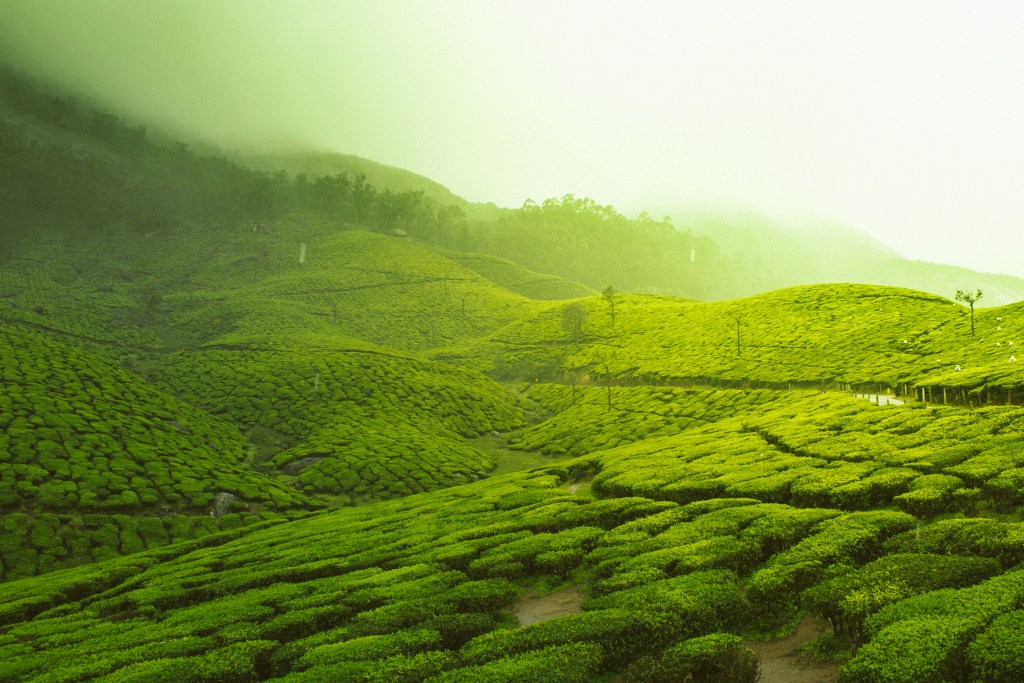
Emerald green coffee bushes shaded by silver oak trees on a Coorg estate in the June monsoon, Karnataka

Coorg: Where Families Find Space to Slow Down

Ask anyone in Karnataka about their favourite monsoon destination and chances are Coorg will feature near the top of the list.

Known as the Scotland of India, Kodagu district combines rolling coffee estates, forested hills, rivers, and charming plantation homes that have been welcoming guests for generations. For families looking for private villa stays in Coorg, the region offers a compelling alternative to conventional hotels. Private villas allow families to gather under one roof, share meals together, enjoy expansive gardens, and experience the slower rhythms of estate life.

A typical day in Coorg rarely needs an itinerary.

Mornings begin with steaming cups of locally grown coffee. Afternoons are spent exploring nearby waterfalls, driving through mist-covered roads, or simply watching clouds move across the hills. Evenings often end around a bonfire when weather permits, accompanied by local Kodava cuisine and stories that stretch long after dinner.

The emphasis here is not on rushing from one attraction to another. It is on allowing the landscape to set the pace.

Among the most rewarding ways to experience Coorg is by staying within a working plantation itself. SaffronStays operates private villas set amid acres of greenery, with views of the Harangi backwaters and the quiet rhythms of a working estate that many day visitors never see.

Chikmagalur: Living Among the Coffee Estates

If Coorg feels established and familiar, Chikmagalur feels wonderfully immersive.

Often regarded as the birthplace of coffee cultivation in India, Chikmagalur has a long association with sprawling estates, mountain landscapes, and plantation culture. The region’s elevation gives it a distinct character. The roads are steeper, the views broader, and the coffee estates stretch as far as the eye can see.

For travellers seeking a luxury plantation stay experience in Chikmagalur, the appeal lies in staying within these estates rather than merely visiting them.

A morning walk here might take you through rows of coffee bushes shaded by silver oak trees. You could spend an afternoon learning about the coffee-growing process from bean to brew, before returning to a verandah overlooking rolling hills wrapped in mist.

Unlike busier hill destinations, Chikmagalur rewards travellers who appreciate slower experiences. Time is measured not by sightseeing checklists but by cups of coffee, changing weather patterns, and conversations that unfold naturally.

SaffronStays properties in Chikmagalur place guests in the heart of plantation landscapes, allowing them to experience the region’s defining character from the moment they wake up. The result is not just a stay in Chikmagalur. It is an opportunity to live, however briefly, within the rhythms of a working coffee estate.

Sunrise over rolling coffee estates in Chikmagalur, Karnataka, with mist filling the valleys in June

Coorg or Chikmagalur: Which Makes the Better Drive from Bangalore?

One of the biggest advantages both destinations share is accessibility from Bangalore.

Coorg typically takes between five and six hours by road via the Mysore route. Chikmagalur is often a little closer, at four to five hours via NH75 through Hassan. Both are well within reach of a Bangalore weekend drive, making them natural choices for the city’s professionals and families looking to escape between Friday evening and Sunday night.

Choosing between the two ultimately depends on the experience you are seeking. Coorg tends to appeal more to families looking for spacious homes, heritage character, backwater views, and a broader range of activities. Chikmagalur is often preferred by travellers who want to immerse themselves in coffee culture, mountain landscapes, and plantation life with fewer distractions.

The good news is that there is no wrong answer. Both destinations deliver the sense of escape that city dwellers crave, particularly during the monsoon months.

Extending the Journey: Why Kabini Deserves a Place on Your Radar

For travellers planning a longer Karnataka getaway, Kabini offers a compelling addition to a coffee-country itinerary.

While it is better known for wildlife experiences than coffee plantations, the region’s water bodies, forests, and tranquil surroundings create a completely different atmosphere from the hills. Many travellers exploring Kabini waterfront resorts and stays are drawn by the opportunity to spend time near the backwaters, where mornings often begin with bird calls and mist rising over the water.

Combining Kabini with either Coorg or Chikmagalur creates a well-rounded itinerary that blends plantations, forests, and waterfront landscapes into a single journey through Karnataka’s most rewarding countryside.

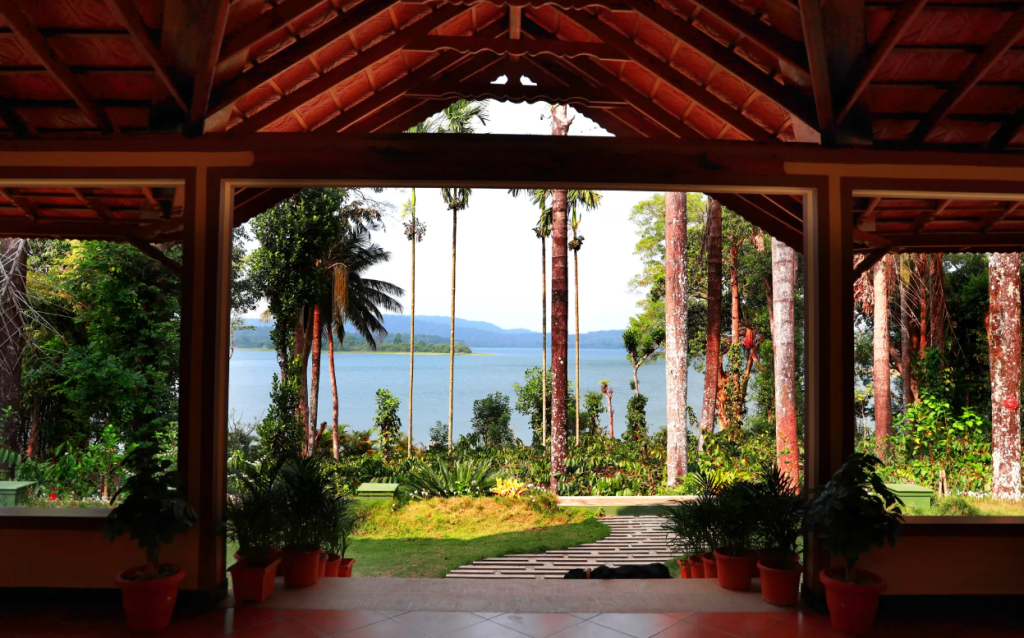
Kabini backwaters at dawn with mist rising over the water and forest on the opposite bank, Karnataka

Why Private Villas Work So Well During the Monsoon

Rain has a way of encouraging people to slow down.

That is precisely why private villas often feel more rewarding than conventional hotels during this season. Instead of navigating crowded dining halls or busy common areas, guests have the freedom to enjoy the weather on their own terms. Breakfast can stretch into lunch. Conversations can continue uninterrupted. Children can explore open lawns while adults settle into a covered sit-out with a book and a fresh cup of coffee.

The experience feels personal rather than programmed.

In destinations built around nature and scenery, that difference matters. A hotel gives you a room with a view. A private estate puts you inside the view.

A Three-Day Coffee Country Escape

A long weekend is often all you need.

Leave Bangalore early on a Friday morning and arrive in Coorg or Chikmagalur by afternoon. Spend the evening settling into your villa and enjoying your first monsoon sunset. Reserve the second day for estate walks, coffee experiences, local cuisine, and nearby viewpoints. Allow room for spontaneity because some of the best moments in coffee country are unplanned.

On the final morning, wake up early, enjoy one last leisurely breakfast overlooking the hills, and begin the drive back with a few bags of freshly roasted coffee in the boot.

The journey home feels considerably shorter when you have spent a weekend above the clouds.

One Last Thought

June transforms Coorg and Chikmagalur into some of the most rewarding destinations in South India. The landscapes are greener, the air is cooler, and the experience feels more intimate than during peak holiday periods.

Whether you choose the spacious charm of a Coorg family villa or the immersive appeal of a Chikmagalur plantation stay, one thing is certain: few places make slowing down feel this effortless.

And sometimes, all it takes is a cup of coffee, a blanket of mist, and a home surrounded by the Western Ghats to remember how refreshing that can be.

Browse SaffronStays properties in Coorg and Chikmagalur at saffronstays.com/villas/villas-in-coorg.

Plan Your Monsoon Coffee Country Escape Private plantation villas in Coorg, Chikmagalur, and Kabini. Your caretaker, your kitchen, your estate. saffronstays.com/villas/villas-in-coorg

YOU MIGHT ALSO LIKE

  • Kerala in Monsoon 2026: Why June Is the Best-Kept Secret for a South India Villa Stay  (Published 4 June)
  • Escaping the Nilgiri Summer Rush: Private Estates in Coonoor and Kodaikanal  (Published 4 June)
  • Best Places to Visit in India in June 2026: SaffronStays Region-by-Region Guide  (Publishing 18 June)

FAQ: Coorg and Chikmagalur in June

Is Coorg good to visit in June?

Yes, with the right expectations. Early June is excellent: the estates are vivid green, waterfalls have started flowing, and the worst of the monsoon rain has not yet arrived. By mid to late June, expect sustained rainfall and some trail closures. Pack a waterproof layer, wear high socks on plantation walks, and build flexibility into your plans. For travellers who enjoy the atmosphere of rain and mist, June in Coorg is genuinely magical.

How far is Coorg from Bangalore?

Coorg (Madikeri) is roughly 240 to 260 kilometres from Bangalore, typically a five to six hour drive via the Mysore route (NH275). Traffic through Mysore and road conditions in the Ghats can affect the timing. Most travellers leave Bangalore by 5am or 6am on a Friday to arrive comfortably by early afternoon.

Which is better for a monsoon stay: Coorg or Chikmagalur?

Both are excellent but they offer different experiences. Coorg is better for families wanting spacious villas, heritage character, and a wider range of activities around the Harangi backwaters and nearby attractions. Chikmagalur is better for travellers who want pure plantation immersion: steeper terrain, broader views, and a stronger focus on coffee culture. If you have four or more days, combining both is very rewarding.

What is the drive time from Bangalore to Chikmagalur?

Chikmagalur is roughly 240 kilometres from Bangalore via NH75 through Hassan, typically four to five hours by road. The route passes through pleasant countryside and the drive itself is part of the experience. Start early to arrive before afternoon and make the most of your first evening at the estate.

What should I pack for a Coorg or Chikmagalur monsoon stay?

Waterproof jacket or poncho, waterproof shoes or sandals that can get wet, high socks for plantation walks (essential for leech protection in damp areas), a light fleece for evenings (temperatures drop to 16 to 18 degrees Celsius after dark), and a power bank since signal can be patchy on estates. Leave itinerary pressure at home. The best thing to pack for a monsoon coffee country stay is willingness to let the weather decide the day.

How to Plan a Celebration Trip for 15+ People in India (Without Losing Your Mind)

It always begins the same way. A simple message on a WhatsApp group: “Guys, let’s plan a trip.”

Within minutes, it spirals. Goa vs mountains. Budget debates. Dates that don’t match. Someone suggests “let’s just see,” and someone else is already planning outfits. And suddenly, planning a celebration for 15+ people starts feeling less like excitement and more like coordination chaos.

But here’s the truth most people don’t realise until it’s too late:

Large group trips don’t fail because of people. They fail because of poor planning decisions early on.

Get those right, and everything else becomes surprisingly easy.

How do you plan a trip for 15+ people in India? (Quick Answer)

If you’re short on time, here’s what actually works:

  • Lock dates early based on majority
  • Set a clear per-person budget upfront
  • Assign responsibilities across the group
  • Choose a destination based on the occasion
  • Book a private villa instead of multiple hotel rooms
  • Keep the itinerary flexible

The biggest difference-maker?
Booking a space designed for large groups from the start.

Step 1: Start With Dates, Not Destinations

Most people begin with “Where should we go?”
The smarter question is “When can most people go?”

With a group this size, perfect alignment doesn’t exist. What works is momentum. Share a couple of date options, let people respond quickly, and lock what works for the majority.

Because once dates are set, the trip becomes real. Everything else starts falling into place.

Step 2: Define the Celebration Before the Location

Not all group trips are built the same.

A 30th birthday celebration has a very different energy from a family reunion. A corporate offsite needs structure, while a friends’ getaway thrives on spontaneity.

When you’re clear about the kind of celebration, the destination almost chooses itself.

For instance, we’ve seen groups pick Goa villas for milestone birthdays, while quick weekend reunions often lean towards Lonavala or Alibaug for easy access and relaxed settings.

A group of six people enjoying drinks and conversing in a sunny garden setting with a modern house in the background. Fairy lights are hung above them, and the atmosphere appears relaxed and festive.

Step 3: Fix the Budget Early (It Solves Half Your Problems)

If there’s one conversation that simplifies everything, it’s this one.

A clearly defined per-person budget removes hesitation, speeds up decisions, and avoids awkward discussions later. It also helps filter options instantly.

Instead of debating endlessly, the group aligns faster when everyone knows what they’re comfortable spending.

Step 4: Don’t Plan Alone — Build a Core Team

There’s always one person who ends up doing everything. Don’t let that be you.

Large group trips work best when planning is shared. Someone handles bookings, someone manages logistics, someone takes charge of food or activities.

Interestingly, when people are involved in planning, they show up more engaged. The trip starts feeling like a collective experience even before it begins.

Step 5: The One Decision That Changes Everything

Here’s where most large group trips quietly fall apart.

Booking multiple hotel rooms feels like the obvious choice. It’s familiar, easy, and seems organised.

But once you arrive, the cracks show.

You’re split across floors. There’s no real space to sit together. Conversations get fragmented. And the one thing you planned this trip for, being together, starts slipping away.

That’s when most groups realise they need something else entirely.

Araqila Resort, Sindhudurg

Step 6: Why Private Villas Redefine Group Celebrations

There’s a noticeable shift when a group checks into a villa instead of a hotel.

The energy changes.

People gather naturally in the living room. Music flows without interruptions. Meals become shared experiences instead of scheduled slots. There’s no rushing, no splitting up, no constant coordination.

For large groups, this isn’t just about comfort. It’s about continuity.

We’ve seen this play out across SaffronStays homes. Groups celebrating birthdays in Goa villas with private pools, families reconnecting over long meals in Alibaug, teams unwinding across expansive lawns in Lonavala.

And practically speaking, when the cost is shared across 15–20 people, villas often offer far better value than booking multiple hotel rooms.

This is exactly why searches for villas for large groups in India have grown rapidly in recent years.

A woman relaxing on a lounge chair by a swimming pool at sunset, with a table displaying various colorful cocktails; two people playing volleyball in the pool in the background.

SaffronStays Satori, Mulshi

Step 7: What Makes a Villa Truly Work for 15+ People

Not every villa can handle a large group well.

It’s not just about fitting everyone in. It’s about how the space feels when everyone is there.

Look for:

  • Spacious common areas where everyone can gather comfortably
  • Outdoor spaces like lawns or decks for evenings together
  • Thoughtful layouts that balance privacy and shared moments

The best villas don’t just accommodate people. They bring them together.

Step 8: Where to Go: Best Destinations for Group Getaways in India

Some destinations consistently work better for large groups because they combine accessibility, space, and the right kind of experiences.

These are also destinations where curated homes, like those by SaffronStays, are designed specifically for group stays and celebrations, making planning significantly easier.

A modern villa exterior at dusk featuring a swimming pool, outdoor seating area, and large glass doors that reveal a stylish interior.

SaffronStays Waters by Kosha Villas, Pawna

Step 9: Leave Space for the Unexpected

There’s a tendency to over-plan, especially with large groups.

But the most memorable parts of any trip rarely come from the itinerary. They come from the in-between moments. Late-night conversations. Unplanned games. Long, unhurried meals.

When the setting is right, you don’t need to fill every hour. The experience unfolds on its own.

Step 10: Keep It Simple, Keep It Transparent

A little structure makes a big difference.

Shared tools for expenses, quick polls for decisions, and open communication can eliminate most of the friction that comes with group planning.

When everything feels clear and easy, people relax. And when people relax, the trip becomes what it was meant to be.

A group of diverse friends enjoying a meal outdoors at a beautifully set table, surrounded by greenery and flowers.

SaffronStays Hacienda by the Sea, Alibaug

What Actually Makes a Group Trip Work

Planning for 15+ people will never be completely seamless.

But it doesn’t have to feel overwhelming.

Because in the end, it’s not about managing every detail perfectly. It’s about creating an environment where everything feels effortless once you arrive.

And more often than not, that comes down to one choice:

Choosing a space where everyone can truly be together.

Planning Your Next Celebration Stay?

If you’re looking for spaces that are thoughtfully designed for large groups, celebrations, and shared experiences, explore SaffronStays’ collection of villas across India.

From beachside homes in Goa to expansive villas in Lonavala and Alibaug, each space is designed to make group stays feel seamless, comfortable, and memorable.

Because when the setting is right, the celebration takes care of itself.