
Planning a Jim Corbett safari in June? Find out which zones are closing, which stay open all season, and why a SaffronStays private villa in Ramnagar with a pool is the perfect retreat after your summer jungle adventure.
June at Jim Corbett: The Season That Rewards the Decisive
There is a particular kind of traveller who does their best planning under pressure. Who reads “closing soon” not as a warning but as an invitation. If that sounds like you, Jim Corbett National Park in June was made for you.
June is the final chapter of Corbett’s safari season — and in many ways, its most dramatic one. The forest floor is dry and open. The waterholes are active. The animals move with purpose toward the rivers. And the crowds that flood the park in December and January have long since thinned. What you get instead is a leaner, more focused wildlife experience — one that demands early mornings, the right zones, and the right place to stay when the jungle heat finally catches up with you.
This guide covers everything: which zones are open, which are closing and when, what to expect from a Jim Corbett safari in June, and why a SaffronStays private villa in Ramnagar is the most intelligent base you can choose for this trip.
The Zone-by-Zone Breakdown: What’s Open, What’s Closing, and When
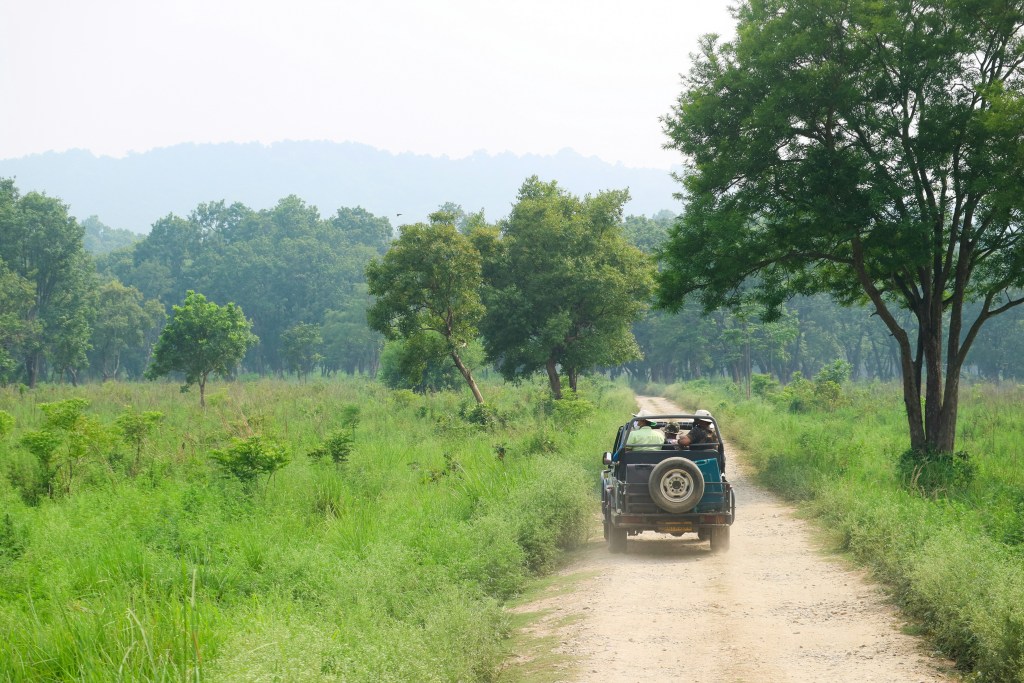
Jim Corbett Tiger Reserve is divided into seven safari zones. Each operates on its own seasonal calendar, and in June, the differences between them matter enormously. Get this wrong, and you could arrive to find your preferred zone closed. Get it right, and you are looking at some of the finest wildlife sightings of the year.
Dhikala Zone — Closing June 15
Dhikala is the most coveted zone in Corbett — and for good reason. It is the largest of the seven, covering dense sal forest, open grasslands, and the sweeping floodplains of the Ramganga river. Tiger sighting rates here are among the highest in the park. The famous Canter Safari, which runs exclusively through Dhikala, carries up to 18 passengers through the zone in a single session of four to five hours.
The Dhikala zone closing date is June 15. After that, it does not reopen until mid-November. If Dhikala is on your list — and it should be — you have a narrow window left. Morning Canter Safaris depart as early as 5:00 AM in summer. Book your permits immediately through the official Corbett portal at corbettonline.uk.gov.in.
Durga Devi Zone — Closing June 15
Durga Devi is Corbett’s most scenic zone — hilly, forested, and dramatically different in character from Dhikala’s open plains. It is the zone of choice for serious birdwatchers and wildlife photographers who value variety over sheer volume. Leopards, elephants, and a remarkable range of Himalayan bird species make this one of the park’s most rewarding zones when conditions are right.
Like Dhikala, Durga Devi closes on June 15. Time is short.
Bijrani Zone — Closing June 30
Bijrani offers a compelling middle ground — accessible, well-maintained jeep trails, reliable tiger and elephant sightings, and dense mixed forest that provides excellent shade cover during summer safaris. It opens earlier in the season than most zones and runs all the way to June 30, giving late-June travellers a strong safari option when Dhikala and Durga Devi have already wound down.
Jhirna Zone — Open Year-Round
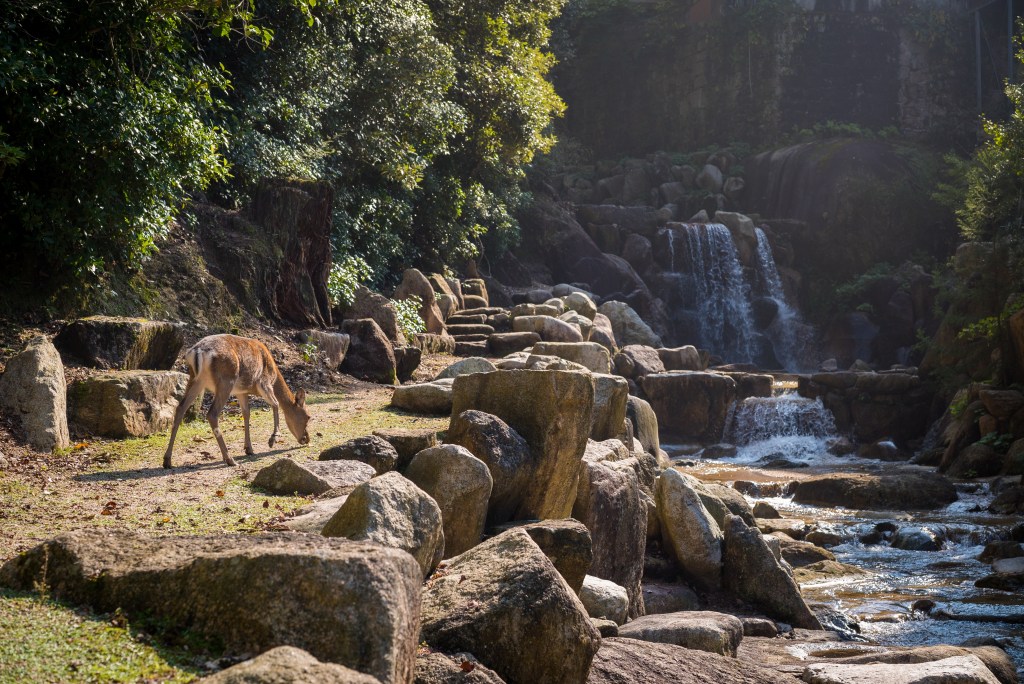
Jhirna is the zone that never closes. Open through every season including the monsoon, it is Corbett’s most dependable safari destination and the anchor of any June or July itinerary. The terrain is comparatively dry, with no major river running through it, which makes visibility excellent even as other zones become overgrown. Jhirna is particularly celebrated for sloth bear sightings, one of the rarest and most spectacular wildlife encounters available in any Indian national park, alongside consistent tiger and elephant activity.
For travellers arriving in late June or planning a monsoon-adjacent trip, Jhirna is not the backup option. It is the plan.
Dhela Zone — Open Year-Round
Dhela’s wide grasslands and rich biodiversity make it one of the most photogenic zones in the park. What it offers in June, in particular, is space and quiet — a safari experience that feels genuinely wild rather than managed. With fewer visitors than Bijrani or Dhikala during peak season, Dhela rewards patience and delivers the kind of unhurried encounters that wildlife photography demands.
Garjiya Zone — Open Year-Round
Positioned along the banks of the Kosi River, Garjiya offers a compact but rewarding safari circuit that works especially well for families and those visiting Corbett for the first time. The Garjiya Devi Temple, set dramatically on a large rock in the middle of the river, adds cultural depth to what is already a strong wildlife destination.
Why June Produces Some of the Best Wildlife Sightings of the Year
The conventional wisdom says winter is the best time to visit Jim Corbett. The reality is more nuanced.
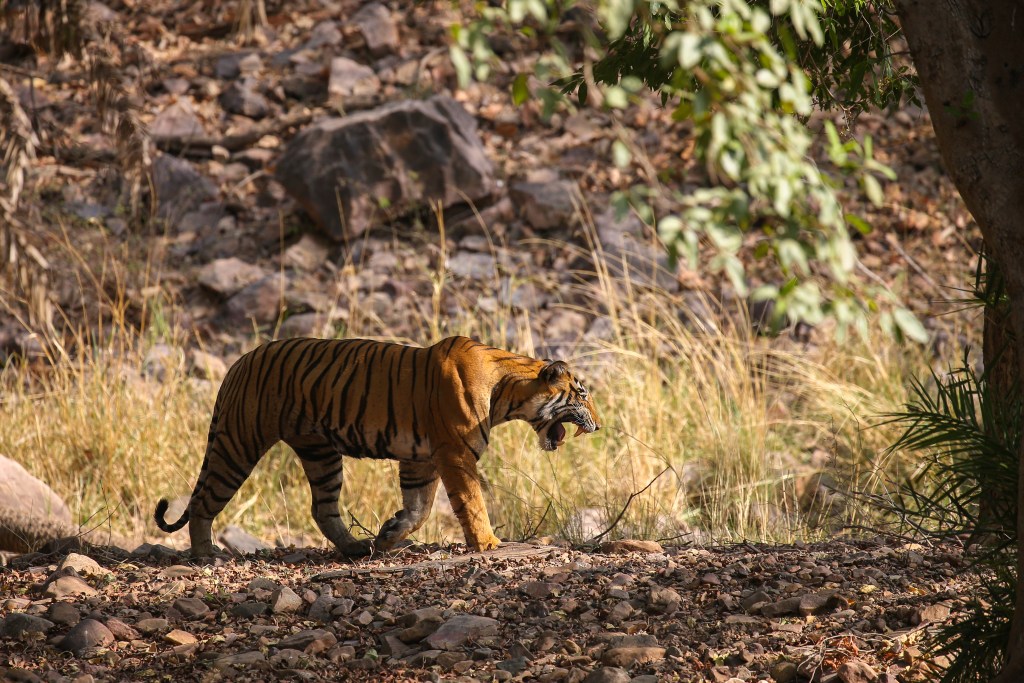
Summer temperatures in Corbett climb between 30°C and 40°C. As the heat intensifies, water sources across the forest dry up rapidly. Tigers, leopards, elephants, deer, and wild boar — every significant animal in the park — are drawn toward the remaining rivers and waterholes out of necessity. This concentration of wildlife around predictable locations is precisely what makes June such a productive month for sightings.
Early morning safaris, starting between 5:00 and 6:00 AM, offer the most comfortable conditions and the highest activity windows. Animals that have been resting through the heat of the afternoon return to the water at dawn, and the quality of light in those first hours is extraordinary for photography. By 9:00 AM, the forest quietens. By noon, the dust and heat are at their peak.
June is also a remarkable month for birdwatching. Corbett is home to over 600 bird species, including the great pied hornbill, the white-backed vulture, and the orange-breasted green pigeon. The thinning of vegetation as summer progresses makes these birds considerably easier to spot than during the dense green months of the monsoon.
Practical Tips for a June Safari in Jim Corbett
Book safari permits well in advance. Dhikala and Bijrani permits sell out weeks before the closing dates. Do not assume availability — secure your slot on the official Corbett booking portal as soon as your dates are confirmed.
Go early, always. The park opens at dawn. An early morning jeep safari in Jhirna or Bijrani, starting at 5:00–6:00 AM, will consistently outperform any afternoon session in terms of both comfort and sightings.
Dress for the conditions. Lightweight cotton in earthy, muted tones — khaki, beige, olive — is the practical choice. Bright colours are not just aesthetically out of place in a jungle; they can disrupt animal behaviour and reduce your chances of meaningful sightings.
Carry water, always. Two litres per person per safari session is a minimum, not a suggestion. Open jeeps in 38°C heat are demanding, and dehydration sets in faster than most travellers expect.
Bring binoculars. The open summer landscape means that many of the best sightings happen at distance. A good pair of binoculars transforms a distant silhouette into a genuine encounter.
The Case for a Private Villa in Ramnagar Over a Resort
A safari ends when the jeep returns to the gate. What happens in the hours after defines the quality of the entire trip.
You have been up since 4:30 AM. You have spent two hours in an open vehicle moving through dust and heat. The experience has been extraordinary — but the sun is now high, the temperature is climbing, and what you need is not a hotel lobby or a shared resort pool. What you need is privacy, cold water, and the kind of stillness that lets the morning fully settle.
This is the case for a SaffronStays private villa in Ramnagar.
With over 30 carefully selected properties in Jim Corbett and Ramnagar, SaffronStays operates at the intersection of genuine luxury and genuine privacy. These are not hotel rooms with a jungle-themed paint job. They are entire private homes — managed to hospitality standards, staffed by attentive caretakers, and designed for the kind of travel that goes beyond ticking boxes.

What SaffronStays Jim Corbett Villas Offer
Private pools. After a summer morning in the forest, a private pool is not an indulgence — it is a necessity. SaffronStays villas come with pools that belong entirely to your group. No shared hours, no other guests, no compromise.
Proximity to safari gates. Several SaffronStays properties are 15 to 20 minutes from Corbett’s Sitabani and Amdanda safari gates. Early morning departures become logistically straightforward rather than stressful.
Considered amenities. Outdoor bars, barbeque setups, bonfire areas, sauna and spa facilities, and high-speed WiFi are standard across the portfolio. The properties are designed for groups — families, friends, couples — who want the full experience without sharing it with strangers.
Wildlife on the doorstep. At properties like SaffronStays Sher Bagh — a four-bedroom eco-conscious villa built with repurposed materials, set within open jungle views — elephant and deer sightings from the garden are not unusual. The safari does not end at the gate.
Flexible, personalised hosting. Unlike the standardised experience of a large resort, SaffronStays caretaking staff operate with a level of personal attention that makes the stay feel like visiting someone’s beautifully maintained home rather than checking into a property.
A Three-Night Corbett Itinerary Built Around SaffronStays
Day 1 — Arrival and Orientation Check into your SaffronStays villa by early afternoon. Spend the first evening at the Garjiya Devi Temple as the heat softens, followed by a quiet dinner on the villa lawn. A bonfire after dark sets the right tone for the days ahead.
Day 2 — Dhikala or Bijrani Morning Safari Depart at 4:30 AM for a 5:00 AM safari in Dhikala (if travelling before June 15) or Bijrani (open until June 30). Return by mid-morning. Spend the hottest hours of the day at the villa — pool, breakfast, rest. Consider an afternoon jeep safari in Jhirna as the light softens after 3:00 PM.
Day 3 — Jhirna and Dhela A morning jeep safari in Jhirna, the year-round zone with outstanding sloth bear and tiger activity near the riverbeds. Return by 9:00 AM. Afternoon at the villa with spa and barbeque. Evening walk along the Kosi river if your property permits.
Day 4 — Slow Morning, Scenic Drive A final swim, a long breakfast, and a relaxed departure. Stop at the Corbett Museum or Corbett Falls on the way out if time allows.
Frequently Asked Questions
Is Jim Corbett National Park open in June? Yes. While the Dhikala and Durga Devi zones close on June 15, and Bijrani closes on June 30, the Jhirna, Dhela, and Garjiya zones remain open year-round. A Jim Corbett safari in June is not only possible — in the right zones, it is exceptional.
What is the Dhikala zone closing date? Dhikala closes on June 15 every year for both safari and night stay. It reopens from mid-November.
Is June good for tiger sightings in Jim Corbett? Yes. The summer heat concentrates wildlife around water sources, making early morning sightings near rivers and waterholes more frequent and more predictable than in cooler, wetter months.
What are the best luxury resorts in Jim Corbett? For travellers who value privacy and a personalised experience, SaffronStays offers the finest portfolio of private villas in Jim Corbett and Ramnagar — properties that go well beyond what a standard resort can offer.
Are there private villas in Ramnagar with pools? Yes. SaffronStays operates several private pool villas in Ramnagar, including the four-bedroom Sher Bagh eco-villa, positioned close to Corbett’s safari gates with a private pool set against open jungle views.
How far is Ramnagar from Jim Corbett’s safari zones? Ramnagar is the gateway town to Jim Corbett, approximately 12 km from the park boundary. Most SaffronStays properties are 15 to 30 minutes from the primary safari gates.
Book Before the Season Closes
The Dhikala zone closing date is June 15. Bijrani follows on June 30. Safari permits for the remaining days are filling up now.
Jim Corbett in June is not a consolation prize for those who missed the winter season. It is a distinct, rewarding experience — one that belongs on any serious wildlife traveller’s itinerary. The heat, the open landscape, and the concentration of animals near water create conditions that winter simply cannot replicate.
Your private pool is ready. The forest is waiting. Explore SaffronStays private villas in Jim Corbett


