If you’re a Punekar, you’ve probably had this weekend more than once.
You leave early, hoping to get ahead of the traffic. The drive starts well, then slows down near the usual stretches. By the time you reach, every café has a wait, every viewpoint feels crowded, and the “quick break” you planned starts to feel like effort.
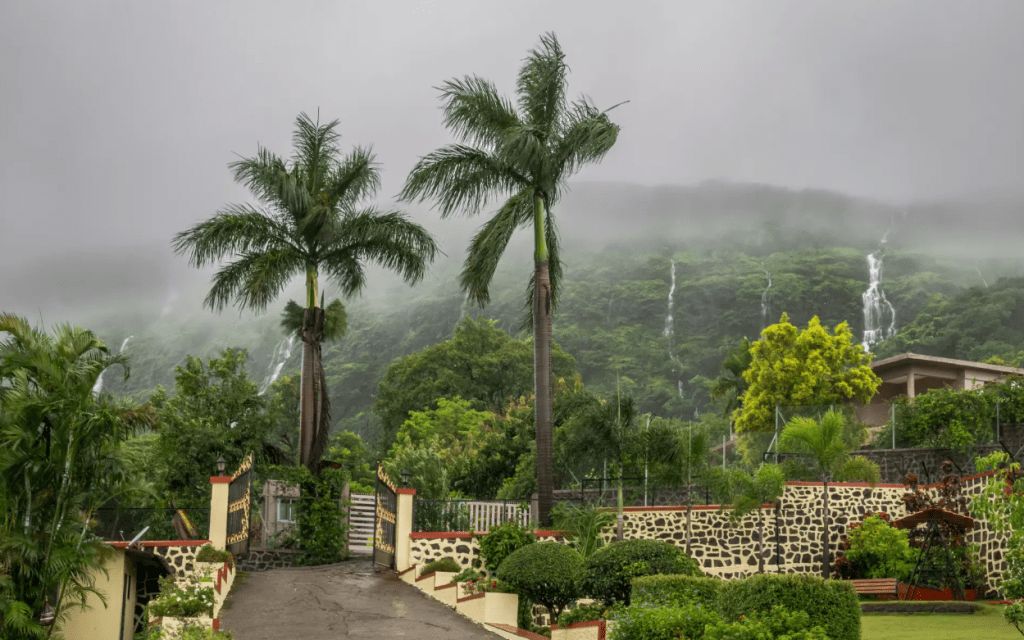
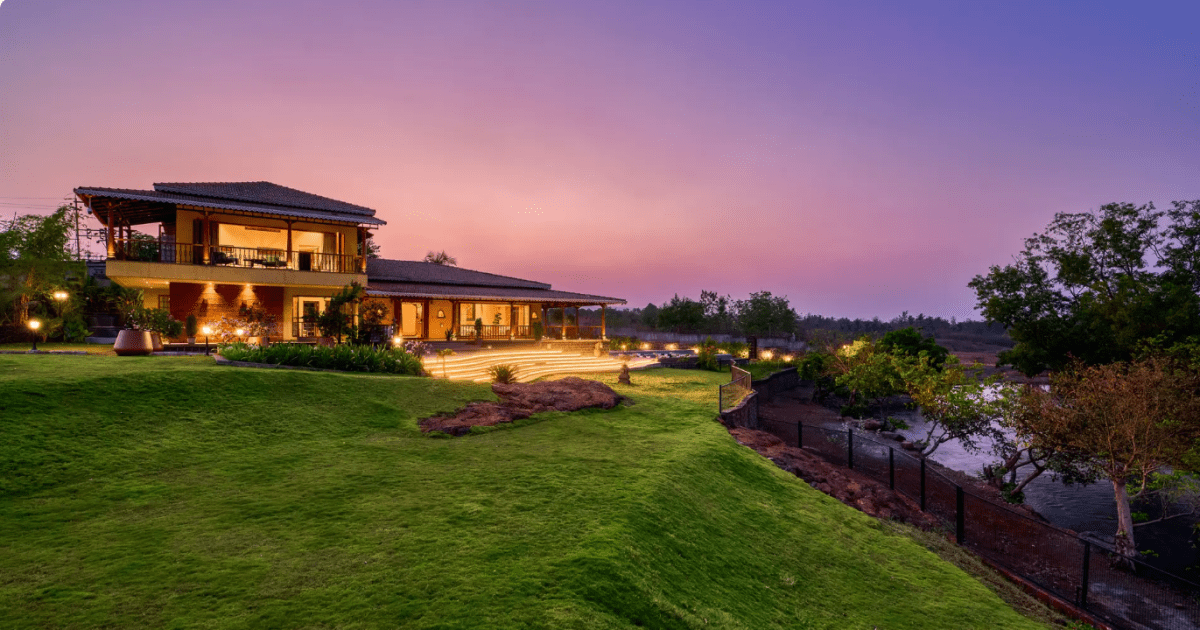
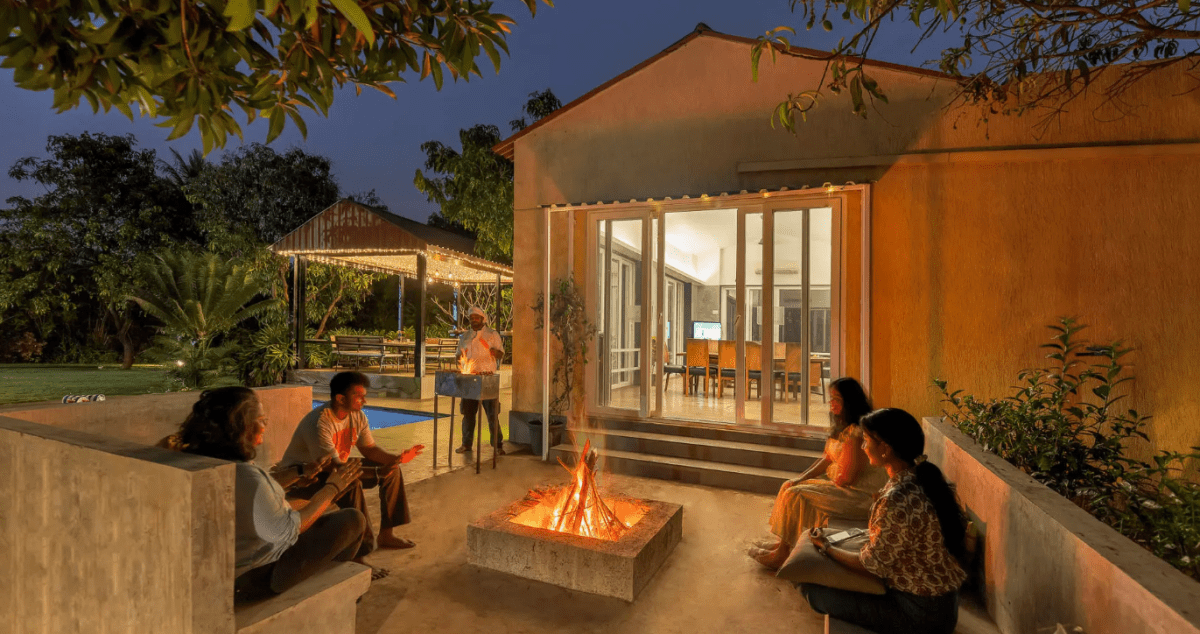
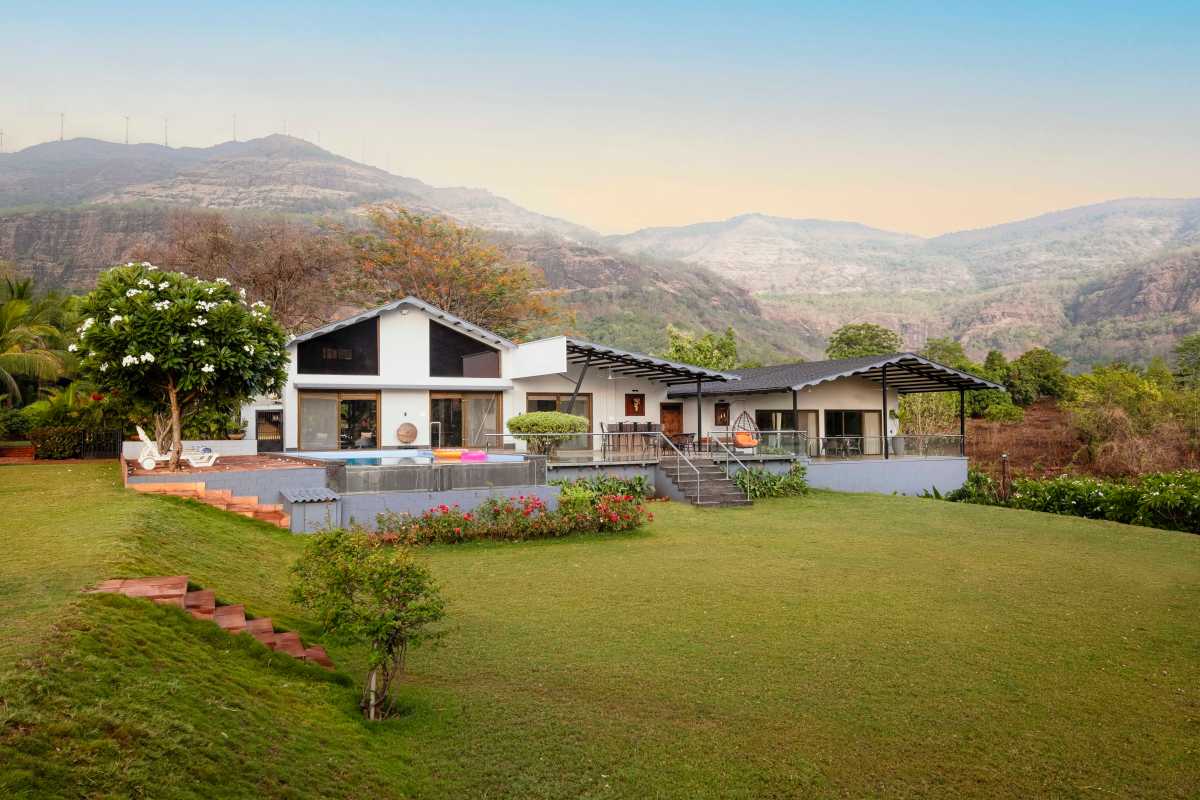
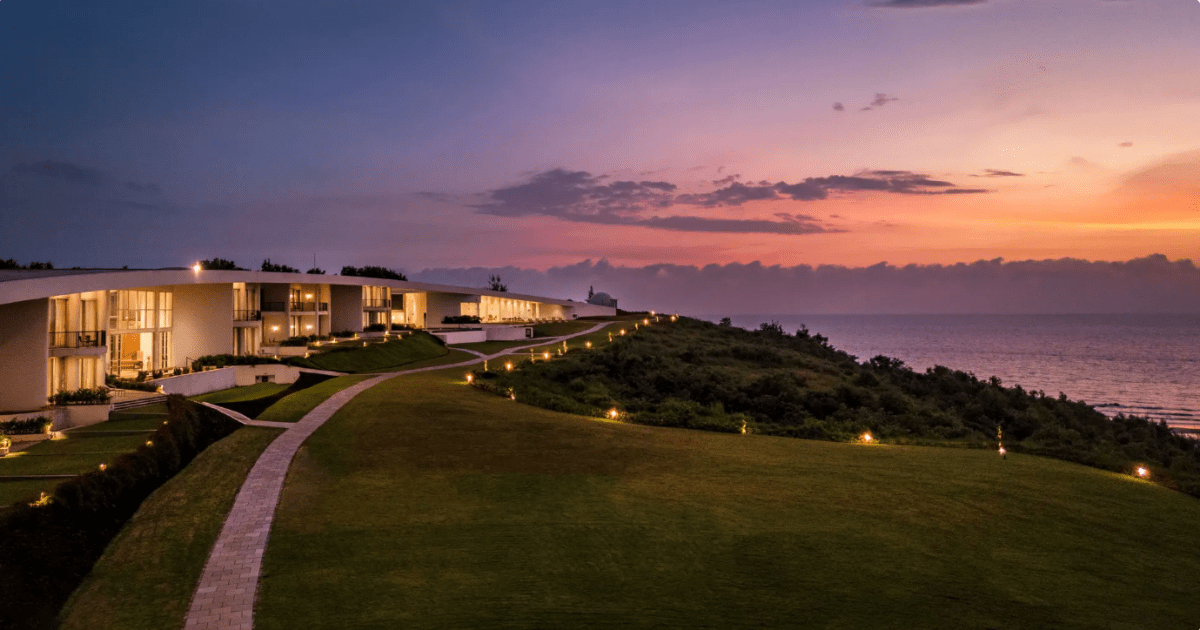
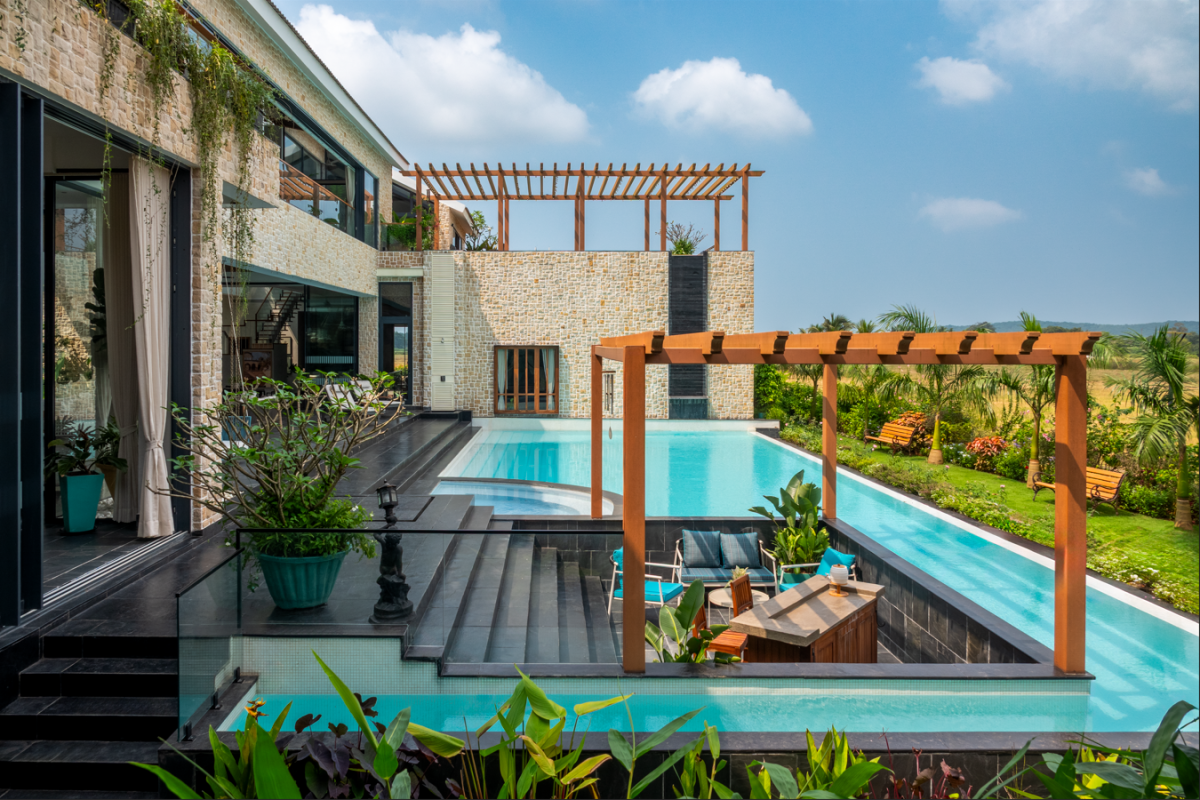
Instead of heading to the same crowded spots, the shift is towards villas near Pune that offer something far more valuable: space, privacy, and a break that actually feels like one.
And the best part is, many of these private villas near Pune are within a comfortable 2-hour drive.
Why Villas Near Pune Are Becoming the First Choice
Weekend travel is no longer about covering places. It’s about how you spend your time once you get there.
That’s where villas near Pune stand out.
Unlike hotels, villas allow you to settle in without needing an agenda. You don’t have to step out to find something to do. The space itself becomes the experience.
For most Punekars, this means:
a slower pace without distractions
privacy for family or friends
the flexibility to plan your time your way
This is why staycations near Pune are increasingly centred around villas rather than traditional hotel stays.
Getting There Is Now Easier Than Before
For a long time, the biggest challenge with short trips wasn’t the distance, it was the unpredictability of the drive.
Routes toward Lonavala, Khandala, and Pawna could easily turn into long, stop-start journeys, especially on weekends.
This is where the Mumbai–Pune Missing Link project changes things.
By reducing congestion on one of the busiest stretches of the expressway, it is expected to make travel smoother and faster. For Punekars, this means that many places within 2 hours of Pune will actually feel like short drives again.
The impact is simple but important. When the journey becomes easier, planning a quick villa stay becomes far more practical, even at the last minute.
What to Look for in the Best Villas Near Pune
Not every villa offers the same experience. Choosing the right one depends on what kind of weekend you’re planning.
The best villas near Pune usually get a few things right.
They are located slightly away from crowded areas, so you get privacy without feeling disconnected. They offer enough space, whether you’re travelling as a couple, a family, or a group. And most importantly, they have features that make staying in worthwhile.
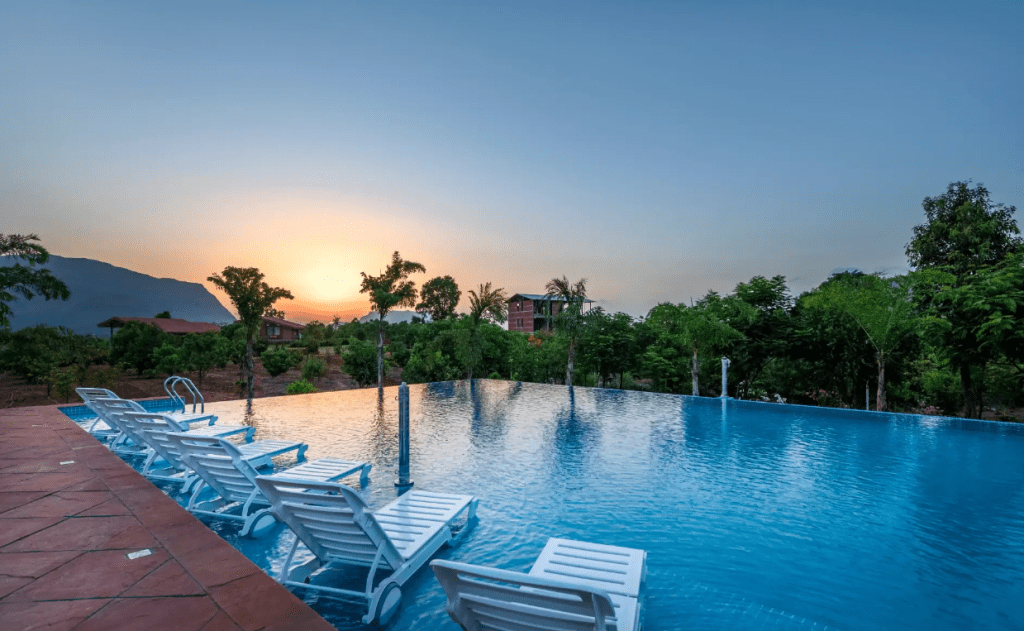
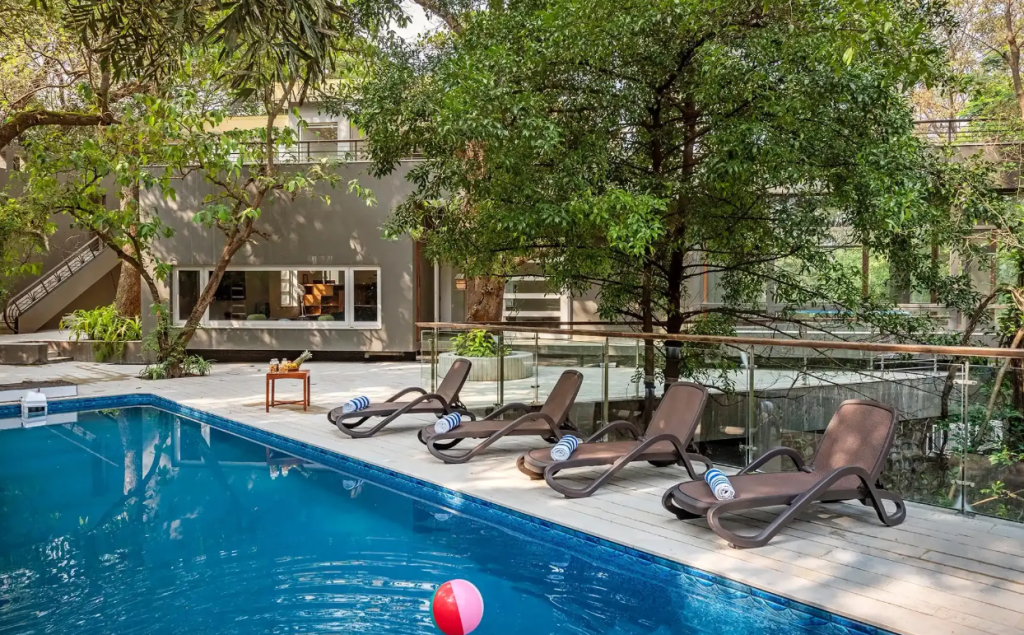
If you’re specifically looking for private pool villas near Pune, it’s worth prioritising properties that combine outdoor space with good views. It makes a noticeable difference to how relaxed the stay feels.
Quiet & Less Crowded Places Near Pune for a Villa Stay
The location plays a big role in how your weekend feels. Some destinations around Pune are far better suited for a quieter, more private villa experience.
Mulshi – For Scenic, Slow Weekends
Mulshi is one of the most reliable options when it comes to peaceful villas near Pune. Surrounded by backwaters and greenery, it naturally encourages a slower pace.
It works especially well if you’re planning a quiet break where you don’t feel the need to step out much. For couples or small groups, this is often one of the best choices.
Pawna – For Group Getaways Without the Rush
Pawna is often associated with campsites, but villas in this region offer a very different experience.
Set away from crowded areas, they provide large spaces, lake views, and enough privacy for group stays. This makes Pawna one of the top choices for villas near Pune for groups.
With better road connectivity improving access, the drive here is becoming smoother as well.
Khandala – For Easy, Quick Escapes
Khandala remains one of the most accessible options for a short break. While parts of it are busy, quieter villa locations offer a completely different experience.
If your priority is a short drive with minimal planning, this is where luxury villas near Pune make the most sense. You get greenery, comfort, and convenience without having to go too far.
Choosing the Right Villa for Your Weekend
The kind of villa you choose should match how you want to spend your time.
If you’re planning a quiet couple’s break, smaller villas with views and private sit-outs work best. For families, larger homes with multiple rooms and open spaces are more practical. And for groups, villas with shared areas and outdoor space make the experience smoother.
Many travellers also look for pet-friendly villas near Pune, especially for longer stays. In such cases, enclosed outdoor areas and quieter surroundings become important.
The idea is not just to find a place to stay, but to choose a space that supports the kind of weekend you want.
When to Plan Your Villa Stay Near Pune
Timing can make a noticeable difference to your experience.
Monsoon is ideal if you’re looking for greenery and scenic views, especially in Mulshi and Panshet. Winter offers comfortable weather and is perfect for spending time outdoors. Early summer tends to be quieter, which makes it easier to find better availability.
If avoiding crowds is your priority, planning a mid-week stay or choosing shoulder weekends can help.
FAQs
Which are the best villas near Pune? The best villas near Pune are typically located in Mulshi, Panshet, Pawna, and Khandala, offering a mix of privacy, views, and easy access.
Are there private pool villas near Pune? Yes, there are several private pool villas near Pune, especially in destinations like Mulshi and Pawna.
Which are less crowded places near Pune for a weekend? Mulshi and Panshet are among the least crowded places near Pune for a peaceful weekend.
What are weekend getaways within 2 hours of Pune? Mulshi, Panshet, Pawna, and Khandala are among the best weekend getaways within 2 hours of Pune.
Are villas near Pune good for group stays? Yes, many villas near Pune are designed for group stays, offering large spaces and private amenities.
A Better Way to Spend Your Weekend
The way Punekars approach weekends is changing.
Instead of following the same routes and crowded spots, more people are choosing villas near Pune that offer privacy, comfort, and a slower pace. With improved connectivity making travel easier, these escapes are no longer occasional, they’re becoming a more natural way to take a break.
Less time in traffic. Less time around crowds. More time in a space that feels like your own.
And once you experience that, it’s hard to go back.
Let’s be honest: planning a trip to Rajasthan’s most romantic destination can feel like trying to solve a 1,000-piece puzzle where every piece is made of white marble. You want the sunset boat rides and the “Venice of the East” charm, but you’d rather skip the part where you’re stuck in a Tuk-Tuk traffic jam behind a very confused cow.
Whether you are chasing the golden January sun or looking for a private pool to beat the summer heat, this comprehensive Udaipur travel guide is your shortcut. We have broken down the city into bite-sized categories, from the non-negotiable sightseeing spots in Udaipur to the best local street food secrets. Consider this your local companion to navigate the Mewar region like a royal, without the typical tourist stress.
Best time to visit Udaipur
The best time to visit Udaipur is undoubtedly between October and March, when the desert heat retreats and the “City of Lakes” is bathed in a soft, golden winter glow. During these months, the weather in Udaipur is so perfect; expect crisp, sunny days and nights that are just chilly enough to justify that expensive pashmina you’re going to buy. January is the absolute peak for a reason; the lakes sparkle, the palaces are cool to the touch, and the vibe is purely celebratory. If you are a fan of drama, the monsoon months (July to September) turn the Aravalli hills into a lush green paradise, though you may encounter some humidity.
Things to do in Udaipur & places to visit in Udaipur
Udaipur isn’t just a city; it’s a sprawling gallery of history and nature. To help you navigate, we have divided the top sightseeing spots in Udaipur by their unique local character.
Palaces & Heritage Landmarks
City Palace: The largest palace complex in Rajasthan. It’s a labyrinth of mirror-work and hanging gardens. Pro-tip: Enter through the Badi Pol gate at 9:15 AM to beat the tour buses.
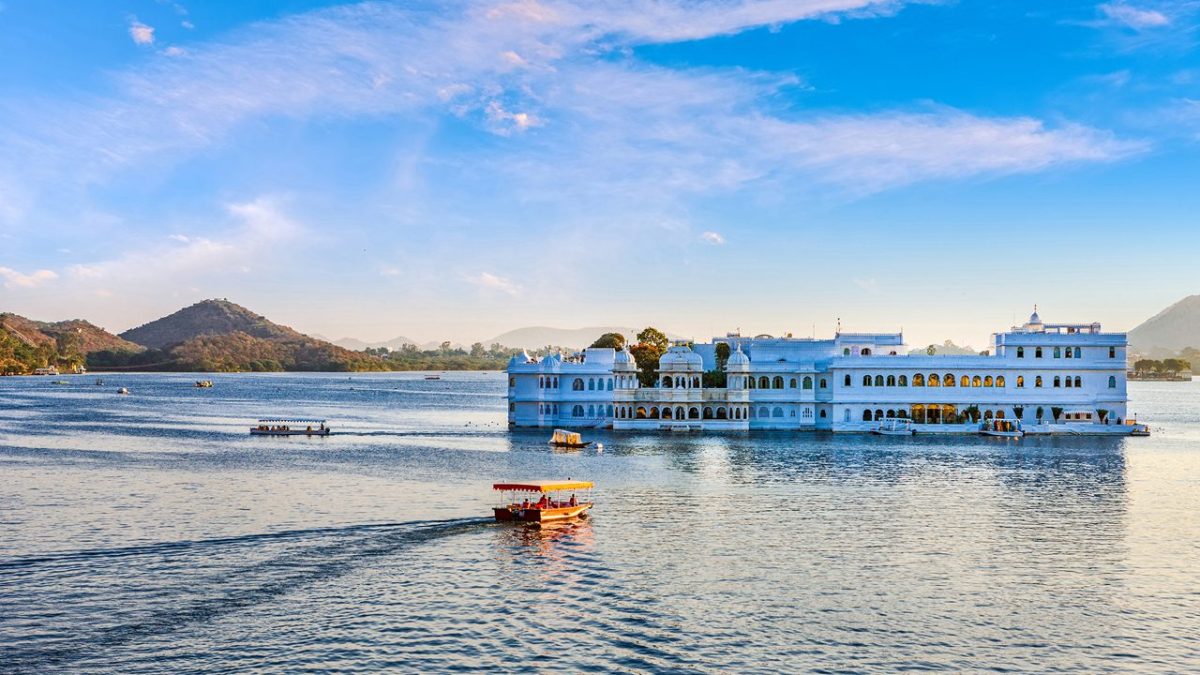
Jag Mandir: An island palace on Lake Pichola accessible by boat. It is so beautiful that it reportedly inspired the design of the Taj Mahal.
Sajjangarh (Monsoon Palace): Perched high on a hill, this 19th-century palace offers the best panoramic sunset views of the city.
Bagore Ki Haveli Show: Every evening at 7:00 PM, they host the “Dharohar” folk dance. It is intense, colorful, and genuinely impressive—a perfect way to see Rajasthan’s heritage in motion.
Lakes & Waterfront Areas
Lake Pichola: The oldest and most iconic lake. A sunset boat ride to see the Lake Palace glowing on the water is a core memory you actually want.
Fateh Sagar Lake: This is where the locals hang out. It is great for a long evening walk or a quick “Kulhad Coffee” by the promenade.
Lake Badi (Bahubali Hills): Located on the outskirts, a short 20-minute hike leads to a view that looks like a scene from an epic fantasy movie.
Temples & Spiritual Sites
Jagdish Temple: A stunning Indo-Aryan temple near the City Palace. The morning “Aarti” (prayer) is loud, rhythmic, and incredibly soulful.
Eklingji Temple: Located 22 km away, this complex of 108 temples is a masterpiece of stone carving dedicated to the Lord of Mewar.
Karni Mata Temple: Accessible via a ropeway, this hilltop shrine provides a breathtaking bird’s-eye view of the entire city.
Old City & Markets
Hathi Pol Bazaar: The primary choice for authentic Pichwai paintings and traditional Rajasthani footwear (Juttis).
Bada Bazaar: The bustling heart of the city for silver jewelry, camel leather journals, and vibrant Bandhani fabrics.
Best Day Trips from Udaipur
If you have an extra day, these legendary locations are worth the drive.
Chittorgarh Fort: A must-do day trip located 2 hours away. This UNESCO giant is one of the largest forts in India, echoing stories of Jauhar and Rajput bravery.
Kumbhalgarh Fort: A UNESCO site located 85 km from the city. It features the second-longest wall in the world (after the Great Wall of China). It is a spectacular drive through the Aravalli hills.
Ranthambore National Park: While it is a longer journey (roughly 6-7 hours), many travelers include it as a “long day trip” or a next-stop destination. It is the premier place in Rajasthan to spot the Royal Bengal Tiger in its natural habitat.
Places to stay in Udaipur
Deciding where to stay in Udaipur is all about deciding how much of the city’s energy you want to wake up to.
Stay near the City Palace or Lake Pichola: For those who want to be in the heart of the action and hear the temple bells from their balcony, this is the spot. In the evening, explore the lanes of Udaipur for local handicraft, art and antique shops.
Stay near Fateh Sagar Lake: If you prefer wider roads and a more relaxed evening vibe, look for stays in this area. The sunsets at Fateh Sagar lake are breathtaking and definitely don’t want to miss it.
Moringa Valley Region: For a truly immersive nature experience, the Moringa Valley area on the outskirts offers a secluded retreat. It is the ideal location for a private villa in Udaipur where the only neighbors are the Aravalli hills and the occasional peacock.
Famous Delicacies and Cafes in Udaipur
Udaipur’s food scene is a wild ride of spice and scenery. You haven’t truly arrived until you’ve tried the legendary Laal Maas (fiery mutton curry) or a massive Dal Baati Churma thali. For a breakfast that hits different, hunt down Mirchi Wada, Pyaaz Kachori, and Dal Kachori near the Clock Tower.
Experience royal dining in u\Udaipur:Ambrai is a must for a romantic dinner with a view of the lit-up City Palace. For a royal experience, try Sheesh Mahal at the Leela Palace.
Iconic Eats:Harigarh Restaurant and Khamma Gani are the heavyweights for lakeside fine dining with authentic Rajasthani flavors.
Charming Cafes: For a modern break, head to Jheel’s Ginger Coffee Bar for the best view of the ghats, or Appetite Food Zone for local favorites. Upre by 1559 AD and Sun and Moon Rooftop are also excellent for those looking for a blend of contemporary and traditional fusion.
Don’t Let the Sun Set on Your Chance
Udaipur is the kind of city that ruins other vacations for you. It is a city you soak in. Once you have watched the Aravalli hills turn purple from your private terrace or felt the cool marble of a thousand-year-old temple under your feet, everything else feels a little too quiet, a little too ordinary.
This is the year to stop saying “someday” and finally walk through the marble gates yourself. Once you’ve had a private breakfast overlooking the mountains, you’ll never want to stay in a “regular” hotel again.
Planning a last-minute New Year’s Eve 2026 getaway does not mean settling for crowded hotels or rushed plans. If you are looking for privacy, flexibility, and space to celebrate your way, private villas near Mumbai and Pune are one of the most searched and booked options for year-end stays.
From hill towns like Lonavala and Kamshet to coastal favourites such as Alibaug, and green escapes like Karjat, Nashik, Palghar, and Pen, these destinations are all drivable from Mumbai and Pune, making them ideal for spontaneous plans. Below is a curated list of SaffronStays private villas that work especially well for New Year’s Eve celebrations, whether you are planning a lively house party or a relaxed countdown with close friends and family.
Best Private Villas Near Mumbai & Pune for New Year’s Eve 2026
SaffronStays Sabr & Shukr is an expansive 8-bedroom luxury villa in Lonavala, designed for large celebrations. Spread across two private villas, the property features two swimming pools, poolside bars, entertainment areas, indoor games, rooftop sit-outs, and scenic valley views. Located within easy driving distance from both Mumbai and Pune, it is one of the strongest options for big New Year gatherings.
Best for: Large groups, milestone celebrations, and high-energy New Year’s Eve parties Location advantage: Lonavala, approx. 2 hours from Mumbai and Pune
Palmora is a 7-bedroom private pool villa in Lonavala with spacious lawns, a gazebo with a bar, and hill-facing views. The layout allows guests to spread out comfortably, making it ideal for group celebrations that continue late into the evening. Its location keeps travel time short while still offering a proper hill-station atmosphere.
Best for: Large families and mixed-age groups Location advantage: Easily accessible from Mumbai and Pune
Set on a vast private estate, SaffronStays Moira is a 6-bedroom lakeside villa in Kamshet with an infinity pool and uninterrupted water views. The calm setting makes it perfect for those who want a slower New Year’s Eve, surrounded by nature, without giving up on comfort or luxury.
Best for: Families, reunions, and relaxed celebrations Location advantage: Scenic drive from both Mumbai and Pune
Infinity and Beyond is a 5-bedroom private pool villa in Alibaug, known for its striking infinity pool and bright, modern interiors. The home encourages indoor-outdoor living, making it a popular choice for New Year celebrations that revolve around poolside evenings and relaxed socialising.
Best for: Friends groups and pool-focused stays Location advantage: Accessible from Mumbai via road or ferry
SaffronStays Hacienda by the Sea is a 5-bedroom villa near the coast in Alibaug, offering lawns, open spaces, and an easy-going layout suitable for all age groups. The home is well suited for celebrations that include seniors and pets, while still offering enough space for a festive New Year’s Eve setup.
Best for: Families, pets, and multi-generational groups Location advantage: Close to Mandwa Jetty and Mumbai ferry routes
SanvinaFarm is a 4-bedroom private pool villa in Karjat, surrounded by greenery and mountain views. The riverside setting and peaceful environment make it ideal for those who want to celebrate New Year’s Eve away from crowded destinations, while still remaining close to the city.
Best for: Smaller groups and nature-focused stays Location advantage: Easy drive from Mumbai and Pune
SaffronStays AnjanAiry is a 4-bedroom villa with an infinity pool in Nashik, offering expansive countryside views and outdoor gathering spaces. Nashik’s pleasant year-end weather and vineyard surroundings add a distinct charm to New Year celebrations.
Best for: Families and friends seeking a refined, scenic escape Location advantage: Comfortable drive from Mumbai and Pune
Laburnum House is a 3-bedroom private pool villa in Palghar, located within a large farm setting. With lawns, a gazebo, and open recreational areas, it is a great choice for intimate New Year gatherings that prioritise space and comfort.
Best for: Small groups, seniors, and pet-friendly stays Location advantage: One of the closer countryside escapes from Mumbai
Ivory Mansion is a 4-bedroom villa in Pen with a private pool, expansive lawns, and dedicated activity spaces. The outdoor areas make it ideal for games, group activities, and celebration setups that go beyond just a dinner-and-countdown format.
Best for: Active groups and families with children Location advantage: Peaceful location, still drivable from Mumbai
SaffronStays Sea Breeze is a 4-bedroom private pool villa near the beach in Alibaug, designed for celebrations and milestone moments with family and friends. The villa features open social spaces and a layout that supports relaxed house parties, poolside evenings, and unhurried mornings after New Year’s Eve.
Its proximity to the coastline and easy access from Mumbai make it a strong choice for last-minute New Year plans near Mumbai, especially for groups that want privacy without long travel hours.
Best for: Families and friends looking for a beach-adjacent private villa Location advantage: Accessible via road or ferry from Mumbai
Quick tips for booking last-minute New Year villas
Finalise your group size before shortlisting villas
Check music and outdoor usage rules in advance
Prioritise villas with private pools and multiple gathering spaces
Keep 1 to 2 backup options ready as New Year inventory moves fast
Whether you are planning a lively countdown or a quieter celebration, private villas near Mumbai and Pune offer the flexibility, privacy, and space that New Year’s Eve deserves. With drivable locations, private pools, and celebration-ready layouts, these SaffronStays homes are ideal for last-minute New Year’s Eve 2026 plans without compromise.
New Year in Goa has its own rhythm. Fairy lights in every lane, last-minute taxi negotiations, fully booked clubs, friends trying to sync flights, and that one group chat that refuses to die.
If you are planning New Year 2026 in Goa, you probably want both. The buzz of North Goa and the comfort of having your own space. A place where you can dress up, play your own music, jump into a private pool at midnight, and still wake up to quiet mornings, strong coffee, and home-style breakfast.
That is where luxury villas in Goa for New Year 2026 come in. And if you are reading this while searching for a New Year celebration in Goa, this guide is built exactly for you.
We will start in the heart of North Goa – Parra, Assagao, Vagator, Sangolda, Britona – and then slip just across the border into the Konkan, for those who want Goa’s mood without Goa’s crowds.
Why Goa (and a Little Beyond) Is Perfect for New Year 2026
North Goa in December is high energy. Vagator and Anjuna are known for sunset spots, electronic music and late-night venues that come alive in the winter season.
Just behind that busy belt, you have quieter pockets:
Parra, with its scenic coconut-tree road and fields, just minutes from Anjuna, Vagator, Assagao and Mapusa
Assagao, full of cafés, boutiques, yoga centres and easy access to all the happening spots
Sangolda, a village of old homes and paddy-field views, close to the main North Goa strip but calmer than the coastal belt
Britona, right by the Mandovi River, giving you river views plus quick access to casinos and Panjim city life
And then there is the Konkan coast just beyond Goa. Places like Redi and Sindhudurg, known for soft sand, clear water and far fewer people than the classic tourist beaches.
Think of this guide as your menu. From high-energy New Year party villas in North Goato slow, sea-facing holidays just outside Goa’s state border.
How To Choose The Right Luxury Villa In Goa For New Year
Before you start shortlisting villas in North Goa, it helps to be clear on your New Year mood:
Party-first group – want to be near Vagator, Anjuna or Assagao, with easy access to nightlife
Family and kids – want space, safety and a quieter area, with enough things to do nearby
Design and slow-living people – want beautiful interiors, books, lawns, riverside corners
Offbeat explorers – want the sea but not the crowd, and are happy to drive a little away from Goa
Filters to think about:
Private pool villa in Goa for New Year or shared pool
Pet-friendly or not
Distance to Vagator, Anjuna, Panjim, and beaches
Group size (4 to 6, 8 to 10, 10 plus)
Whether you want all meals in-villa, or you plan to eat out a lot
Now, let us walk through actual homes that match these moods. Starting with North Goa luxury villas for New Year 2026.
A serene yet well-connected luxury villa in Parra Goa, Sweet Mango blends artistic interiors with relaxed, contemporary living. With two cozy lounges, a private pool and a charming gazebo, it is perfect for groups seeking a private space close to Anjuna, Vagator and Assagao. Sunlit bedrooms, soothing coastal décor and breezy outdoor corners make it an inviting base for a comfortable New Year stay in North Goa.
Just a short drive from Anjuna Beach, Vagator Beach and Assagao, so it is easy to head out for a sunset drink or a New Year party in North Goa and come back to your own quiet space
The poolside and gazebo work well for a private New Year celebration in Goa with your own music and guest list
Bedrooms are spacious and private, which makes this an easy pick for mixed groups or families travelling together
New Year idea: Do a late-afternoon sundowner by the pool, head out to Vagator or Anjuna for live music, and come back just before midnight to ring in 2026 at your own private pool villa in Goa for New Year.
Situated in the heart of Assagao, this handcrafted retreat brings earthy textures, warm interiors and effortless indoor-outdoor living together in one beautiful home. Its private pool, peaceful sit outs and proximity to Assagao’s cafés, boutiques and restaurants make it an ideal luxury villa in Assagao Goa for families and friends celebrating New Year in North Goa.
4 bedrooms and a private pool, perfect for one big family or two families travelling together
Walking or short-drive access to Assagao cafes and restaurants, plus Vagator and Anjuna just 10 to 15 minutes away
Plenty of corners to spread out. Balcony sit outs, quiet reading spots and the pool for long, lazy afternoons
New Year idea: Start with a long dinner at one of Assagao’s iconic restaurants, head back to your luxury villa in Goa for New Year 2026 for board games and a midnight plunge, and keep New Year’s morning slow with breakfast around the pool.
Just minutes from Vagator Beach and Chapora Fort, Oslo is a stylish, tropical-inspired villa designed for lively group getaways. With its sunken seating and projector, vibrant poolside vibe and indulgent bathtubs in three bedrooms, it is one of the most exciting Vagator villas in Goa for travellers planning a fun, energetic New Year celebration in Goa.
Ideal for a friends group searching for New Year party villas in North Goa
Close to beach clubs, sunset spots and nightlife, yet private enough to host your own evening by the pool
Pet parents can bring their furry family along instead of leaving them behind for the New Year trip
New Year idea: Catch sunset at Vagator, stop at Chapora Fort for that Dil Chahta Hai shot, head to a nearby venue for a few hours, then walk into 2026 from your own New Year villa in Vagator Goa instead of a crowded dance floor.
A vast, thoughtfully designed luxury villa in North Goa, The White Whale offers a long private pool, themed bedrooms, multiple lounges and a fully equipped gym. Its central Parra location keeps Anjuna, Vagator, Siolim and Assagao within easy reach, making it a reliable and comfortable choice for large groups looking for a premium New Year villa in Goa for 2026.
Perfect for 3 to 4 families or a large friends group looking for one big luxury villa in Goa for New Year 2026
Parra keeps you close to Anjuna, Vagator, Siolim and Assagao, with most hotspots 10 to 15 minutes away
Easy to host intimate celebrations. Sundowners by the pool, cake-cutting moments or a themed dress code evening
New Year idea: Turn the pool deck into your own mini party venue. Fairy lights, a playlist you control, in-house meals and your favourite people, without worrying about closing times.
Blending Goan charm with elegant contemporary design, SaffronStays Amarah is a striking 5-bedroom villa in Assagao, complete with arched windows, handmade tiles, a spacious pool and a cozy library. Surrounded by greenery yet close to Vagator and Anjuna, it is an excellent fit for families seeking a beautiful, soulful luxury villa in Goa for New Year.
Great for families with children, thanks to the kids pool and open spaces
Close to Vagator, Anjuna, Chapora Beach and well-known restaurants like Thalassa, Gunpowder, Vinayak Family Restaurant and Artjuna Cafe
Perfect for travellers who want both sides of New Year in Goa. High energy evenings out and slow reading sessions in the library or on the lawns
New Year idea: Plan one full at-home celebration day. Sunset yoga on the lawn, a long dinner by the outdoor bar and a late night music and conversation session in the library.
Set along the Mandovi River in Britona, this restored Portuguese villa offers uninterrupted water views, peaceful balconies and breezy sit outs that capture the charm of riverside Goa. Minutes from the Panjim casino belt, Latin-quarter cafés and Miramar Beach, it is a rare riverfront villa in Goa that blends heritage, comfort and connectivity for a memorable New Year break.
You are close to the Panjim jetty casino zone, Latin quarter cafés and Miramar Beach, while still returning to a quiet home
A strong pick if you want a change from the usual Vagator and Anjuna loop, but still want easy access to North Goa nightlife
Great for multi generation families. Kids can enjoy the pool and games at home while adults step out for a bit of city life
New Year idea: Spend 30 December exploring Panjim and Old Goa, 31 December evening at the casino belt or a riverfront restaurant, and ring in the New Year with a calm, private balcony moment over the Mandovi. A classic riverfront villa in Goa experience.
A hidden gem in Assagao, Junglebagh sits wrapped in lush greenery, offering a rare forest-style stay close to Vagator, Anjuna and Chapora Fort. With picture-window bedrooms, a sky-reflecting pool and tranquil outdoor spaces, it is perfect for travellers seeking a quiet yet convenient luxury villa in North Goa for a nature-rich New Year escape.
You are still close to Chapora Fort, Vagator Beach, Anjuna Beach, Mapusa, cafés and yoga centres, all a short drive away
Ideal if some people in the group want quiet mornings and nature walks, while others want to dip in and out of New Year parties in North Goa
The setting makes even “doing nothing” feel like a plan
New Year idea: Use New Year as a chance to slow down. Morning yoga, a nature walk, a sunset drive to Vagator and a low-key, soulful midnight by the pool instead of loud fireworks.
Overlooking paddy fields and rolling Goan hills, SaffronStays Citadel in Sangolda redefines private luxury. Two temperature-controlled pools, a jacuzzi, a gym, a walk-in library, a home theatre and expansive terraces make it a standout luxury villa in Goa for milestone celebrations. Ideal for groups seeking a grand, immersive New Year 2026 stay in North Goa.
Two temperature-controlled private pools, one with a jacuzzi
A master suite zone with terraces and wide views of paddy fields and hills
A fully equipped gym, steam room and sunset terrace
A home theatre, games lounge, Irish style bar and walk in library
A chef run kitchen with a walk in refrigerator and herb garden
Sangolda itself is known for its fields and calm lanes, yet it sits close to major North Goa spots, so you get both privacy and access.
Ideal for those who want a high impact luxury villa in Goa for New Year 2026, with every comfort on site
You genuinely do not have to leave the villa. Fitness, spa like relaxation, cinema, reading spaces and bars are all within the property
Works brilliantly for multi day stays where each day focuses on a different wing of the home
New Year idea: Make it a three day New Year plan. Day 1 – pool day and sunset terrace Day 2 – gym, steam, library and cinema night Day 3 – slow brunch, final sunset swim and early night before flights
SaffronStays Citadel
Offbeat But Close: Konkan & Sindhudurg For New Year 2026
If you love Goa’s sea and relaxed mood but want somewhere quieter, or if everything in Goa is already sold out, the Konkan stretch just beyond the state line is a very strong choice.
Here are two stays that work beautifully as offbeat New Year destinations near Goa.
On the untouched coast of Redi Beach, just beyond the Goa border, Stella Maris offers a breezy 3-bedroom villa with two elegant glamping tents. Ocean views, a private beach path and serene white-sand shores create a peaceful alternative to the North Goa buzz. It is one of the best beachfront villas near Goa for travellers wanting a quiet, scenic New Year by the sea.
Ideal for travellers who want a beachfront villa near Goa without peak season crowds
Great for families, intimate celebrations or a small group of friends
Days fill up with deep sea dolphin sightings, walks to Redi Fort and long, quiet shoreline strolls
New Year idea: Swap loud DJ nights for starlit, candle lit beachside dinners, early morning yoga and slow, shared meals with Malvani and Goan food.
Spread across 55 acres where the Sahyadris meet the Arabian Sea, AraqilaResort is a modern coastal fortress offering 25 sea-facing rooms, forested trails and panoramic views. With kayaking, pottery sessions, live music and cliffside dining, it is a unique Sindhudurg resort near Goa for groups seeking an offbeat, soulful and experience-driven New Year break.
Works beautifully for larger groups, reunions, intimate corporate offsites or retreats
Experiences go beyond just staying by the sea. Kayaking on the Mochemad River, pottery sessions with local artisans, live music on the lawns, BBQ nights and cliffside or candle lit dinners
Day outings to Sindhudurg Fort, Tarkarli Beach, Bhogwe Beach and Malvan Marine Sanctuary add history, nature and adventure to your trip
As an option, this is perfect for travellers searching for a Sindhudurg resort near Goa that still feels rooted in local culture.
New Year idea: Plan a full New Year retreat. Morning kayaks, pottery or a nature walk, long afternoon naps and an evening with music, bonfire and local cuisine.
Araqila Resort by SaffronStays
Tips To Plan Your New Year 2026 In Goa (And Around)
Book early. Good luxury villas in Goa for New Year 2026 are often blocked by early December, sometimes even sooner
Check minimum nights. Many homes have a two or three night minimum over 30 and 31 December
Be clear on your vibe. Decide if you are a “club plus villa” group, a “villa only with good food and music” group, or a “quiet Konkan, no rush” group
Plan transport. Pre book cabs or self drive options. Last minute rides on 31 December can be difficult
Plan one do-nothing day. Especially if you are in a place like Citadel, Amarah, Junglebagh, RiverSong, Stella Maris or Araqila. You will want at least a day just to enjoy the property itself
As New Year 2026 approaches, these handpicked villas offer a chance to pause, celebrate and reconnect in spaces designed for meaningful moments. Choose the setting that speaks to you, from North Goa’s vibrant coast to Konkan’s quiet shores, and step into the new year with intention, comfort and joy.
December is when India truly feels like it is in travel mode. The beaches are calmer, the hills are cooler, wildlife activity increases along the coastline and travellers all over the country start planning where they will welcome 2026. It is one of those months where the weather works in your favour no matter which direction you head in. From dolphin sightings along the Konkan coast to soft winter sunlight in the hills and festive energy in cultural hubs, every region has something special to offer.
To help you pick a destination quickly, here is a conversational, easy to browse guide to the best places to travel for New Year 2026, divided into Tourist Favourites and Offbeat Escapes.
These are India’s most dependable New Year destinations. Great winter weather, plenty of things to do and a holiday atmosphere that pulls travellers back every year.
Goa in December feels like a postcard. Sunny mornings, cool evenings and beaches that look their best after the monsoon. Markets are lively, shacks are buzzing, sunsets turn pink and the festive vibe is everywhere. From the nightlife of North Goa to the quieter, more picturesque corners of South Goa, it is a classic that never disappoints.
If you want the beauty of Uttarakhand without the holiday crowds of Nainital, Bhimtal is perfect. The lake is serene, the mornings are crisp and the surrounding hills are ideal for quiet walks. December skies here are incredibly clear, making it a peaceful and scenic New Year retreat.
Mussoorie brings out that nostalgic hill station charm. The air is cool, cafes are warm and the views from places like Landour make you want to slow down. December often brings misty mornings and glowing sunsets, creating the perfect setting to unwind.
Manali in winter has a magic of its own. Snow dusts the mountains, pine forests look dreamy and the whole town feels festive. Whether you stay in Old Manali or head toward Solang or Naggar, it is a great place to bring in the new year surrounded by nature.
Colonial charm, snowy possibilities and that classic Himachal winter feel. Mall Road lights up beautifully in December, and the scenic drives around Shimla feel extra special when the weather is cold and crisp.
This is where calm meets culture. Dharamshala and nearby McLeod Ganj offer a mix of mountains, monasteries, Tibetan cafes and peaceful winter landscapes. December is cool, quiet and perfect for travellers who like a slower pace.
Small, quiet and beautifully preserved. Kasauli is the kind of place where you take long walks, enjoy misty mornings and settle into a peaceful New Year holiday. It is simple and refreshing.
December is one of Jaipur’s best months. The days are sunny, evenings are cool and the city looks stunning with all its forts, palaces and festive decor. It is ideal for travellers who want culture, food, shopping and celebration all in one place.
Udaipur in winter feels like a dream. The lakes are calm, the palaces glow golden in the evening and the weather is pleasantly cool. It is a wonderful destination for couples and families who want a romantic or culturally rich New Year.
Nashik turns into wine country in winter. Vineyards are lush, tasting rooms are buzzing and the sunsets feel cinematic. Igatpuri, on the other hand, offers foggy mornings, cool breezes and sweeping Sahyadri views. Both are perfect for quick drives from Mumbai.
Just a ferry ride away from Mumbai, Alibaug is ideal for beach lovers. December brings clear skies and clean shores, and if you are lucky, you may even spot dolphins early in the morning. Great beaches, good food and private villas make it a strong New Year option.
Strawberry season, crisp winds and endless valley views. December is one of Mahabaleshwar’s prettiest months, perfect for long drives, family trips and relaxing holidays.
Coorg is at its prime in winter. Coffee plantations are lush, mornings are misty and the forests feel alive. It is a beautiful, slow and deeply refreshing New Year escape.
Cool weather, tea gardens, lakes and cosy fireplaces. Ooty has a classic charm that makes it a perfect hill station getaway for New Year celebrations.
II. Less Crowd, More Vibes
These are the destinations for travellers who want quiet views, untouched nature and a celebration away from the noise. Ideal if you want space, privacy and a slower, calmer start to 2026.
A peaceful Kumaon town with apple orchards, panoramic views and cool December temperatures. Perfect for travellers who want silence, scenery and slow mornings.
This coastal stretch is known for dolphin spotting, clean beaches and seasonal turtle nesting. December is one of the best times to visit, especially for nature lovers who prefer quieter shores.
One of India’s richest marine belts. Expect clear waters, untouched beaches, coral patches and frequent dolphin sightings. A serene, wildlife rich destination for those who love the ocean.
Choosing the Right Destination for Your New Year 2026 Mood
If you prefer activity, sightseeing, good food and a holiday buzz, the Tourist Favourites are where you should be. They offer comfort, atmosphere and reliable winter weather.
If you want quiet views, wildlife moments, long walks, slow mornings and privacy, the Less Crowd, More Vibes list will feel like a breath of fresh air.
Either way, December is one of the best months to explore India. Every region has something unique to offer, and private villas across these destinations make celebrations even more special.
Every December, as the long weekend approaches, travellers across India begin searching for the perfect New Year getaway. Families plan reunions, friend groups look for celebration friendly spaces and couples seek calm escapes to start the year on a meaningful note. But one trend now stands out clearly: private villas have become the preferred choice for New Year celebrations, especially for those planning a holiday at the end of December 2025 to welcome 2026.
This shift reflects what modern travellers value most. People want privacy, space, comfort and experiences built around their group, not strangers. Hotels and resorts, although familiar, often feel crowded and restrictive during year end travel. Private villas offer a refreshing alternative that feels more personal and effortless.
The Holiday Rush and the Growing Popularity of Private Villas
New Year week is one of the busiest travel periods in India. Popular destinations like Lonavala, Alibaug, Goa, Karjat, Bangalore outskirts and Mahabaleshwar experience peak occupancy, and hotels often feel overwhelming. Guests navigate queues, crowded lobbies and inflated room rates.
Private villas offer a calmer solution. Instead of sharing spaces, you step into an environment reserved only for your group. This sense of exclusivity makes private villas the preferred option for travellers searching for New Year villas in India, private villas for New Year 2026 or group friendly villas near Mumbai, Pune and Bangalore.
Privacy and Personal Space for a Better Celebration
Privacy is the biggest draw during New Year travel. In a private villa, every corner of the home belongs to you. The pool, lawns, living rooms, terraces and lounges are exclusively for your group. There is no noise from other guests and no disruptions to your plans.
If you are travelling with children, seniors, couples or a close knit group of friends, this environment allows everyone to relax and enjoy the holiday at their own pace. The ability to celebrate together without navigating strangers creates an atmosphere no hotel can match.
The Cost Advantage Compared to Hotels
Many travellers assume villas are expensive. In reality, private villas are often more cost effective for groups, especially during the final week of December when hotel rates surge.
Here is a simple comparison that highlights the difference.
Hotel vs Villa During New Year Week
Feature
Hotel (Per Room Pricing)
Private Villa (Full House Pricing)
Cost for 8 people
Requires 4 rooms at peak festive pricing
One villa shared by the entire group
Privacy
Shared spaces and crowded common areas
Complete privacy for your group
Celebration flexibility
Restricted timings and noise limits
Personalised celebrations based on your preferences
Meals
Fixed buffets with limited variety
Chef on call and customised menus
Comfort
Rooms scattered across floors
Everyone stays together under one roof
This is why search terms like affordable villas for New Year 2026 and large group villas in India record high volumes every December.
The Ease of a Private Chef on Call
One of the most appreciated comforts of a private villa is the dining experience. Hotels follow fixed schedules and standardised menus, which often feel crowded during New Year week.
In a villa, meals are freshly prepared for your group by a trained in house chef. Late brunches, simple meals for kids, customised food for seniors, barbeques by the pool and midnight snacks are all possible. The comfort of having meals designed for your tastes makes the holiday feel warm and relaxed.
Hotels often operate with predetermined New Year itineraries. They have fixed dinner menus, fixed party timings and crowded events. A private villa gives you complete freedom to decide how you want to celebrate the last night of 2025 and welcome 2026.
Some groups prefer lively celebrations with music and poolside fun. Others enjoy quiet evenings by a bonfire, game nights or a cosy movie marathon. A villa lets you set the mood, choose the rhythm of your evening and make the celebration your own.
Private villas come with experiences that are difficult to find in hotels. These include private pools, expansive lawns, open terraces, indoor game zones, home theatres, barbeque decks and pet friendly spaces. These amenities create opportunities for meaningful time together.
For families travelling with children and seniors, or large groups looking to stay together during New Year week, these features transform a simple stay into a memorable holiday.
The Comfort Families and Multi Generational Groups Desire
Travelling with young children or elderly parents during the year end rush requires flexibility and comfort. Private villas naturally offer a quiet and controlled environment where everyone feels at ease. Morning routines are smoother, mealtimes feel personal and the overall stay becomes far more comfortable for every age group. This is why searches for family friendly New Year villas continue to grow each year.
Why Villas Will Dominate New Year 2026 Travel
Travel patterns show that private villas have shifted from being an alternative to becoming the preferred option for festive holidays in India. With travellers placing greater importance on privacy, space and customised experiences, villa bookings for year end getaways are increasing faster than hotel bookings.
For New Year 2026, villa demand is expected to rise even earlier as more travellers choose celebration friendly homes that offer value and exclusivity.
Choosing the Right Villa for Your New Year Stay
Choosing a private villa for New Year goes beyond the destination. The number of bedrooms, size of common areas, presence of a private pool or lawn, chef services, safety measures and the quality of staff all play an important role in shaping the experience.
At SaffronStays, every villa is hand selected and managed with the assurance of comfort, warmth and consistency. The focus is on creating a holiday that feels truly personal.
The SaffronStays Standard
Across destinations such as Lonavala, Alibaug, Karjat, Mahabaleshwar, Goa, Nashik and the outskirts of Bangalore, SaffronStays offers private villas designed for joyful, comfortable and memorable celebrations. Every home includes chef on call services, trained caretakers and thoughtfully designed spaces. This ensures your New Year getaway in December 2025 feels relaxed from the moment you arrive.
Are private villas better than hotels for New Year celebrations? Yes. Private villas offer more privacy, more freedom and a more personal celebration environment compared to crowded hotels.
Are villas more affordable than hotels for groups? Yes. Hotels charge per room, while villas charge for the full house. This makes villas significantly more cost effective for families and groups.
Do villas offer chef services during New Year week? Most SaffronStays villas have trained chefs who prepare customised meals throughout your stay.
Are villas safe for families? Private villas provide a secure and controlled environment ideal for both children and seniors.
A Thoughtful and Meaningful Way to Welcome 2026
New Year is a moment of togetherness. The setting you choose shapes the experience. A private villa offers a level of comfort, freedom and connection that a hotel cannot replicate. It allows you to celebrate the arrival of 2026 in a way that feels personal, relaxed and memorable.
There are places that offer a break, and then there are places that reset your entire pace of being. SaffronStays Sanvina Farm in Karjat belongs to the latter.
Just a short drive from Mumbai, this 4-bedroom private pool villa sits quietly against the Sahyadris, with mountains rising on three sides and a gentle river flowing along the estate. Its verandah opens to views that shift beautifully through the day and the home itself has been recognised by leading publications including Architectural Digest, Vogue India, GQ India and Asian Paints for its thoughtful design and timeless warmth.
Inside, sunlight touches every corner. Antique artefacts add depth and character. The private pool looks out toward the hills. And the open lawns invite you to slow down, sit back and simply watch the landscape breathe. The estate’s friendly ducks often wander around the property, becoming an instant favourite for guests of all ages.
The experience at Sanvina Farm is not defined by grandeur. It is shaped by quiet luxury, authenticity and the ease of living close to nature.
The Stay: A Home Designed for Calm and Comfort
The villa features four spacious bedrooms, inviting living spaces and a wraparound verandah that keeps the outdoors close at all times. Whether you are sharing long conversations in the common areas or stepping out for a moment of solitude, the home creates an atmosphere where everyone can feel at ease.
The private pool is a highlight. Surrounded by greenery and facing the mountains, it is perfect for relaxed mornings, afternoon dips or unwinding after a long, laughter-filled day.
The Outdoors: River Moments, Mountain Views and Open Lawns
One of the most unique features of Sanvina Farm is the flowing river located just a short walk from the villa. Guests often begin afternoons here, dipping their feet into the cool water or enjoying high tea by the riverbank. It is a quiet, restorative space that quickly becomes a personal favourite.
The estate is embraced by the Sahyadris, giving the villa uninterrupted mountain views. The expansive lawns offer space for children to play, friends to gather and families to enjoy the outdoors as the day unfolds.
Farm Life: Fresh Produce and Authentic Meals
Sanvina Farm is home to a thriving organic farm that celebrates simplicity and honest, seasonal food. Guests can walk through the orchards, pick fresh fruits, explore the vegetable patches or even plant a sapling during their stay.
Meals reflect the same philosophy. The in-house team prepares comforting homestyle dishes such as traditional Rajasthani and Bihari thalis. The freshness of the produce combined with the warmth of these preparations creates dining experiences that feel both nourishing and memorable.
Experiences: For Stillness and For Adventure
Whether you prefer slow days or active ones, the estate offers a variety of experiences.
ATV rides on request
Seasonal river rafting
Cycling routes around village roads
Gentle forest trails
Croquet on the lawns
Stargazing after dinner under clear skies
Guests can choose to unwind in silence or explore the landscape around them. The rhythm is entirely yours.
Perfect for Families and Groups
Sanvina Farm is ideal for reunions, celebrations and long overdue breaks with loved ones. The home balances privacy with togetherness, allowing everyone to find their own rhythm while still making room for shared moments.
Its generous layout, peaceful environment and complete exclusivity make it a preferred choice for families, friends and groups seeking a villa near Mumbai that offers both comfort and calm.
Your Escape to Karjat
Located an easy drive from Mumbai and Pune, SaffronStays Sanvina Farm brings together nature, simplicity and understated luxury in a way that feels refreshing from the moment you arrive.
For those seeking a quiet riverside villa surrounded by mountains, open space and meaningful experiences, this estate offers the perfect pause.
There’s “luxury,” and then there’s that feeling when you walk into a home and instantly know: this is different. The air feels quieter. The light falls just right. Every corner seems to invite conversation, celebration, or pause. It’s not just about a private pool or a big lawn anymore. It is about the way design, detail, and hospitality come together to create a stage for life’s biggest moments.
That’s the idea behind SaffronStays’ X-Series, a curated collection of ultra-luxury villas in India designed for milestone celebrations and unforgettable gatherings. This blog takes you behind the scenes of that world, what makes a home X-Series, how we think about design and detail, and what guests and homeowners can truly expect.
What Is SaffronStays’ X-Series?
Think of X-Series as the top tier of SaffronStays homes, villas where everything has been elevated: the architecture, the setting, the amenities, and the way you experience hospitality.
These are ultra-luxury villas crafted for milestones:
Birthdays and anniversaries that deserve more than a banquet hall
Intimate weddings and proposal weekends
Multi-generational reunions where 3 to 4 generations live, dine, and celebrate under one roof
High-power offsites where leaders want privacy, comfort, and inspiration
An X-Series villa is not just large or expensive. It is:
Architecturally distinctive with a clear design philosophy
Experience-first, built around how people actually live, gather, and celebrate
Service-ready, capable of delivering chef-led dining, personalised experiences, and seamless operations
Emotionally resonant, the kind of home people remember and talk about years later
The X-Factor: What Truly Makes a Home X-Series?
So what separates an X-Series villa from a good luxury villa? We look at a cluster of non-negotiables. No single feature qualifies a home; it is the way these elements work together that creates the X-factor.
A Location That Frames the Moment
Architecture with a Point of View
Interiors That Balance Indulgence and Intimacy
Amenities That Anticipate Milestones
Bespoke Hospitality and Service Design
Privacy, Security and Seamless Operations
The Intangible: Emotion by Design
For Homeowners and Designers: Building Towards X-Series
If you’re a homeowner, architect, or designer dreaming of creating a truly special second home, X-Series standards can double as your design roadmap.
Here’s how to think about it:
Start with the view. Frame it, don’t fight it. Align rooms, windows, decks, and pools with your best vistas.
Design for gatherings, not just rooms. Think in terms of “Where will 20 people sit?”, “Where will they dance?”, “Where will they watch a match?”
Invest in the invisible. Service entries, staff zones, storage, backup systems, and acoustics. Guests may never see them, but they’ll feel the difference.
Choose timeless over trendy. Opt for materials and design choices that will age well both aesthetically and practically.
Plan for hospitality from Day 1. Consider circulation, parking, loading, kitchen workflows, garbage disposal, and safety.
If you believe your home could qualify for X-Series, you can always reach out to the SaffronStays team for a private evaluation and guidance on alignment.
The Future of Ultra-Luxury Private Stays in India
India’s luxury traveller has evolved. They’ve stayed at the best hotels, visited global destinations, and now increasingly seek private spaces that feel personal yet world-class.
X-Series sits at that intersection:
The privacy and warmth of a home
The design language of a boutique hotel
The service standards of a fine hospitality brand
As more families, friends, leaders, and creators choose to celebrate away from crowded venues and generic spaces, homes that are thoughtfully designed and operationally ready will define the future of ultra-luxury stays in India.
SaffronStays’ X-Series is our answer to that future, homes where design is not décor, hospitality is not scripted, and every stay feels like a chapter in your personal story. Whether it’s a milestone, a family reunion, or a once-in-a-lifetime celebration, these villas are designed to become part of your story.
Discover the full collection of SaffronStays X-Series villas and find the home that feels just right for your next chapter.
Goa has no shortage of beautiful homes, but few capture space and stillness the way SaffronStays Citadel does. Located in Sangolda, this five-bedroom X-Series home brings together architecture, comfort, and quiet sophistication. Its design philosophy, Framing Horizons, ensures that wherever you stand, on a bridge, beside a pool, or in the living room, the landscape remains part of the experience.
Framing Horizons: The Design Story
At Citadel, light, air, and openness define the structure. Glass bridges link rooms, high ceilings open up the view, and every passage draws your eyes toward Goa’s paddy fields and hills. Even the small temple near the entrance is designed to catch sunlight through the day, grounding the modern layout with a sense of calm.
Where Life Unfolds
The home reveals itself gradually. A lounge and bar sit to one side, while the sound of water leads you deeper inside. The living and dining areas flow into open courtyards that connect to the pool, a space where conversations, meals, and slow afternoons come together naturally. The chef-run kitchen, with its walk-in refrigerator, dumbwaiter, and herb garden, keeps the focus on fresh, simple, and well-made food.
Spaces for Every Mood
Two staircases lead upstairs. One opens into a gym with terrace views and connects to the master suite through a glass bridge. The other takes you to a skylit library, a home theatre, and a games lounge. Each corner has its own rhythm, whether active, relaxed, or social, giving the home a balance of energy and calm.
The master suite, spread across 2,000 sq. ft., is designed as a private escape. With terraces on both sides, a bathtub that overlooks the fields, and a temperature-controlled pool with a jacuzzi, it is a space that lets the day unfold slowly, from sunrise to sunset.
Everyday Luxury
What makes Citadel stand out is its quiet attention to detail. There is an elevator for ease, a wine cooler for evenings in, and an Irish bar that feels like an old-time speakeasy, perfect for late-night conversations. Every element feels considered and practical, built for how people actually live and relax.
A New Way to Experience Goa
Life at Citadel moves at an unhurried pace. Mornings begin with the sound of birds and the sight of green fields and if you are lucky, you may spot a peacock too. Days pass between swims, workouts, or time spent on the terrace. As evening falls, the house softens, lights dim, conversations stretch, and Goa’s rhythm takes over.
SaffronStays Citadel represents what the X-Series stands for: homes where design meets emotion, and every moment feels both personal and elevated.
Welcome to the valley where cricket meets Kashmir’s calm. The Indian Heaven Premier League (IHPL) in Srinagaris the region’s first-ever franchise T20 cricket tournament, taking place at the iconic Bakshi Stadium Srinagar. Having begun on 25 October 2025, this event isn’t just about boundaries and wickets, it’s about blending Kashmir’s scenic charm with world-class cricket. Whether you’re a die-hard fan looking for IHPL Srinagar 2025 tickets or a traveller seeking the best staycation near Bakshi Stadium, this guide will help you plan the ultimate itinerary—where to stay, what to see, and how to make your Kashmir trip unforgettable.
What is the Indian Heaven Premier League (IHPL)
The IHPL Srinagar 2025 is the first T20 cricket tournament of its kind in Jammu & Kashmir, held at Bakshi Stadium in the heart of Srinagar city. The season runs from 25 October to early November 2025, featuring eight teams competing across multiple match days.
It’s a unique initiative designed to merge local Kashmiri talent with national and international cricket stars, turning Srinagar into a new hub for sports and tourism. Fans can now enjoy Kashmir’s cricket tournament while exploring the region’s landscapes, cuisine, and culture.
Why You Should Visit as a Cricket and Travel Enthusiast
Watch live T20 cricket matches in Srinagar at a newly refurbished stadium surrounded by mountains.
Combine your match schedule with Srinagar sightseeing and Dal Lake experiences.
Stay at SaffronStays villas and houseboats near Bakshi Stadium for the perfect cricket travel experience.
Use this IHPL Srinagar travel guide to find the best villas, houseboats, and cottages for your stay.
IHPL Teams and International Players to Watch
The IHPL 2025 players list includes an exciting mix of stars:
Chris Gayle (West Indies) – Pulwama Titans
Martin Guptill (New Zealand) – Uri Panthers
Shaun Marsh, Richard Levi, Peter Trego, Owais Shah, Thisara Perera, Devon Smith, Malinda Pushpakumara, Chris Mpofu
Indian domestic pros: Rishi Dhawan, Saurabh Tiwary, Gurkeerat Singh Mann
Whether you’re searching for the IHPL international players list 2025 or the IHPL schedule and tickets, this guide links your passion for cricket with your love for travel.
Where to Stay Near Bakshi Stadium Srinagar
Looking for where to stay near Bakshi Stadium for IHPL matches? Here are the best villas, houseboats, and cottages, all mapped by drive time from the venue.
1. Badakshan Bliss – 16 mins away Located in Rawalpora, Srinagar, this 5-bedroom villa blends modern comfort with traditional Kashmiri design. Just 10 minutes from the airport and 16 minutes from Bakshi Stadium, it’s perfect for cricket fans attending IHPL 2025 who want quick access and quiet luxury.
2. Awakening – 18 mins away A heritage villa in Srinagar built in 1938, featuring Khattamband ceilings and cedarwood interiors. Enjoy tranquil mornings near the Jhelum River before heading to match day. Ideal for those seeking a Srinagar villa near Bakshi Stadium with cultural charm.
3. Prince Of Kashmir – 21 mins away A luxury Dal Lake houseboat offering lake views, carved walnut interiors, and shikara rides from your doorstep. It’s the best choice for visitors searching for Dal Lake houseboat stays near cricket stadium Srinagar.
4. Kingori Houseboat – 22 mins away Anchored at Ghat 14, Dal Lake, this houseboat offers peace and privacy for couples and small families. Ideal for travellers looking for a houseboat near IHPL Bakshi Stadium with premium comfort.
5. King Mahal – 32 mins away A 7-bedroom luxury villa near Dal Lake Srinagar, known for being a shooting location for the series Pashminna – Dhaage Mohabbat Ke. Perfect for large groups and families combining IHPL matches with a longer Srinagar staycation.
6. Cheese Cottage, Tangmarg – 70 mins away Located in Tangmarg, this boutique 2-bedroom cottage offers Himalayan views and riverside picnics. Perfect for fans wanting an offbeat Kashmir experience after attending IHPL matches in Srinagar.
3-Day Quick Itinerary: Match + Stay + Explore
Day 1
Arrive at Srinagar Airport and check in at Badakshan Bliss or SaffronStays Awakening.
Explore nearby cafés and take a calm evening walk by the Jhelum River.
Dinner and rest before your IHPL match day.
Day 2
Morning: Visit Shalimar Bagh or Chashme Shahi Mughal Gardens.
Afternoon: Reach Bakshi Stadium Srinagar one hour before match time.
Evening: Return to your villa or enjoy dinner at Ahdoos Restaurant for authentic Wazwan cuisine.
Day 3
Move to a Dal Lake houseboat stay (Prince of Kashmir or Kingori) for a relaxed morning.
Take a shikara ride at sunset, sip Kashmiri Kahwa, and plan the next leg of your Kashmir travel itinerary.
5-Day Powerplay Itinerary: Full Kashmir Experience
Day 1: Arrive and check-in to your SaffronStaysvilla in Srinagar Day 2: Watch IHPL matches at Bakshi Stadium Day 3: Second game or city exploration – Spend your day watching another match or explore the city Day 4: Shift to a SaffronStays houseboat on Dal Lake for a relaxing stay Day 5: Drive to Tangmarg andcheck-in to SaffronStays Cheese Cottage to experience offbeat Kashmir. Day 6: Departure from Srinagar Airport
Stadium 101: Match-Day Tips for Visitors
Venue: Bakshi Stadium, Wazir Bagh Srinagar
Arrive 60 minutes early for easy entry
IHPL tickets available online (official booking portals)
Carry light bags and IDs
Use your villa’s driver or local taxi service for stadium transfer
Bring a light jacket for evening matches
5 Must-Visit Spots in Srinagar (Tour + Food Mix)
Dal Lake and Shikara Ride – Ideal for sunrise or sunset.
Mughal Gardens – Visit Shalimar Bagh, Chashme Shahi, and Pari Mahal.
Shankaracharya Temple – Offers panoramic city and lake views.
Hazratbal Mosque and Market – Perfect for Kashmiri handicrafts and local culture.
Ahdoos Restaurant – Enjoy authentic Wazwan food in Srinagar.
Practical Travel Tips for IHPL Visitors
Best time to visit: Late October to early November (matches + fall scenery)
Airport: 10–20 minutes from most IHPL Srinagar villas
Payments: UPI and cards accepted; carry small cash
Clothing: Layer up, evenings are cool
Book early:IHPL hotels and houseboats fill fast during the league
Respect culture: Dress modestly, be courteous
FAQs: IHPL Srinagar 2025
1. What is IHPL? The Indian Heaven Premier League is Kashmir’s first T20 cricket tournament, hosted at Bakshi Stadium Srinagar starting 25 October 2025.
2. Where is Bakshi Stadium? In Wazir Bagh, near Iqbal Park Srinagar, surrounded by hotels and villas within 15–30 minutes.
3. How do I get IHPL tickets? Buy IHPL Srinagar tickets online via the official league portal.
4. Which are the best stays near Bakshi Stadium? Badakshan Bliss, SaffronStays Awakening, Prince of Kashmir Houseboat, and King Mahal are top-rated.
5. What else to do in Srinagar during IHPL? Take a shikara ride on Dal Lake, visit Mughal Gardens, and explore Tangmarg Cheese Cottage post-match.
Your IHPL × Kashmir Travel Game Plan
The IHPL Srinagar 2025 is your ticket to explore Kashmir, experience Kashmiri hospitality, and stay at the best villas and houseboats near Bakshi Stadium. Whether you’re traveling for the IHPL schedule and matches or for Kashmir’s scenic beauty, plan your stay smart—villa for match days, houseboat for relaxation, and Tangmarg cottage for your grand finale.