Udaipur in the Monsoon: A Complete Guide

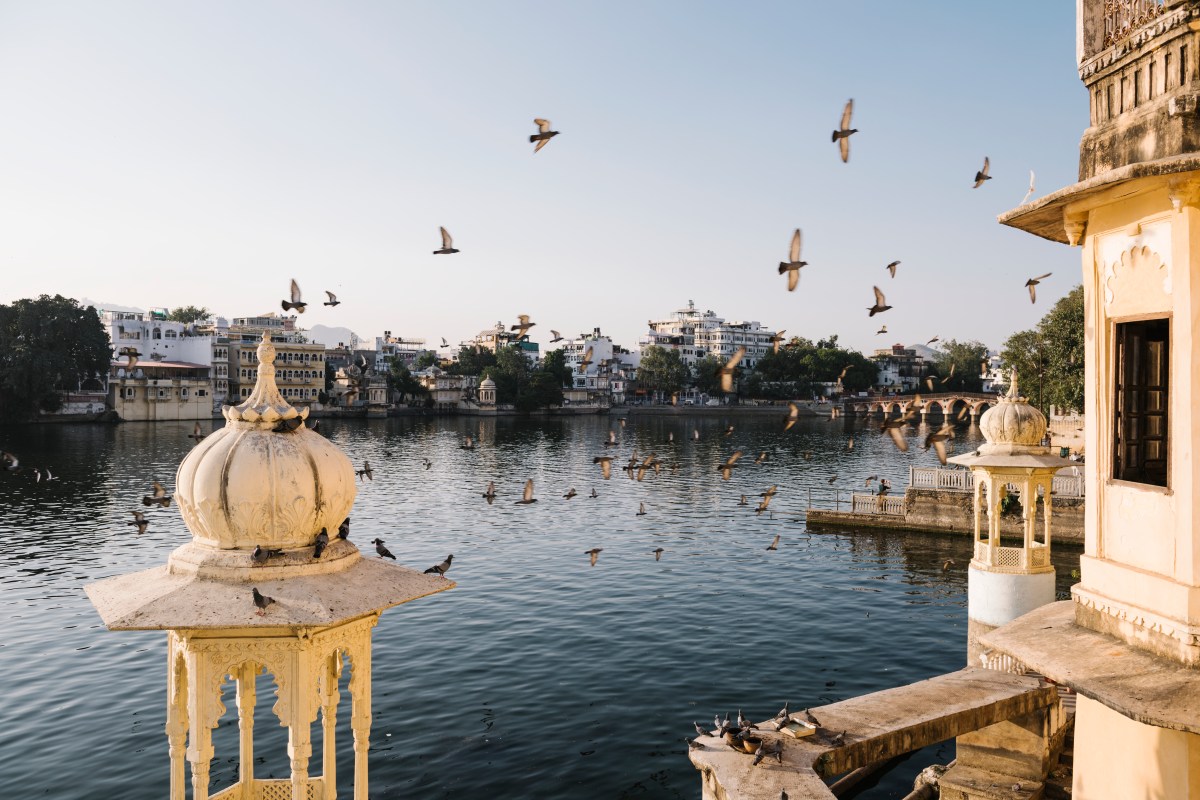
Lake Pichola and the City Palace under monsoon cloud, water at full level, soft grey light.

What changes in the city, where to stay, and how to get there from Gujarat, Madhya Pradesh, Mumbai, Delhi and Pune

Udaipur looks like a different city once the monsoon arrives. For most of the year, it is a place people visit for clear skies and dry heat, its lakes and white marble palaces photographed under bright winter sun. Between July and September, that picture changes. The Aravalli hills around the city turn green. The lakes rise to levels they hold for only a few months a year, and the light softens into a grey that suits old sandstone and marble better than sharp sunlight usually does.

Most travel advice still treats Rajasthan as a winter destination and skips the monsoon question entirely. That misses what makes this particular season worth planning around. Udaipur was built around its lakes, quite literally, and monsoon is really the only time of year the city looks the way it was designed to look.

Table of Content:

What Changes in Udaipur During Monsoon

Lake Pichola existed before the city did, but Maharana Udai Singh II expanded it further when he founded Udaipur here in 1559. Every ruler after him added another lake, or another palace on an island in the middle of one, and the whole city grew up around water and reflection. For most of the year, Pichola and Fateh Sagar, the two main lakes, sit well below their full level. Monsoon changes that. Rain usually arrives through July, and by August both lakes are close to full, deep enough that the City Palace and its reflection blur into one another on a calm morning.

The weather itself is easier than most people expect. Rain tends to arrive in short bursts rather than settling in for the whole day, so mornings are often clear enough for sightseeing, with showers more likely in the afternoon or evening. Daytime temperatures run from the high 20s to low 30s in degrees Celsius, a real drop from the 40°C-plus the city sees in May and June. The crowds thin out too. Winter remains the busiest season for tourism in Udaipur, which makes monsoon the quietest and most affordable time to visit.

Monsoon shows Udaipur the way it was actually built to look.

Things to Do in Udaipur in Monsoon

The City Palace is worth visiting twice if there is time. Go once in the late morning, when the light is flat and even, and again closer to evening, when the marble catches whatever sun breaks through the clouds. A boat ride on Lake Pichola works better in monsoon than in any other season. The water sits high enough for the palace and surrounding hills to reflect clearly, instead of the muddy shallows visible for most of the year.

Sajjangarh Monsoon Palace seen through low cloud, hillside forest below.

Above the city, Sajjangarh, better known as the Monsoon Palace, was built in the 1880s by Maharana Sajjan Singh specifically to watch the clouds roll in over his kingdom. The drive up passes through a wildlife sanctuary that stays thick with mist through most of the season, and on a clear break in the weather, the view from the top stretches across the whole lake basin.

In the evenings, Bagore Ki Haveli, a restored eighteenth-century mansion on the Pichola waterfront, runs a nightly Dharohar dance show, a set of Rajasthani folk performances that ends with a dancer balancing seven brass pots on her head. During monsoon, the courtyard show has rain for a soundtrack, which makes it a good deal more atmospheric than the same performance in dry summer heat.

Food is worth building time around too. A Rajasthani thali, usually a dozen small dishes built around dal, gatte and kadhi, tastes better after a morning spent outdoors in cooler air. The cafés along the lake, half-empty for most of the year, fill up just enough in monsoon to feel lively, without a wait for a table. The old city rewards slow walking as well. Hathi Pol Bazaar, close to the City Palace, is where most of the miniature paintings and Pichwai art on sale in Udaipur are actually made, not just sold.

Where to Stay in Udaipur

Where a traveller stays in Udaipur changes the kind of trip it becomes. SaffronStays Rang Havelii sits close enough to the City Palace to share a version of the same rooftop views. The haveli took a year and a half to rebuild from near-ruin. Each of its eight rooms is designed around a different Rajasthani city’s craft tradition: Molela wall art from a village near Chittorgarh, marble from Makrana, sandstone floors from Dholpur. The rooftop pool looks out at the City Palace on one side and the Karni Mata hills on the other.

Villa feature, Udaipur SaffronStays Rang Havelii rooftop pool, City Palace visible across the water.

Pristine Manor takes a quieter approach. It sits between two lakes, a few hundred metres from Fateh Sagar, with a ten-thousand-square-foot garden that turns fully green by August, room enough for a large family or a pre-wedding function without feeling crowded. Kilakot, also near Fateh Sagar, is built around the same idea: slow mornings, open living, no fixed itinerary.

Between the three, most of what a traveller wants from Udaipur is covered: proximity to the palaces for anyone here to look at architecture, and enough distance from the noise for anyone here mainly to slow down. We have written a full lake-by-lake, café-by-café guide to Udaipur’s monsoon season separately, for anyone planning to spend a full week in the city rather than a long weekend.

Hariyali Teej Falls in August This Year

Within Teej section Women in green traditional attire celebrating Teej, decorated swings hung from a tree, henna-adorned hands visible.

August adds one more reason to plan around this season. Hariyali Teej, Rajasthan’s main monsoon festival, falls on 15 August this year. It marks the reunion of Shiva and Parvati, and the name roughly translates to green festival. For one day, women dress in green, apply fresh henna, and hang swings from trees and courtyard beams. Rajasthan calls it Shingara Teej locally, and it is celebrated more visibly here, with processions and decorated swings in courtyards and temples, than in most of the other states that also mark the day. It is not something a trip needs to be built around, but arriving during Teej week adds a genuine layer to a Udaipur visit that a dry-season trip does not offer.

Mount Abu: A Short Detour for Drivers

For anyone driving in from Gujarat, and often Madhya Pradesh too, Mount Abu makes a natural stop before or after Udaipur. It is Rajasthan’s only hill station, and the monsoon contrast is dramatic. While the rest of the state sits above 40°C in July, Mount Abu settles into the low twenties, with cloud low enough to touch the hills around Nakki Lake. The Dilwara Temples, a set of 11th and 13th century Jain temples known for their fine marble carving, are worth the climb in any season, but rain does nothing to them except clean the stone.

Rain does nothing to the temples except clean the stone.

SaffronStays Sylvan Farms sits on a hilltop above the town, its gardens and small working farms turning green through the season. Mount Abu to Udaipur is about 160 km, a three-hour drive through hills that turn from brown to green within a few weeks each year.

Getting to Udaipur

For Gujarat, Udaipur is close enough to be a proper weekend trip rather than a full holiday. Ahmedabad to Udaipur is about 260 km by road, a drive of 4.5 to 5 hours via NH48, and it is a route Ahmedabad already knows well, usually for weddings in the winter months. Vadodara and Surat add roughly one to two hours to the drive but follow largely the same road through Mehsana and Palanpur. Driving remains far more common than flying on this route, since the highway is faster door to door than the airport connections from Ahmedabad. Travellers routing through Mount Abu, Rajasthan’s only hill station and already a popular stop for Gujarat travellers, should plan for a full day of driving, with the hill station as a stop along the way rather than a separate detour.

From elsewhere in India, flying is usually the more practical option. Madhya Pradesh is the exception: Indore to Udaipur is about 390 km, roughly 5.5 to 6 hours by road, similar to the Gujarat drive, or under an hour and a half by direct flight. Delhi and Mumbai both have several direct flights to Udaipur a day, each taking around 1.5 hours, a shorter trip than the 10 to 13 hour drive from Delhi or the 750 km-plus drive from Mumbai. Pune has fewer direct options, with most flights connecting through Delhi, Mumbai or Ahmedabad and total travel time running 5.5 to 9 hours depending on the layover. Trains cover all of these routes too, but at 11 hours or more, they suit travellers who prefer an overnight journey over a short flight.

Planning the Trip

Monsoon runs July through September in Udaipur and the surrounding region. Rain tends to arrive in short spells rather than lasting all day, so most mornings stay clear enough for sightseeing. Daytime temperatures: high 20s to low 30s (°C) in Udaipur, low-to-mid 20s in Mount Abu, both a real break from the 40°C-plus both places see in peak summer. Ahmedabad to Udaipur: ~260 km, 4.5 to 5 hours by road. Indore to Udaipur: ~390 km, 5.5 to 6 hours by road. Delhi and Mumbai to Udaipur: ~1.5 hours by direct flight. Pack light layers for daytime humidity, something warmer for Mount Abu evenings if that is part of the trip, and a proper rain layer rather than a travel umbrella.

None of this needs much planning. A long weekend covers Udaipur comfortably on its own. Four or five days allow time for Mount Abu too, for anyone driving in from Gujarat or Madhya Pradesh. A private villa suits this season particularly well, since rain becomes part of a slow day rather than an interruption to a packed one. What changes most about a monsoon trip to Udaipur is not the itinerary but the season most people skip entirely. Winter shows the city at its clearest. Monsoon shows it the way it was actually built to look: lakes full, marble catching grey light instead of hard sun, and considerably fewer crowds in between.

Plan Your Monsoon Trip to Udaipur Explore SaffronStays villas in Udaipur and Mount Abu, from lakeside heritage havelis to hilltop farm retreats.

FAQ: Udaipur in Monsoon

Is Udaipur worth visiting in the monsoon, or is winter really the better season?

Winter remains the most comfortable season for sightseeing, but monsoon is when Udaipur’s lakes, Pichola and Fateh Sagar especially, fill closest to the level they were originally built for, and the city empties of winter crowds.

Is Udaipur a good weekend trip from Ahmedabad?

Yes. At around 260 km and 4.5 to 5 hours by road, Udaipur is one of the easiest weekend drives out of Ahmedabad, Vadodara or Surat, and it is a route Gujarat travellers already make often for weddings and family functions.

How do I reach Udaipur from Mumbai or Delhi?

Both cities have frequent direct flights to Udaipur, taking around 1.5 hours. Trains run too, but take 11 hours or more, so flying is the practical option for a short trip.

Is Indore a good starting point for a Udaipur trip?

Yes. Indore to Udaipur is about 390 km, roughly 5.5 to 6 hours by road, similar in length to the drive from Ahmedabad, and there are also direct flights under an hour and a half.

Can Mount Abu be combined with a Udaipur trip from Gujarat?

Yes, easily. Mount Abu and Udaipur are about 160 km and 3 hours apart, and it is a common route for Gujarat travellers driving in via Ahmedabad.

What is Hariyali Teej, and does it affect travel plans?

Hariyali Teej is Rajasthan’s main monsoon festival, marking the reunion of Shiva and Parvati with green clothing, henna, and decorated swings. In 2026 it falls on 15 August. It does not close attractions, but it brings extra colour and local celebration that week.

Waking Up Above the Clouds: A Guide to Coorg and Chikmagalur Coffee Plantation Stays in June

There is a particular kind of morning that only coffee country can offer.

You wake up to the sound of rain tapping softly against tiled roofs. Wisps of cloud drift lazily through rows of coffee bushes. The air smells of wet earth, pepper vines, and freshly brewed filter coffee. Somewhere in the distance, a Malabar whistling thrush announces the start of another monsoon day.

This is June in Karnataka’s coffee heartland.

While much of the country is battling rising temperatures, the hills of Coorg and Chikmagalur begin their annual transformation. Coffee estates turn emerald green, waterfalls return to life, and the roads winding through the Western Ghats become some of the most scenic drives in South India.

Whether you are planning a family getaway, a slow monsoon escape, or simply want to spend a few days surrounded by coffee plantations and mountain views, Coorg and Chikmagalur offer two distinct yet equally memorable experiences.

Table of Content:

Why June Is the Sweet Spot for Karnataka’s Coffee Country

Most travellers associate hill stations with summer. Seasoned travellers know that coffee country comes into its own once the rains arrive.

June marks the beginning of the monsoon season across Coorg and Chikmagalur. The first showers wash away the dust of summer, streams begin flowing again, and entire valleys disappear beneath blankets of mist. The weather remains pleasantly cool, typically ranging between 18 and 25 degrees Celsius, making it ideal for long walks through plantations, leisurely breakfasts overlooking the hills, and afternoons spent listening to rain from a covered verandah.

Unlike peak holiday periods, June also brings a quieter atmosphere. Roads are less crowded, viewpoints feel more intimate, and plantation stays offer a sense of privacy that is increasingly difficult to find in popular destinations.

Practical note: early June (before the 15th) is the most rewarding window. The hills have already greened up and waterfalls started flowing, but the heaviest sustained rain has not yet arrived. Carry a waterproof layer, wear high socks on plantation walks (leeches appear in damp undergrowth), and build flexibility into your plans. Some trails close temporarily after heavy rain.
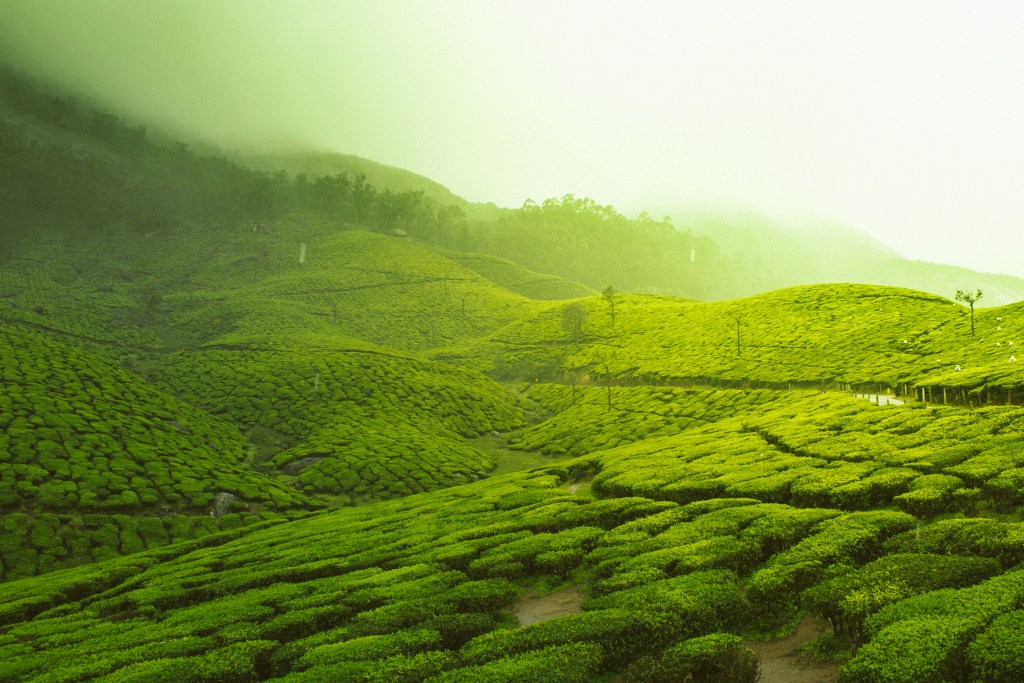
Emerald green coffee bushes shaded by silver oak trees on a Coorg estate in the June monsoon, Karnataka

Coorg: Where Families Find Space to Slow Down

Ask anyone in Karnataka about their favourite monsoon destination and chances are Coorg will feature near the top of the list.

Known as the Scotland of India, Kodagu district combines rolling coffee estates, forested hills, rivers, and charming plantation homes that have been welcoming guests for generations. For families looking for private villa stays in Coorg, the region offers a compelling alternative to conventional hotels. Private villas allow families to gather under one roof, share meals together, enjoy expansive gardens, and experience the slower rhythms of estate life.

A typical day in Coorg rarely needs an itinerary.

Mornings begin with steaming cups of locally grown coffee. Afternoons are spent exploring nearby waterfalls, driving through mist-covered roads, or simply watching clouds move across the hills. Evenings often end around a bonfire when weather permits, accompanied by local Kodava cuisine and stories that stretch long after dinner.

The emphasis here is not on rushing from one attraction to another. It is on allowing the landscape to set the pace.

Among the most rewarding ways to experience Coorg is by staying within a working plantation itself. SaffronStays operates private villas set amid acres of greenery, with views of the Harangi backwaters and the quiet rhythms of a working estate that many day visitors never see.

Chikmagalur: Living Among the Coffee Estates

If Coorg feels established and familiar, Chikmagalur feels wonderfully immersive.

Often regarded as the birthplace of coffee cultivation in India, Chikmagalur has a long association with sprawling estates, mountain landscapes, and plantation culture. The region’s elevation gives it a distinct character. The roads are steeper, the views broader, and the coffee estates stretch as far as the eye can see.

For travellers seeking a luxury plantation stay experience in Chikmagalur, the appeal lies in staying within these estates rather than merely visiting them.

A morning walk here might take you through rows of coffee bushes shaded by silver oak trees. You could spend an afternoon learning about the coffee-growing process from bean to brew, before returning to a verandah overlooking rolling hills wrapped in mist.

Unlike busier hill destinations, Chikmagalur rewards travellers who appreciate slower experiences. Time is measured not by sightseeing checklists but by cups of coffee, changing weather patterns, and conversations that unfold naturally.

SaffronStays properties in Chikmagalur place guests in the heart of plantation landscapes, allowing them to experience the region’s defining character from the moment they wake up. The result is not just a stay in Chikmagalur. It is an opportunity to live, however briefly, within the rhythms of a working coffee estate.

Sunrise over rolling coffee estates in Chikmagalur, Karnataka, with mist filling the valleys in June

Coorg or Chikmagalur: Which Makes the Better Drive from Bangalore?

One of the biggest advantages both destinations share is accessibility from Bangalore.

Coorg typically takes between five and six hours by road via the Mysore route. Chikmagalur is often a little closer, at four to five hours via NH75 through Hassan. Both are well within reach of a Bangalore weekend drive, making them natural choices for the city’s professionals and families looking to escape between Friday evening and Sunday night.

Choosing between the two ultimately depends on the experience you are seeking. Coorg tends to appeal more to families looking for spacious homes, heritage character, backwater views, and a broader range of activities. Chikmagalur is often preferred by travellers who want to immerse themselves in coffee culture, mountain landscapes, and plantation life with fewer distractions.

The good news is that there is no wrong answer. Both destinations deliver the sense of escape that city dwellers crave, particularly during the monsoon months.

Extending the Journey: Why Kabini Deserves a Place on Your Radar

For travellers planning a longer Karnataka getaway, Kabini offers a compelling addition to a coffee-country itinerary.

While it is better known for wildlife experiences than coffee plantations, the region’s water bodies, forests, and tranquil surroundings create a completely different atmosphere from the hills. Many travellers exploring Kabini waterfront resorts and stays are drawn by the opportunity to spend time near the backwaters, where mornings often begin with bird calls and mist rising over the water.

Combining Kabini with either Coorg or Chikmagalur creates a well-rounded itinerary that blends plantations, forests, and waterfront landscapes into a single journey through Karnataka’s most rewarding countryside.

Kabini backwaters at dawn with mist rising over the water and forest on the opposite bank, Karnataka

Why Private Villas Work So Well During the Monsoon

Rain has a way of encouraging people to slow down.

That is precisely why private villas often feel more rewarding than conventional hotels during this season. Instead of navigating crowded dining halls or busy common areas, guests have the freedom to enjoy the weather on their own terms. Breakfast can stretch into lunch. Conversations can continue uninterrupted. Children can explore open lawns while adults settle into a covered sit-out with a book and a fresh cup of coffee.

The experience feels personal rather than programmed.

In destinations built around nature and scenery, that difference matters. A hotel gives you a room with a view. A private estate puts you inside the view.

A Three-Day Coffee Country Escape

A long weekend is often all you need.

Leave Bangalore early on a Friday morning and arrive in Coorg or Chikmagalur by afternoon. Spend the evening settling into your villa and enjoying your first monsoon sunset. Reserve the second day for estate walks, coffee experiences, local cuisine, and nearby viewpoints. Allow room for spontaneity because some of the best moments in coffee country are unplanned.

On the final morning, wake up early, enjoy one last leisurely breakfast overlooking the hills, and begin the drive back with a few bags of freshly roasted coffee in the boot.

The journey home feels considerably shorter when you have spent a weekend above the clouds.

One Last Thought

June transforms Coorg and Chikmagalur into some of the most rewarding destinations in South India. The landscapes are greener, the air is cooler, and the experience feels more intimate than during peak holiday periods.

Whether you choose the spacious charm of a Coorg family villa or the immersive appeal of a Chikmagalur plantation stay, one thing is certain: few places make slowing down feel this effortless.

And sometimes, all it takes is a cup of coffee, a blanket of mist, and a home surrounded by the Western Ghats to remember how refreshing that can be.

Browse SaffronStays properties in Coorg and Chikmagalur at saffronstays.com/villas/villas-in-coorg.

Plan Your Monsoon Coffee Country Escape Private plantation villas in Coorg, Chikmagalur, and Kabini. Your caretaker, your kitchen, your estate. saffronstays.com/villas/villas-in-coorg

YOU MIGHT ALSO LIKE

  • Kerala in Monsoon 2026: Why June Is the Best-Kept Secret for a South India Villa Stay  (Published 4 June)
  • Escaping the Nilgiri Summer Rush: Private Estates in Coonoor and Kodaikanal  (Published 4 June)
  • Best Places to Visit in India in June 2026: SaffronStays Region-by-Region Guide  (Publishing 18 June)

FAQ: Coorg and Chikmagalur in June

Is Coorg good to visit in June?

Yes, with the right expectations. Early June is excellent: the estates are vivid green, waterfalls have started flowing, and the worst of the monsoon rain has not yet arrived. By mid to late June, expect sustained rainfall and some trail closures. Pack a waterproof layer, wear high socks on plantation walks, and build flexibility into your plans. For travellers who enjoy the atmosphere of rain and mist, June in Coorg is genuinely magical.

How far is Coorg from Bangalore?

Coorg (Madikeri) is roughly 240 to 260 kilometres from Bangalore, typically a five to six hour drive via the Mysore route (NH275). Traffic through Mysore and road conditions in the Ghats can affect the timing. Most travellers leave Bangalore by 5am or 6am on a Friday to arrive comfortably by early afternoon.

Which is better for a monsoon stay: Coorg or Chikmagalur?

Both are excellent but they offer different experiences. Coorg is better for families wanting spacious villas, heritage character, and a wider range of activities around the Harangi backwaters and nearby attractions. Chikmagalur is better for travellers who want pure plantation immersion: steeper terrain, broader views, and a stronger focus on coffee culture. If you have four or more days, combining both is very rewarding.

What is the drive time from Bangalore to Chikmagalur?

Chikmagalur is roughly 240 kilometres from Bangalore via NH75 through Hassan, typically four to five hours by road. The route passes through pleasant countryside and the drive itself is part of the experience. Start early to arrive before afternoon and make the most of your first evening at the estate.

What should I pack for a Coorg or Chikmagalur monsoon stay?

Waterproof jacket or poncho, waterproof shoes or sandals that can get wet, high socks for plantation walks (essential for leech protection in damp areas), a light fleece for evenings (temperatures drop to 16 to 18 degrees Celsius after dark), and a power bank since signal can be patchy on estates. Leave itinerary pressure at home. The best thing to pack for a monsoon coffee country stay is willingness to let the weather decide the day.

Udaipur in the Monsoon: Ideal Romantic Lake City Escapes

The first raindrop lands softly on the surface of Lake Pichola. A gentle mist rolls in from the Aravalli hills. The white domes of the City Palace glisten with moisture, and the ghats below begin to fill with the smell of petrichor and rose chai. If there’s ever a time to visit Udaipur for romance, reflection, or just a bit of quiet, it is during the monsoon.

This is a guide for travelers visiting Udaipur between July and September 2025. It is for those looking to slow down, soak in the beauty, and experience the lake city as the locals do when it rains.

When to Visit Udaipur in the Monsoon

Monsoon arrives in Udaipur by late June and lasts till mid-September. July is when the city receives its first proper showers. Expect misty mornings, cooler days, and light rain in the evenings. August is lush and green, perfect for lakeside walks. September still carries the freshness of the rains but with clearer skies and easier travel.

If you’re planning a romantic getaway, July and August are ideal. For better weather and accessibility, early September is a great choice.

Why the Monsoon is the Best Time to Visit Udaipur

Udaipur during monsoon is quieter. The tourist rush slows down, which means you can experience the city at your own pace. The lakes brim with water, the gardens come alive, and the palaces feel more atmospheric against a cloudy sky. It’s easier to find quiet spots along ghats or take unhurried boat rides. The temperature also drops, making it pleasant for outdoor strolls and local sightseeing.

What to See in Udaipur During Monsoon

  • Lake Pichola: Go for a morning or sunset boat ride. The views of Jag Mandir and the City Palace from the water are even more striking in monsoon light
  • Monsoon Palace: Sitting atop a hill, this is the best place for panoramic views of the city and its rain-washed surroundings
  • Fateh Sagar Promenade: Walk along the edge of the lake with a cup of chai and roasted corn in hand
  • City Palace Museum: A great indoor option for a rainy afternoon, with quiet galleries and lake-facing balconies
  • Bagore Ki Haveli: Attend the evening cultural show. The setting, with wet courtyards and folk instruments, is unforgettable
  • Saheliyon-ki-Bari: The fountains and rain-fed garden beds are at their best in this season
  • Shilpgram: Udaipur’s rural arts village is a nice detour if you enjoy crafts, rain-washed mud walls, and local snacks
  • Neemach Mata Temple: Perched on a hill with a view of Fateh Sagar, the climb is worth it in this weather
  • Ubheshwar Ji Temple: Less crowded and peaceful, surrounded by seasonal waterfalls and green valleys
  • Rayta Hills: A hidden gem just outside Udaipur for those who want views and silence

3-Day Monsoon Itinerary for Udaipur

Day 1
Arrive in Udaipur and check in. Start with a boat ride on Lake Pichola to set the mood. Stop by Jag Mandir and return in time to explore the City Palace Museum. In the evening, attend the cultural show at Bagore Ki Haveli.

Day 2
After breakfast, head to the Monsoon Palace. The drive up is scenic, especially with clouds rolling over the hills. Later, visit Fateh Sagar Lake for a quiet walk. Stop by Saheliyon-ki-Bari and spend the late afternoon browsing crafts at Shilpgram.

Day 3
Begin your day with a short hike to Neemach Mata Temple. If you’re feeling adventurous, drive to Ubheshwar Ji Temple or explore the Rayta Hills. These lesser-known spots are especially beautiful during the rains. Return, have lunch by the lake, and head out.

Travel Tips for the Monsoon Season

  • Carry a light rain jacket or umbrella. Rains are frequent but not heavy
  • Wear good footwear as the ghats and hill paths can be slippery
  • Book your boat rides early, as operations may pause during heavier spells
  • Always check road conditions if heading to outer areas like Rayta or Ubheshwar
  • Avoid planning tight schedules, as rains can delay movement

It’s hard to describe how peaceful Udaipur feels when it rains. The palaces don’t just shine. They breathe. The lakes become mirrors for the sky. And the rhythm of the city slows just enough for you to notice the small things — a boatman adjusting his oar, a cow sheltering under a tree, the smell of sandalwood and fresh rain in the temple corridors.

If you’ve been waiting for a sign to visit Rajasthan during the off-season, this is it. Udaipur in the monsoon isn’t loud or crowded. It is softer, greener, and more romantic than you’d expect.

Top Monsoon Spots To Unwind At With Your Loved Ones!

Monsoons are round the corner. Enjoy a cup of hot tea lounging atop a hill station. Take a stroll among trees in a light drizzle, or simply relax and enjoy the beautiful weather. SaffronStays presents you some monsoon getaway options; in and around Maharashtra.

SaffronStays Fragrant Sun, Mulshi

Perched on a hillside, this earthy home provides a view of the expansive Mulshi lake. This 5-bedroom home is made out of all natural materials. One can take a dip in the lake. Savour the lip-smacking food and unwind in the serenity, the surroundings provide.

SaffronStays River Rock, Panvel

This home boasts of an outdoor Jacuzzi and an amazing view of a bubbling river. And the best part? Its practically 2 hours away from Mumbai! This 2.5 bedroom house is an amalgamation of modern and traditional architecture. Furnished with all modern amenities, this villa gives a homely vibe to the guests.

SaffronStays Verandah By the Valley, Panchgani

Perched on a cliff edge, this home looks over the expanse of the valley in Panchgani. Watch the sun dip low in the horizon. Smell the petrichor and a splash of light drizzle on your face. One can go strawberry or gooseberry picking. Guests can also see beautiful view of the Nagewadi Dam waters from the open deck built at the house.

SaffronStays Calamondinn Bunglow, Coorg

The ambience of a colonial cottage, SaffronStays Calamondinn Bunglow, Ooty is a 6000 square feet heritage bungalow set amidst a coffee plantation. Sit back and relax with a book. Take a walk among the plantations, or just spend time with your loved one. As this home borders the Nagarhole Tiger Reserve, guests have a lot of flora and fauna to explore around the home.

SaffronStays Milton Abbott Estate, Ooty

Located in one of the very well known destinations for a monsoon getaway, SaffronStays Milton Abbott Estate transports guests to another world with its heritage charm. This home has 4 gorgeous suites where guests experience the regal charm of the colonial era. Sit around a bonfire and savour this monsoon weather with your family and friends.

So what are you waiting for? Come, explore these beautiful villas and enjoy monsoon rains to the fullest!