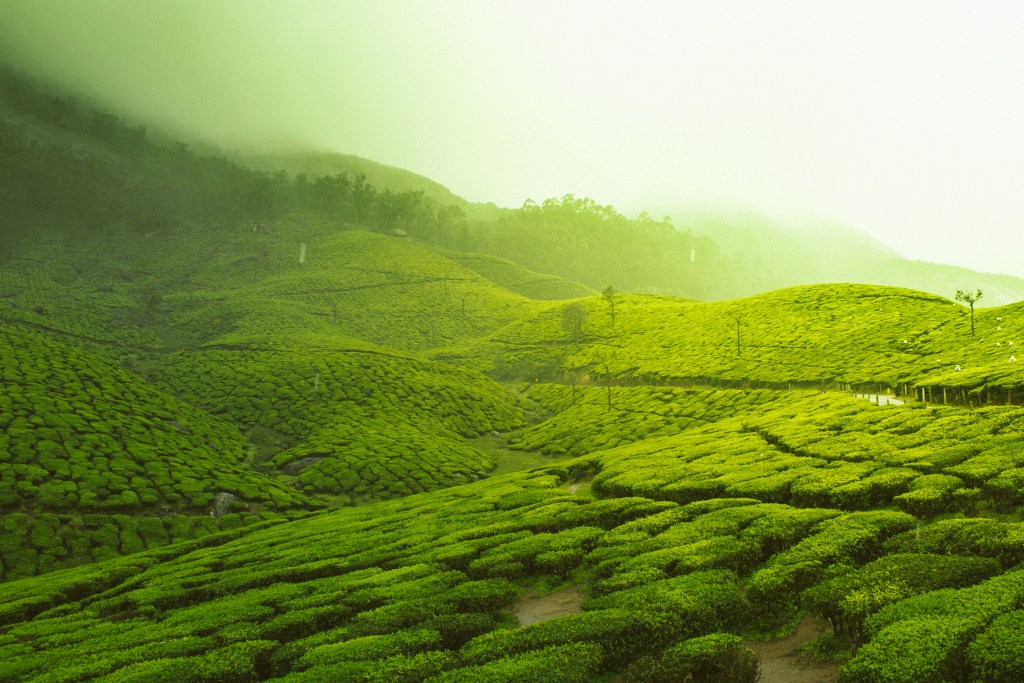
Escaping the Nilgiri Summer Rush: Why Private Estates in Coonoor and Kodaikanal Beat Crowded Hill Resorts

By June, India’s summer migration begins.

Families from Bengaluru, Chennai, Hyderabad, and Coimbatore start looking for cooler weather, misty mornings, and a break from cities that have spent months baking under the sun. Naturally, the Nilgiris rise to the top of the list. Ooty, Coonoor, Kotagiri, and Kodaikanal see a surge of visitors chasing pleasant temperatures and mountain air.

But here is the irony.

The very reason people head to the hills in June often gets lost in the crowds. Long traffic queues, packed viewpoints, bustling hotel lobbies, and overcrowded dining halls can make a hill holiday feel surprisingly hectic.

The travellers who return home feeling truly refreshed are often the ones who make a different choice. Instead of booking a room in a busy resort, they choose a private estate, heritage bungalow, or plantation home that offers space, privacy, and a slower pace of life.

If you are planning a Nilgiri escape this June, here is why private estates in Coonoor and Kodaikanal may be the smartest decision you make.

Table Contents:

Why June Is Peak Season in the Nilgiris

There is a reason the Nilgiris become one of South India’s most sought-after destinations in summer.

While temperatures in many cities hover above 35 degrees Celsius, the hills remain pleasantly cool. The landscapes are lush, mornings arrive wrapped in mist, and afternoons are ideal for long walks, tea sessions, and scenic drives.

Families travelling during school vacations, professionals seeking a mid-year reset, and groups looking for a long-weekend getaway all converge on the region around the same time. Popular hubs such as Ooty town, Ooty Lake, Doddabetta Peak, Bryant Park, and Kodaikanal Lake often see their highest footfall of the year.

The challenge is not finding beautiful weather. It is finding enough breathing room to enjoy it.
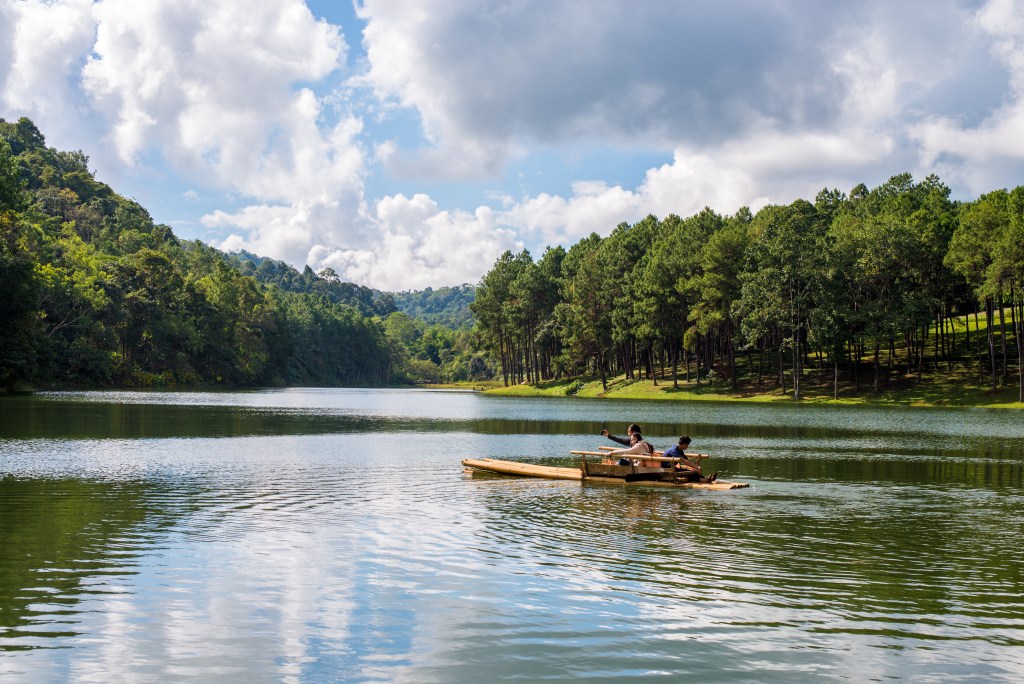
Misty morning view over Ooty Lake in the Nilgiris, Tamil Nadu in June with lush green hills surrounding the water

Ooty Is the Headliner. Coonoor Is the Insider’s Choice.

Most first-time visitors make Ooty their base. Experienced travellers often choose Coonoor.

Located just a short drive away, Coonoor offers everything visitors love about the Nilgiris: rolling tea gardens, mountain views, heritage charm, and cool weather, but with a far more relaxed atmosphere. For travellers searching for places to visit near Ooty in June, Coonoor opens the door to some of the region’s most rewarding experiences.

Spend a morning at Dolphin’s Nose, where clouds drift across the valleys below. Walk through the tea estates around Lamb’s Rock. Visit Catherine Falls after the first showers begin to revive the landscape. Drive towards Kotagiri for quieter roads and sweeping viewpoints that feel a world away from the bustle of central Ooty.

The beauty of staying in Coonoor is that you can still access Ooty whenever you wish, without spending your entire holiday inside its crowds.

What to Expect: Coonoor Weather in Summer

One of the biggest reasons travellers gravitate towards Coonoor is its climate. Coonoor weather in summer remains remarkably pleasant compared to most South Indian cities. Daytime temperatures sit comfortably between 15 and 25 degrees Celsius, while mornings and evenings often call for a light jacket.

June also marks the beginning of the monsoon transition. The hills begin to take on richer shades of green, tea gardens look especially vibrant, and mist starts rolling across the valleys more frequently. Unlike the harsher winter months, summer in Coonoor allows visitors to spend entire days outdoors.

Early June (before the 15th) gives you the best of both worlds: the pre-monsoon green landscape without sustained heavy rain. By mid-June, Coonoor’s tea gardens are at their most vivid. If your trip falls in the second half of June, carry a light waterproof layer for afternoon walks and embrace the mist.

This is precisely why where you stay matters. When the weather is this good, you do not want to be confined to a hotel room.

Why Private Estates Beat Crowded Hill Resorts

Hill stations were never meant to be experienced from a crowded lobby.

The charm of the mountains lies in unhurried mornings, uninterrupted views, and the feeling of having space around you. Private estates deliver exactly that.
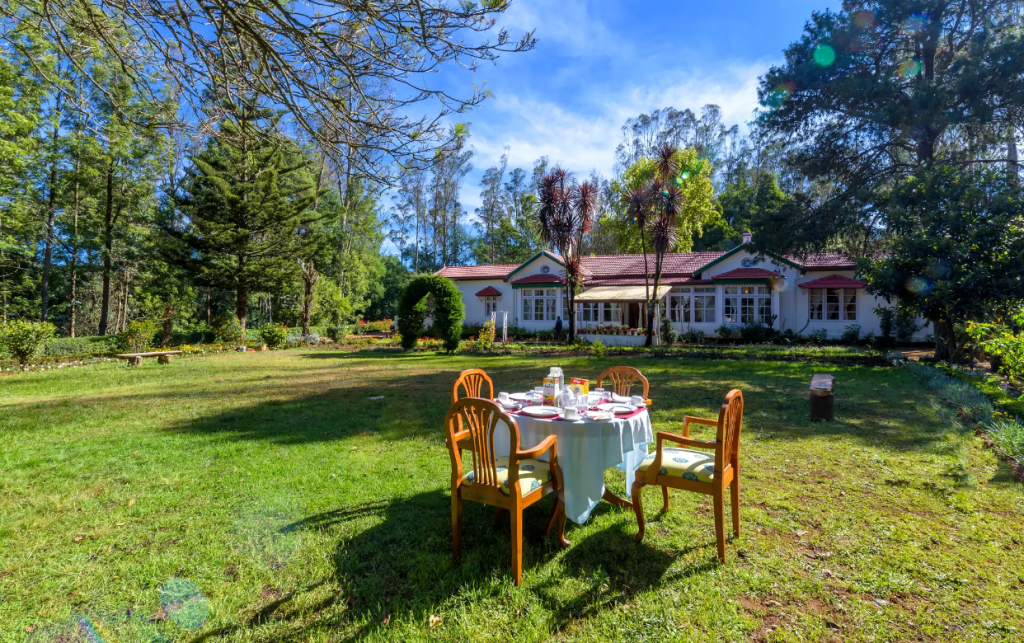
Imagine starting your day with breakfast overlooking tea gardens instead of waiting for a buffet table. Imagine children playing freely on lawns while grandparents relax on a verandah. Imagine gathering around a bonfire in the evening without competing for space with dozens of other guests.

Private stays also offer something that large resorts often struggle to provide: flexibility. Meals can be slower. Conversations can stretch longer. You do not have to plan your day around restaurant timings, crowded common areas, or the schedules of hundreds of other travellers.

For families, multi-generational groups, pet parents, and close-knit gatherings, this difference becomes even more noticeable. The destination remains the same. The experience feels entirely different.

A note on value: for groups of six or more, a private estate often works out to a similar cost per head as a mid-range resort, while giving you a private kitchen, dedicated caretaker, and a space that belongs entirely to your group.

Kodaikanal’s Best-Kept Secret Is Not the Lake. It Is the Estates Beyond It.

Much like Ooty, Kodaikanal attracts significant visitor traffic during June. The lakefront promenade, Coaker’s Walk, Bryant Park, and major viewpoints remain perennial favourites. But many travellers discover that the most memorable moments happen away from the town centre.

This is where Kodaikanal luxury villas and estate stays come into the picture. Instead of spending your holiday surrounded by traffic and tourist activity, you wake up amidst plantations, forests, and open landscapes.

The pace naturally slows. Mornings begin with birdsong rather than vehicle horns. Evenings become opportunities for long conversations under the stars rather than rushed dinners in crowded restaurants.

The appeal is not about exclusivity. It is about reconnecting with the very reason people travel to the hills in the first place.

Coffee plantation estate path in Kodaikanal, Tamil Nadu, with mist rolling through the hills in the early morning

The Rise of Private Homestays in the Nilgiris

Traveller preferences have evolved significantly over the last few years. People increasingly seek privacy, personalised experiences, and accommodations that feel connected to their surroundings.

This shift has fuelled growing interest in private homestays in the Nilgiris, particularly among families and groups who value space over standardised hotel experiences.

A heritage bungalow surrounded by gardens. A tea-estate home overlooking rolling hills. A plantation stay where the morning begins with a guided walk through coffee trails. These experiences allow travellers to engage with the landscape rather than simply observe it. The stay itself becomes part of the destination.

Where SaffronStays Fits In

For travellers looking to experience the Nilgiris beyond the typical hotel circuit, SaffronStays curates a collection of private villas, heritage bungalows, and plantation estates across Coonoor, Kotagiri, and Kodaikanal.

Each property is fully private: your own caretaker, your own kitchen, your own garden or estate. No shared corridors, no hotel lobbies, no fixed mealtimes. The experience is built around your group rather than around a property’s operational schedule.

In June specifically, these properties shine. Mist rolls across the valleys in the morning. Tea gardens glow a deep, saturated green. The cooler air makes every meal outdoors feel like an occasion.

Private SaffronStays Calamondinn Bungalow heritage estate garden in Coonoor with panoramic Nilgiri hill views at dusk

Browse the full SaffronStays collection for the Nilgiris at saffronstays.com/villas/villas-in-coonoor.

Plan Your Nilgiris June Escape with SaffronStays Private estates, heritage bungalows, and plantation stays in Coonoor, Kotagiri, and Kodaikanal. saffronstays.com/villas/villas-in-coonoor

YOU MIGHT ALSO LIKE

  • Kerala in Monsoon 2026: Why June Is the Best-Kept Secret for a South India Villa Stay  (Published 4 June)
  • Coorg in Monsoon 2026: A Coffee Estate Villa Guide for the Rain Lover  (Publishing 16 June)
  • Best Places to Visit in India in June 2026: SaffronStays Region-by-Region Guide  (Publishing 18 June)

FAQ: Private Stays in Coonoor and Kodaikanal

Is Coonoor worth visiting in June?

Yes. June is one of the most beautiful months in Coonoor. The pre-monsoon landscape is vivid green, temperatures stay between 15 and 22 degrees Celsius, and the tea gardens are at their most photogenic. The first showers usually arrive mid-June, adding mist to the valleys without sustained rain. For travellers who want pleasant weather and fewer crowds than peak April or May, June is an excellent window.

What is the weather like in Coonoor in summer?

Coonoor’s summer weather is mild and pleasant. Daytime temperatures range from 15 to 25 degrees Celsius, with cool evenings around 10 to 13 degrees Celsius. June marks the beginning of the monsoon transition, bringing more cloud cover, occasional short showers, and richer green landscapes. A light jacket for evenings and a waterproof layer for afternoon outings are recommended.

Are private estates better than hotels in Kodaikanal?

For families, groups, and travellers who value privacy, private estates offer a meaningfully different experience. You get the entire property to yourself, with a dedicated caretaker, customised meals, and the freedom to set your own pace. Hotels in Kodaikanal during June peak can be crowded and impersonal. A private estate often works out to a similar cost per head for groups of six or more, while delivering a far richer experience.

What are the best places to visit near Ooty in June?

Coonoor (20 km from Ooty) is the top recommendation: Dolphin’s Nose viewpoint, Lamb’s Rock, Catherine Falls, and the Nilgiri Mountain Railway toy train ride. Kotagiri (28 km) is quieter with beautiful tea estate walks and Kodanad viewpoint. Avalanche Lake and Upper Bhavani are worth the drive for nature lovers. All are easily accessible from Ooty as day trips, making Coonoor an ideal base.

How far in advance should I book a SaffronStays villa in Coonoor or Kodaikanal for June?

Three to four weeks in advance is recommended for June stays. The school summer vacation period makes June a high-demand month, and private estate inventory is limited by nature. Weekends and long weekends within June fill fastest. Booking early also gives you more choice on property type and group size.

Waking Up Above the Clouds: A Guide to Coorg and Chikmagalur Coffee Plantation Stays in June

There is a particular kind of morning that only coffee country can offer.

You wake up to the sound of rain tapping softly against tiled roofs. Wisps of cloud drift lazily through rows of coffee bushes. The air smells of wet earth, pepper vines, and freshly brewed filter coffee. Somewhere in the distance, a Malabar whistling thrush announces the start of another monsoon day.

This is June in Karnataka’s coffee heartland.

While much of the country is battling rising temperatures, the hills of Coorg and Chikmagalur begin their annual transformation. Coffee estates turn emerald green, waterfalls return to life, and the roads winding through the Western Ghats become some of the most scenic drives in South India.

Whether you are planning a family getaway, a slow monsoon escape, or simply want to spend a few days surrounded by coffee plantations and mountain views, Coorg and Chikmagalur offer two distinct yet equally memorable experiences.

Table of Content:

Why June Is the Sweet Spot for Karnataka’s Coffee Country

Most travellers associate hill stations with summer. Seasoned travellers know that coffee country comes into its own once the rains arrive.

June marks the beginning of the monsoon season across Coorg and Chikmagalur. The first showers wash away the dust of summer, streams begin flowing again, and entire valleys disappear beneath blankets of mist. The weather remains pleasantly cool, typically ranging between 18 and 25 degrees Celsius, making it ideal for long walks through plantations, leisurely breakfasts overlooking the hills, and afternoons spent listening to rain from a covered verandah.

Unlike peak holiday periods, June also brings a quieter atmosphere. Roads are less crowded, viewpoints feel more intimate, and plantation stays offer a sense of privacy that is increasingly difficult to find in popular destinations.

Practical note: early June (before the 15th) is the most rewarding window. The hills have already greened up and waterfalls started flowing, but the heaviest sustained rain has not yet arrived. Carry a waterproof layer, wear high socks on plantation walks (leeches appear in damp undergrowth), and build flexibility into your plans. Some trails close temporarily after heavy rain.
Emerald green coffee bushes shaded by silver oak trees on a Coorg estate in the June monsoon, Karnataka

Coorg: Where Families Find Space to Slow Down

Ask anyone in Karnataka about their favourite monsoon destination and chances are Coorg will feature near the top of the list.

Known as the Scotland of India, Kodagu district combines rolling coffee estates, forested hills, rivers, and charming plantation homes that have been welcoming guests for generations. For families looking for private villa stays in Coorg, the region offers a compelling alternative to conventional hotels. Private villas allow families to gather under one roof, share meals together, enjoy expansive gardens, and experience the slower rhythms of estate life.

A typical day in Coorg rarely needs an itinerary.

Mornings begin with steaming cups of locally grown coffee. Afternoons are spent exploring nearby waterfalls, driving through mist-covered roads, or simply watching clouds move across the hills. Evenings often end around a bonfire when weather permits, accompanied by local Kodava cuisine and stories that stretch long after dinner.

The emphasis here is not on rushing from one attraction to another. It is on allowing the landscape to set the pace.

Among the most rewarding ways to experience Coorg is by staying within a working plantation itself. SaffronStays operates private villas set amid acres of greenery, with views of the Harangi backwaters and the quiet rhythms of a working estate that many day visitors never see.

Chikmagalur: Living Among the Coffee Estates

If Coorg feels established and familiar, Chikmagalur feels wonderfully immersive.

Often regarded as the birthplace of coffee cultivation in India, Chikmagalur has a long association with sprawling estates, mountain landscapes, and plantation culture. The region’s elevation gives it a distinct character. The roads are steeper, the views broader, and the coffee estates stretch as far as the eye can see.

For travellers seeking a luxury plantation stay experience in Chikmagalur, the appeal lies in staying within these estates rather than merely visiting them.

A morning walk here might take you through rows of coffee bushes shaded by silver oak trees. You could spend an afternoon learning about the coffee-growing process from bean to brew, before returning to a verandah overlooking rolling hills wrapped in mist.

Unlike busier hill destinations, Chikmagalur rewards travellers who appreciate slower experiences. Time is measured not by sightseeing checklists but by cups of coffee, changing weather patterns, and conversations that unfold naturally.

SaffronStays properties in Chikmagalur place guests in the heart of plantation landscapes, allowing them to experience the region’s defining character from the moment they wake up. The result is not just a stay in Chikmagalur. It is an opportunity to live, however briefly, within the rhythms of a working coffee estate.

Sunrise over rolling coffee estates in Chikmagalur, Karnataka, with mist filling the valleys in June

Coorg or Chikmagalur: Which Makes the Better Drive from Bangalore?

One of the biggest advantages both destinations share is accessibility from Bangalore.

Coorg typically takes between five and six hours by road via the Mysore route. Chikmagalur is often a little closer, at four to five hours via NH75 through Hassan. Both are well within reach of a Bangalore weekend drive, making them natural choices for the city’s professionals and families looking to escape between Friday evening and Sunday night.

Choosing between the two ultimately depends on the experience you are seeking. Coorg tends to appeal more to families looking for spacious homes, heritage character, backwater views, and a broader range of activities. Chikmagalur is often preferred by travellers who want to immerse themselves in coffee culture, mountain landscapes, and plantation life with fewer distractions.

The good news is that there is no wrong answer. Both destinations deliver the sense of escape that city dwellers crave, particularly during the monsoon months.

Extending the Journey: Why Kabini Deserves a Place on Your Radar

For travellers planning a longer Karnataka getaway, Kabini offers a compelling addition to a coffee-country itinerary.

While it is better known for wildlife experiences than coffee plantations, the region’s water bodies, forests, and tranquil surroundings create a completely different atmosphere from the hills. Many travellers exploring Kabini waterfront resorts and stays are drawn by the opportunity to spend time near the backwaters, where mornings often begin with bird calls and mist rising over the water.

Combining Kabini with either Coorg or Chikmagalur creates a well-rounded itinerary that blends plantations, forests, and waterfront landscapes into a single journey through Karnataka’s most rewarding countryside.

Kabini backwaters at dawn with mist rising over the water and forest on the opposite bank, Karnataka

Why Private Villas Work So Well During the Monsoon

Rain has a way of encouraging people to slow down.

That is precisely why private villas often feel more rewarding than conventional hotels during this season. Instead of navigating crowded dining halls or busy common areas, guests have the freedom to enjoy the weather on their own terms. Breakfast can stretch into lunch. Conversations can continue uninterrupted. Children can explore open lawns while adults settle into a covered sit-out with a book and a fresh cup of coffee.

The experience feels personal rather than programmed.

In destinations built around nature and scenery, that difference matters. A hotel gives you a room with a view. A private estate puts you inside the view.

A Three-Day Coffee Country Escape

A long weekend is often all you need.

Leave Bangalore early on a Friday morning and arrive in Coorg or Chikmagalur by afternoon. Spend the evening settling into your villa and enjoying your first monsoon sunset. Reserve the second day for estate walks, coffee experiences, local cuisine, and nearby viewpoints. Allow room for spontaneity because some of the best moments in coffee country are unplanned.

On the final morning, wake up early, enjoy one last leisurely breakfast overlooking the hills, and begin the drive back with a few bags of freshly roasted coffee in the boot.

The journey home feels considerably shorter when you have spent a weekend above the clouds.

One Last Thought

June transforms Coorg and Chikmagalur into some of the most rewarding destinations in South India. The landscapes are greener, the air is cooler, and the experience feels more intimate than during peak holiday periods.

Whether you choose the spacious charm of a Coorg family villa or the immersive appeal of a Chikmagalur plantation stay, one thing is certain: few places make slowing down feel this effortless.

And sometimes, all it takes is a cup of coffee, a blanket of mist, and a home surrounded by the Western Ghats to remember how refreshing that can be.

Browse SaffronStays properties in Coorg and Chikmagalur at saffronstays.com/villas/villas-in-coorg.

Plan Your Monsoon Coffee Country Escape Private plantation villas in Coorg, Chikmagalur, and Kabini. Your caretaker, your kitchen, your estate. saffronstays.com/villas/villas-in-coorg

YOU MIGHT ALSO LIKE

  • Kerala in Monsoon 2026: Why June Is the Best-Kept Secret for a South India Villa Stay  (Published 4 June)
  • Escaping the Nilgiri Summer Rush: Private Estates in Coonoor and Kodaikanal  (Published 4 June)
  • Best Places to Visit in India in June 2026: SaffronStays Region-by-Region Guide  (Publishing 18 June)

FAQ: Coorg and Chikmagalur in June

Is Coorg good to visit in June?

Yes, with the right expectations. Early June is excellent: the estates are vivid green, waterfalls have started flowing, and the worst of the monsoon rain has not yet arrived. By mid to late June, expect sustained rainfall and some trail closures. Pack a waterproof layer, wear high socks on plantation walks, and build flexibility into your plans. For travellers who enjoy the atmosphere of rain and mist, June in Coorg is genuinely magical.

How far is Coorg from Bangalore?

Coorg (Madikeri) is roughly 240 to 260 kilometres from Bangalore, typically a five to six hour drive via the Mysore route (NH275). Traffic through Mysore and road conditions in the Ghats can affect the timing. Most travellers leave Bangalore by 5am or 6am on a Friday to arrive comfortably by early afternoon.

Which is better for a monsoon stay: Coorg or Chikmagalur?

Both are excellent but they offer different experiences. Coorg is better for families wanting spacious villas, heritage character, and a wider range of activities around the Harangi backwaters and nearby attractions. Chikmagalur is better for travellers who want pure plantation immersion: steeper terrain, broader views, and a stronger focus on coffee culture. If you have four or more days, combining both is very rewarding.

What is the drive time from Bangalore to Chikmagalur?

Chikmagalur is roughly 240 kilometres from Bangalore via NH75 through Hassan, typically four to five hours by road. The route passes through pleasant countryside and the drive itself is part of the experience. Start early to arrive before afternoon and make the most of your first evening at the estate.

What should I pack for a Coorg or Chikmagalur monsoon stay?

Waterproof jacket or poncho, waterproof shoes or sandals that can get wet, high socks for plantation walks (essential for leech protection in damp areas), a light fleece for evenings (temperatures drop to 16 to 18 degrees Celsius after dark), and a power bank since signal can be patchy on estates. Leave itinerary pressure at home. The best thing to pack for a monsoon coffee country stay is willingness to let the weather decide the day.