The Perfect 3-Day Coorg Itinerary: Coffee Trails, Waterfalls & a Heritage Stay You’ll Remember

Some places are best explored with a map. Coorg is best experienced with time.

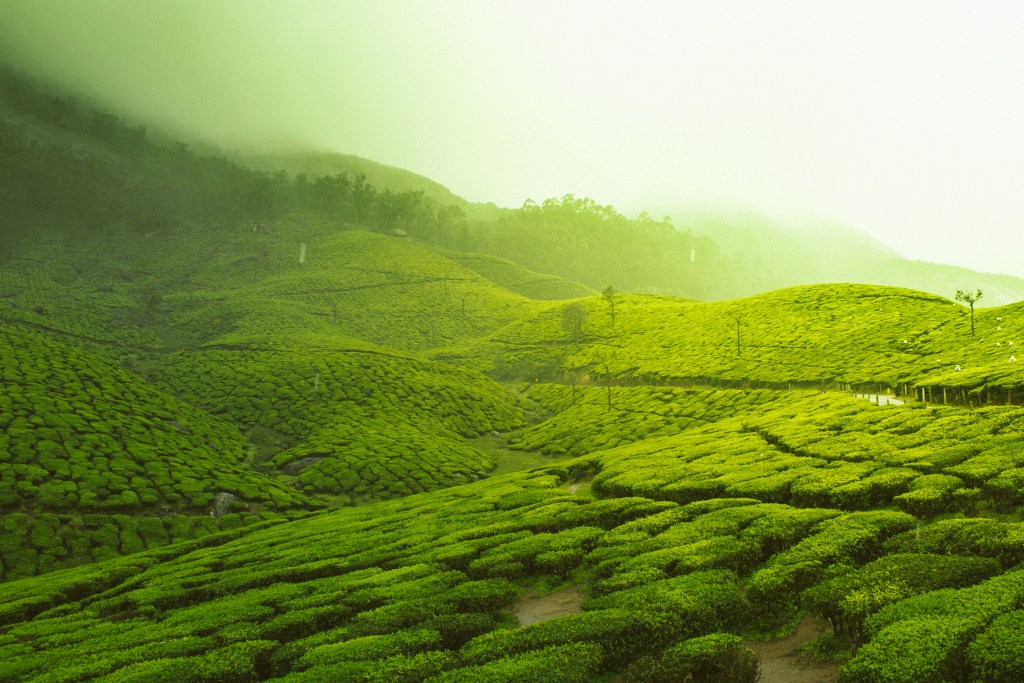
The road begins to wind as you leave the city behind. The air turns cooler, the scent of coffee replaces the smell of traffic, and the landscape transforms into rolling hills draped in lush plantations. Known as the Scotland of India, Coorg (Kodagu) is one of Karnataka’s most loved hill destinations, but beyond its waterfalls and viewpoints lies a slower, richer experience shaped by coffee, heritage, and nature.

Whether you’re travelling from Bangalore for a long weekend or planning a leisurely family holiday, this 3-day Coorg itinerary brings together the region’s must-visit attractions, hidden gems, and local experiences. At the heart of the journey is a heritage bungalow that lets you experience Coorg not just as a visitor, but as someone living amidst its history.


Day 1: Arrive in Coorg and Settle Into Plantation Life

The journey to Coorg is part of the experience. A scenic drive from Bangalore takes around six hours, passing forests, countryside and charming roadside cafés. If you’re travelling from Mysore, the drive is shorter at approximately three hours.

Rather than rushing to tick off attractions, spend your first day slowing down.

After checking into your stay, enjoy a leisurely lunch before taking a walk through Coorg’s famous coffee plantations. The district produces nearly a third of India’s coffee, and these sprawling estates have shaped its culture for generations. Depending on the season, you may see coffee cherries being harvested, pepper vines climbing silver oak trees, or the delicate white blossoms that perfume the air every spring.

The region is equally known for its spices. Cardamom, pepper, vanilla and cinnamon grow alongside coffee, making every plantation walk a sensory experience.

As evening approaches, unwind with a hot cup of locally brewed coffee while the hills fade into soft shades of green and gold. Dinner is best enjoyed at a relaxed pace, with authentic Kodava flavours and fresh local produce completing your introduction to Coorg.


Day 2: Explore Coorg’s Most Iconic Attractions

A full day of sightseeing allows you to experience the diversity that makes Coorg so special. From waterfalls and monasteries to rivers and viewpoints, every stop offers a different perspective of the region.

Abbey Falls

Begin your morning at Abbey Falls, one of Coorg’s most photographed attractions. Surrounded by dense coffee and spice plantations, the waterfall is especially dramatic during the monsoon and post-monsoon months. A short walk through the greenery leads to a viewing bridge where the cascading water creates an unforgettable sight.


Raja’s Seat

Just a short drive away lies Raja’s Seat, once the favourite leisure spot of Kodagu’s kings. The landscaped gardens overlook expansive valleys and mist-covered hills, making it one of the best viewpoints in Coorg. Visit during the late afternoon when the setting sun paints the hills in warm hues.


Madikeri Fort

History lovers should spend some time exploring Madikeri Fort, originally built in the 17th century and later modified under Tipu Sultan and the British. The fort offers insights into Coorg’s fascinating past and provides panoramic views of the surrounding town.


Omkareshwara Temple

Unlike traditional South Indian temples, Omkareshwara Temple features a unique blend of Islamic and Gothic architectural influences. Built in 1820, it remains one of Madikeri’s most significant landmarks and reflects the cultural influences that have shaped the region over centuries.


Evening Coffee at a Local Estate Café

Before returning for the day, stop at one of Coorg’s boutique cafés or plantation cafés for freshly roasted estate coffee. Pair it with homemade cakes or local snacks and enjoy the slower pace that defines the region.

Day 3: Beyond the Tourist Trail

The final day is all about discovering experiences that reveal Coorg’s quieter side.

Namdroling Monastery (Golden Temple)

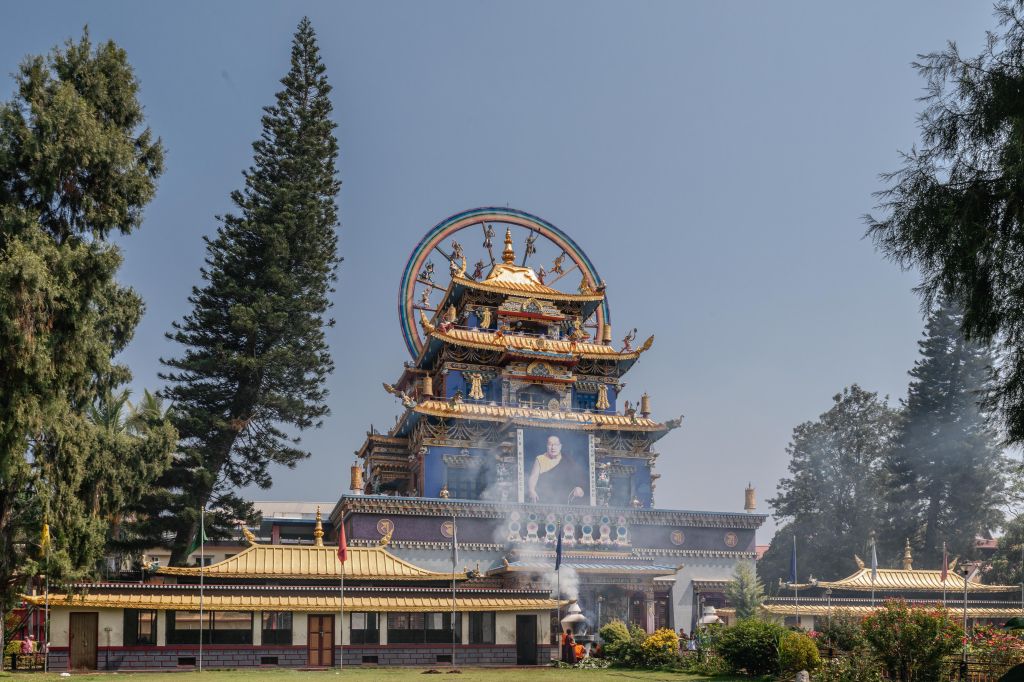
Located at Bylakuppe, around an hour from Madikeri, the Namdroling Monastery is among the largest Tibetan settlements in India. The towering golden Buddha statues, colourful prayer halls and peaceful atmosphere offer a striking contrast to Coorg’s plantation landscapes.

Spend time observing the monks, listening to the chants, and exploring the surrounding monastery complex.


Dubare Elephant Camp

Nature lovers can head to Dubare Elephant Camp, situated along the banks of the River Cauvery. Depending on the season and timings, visitors can learn about elephant conservation, interact with trained elephants, or simply enjoy the riverside surroundings.


Nisargadhama

A short drive away, Kaveri Nisargadhama is a tranquil island formed by the Cauvery River. Bamboo groves, hanging bridges and shaded walking trails make it an excellent stop for families and those looking to enjoy nature at a slower pace.


Shop for Coffee, Spices and Handmade Chocolates

No trip to Coorg is complete without taking a little of it home.

Local markets offer freshly roasted coffee, estate-grown pepper, cardamom, cinnamon, vanilla, homemade chocolates and artisanal honey. These make thoughtful souvenirs while supporting local growers and producers.


Best Time to Visit Coorg

Monsoon (June to September)

Coorg transforms into a lush green paradise. Waterfalls are at their fullest, forests come alive, and mist blankets the hills throughout the day. It’s perfect for travellers who enjoy dramatic landscapes and cosy indoor moments.

Winter (October to February)

Perhaps the most popular time to visit, winter brings cool weather, clear skies and coffee harvesting season. It’s ideal for sightseeing, plantation walks and outdoor activities.

Summer (March to May)

With temperatures remaining pleasant compared to many Indian cities, summer is a wonderful time for families and weekend travellers looking to escape the heat. Spring also marks the blooming of coffee flowers, filling the plantations with their distinctive fragrance.


A Few Experiences You Shouldn’t Miss

While Coorg’s landmarks are worth visiting, it’s often the quieter experiences that become lasting memories.

  • Wake up to birdsong instead of traffic.
  • Enjoy fresh estate coffee on a verandah overlooking plantations.
  • Walk through coffee and spice estates with local guides.
  • Watch mist roll over the Western Ghats at sunrise.
  • Taste authentic Kodava cuisine prepared with regional ingredients.
  • Spend evenings around meaningful conversations instead of crowded tourist hubs.

These moments capture the true essence of Coorg.


Stay Where Coorg’s Story Comes Alive

Most travellers choose a hotel close to town and spend their days driving from one attraction to another. But some homes allow you to experience Coorg long before you leave for sightseeing.

SaffronStays Calamondinn Bungalow is one such place.

Set within a sprawling coffee estate, this beautifully restored heritage bungalow reflects the timeless character of old Coorg. With colonial-inspired architecture, expansive verandahs, vintage interiors and gardens shaded by towering trees, every corner carries a sense of history while offering modern comforts.

Its location makes it an ideal base for exploring the region. Madikeri’s attractions, scenic plantation roads, waterfalls and cultural landmarks are all within comfortable driving distance, allowing you to spend less time commuting and more time experiencing Coorg.

What truly sets Calamondinn apart, however, is the feeling of staying within the landscape rather than simply visiting it. Mornings begin with freshly brewed estate coffee, afternoons invite leisurely walks through the plantations, and evenings are best spent on the verandah listening to the sounds of nature.

Whether you’re planning a family holiday, a reunion with friends, or a quiet retreat surrounded by greenery, the home offers an experience that reflects Coorg’s heritage, warmth and slower pace of life.

Some destinations leave you with photographs.

Coorg leaves you with rituals you’ll want to return to.

And at SaffronStays Calamondinn Bungalow, those rituals begin the moment you arrive.


Plan Your Stay at SaffronStays Calamondinn Bungalow

If you’re looking for a heritage coffee estate stay in Coorg that combines history, comfort and easy access to the region’s best attractions, SaffronStays Calamondinn Bungalow offers the perfect setting.

Explore Coorg by day, return to the calm of a heritage estate by evening, and discover why the best memories are often made not just by the places you visit, but by the place you choose to stay.

Book your stay at SaffronStays Calamondinn Bungalow and experience Coorg at its most authentic.

Waking Up Above the Clouds: A Guide to Coorg and Chikmagalur Coffee Plantation Stays in June

There is a particular kind of morning that only coffee country can offer.

You wake up to the sound of rain tapping softly against tiled roofs. Wisps of cloud drift lazily through rows of coffee bushes. The air smells of wet earth, pepper vines, and freshly brewed filter coffee. Somewhere in the distance, a Malabar whistling thrush announces the start of another monsoon day.

This is June in Karnataka’s coffee heartland.

While much of the country is battling rising temperatures, the hills of Coorg and Chikmagalur begin their annual transformation. Coffee estates turn emerald green, waterfalls return to life, and the roads winding through the Western Ghats become some of the most scenic drives in South India.

Whether you are planning a family getaway, a slow monsoon escape, or simply want to spend a few days surrounded by coffee plantations and mountain views, Coorg and Chikmagalur offer two distinct yet equally memorable experiences.

Table of Content:

Why June Is the Sweet Spot for Karnataka’s Coffee Country

Most travellers associate hill stations with summer. Seasoned travellers know that coffee country comes into its own once the rains arrive.

June marks the beginning of the monsoon season across Coorg and Chikmagalur. The first showers wash away the dust of summer, streams begin flowing again, and entire valleys disappear beneath blankets of mist. The weather remains pleasantly cool, typically ranging between 18 and 25 degrees Celsius, making it ideal for long walks through plantations, leisurely breakfasts overlooking the hills, and afternoons spent listening to rain from a covered verandah.

Unlike peak holiday periods, June also brings a quieter atmosphere. Roads are less crowded, viewpoints feel more intimate, and plantation stays offer a sense of privacy that is increasingly difficult to find in popular destinations.

Practical note: early June (before the 15th) is the most rewarding window. The hills have already greened up and waterfalls started flowing, but the heaviest sustained rain has not yet arrived. Carry a waterproof layer, wear high socks on plantation walks (leeches appear in damp undergrowth), and build flexibility into your plans. Some trails close temporarily after heavy rain.
Emerald green coffee bushes shaded by silver oak trees on a Coorg estate in the June monsoon, Karnataka

Coorg: Where Families Find Space to Slow Down

Ask anyone in Karnataka about their favourite monsoon destination and chances are Coorg will feature near the top of the list.

Known as the Scotland of India, Kodagu district combines rolling coffee estates, forested hills, rivers, and charming plantation homes that have been welcoming guests for generations. For families looking for private villa stays in Coorg, the region offers a compelling alternative to conventional hotels. Private villas allow families to gather under one roof, share meals together, enjoy expansive gardens, and experience the slower rhythms of estate life.

A typical day in Coorg rarely needs an itinerary.

Mornings begin with steaming cups of locally grown coffee. Afternoons are spent exploring nearby waterfalls, driving through mist-covered roads, or simply watching clouds move across the hills. Evenings often end around a bonfire when weather permits, accompanied by local Kodava cuisine and stories that stretch long after dinner.

The emphasis here is not on rushing from one attraction to another. It is on allowing the landscape to set the pace.

Among the most rewarding ways to experience Coorg is by staying within a working plantation itself. SaffronStays operates private villas set amid acres of greenery, with views of the Harangi backwaters and the quiet rhythms of a working estate that many day visitors never see.

Chikmagalur: Living Among the Coffee Estates

If Coorg feels established and familiar, Chikmagalur feels wonderfully immersive.

Often regarded as the birthplace of coffee cultivation in India, Chikmagalur has a long association with sprawling estates, mountain landscapes, and plantation culture. The region’s elevation gives it a distinct character. The roads are steeper, the views broader, and the coffee estates stretch as far as the eye can see.

For travellers seeking a luxury plantation stay experience in Chikmagalur, the appeal lies in staying within these estates rather than merely visiting them.

A morning walk here might take you through rows of coffee bushes shaded by silver oak trees. You could spend an afternoon learning about the coffee-growing process from bean to brew, before returning to a verandah overlooking rolling hills wrapped in mist.

Unlike busier hill destinations, Chikmagalur rewards travellers who appreciate slower experiences. Time is measured not by sightseeing checklists but by cups of coffee, changing weather patterns, and conversations that unfold naturally.

SaffronStays properties in Chikmagalur place guests in the heart of plantation landscapes, allowing them to experience the region’s defining character from the moment they wake up. The result is not just a stay in Chikmagalur. It is an opportunity to live, however briefly, within the rhythms of a working coffee estate.

Sunrise over rolling coffee estates in Chikmagalur, Karnataka, with mist filling the valleys in June

Coorg or Chikmagalur: Which Makes the Better Drive from Bangalore?

One of the biggest advantages both destinations share is accessibility from Bangalore.

Coorg typically takes between five and six hours by road via the Mysore route. Chikmagalur is often a little closer, at four to five hours via NH75 through Hassan. Both are well within reach of a Bangalore weekend drive, making them natural choices for the city’s professionals and families looking to escape between Friday evening and Sunday night.

Choosing between the two ultimately depends on the experience you are seeking. Coorg tends to appeal more to families looking for spacious homes, heritage character, backwater views, and a broader range of activities. Chikmagalur is often preferred by travellers who want to immerse themselves in coffee culture, mountain landscapes, and plantation life with fewer distractions.

The good news is that there is no wrong answer. Both destinations deliver the sense of escape that city dwellers crave, particularly during the monsoon months.

Extending the Journey: Why Kabini Deserves a Place on Your Radar

For travellers planning a longer Karnataka getaway, Kabini offers a compelling addition to a coffee-country itinerary.

While it is better known for wildlife experiences than coffee plantations, the region’s water bodies, forests, and tranquil surroundings create a completely different atmosphere from the hills. Many travellers exploring Kabini waterfront resorts and stays are drawn by the opportunity to spend time near the backwaters, where mornings often begin with bird calls and mist rising over the water.

Combining Kabini with either Coorg or Chikmagalur creates a well-rounded itinerary that blends plantations, forests, and waterfront landscapes into a single journey through Karnataka’s most rewarding countryside.

Kabini backwaters at dawn with mist rising over the water and forest on the opposite bank, Karnataka

Why Private Villas Work So Well During the Monsoon

Rain has a way of encouraging people to slow down.

That is precisely why private villas often feel more rewarding than conventional hotels during this season. Instead of navigating crowded dining halls or busy common areas, guests have the freedom to enjoy the weather on their own terms. Breakfast can stretch into lunch. Conversations can continue uninterrupted. Children can explore open lawns while adults settle into a covered sit-out with a book and a fresh cup of coffee.

The experience feels personal rather than programmed.

In destinations built around nature and scenery, that difference matters. A hotel gives you a room with a view. A private estate puts you inside the view.

A Three-Day Coffee Country Escape

A long weekend is often all you need.

Leave Bangalore early on a Friday morning and arrive in Coorg or Chikmagalur by afternoon. Spend the evening settling into your villa and enjoying your first monsoon sunset. Reserve the second day for estate walks, coffee experiences, local cuisine, and nearby viewpoints. Allow room for spontaneity because some of the best moments in coffee country are unplanned.

On the final morning, wake up early, enjoy one last leisurely breakfast overlooking the hills, and begin the drive back with a few bags of freshly roasted coffee in the boot.

The journey home feels considerably shorter when you have spent a weekend above the clouds.

One Last Thought

June transforms Coorg and Chikmagalur into some of the most rewarding destinations in South India. The landscapes are greener, the air is cooler, and the experience feels more intimate than during peak holiday periods.

Whether you choose the spacious charm of a Coorg family villa or the immersive appeal of a Chikmagalur plantation stay, one thing is certain: few places make slowing down feel this effortless.

And sometimes, all it takes is a cup of coffee, a blanket of mist, and a home surrounded by the Western Ghats to remember how refreshing that can be.

Browse SaffronStays properties in Coorg and Chikmagalur at saffronstays.com/villas/villas-in-coorg.

Plan Your Monsoon Coffee Country Escape Private plantation villas in Coorg, Chikmagalur, and Kabini. Your caretaker, your kitchen, your estate. saffronstays.com/villas/villas-in-coorg

YOU MIGHT ALSO LIKE

  • Kerala in Monsoon 2026: Why June Is the Best-Kept Secret for a South India Villa Stay  (Published 4 June)
  • Escaping the Nilgiri Summer Rush: Private Estates in Coonoor and Kodaikanal  (Published 4 June)
  • Best Places to Visit in India in June 2026: SaffronStays Region-by-Region Guide  (Publishing 18 June)

FAQ: Coorg and Chikmagalur in June

Is Coorg good to visit in June?

Yes, with the right expectations. Early June is excellent: the estates are vivid green, waterfalls have started flowing, and the worst of the monsoon rain has not yet arrived. By mid to late June, expect sustained rainfall and some trail closures. Pack a waterproof layer, wear high socks on plantation walks, and build flexibility into your plans. For travellers who enjoy the atmosphere of rain and mist, June in Coorg is genuinely magical.

How far is Coorg from Bangalore?

Coorg (Madikeri) is roughly 240 to 260 kilometres from Bangalore, typically a five to six hour drive via the Mysore route (NH275). Traffic through Mysore and road conditions in the Ghats can affect the timing. Most travellers leave Bangalore by 5am or 6am on a Friday to arrive comfortably by early afternoon.

Which is better for a monsoon stay: Coorg or Chikmagalur?

Both are excellent but they offer different experiences. Coorg is better for families wanting spacious villas, heritage character, and a wider range of activities around the Harangi backwaters and nearby attractions. Chikmagalur is better for travellers who want pure plantation immersion: steeper terrain, broader views, and a stronger focus on coffee culture. If you have four or more days, combining both is very rewarding.

What is the drive time from Bangalore to Chikmagalur?

Chikmagalur is roughly 240 kilometres from Bangalore via NH75 through Hassan, typically four to five hours by road. The route passes through pleasant countryside and the drive itself is part of the experience. Start early to arrive before afternoon and make the most of your first evening at the estate.

What should I pack for a Coorg or Chikmagalur monsoon stay?

Waterproof jacket or poncho, waterproof shoes or sandals that can get wet, high socks for plantation walks (essential for leech protection in damp areas), a light fleece for evenings (temperatures drop to 16 to 18 degrees Celsius after dark), and a power bank since signal can be patchy on estates. Leave itinerary pressure at home. The best thing to pack for a monsoon coffee country stay is willingness to let the weather decide the day.