By SaffronStays • Malpe • Independence Day 2026 • Karnataka Coast • Weekend Getaways
Udupi carries its name into restaurants across the country, dosa and filter coffee travelling far beyond the coastal temple town where that tradition actually started. The town itself sits about seven hours from Bangalore, and August here means something different from a beach holiday: the temple at its most atmospheric, backwaters running full through the monsoon, and a coastline better suited to walking than swimming this particular month. Independence Day 2026 falls on a Saturday, and a Friday off turns this into a proper three-day trip instead of a rushed one.
Bangalore’s own Independence Day ceremony brings no-parking zones and road closures around Central Street, Cubbon Road and MG Road on August 15. Anyone driving through the city centre that morning should route around it rather than through it.
Getting There: A Real Long Weekend, Not a Quick Trip
Distance: ~400-440 km | Drive time: 6-9 hrs | Route: Charmadi Ghat
Bangalore to Udupi is not a casual drive, and this piece will not pretend otherwise. The most direct route runs via NH75 through Hassan and the Charmadi Ghat, a scenic stretch through the Western Ghats that is also the part of the journey most affected by monsoon conditions; heavy rain can slow the ghat section considerably. An alternate route via Shimoga adds distance but avoids the steepest ghat driving, worth considering if the weather forecast looks unsettled on travel day.
Leave early. A 6 AM start from Bangalore makes the difference between arriving in daylight and finishing the ghat section after dark, which is worth avoiding regardless of season.
What August Actually Offers Here
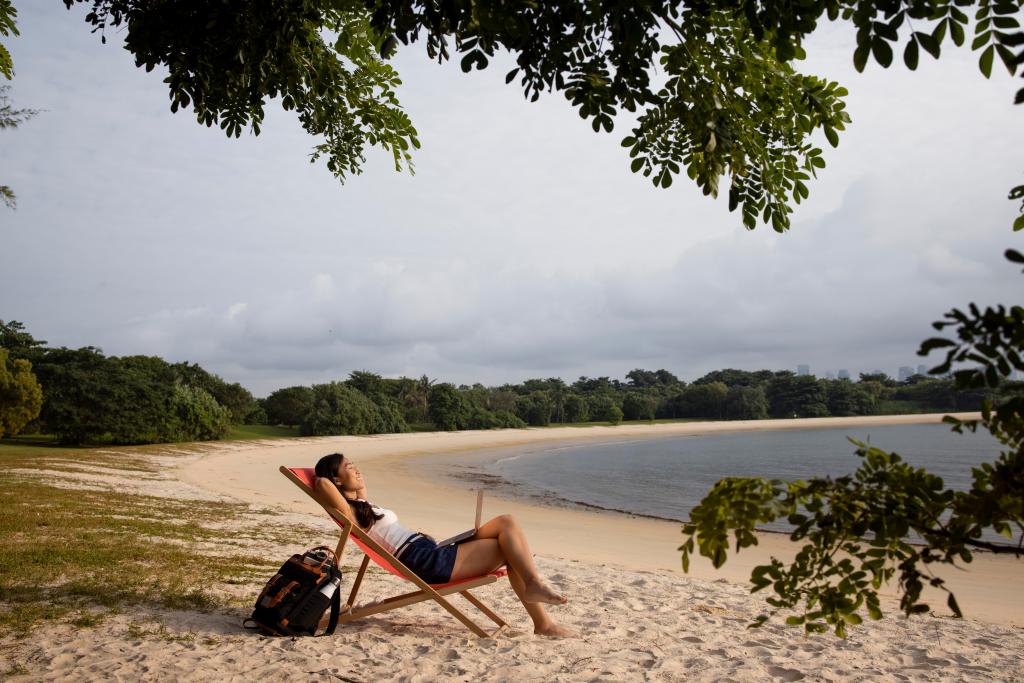
Malpe Beach and the coast around Udupi are not swimming destinations this month. Tides run high through the monsoon, and SaffronStays’ own guidance on visiting Udupi is direct about it: the season is not ideal for beach activities. St Mary’s Island, the basalt rock formation a boat ride from Malpe, frequently suspends its ferry service in rough seas, so treat a visit there as weather-dependent rather than guaranteed.
| What August does offer instead: a temple town at its quietest, and backwaters at their fullest. |
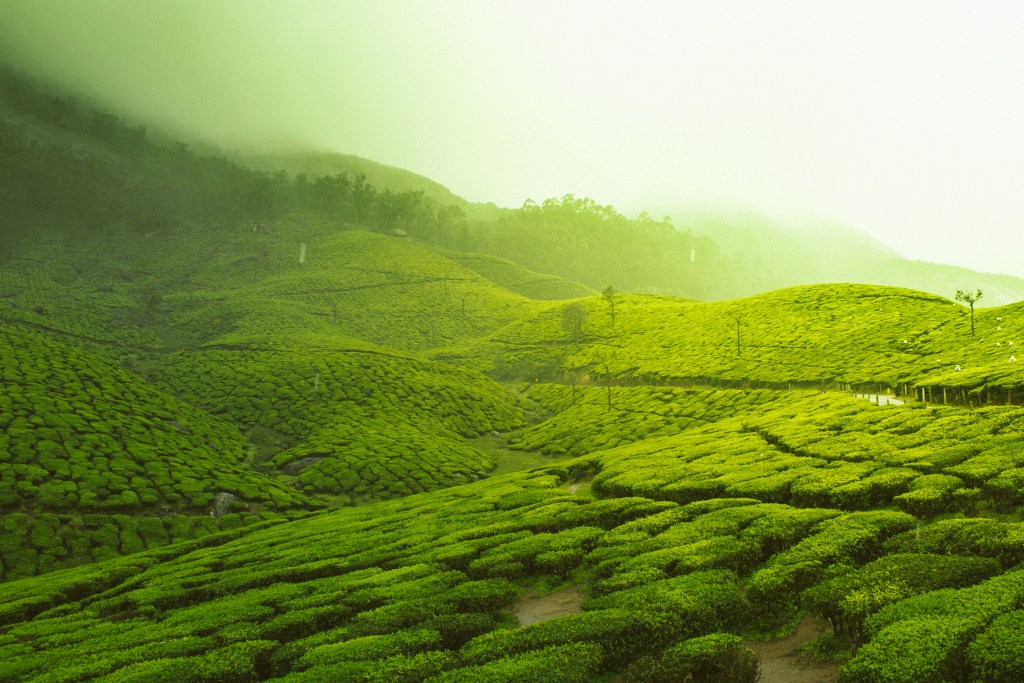
What the season does hand over is different. The backwaters around Udupi run full and green, walking weather along the coast is pleasant between showers, and the town’s temple culture, which runs on its own calendar regardless of tide charts, is worth the trip on its own. Kapu Lighthouse, about 15 kilometres south of Udupi, is a better coastal stop than the beach itself this month: the walk up is short, the structure has stood since 1901, and the viewing point sits high enough to watch the monsoon surf from a safe distance rather than in it. Swimming is not advised here either; the sea runs just as rough as it does at Malpe.
Where to Stay in Udupi
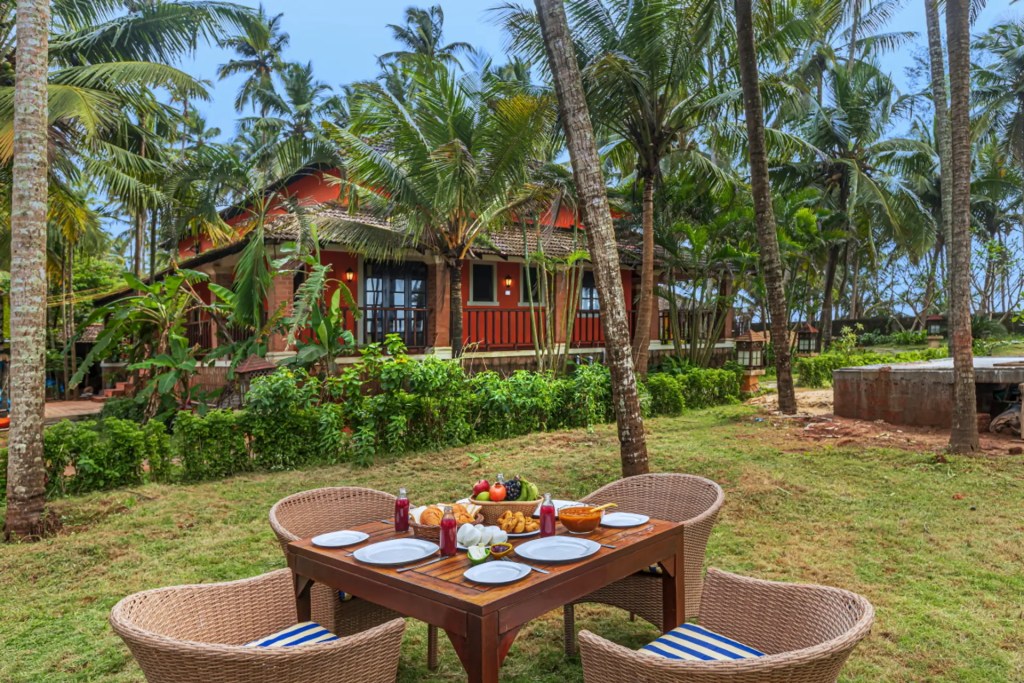
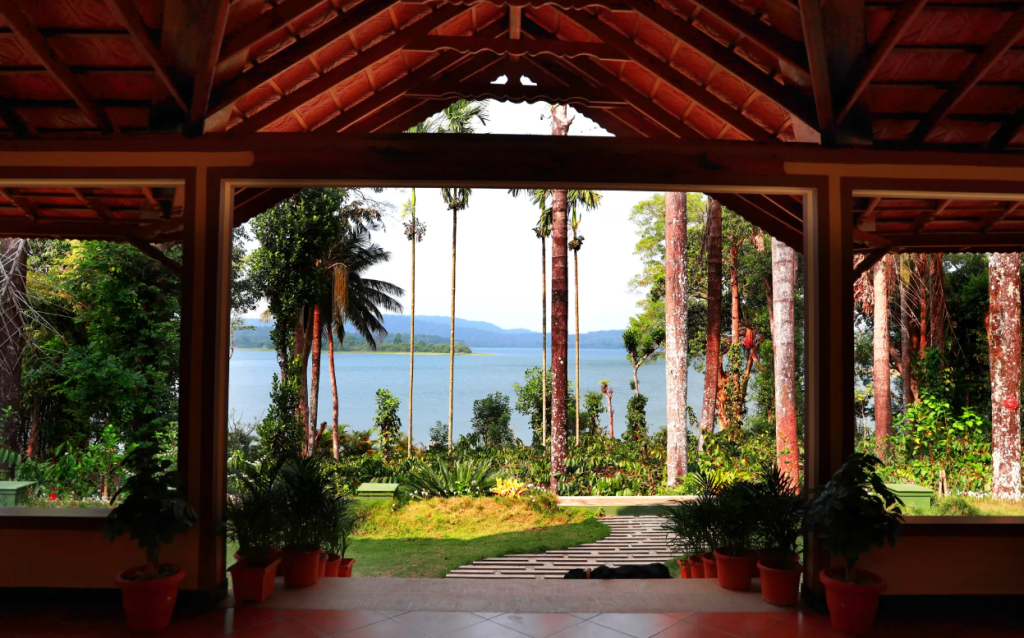
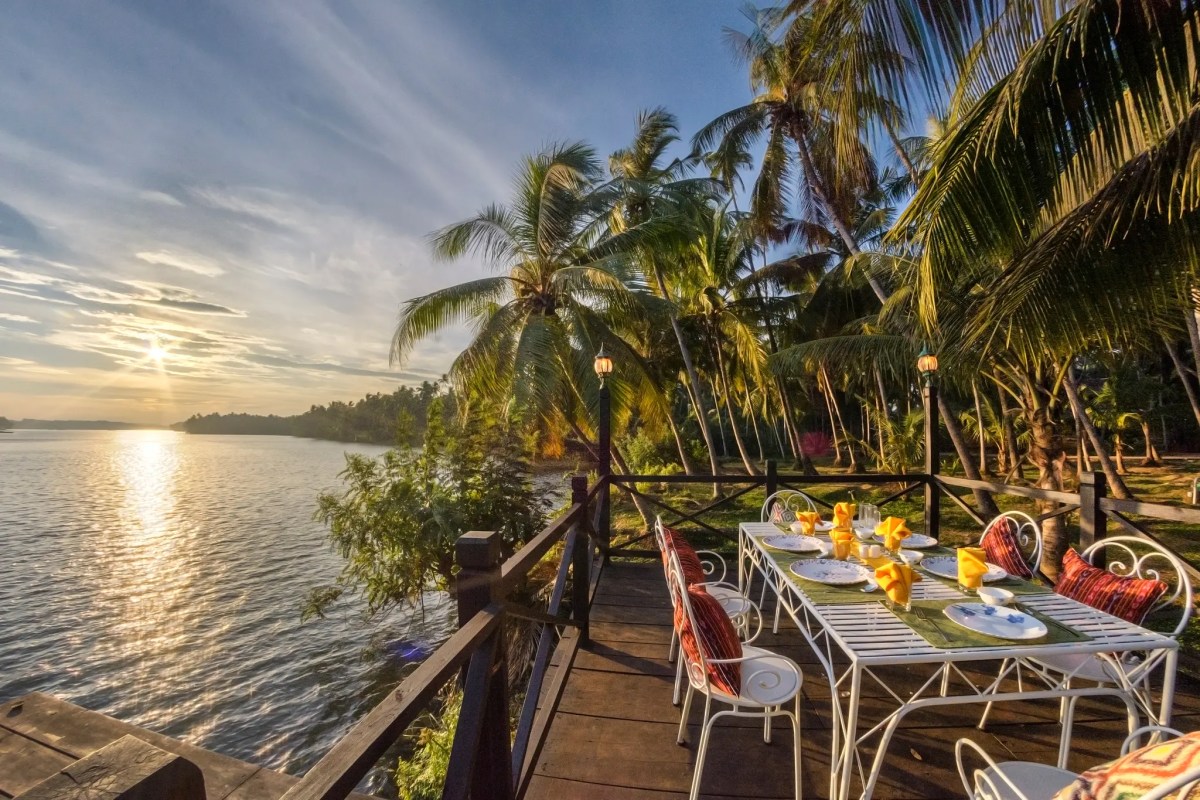
Two villas here cover different versions of this trip. SaffronStays Blue Flag House is a three-bedroom beachfront villa in Hejamady, close enough to the coast to make walking, not swimming, the plan, with a private pool that does the actual swimming work this month. It suits a group that wants the sea nearby without needing to enter it.
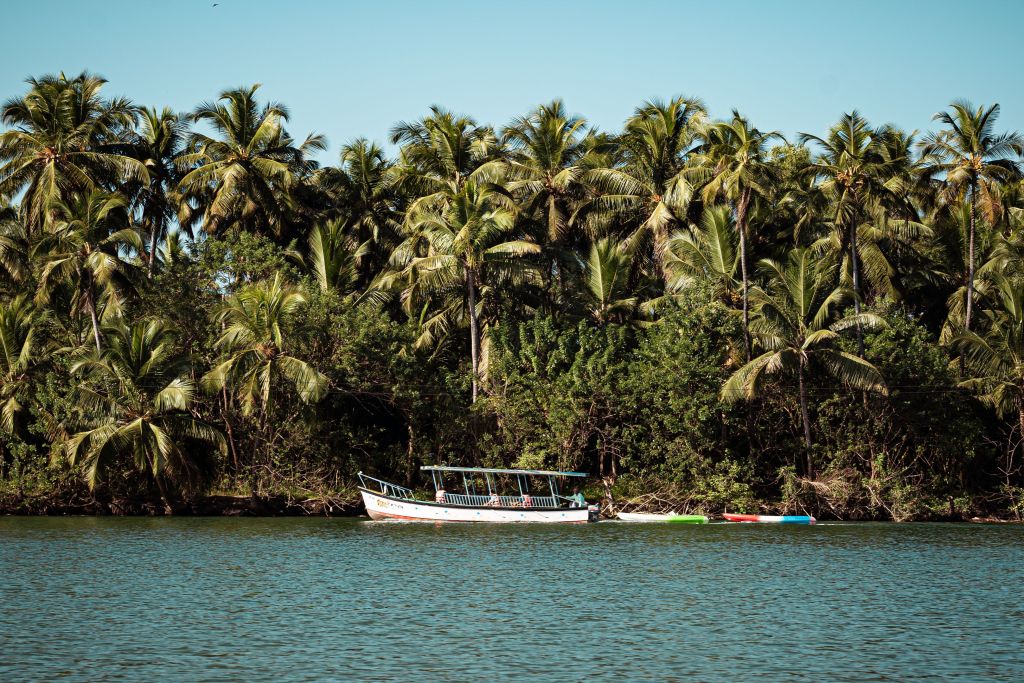
SaffronStays Suvarna Sangam Sharavathi takes the quieter, inland version instead: a one-bedroom riverfront villa built for a couple or small family, where the water views come from a backwater rather than the open coast. It suits a smaller, slower trip over a group getaway.
Krishna Matha and the Real Story Behind Udupi Food
Udupi cuisine, the dosa-and-filter-coffee tradition now found in restaurants across the country, started here, at the Krishna Matha temple founded by the philosopher Madhvacharya in the 13th century. The temple kitchens developed sattvic vegetarian cooking, no onion, no garlic, meant as offerings to Krishna, and those same principles still shape what gets served at the temple’s free dining hall today, where devotees are fed twice daily, seated on the floor and served off trolleys.
August carries a specific significance here beyond the monsoon itself: it falls within Chaturmasa, a four-month religious observance period with its own dietary restrictions in the temple kitchens. The temple stays fully open to visitors through this period, free meals continue as usual, and the restrictions affect the kitchen’s ingredients rather than anyone’s ability to visit. For anyone curious about where the dosa actually came from, this is the source, not a recreation of it.
Is This Weekend Worth the Drive
Nine hours each way is a real commitment, and this trip suits a proper three-day weekend more than a rushed two-day one. For anyone who can take Friday, August 14 off, the math works: a full day and two nights in Udupi still leaves real time to see the temple, walk the coast, and use the villa itself as much of the plan. Split the drive if nine hours straight feels like too much in one push; Chikmagalur, roughly three hours from Bangalore and two from Udupi on the route via Agumbe, works as a one-night stop for anyone willing to turn this into a four-day trip instead of three.
Skip it if the only free time is Saturday and Sunday alone; the drive would eat most of both days. Better to wait for a longer window than to spend a weekend mostly in the car.
| Temple bells, sea air, and someone else cooking. Browse private-pool villas in Udupi on SaffronStays and lock your Independence Day long weekend. |
Frequently Asked Questions
How far is Udupi from Bangalore?
About 400 to 440 kilometres depending on route, roughly 6 to 9 hours by road via the Charmadi Ghat. This is a genuine long-weekend distance rather than a quick day trip.
Is it safe to swim at Malpe Beach in August?
Not recommended. Malpe carries explicit monsoon advisories for high tides and strong currents. SaffronStays’ own guidance notes that monsoon is not ideal for beach activities in Udupi; a villa pool is the safer way to swim this month.
Is St Mary’s Island open in monsoon?
Boat service to the island is frequently suspended in heavy rain and rough sea conditions. Check locally on the day rather than assuming the crossing will run.
What causes Independence Day traffic in Bangalore?
The city’s own flag-hoisting ceremony brings no-parking zones and road closures around Central Street, Cubbon Road and MG Road on August 15. Confirm the current advisory closer to the date.
What is the best villa in Udupi?
SaffronStays Blue Flag House, a three-bedroom beachfront villa in Hejamady, suits a group that wants the coast close by. SaffronStays Suvarna Sangam Sharavathi, a one-bedroom riverfront villa, suits a couple or small family wanting quiet backwaters instead.
Can Krishna Matha be visited during Chaturmasa?
Yes. The temple remains open and the twice-daily free meals for devotees continue as usual; Chaturmasa affects the temple kitchen’s ingredient restrictions, not visiting hours.