Two of Kumaon’s best-kept secrets. One unhurried circuit. Zero FOMO.
Most people spend three days in Uttarakhand trying to see five places. They rush Nainital, squeeze in Mukteshwar, and drive back wondering why the hills felt so stressful.
This itinerary is built differently. You’re going to two places: Bhimtal and Mukteshwar. And you’re going to stay long enough to actually feel them. A morning walk without a plan. Breakfast with a view. An afternoon that doesn’t involve rushing to a viewpoint before sunset.
That’s slow travel. And Kumaon is one of the best places in India to practise it.
Both destinations sit in the Nainital district of Uttarakhand, roughly 35 km apart. They’re easy to connect as a circuit. Together, they cover two very different moods. Bhimtal is lakeside and laid-back. Mukteshwar is elevated, forested, and big on Himalayan views. June is one of the best months to be here: the plains are cooking at 42°C, and you’re sitting at 7,500 feet watching clouds roll in over the deodar forest at a breezy 22°C.
Here’s how to do this trip properly: without rushing, without over-planning, and without regret.
WHY THIS PAIRING WORKS
Why Bhimtal and Mukteshwar, Not Just Nainital?
Nainital is beautiful. It’s also very crowded, especially in summer. Mall Road gets jammed. Lakeside parking turns into chaos. Hotels charge peak rates for views you can barely enjoy through the weekend traffic.
Bhimtal and Mukteshwar are 30 to 40 minutes away from Nainital. Close enough to access the Kumaon region, far enough to feel like you have the hills to yourself. These are not “dupe” destinations. They’re genuinely different in character, and many experienced Kumaon travellers prefer them to Nainital for exactly that reason.
Bhimtal sits at around 1,370 metres and is centred around the largest lake in Kumaon, a calm green expanse with a small island aquarium in the middle. The vibe here is quiet mornings by the water, lakeside cafés, and easy drives to nearby lakes like Sattal and Naukuchiatal.
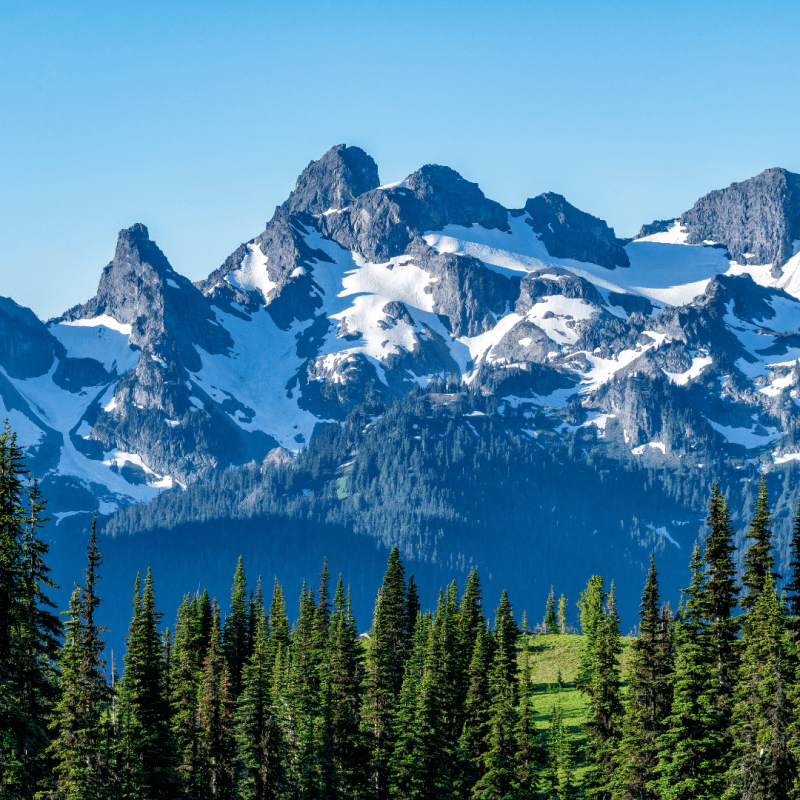
Mukteshwar sits higher, at around 2,286 metres (7,500 feet), in the Kumaon hills above Bhimtal. It’s known for its fruit orchards, its deodar and oak forests, and one of the finest Himalayan panoramas in the region: Nanda Devi, Trishul, Panchachuli on a clear day. The town is small, the roads are quiet, and the pace is exactly what slow travel is supposed to feel like.
WEATHER & TIMING
Why June Is a Good Time to Visit
June sits in a sweet spot for this part of Uttarakhand. The monsoon typically arrives in the Kumaon hills around late June to early July, which means the first two to three weeks of June are pre-monsoon: lush, green from the previous year’s rains, pleasantly cool, and clear enough for those Himalayan views.
| BHIMTAL 22–28°C daytime Evenings cool to 18°C. Light jacket at night. | MUKTESHWAR 18–23°C daytime Noticeably cooler. Jacket essential after 6 PM. |
Compared to Delhi, Mumbai, or Pune (where June means 40°C and humidity), this is another world entirely. The orchards in Mukteshwar are full of fruit. The forest is densely green. Early morning views of the Himalayas, before the clouds build up, are among the clearest of the year.
| A HONEST NOTE ON JUNE WEATHER If you’re travelling in the second half of June, expect some afternoon showers. They’re usually brief, add to the atmosphere, and make evenings even better. Just carry a light rain jacket. Avoid booking if your dates fall after June 25, as the monsoon can arrive early some years. |
THE ITINERARY
Your 4-Day Bhimtal and Mukteshwar Itinerary
| DAY 1 Arrive in Bhimtal. Settle In. Don’t Rush. |
| GETTING THERE If you’re coming from Delhi, the most common route is the overnight Kathgodam Shatabdi or a morning drive via Moradabad and Haldwani. From Kathgodam station, Bhimtal is about 30 km, a 45-minute cab ride. If driving, the Delhi-Bhimtal road distance is around 300 km, typically 7 to 8 hours depending on traffic out of Delhi. The drive from Haldwani to Bhimtal is the good part: you start climbing, the air changes, and the road cuts through small towns and tea stalls. Give yourself time for it. THE EVENING Check in, have lunch, and resist the urge to plan the afternoon like a checklist. Bhimtal’s lake is a 10-minute walk from most stays in the area. Go for a stroll around it. The lake is larger and quieter than Naini Lake. No paddle boat touts shouting at you, no jostling for space. Just a big green body of water with hills all around it. → Walk the Bhimtal Lake perimeter (about 2.5 km, flat and easy) → Boat ride to the island aquarium (small, quirky, fun for 30 minutes) → Evening chai at any lakeside stall. Ask for Kumaoni tea Dinner at your stay or at one of the small dhabas near the lake. Sleep well. The altitude and the quiet usually take care of that. |
| DAY 2 The Bhimtal Lakes Circuit |
| MORNING The Bhimtal area is part of what locals call the Lake District of Kumaon. Within a 15-km radius, you have Bhimtal, Sattal, Naukuchiatal, and Khurpatal, all different in size, personality, and crowd levels. For Day 2, the plan is simple: pick one or two of the nearby lakes and spend your morning there. Sattal, a cluster of seven interconnected lakes, is the most unique and slightly more forested. Naukuchiatal (Nine Corners Lake) is larger and great for a quiet hour by the water. Both are under 20 km from Bhimtal. → Drive to Sattal (18 km) and walk the forest trail around the lakes → Or head to Naukuchiatal for kayaking or just a slow morning sit → Optional stop at Kainchi Dham on the way back, a peaceful Neem Karoli Baba ashram, significant in both Hindu tradition and, oddly, Silicon Valley lore AFTERNOON Back in Bhimtal for a late lunch. The Garh Parvat area near Bhimtal has a butterfly research centre that’s worth a quick visit if you’re curious about the region’s biodiversity. Otherwise, this is an excellent afternoon for doing absolutely nothing: sit in your room, read, nap, watch the lake from a café terrace. In the evening, the Bhimeshwara Mahadev Temple on the lake bank is worth a visit. It’s ancient, calm, and gives you context for why this place has been significant long before it became a hill station. |
| DAY 3 Drive Up to Mukteshwar. Take the Slow Road. |
| THE DRIVE Bhimtal to Mukteshwar is 35 km and takes around 1.5 hours. It’s one of those drives that is genuinely part of the trip. The road climbs steadily through pine and deodar forest, passing small villages, apple and plum orchards (in full fruit in June), and increasingly dramatic views as you gain elevation. Don’t be in a hurry. Stop at a roadside stall for some local plums or a glass of Buransh (rhododendron) juice if you see it. Pull over somewhere between Dhanachuli and Mukteshwar; the valley views from these spots are stunning. AFTERNOON IN MUKTESHWAR Check in, have lunch, and then head to Mukteshwar Dham, the 350-year-old Shiva temple that the town is named after. It’s a short climb to the top, and the views from the temple compound are panoramic. On a clear June day, you can see a full sweep of the Himalayan range. → Mukteshwar Dham: the climb is easy, under 20 minutes. Worth every step. → From the temple, walk to Chauli ki Jali, a natural rock face viewpoint with a 180° view of the valley and the snowy peaks behind it → Chauli ki Jali is also famous for rock climbing and rappelling if you’re interested EVENING Mukteshwar at night is one of the better stargazing spots in the Kumaon region. There’s minimal light pollution, the altitude is good, and June nights are clear before the cloud cover builds. Some stays here offer telescope sessions; ask your host in advance. Dinner at your stay or at one of the small cafés in the market. The local Kumaoni thali, if you can find it, is the thing to eat. |
| DAY 4 One Last Morning. Then Head Home. |
| EARLY MORNING Set your alarm for 5:30 AM. This is the only mandatory activity of the entire trip. Walk to any open viewpoint in Mukteshwar, or just step out of your room if your stay has a view, and watch the Himalayan peaks appear as the sky lightens. Nanda Devi (7,816 m), Trishul, Panchachuli: on a clear pre-monsoon June morning, they’re right there, close enough to feel improbable. This is why people come to Mukteshwar. Everything else is bonus. BEFORE YOU LEAVE If you have time before hitting the road, the Bhalu Gaad Waterfall is a 3-km trail from the town that ends at a small but beautiful waterfall; it’s at its best in June when the streams are running full. It’s a 2-hour round trip, easy terrain, and a genuinely lovely way to spend a last morning. → Bhalu Gaad Waterfall trek: 3 km one way, easy, 2 hours return → Slow breakfast back at your stay → Pack up and drive down to Kathgodam or Haldwani for your train or onward road A NOTE ON LEAVING Leave before you feel fully ready to. That’s usually the sign of a good slow travel trip: you’ve stayed long enough to feel settled, but not so long that the place becomes ordinary. Bhimtal and Mukteshwar tend to have that effect on people. |
WHERE TO STAY
Choosing the Right Stay for a Slow Trip
The stay matters more on a slow travel trip than on a packed itinerary. When you’re not rushing between sights, you spend real time in your room, on your terrace, in the garden. It needs to be somewhere you actually want to be.
For Bhimtal, look for cottages or homestays with lake views or garden settings. The town is small enough that most good stays are within a short walk of the lake. Properties near Bhimtal Lake or the quieter Garur Tal area tend to offer the best balance of location and calm.
For Mukteshwar, prioritise elevation and views. The town sits at 7,500 feet, and the best stays have either Himalayan-facing rooms or outdoor sit-out areas that face the peaks. A terrace breakfast with a Nanda Devi view is not a small thing.
SaffronstStays has a curated selection of private villas and cottages across both destinations, properties we’ve vetted for comfort, views, and that particular quality of quiet that makes a hill station stay worth the drive.
Browse stays in Bhimtal: saffronstays.com/bhimtal
Browse stays in Mukteshwar: saffronstays.com/mukteshwar
BEFORE YOU GO
Practical Tips for This Trip
| GETTING THERE Nearest railhead is Kathgodam (60 km from Mukteshwar, 30 km from Bhimtal). Overnight trains from Delhi are convenient. Nearest airport is Pantnagar (90 km). | CAR OR CAB? Hiring a cab for the full 4 days is the most flexible option: roughly ₹5,000–6,000/day. Self-drive works too, but the mountain stretches require comfort with hill roads. |
| WHAT TO PACK Light clothes for the day, a fleece or light jacket for Mukteshwar evenings. Comfortable walking shoes. A rain jacket if you’re travelling mid-to-late June. | CONNECTIVITY BSNL and Jio have the best coverage in these areas. Airtel works in Bhimtal but can be spotty in Mukteshwar. Plan for some offline time. It’s actually one of the perks. |
| CASH Carry cash. ATMs exist in Bhimtal town and the Mukteshwar market, but smaller dhabas and local shops are cash-only. | ALTITUDE NOTE Mukteshwar is at 7,500 ft. No serious altitude concerns, but some people feel slightly winded on the first day. Stay hydrated, take it slow on Day 3. |
COMMON QUESTIONS
Frequently Asked Questions
Is June a good time to visit Mukteshwar?
Yes, especially the first two weeks of June. The weather is pleasant (18–23°C), the Himalayan views are clear in the mornings, and the orchards are in full bloom. The monsoon typically arrives in late June, so there may be some afternoon showers in the third and fourth week. Early June is ideal.
How far is Bhimtal from Mukteshwar?
About 35 km by road, which takes roughly 1.5 hours. The route climbs through forest and small villages and is a pleasant drive in its own right. A local cab can cover this easily.
Can I do this trip without a car?
It’s possible but limiting. Shared cabs run between Kathgodam, Bhimtal, and Mukteshwar, but the connections aren’t always timed conveniently. For a slow travel trip where you want flexibility (stopping for views, doing day trips to Sattal), a private cab is worth the cost.
Is Mukteshwar crowded in June?
Not particularly. Nainital sees the peak summer rush, but Mukteshwar stays relatively calm. You’ll find fellow travellers, but not the kind of crowds that make a hill station feel like a metro. Weekends can be slightly busier; travel on weekdays if you can.
How many days is enough for Bhimtal and Mukteshwar?
Four days covers both well for a slow travel trip. If you have an extra day, spend it in Bhimtal, where the lake district rewards unhurried exploration. Three days is the bare minimum; anything less and you’ll feel rushed.
What is the best base: Bhimtal or Mukteshwar?
This itinerary uses both: two nights in each, which is the ideal split. If you had to pick just one, Mukteshwar gives you the better views and more varied landscape, but Bhimtal is easier for families and anyone who prefers a less steep terrain.
| Ready to Plan This Trip? Browse our hand-picked villas and cottages in Bhimtal and Mukteshwar, all vetted for views, quiet, and that very particular kind of comfort that makes the hills worth it. |