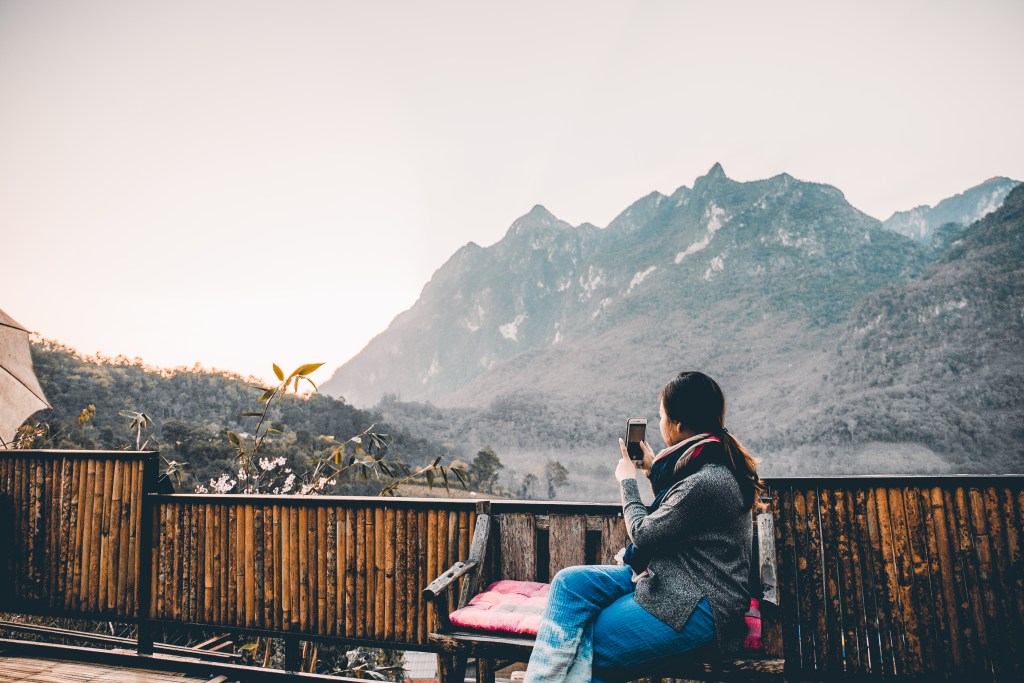
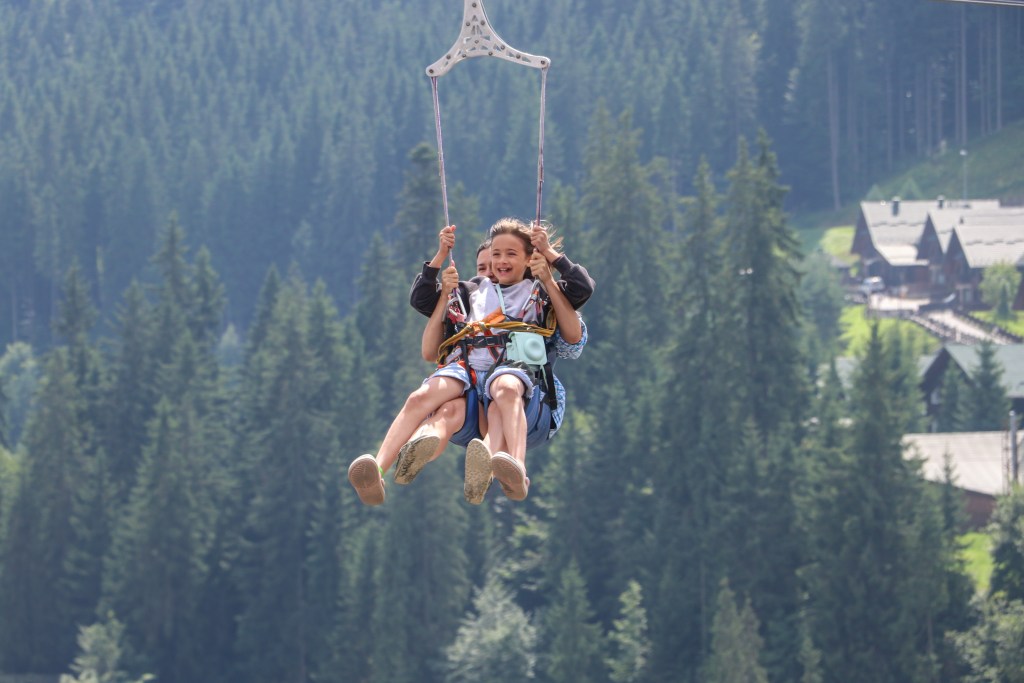
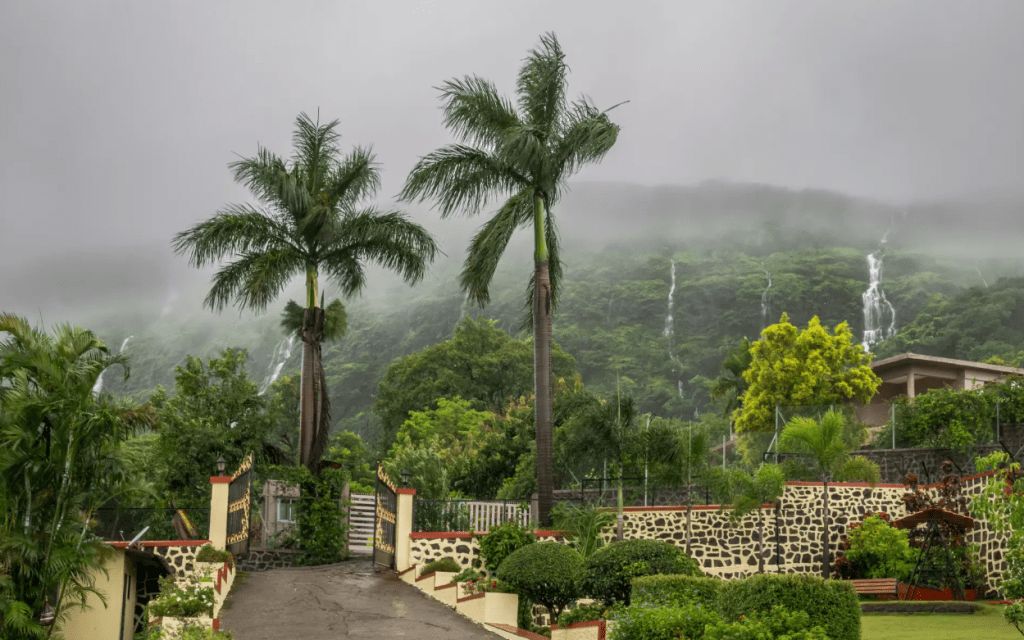
Celebrate #GharJaisiDiwali with SaffronStays – Where Every Stay Feels Like Home

Diwali is the festival of lights, warmth, and togetherness. It has always been about homecoming and returning to the people who matter the most. But what truly makes a ghar? It’s not just four walls; it’s where your loved ones come together to celebrate, laugh, and make memories.

At SaffronStays, we believe that ghar can be anywhere you feel a sense of belonging. It’s where your family gathers, where you share meals, and where conversations never end. This Diwali, we invite you to celebrate a #GharJaisiDiwali that feels like home, wherever you are.

A New Way of Celebrating Togetherness

An aerial view of two people creating a floral rangoli design in a cozy indoor space decorated for Diwali, surrounded by plants and festive decorations.

In the past, Diwali celebrations often meant visiting relatives or meeting friends briefly between busy schedules. Now, people want to slow down and spend real time with their loved ones to talk, to laugh, to reconnect.

SaffronStays homes make this possible. Whether in the hills, by the beach, or near a forest, our villas give families and friends the space to celebrate Diwali together in peace and comfort away from the usual city rush.

Moving Away from the City Chaos

Cities during Diwali are crowded and noisy. The traffic, the smoke, and the constant sound of crackers often take away the joy of the festival. Many families are now choosing to celebrate Diwali in quieter places, where they can light diyas, share meals, and enjoy the moment without disturbance.

Every SaffronStays home is located away from city chaos, giving you a peaceful setting to truly enjoy the festival surrounded by clean air, calm evenings, and your favorite people.

A beautifully lit terrace during Diwali celebrations, featuring decorative lights and a firework display, with people dressed in festive attire enjoying the moment.

A Safe Diwali for Pets

For many pet parents, Diwali can be stressful. The loud sounds of crackers and pollution make pets anxious and uncomfortable. At SaffronStays, several of our homes are pet-friendly and located in quiet areas, making them perfect for a relaxed celebration. Your pets can move around freely, rest peacefully, and be part of your Diwali joy.

Comfort for Seniors and Sensitive Groups

Diwali in cities can be difficult for senior citizens and people with breathing issues due to pollution and noise. That’s why more families are choosing to spend the festival in open, peaceful environments.

SaffronStays homes offer just that clean air, space to relax, and comfort for everyone. It’s a simple way to make sure the whole family enjoys the festival together.

Celebrate Light, Love, and Home

This Diwali, celebrate what truly matters: family, togetherness, and love. Decorate your SaffronStays home with diyas, cook festive meals, play games, and relive old memories.

Because home is not just a place. It’s the people you celebrate with.
And every SaffronStays home lets you experience that a true #GharJaisiDiwali.

Chai & Kahwa Trails: From Srinagar’s Lakes to Tangmarg’s Valleys

The soul of Kashmir isn’t found only in its lakes or gardens—it lingers in the steam rising from a cup of tea. Along Boulevard Road in Srinagar, skirting the shimmering Dal Lake, a quiet ritual has endured for centuries: the art of sharing chai and kahwa.

Kahwa: Golden Hospitality in a Cup

Legend has it that kahwa traveled to Kashmir with traders along the Silk Route, carrying with it the essence of Central Asia and Persia. Over time, Kashmir made the drink its own—saffron from Pampore fields, almonds from local orchards, cardamom and cinnamon arriving through ancient trade. Today, a cup of kahwa is more than refreshment; it’s a gesture of welcome, offered to guests at weddings, during winter gatherings, and to weary travelers pausing by Dal Lake.

Floating on the lake, the SaffronStays Prince of Kashmir houseboat mirrors this warmth, its intricate woodwork catching the morning sun while snow-kissed Pir Panjal peaks glimmer in the distance. Nearby, the Kingori Houseboat, moored in a quieter stretch, allows time to slow, the gentle lap of water against cedarwood marking each serene moment.

Chai as a Daily Pause

While kahwa embodies ceremony, everyday chai anchors the rhythm of Kashmiri life. Roadside stalls along Boulevard Road invite locals to sip strong, sweetened tea in small glasses, debating politics, cricket scores, or the day’s market chatter. These spaces aren’t about luxury—they’re about belonging. To stop for chai here is to slip into the city’s heartbeat, where the lake reflects the shifting sky and conversations spill as freely as the tea.

A little beyond the bustle, SaffronStays Sun Villa stretches across gentle hills, offering panoramic mountain views and cozy bonfires. Evenings linger long, laughter echoes across the lawn, and chai becomes a quiet language of connection—a moment to pause and savor the surroundings.

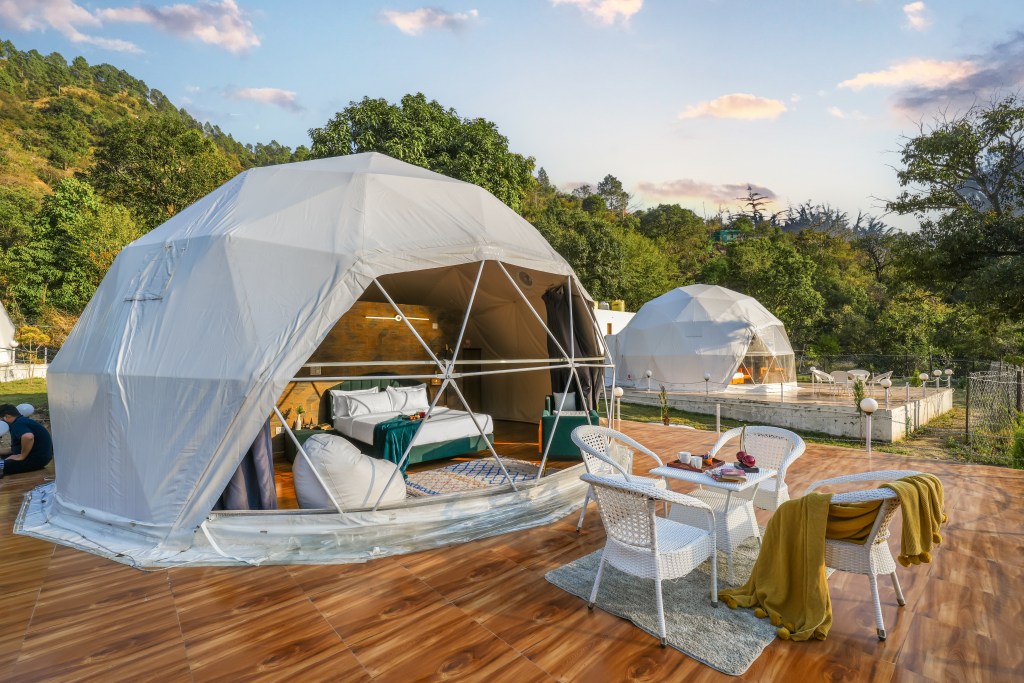
Travelling further north, the valleys of Tangmarg unfold in rolling meadows, dense pine forests, and snow-capped peaks. Here, the pace slows, and the air carries the crisp scent of Himalayan streams and wildflowers. Set against the misty slopes of Tangmarg, the Cheese Cottage collection offers three distinct stays, each blending Kashmiri warmth with alpine allure. The Snow Pods redefine luxury camping with their cozy, glass-domed design that opens to sweeping mountain views, perfect for stargazing on clear nights. A short walk away, the Olive Chalet charms with its bold interiors, handcrafted wooden details, and garden breakfasts framed by pine forests, while the main Cheese Cottage stays true to its roots—a rustic homestay where home-cooked wazwan meals, crackling fires, and mountain quiet bring you closer to the soul of Kashmir.

Sunrises spill golden light across the mountains, breakfast is served in lush gardens, and riverside treks reveal nature’s quiet grandeur. Every corner of the Saffronstays Cheese Cottage resonates with the warmth and hospitality that tea represents across Kashmir—a seamless continuation of the ritual first glimpsed along Dal Lake.

Teahouses Along Boulevard Road

Back in Srinagar, Boulevard Road is dotted with spaces where tradition and modernity meet through tea:

Chai Jaai – A heritage-style tearoom that bridges past and present, where a cup of kahwa feels like stepping into a living story.

Books & Bricks Café – A creative hub, where chai accompanies vibrant murals, stacks of books, and the energy of Srinagar’s younger generation blending global influence with local warmth.

Lake View Tea Corners – Modest, soulful stops where wooden benches and a whistling kettle invite pause, the backdrop of Dal Lake turning every sip into a meditation.

Further inland, SaffronStays King Mahal continue this thread of Kashmiri hospitality—stately architecture, plush interiors, and the quiet joy of sipping tea while the Jhelum glides by.

More than just a cup

What makes Kashmir’s chai and kahwa trail unforgettable is not just the taste, but the stories that swirl within each sip. A cup of tea here is both history and hospitality—an echo of the Silk Route, a wedding toast, a pause amidst lakes and mountains. From the houseboats of Dal Lake to the sunlit gardens of Tangmarg, tea becomes a meditation on connection, beauty, and the enduring grace of Kashmiri culture.

Experience it firsthand at SaffronStays’ curated homes in Kashmir —where every stay begins with a cup of kahwa and ends with the feeling of home.

Udaipur City of Lakes: Palaces, Cruises & Cultural Evenings

Udaipur, affectionately known as the “City of Lakes”, is a destination where shimmering waters, marble palaces, and vibrant traditions create one of India’s most enchanting travel experiences. Beyond being a backdrop for films around the world, Udaipur is living history—an artistic city that continues to breathe in every courtyard, ghat, and palace.

An Iconic Showcase of Rajput Grandeur

Aerial view of Udaipur showcasing the City Palace along the shores of Lake Pichola, with mountains in the background and boats on the water.

The palaces of Udaipur are more than just architectural wonders. They were once the centers of power, symbols of Mewar pride, and today stand as global cultural icons. Blending Mughal and Rajasthani art with murals, mirror inlays, and stone carvings, these structures are pieces of history turned into works of art.

The City Palace Udaipur, the largest palace complex in Rajasthan, took more than 400 years to complete and still dominates the eastern banks of Lake Pichola. Within its marble courtyards and halls, treaties were signed, wars were planned, and royal ceremonies were held. Today, its museums preserve weapons, paintings, costumes, and treasures that narrate the resilience of the Mewar dynasty.

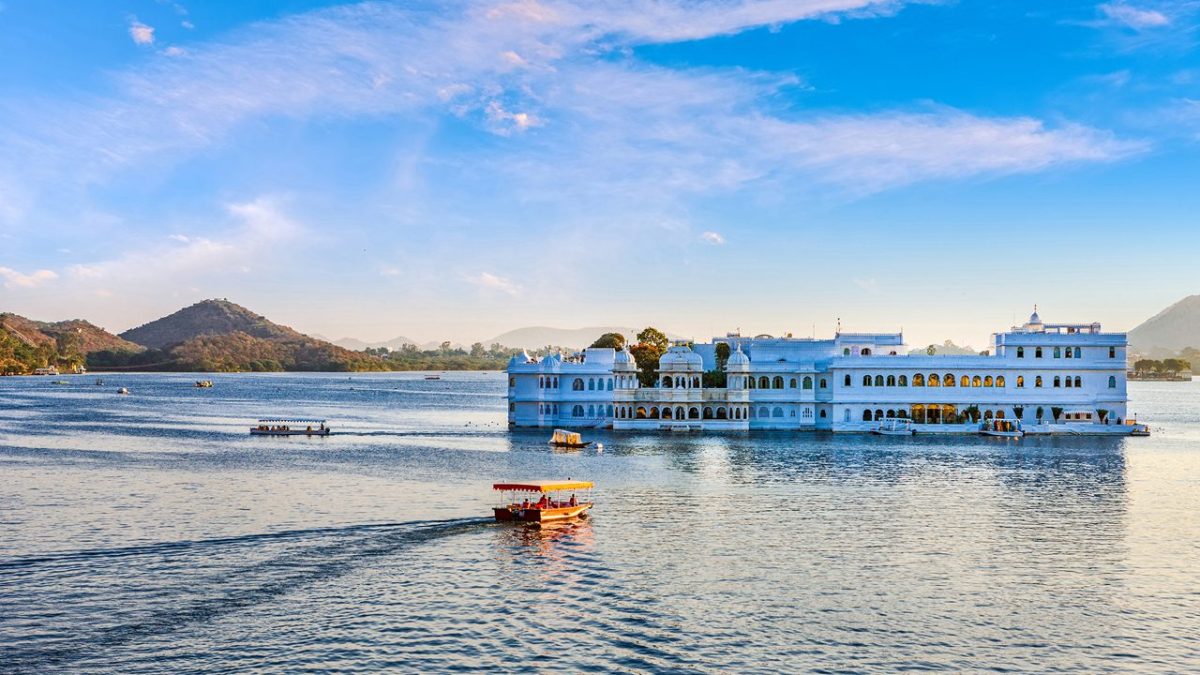
In the middle of Lake Pichola, the Lake Palace seems to float like a marble mirage. Built in the mid-18th century by Maharana Jagat Singh II as a summer retreat, it became a symbol of royal luxury and is now one of the most celebrated heritage hotels in Udaipur. It gained global fame after appearing in the James Bond movie Octopussy and remains one of the most photographed palaces in the world.

Nearby, Jag Mandir, the “Lake Garden Palace”, has its own legacy, having sheltered Prince Khurram (later known as Shah Jahan) during a rebellion. The palace’s marble pavilions are said to have inspired the Taj Mahal.

High above the city, the Monsoon Palace crowns a hilltop. Originally built by Maharana Sajjan Singh in 1884 to study the monsoon clouds, it later became a royal retreat. Although unfinished, it offers one of the best sunset views in Udaipur, especially beautiful during the rainy season when the Aravalli Hills turn lush and green.

The Lifeblood of Udaipur’s History

The lakes of Udaipur are more than scenic—they are the city’s very identity. Designed as reservoirs to sustain life in this dry region, they became cultural centers where devotion, festivals, and daily activities intertwined. Palaces and ghats along the water’s edge turned them into living canvases of grandeur.

Lake Pichola, built in 1362 CE, remains the most iconic. Taking a boat ride in Udaipur at night, when palaces glow with golden light, is among the most unforgettable experiences in the city. Fateh Sagar Lake, built in 1687, with its tranquil islands and backdrop of the Aravalli Hills, is equally charming, especially for families who can enjoy boating and picnics by the water.

Just beyond the city, Badi Lake (Badi Talab) offers an offbeat experience. Created to overcome a drought, it is now a favorite spot for swimming, cycling, and photography. Surrounded by the lush Bahubali Hills, it is one of the best places to visit in Udaipur during the monsoon and a perfect escape for travelers seeking quiet away from the crowds.

A scenic view of Lake Pichola in Udaipur, featuring ornate white marble architecture, flying birds, and the serene waters reflecting the sky.

Arts and Culture

Walking through Udaipur’s old city is like stepping into another time. Gangaur Ghat offers the most captivating views of the City Palace and Lake Pichola, making it a perfect starting point for exploration. Along the way, you’ll encounter the grand Jagdish Temple, intricately carved havelis, colorful bazaars, and gateways that open into lively streets.

Rajasthan’s artistic legacy thrives in Udaipur. The Mewar School of Miniature Painting, known for its fine detail and vibrant colors, continues to flourish. Local artisans keep alive traditions of marble carving, block-printed fabrics like Bandhani, silver jewelry, and handmade puppets. Shopping in Udaipur’s bazaars is as much a cultural experience as it is a souvenir hunt.

As night falls, the city offers unforgettable cultural evenings. The Bagore Ki Haveli Dharohar Dance Show is a family favorite, with folk performances of music, dance, and puppetry staged in an atmospheric courtyard on Lake Pichola. Festivals like Shilpgram in December bring rural and tribal traditions to life, blending music, crafts, and cuisine. Dining is also an experience here—whether enjoying Rajasthani thalis at Natraj Dining Hall or savoring fine dining at Ambrai Restaurant with views of the illuminated City Palace across the lake.

Beyond Udaipur

Many travelers extend their journey to explore places to visit near Udaipur. The hill station of Mount Abu, Rajasthan’s only hill station, offers a refreshing contrast with its cool climate, Nakki Lake, and the intricately carved Dilwara Temples. Other nearby treasures include Kumbhalgarh Fort, Ranakpur Jain Temples, and Chittorgarh Fort—all easy day trips that complement Udaipur’s cultural and natural splendor.

A City That Lives in Water and Light

Udaipur is beyond its lakes more than a tourist destination; it is a an of lakes, palaces, and traditions woven together by centuries of history. Whether you’re seeking things to do in Udaipur at night, planning a family trip, searching for offbeat experiences, or exploring the region in the monsoon season, Udaipur always reveals a new side of itself. 

In the end, Udaipur isn’t just a city you visit—it’s a place that lingers in your memory, shimmering like its lakes at twilight.

Udaipur City of Lakes: Palaces, Cruises & Cultural Evenings

Udaipur, affectionately known as the “City of Lakes”, is a destination where shimmering waters, marble palaces, and vibrant traditions create one of India’s most enchanting travel experiences. Beyond being a backdrop for films around the world, Udaipur is living history—an artistic city that continues to breathe in every courtyard, ghat, and palace.

An Iconic Showcase of Rajput Grandeur

The palaces of Udaipur are more than just architectural wonders. They were once the centers of power, symbols of Mewar pride, and today stand as global cultural icons. Blending Mughal and Rajasthani art with murals, mirror inlays, and stone carvings, these structures are pieces of history turned into works of art.

The City Palace Udaipur, the largest palace complex in Rajasthan, took more than 400 years to complete and still dominates the eastern banks of Lake Pichola. Within its marble courtyards and halls, treaties were signed, wars were planned, and royal ceremonies were held. Today, its museums preserve weapons, paintings, costumes, and treasures that narrate the resilience of the Mewar dynasty.

In the middle of Lake Pichola, the Lake Palace seems to float like a marble mirage. Built in the mid-18th century by Maharana Jagat Singh II as a summer retreat, it became a symbol of royal luxury and is now one of the most celebrated heritage hotels in Udaipur. It gained global fame after appearing in the James Bond movie Octopussy and remains one of the most photographed palaces in the world.

Nearby, Jag Mandir, the “Lake Garden Palace”, has its own legacy, having sheltered Prince Khurram (later known as Shah Jahan) during a rebellion. The palace’s marble pavilions are said to have inspired the Taj Mahal.

High above the city, the Monsoon Palace crowns a hilltop. Originally built by Maharana Sajjan Singh in 1884 to study the monsoon clouds, it later became a royal retreat. Although unfinished, it offers one of the best sunset views in Udaipur, especially beautiful during the rainy season when the Aravalli Hills turn lush and green.

The Lifeblood of Udaipur’s History

The lakes of Udaipur are more than scenic—they are the city’s very identity. Designed as reservoirs to sustain life in this dry region, they became cultural centers where devotion, festivals, and daily activities intertwined. Palaces and ghats along the water’s edge turned them into living canvases of grandeur.

Lake Pichola, built in 1362 CE, remains the most iconic. Taking a boat ride in Udaipur at night, when palaces glow with golden light, is among the most unforgettable experiences in the city. Fateh Sagar Lake, built in 1687, with its tranquil islands and backdrop of the Aravalli Hills, is equally charming, especially for families who can enjoy boating and picnics by the water.

Just beyond the city, Badi Lake (Badi Talab) offers an offbeat experience. Created to overcome a drought, it is now a favorite spot for swimming, cycling, and photography. Surrounded by the lush Bahubali Hills, it is one of the best places to visit in Udaipur during the monsoon and a perfect escape for travelers seeking quiet away from the crowds.

Arts and Culture

Walking through Udaipur’s old city is like stepping into another time. Gangaur Ghat offers the most captivating views of the City Palace and Lake Pichola, making it a perfect starting point for exploration. Along the way, you’ll encounter the grand Jagdish Temple, intricately carved havelis, colorful bazaars, and gateways that open into lively streets.

Rajasthan’s artistic legacy thrives in Udaipur. The Mewar School of Miniature Painting, known for its fine detail and vibrant colors, continues to flourish. Local artisans keep alive traditions of marble carving, block-printed fabrics like Bandhani, silver jewelry, and handmade puppets. Shopping in Udaipur’s bazaars is as much a cultural experience as it is a souvenir hunt.

As night falls, the city offers unforgettable cultural evenings. The Bagore Ki Haveli Dharohar Dance Show is a family favorite, with folk performances of music, dance, and puppetry staged in an atmospheric courtyard on Lake Pichola. Festivals like Shilpgram in December bring rural and tribal traditions to life, blending music, crafts, and cuisine. Dining is also an experience here—whether enjoying Rajasthani thalis at Natraj Dining Hall or savoring fine dining at Ambrai Restaurant with views of the illuminated City Palace across the lake.

City Palace Udaipur, a large complex showcasing Rajasthani and Mughal architecture, situated on the banks of Lake Pichola.

Beyond Udaipur

Many travelers extend their journey to explore places to visit near Udaipur. The hill station of Mount Abu, Rajasthan’s only hill station, offers a refreshing contrast with its cool climate, Nakki Lake, and the intricately carved Dilwara Temples. Other nearby treasures include Kumbhalgarh Fort, Ranakpur Jain Temples, and Chittorgarh Fort—all easy day trips that complement Udaipur’s cultural and natural splendor.

A City That Lives in Water and Light

Udaipur is beyond its lakes more than a tourist destination; it is a an of lakes, palaces, and traditions woven together by centuries of history. Whether you’re seeking things to do in Udaipur at night, planning a family trip, searching for offbeat experiences, or exploring the region in the monsoon season, Udaipur always reveals a new side of itself. 

In the end, Udaipur isn’t just a city you visit—it’s a place that lingers in your memory, shimmering like its lakes at twilight.

Celebrating Navratri: A Journey Through India’s Festival of Light

Navratri is more than a festival; it is India’s living epic. Rooted in the story of Goddess Durga’s triumph over Mahishasura, it carries the eternal reminder that light will always overcome darkness. For nine nights, the country comes alive in devotion, dance, and celebration of resilience. Families fill their homes with prayers, communities gather in song and rhythm, and entire cities transform into glowing stages of faith. While Gujarat’s Garba may be the most renowned face of Navratri, the magic of these nights spills far beyond its borders, carried in whispers, chants, and colors across the length of India.

Every autumn, as the air turns crisp and the nights stretch longer, the story begins to retell itself in countless forms. In Varanasi, lamps drift across the Ganga like a million tiny suns, while the Ramnagar Fort transforms into a grand stage for the Ramayan, performed under the open sky. Here, Navratri is not only prayed, it is enacted, lived, and remembered as Rama’s triumph retold through centuries. Journey east and the scene changes. In Kolkata, Navratri fuses with Durga Puja, where the goddess is not just a warrior but a daughter returning home. Streets bloom with towering pandals, artists sculpt her face with reverence, and the beat of dhak drums turns the city into a theater of joy.

Further north in Rishikesh, the festival softens into silence and song. Ashrams light their courtyards with diyas, monks chant by the river, and seekers gather by the Ganga to release their prayers into the current. Here, Navratri becomes an inward journey, a reminder that the fiercest battles are the ones we fight within. Then, as you move south, grandeur greets you once again. Mysuru dazzles like a dream, its palace strung with thousands of glowing bulbs, while the goddess Chamundeshwari rides through the streets in processions that carry elephants, dancers, and music. It is history alive in the present, a spectacle where devotion meets pageantry.

In Tamil Nadu, the festival steps indoors, into the intimacy of family courtyards. Clay dolls are carefully placed on wooden steps, hymns float through homes, and neighbors gather to exchange gifts and stories during Bommai Golu. The goddess here is not just a protector, but a nurturer, Durga, Lakshmi, and Saraswati celebrated together as strength, prosperity, and wisdom. Even the Himalayas embrace her tale differently. In Uttarakhand, small mountain temples glow with devotion as Durga Puja blends into local Kumaoni traditions, the chants echoing through valleys as though the hills themselves were singing. And in Hyderabad, Navratri blooms into Bathukamma, a riot of color and fragrance as women gather to create flower towers and circle them with songs, even as the city opens its arms to Garba and Dandiya, embracing traditions from afar as its own.

A vibrant aerial view of a large group of people dancing in traditional attire during Navratri festivities, forming a circular pattern around a decorated stage in the center.

Nine nights. Countless cities. Infinite stories. Wherever you go, Navratri reveals itself as more than a festival, it is a story retold through generations, each retelling shaped by the land, the people, and the faith they carry. It is a reminder that the goddess resides not just in temples but in every home, every courtyard, every gathering where devotion lives.
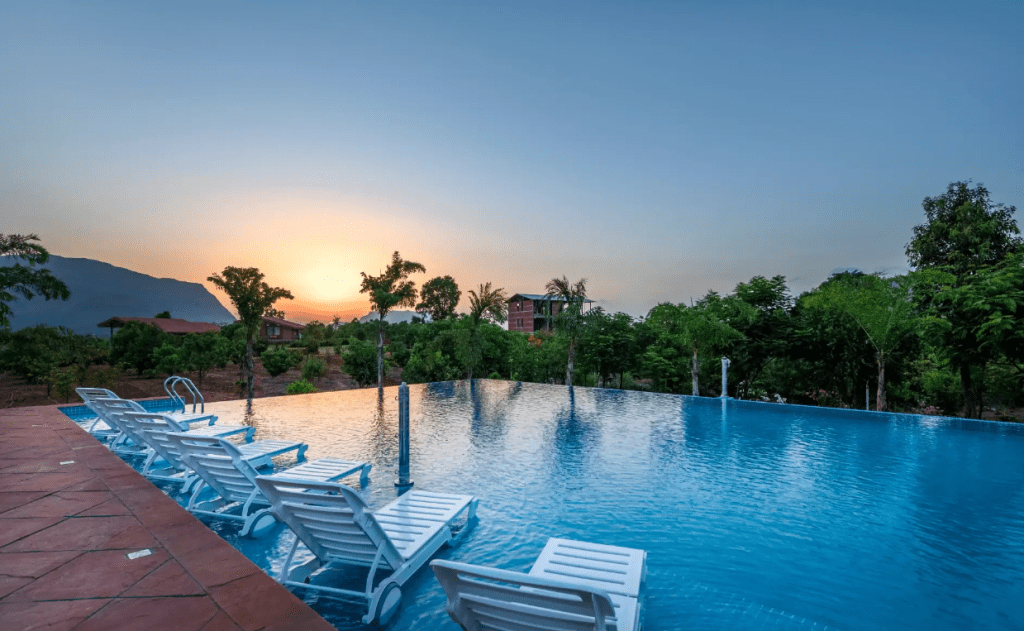
And when you set out to witness these living traditions, where you stay matters. Festivals are not meant to be observed from a distance, they are meant to be lived. Imagine beginning your mornings in homes where the kitchens are entirely vegetarian, clean, and rooted in purity, letting you experience the festival in its truest essence. At SaffronStays, our curated collection of pure veg-only homes across India allows you to carry the sanctity of Navratri into your meals, your rituals, and your stay. These are not just spaces of comfort, but sanctuaries where hospitality aligns with heritage, and where every detail respects the values of devotion.

Because Navratri is not one story, but many, and the best way to honor those stories is to live them fully, in the places that sing them, and in the homes that keep their spirit alive.

RoRo to Sindhudurg (2025): The Complete Travel Guide

On 1st September 2025, the long-awaited RoRo (Roll-on/Roll-off) ferry service between Mumbai and Sindhudurg set sail. For the first time in decades, travelers can take themselves and their vehicles directly to the Konkan coast by sea.

This service has already changed how people plan Konkan holidays. What used to be a tiring 10–12 hour drive on NH66 can now be covered in about 5–5.5 hours by ferry. The response so far has been strong, with families, weekend travelers, and festive commuters welcoming the convenience.

This blog is your complete guide to the RoRo to Sindhudurg: how it works, what it costs, and how you can plan your trip around it to explore the region’s history, food, and culture.

How the RoRo to Sindhudurg Works

  • Operator: M2M Ferries
  • Route: Mumbai (Bhaucha Dhakka) → Jaigad (Ratnagiri) → Vijaydurg (Sindhudurg)
  • Travel Time: ~3 hours (Jaigad), ~5–5.5 hours (Vijaydurg)
  • Frequency: Once daily each way (expected to increase during festivals and holiday season)
  • Vessel: M2M Princess (capacity: 656 passengers, 50 cars, 30 two-wheelers)

Boarding: Vehicles and passengers check in separately at Bhaucha Dhakka. Cars and bikes drive directly onto the deck, while foot passengers board via dedicated gates.

Arrival: Disembark at either Jaigad or Vijaydurg. From there, you are well-placed to explore Ratnagiri or Sindhudurg.

Fares and Booking (Indicative as of September 2025)

CategoryFare (One-way)Notes
Economy Seat₹2,500 onwardsStandard seating
Premium / Business / First Class₹4,500 – ₹9,000AC lounges, wider seats
Two-Wheeler~₹1,500Rider pays separately
Car~₹6,000Driver fare separate

Booking Options:

  • Online: Through the M2M Ferries website
  • Offline: At Bhaucha Dhakka counters
  • Check-in: 90 minutes prior to departure if traveling with a vehicle

Why Choose the Ferry Over Road or Rail?

FactorFerryRoad (NH66)Train
Travel Time5–5.5 hrs10–12 hrs8–9 hrs + transfers
ComfortLounges, decks, sea journeyLong drive, trafficVariable, delays possible
Vehicle OptionYes (cars, bikes)YesNo
Cost (2 adults + car)~₹11,000~₹8,000 (fuel/tolls)~₹4,000 + cabs

Sindhudurg: What to See and Do

The ferry makes weekend or short trips realistic. Here’s why Sindhudurg is worth exploring:

1. History & Heritage

  • Sindhudurg Fort: Built by Chhatrapati Shivaji Maharaj in the 17th century, this sea fort remains one of the region’s biggest draws.
  • Vijaydurg Fort: Another coastal stronghold, known for its triple-line fortifications and historic naval battles.
  • Sawantwadi Palace: A blend of colonial and Maratha architecture, still home to Sawantwadi’s royal family.

2. Beaches & Adventure

  • Tarkarli Beach: Famous for scuba diving, snorkeling, and water sports.
  • Malvan Beach: Livelier, with seafood stalls and boating.
  • Devbag Beach: Quieter, perfect for relaxation and dolphin spotting.

3. Food: Malvani Cuisine

Sindhudurg is synonymous with Malvani food, a cuisine known for bold spices, coconut-based curries, and fresh seafood.

  • Seafood Thalis: Pomfret, surmai, crab, prawns, and shellfish dominate menus.
  • Vegetarian Specialties: Solkadhi (kokum and coconut drink), bharli vangi (stuffed brinjal), and rice bhakris.
  • Local Touch: Meals are often served on banana leaves.

4. Culture & Crafts

  • Sawantwadi Ganjifa Cards: Hand-painted playing cards with centuries-old traditions.
  • Wooden Toys & Lacquerware: Sawantwadi artisans are known for their craftwork.
  • Dasavatar Folk Performances: Traditional theatre showcasing mythological stories.
How to Plan Your Trip with the Ferry

Day 1 – Board morning ferry at Mumbai, reach Vijaydurg by afternoon. Explore Vijaydurg Fort, check in at your stay.
Day 2 – Visit Sindhudurg Fort, Tarkarli for water sports, enjoy Malvani cuisine.
Day 3 – Shop for Sawantwadi crafts, return by ferry in the evening.

Tip: Festival seasons (Ganeshotsav, Diwali) are busy, so book tickets well in advance.

Speaking about the launch, Devendra Parulekar, Founder of SaffronStays, said:
“The RoRo service is a milestone for the Konkan region. It not only makes Sindhudurg more accessible but also encourages travelers to look beyond familiar weekend spots and discover the rich history, food, and culture of the coast. For us, it means more guests can experience our homes in Sindhudurg with ease and comfort.”

FAQs

Is the RoRo to Sindhudurg running now?
Yes, it launched on 1st September 2025 and is operational.

Can I take my car or bike?
Yes. Cars, two-wheelers, and larger vehicles are permitted.
How do I book?
Tickets are available online (M2M Ferries) and at Bhaucha Dhakka counters.

What if the weather is rough?
Sailings may be canceled or delayed. Always check operator updates before travel.

Is Sindhudurg good for a weekend trip?
Yes. The ferry makes 3-day trips from Mumbai practical.

The RoRo to Sindhudurg is more than just a transport link. It is a gateway to history, beaches, food, and culture. With this service, Sindhudurg has never been closer to Mumbai.

From exploring forts and palaces, enjoying Malvani cuisine, diving at Tarkarli, to experiencing folk arts and crafts, the ferry makes it all accessible in one seamless journey. For anyone planning a Konkan holiday, the RoRo is now the smartest way to start the Sindhudurg experience.

Vengurla Travel Guide: Seasons, Adventures, Food, and Culture

Most people who think of the Konkan coast picture Goa. But just a little further down, Vengurla quietly waits with its own charm. Wide, clean beaches, ancient forts, cashew groves, and the hum of folk traditions all moving at a slower rhythm. Here, mornings can be adventurous and evenings unhurried, giving you the best of both worlds.

And with Fly91 flights into Sindhudurg Airport, reaching Vengurla is now simpler than ever. Travelers flying this route can even enjoy exclusive deals at Araqila, a luxury resort that feels like a modern-day fortress overlooking the Arabian Sea.

The Rhythm of the Seasons

If you arrive between October and March, you will meet Vengurla at its most inviting. Calm seas, cool breezes, and perfect conditions for water sports. This is when scuba diving at Tarkarli is at its best, dolphin safaris set out at sunrise, and the beaches are ideal for long evening walks.

By April and May, the air gets warmer, but the beaches get quieter. Markets brim with cashews and mangoes, and if you do not mind early mornings and slower afternoons, you will enjoy the peace of this season.

Then comes the monsoon, June to September, when Vengurla turns lush and alive. Waterfalls tumble down the hills, trails look fresh, and drives to Amboli Waterfall just over an hour away are unforgettable. The sea turns rough, so water sports pause, but forts, treks, and cultural experiences take center stage.

Getting There

  • By Air:
    • Sindhudurg Airport (Chipi, SDW): The closest airport. If you fly with Fly91, you land right in the district and unlock exclusive Araqila offers.
    • Goa Mopa Airport (GOX): About a 45-minutes drive, with wide connectivity.
  • By Rail: Kudal and Sawantwadi Road stations on the Konkan Railway are less than an hour away.
  • By Road: 8 to 9 hours from Mumbai or Pune, or just 2 to 3 hours from Goa.

The final stretch always feels the same: cashew groves on both sides, glimpses of the sea, and the sense of stepping into a quieter world.

A dolphin swimming in the turquoise waters of the Arabian Sea.
Dolphin spotting (Representative image)

Adventure Days

In Vengurla, the best experiences are never too far from Araqila. All of these are within 15 minutes to just over an hour’s drive:

  • Dolphin spotting: Early morning boat rides from Malvan and Devbag often bring you face-to-face with playful pods of dolphins.
  • Dive beneath the surface: At Tarkarli Beach (45 to 60 mins), try scuba diving or snorkeling. Even beginners can take guided dives between November and February.
  • Step into history: Sindhudurg Fort (1 hr to 1 hr 15 mins), built by Chhatrapati Shivaji Maharaj, rises proudly from the sea and is now a UNESCO site.
  • Climb to a view: Nivati Fort and the Vengurla Lighthouse (10 to 20 mins) are short hikes with sweeping coastal views.
  • Discover hidden forts: Yashwantgad (Redi) Fort (20 to 30 mins) sits quietly near the Goa border, surrounded by greenery.
  • Monsoon special: Drive up to Amboli Waterfall (1 hr 15 to 30 mins) when the hills are green and mist rolls across the forests.
Two actors performing in traditional attire during a folk theatre performance, with one actor displaying a dramatic expression and elaborate costume, while the other listens intently.
Dashavatara Folk Theatre (Representative Image)

Food & Culture

Konkan is not just about its landscapes. It is also about what you taste, hear, and see. Vengurla and its neighboring towns carry a cultural rhythm that completes the experience.

A traditional Malvani meal featuring a variety of dishes presented on a banana leaf, including fried fish, rice, chapatis, lentil curry, and various accompaniments like salads and yogurt.
Authentic Malvani Fish Thali at Araqila Resort
  • Malvani cuisine: At Araqila, you will find the finest Malvani and authentic Konkani food. Think spicy curries, fresh-caught seafood, solkadhi with kokum, and traditional thalis that celebrate seasonal produce. Meals here are a reflection of the land and sea around you.
  • Sawantwadi Palace: A short drive away, this palace showcases royal Konkan heritage and the intricate craft of wooden toys and Ganjifa cards. It is a glimpse into a world that still preserves artistry in everyday objects.
  • Dasavatar folk performances: If your visit coincides with local celebrations, you might witness Dasavatar, a traditional folk theatre that retells mythological stories with music, dance, and drama. It is lively, raw, and deeply rooted in the region’s identity.

Together, food and culture give Vengurla its depth. They turn a beach trip into a story you will remember long after you leave.

A historic red-brick building with a central clock tower, surrounded by palm trees and green lawn.
Sawantwadi Palace (Representative Image)

Coming Home to Araqila

After days like these, you need a space that slows everything down. That is what Araqila is.

Set across 125 acres where the Sahyadris meet the Arabian Sea, Araqila by SaffronStays is built like a modern-day fortress. Its laterite walls curve like Konkan’s historic forts, and hidden doors lead to open courtyards, sea-facing terraces, and forested trails.

Here, food is as much a highlight as the setting. Araqila’s kitchens celebrate the region, from crisp bangda fry to rich crab curries and soulful vegetarian Konkani dishes. Every meal carries the flavor of Sindhudurg.

Luxury here is not loud. It is in the private beach tucked away at the edge of the property, the quiet spa, and the amphitheatre under the stars. Araqila is not just where you stay. It is where Sindhudurg comes alive for you.

Aerial view of Sindhudurg Fort surrounded by the Arabian Sea, showcasing its historic fortifications and lush greenery.
Sindhudurg Fort (Representative Image)

A Three-Day Story in Vengurla

Day 1: Arrive at Sindhudurg via Fly91, head straight to Araqila. Settle in, walk down to the private beach, and enjoy an authentic Malvani dinner as the sun sets.

Day 2: Begin with scuba diving at Tarkarli, stop for lunch in Malvan, and explore Sindhudurg Fort. On the way back, drop by Sawantwadi Palace for a glimpse of royal heritage and, if the timing works, catch a Dasavatar folk performance. Return to Araqila for a spa session or an amphitheatre evening.

Day 3: Start with a short hike to Nivati Fort or the Vengurla Lighthouse. If you would rather keep it slow, spend the morning at Shiroda Beach. Back at Araqila, enjoy one last Konkan meal before departure.

(Visiting in monsoon? Replace scuba with Amboli Waterfall and the Napne Waterfall skywalk for a different side of the Konkan.)

A modern hotel room featuring a comfortable bed, a cozy seating area, and large glass doors opening to a view of the Arabian Sea and greenery outside.

Why Vengurla Works

Unlike Goa, Vengurla does not crowd you. It lets you explore forts, watch dolphins, taste Malvani food, and experience culture that feels authentic. And with Araqila as your base, you do not just pass through Sindhudurg. You live it.

So, when is the best time to visit? That depends on what you want. Calm seas in winter, quiet beaches in summer, or green hills in the monsoon. Whatever the season, Vengurla will give you more than a holiday. It will give you a story to carry home.

Heritage Meets Hospitality: Where India’s Legacy Inspires Modern Luxury

In India, heritage is not confined to monuments or museums; it lives in the very walls of ancestral homes, the courtyards where families once gathered, and the craftsmanship passed down through generations. Today, as hospitality evolves to meet the demands of discerning global travelers, heritage meets hospitality in the form of carefully revived spaces that blend cultural richness with modern comforts. This union redefines luxury hospitality in India as something deeply rooted in authenticity, elegance, and a sense of belonging.

Article content
SaffronStays Milton Abbott Estate

The idea of transforming heritage into hospitality is more than architectural restoration; it is a preservation of stories, traditions, and values. Each revived home is a living narrative that carries the soul of its past while embracing the needs of today’s guest. When a traveler walks through arched hallways, touches intricately carved wooden panels, or gazes at frescoes that have witnessed centuries, they experience something no contemporary hotel can replicate. These are premium Indian stays that are both personal and profound. For businesses and collaborators, such properties offer a unique positioning: a niche where heritage hospitality in India itself becomes the greatest differentiator.

What sets heritage hospitality apart is its rootedness in India’s cultural identity. The aesthetic is not imported but indigenous, shaped by artisans, materials, and traditions of the region. Each detail, from hand-carved stonework to the rhythms of local music echoing in the background, speaks of a land that values memory as much as modernity. This India-rooted premium aesthetic ensures that hospitality is not merely about offering comfort; it is about creating an emotional connection that lingers long after the stay is over. For partners and stakeholders, this approach delivers long-term value by combining cultural preservation with premium demand for heritage stays in India.

This philosophy comes alive in carefully restored SaffronStays properties. In Coorg, the SaffronStays Calamondin Bungalow, a century-old planter’s bungalow, sits amidst lush coffee plantations. With its tiled roofs, airy verandahs, and colonial architecture, the home offers an authentic plantation heritage experience, while curated meals and warm service add the comforts of modern luxury.

In Matheran, SaffronStays Parsi Manor reflects the elegance of Parsi culture with its wooden staircases, antique chandeliers, and timeless design. This villa stands as a rare gem, preserving the heritage of a community known for sophistication and hospitality.

Article content
SaffronStays King Mahal

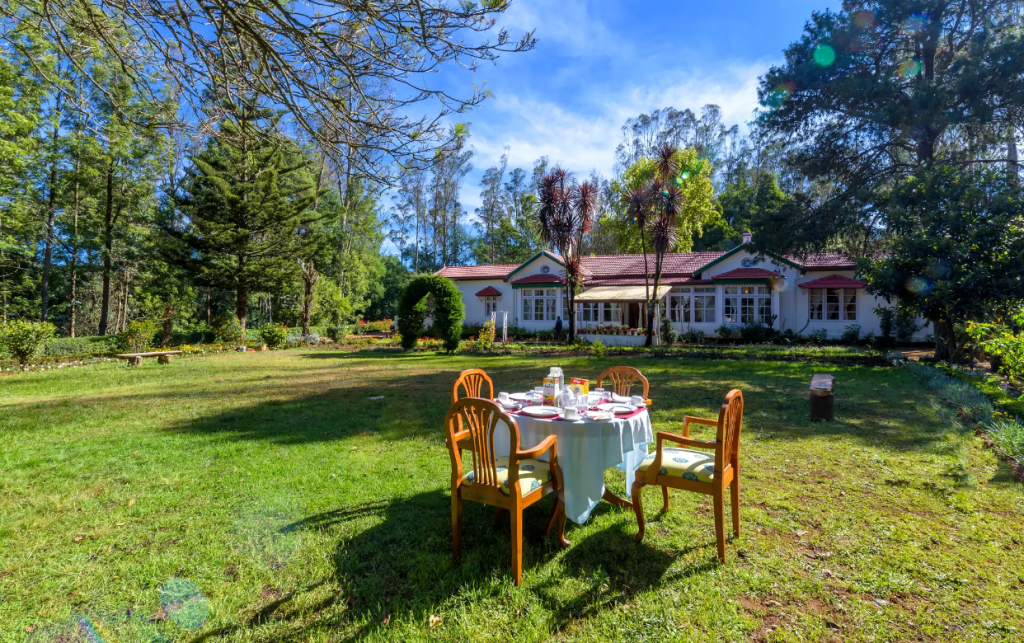
Further South in Ooty, SaffronStays Milton Abbott embodies colonial grandeur. The restored British-era bungalow is surrounded by oak and deodar forests, offering a tranquil escape infused with history and charm.

Guests seeking a serene mountain retreat find it at SaffronStays Amaya in Kerala, where heritage-inspired architecture is complemented by sweeping views of the Himalayas. In Belur, the SaffronStays Biccode Woodside Heritage, an estate from the 12th century, carries whispers of generations past, with its period furniture and sprawling estate gardens, offering guests a rare chance to live history.

In the Kashmir Valley, the story of heritage takes on a mystical charm with SaffronStays Awakening, Srinagar. Overlooking the Zabarwan Range and built in classic Kashmiri style, the villa is adorned with intricate wooden details and expansive lawns that reflect the region’s regal past. Here, heritage hospitality meets the soul of Kashmir, creating an unforgettable stay that is as much about cultural immersion as it is about comfort.

Beyond their aesthetic appeal, these homes represent a sustainable business model. Reviving traditional structures generates livelihoods for local communities, from artisans and craftsmen to service professionals who bring these spaces to life. At the same time, integrating eco-friendly practices, from responsible sourcing to energy-conscious infrastructure, ensures that these heritage stays remain future-ready. The result is a harmonious balance between heritage and modern hospitality, where profitability aligns with purpose.

Article content
SaffronStays Prince of Kashmir

At SaffronStays, our vision is to curate and elevate India’s living legacies into immersive, premium Indian experiences. By bringing together heritage and hospitality, we are not only creating unique destinations for travelers but also safeguarding the cultural and architectural identity of our country. For collaborators, developers, and custodians of heritage, this journey offers more than a commercial opportunity. It is an invitation to become stewards of India’s timeless elegance while delivering luxury heritage hospitality that resonates on a global stage.

The future of luxury travel in India lies in authenticity. As the world looks to India for experiences that go beyond the ordinary, heritage hospitality stands as a symbol of rootedness and refinement. It is not just about offering a stay but about offering a story, not just about providing comfort but about preserving a legacy. And in that space, where the past inspires the present, heritage truly meets hospitality.

From Guest Lists to Curated Lists: The Rise of India’s Intimate Wedding Economy

For decades, the Big Fat Indian Wedding wasn’t just a family celebration, it was a cultural performance. Guest lists spilled over into the thousands, five-star hotels became weekend residences, and scale was synonymous with prestige. But a quiet revolution is underway. From celebrity couples to business families, India’s most discerning hosts are trading scale for soul, opting for intimate weddings that prioritize connection over spectacle.

From Extravagance to Experience

This shift didn’t happen overnight. The pandemic disrupted social gatherings, forcing families to celebrate with smaller groups. But what began as a necessity has evolved into a conscious preference. Couples realized that fewer guests meant more meaningful moments. Planners noticed that design budgets could be spent on quality rather than quantity. Families found joy in personally engaging with every guest rather than rushing through a receiving line.

At SaffronStays, we’ve witnessed this transformation firsthand. Demand for private estates and boutique villas as wedding venues has surged. Instead of hosting 1,000 people in a banquet hall, couples now bring 50 to 100 of their closest family and friends to a heritage villa or forest estate, curating multi-day celebrations where every corner is personalized, from the décor to the menu. These aren’t scaled-down weddings. They’re designed weddings, intentional, story-driven, and memorable.

Article content

Why Are Intimate Weddings Becoming the Future?

Several converging trends are driving this shift:

Global Inspiration: Social media has introduced Indian couples to global wedding aesthetics like cliff side vows in Italy or lakeside ceremonies in Bali, and they want similar cinematic experiences closer to home.

Content Culture: In the age of Instagram Reels and professional wedding films, couples prefer venues where every backdrop is naturally photogenic, something private villas and estates offer effortlessly.

Post-Pandemic Priorities: Families now value quality time and personal connection over crowded guest lists. The emphasis is on celebrating with the people who matter most.

Cost Allocation, Not Reduction: Contrary to belief, smaller weddings don’t necessarily cost less. Budgets are simply spent differently, on luxury décor, bespoke menus, and experiential entertainment rather than mass-scale logistics.

The Opportunity for the Wedding and Hospitality Industry

For planners, decorators, caterers, and venue curators, this is more than a passing trend, it’s a structural change in how India celebrates. Intimate weddings allow:

  • Creative storytelling: Themes and personal touches are easier to execute when the guest list is smaller.
  • Elevated experiences: From poolside sangeets to forest-deck pheras, every function can be immersive.
  • Diversified venues: Boutique villas, heritage homes, and private estates are now competing with luxury hotels for high-profile events.

SaffronStays has seen an influx of requests for properties that accommodate 30–100 guests for multi-day destination weddings in locations as varied as coastal Maharashtra, the Aravallis, and the Nilgiris. These homes are not just venues, they’re canvases for a couple’s imagination, offering privacy, flexibility, and architectural charm that large banquet halls rarely provide.

Article content

The New Definition of Luxury Weddings

Luxury is no longer about how many plates were served but how well it was experienced. Guests remember the feeling of a sundowner by the infinity pool, the laughter shared over a chef-curated dinner, and the personalized welcome gifts left in their rooms. For families, the ability to have every member under one roof rather than scattered across hotel floors makes the wedding feel intimate, emotional, and rooted.

The Big Fat Indian Wedding isn’t disappearing, it’s evolving. It’s getting leaner, smarter, and more personal. For those in the wedding and hospitality industries, embracing this evolution means unlocking an entirely new world of possibilities.

5 Reasons Why Startups Should Invest in Offsite Retreats

Building a startup isn’t just about hitting product milestones or closing your next round of funding. It’s about people, a small, determined group solving problems together at breakneck speed. But when Slack messages replace real conversations and Zoom calls start to feel like a never-ending loop, even the sharpest teams lose their edge.

That’s where offsite retreats come in. Far from being a luxury, they’re becoming a strategic tool for ambitious companies. In fact, a Harvard Business Review survey found that teams that periodically meet in person report up to 30% higher productivity and stronger collaboration than those that don’t. For startups racing to scale, that edge is everything.

So why should your next leadership meet, strategy sprint, or team reset happen away from the office or a co-working space? Let’s break it down.

1. Step out of the noise to think clearly

A group of six people engaged in conversation and relaxation by a swimming pool at a villa, with lounge chairs and sunny outdoor setting.

Startups live in high-alert mode. New features, investor calls, hiring fires, it’s endless. Taking your team away from that cycle, even for two days, gives everyone room to breathe. In quiet spaces surrounded by nature, strategy conversations feel different. People stop reacting and start reflecting.

Picture this: a 10-member product team gathered in the courtyard of a heritage villa in Alibaug. Morning sunlight filters through old banyan trees. The phones are down, the coffee is hot, and for the first time in weeks, everyone is looking at the big picture, not just the Jira board.

Now imagine swapping the coast for the hills, a leadership team reviewing OKRs at a colonial estate in Mussoorie, with panoramic views of the Doon Valley. A change of scenery doesn’t just refresh minds, it sharpens decisions.

2. Build real connections, not just LinkedIn endorsements

A group of six people enjoying an outdoor gathering on a stone-walled terrace, surrounded by greenery, with a heritage villa in the background.

Culture isn’t built on “fun Fridays” or virtual ice-breakers. It’s built when people laugh over dinner, argue over ideas, and discover who’s secretly unbeatable at foosball. Offsites humanize colleagues, turning co-workers into allies.

At SaffronStays’ private villas, teams get exclusive spaces, no shared lobbies, no strangers at the next table. Whether it’s late-night brainstorming around a bonfire in Karjat, an impromptu jam session by the Ganga in Rishikesh, or early-morning hikes in Lonavala, these unplanned moments forge trust faster than any corporate workshop ever could.

3. Solve harder problems faster

A group of five individuals engaging in a friendly foosball game while two others play cards in a stylish, well-lit indoor space with large windows overlooking greenery.

A well-designed offsite isn’t a vacation. It’s a high-focus environment disguised as a getaway. Without the usual office distractions, decisions that drag for weeks can get made in hours.

Many startups host sprint sessions at SaffronStays villas: Wi-Fi strong enough for live demos, boardrooms that double as living rooms, and large open decks where ideas flow as freely as the evening chai.

Think about planning product roadmaps in a Jaipur haveli courtyard or debating market-entry strategies in a Dehradun forest villa. These spaces encourage sharper, more creative thinking because they pull teams out of routine environments.

4. Recharge to avoid burnout

A person practicing yoga in a serene outdoor setting near a lake, with mountains visible in the background and a peaceful sunset casting warm light.

Let’s be honest, no one does their best work running on four hours of sleep and instant noodles. Retreats give teams the mental reset they didn’t know they needed. Good sleep, fresh air, and unstructured time aren’t “nice to haves.” They’re what keep people from quitting.

Imagine your core team waking up to misty hills in Panchgani, or the crisp mountain air of Rishikesh, sharing breakfast on a long verandah, then diving into planning sessions refreshed instead of running on fumes. That renewed energy shows up in the work long after the trip ends.

5. Attract and retain top talent

A group of young adults engaged in a playful activity in a cozy living room, featuring a card game on a low table with colorful cushions and a ping pong table in the background.

For young companies, offsites are more than perks, they’re proof of culture. People talk about them. Candidates notice them. When your startup consistently invests in meaningful team experiences, it signals that you value people, not just productivity.

SaffronStays villas make these experiences effortless. Locations within driving distance of Mumbai, Pune, Bangalore, Jaipur, or Dehradun mean no wasted travel time. Homes come fully serviced, private chefs, housekeepers, etc ensure you focus on your agenda, not logistics. Whether it’s a sea-facing home in Alibaug, a heritage bungalow in Coonoor, or a hilltop villa near Mussoorie, each property gives your team privacy, comfort, and the “wow” factor that makes people say, “We belong here!”

Why SaffronStays is the go-to for startup offsites

Over the past year, dozens of early-stage and Series A startups have hosted corporate retreats at SaffronStays properties. They choose these villas because they combine work-friendly infrastructure with spaces that feel deeply personal:

  • Strong Wi-Fi and power backup for seamless working sessions
  • Large living areas and private decks for breakout meetings
  • Curated meals by in-house chefs that fuel long discussions
  • Locations within drivable distance from all major cities, saving precious time

Instead of bland hotel halls, you get an entire villa to yourself. Teams walk barefoot on grass between sessions, brainstorm on sunny terraces, and end the day around shared tables instead of room service trays.

A group of four people enjoying a cozy evening in a garden, with soft lighting and a guitar, engaged in conversation and laughter.

The takeaway

Offsites are an investment in sharper thinking, stronger bonds, and a culture that can weather the chaos of startup life. When the setting itself helps your team focus, connect, and recharge, that’s when the magic happens.

Your next strategy sprint, leadership meet, or team reset deserves more than another conference room. It deserves a place that feels like your own, and that’s exactly what SaffronStays villas offer.

Swallow’s Nest: A Luxury Family Villa by Pawna Lake That Feels Like Home

Some places you find by planning. Others find you by chance. In 2007, while exploring the hills of Pawna, a family came across a piece of land framed by the Sahyadris and overlooking a serene lake. It wasn’t just scenic; it felt like somewhere they already belonged.

Years later, that feeling turned into something real. As a 70th birthday gift for the family’s patriarch, the dream became a home, built with care not to impress but to bring people together. They called it SaffronStays Swallow’s Nest, after the birds that return here each year, symbols of good luck and the warmth of coming home.

A beautiful view from a villa overlooking a serene lake and mountains, with a dining table set for breakfast, surrounded by lush greenery and a swimming pool.

A villa shaped by nature

Just 2.5 hours from Mumbai, this five-bedroom family villa near Pawna Lake is designed to blend seamlessly with its surroundings. Rather than one big block of rooms, the villa is made up of four interconnected sections, each filled with natural light and fresh air. Built around a magnificent fig tree, the home feels open yet intimate, with plenty of space for family and friends to gather.

Two wings house the bedrooms, with one featuring playful trundle beds for children. The heart of the home is an open living, dining, and kitchen space that invites slow mornings and shared meals. Even in the height of summer, the design keeps the villa cool and airy.

A stunning view of Pawna Lake from the terrace of Swallow's Nest villa, featuring a lush green lawn, comfortable seating, and a serene backdrop of hills under a cloudy sky.

A retreat where simple pleasures shine

Swallow’s Nest is peaceful without being still. The outdoors are part of the experience, from planned barbecue evenings and bonfires to a unique slide that is just as fun for adults as it is for kids. In the monsoon, the property lights up with fireflies, turning evenings into something quietly magical.

Walk around and you will hear the swallows that gave the home its name. Sit still and you will notice how the lake and mountains change through the day. Stay long enough and you might forget how close you are to Mumbai.

A modern five-bedroom villa named Swallow's Nest, designed to blend with nature, featuring interconnected sections, a slide, and landscaped greenery near Pawna Lake.

More than a weekend away

SaffronStays Swallow’s Nest is not just a luxury villa near Pawna Lake. It is a home designed for families who want space, privacy, and a deeper connection with nature. Whether you are here for a quiet break, to explore nearby trekking trails, or simply to spend uninterrupted time together, it is the kind of place you will want to return to, just like the swallows do.