A Foodie’s Guide to Mahabaleshwar in the Monsoon

In Mahabaleshwar, the rains don’t just bring mist to the hills. They wake up the soil. The roads turn quiet, the trees deepen in colour, and everything smells a little sweeter. For those who love food, this is when the town reveals its true flavour.

The crowds thin out, but the kitchens stay busy. You’ll find hot corn bhajiyas served with green chutney, fresh mulberries still wet from the drizzle, and the kind of warm Maharashtrian meals that make you pause after every bite. This is your guide to eating your way through Mahabaleshwar in the monsoon.

Fresh, Local and Still Warm

Even in the off-season, the hills are generous. The monsoon months bring juicy mulberries, lush red carrots, and of course, the last of the strawberries. You may not get them in baskets anymore, but you’ll still find fresh fruit in local jams, syrups, and warm desserts.

One of the first things you’ll smell is roasted corn on the cob. Near Venna Lake, it’s grilled on open coals and served hot with chilli salt and lemon. Many vendors also sell thick, comforting bhutta soup in paper cups. Stop by roadside carts on the way to Wilson Point or Arthur’s Seat – no fixed menu, just fresh, homemade food you won’t find in restaurants.

The Sweet Tooth Has a Home Here

Strawberry cream might be the first thing people think of when it comes to Mahabaleshwar food, and with good reason. Even in the rain, Bagicha Corner serves it fresh, layered with whipped cream and just enough sugar to let the fruit shine. You’ll also find mulberry cream and raspberry syrups, often paired with sponge cake or milkshakes.

A few kilometres away is Mapro Garden, where you can sip warm berry squash while exploring counters of guava candy, jelly jars, and tasting spoons dipped in local honey. Part café, part factory, Mapro is less of a pitstop and more of a food experience. Kids dig into cheesy pizzas while parents shop for jars of jam to take home.

And then there’s Elsie’s Bakery, an old-fashioned spot tucked into the market. Their handmade fudge, butter cakes, and jam rolls are wrapped in parchment and nostalgia. It’s the kind of place you remember long after your trip ends.

A traditional Maharashtrian thali featuring roti, dal, spicy vegetable curry, salad, and sweets, served on a decorative tablecloth.

Warm Plates on a Cold Day

When the skies are grey and your shoes are wet, nothing compares to a proper Maharashtrian thali. Hirkani Garden Restaurant is a go-to for its homely offerings. Expect bhakri, bharli vangi, pithla, and varan bhaat served hot and without fuss. The food is simple, cooked fresh, and feels like it came from someone’s home kitchen.

Not far from the market is Hotel Dreamland, known for its vegetarian thali. The kadhi here is thick and tangy, the batata bhaji soft and spiced just right. Sit by the window and watch the rain while you finish every last bite.

And if you’re after misal pav, you’ll find plenty of versions, but Hotel Rajmahal and Aman Restaurant get it right. Spicy, fiery misal topped with crispy farsan, served with soft pav and a glass of buttermilk. These places fill up quickly during lunch, even on rainy weekdays.

A scenic view from a balcony overlooking lush green hills and a lake in Mahabaleshwar, with a rocking chair and a small table featuring a cup.

When It’s Pouring Outside, Try This

Some of the best cafes in Mahabaleshwar are the ones built for rainy days. The Grapevine, tucked just off the main road, is one of them. Known for its continental fare – pepper chicken, pasta, grilled trout it’s a favourite for slow meals in warm lighting.

Further down a quieter lane is Rustic Cafe, a small, wood-lined space that serves brownies, toasties, and thick hot chocolate. The staff don’t rush you, the playlists are soft, and the chairs invite you to stay longer than you planned.

Craving something heartier? Mad Smoke Café offers burgers, wood-fired pizzas, and strong filter coffee – simple, satisfying food to warm you up.

Don’t Leave Without Tasting This

As the rain begins to clear, the market lights come on and the smell of caramel fills the lanes. That’s when you head to Laxmi Chikki. Their walnut and sesame chikkis are crunchy and sweet, and their chocolate fudge is a favourite with locals.

Shops nearby sell everything from mulberry syrup and raspberry jelly to chilli guava candy, each one sealed in glass jars and wrapped in plastic for the road. You’ll also find small, handwritten signs that say “homemade jam” or “fresh honey.” Trust those.

A scenic view of a lush green landscape in Mahabaleshwar, featuring a wooden cottage with a green roof, surrounded by trees and overlooking a vast valley under a partly cloudy sky.

The Taste of Mahabaleshwar Lingers

In Mahabaleshwar, food isn’t dressed up. It’s simple, seasonal, and full of warmth. And during the rains, it’s not just the flavours that stand out, but the moments in between. A hot plate on a cold table. A steaming cup shared under a tin roof. A walk in the drizzle with a bag of chikki in hand.

You may come for the views, but it’s the food that stays with you.

Explore Sindhudurg: 10 Unique Experiences You Can’t Miss

Tired of tourist traps and overdone itineraries? Sindhudurg, nestled along Maharashtra’s Konkan coast, is one of those rare places that still feels untouched. The air smells of salt and earth, the food carries generations of tradition, and silence is more common than crowds.

If you’re looking for something immersive, rooted in culture and nature, and luxurious in its own quiet way, Sindhudurg may just surprise you.

Here are 10 offbeat experiences to explore when you’re in this stunning stretch of the coast.

1. Explore the Historic Sindhudurg Fort

Sindhudurg Fort coastline with ancient stone walls rising from the sea under a clear blue sky.

Rising from the sea like something out of history, the Sindhudurg Fort was built in the 17th century by Chhatrapati Shivaji Maharaj as a coastal defense fort. You reach it by boat from Malvan, and once you’re inside, you’ll find old wells, escape routes, and views that stretch far beyond the horizon.

Insider tip: Visit during golden hour for soft light and fewer people.

2. Go Dolphin Spotting in Tarkarli

Two dolphins swimming gracefully in clear turquoise waters.
(Representative image)

Just off the coast of Tarkarli and Devbagh, you can catch dolphins cutting through the waves at sunrise. Local boats leave early, often guided by fishermen who know exactly where to find them. It’s a quiet thrill, raw and unfiltered.

Insider tip: Book a private boat just after dawn for the best chance and least crowd.

3. Kayak Through Backwaters and Mangroves

A person kayaking in a colorful kayak on a calm, reflective water surface, surrounded by trees and foliage.
(Representative image)

Not far from Malvan, small inlets open into lush backwaters lined with dense mangroves. Here, you can kayak or canoe through channels so narrow you can almost touch the branches on either side. It’s peaceful, meditative, and far from anything commercial.

Insider tip: Choose late afternoon trips when the sun filters through the trees and the water reflects the orange sky.

4. Witness the Turtle Festival (Seasonal)

A group of Olive Ridley turtle hatchlings making their way to the sea along a sandy beach, with a misty coastline in the background.
(Representative image)

Between February and April, Olive Ridley turtles return to the shores near Vengurla to lay their eggs. If you time it right, you might witness the magical moment when hundreds of hatchlings make their way to the sea. It’s nature at its most moving.

Insider tip: Contact local conservation groups who organize guided, respectful visits.

5. Trek to Nivati and Bharatgad Forts

A couple enjoying a moment together near a waterfall, surrounded by rocky terrain and lush greenery.
(Representative image)

Hidden inland and less explored, these hilltop forts offer views over the Konkan coastline that most people never see. You’ll pass through forests, local villages, and finally, reach windswept ramparts that feel entirely yours.

Insider tip: Start your trek early in the morning to catch fog rolling over the hills and avoid the afternoon sun.

6. Chase Waterfalls in Amboli

A scenic waterfall cascading down a rocky cliff, surrounded by lush greenery and tea plantations.
(Representative image)

A short drive from the coast takes you to Amboli, a misty hill station known for its waterfalls, especially during monsoon. Here, the rainforest sings and everything is covered in green. It’s the perfect contrast to the beach.

Insider tip: Visit in late July or early August for the best water flow and thickest mist.

7. Experience Warli Art in Pinguli Village

A traditional Warli art painting depicting rural life, featuring a thatched house, figures carrying pots, cows, trees, and a cart, all set against a red background.
(Representative image)

For something cultural, visit Pinguli, a village famous for preserving the ancient Warli art form. You can watch artists at work, understand the symbolism in their paintings, and even try your hand at it. It’s intimate, not staged.

Insider tip: Buy directly from the artists. Their stories are as rich as their art.

8. Watch the Sunset at Chivla Beach

A serene beach at sunset with golden hues reflecting on the water and palm trees silhouetted against the sky.
(Representative image)

Skip the usual beach crowds. Chivla Beach is quiet, clean, and ideal for an evening walk. Locals come here to unwind, not party. The horizon is uninterrupted and the vibe, completely unfussy.

Insider tip: Pick a corner of the beach, bring your book, and stay until the stars show up.

9. Go Scuba Diving in the Konkan Reefs

A scuba diver underwater capturing images of marine life in clear blue waters, surrounded by vibrant coral reefs.
(Representative image)

The waters near Tarkarli are surprisingly clear and colourful. You’ll spot coral reefs, shoals of fish, and maybe even an octopus if you’re lucky. Local dive schools now offer small-group dives with certified instructors.

Insider tip: Plan your dive between October and March for the best visibility.

10. Savour an Authentic Malvani Meal

A grilled fish served on a blue plate, accompanied by sliced onions, a wedge of lemon, and a green chutney, with cutlery arranged beside it.
(Representative image)

You can’t leave without tasting the region. Malvani cuisine is all about slow cooking, bold spices, fresh seafood, and flavours that linger. Whether it’s kombdi vade, sol kadhi, or fresh-caught pomfret, the food is as much an experience as anything else.

Insider tip: Skip restaurants. Find a local home that cooks for guests. You’ll remember that meal for years.

Where to Stay

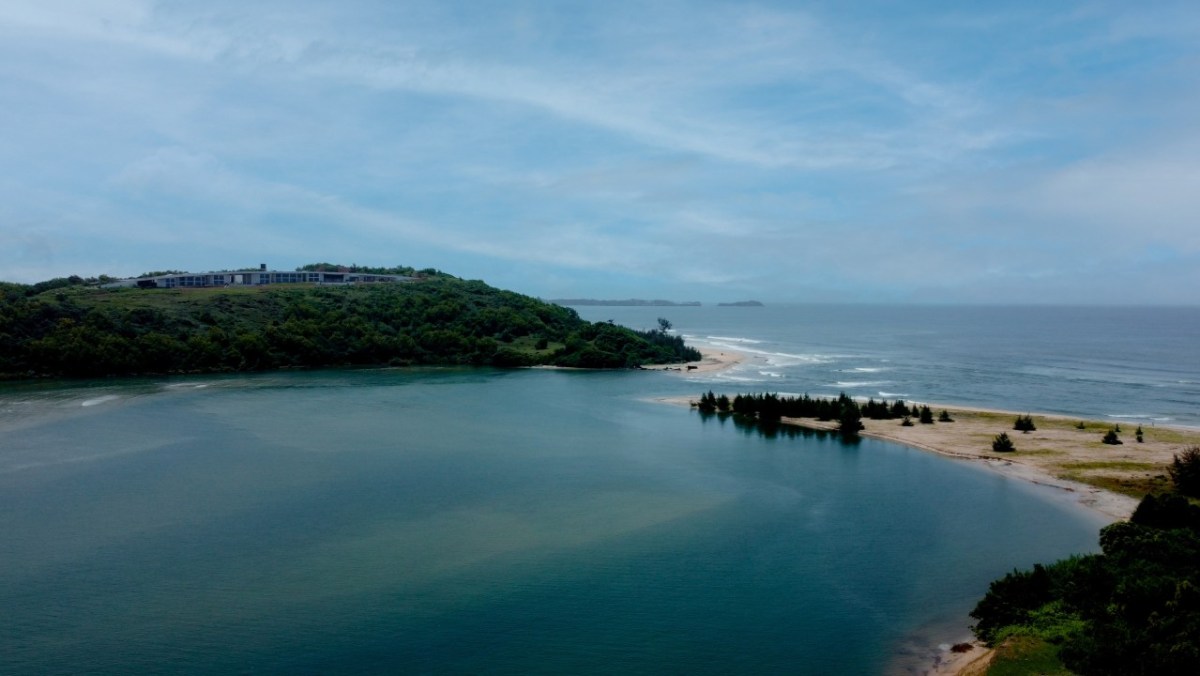
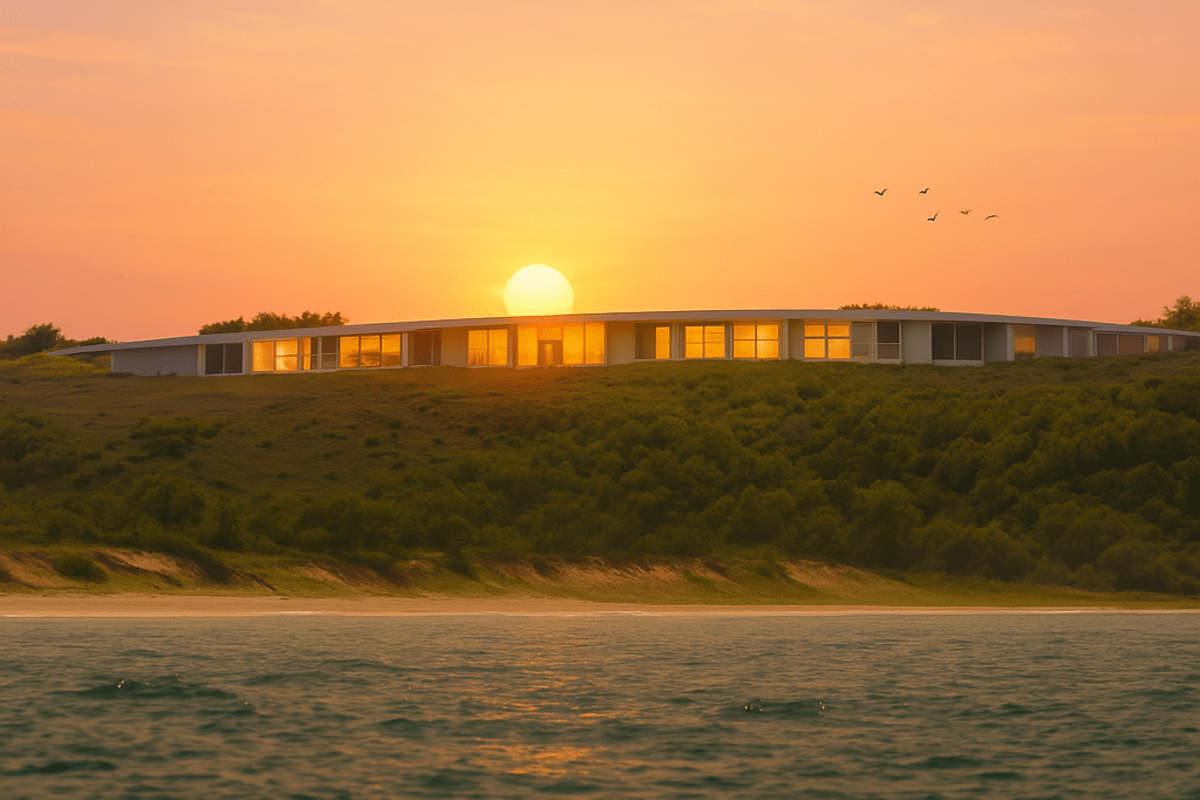
A serene sunset view over the sea, with a modern coastal property silhouetted on a hillside, surrounded by lush greenery.

Set along a quiet stretch of Sindhudurg’s coastline, Araqila by SaffronStays offers a thoughtful stay for those who appreciate design, detail, and a sense of place.

Every room opens to the sea. The structure draws from the architectural language of Konkan’s forts, with open courtyards, stone walls, and long verandahs that frame the horizon.

The interiors are minimal yet warm; local laterite stone, teakwood, linen, and light.
Meals are prepared using regional ingredients, with a focus on freshness and restraint. Slow-cooked curries, seasonal seafood, and home-style Malvani staples are at the heart of every meal.

There are no loud distractions here. No rush. Just space to gather, to retreat, or to do nothing at all.

Araqila isn’t just a stay. It’s a quiet return to the land you’ve been exploring.

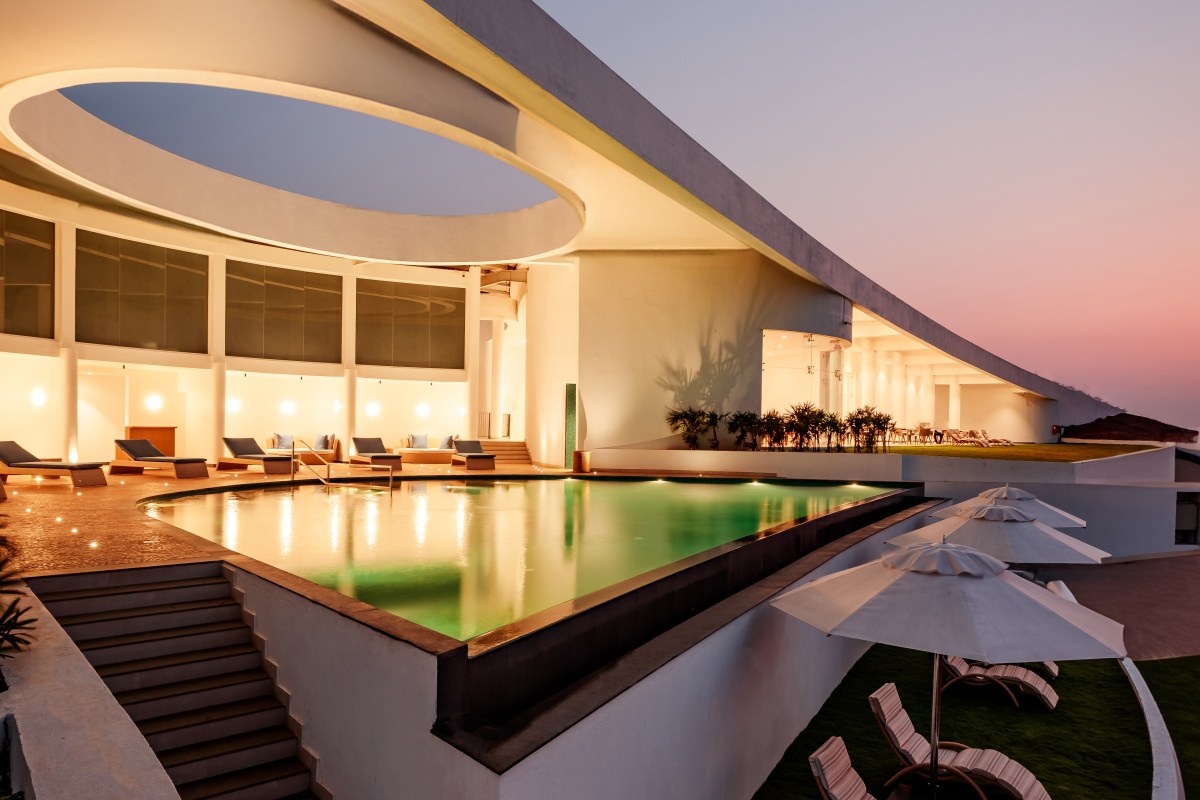
Modern architectural view of Araqila by SaffronStays, featuring a clean white facade, a swimming pool with lounge chairs, and surrounding green landscaping.

Sindhudurg may not be on every map yet. But that’s part of its charm.
It gives you room to slow down, to discover, and to experience luxury that isn’t defined by excess, but by depth.

If you’re planning a trip that feels different from the usual, start here.

Let Sindhudurg unfold on its own terms and let Araqila be your portal to the soul of Sindhudurg.

Flavour Meets Freshness at SanvinaFarm

Hidden away in the heart of Karjat, SaffronStays SanvinaFarm is not your typical countryside escape. This is a luxury farmstay experience, where design meets nature, and comfort blends seamlessly with authenticity.

Surrounded by the mighty Sahyadris on three sides, and kissed by seasonal rivers and monsoon waterfalls, SanvinaFarm is where you wake up to mountain views, breathe in fresh air, and spend your day being wrapped in nature’s quiet luxury.

Wake Up Inside an Architectural Dream

As dawn breaks, sunlight pours in through large glass doors, dancing across interiors that could belong in the pages of Architectural Digest and in fact, they do. With handpicked antique artefacts, earthy textures, and thoughtfully styled living spaces, each corner of SanvinaFarm feels curated, soulful, and deeply personal.

Your morning tea tastes better when sipped on the verandah, overlooking panoramic mountain views that feel almost cinematic.

A luxurious swimming pool surrounded by lush greenery, featuring sun loungers and colorful pool floats, under a bright blue sky with fluffy clouds.

Mornings Are for Slow Living & Farm Trails

Step out for a guided farm tour through the estate’s organic orchards which has oranges, lemons, chikoos and vegetable patches. Learn about local crops, pluck fresh produce, and if you wish, plant your own sapling-a green imprint of your visit.

This is where you pause, breathe, and truly reconnect-with the land and with yourself.

Lunch: A Feast for the Senses

Food at SanvinaFarm isn’t just a meal, it’s an experience. Expect lavish, home-style thalis that celebrate India’s diverse culinary roots.

One day, it could be a flavour-packed Rajasthani thali, complete with gatte ki sabzi and ker sangri; the next day, a robust Bihari spread with litti chokha and chokha-style vegetables. Every dish is lovingly prepared, using farm-fresh ingredients and traditional recipes passed down through generations.

It’s soulful, it’s indulgent, and it’s straight from the heart.

Riverside High Tea: Monsoon Magic Unfolds

As the day softens and the skies turn a gentle grey, make your way down to the riverside for high tea. Picture this: the sound of flowing water, the earthy aroma of wet soil, and a curated spread of local snacks like bhajiyas, vadas, and masala chai, served under a simple canopy.

It’s rustic, real, and incredibly charming.

A person riding an ATV on a dirt path with a backdrop of mountains and a rustic farmhouse surrounded by greenery.
Guests enjoying a game of croquet on the lawn at SaffronStays SanvinaFarm, surrounded by lush greenery and mountains.
A woman riding a bicycle along a dirt path surrounded by lush greenery and mountains in the background.

Adventure Meets Leisure

For the restless soul, there’s ATV riding through forested trails, cycling amid monsoon mist, or even seasonal river rafting (chargeable). Those who prefer leisure over thrill can enjoy a slow game of croquet on the lawns, or spend the evening with a warm drink, soaking in the mountain views from the verandah.

Evenings of Togetherness

As twilight deepens, the estate glows under soft garden lights. Guests often gather at the verandah for laughter-filled conversations, impromptu music sessions, or simply to listen to the sounds of nature-crickets, rustling leaves, and the distant flow of the river.

And when night falls, the clear, unpolluted skies invite you for stargazing-a rare luxury in itself.

A serene outdoor dining area at SaffronStays SanvinaFarm, featuring a round table with tea and snacks, overlooking lush greenery and mountains at sunrise.

With 4 beautifully appointed bedrooms, we highly recommend booking the entire villa for a more exclusive, uninterrupted experience. This ensures privacy, personalized service, and the freedom to enjoy every inch of this luxury farm estate-just for yourself and your group.

Final Thought

SaffronStays SanvinaFarm isn’t just a getaway-it’s a mood, a memory, and a celebration of slow, meaningful living.
Come here for the mountains, stay for the food, and leave with stories you’ll tell for years.

Coorg Monsoon Magic: A Complete Travel Guide (2025)

Coorg isn’t a place that asks for attention. It lets the rain do the talking.

By late June, the coffee plantations start to darken with moisture, roads soften under the weight of the weather, and clouds settle low across the hills. The pace slows, the crowds thin, and what’s left is a version of Coorg that feels quiet, fresh, and deeply local.

If you’re planning a trip to Coorg during the monsoon, this guide offers exactly what you need — not a list of things to do, but a way to experience the region as it truly is this time of year.

What Makes Coorg Special During the Monsoon

The monsoon in Coorg begins around June and lasts until September. During this time, the region transforms into a green retreat. The air smells of wet earth and roasted coffee, the rivers rise, and waterfalls come alive.

It’s not the season for fast-paced travel. It’s for slow mornings, warm meals, and the sound of rain outside your window.

Things to Do (and Not Rush Through)

  • Walk through Coffee Plantations
    Every plantation looks greener in the rains. Guided estate walks near Madikeri or Virajpet let you soak in the sights and the scent of fresh beans and pepper vines.
  • Visit Abbey Falls
    At its most dramatic in July and August, Abbey Falls is loud, misty, and surrounded by dense forest. Mornings are the best time to visit before the fog rolls in.
  • Drive to Mandalpatti
    This viewpoint feels more remote during the monsoon. The off-road trail is bumpy but scenic, and if the mist clears, you’ll get sweeping views of the valley.
  • Dubare Elephant Camp
    The Cauvery river swells during this season, creating a beautiful setting near the elephant camp. Check ahead for access if the rains are heavy.
  • Stop by Raja’s Seat
    Evenings here are quiet. There may not be a sunset, but there’s mist, rain-drenched gardens, and a view that feels peaceful even in low light.

Where to Eat (Especially When It’s Raining)

  • Coorg Cuisine, Madikeri
    Known for authentic Kodava meals — order the pandi curry, kadambuttu, and noolputtu.
  • Taste of Coorg
    A small, local spot offering homemade-style meals. It’s a good stop for lunch after a visit to Abbey Falls.
  • Raintree Restaurant
    A heritage bungalow-turned-restaurant. Perfect for coffee, bamboo shoot curry, and an unhurried afternoon.
A scenic view of lush green coffee plantations in Coorg, with a cascading waterfall in the background surrounded by dense forest.
Beautiful Ramboda waterfall in Sri Lanka island

Tips for Travelling in the Rains

  • Wear sturdy footwear; paths can get muddy
  • Pack a light rain jacket and quick-dry clothes
  • Early mornings are clearer than afternoons
  • Some remote roads may be affected by heavy rain
  • Carry offline maps and basic medicines

Coorg during the monsoon is not for checking off a list. It’s for taking a second cup of coffee. For walks with no destination. For listening to the rain when everything else is still.

Come here expecting less — and you’ll leave with more.

Udaipur in the Monsoon: Ideal Romantic Lake City Escapes

The first raindrop lands softly on the surface of Lake Pichola. A gentle mist rolls in from the Aravalli hills. The white domes of the City Palace glisten with moisture, and the ghats below begin to fill with the smell of petrichor and rose chai. If there’s ever a time to visit Udaipur for romance, reflection, or just a bit of quiet, it is during the monsoon.

This is a guide for travelers visiting Udaipur between July and September 2025. It is for those looking to slow down, soak in the beauty, and experience the lake city as the locals do when it rains.

When to Visit Udaipur in the Monsoon

Monsoon arrives in Udaipur by late June and lasts till mid-September. July is when the city receives its first proper showers. Expect misty mornings, cooler days, and light rain in the evenings. August is lush and green, perfect for lakeside walks. September still carries the freshness of the rains but with clearer skies and easier travel.

If you’re planning a romantic getaway, July and August are ideal. For better weather and accessibility, early September is a great choice.

Why the Monsoon is the Best Time to Visit Udaipur

Udaipur during monsoon is quieter. The tourist rush slows down, which means you can experience the city at your own pace. The lakes brim with water, the gardens come alive, and the palaces feel more atmospheric against a cloudy sky. It’s easier to find quiet spots along ghats or take unhurried boat rides. The temperature also drops, making it pleasant for outdoor strolls and local sightseeing.

What to See in Udaipur During Monsoon

  • Lake Pichola: Go for a morning or sunset boat ride. The views of Jag Mandir and the City Palace from the water are even more striking in monsoon light
  • Monsoon Palace: Sitting atop a hill, this is the best place for panoramic views of the city and its rain-washed surroundings
  • Fateh Sagar Promenade: Walk along the edge of the lake with a cup of chai and roasted corn in hand
  • City Palace Museum: A great indoor option for a rainy afternoon, with quiet galleries and lake-facing balconies
  • Bagore Ki Haveli: Attend the evening cultural show. The setting, with wet courtyards and folk instruments, is unforgettable
  • Saheliyon-ki-Bari: The fountains and rain-fed garden beds are at their best in this season
  • Shilpgram: Udaipur’s rural arts village is a nice detour if you enjoy crafts, rain-washed mud walls, and local snacks
  • Neemach Mata Temple: Perched on a hill with a view of Fateh Sagar, the climb is worth it in this weather
  • Ubheshwar Ji Temple: Less crowded and peaceful, surrounded by seasonal waterfalls and green valleys
  • Rayta Hills: A hidden gem just outside Udaipur for those who want views and silence

3-Day Monsoon Itinerary for Udaipur

Day 1
Arrive in Udaipur and check in. Start with a boat ride on Lake Pichola to set the mood. Stop by Jag Mandir and return in time to explore the City Palace Museum. In the evening, attend the cultural show at Bagore Ki Haveli.

Day 2
After breakfast, head to the Monsoon Palace. The drive up is scenic, especially with clouds rolling over the hills. Later, visit Fateh Sagar Lake for a quiet walk. Stop by Saheliyon-ki-Bari and spend the late afternoon browsing crafts at Shilpgram.

Day 3
Begin your day with a short hike to Neemach Mata Temple. If you’re feeling adventurous, drive to Ubheshwar Ji Temple or explore the Rayta Hills. These lesser-known spots are especially beautiful during the rains. Return, have lunch by the lake, and head out.

Travel Tips for the Monsoon Season

  • Carry a light rain jacket or umbrella. Rains are frequent but not heavy
  • Wear good footwear as the ghats and hill paths can be slippery
  • Book your boat rides early, as operations may pause during heavier spells
  • Always check road conditions if heading to outer areas like Rayta or Ubheshwar
  • Avoid planning tight schedules, as rains can delay movement

It’s hard to describe how peaceful Udaipur feels when it rains. The palaces don’t just shine. They breathe. The lakes become mirrors for the sky. And the rhythm of the city slows just enough for you to notice the small things — a boatman adjusting his oar, a cow sheltering under a tree, the smell of sandalwood and fresh rain in the temple corridors.

If you’ve been waiting for a sign to visit Rajasthan during the off-season, this is it. Udaipur in the monsoon isn’t loud or crowded. It is softer, greener, and more romantic than you’d expect.

Exploring Munnar: Top Monsoon Getaway for 2025

There’s something different about Munnar when it rains. The air smells of tea leaves and wet earth, clouds drift through the valleys, and waterfalls return to life, tumbling down the hillsides. If you’re thinking of a monsoon getaway in 2025, Munnar is a quiet, green escape that’s perfect for slow travel.

This guide will walk you through everything you need — from the best time to visit and what to expect, to a simple 3-day itinerary designed for the season.

When to Visit Munnar During Monsoon

Munnar’s monsoon season begins in June and winds down by September. Early rains in June bring a fresh green cover across the hills. July is usually the wettest month, with frequent showers and misty mornings. By August, the rains begin to ease, and September offers clearer skies while still holding on to the post-monsoon freshness.

If you’re looking for solitude and don’t mind some rain, July is a great time. For better road conditions and easier travel, September is ideal.

Scenic view of rolling hills and tea plantations in Munnar, partially covered by mist and clouds.

Why Visit During the Rains

Munnar during the monsoon is peaceful. Tourist crowds are fewer, the landscapes are greener, and the prices, from hotels to local experiences, are far more affordable. Tea gardens look their best in the rains, and waterfalls like Attukal and Cheeyappara are full and flowing. If you’ve been looking for a quiet, scenic destination where you can simply relax, this is it.

The monsoon is also considered the best time for Ayurvedic treatments. The body is more receptive in the moist weather, and many centres offer massages, herbal therapies, and wellness packages during this time.

What to See in Munnar During Monsoon

  • Attukal Waterfalls: Just outside town, surrounded by hills and greenery. Best seen after light showers
  • Cheeyappara & Valara Falls: Visible from the Kochi-Munnar highway. Ideal for quick stops and photos
  • Lakkom Falls: A quieter, forest-side waterfall near Marayoor, great for peaceful nature time
  • Kolukkumalai Tea Estate: One of the world’s highest tea plantations with scenic views and misty trails
  • Lockhart Tea Museum: Offers tea tasting and insights into Munnar’s plantation history
  • Mattupetty Dam: Calm reservoir setting, often mist-covered. Boating available if conditions allow
  • Kundala Lake: Surrounded by forest, with options for paddle boating when the weather is clear
  • Eravikulam National Park: Opens by late monsoon. Spot Nilgiri Tahr and walk through rolling meadows
  • Pothamedu Viewpoint: Offers panoramic views of tea gardens and hills, especially after the rain
  • Spice Plantations: Guided walks through cardamom, pepper, and clove estates with fresh spice shops

3-Day Monsoon Itinerary for Munnar

Day 1
Arrive in Munnar and check in to your stay. If you’re driving from Kochi, pause at Cheeyappara Falls en route. After a quick rest, visit Attukal Waterfalls, which is especially beautiful after light rain. In the evening, head to the Lockhart Tea Museum for a relaxed walk through the gardens and a fresh cup of tea.

Day 2
Begin with a visit to Kundala Lake. If the weather is calm, enjoy a short boat ride. Continue to Mattupetty Dam, where you can walk along the edge and take in the views. After lunch, explore a nearby spice plantation and learn about pepper, cinnamon, and cardamom cultivation. In the evening, opt for an Ayurvedic massage to unwind.

Day 3
Take a short drive to Lakkom Falls. The area around it is quiet and forested, a great spot to spend a slow morning. On your way back, stop at Pothamedu Viewpoint for panoramic views of Munnar’s tea gardens. After lunch, begin your journey back to Kochi.

A misty mountain landscape in Munnar, showcasing lush green hills and a hidden waterfall flowing down the rocky cliffs, with clouds hanging low in the sky.
Representation image

A Few Tips to Keep in Mind

Pack a raincoat and sturdy shoes as the trails can be slippery. The Internet may be patchy in some parts, so download maps in advance. Most importantly, plan your drives around the weather and avoid venturing too close to waterfall edges.

Monsoon in Munnar isn’t for those looking to tick off ten tourist spots in a day. It’s for travellers who enjoy the slower pace; long walks in the rain, reading by the window, and waking up to the sound of waterfalls in the distance. If that’s your kind of holiday, July to September is the best time to experience Munnar differently. Quieter. Greener. And a little more alive.

A Taste of the Hills: Must-Try Pahadi Dishes for Your Uttarakhand Vacation

You don’t just visit Uttarakhand. You feel it. In the crisp mountain air scented with pine, in the stillness broken only by distant temple bells, and most vividly, in the food. The cuisine here is more than sustenance. It is a whisper of the hills, a collection of recipes passed down through generations, simmered slow, served warm, and always accompanied by a story.

If you are planning a journey through Dehradun, Mussoorie, Rishikesh, Nainital, Mukteshwar or Bhimtal, this is your invitation to explore the region one dish at a time. Let each meal be a memory, and every bite, a postcard from the mountains.

Kafuli: The Soul of Garhwal in a Bowl

A bowl of Kafuli, a green spinach stew, garnished with cream, accompanied by a piece of roti, set on a rustic cloth background.

Somewhere in the terraced villages near Mussoorie, a pot of Kafuli simmers on a wood-fired stove. It is made from fresh spinach or fenugreek leaves, slow-cooked and thickened with rice flour until it turns into a comforting, green stew. The aroma is earthy, the flavor deeply herbal and nourishing. Served with rice, Kafuli is Uttarakhand on a plate – wholesome, humble, and grounding.

Where to try it: Kalsang Ama Café, Dehradun

Aloo Ke Gutke with Bhang Ki Chutney: A Spicy, Nutty Affair

A bowl of golden, crispy Aloo Ke Gutke potatoes seasoned with cumin seeds, served alongside a bowl of lentil curry on a floral-patterned napkin, with lime wedges for garnish.

Golden chunks of potatoes, crisped in mustard oil and tossed with jakhiya seeds, make Aloo ke Gutke a staple across roadside stalls and family kitchens alike. But its perfect companion is the lesser-known star — Bhang ki Chutney. Made with roasted hemp seeds, green chillies and tamarind, this chutney is sharp, nutty and unforgettable.

Where to try it: Ellora’s Melting Moments, Dehradun

Chainsoo: Roasted, Rustic, Real

A copper bowl filled with green stew, Kafuli, accompanied by a mound of steamed white rice, garnished with green chilies and red spices, set against a textured background.

Chainsoo starts with black gram, roasted until nutty and aromatic, then ground and simmered with garlic and mustard oil into a thick, protein-rich curry. The dish is dark, smoky and robust. The kind you eat in the still chill of a Mukteshwar evening, sitting beside a pinewood fire with the scent of oak leaves drifting through the window.

Where to try it: Café Chandi Mati, Mukteshwar

Garhwal Ka Fannah and Phaanu: The Lentils of Legacy

A bowl of rich, dark curry, garnished with a swirl of cream and fresh coriander, served alongside rice, flatbreads, and fresh vegetables on a yellow napkin.

Lentils take on a ceremonial tone in the mountains. Fannah, made with whole black lentils, is slow-cooked to achieve a deep, velvety texture. Phaanu, often made from Gahat (horse gram), is lighter, soupier and perfect on cold days. Both are rich in protein and deeply satisfying.
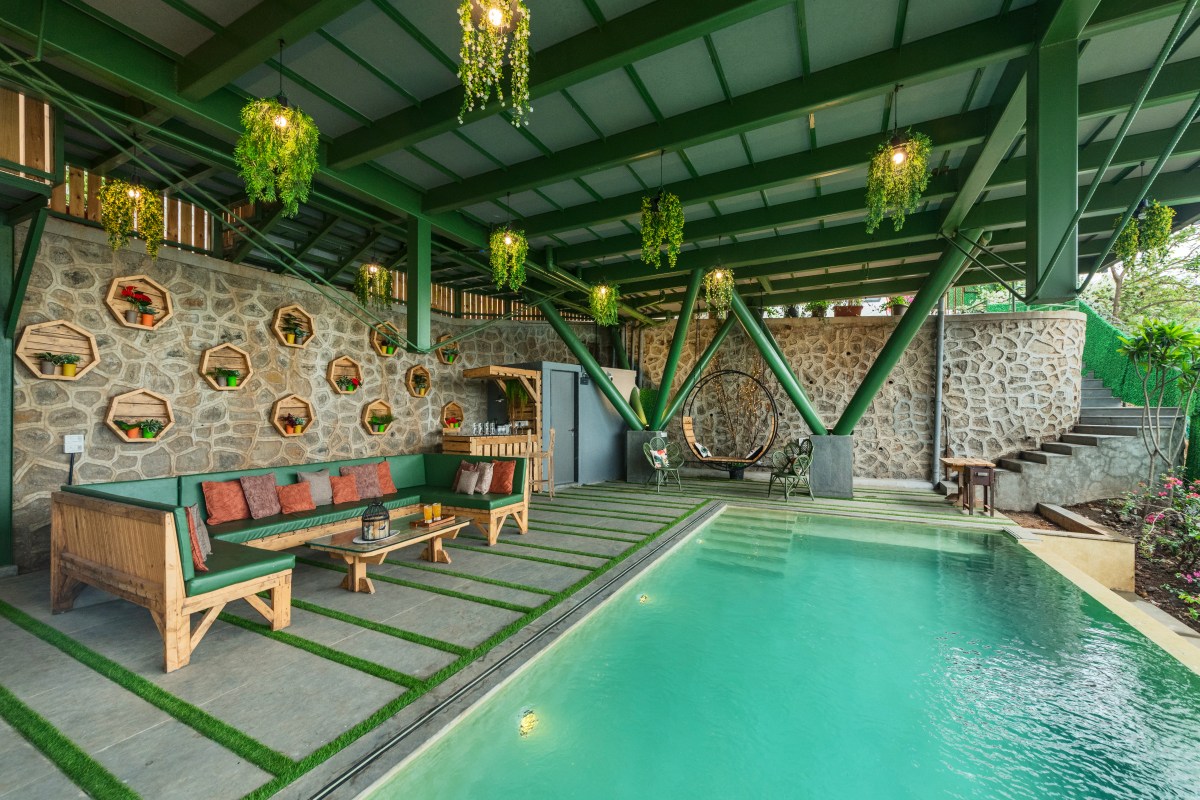
Where to try it: Café Local, Mukteshwar

Kandalee Ka Saag: Wild and Wholesome

A bowl of Kafuli, a green stew made from fresh spinach, topped with a dollop of cream, served in a black cast iron dish, accompanied by green chilies and a small bowl of spices.

Made from stinging nettle or Bichhu ghaas, this dish speaks of foraging traditions and local wisdom. Boiled and tempered with garlic and cumin, Kandalee Ka Saag is slightly gritty, beautifully bitter and full of nutrition. A taste of the forest, quite literally.

Where to try it: Nirvana Organic Kitchen, Mukteshwar

Kumaoni Raita and Jhangora Ki Kheer: Cool Comfort and Sweet Farewells

A bowl of Kumaoni Raita topped with fresh coriander leaves, served in a decorative dish.

To offset the spice and heat, there’s the refreshing Kumaoni Raita — yogurt mixed with grated cucumber or pumpkin, tempered with mustard seeds and green chilies. And no meal ends without Jhangora Ki Kheer, a delicate pudding made from barnyard millet, milk, cardamom and sugar. These are the quiet finishers. The ones that leave you smiling long after the plates are cleared.

Where to try them: Himalayan Roots Café, Almora and Café Buransh, Kausani

Pahadi Food Isn’t Just What You Eat. It’s Where You Eat It.

Food in Uttarakhand is as much about place as it is about palate. A plate of Kafuli tastes richer when eaten in a quiet café with views of pine slopes. A bowl of Phaanu feels warmer when it comes after a misty trek. These dishes do not rush. They ask you to sit, breathe, and belong.

Planning a Mountain Trip? Let Your Tastebuds Guide You.

From spice-laced potatoes to wild greens and ancient grains, Pahadi food is not just regional — it is seasonal, mindful, and deeply personal. Choose the thali over the burger. Pick Gutke over fries. Let your journey through Uttarakhand be marked not just by where you went, but by what you tasted.

Explore Maharashtra: Best Weekend Trips in Monsoon

When the skies open and the landscape turns a lush green, most people retreat indoors. But monsoon in Maharashtra? That’s when it truly comes alive.

From cascading waterfalls in the Sahyadris to quiet hot springs and misty vineyards, here are the best monsoon weekend getaways near Mumbai and Pune. Whether you’re in the mood for adventure, heritage, or pure relaxation, there’s a route waiting for you on the map.

Nashik: For Wine Trails and Sacred Hills

A scenic view of lush green vineyards with a modern building in the background, set against a backdrop of rolling hills under a blue sky.

Thanks to the Samruddhi Mahamarg Expressway, reaching Nashik from Mumbai has never been faster or smoother. What once took nearly 4 hours is now a breezy 2 to 2.5-hour drive through well-maintained roads and scenic countryside.

Widely known as the Wine Capital of India, Nashik offers vineyard tours, cellar tastings, and gourmet experiences that feel straight out of Napa.

At Sula Vineyards, York, and Grover Zampa, you’ll find everything from Chardonnay and Zinfandel to Sauvignon Blanc and Pinot Noir. Book a wine-tasting session or enjoy a monsoon brunch overlooking the mist-kissed vineyards.

Those looking to lace up their hiking boots should head to Anjaneri Fort, believed to be the birthplace of Lord Hanuman. The trek is beginner-friendly and passes Jain temples and the only known shrine dedicated to Anjani Maata, Hanuman’s mother.

For a spiritual experience, visit Trimbakeshwar Temple, one of the twelve Jyotirlingas of Lord Shiva and the source of the Godavari River, India’s second-longest river.

Travel Tip: Take a weekday off and drive via the Samruddhi Expressway to avoid weekend rush and truly enjoy the ride.

Alibaug and Dapoli: Where Forts Meet the Sea

Alibaug: Monsoon by the Coast

A thatched gazebo with a round table set for a meal, surrounded by lush greenery and palm trees, overlooking a coastal view.

With the Atal Setu sea bridge now operational, Alibaug is just 45 minutes from Navi Mumbai, making it one of the most accessible weekend destinations from the city. You can also take the Ro-Ro ferry from Princess Dock to Mandwa Port for a scenic sea journey.

During the rains, Alibaug’s ancient forts and breezy coastline take on a raw, dramatic beauty. Explore Korlai Fort, perched on a narrow stretch of land with panoramic views of the roaring sea. Its residents still speak a creole known as Korlai Portuguese, a living remnant of its colonial past.

A short drive away is Revdanda Fort, now a moss-draped marvel perfect for monsoon photography.

After your coastal history tour, dig into Konkani seafood staples like bombil fry, surmai thali, crab curry, and a refreshing glass of sol kadhi.

Dapoli: Offbeat and Serene

Prefer quieter coastlines? Take a longer drive via the Mumbai–Goa Highway and you’ll arrive at Dapoli, a hidden gem that comes alive in the monsoon.

One of its best-kept secrets is the Unhavare Hot Springs, located about 30 to 40 minutes from Dapoli town. Nestled in a small village and surrounded by dense greenery, these natural sulphur springs bubble up near the river, creating a rustic open-air spa. Locals swear by their therapeutic powers, especially for skin conditions and joint relief.

After your soak, head to Ladghar Beach, where the red-sand shoreline glows crimson at dusk. Or visit Murud Beach, known for its dolphin sightings, even in the rain.

Why Now? Atal Setu has significantly reduced travel time to Alibaug and is a game-changer for spontaneous monsoon escapes.

Khopoli and Pali: For Waterfalls and Adrenaline

A tranquil outdoor pool surrounded by lush greenery and trees, offering a serene getaway during the monsoon season.

Chasing Waterfalls in Khopoli

Less than 90 minutes from Mumbai, Khopoli is a monsoon paradise. The region’s star attractions, Zenith Waterfall and Kune Falls, are at their most glorious during the rains. A short trek leads you through lush jungle, culminating in the sight of thundering water cascading from basalt cliffs.

These treks aren’t just scenic. They’re also safe for beginners and often punctuated by spontaneous streams and natural rock pools.

Thrills and Spiritual Trails

Just a half-hour from Khopoli is Imagicaa Theme Park, one of India’s best amusement parks. With indoor and outdoor rides, rain isn’t a deterrent. It only adds to the fun.

A short detour takes you to Ballaleshwar Temple in Pali, one of the eight Ashtavinayak temples dedicated to Lord Ganesha. This 13th-century shrine, rebuilt in stone in the 1700s, is the only one named after a devotee, Ballal.

Getting There: Take the scenic Mumbai–Goa highway. Expect lush green views, roadside stalls with bhutta, and plenty of photo ops.

Travel Tips for Monsoon Getaways

  • Pack Smart: Quick-dry clothes, waterproof shoes, a rain jacket, mosquito repellent, and a power bank
  • Drive Safely: Avoid night drives. Monsoon roads can be slippery and visibility poor
  • Book in Advance: Especially for vineyard tours and beachside villas
  • Local Delicacies to Try: Misal pav in Nashik, sol kadhi and crab curry in Alibaug, modaks in Pali
Two women enjoying drinks by a pool with a scenic view of a mountainous landscape.

Frequently Asked Questions

What are the best monsoon weekend getaways from Mumbai?

Top picks include Nashik for vineyards, Alibaug for beach forts, Dapoli for offbeat serenity, and Khopoli–Pali for waterfalls and temples.

How does the Atal Setu bridge help in reaching Alibaug?

It cuts travel time dramatically. Now you can reach Alibaug from Navi Mumbai in under 45 minutes, bypassing usual traffic snarls.

How long does it take to drive to Nashik via the Samruddhi Expressway?

Roughly 2 to 2.5 hours, compared to the 4-hour route earlier. This makes Nashik a feasible short weekend trip.

Can we visit waterfalls near Khopoli during the monsoon?

Yes. Zenith and Kune waterfalls are at their peak between July and early September and are popular with both families and trekkers.

Is Imagicaa open during the monsoon?

Absolutely. Imagicaa offers indoor and outdoor rides, making it a solid all-weather option.

Maharashtra’s monsoon is more than rain. It’s renewal. With new infrastructure like the Atal Setu and Samruddhi Mahamarg making weekend travel faster and easier, now is the perfect time to explore lesser-known gems and rediscover favourites.

So pack your bags, chase the clouds, and let the rain show you a different side of the state.

Plan Your Perfect Mulshi Monsoon Getaway Near Pune

When the monsoon arrives, Mulshi becomes one of the most sought-after destinations near Pune and Mumbai. The hills turn green, the lakes fill up, and the entire landscape offers a refreshing escape from the city. Whether you are looking for a quiet weekend retreat or a base to explore Mulshi attractions during monsoon, this region delivers.

Why Mulshi is the Go-To Monsoon Destination Near Pune

Mulshi offers the right mix of accessibility and natural beauty. Located around 50 km from Pune and 150 km from Mumbai, it is easy to reach for a weekend getaway. The drive itself is memorable, with scenic roads, mist-covered ghats, and small waterfalls along the way.

During monsoon, Mulshi attracts travellers who want:

  • A peaceful lakeside retreat
  • Short treks to waterfalls
  • Scenic drives through rain-washed ghats
  • Privacy and quiet surrounded by nature
A scenic view of lush greenery in Mulshi, with mist-covered hills and a glimpse of a lake under a cloudy sky. The image captures a serene retreat surrounded by nature, ideal for relaxing during the monsoon season.

Top Attractions in Mulshi During Monsoon

The beauty of Mulshi during monsoon lies in its simplicity. Here are key spots worth visiting:

Mulshi Dam

A central feature of the region, Mulshi Dam fills up during the rains, creating expansive views. Its backwaters are ideal for lakeside picnics or a quiet walk.

Tamhini Ghat

A scenic drive near Mulshi, Tamhini Ghat is famous for misty valleys, waterfalls, and forest views. It is a must-visit during monsoon, popular with photographers and nature lovers.

Temgarh Dam

About 30 minutes from SaffronStays SATORI Mulshi, Temgarh Dam is a peaceful spot that is especially beautiful during the monsoon months.

Waterfall Trails

Small waterfalls appear along various forest paths in Mulshi during monsoon. These hidden spots can be reached with gentle walks or short treks.

Scenic Drives

Every route near Mulshi in monsoon offers a different view, from cloud-covered hilltops to fields of wildflowers.

SaffronStays SATORI Mulshi: Your Private Monsoon Retreat in Mulshi

A luxurious villa pool area at SaffronStays SATORI Mulshi, surrounded by lush greenery and a cozy building in the background, during dusk.

SaffronStays SATORI Mulshi is an uber-luxurious retreat that blends five-star comfort with a deep connection to nature. It offers three-sided views of Mulshi Lake, with the hills of Tamhini Ghat and surrounding plantations completing the picture.

At SaffronStays SATORI Mulshi, guests enjoy:

  • Flexible villa combinations to suit group size, from 2-bedroom villas to a 7-bedroom villa with 270-degree water and mountain views
  • A massive communal pool for a refreshing dip
  • The Nest, a grand communal space with a pool table, television, and board games
  • Pickleball court, cycling, and guided estate walks
  • Farm-to-table dining, al fresco meals, and cosy barbecue nights
  • Space for special celebrations such as birthdays, anniversaries, intimate weddings, or corporate offsites

Guests can explore the Nakshatra garden, herb garden, medicinal farm, fruit and vegetable farms, and flower plantations. The estate touches Mulshi Lake, offering direct access to lakeside experiences.

Monsoon Travel Tips for Mulshi Visitors

  • Best time to visit: Late June to early September
  • What to pack: Rain jackets, comfortable walking shoes, mosquito repellent
  • Road condition: The routes from Pune and Mumbai are well-maintained, but expect slower travel during heavy rains
  • Itinerary tip: Plan a mix of relaxation at the villa and short excursions to nearby attractions
Exterior view of SaffronStays SATORI Mulshi, a wooden villa surrounded by greenery and illuminated at dusk.

FAQs on Mulshi Monsoon Getaways

  • What is the best time to visit Mulshi during monsoon?
    The ideal period is from late June to early September when the surroundings are at their greenest.
  • How far is Mulshi from Pune and Mumbai?
    Mulshi is about 50 km from Pune and 150 km from Mumbai.
  • Are there luxury stays in Mulshi for monsoon travellers?
    Yes. SaffronStays SATORI Mulshi is among the top choices for a Mulshi villa stay offering privacy, comfort, and stunning views.
  • Is Mulshi safe to visit during monsoon?
    Yes. The roads are safe, but caution is advised on the ghats and during heavy downpours.
Two people seated on high stools at a terrace, toasting with drinks while overlooking a scenic view of a lake and mountain landscape under a cloudy sky.

Plan Your Mulshi Monsoon Escape

If you want to experience the best of Mulshi during monsoon, SaffronStays SATORI Mulshi offers the perfect blend of luxury and nature. With spectacular lake views, five-star amenities, and easy access to the region’s attractions, it is an ideal choice for your next weekend getaway.

Book your stay at SaffronStays SATORI Mulshi today and discover why Mulshi is the monsoon destination of choice near Pune and Mumbai.

Intimate Celebrations: Embracing Smaller Gatherings

There was a time when “celebrating” meant booking a massive banquet hall, sending invites to a few hundred people (some of whom you barely knew), and spending an entire day hopping between rituals, photos, and formalities.

But lately, something has changed. People are beginning to realise that bigger doesn’t always mean better. It’s not about how many people show up, but how many truly matter.

That’s why more and more folks are swapping those 200-guest venues for something a little more personal. Think charming villas tucked away in the hills, sunlit lawns, cozy living rooms, and spaces where laughter echoes and every face is familiar. These aren’t just places. They’re experiences. And they’re redefining how we celebrate life’s most important moments.

Real People, Real Celebrations

This isn’t just a trend you scroll past on Instagram. We’ve seen it unfold first-hand. Couples starting their forever with just their closest ones around, parents throwing sweet, low-key birthday parties for their kids, and retirees marking milestone anniversaries with family by their side.

Even people in the spotlight are choosing this route. Take digital creator Prajakta Koli (MostlySane) for instance. Earlier this year, she tied the knot in a quiet ceremony in Karjat. No elaborate stage. No 300-person guest list. Just a lovely villa, fairy lights, close friends and family, and memories that will last a lifetime.

And that moment struck a chord with so many. It showed us that meaningful doesn’t have to be massive. All you need is a beautiful space, people you love, and a celebration that feels like you.

From influencers to young professionals, from celebrities to grandparents, everyone is leaning toward experiences that are less about the crowd and more about connection.

Why Villas Are the New Banquet Halls

An outdoor dinner party in a villa garden at night, featuring a group of friends gathered around a table with food, drinks, and fairy lights, while a person cooks on a barbecue.

So why are people choosing villas over banquet halls? Simple. Because they offer so much more than just a venue.

Privacy like never before
When you book a villa, you’re not sharing it with strangers or worrying about interruptions. It’s your own space entirely. No hotel staff hovering around. No back-to-back bookings. Just you and your people.

The freedom to celebrate your way
Want to host a poolside sundowner with cocktails and a live band? Or maybe a lawn mehendi with floral swings and dholaks? Or a chill bonfire dinner that lasts till midnight? You don’t need approvals or expensive add-ons. You just need ideas, and we help bring them to life.

A celebration and staycation rolled into one
Our villas come with stay options for anywhere between 10 to 50 guests. That means no running around coordinating hotel bookings or worrying about who is sleeping where. Everyone is in one place, under one roof, just like it should be.

More quality time
With a smaller guest list, you actually get to spend time with everyone. Share a laugh over breakfast. Catch up during a long lunch. Dance together after dinner. It’s not a blur. It’s a memory in the making.

Celebrations of Every Kind, Every Vibe

Group of friends enjoying a fun day in a swimming pool, with one person sitting on a large inflatable swan. They are wearing colorful flower leis and are surrounded by lush greenery.

At SaffronStays, we’ve hosted all sorts of celebrations and each one has been special in its own way.

Dreamy micro-weddings at quiet villas. Big milestone anniversaries with extended families. Bachelorette weekends filled with giggles and wine. Kitty parties turned gourmet brunches. And warm, heartfelt reunions in homes perched on scenic hilltops.

We’ve seen how even the simplest get-togethers can become unforgettable when they’re personal, thoughtful, and held in a space that feels like home.

Where SaffronStays Comes In

A group of four people enjoying a fun outdoor gathering on the lawn of a villa, with a swimming pool nearby, playing games and sharing refreshments in a sunny setting.

With villas spread across Alibaug, Lonavala, Karjat, Mulshi and other stunning locations, we offer more than just a pretty space. We offer homes that are warm, inviting, and perfect for small, meaningful gatherings.

Here’s what you can expect in every SaffronStays home:

  • Manicured lawns and lush gardens
  • Tastefully done-up interiors and spacious dining areas
  • Chef-prepared meals with menus that mix comfort and flair
  • Celebration zones both indoors and under the open sky
  • Cozy, comfortable bedrooms for all your guests

A Final Thought

A group of friends posing together with a scenic sunset backdrop, standing on a lush green lawn by a body of water, showcasing a joyful and intimate celebration.

In a world that’s always buzzing, rushing, and scrolling, sometimes the most beautiful moments are the ones that slow you down. A shared cup of coffee in the morning sun. A song playing while everyone dances barefoot. A night sky full of stars and silence.

That’s what intimate celebrations are all about. Choosing presence over pretense. Joy over grandeur.

And if that’s what you’re looking for, we’d love to be a part of it.

Let’s celebrate, together.