A Taste of the Hills: Must-Try Pahadi Dishes for Your Uttarakhand Vacation

You don’t just visit Uttarakhand. You feel it. In the crisp mountain air scented with pine, in the stillness broken only by distant temple bells, and most vividly, in the food. The cuisine here is more than sustenance. It is a whisper of the hills, a collection of recipes passed down through generations, simmered slow, served warm, and always accompanied by a story.

If you are planning a journey through Dehradun, Mussoorie, Rishikesh, Nainital, Mukteshwar or Bhimtal, this is your invitation to explore the region one dish at a time. Let each meal be a memory, and every bite, a postcard from the mountains.

Kafuli: The Soul of Garhwal in a Bowl

A bowl of Kafuli, a green spinach stew, garnished with cream, accompanied by a piece of roti, set on a rustic cloth background.

Somewhere in the terraced villages near Mussoorie, a pot of Kafuli simmers on a wood-fired stove. It is made from fresh spinach or fenugreek leaves, slow-cooked and thickened with rice flour until it turns into a comforting, green stew. The aroma is earthy, the flavor deeply herbal and nourishing. Served with rice, Kafuli is Uttarakhand on a plate – wholesome, humble, and grounding.

Where to try it: Kalsang Ama Café, Dehradun

Aloo Ke Gutke with Bhang Ki Chutney: A Spicy, Nutty Affair

A bowl of golden, crispy Aloo Ke Gutke potatoes seasoned with cumin seeds, served alongside a bowl of lentil curry on a floral-patterned napkin, with lime wedges for garnish.

Golden chunks of potatoes, crisped in mustard oil and tossed with jakhiya seeds, make Aloo ke Gutke a staple across roadside stalls and family kitchens alike. But its perfect companion is the lesser-known star — Bhang ki Chutney. Made with roasted hemp seeds, green chillies and tamarind, this chutney is sharp, nutty and unforgettable.

Where to try it: Ellora’s Melting Moments, Dehradun

Chainsoo: Roasted, Rustic, Real

A copper bowl filled with green stew, Kafuli, accompanied by a mound of steamed white rice, garnished with green chilies and red spices, set against a textured background.

Chainsoo starts with black gram, roasted until nutty and aromatic, then ground and simmered with garlic and mustard oil into a thick, protein-rich curry. The dish is dark, smoky and robust. The kind you eat in the still chill of a Mukteshwar evening, sitting beside a pinewood fire with the scent of oak leaves drifting through the window.

Where to try it: Café Chandi Mati, Mukteshwar

Garhwal Ka Fannah and Phaanu: The Lentils of Legacy

A bowl of rich, dark curry, garnished with a swirl of cream and fresh coriander, served alongside rice, flatbreads, and fresh vegetables on a yellow napkin.

Lentils take on a ceremonial tone in the mountains. Fannah, made with whole black lentils, is slow-cooked to achieve a deep, velvety texture. Phaanu, often made from Gahat (horse gram), is lighter, soupier and perfect on cold days. Both are rich in protein and deeply satisfying.

Where to try it: Café Local, Mukteshwar

Kandalee Ka Saag: Wild and Wholesome

A bowl of Kafuli, a green stew made from fresh spinach, topped with a dollop of cream, served in a black cast iron dish, accompanied by green chilies and a small bowl of spices.

Made from stinging nettle or Bichhu ghaas, this dish speaks of foraging traditions and local wisdom. Boiled and tempered with garlic and cumin, Kandalee Ka Saag is slightly gritty, beautifully bitter and full of nutrition. A taste of the forest, quite literally.

Where to try it: Nirvana Organic Kitchen, Mukteshwar

Kumaoni Raita and Jhangora Ki Kheer: Cool Comfort and Sweet Farewells

A bowl of Kumaoni Raita topped with fresh coriander leaves, served in a decorative dish.

To offset the spice and heat, there’s the refreshing Kumaoni Raita — yogurt mixed with grated cucumber or pumpkin, tempered with mustard seeds and green chilies. And no meal ends without Jhangora Ki Kheer, a delicate pudding made from barnyard millet, milk, cardamom and sugar. These are the quiet finishers. The ones that leave you smiling long after the plates are cleared.

Where to try them: Himalayan Roots Café, Almora and Café Buransh, Kausani

Pahadi Food Isn’t Just What You Eat. It’s Where You Eat It.

Food in Uttarakhand is as much about place as it is about palate. A plate of Kafuli tastes richer when eaten in a quiet café with views of pine slopes. A bowl of Phaanu feels warmer when it comes after a misty trek. These dishes do not rush. They ask you to sit, breathe, and belong.

Planning a Mountain Trip? Let Your Tastebuds Guide You.

From spice-laced potatoes to wild greens and ancient grains, Pahadi food is not just regional — it is seasonal, mindful, and deeply personal. Choose the thali over the burger. Pick Gutke over fries. Let your journey through Uttarakhand be marked not just by where you went, but by what you tasted.
‘Ripe Choice’: Apple Orchards of Thanedhar Estate

apple orchards of Himachal Pradesh

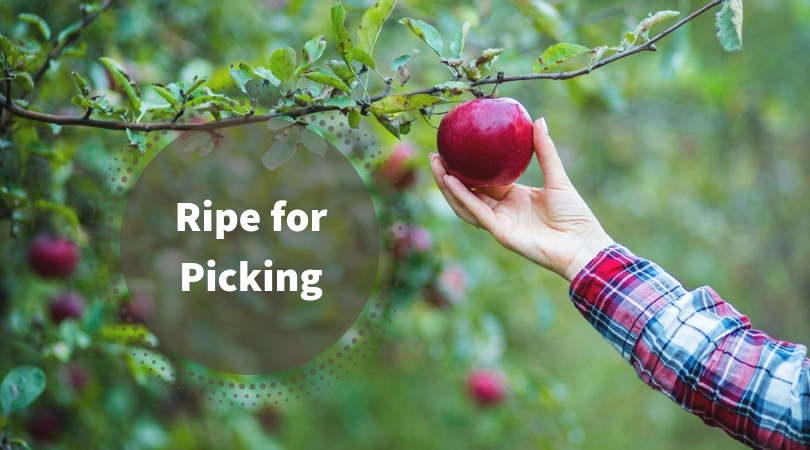
As the snow starts to melt and spring rolls around, the long stretches of apple orchards of Himachal Pradesh bloom in colours ranging from subtle green to luscious red. Drive through the streets and you’ll see the workers picking and carting the apples in the triangular baskets attached to their backs as well as the markets bursting with fresh produce. With the apple orchards blooming everywhere, the heady smell of ripe apples perfumes the fresh Pahadi air.

Thanedhar Estate, apple orchards of Shimla

A Lesson in History

Himachal Pradesh is India’s second-largest producer of the fruit. It’s been almost a century since apples were first introduced to the valley. In 1870, a British army officer introduced a variety of English apples to Kullu Valley. Since they were sour for the Indian palate, it didn’t catch the attention of the farmers.

In 1915, Samuel Stokes was responsible for apple cultivation in India. Belonging to the distinguished Quaker family and an American missionary working in the leper colony of Shimla, he brought a few saplings of the new strain of apples, Red Delicious, from a nursery in Louisiana. They were planted in his orchard in Thanedhar village where the first trees bore fruit in 1926. Soon, the farmers came around following the popularity of this sweeter variety of apples. The locals switched out wheat for apples. 100 years later, the apple orchards of Himachal Pradesh contribute largely to the state’s economy.

Thanedhar Estate, apple orchards of Himachal Pradesh
Time to go apple picking at Thanedhar Estate!
apple orchards in Himachal Pradesh, Thanedhar Estate
Wander through the orchards of Thanedhar Estate

Experiencing the Heritage at Thanedhar Estate

Set in the timeless city of Shimla is a 4-bedroom villa on a hilltop, SaffronStays Thanedhar Estate. Nestled on an apple orchard, this estate has a legacy of 100 years. The family has a close connection with Samuel Satyanand Stokes, the pioneer of apple cultivation. Experience the rich heritage pulsing through the air as you take a walk amidst the fruit-laden boughs.

Set on a hilltop, Thanedhar Estate offers expansive views of the surrounding orchards. Rows and rows of apple, as well as cherry trees, line the slope. Wake up to the view of the surroundings soaked in shades of green punctuated with vibrant red spots.

Thanedhar Estate in Shimla
Enjoy the expansive views of the apple orchards from the veranda
Thanedhar Estate in Shimla
Get cosy as you enjoy some downtime with your family and friends

As you traverse through the orchard to reach the house, the front porch furnished with a seating area sporting colourful cushions brightens the space. The interiors of the home are decked up in muted tones of cream and brown lending a cosy and comfortable vibe that instantly makes you feel at home. Embroidered cushion covers, retro-style lamps, mood paintings and photographs, all add to the aesthetic charm of the home.

Thanedhar Estate in Shimla
Enjoy the solitude as you gaze out into the immensity

A home that is designed to put any soul at ease, it has multiple seating areas where you can just sit and let the surroundings take over you. Enjoy the breathtaking views from the front porch or from the common verandah that joins all the bedrooms. Appreciate the warm sunlight dancing on your face as you sit on the porch. Enjoy the sunset from the verandah as sunlight pours through the glass window.

Call of the Valley

If you’re visiting between June and September, you’re in for some luck. You might get to pluck the apples right from the trees (under the Thanedhar Estate Manager’s expert guidance, of course!). Since, you’re in the land of snow-clad mountains, beautiful lakes and stunningly rich greenery of Shimla, it’ll almost be a crime to let it go unexplored. Visit Hatu Peak, a 30-minute drive from the estate. Trek to the top and enjoy the magnificent 360° view of the towering Himalayas. A quaint picnic spot, Tani Jubbar Lake is surrounded by tall trees and mountains making it a must-visit.

The clear blue skies, mighty mountains, lush green cover, the sweet smell of the luscious red fruits, home-like hospitality at SaffronStays Thanedhar Estate beckons you to enjoy the apple orchards of Himachal Pradesh.

For More Info, Click Here.
book@saffronstays.com | (+91) 8424040040