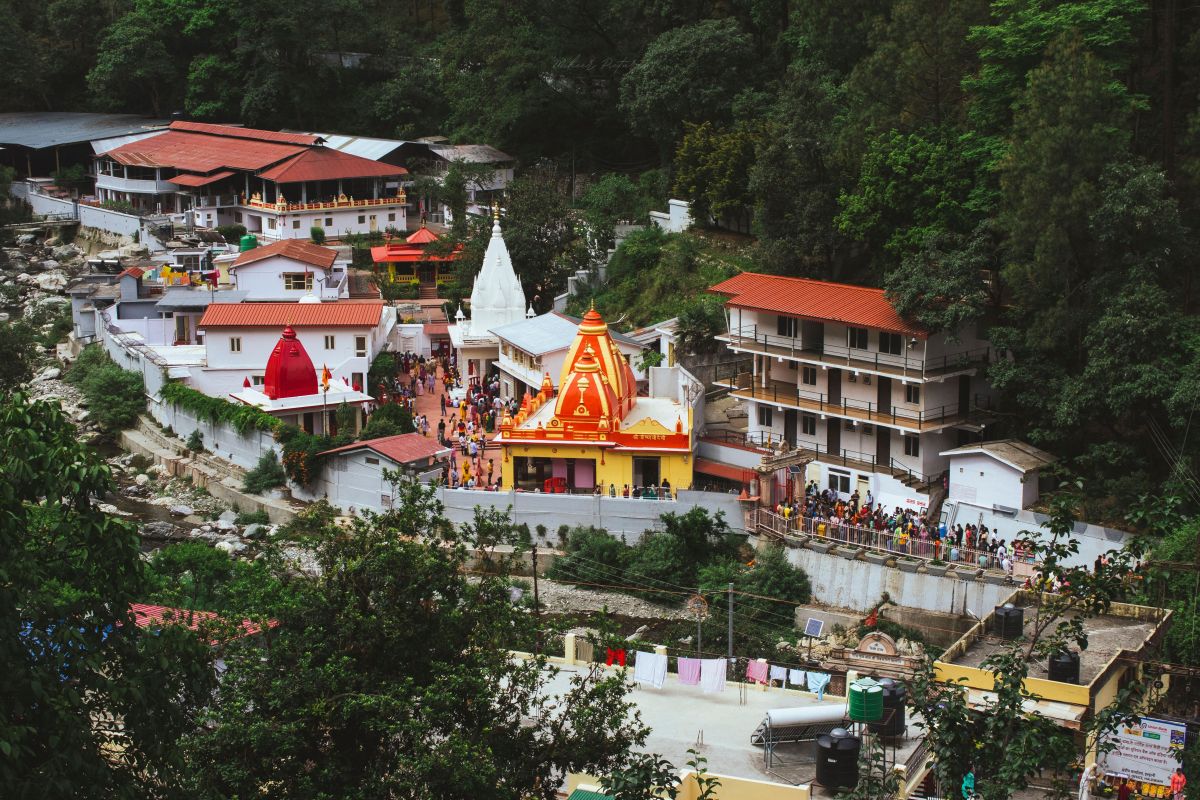
A small ashram wedged between two hills in the Kumaon foothills has spent the second half of 2026 answering a question it never expected to face: how many people can a scissor-shaped valley actually hold. Hanuman Ansh, a biographical film on the life of Neem Karoli Baba made on a shoestring budget, opened in August and went on to far outearn its cost many times over, well enough to draw a chief minister to the theatre and win the film tax-free status in Uttarakhand. Reporters who visited Kainchi Dham in September describe longer queues than the ashram is used to outside festival season, and first-time visitors who say they only learned Hanuman Garhi, another Neem Karoli Baba site nearby, existed as its own place because the film told them so.
None of this is why Kainchi Dham matters. It’s just the reason more people are finding out.
The Place Before the Film
Neem Karoli Baba, known to devotees as Maharaj-ji, established the ashram in the early 1960s on a stretch of forest between Nainital and Bhowali, where two hills meet at an angle that gives the site its name: kainchi, scissors. He spent the last decade of his life here, and the Hanuman temple at its centre has drawn a steady stream of devotees since long before any film existed. Its most quoted visitors predate Bollywood entirely. Steve Jobs travelled here in the 1970s during a period he later described as formative, and Mark Zuckerberg made the same trip decades later, on Jobs’s recommendation, during a difficult stretch for his company. Cricketer Virat Kohli and actor Anushka Sharma are more recent, and more Indian, names on a list that has always drawn on both.
What Hanuman Ansh has done is widen the front door. The film follows Neem Karoli Baba’s early life and ends with an indication that his story continues, and a sequel covering his years in Agra and Mathura is already in production. For a site that has quietly built its reputation one visitor at a time since 1964, a trilogy is a very different kind of introduction.
Reaching Kainchi Dham
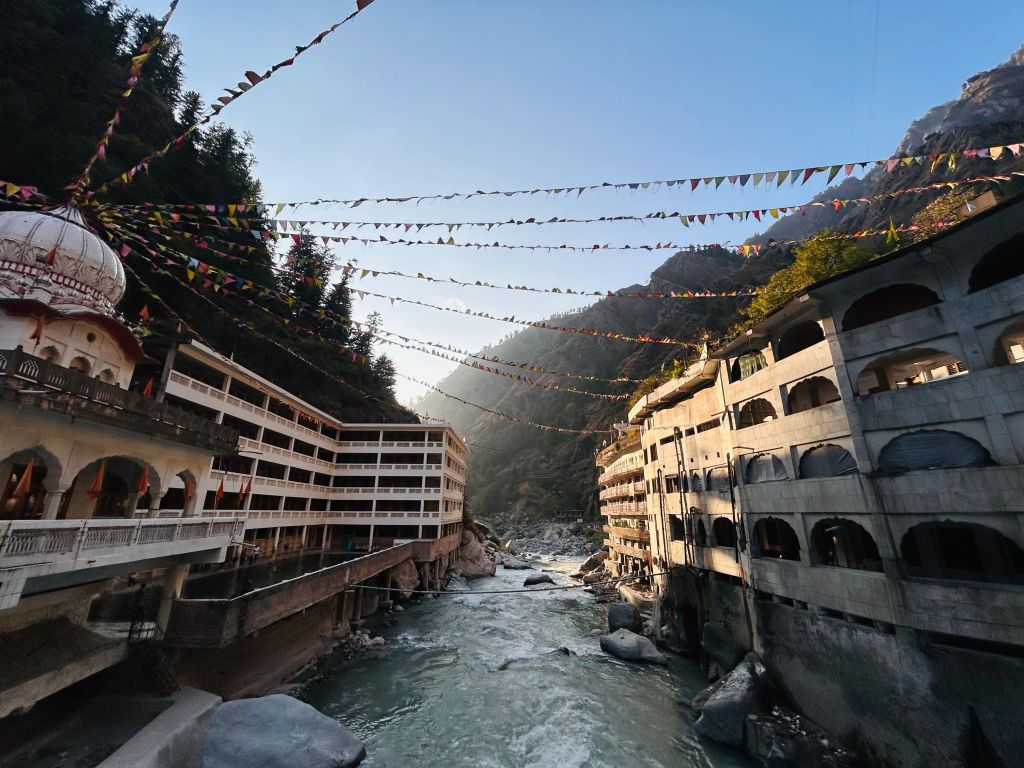
Kainchi Dham sits on the road between Nainital and Bhowali, a forested stretch of the Kumaon hills that most visitors treat as a straightforward extension of a Nainital trip rather than a destination in its own right. The nearest airport is Pantnagar, and the nearest railhead is Kathgodam, both well connected to Delhi. From either, the route climbs into the hills through Bhowali, a small market town that also happens to be the closest practical base for the ashram itself.
What to Know Before You Go
| Before You Go • Entry to Kainchi Dham is free. The ashram does not sell passes, and anyone offering guaranteed entry or darshan slots for a fee near the site is not operating on the ashram’s behalf. • Visiting hours shift with the season, running roughly from early morning to evening, with the exact window narrower in winter. Mornings and evenings carry the main aarti and are the quietest, most atmospheric times to visit. • Tuesdays tend to draw larger crowds for extended evening kirtan. If a quiet visit matters more than the kirtan itself, most other weekdays are a calmer choice. • Overnight stays inside the ashram are limited and depend on prior arrangement rather than being available to every visitor who asks on arrival. Most people base themselves nearby and visit for the day. • Dress modestly, as at any active place of worship, and check locally on photography near the main shrine rather than assuming a fixed rule, since practice here can change without much notice. |
Kainchi Dham did not need a film to become sacred. It only needed one to be found.
Best Time to Visit
March through June and September through November are the months most consistently recommended for the Kumaon hills, with clear skies and manageable roads. The monsoon months of July and August bring a real landslide risk to the hill roads around Bhowali and are worth avoiding unless the trip can flex around the weather. Late September, as the monsoon retreats and the air clears, is when this stretch of Uttarakhand starts to look its best, well ahead of the winter cold that settles in by December.
Where to Stay
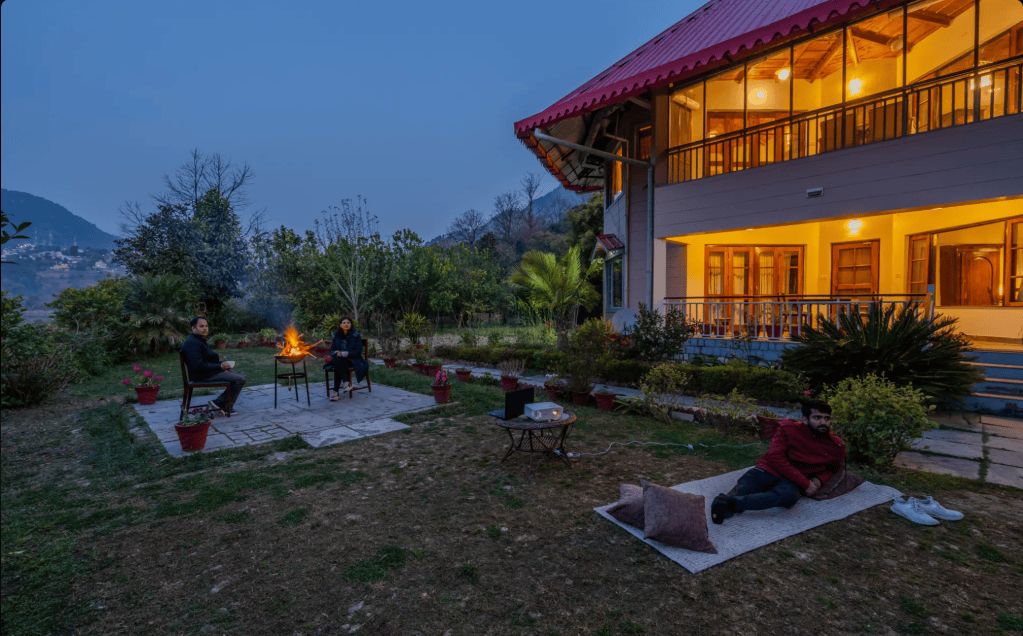
SaffronStays Casa Octavia is a three-bedroom villa above Bhimtal, built on an octagonal plan with panoramic valley views and wide balconies off the bedrooms. Every bedroom has its own bathroom, and a caretaker is on site. Kainchi Dham, Bhimtal Lake and Naukuchiatal are all within reach, so a temple morning and a lakeside afternoon can share a day. Bonfire nights and a local thali can be added to the stay. A private villa here means a base that’s entirely your own between temple visits, with none of the compromises of shared hotel space during what is, for a lot of visitors, a deeply reflective few days.
| Make the Kumaon Hills Your Base SaffronStays Casa Octavia, an octagonal three-bedroom villa above Bhimtal, gives a temple morning at Kainchi Dham a slower Kumaon afternoon to come home to. EXPLORE VILLAS NEAR KAINCHI DHAM |
Complete the Trip: Nearby Places to Visit
Hanuman Garhi, Nainital
The ashram Neem Karoli Baba founded first, before Kainchi Dham existed, sits on a hillside above Nainital town. It draws its own crowds now, largely from travellers who, like the film’s audience, hadn’t previously realised it was a separate place from Kainchi Dham. Pairing the two in one trip has become the natural itinerary this season.

Nainital Lake and Mall Road
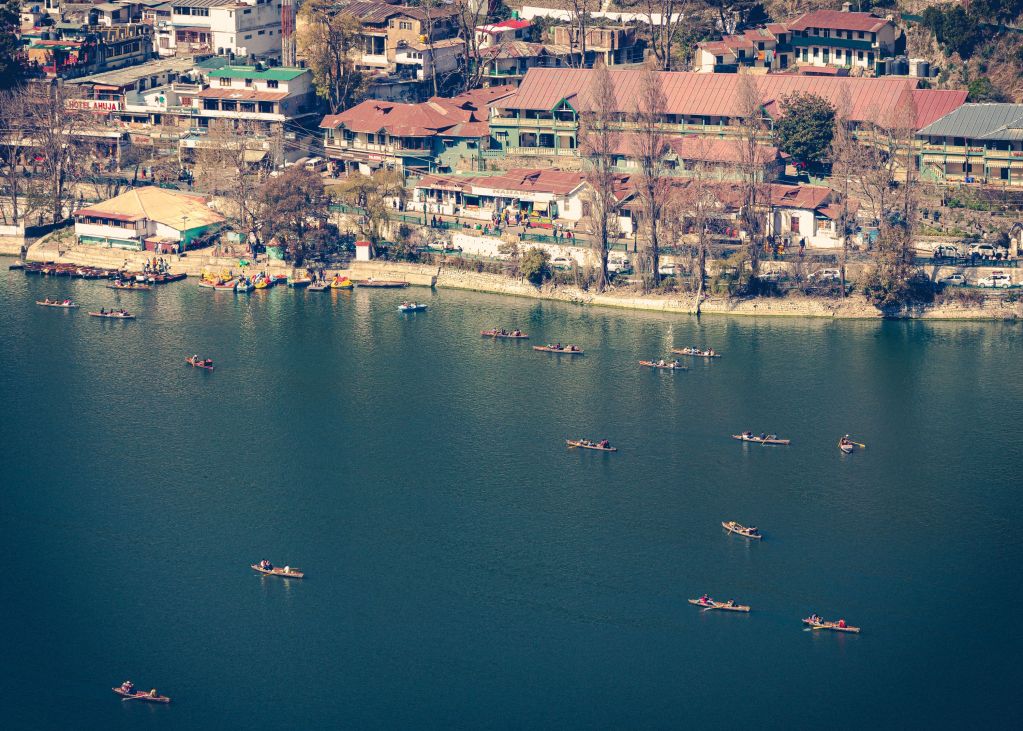
The lake town itself, with its pear-shaped Naini Lake, boating, and a Mall Road built for an unhurried evening walk, remains the obvious anchor for anyone based in the area. It’s where a spiritual morning gives way to an entirely ordinary, pleasant hill-station afternoon.
Bhimtal
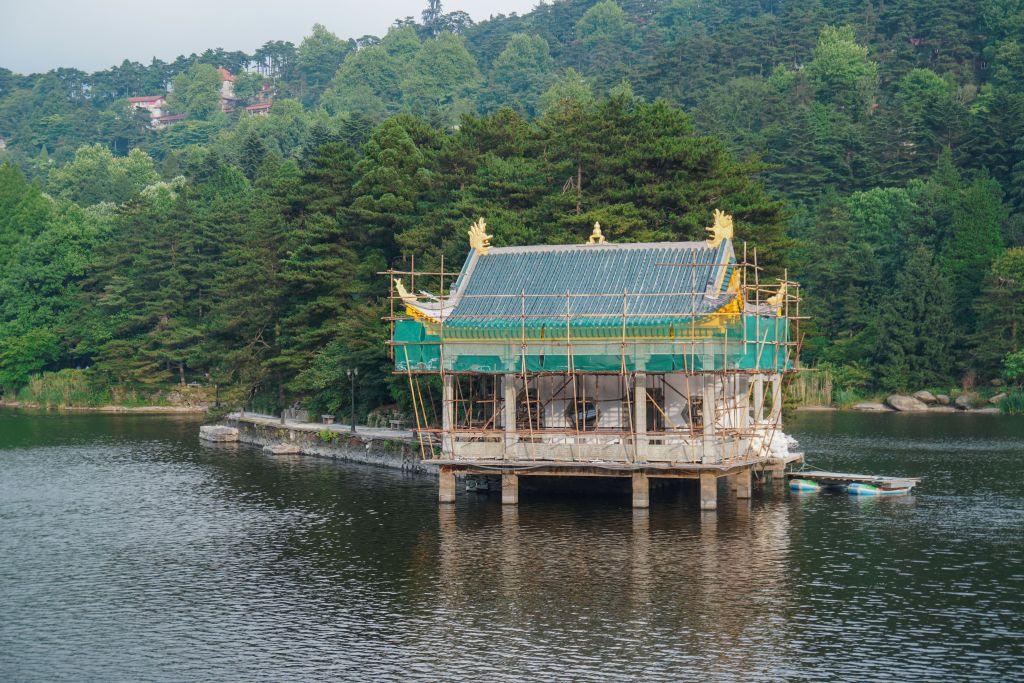
A quieter lake than Nainital‘s, with a small island temple at its centre and a slower pace generally. It sits close enough to Bhowali to fold into the same trip without much extra planning.
Mukteshwar
A higher, more open stretch of the Kumaon hills, known for its orchards and views toward the snow line on a clear day. It rewards travellers who want one more day in the hills after the ashram visit rather than a straight drive back down.
Ghorakhal Golu Devta Temple
A temple dedicated to Golu Devta, the Kumaoni justice deity, known for the thousands of bells devotees have left tied around it over the years. It’s a short, worthwhile detour for anyone building out a fuller temple circuit through this stretch of the hills.
Frequently Asked Questions
Is Kainchi Dham the same place shown in the film Hanuman Ansh?
Yes. Hanuman Ansh is a 2026 biographical film on the life of Neem Karoli Baba, and Kainchi Dham, the ashram near Nainital where he spent the last decade of his life, is central to the story. The film’s poster was unveiled at the ashram itself.
How far is Kainchi Dham from Nainital?
It’s a short, easy drive from Nainital along the forested Nainital–Almora road, through the small town of Bhowali. Most visitors treat it as a half-day trip from a Nainital or Bhowali base.
Is there an entry fee for Kainchi Dham ashram?
No. Entry to Kainchi Dham is free, and the ashram does not sell passes of any kind. Be cautious of anyone near the site claiming to sell entry passes or guaranteed darshan slots, since this is not how the ashram operates.
Can you stay overnight at Kainchi Dham ashram?
Overnight stays inside the ashram are limited and not guaranteed to every visitor. They typically depend on prior arrangement and participation in seva (service). Most visitors base themselves nearby, in Nainital or Bhowali, and visit for the day.
What is the best time to visit Kainchi Dham?
March to June and September to November are generally considered the most comfortable months, with clear skies and easy road conditions. The monsoon months of July and August are best avoided due to the risk of landslides on the hill roads.
What is Kainchi Dham famous for?
It’s the primary ashram of Neem Karoli Baba, a Hindu saint regarded by devotees as an incarnation of Hanuman. The site drew Western spiritual seekers from the 1960s onward and later became known for visits from figures including Steve Jobs and Mark Zuckerberg, well before Hanuman Ansh brought it wider attention in 2026.
Where is the best place to stay near Kainchi Dham?
Bhowali, the small town Kainchi Dham sits closest to, makes a practical and quiet base, and the Bhimtal hills beyond it hold private villas such as SaffronStays Casa Octavia, an octagonal three-bedroom home with valley views. Nainital, a little further, offers a livelier town-and-lake setting for travellers who want to combine the visit with a longer Kumaon holiday.