Uttarakhand holds two entirely different honeymoons, each built around its own town. Rishikesh is a river town. The Ganga comes down off the glacier here in a hurry, loud over its own rapids, lined with ashrams and cafes and diyas set adrift at dusk. Nainital is a lake town. It sits still inside its bowl of hills, built in a slow colonial circle around Naini Lake since the British first arrived. Each suits its own kind of week. So the real first question for an Uttarakhand honeymoon is simple: what kind of honeymooners are you?
The table below answers that in one glance. Everything after it goes deep on each type: why that base actually fits, and exactly what to do once you’re there.
Table of Contents-
Quick Match: Which Base Suits Which Couple
| Kind of Couple | Best Base | Why |
| Adventure Seekers | Rishikesh | Grade II-III rafting, bungee, flying fox, sunrise treks |
| Spiritual Seekers | Rishikesh | Ganga aarti, ashrams, free yoga sessions |
| Cafe Hoppers | Rishikesh | A river-view cafe culture built around its yoga crowd |
| Foodies | Nainital | Kumaoni cuisine and old-world Mall Road institutions |
| Nature & Slow Living | Nainital | Naini Lake, Sattal birdwatching, unhurried pace |
| Heritage Romantics | Nainital | Colonial architecture and a settled hill-station character |
Rishikesh Honeymoon for Adventure Couples: Rafting, Bungee and Sunrise Treks
Rishikesh has a river with real rapids running through the middle of it. That’s the whole reason it beats Nainital for an adventurous couple. Nainital’s terrain rewards a walk and a rowboat. Rishikesh’s rewards a wetsuit.
Start with the river itself. The Ganga through Rishikesh runs Grade II and III rapids, gentle enough for a couple who has never rafted, lively enough that returning rafters keep coming back. Go between September and June. The monsoon pushes the water too high and too fast through July and August, and most operators simply stop running trips for that stretch, so don’t build a honeymoon itinerary around rafting in peak monsoon.
For a bigger adrenaline hit, Jumpin Heights at Mohanchatti runs India’s highest fixed-platform bungee jump. The platform sits about 83 metres above the river gorge. The same operator runs a giant swing and the flying fox at Shivpuri, a zipline that covers close to a kilometre across the valley at real speed, wind in your ears the whole way down. These run most of the year. They’re still weather-dependent, so if the honeymoon is short, keep a backup day free rather than betting the one adventure day on clear skies.
Want the adrenaline without the harness? Walk up to Kunjapuri Temple before sunrise instead. The climb is short, the reward is a full, unbroken Himalayan skyline turning pink, and it costs nothing but an early alarm. Skip it during the monsoon, when the same ridge disappears into cloud. Neer Garh Waterfall is the other easy win: a short forest walk that ends in a pool cold enough to actually swim in, best in the cooler months when the trail isn’t slick.
| Planning an Adventure-Led Stay • Book rafting and bungee slots with an operator that can show current safety certification. Check water levels the morning of. Don’t assume the season alone guarantees a good run. • July and August are effectively closed for river-based adventure sports here. If the trip has to land in those months, build the days around the treks instead. • A villa on the quieter side of town, away from the main ghats, gives an adventure-heavy couple somewhere to actually recover between activity days. |

Rishikesh Honeymoon for Spiritual Couples: Ganga Aarti, Ashrams and the Beatles’ Old Retreat
Rishikesh calls itself the yoga capital of the world, and for once the tourism line holds up. This is a town built around practice, not sightseeing, and a couple who lean spiritual will feel that difference within a day.
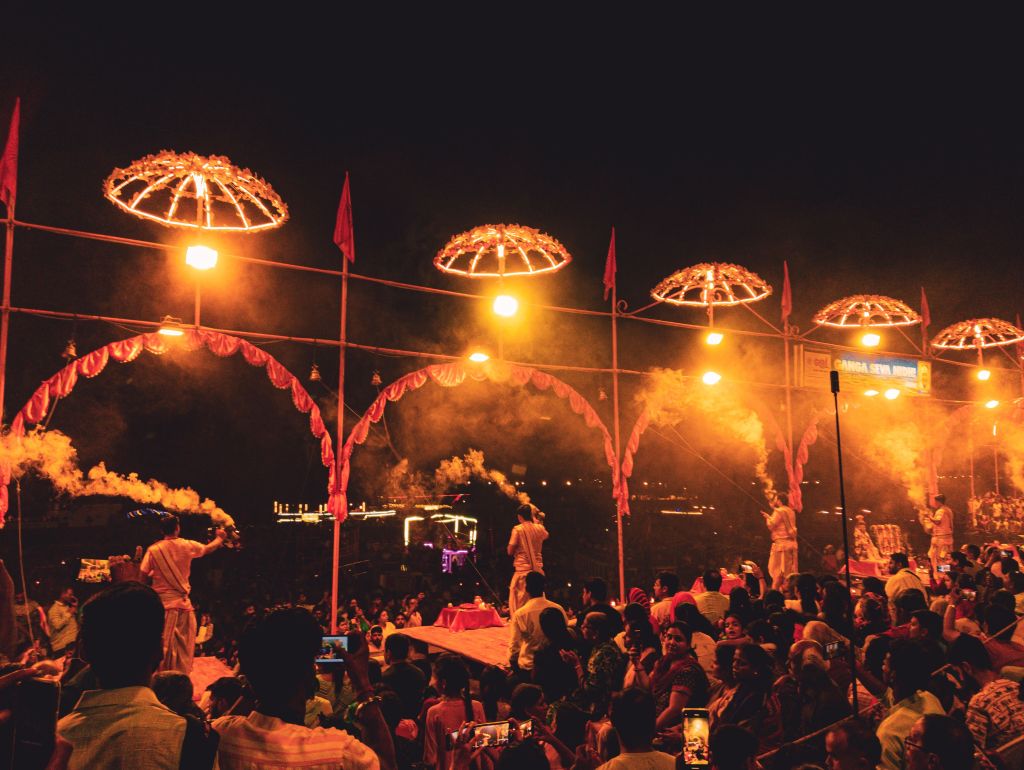
Start each evening at Parmarth Ghat. Parmarth Niketan, the largest ashram in town, runs the most photographed Ganga aarti in Rishikesh here at dusk, every single night, in front of a Shiva statue tall enough to see from across the river. Priests chant, drums pick up, and hundreds of small diyas go into the current at once and drift downstream in a ragged, glowing line. Triveni Ghat runs its own version a little further along, smaller and less staged, worth the walk if there’s time for both.

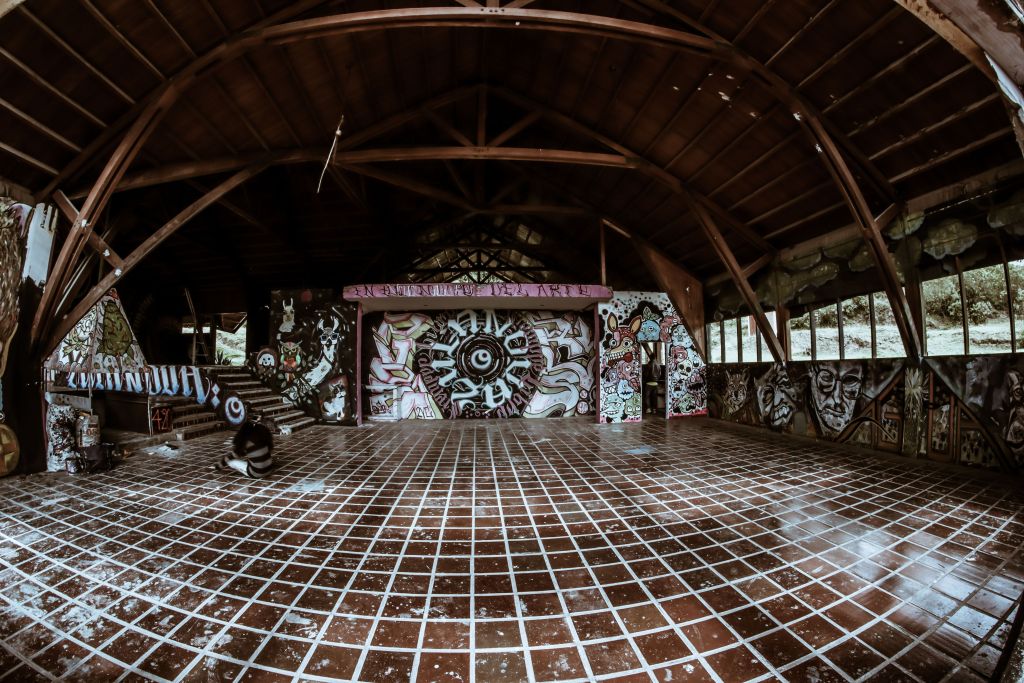
By day, Sivananda Ashram opens its yoga and meditation sessions to any visitor, free of charge. No booking, no fee, just show up. For something stranger and quieter, find the Beatles Ashram. It sat abandoned in the forest for decades before reopening as a heritage site, and the band’s old meditation domes are still covered in graffiti that visitors have added over the years, half tribute, half time capsule. Go in daylight. It’s an open-air ruin, and the light through the trees is half the point. Neelkanth Mahadev Temple is the harder walk of the group, up into the forest above town, but the shrine at the top sees a fraction of the crowd the riverside temples do.
Rishikesh Honeymoon for Cafe Hoppers: Where the Yoga Crowd Actually Eats
Rishikesh‘s cafe scene grew up feeding a town full of yoga students, and the menus never really left that era. Smoothie bowls, banana pancakes, cold-pressed juice, chai on every corner. It’s a legitimately good food town, just not the kind most people expect from a pilgrimage town on the Ganga.
Little Buddha Cafe is where most people start. It sits right on the river near Laxman Jhula, and the yogi breakfast, banana pancakes stacked with honey, is the thing regulars order without looking at the menu. Go early for a table with a river view. Freedom Cafe is the sunset move instead: order the ginger-lemon-honey tea, find the balcony, and watch the water turn gold as the evening aarti bells start somewhere downstream. For coffee and pastry, Devraj Coffee Corner and Oasis both run German-style bakeries, and Devraj’s outward-facing tables look straight across at Trayambakeshwar Temple, best claimed before nine while the tables are still free. Madras Cafe breaks the pattern with proper South Indian food, and Rustic Road Cafe covers vegan and gluten-free with wood-fired pizzas made on chickpea-flour bases.
One thing to know before any of this: there’s no meat, fish, eggs, or alcohol sold anywhere within Rishikesh town limits. It’s a long-standing municipal rule, upheld by the Supreme Court, tied to the town’s status as a pilgrimage site. The entire cafe scene runs vegetarian because it has to, not as a wellness gimmick.
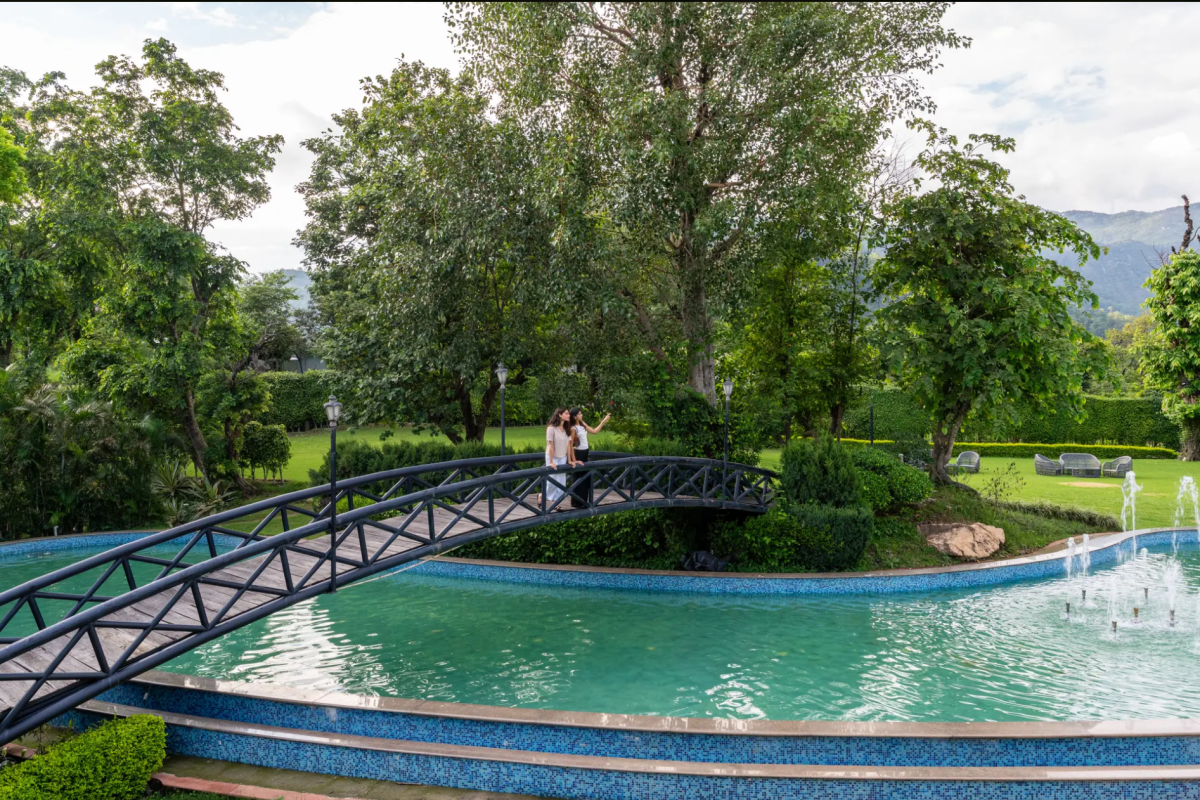
SaffronStays Amayaah Rajasi Villa and Amayaah Pushp Villa sit on a hillside above the town: twin three-bedroom villas, a lawn built around a fountain, and a view that drops straight down into the Ganga valley. Book one for a couple who want the place to themselves, or both together if a few more family members are folding into part of the trip. For any of the three couple types above, this is the base to work from: close enough to the ghats and cafes for an easy morning, high enough up the hillside that the town’s noise and energy stay a choice, not a constant.

| Worth Knowing Before You Book Rishikesh • Rishikesh has a long-standing municipal ban on the sale of meat, fish, eggs, and alcohol within town limits, upheld by the Supreme Court on account of its status as a pilgrimage town. Couples who want either factor this into where they base themselves. • The town’s spiritual energy is real, not staged for tourists, which also means mornings can start early and loud near the main ghats. • Adventure activities like rafting, bungee jumping, and the flying fox are seasonal and weather-dependent. Check current operator status and safety certification before building a full day around any single activity. |
Uttarakhand doesn’t ask a couple to compromise.
It asks them to know which honeymoon they’re actually planning.
Nainital Honeymoon for Foodies: Kumaoni Dishes Worth Hunting Down
Skip the Mall Road multi-cuisine menus, at least for one meal a day. Nainital’s real food identity is Kumaoni, and it barely overlaps with what most visitors order.
Buy Bal Mithai before you eat it. This fudgy khoya sweet, rolled in tiny sugar beads, travels well enough that half the fun is bringing a box home. Aloo ke Gutke shows up at local dhabas and at the Kumaoni Farm Cafe: pan-fried spiced potatoes, usually served with a chutney made from bhang, hemp seeds, which sounds more dangerous than it is. For the full spread, sit down for a Kumaoni thali. Bhatt ki Churkani, a smoky black bean curry, is the dish to order it for, alongside Madua roti and a Singori for dessert wrapped in a malu leaf. Anupam Restaurant and Chandani Chowk run the real version over the tourist-facing kind. Go for lunch, when the kitchens are running the full spread rather than a shortened evening menu.
For something older, Sakley’s Restaurant & Pastry Shop has been open since 1944 and still bakes a proper apple pie. Machan and Embassy cover dependable North Indian and Mughlai food if the group wants something familiar. And the Tibetan Market is where you go for momos and thukpa between meals, standing up, steam rising off the plate in the cold air.

Nainital Honeymoon for Nature and Slow-Travel Couples: The Lake, Sattal and Naina Peak
Nainital‘s whole rhythm suits a couple who want the honeymoon to feel like a pause rather than an itinerary. The things to do here are simply quieter ones.
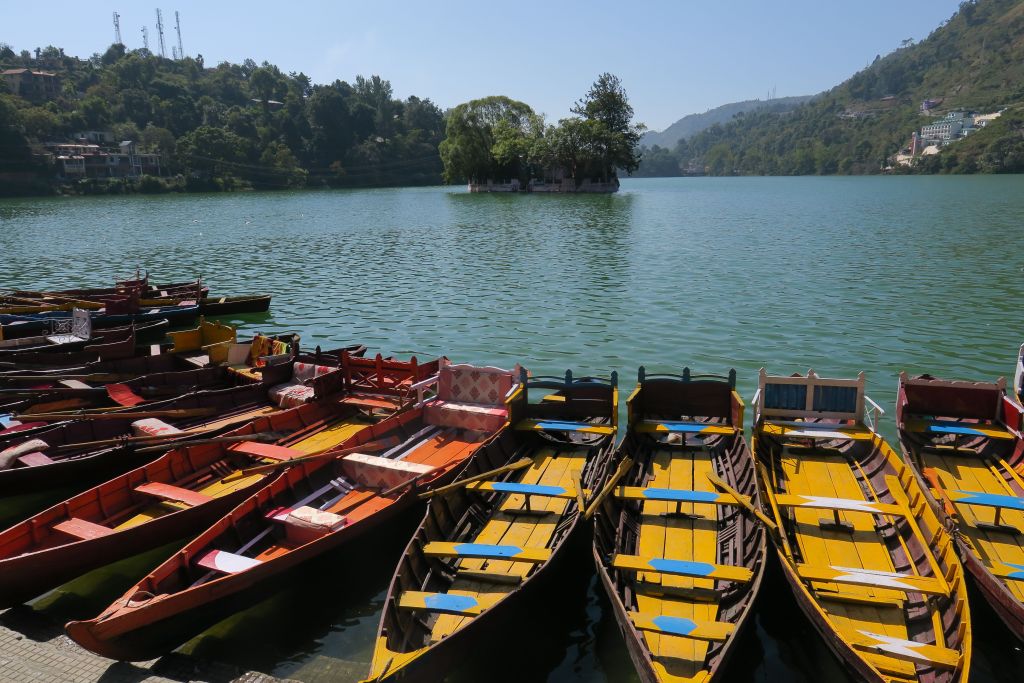
Naini Lake is the anchor. Rent a rowboat at dusk and that’s most of a slow Nainital evening handled on its own. Boating runs nearly year-round, pausing only in the harshest winter weeks. For something wilder, drive out to Sattal, a cluster of interconnected forest lakes and one of North India’s better birdwatching spots. Go between November and March for the migratory species, and go on a weekday morning if you want the place to yourselves, which, even in peak season, isn’t hard here. Tiffin Top is the town’s classic sunset viewpoint, worth the short climb for the light alone.
Couples who want one active morning without breaking the slow pace of the week should climb Naina Peak, the highest point above town. It’s a half-day trek, dry and manageable outside the monsoon, and the payoff is a full valley view with the Himalayan ridgeline sitting in the distance. For a reflective side trip, Kainchi Dham, the Neem Karoli Baba ashram that the 2026 film Hanuman Ansh brought back into the spotlight, sits within easy reach of Nainital and fits naturally into an otherwise unhurried week.
Nainital Honeymoon for Heritage Lovers: Colonial Streets and Old Clubs
Nainital‘s colonial character is the real thing, not a theme built for tourists. It’s simply what a nineteenth-century British hill station looks like a century and a half later: old clubs, church spires, a Mall Road that has never been in a hurry.
Start with a walk down that Mall Road in the early evening, right as the lakeside lights start coming on. Gurney House, once home to the naturalist Jim Corbett and now a small museum, gives the architecture some actual history to hang onto, worth the hour it takes to go through. Naina Devi Temple sits right by the lake and rounds out the walk, mixing the town’s colonial layer with its older spiritual one without asking for a special trip out.
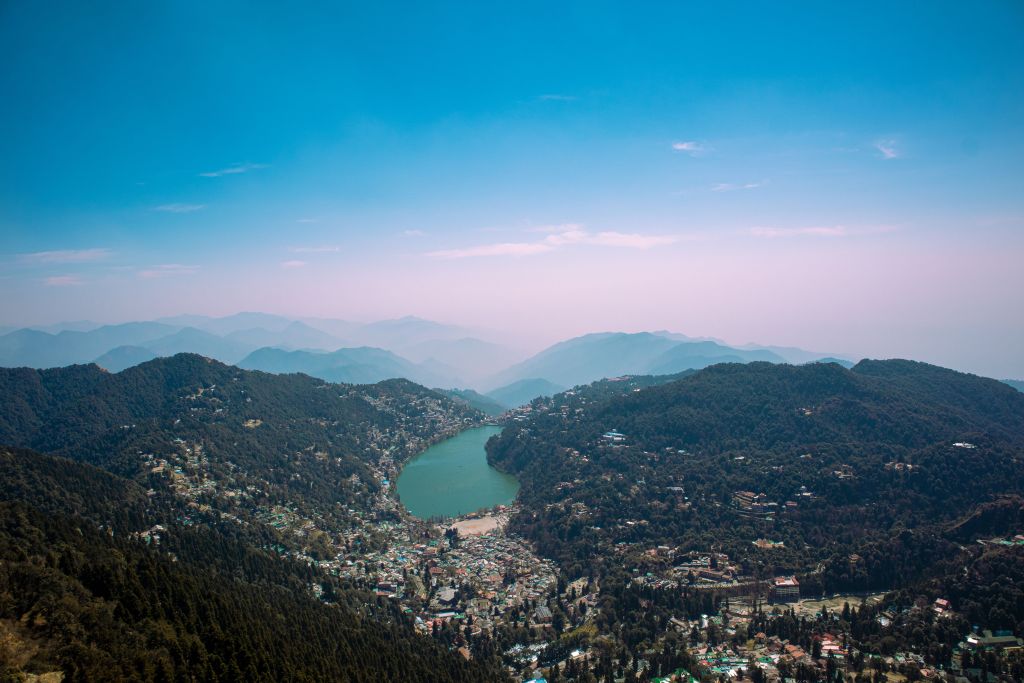
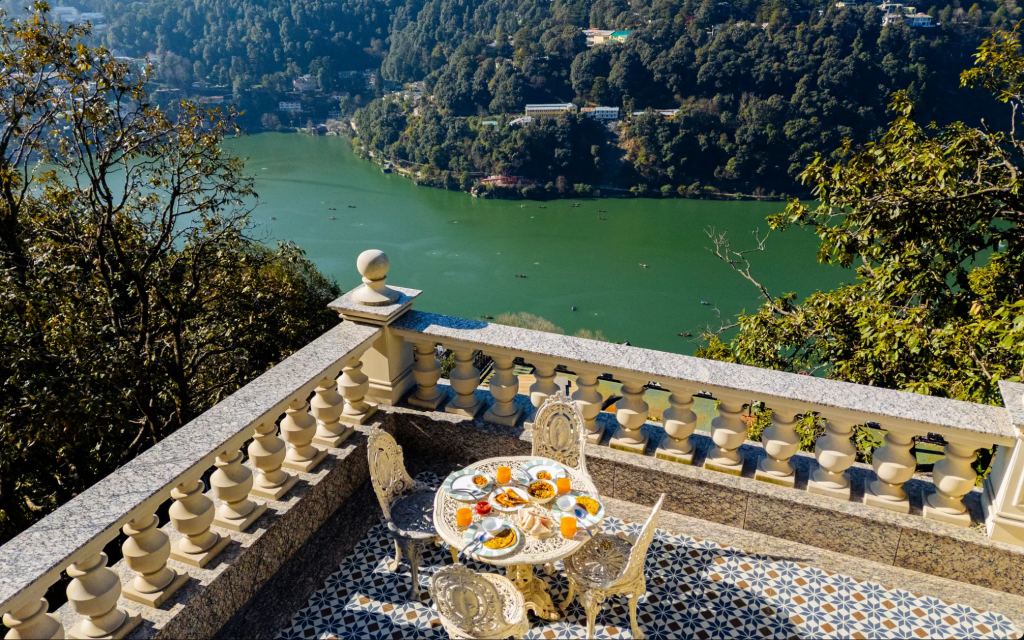
SaffronStays Naiintara looks straight out over Naini Lake, close enough that the view does most of the decorating on its own. The four-bedroom villa suits a couple who want that lake view as the backdrop to the whole stay, with the town’s markets and cafes a short walk away rather than a planned outing. For any of the three couple types above, this is the base.
Want Both? Combine Rishikesh and Nainital in One Trip
Plenty of couples choose both towns instead of just one. Since both sit within reach of Delhi, a longer honeymoon can open on the river in Rishikesh, active and spiritual, then climb into the hills toward Nainital for the slower second half. It turns an either-or decision into a structure instead: motion first, stillness after.
| A Private Villa for Either River Whichever week you choose, a private villa gives newly married couples a space that’s entirely their own, in Rishikesh or in Nainital. EXPLORE HONEYMOON VILLAS IN UTTARAKHAND |
Best Time for an Uttarakhand Honeymoon
March through June and September through November work well for both towns, with clearer skies and easier roads than the monsoon months of July and August, when Rishikesh‘s river sports mostly shut down and hill roads carry more risk. Nainital has a particular charm from November through February, when the lake mist sets in early and Sattal’s birdwatching peaks. Rishikesh, sitting lower, stays comfortable across a wider stretch of the calendar.
Frequently Asked Questions
How do I choose between a Rishikesh or Nainital honeymoon?
Start with what kind of couple you are rather than the towns themselves. Adventure seekers, spiritual seekers, and cafe hoppers tend to get more out of Rishikesh. Foodies, nature-and-slow-living couples, and heritage romantics tend to get more out of Nainital.
Is Rishikesh good for a honeymoon?
Yes, for couples who want an active, spiritually charged trip. Rishikesh pairs Ganga aarti and yoga with adventure options like river rafting and ziplining, and it draws couples looking for a honeymoon with some motion in it rather than pure stillness.
Is Nainital or Rishikesh better for a honeymoon?
It depends on the kind of week a couple wants. Nainital suits couples who want a quieter, colonial hill-station pace built around a lake. Rishikesh suits couples who want spiritual energy and adventure activities alongside the romance. Some couples combine both in one longer trip.
What is the best time for a honeymoon in Uttarakhand?
March to June and September to November are generally the most comfortable windows for both towns, with clearer skies and easier roads than the monsoon months of July and August.
Is alcohol available in Rishikesh?
No. Rishikesh has a long-standing municipal ban on the sale of meat, fish, eggs, and alcohol within town limits, upheld by the Supreme Court, given its status as a pilgrimage town. Nainital carries no such restriction. Couples who want that option factor this into where they choose to stay.
What food should you try in Nainital?
Kumaoni cuisine is worth seeking out beyond the Mall Road multi-cuisine menus: Bal Mithai and Singori for something sweet, Aloo ke Gutke as a spiced potato side, and a full Kumaoni thali with Bhatt ki Churkani (a black bean curry) at a restaurant that specialises in local food rather than a general tourist menu.
What are the best adventure activities for couples in Rishikesh?
River rafting on the Ganga’s Grade II and III rapids is the most popular shared activity, alongside bungee jumping and the flying fox zipline at Shivpuri for couples who want a bigger adrenaline hit, and gentler options like the Kunjapuri sunrise trek or a walk to Neer Garh Waterfall for a lower-key adventure day.
Can you visit both Rishikesh and Nainital on one honeymoon trip?
Yes, and a number of couples do, basing a few nights on the river in Rishikesh before moving into the hills toward Nainital. Both are within reach of Delhi, which makes combining them into one longer honeymoon straightforward to plan.
Where is the best place to stay for a Rishikesh or Nainital honeymoon?
A private villa gives couples their own space rather than a shared hotel floor. SaffronStays Amayaah Rajasi Villa and Amayaah Pushp Villa sit above the Ganga in Rishikesh, and SaffronStays Naiintara looks directly over Naini Lake in Nainital.