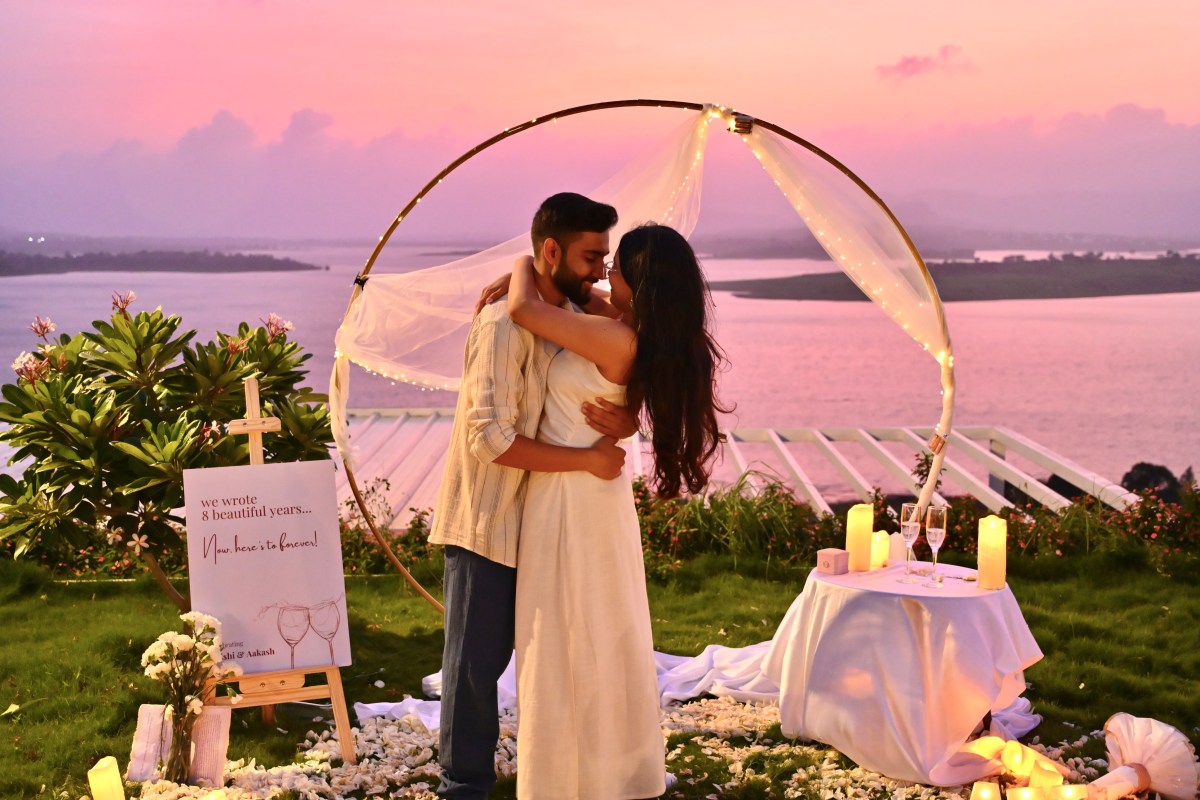
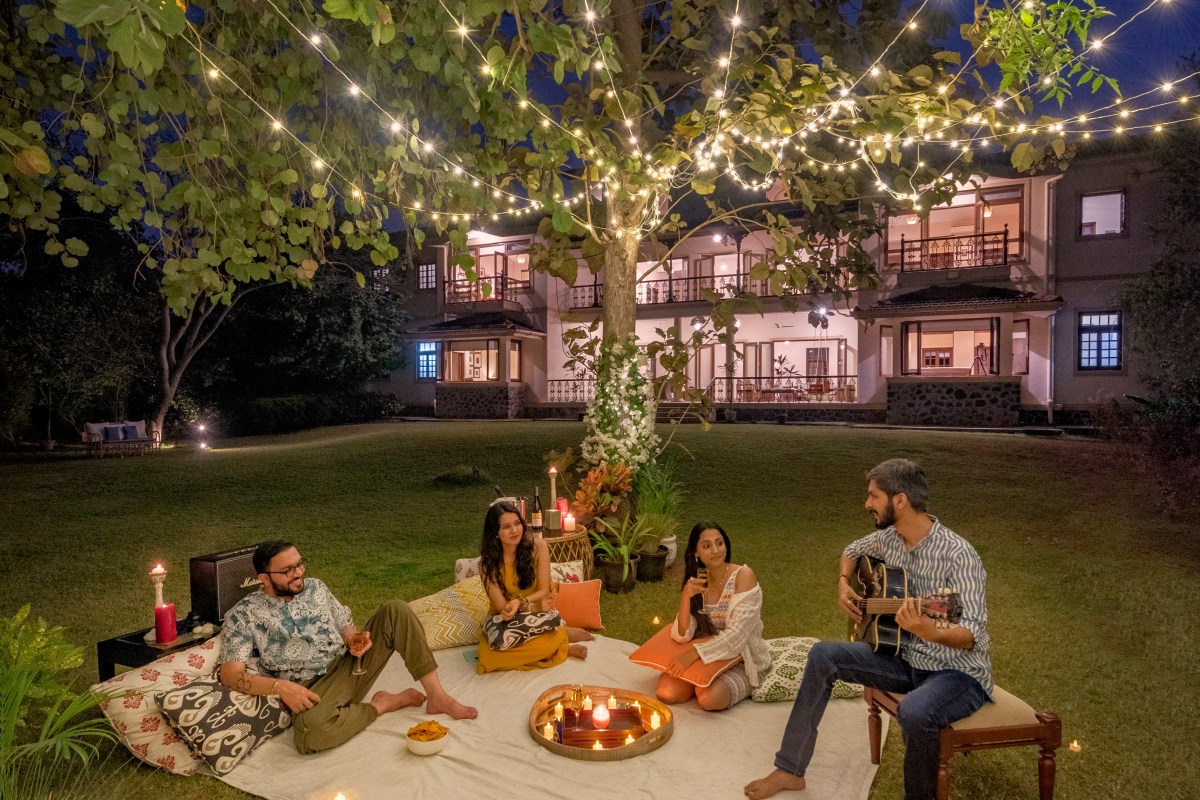
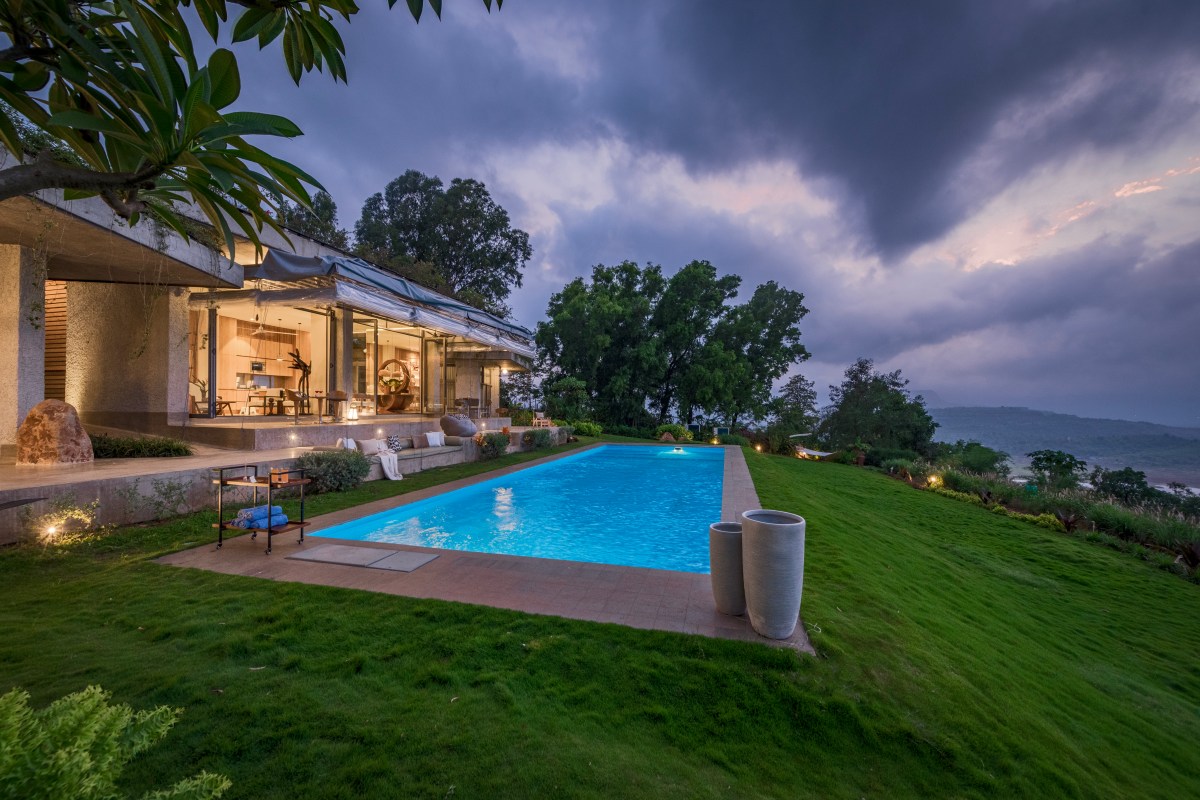
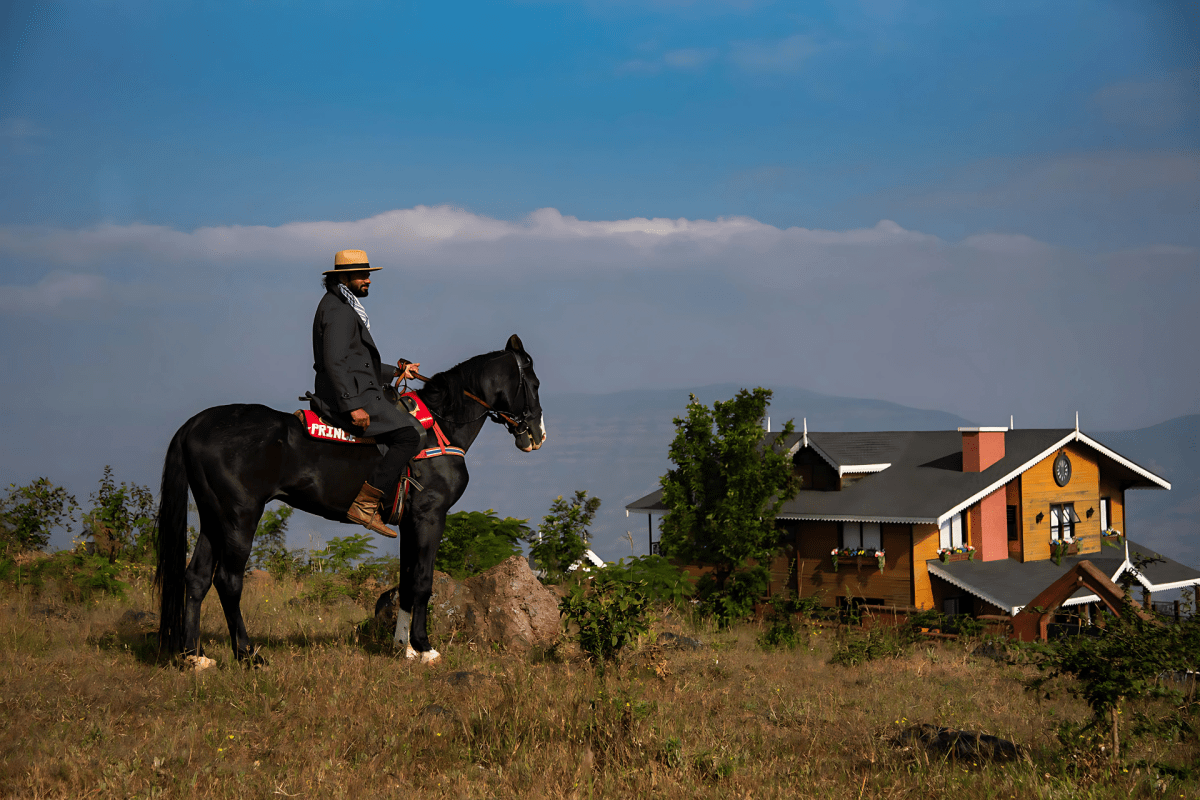
Diwali is the festival of lights, warmth, and togetherness. It has always been about homecoming and returning to the people who matter the most. But what truly makes a ghar? It’s not just four walls; it’s where your loved ones come together to celebrate, laugh, and make memories.
At SaffronStays, we believe that ghar can be anywhere you feel a sense of belonging. It’s where your family gathers, where you share meals, and where conversations never end. This Diwali, we invite you to celebrate a #GharJaisiDiwali that feels like home, wherever you are.
A New Way of Celebrating Togetherness
In the past, Diwali celebrations often meant visiting relatives or meeting friends briefly between busy schedules. Now, people want to slow down and spend real time with their loved ones to talk, to laugh, to reconnect.
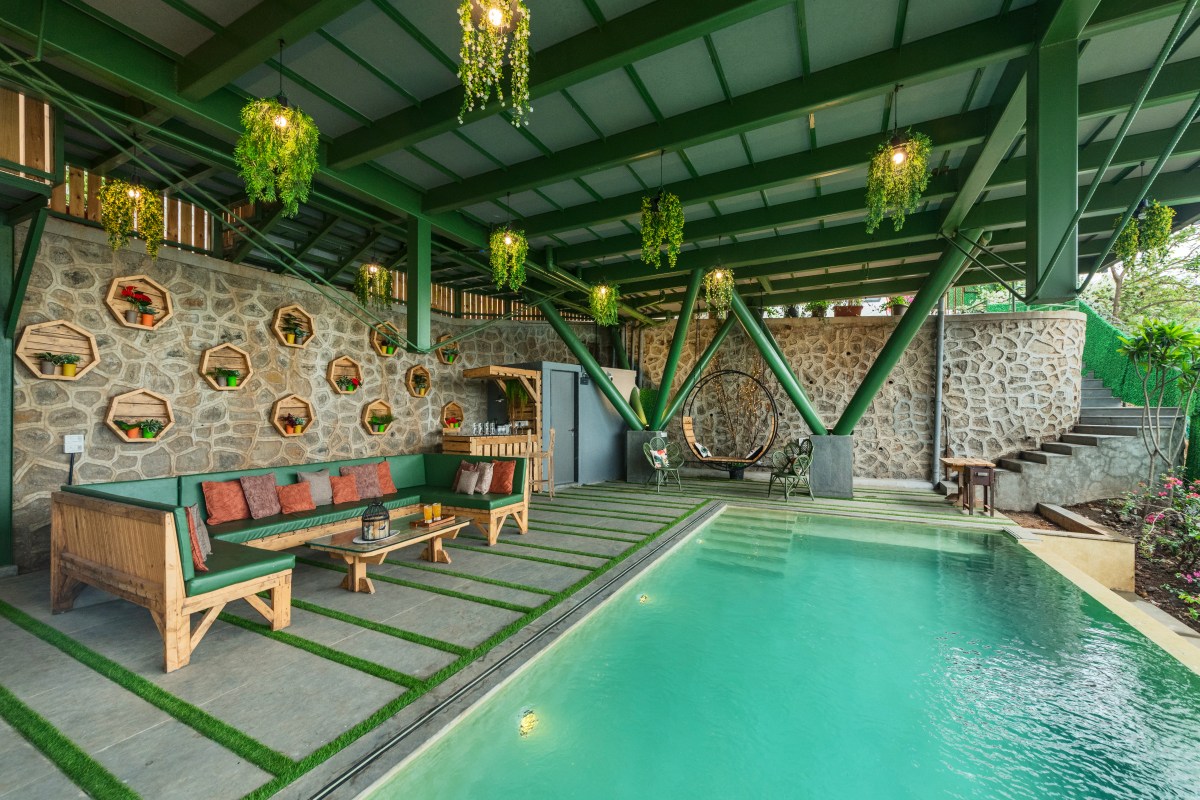
SaffronStays homes make this possible. Whether in the hills, by the beach, or near a forest, our villas give families and friends the space to celebrate Diwali together in peace and comfort away from the usual city rush.
Moving Away from the City Chaos
Cities during Diwali are crowded and noisy. The traffic, the smoke, and the constant sound of crackers often take away the joy of the festival. Many families are now choosing to celebrate Diwali in quieter places, where they can light diyas, share meals, and enjoy the moment without disturbance.
Every SaffronStays home is located away from city chaos, giving you a peaceful setting to truly enjoy the festival surrounded by clean air, calm evenings, and your favorite people.
A Safe Diwali for Pets
For many pet parents, Diwali can be stressful. The loud sounds of crackers and pollution make pets anxious and uncomfortable. At SaffronStays, several of our homes are pet-friendly and located in quiet areas, making them perfect for a relaxed celebration. Your pets can move around freely, rest peacefully, and be part of your Diwali joy.
Comfort for Seniors and Sensitive Groups
Diwali in cities can be difficult for senior citizens and people with breathing issues due to pollution and noise. That’s why more families are choosing to spend the festival in open, peaceful environments.
SaffronStays homes offer just that clean air, space to relax, and comfort for everyone. It’s a simple way to make sure the whole family enjoys the festival together.
Celebrate Light, Love, and Home
This Diwali, celebrate what truly matters: family, togetherness, and love. Decorate your SaffronStays home with diyas, cook festive meals, play games, and relive old memories.
Because home is not just a place. It’s the people you celebrate with. And every SaffronStays home lets you experience that a true #GharJaisiDiwali.
Most people who think of the Konkan coast picture Goa. But just a little further down, Vengurla quietly waits with its own charm. Wide, clean beaches, ancient forts, cashew groves, and the hum of folk traditions all moving at a slower rhythm. Here, mornings can be adventurous and evenings unhurried, giving you the best of both worlds.
And with Fly91 flights into Sindhudurg Airport, reaching Vengurla is now simpler than ever. Travelers flying this route can even enjoy exclusive deals at Araqila, a luxury resort that feels like a modern-day fortress overlooking the Arabian Sea.
The Rhythm of the Seasons
If you arrive between October and March, you will meet Vengurla at its most inviting. Calm seas, cool breezes, and perfect conditions for water sports. This is when scuba diving at Tarkarli is at its best, dolphin safaris set out at sunrise, and the beaches are ideal for long evening walks.
By April and May, the air gets warmer, but the beaches get quieter. Markets brim with cashews and mangoes, and if you do not mind early mornings and slower afternoons, you will enjoy the peace of this season.
Then comes the monsoon, June to September, when Vengurla turns lush and alive. Waterfalls tumble down the hills, trails look fresh, and drives to Amboli Waterfall just over an hour away are unforgettable. The sea turns rough, so water sports pause, but forts, treks, and cultural experiences take center stage.
Getting There
By Air:
Sindhudurg Airport (Chipi, SDW): The closest airport. If you fly with Fly91, you land right in the district and unlock exclusive Araqila offers.
Goa Mopa Airport (GOX): About a 45-minutes drive, with wide connectivity.
By Rail: Kudal and Sawantwadi Road stations on the Konkan Railway are less than an hour away.
By Road: 8 to 9 hours from Mumbai or Pune, or just 2 to 3 hours from Goa.
The final stretch always feels the same: cashew groves on both sides, glimpses of the sea, and the sense of stepping into a quieter world.
Dolphin spotting (Representative image)
Adventure Days
In Vengurla, the best experiences are never too far from Araqila. All of these are within 15 minutes to just over an hour’s drive:
Dolphin spotting: Early morning boat rides from Malvan and Devbag often bring you face-to-face with playful pods of dolphins.
Dive beneath the surface: At Tarkarli Beach (45 to 60 mins), try scuba diving or snorkeling. Even beginners can take guided dives between November and February.
Step into history:Sindhudurg Fort (1 hr to 1 hr 15 mins), built by Chhatrapati Shivaji Maharaj, rises proudly from the sea and is now a UNESCO site.
Climb to a view:Nivati Fort and the Vengurla Lighthouse (10 to 20 mins) are short hikes with sweeping coastal views.
Discover hidden forts:Yashwantgad (Redi) Fort (20 to 30 mins) sits quietly near the Goa border, surrounded by greenery.
Monsoon special: Drive up to Amboli Waterfall (1 hr 15 to 30 mins) when the hills are green and mist rolls across the forests.
Dashavatara Folk Theatre (Representative Image)
Food & Culture
Konkan is not just about its landscapes. It is also about what you taste, hear, and see. Vengurla and its neighboring towns carry a cultural rhythm that completes the experience.
Authentic Malvani Fish Thali at Araqila Resort
Malvani cuisine: At Araqila, you will find the finest Malvani and authentic Konkani food. Think spicy curries, fresh-caught seafood, solkadhi with kokum, and traditional thalis that celebrate seasonal produce. Meals here are a reflection of the land and sea around you.
Sawantwadi Palace: A short drive away, this palace showcases royal Konkan heritage and the intricate craft of wooden toys and Ganjifa cards. It is a glimpse into a world that still preserves artistry in everyday objects.
Dasavatar folk performances: If your visit coincides with local celebrations, you might witness Dasavatar, a traditional folk theatre that retells mythological stories with music, dance, and drama. It is lively, raw, and deeply rooted in the region’s identity.
Together, food and culture give Vengurla its depth. They turn a beach trip into a story you will remember long after you leave.
Sawantwadi Palace (Representative Image)
Coming Home to Araqila
After days like these, you need a space that slows everything down. That is what Araqila is.
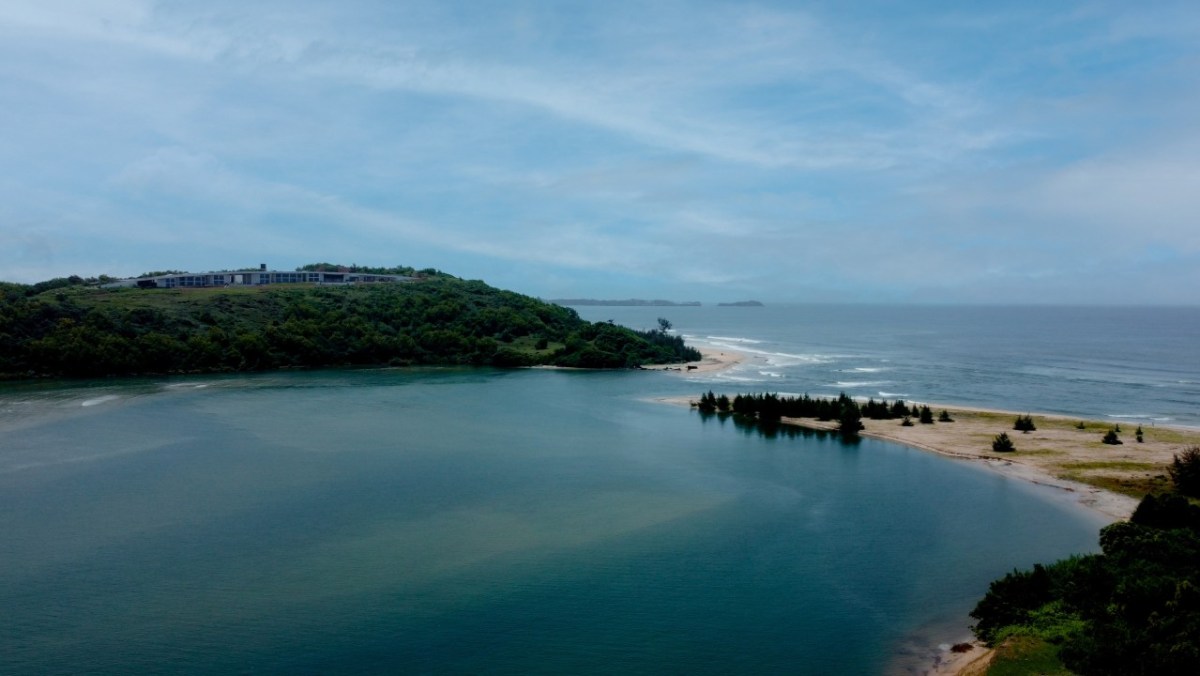
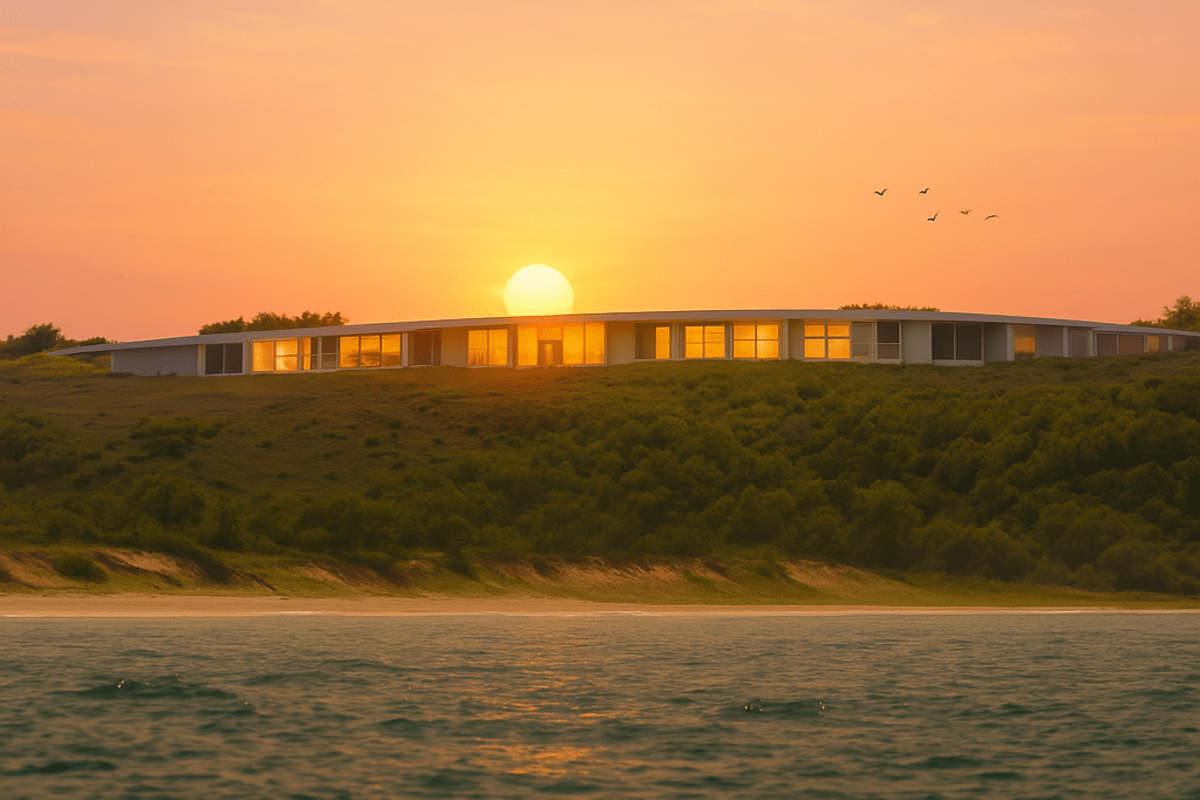
Set across 125 acres where the Sahyadris meet the Arabian Sea, Araqila by SaffronStays is built like a modern-day fortress. Its laterite walls curve like Konkan’s historic forts, and hidden doors lead to open courtyards, sea-facing terraces, and forested trails.
Here, food is as much a highlight as the setting. Araqila’s kitchens celebrate the region, from crisp bangda fry to rich crab curries and soulful vegetarian Konkani dishes. Every meal carries the flavor of Sindhudurg.
Luxury here is not loud. It is in the private beach tucked away at the edge of the property, the quiet spa, and the amphitheatre under the stars. Araqila is not just where you stay. It is where Sindhudurg comes alive for you.
Sindhudurg Fort (Representative Image)
A Three-Day Story in Vengurla
Day 1: Arrive at Sindhudurg via Fly91, head straight to Araqila. Settle in, walk down to the private beach, and enjoy an authentic Malvani dinner as the sun sets.
Day 2: Begin with scuba diving at Tarkarli, stop for lunch in Malvan, and explore Sindhudurg Fort. On the way back, drop by Sawantwadi Palace for a glimpse of royal heritage and, if the timing works, catch a Dasavatar folk performance. Return to Araqila for a spa session or an amphitheatre evening.
Day 3: Start with a short hike to Nivati Fort or the Vengurla Lighthouse. If you would rather keep it slow, spend the morning at Shiroda Beach. Back at Araqila, enjoy one last Konkan meal before departure.
(Visiting in monsoon? Replace scuba with Amboli Waterfall and the Napne Waterfall skywalk for a different side of the Konkan.)
Why Vengurla Works
Unlike Goa, Vengurla does not crowd you. It lets you explore forts, watch dolphins, taste Malvani food, and experience culture that feels authentic. And with Araqila as your base, you do not just pass through Sindhudurg. You live it.
So, when is the best time to visit? That depends on what you want. Calm seas in winter, quiet beaches in summer, or green hills in the monsoon. Whatever the season, Vengurla will give you more than a holiday. It will give you a story to carry home.
For decades, the Big Fat Indian Wedding wasn’t just a family celebration, it was a cultural performance. Guest lists spilled over into the thousands, five-star hotels became weekend residences, and scale was synonymous with prestige. But a quiet revolution is underway. From celebrity couples to business families, India’s most discerning hosts are trading scale for soul, opting for intimate weddings that prioritize connection over spectacle.
From Extravagance to Experience
This shift didn’t happen overnight. The pandemic disrupted social gatherings, forcing families to celebrate with smaller groups. But what began as a necessity has evolved into a conscious preference. Couples realized that fewer guests meant more meaningful moments. Planners noticed that design budgets could be spent on quality rather than quantity. Families found joy in personally engaging with every guest rather than rushing through a receiving line.
At SaffronStays, we’ve witnessed this transformation firsthand. Demand for private estates and boutique villas as wedding venues has surged. Instead of hosting 1,000 people in a banquet hall, couples now bring 50 to 100 of their closest family and friends to a heritage villa or forest estate, curating multi-day celebrations where every corner is personalized, from the décor to the menu. These aren’t scaled-down weddings. They’re designed weddings, intentional, story-driven, and memorable.
Why Are Intimate Weddings Becoming the Future?
Several converging trends are driving this shift:
Global Inspiration: Social media has introduced Indian couples to global wedding aesthetics like cliff side vows in Italy or lakeside ceremonies in Bali, and they want similar cinematic experiences closer to home.
Content Culture: In the age of Instagram Reels and professional wedding films, couples prefer venues where every backdrop is naturally photogenic, something private villas and estates offer effortlessly.
Post-Pandemic Priorities: Families now value quality time and personal connection over crowded guest lists. The emphasis is on celebrating with the people who matter most.
Cost Allocation, Not Reduction: Contrary to belief, smaller weddings don’t necessarily cost less. Budgets are simply spent differently, on luxury décor, bespoke menus, and experiential entertainment rather than mass-scale logistics.
The Opportunity for the Wedding and Hospitality Industry
For planners, decorators, caterers, and venue curators, this is more than a passing trend, it’s a structural change in how India celebrates. Intimate weddings allow:
Creative storytelling: Themes and personal touches are easier to execute when the guest list is smaller.
Elevated experiences: From poolside sangeets to forest-deck pheras, every function can be immersive.
Diversified venues: Boutique villas, heritage homes, and private estates are now competing with luxury hotels for high-profile events.
SaffronStays has seen an influx of requests for properties that accommodate 30–100 guests for multi-day destination weddings in locations as varied as coastal Maharashtra, the Aravallis, and the Nilgiris. These homes are not just venues, they’re canvases for a couple’s imagination, offering privacy, flexibility, and architectural charm that large banquet halls rarely provide.
The New Definition of Luxury Weddings
Luxury is no longer about how many plates were served but how well it was experienced. Guests remember the feeling of a sundowner by the infinity pool, the laughter shared over a chef-curated dinner, and the personalized welcome gifts left in their rooms. For families, the ability to have every member under one roof rather than scattered across hotel floors makes the wedding feel intimate, emotional, and rooted.
The Big Fat Indian Wedding isn’t disappearing, it’s evolving. It’s getting leaner, smarter, and more personal. For those in the wedding and hospitality industries, embracing this evolution means unlocking an entirely new world of possibilities.
Building a startup isn’t just about hitting product milestones or closing your next round of funding. It’s about people, a small, determined group solving problems together at breakneck speed. But when Slack messages replace real conversations and Zoom calls start to feel like a never-ending loop, even the sharpest teams lose their edge.
That’s where offsite retreats come in. Far from being a luxury, they’re becoming a strategic tool for ambitious companies. In fact, a Harvard Business Review survey found that teams that periodically meet in person report up to 30% higher productivity and stronger collaboration than those that don’t. For startups racing to scale, that edge is everything.
So why should your next leadership meet, strategy sprint, or team reset happen away from the office or a co-working space? Let’s break it down.
1. Step out of the noise to think clearly
Startups live in high-alert mode. New features, investor calls, hiring fires, it’s endless. Taking your team away from that cycle, even for two days, gives everyone room to breathe. In quiet spaces surrounded by nature, strategy conversations feel different. People stop reacting and start reflecting.
Picture this: a 10-member product team gathered in the courtyard of a heritage villa in Alibaug. Morning sunlight filters through old banyan trees. The phones are down, the coffee is hot, and for the first time in weeks, everyone is looking at the big picture, not just the Jira board.
Now imagine swapping the coast for the hills, a leadership team reviewing OKRs at a colonial estate in Mussoorie, with panoramic views of the Doon Valley. A change of scenery doesn’t just refresh minds, it sharpens decisions.
2. Build real connections, not just LinkedIn endorsements
Culture isn’t built on “fun Fridays” or virtual ice-breakers. It’s built when people laugh over dinner, argue over ideas, and discover who’s secretly unbeatable at foosball. Offsites humanize colleagues, turning co-workers into allies.
At SaffronStays’ private villas, teams get exclusive spaces, no shared lobbies, no strangers at the next table. Whether it’s late-night brainstorming around a bonfire in Karjat, an impromptu jam session by the Ganga in Rishikesh, or early-morning hikes in Lonavala, these unplanned moments forge trust faster than any corporate workshop ever could.
3. Solve harder problems faster
A well-designed offsite isn’t a vacation. It’s a high-focus environment disguised as a getaway. Without the usual office distractions, decisions that drag for weeks can get made in hours.
Many startups host sprint sessions at SaffronStays villas: Wi-Fi strong enough for live demos, boardrooms that double as living rooms, and large open decks where ideas flow as freely as the evening chai.
Think about planning product roadmaps in a Jaipur haveli courtyard or debating market-entry strategies in a Dehradun forest villa. These spaces encourage sharper, more creative thinking because they pull teams out of routine environments.
4. Recharge to avoid burnout
Let’s be honest, no one does their best work running on four hours of sleep and instant noodles. Retreats give teams the mental reset they didn’t know they needed. Good sleep, fresh air, and unstructured time aren’t “nice to haves.” They’re what keep people from quitting.
Imagine your core team waking up to misty hills in Panchgani, or the crisp mountain air of Rishikesh, sharing breakfast on a long verandah, then diving into planning sessions refreshed instead of running on fumes. That renewed energy shows up in the work long after the trip ends.
5. Attract and retain top talent
For young companies, offsites are more than perks, they’re proof of culture. People talk about them. Candidates notice them. When your startup consistently invests in meaningful team experiences, it signals that you value people, not just productivity.
SaffronStays villas make these experiences effortless. Locations within driving distance of Mumbai, Pune, Bangalore, Jaipur, or Dehradun mean no wasted travel time. Homes come fully serviced, private chefs, housekeepers, etc ensure you focus on your agenda, not logistics. Whether it’s a sea-facing home in Alibaug, a heritage bungalow in Coonoor, or a hilltop villa near Mussoorie, each property gives your team privacy, comfort, and the “wow” factor that makes people say, “We belong here!”
Why SaffronStays is the go-to for startup offsites
Over the past year, dozens of early-stage and Series A startups have hosted corporate retreats at SaffronStays properties. They choose these villas because they combine work-friendly infrastructure with spaces that feel deeply personal:
Strong Wi-Fi and power backup for seamless working sessions
Large living areas and private decks for breakout meetings
Curated meals by in-house chefs that fuel long discussions
Locations within drivable distance from all major cities, saving precious time
Instead of bland hotel halls, you get an entire villa to yourself. Teams walk barefoot on grass between sessions, brainstorm on sunny terraces, and end the day around shared tables instead of room service trays.
The takeaway
Offsites are an investment in sharper thinking, stronger bonds, and a culture that can weather the chaos of startup life. When the setting itself helps your team focus, connect, and recharge, that’s when the magic happens.
Your next strategy sprint, leadership meet, or team reset deserves more than another conference room. It deserves a place that feels like your own, and that’s exactly what SaffronStays villas offer.
Some places you find by planning. Others find you by chance. In 2007, while exploring the hills of Pawna, a family came across a piece of land framed by the Sahyadris and overlooking a serene lake. It wasn’t just scenic; it felt like somewhere they already belonged.
Years later, that feeling turned into something real. As a 70th birthday gift for the family’s patriarch, the dream became a home, built with care not to impress but to bring people together. They called it SaffronStaysSwallow’s Nest, after the birds that return here each year, symbols of good luck and the warmth of coming home.
A villa shaped by nature
Just 2.5 hours from Mumbai, this five-bedroom family villa near Pawna Lake is designed to blend seamlessly with its surroundings. Rather than one big block of rooms, the villa is made up of four interconnected sections, each filled with natural light and fresh air. Built around a magnificent fig tree, the home feels open yet intimate, with plenty of space for family and friends to gather.
Two wings house the bedrooms, with one featuring playful trundle beds for children. The heart of the home is an open living, dining, and kitchen space that invites slow mornings and shared meals. Even in the height of summer, the design keeps the villa cool and airy.
A retreat where simple pleasures shine
Swallow’s Nest is peaceful without being still. The outdoors are part of the experience, from planned barbecue evenings and bonfires to a unique slide that is just as fun for adults as it is for kids. In the monsoon, the property lights up with fireflies, turning evenings into something quietly magical.
Walk around and you will hear the swallows that gave the home its name. Sit still and you will notice how the lake and mountains change through the day. Stay long enough and you might forget how close you are to Mumbai.
More than a weekend away
SaffronStays Swallow’s Nest is not just a luxury villa near Pawna Lake. It is a home designed for families who want space, privacy, and a deeper connection with nature. Whether you are here for a quiet break, to explore nearby trekking trails, or simply to spend uninterrupted time together, it is the kind of place you will want to return to, just like the swallows do.
If you are planning a trip to Goa, you don’t have to limit yourself to beaches and shacks. Just 45 minutes from Goa’s Mopa Airport, the Sindhudurg coast offers a quieter, more authentic side of the Konkan region. It is here that you can experience Malvani cuisine in its most traditional form.
At the heart of this food journey is Araqila, a modern-day fortress overlooking the Arabian Sea. More than a place to stay, it is a destination for food lovers who want to taste and learn the flavours of Malvani food near Goa.
From Goa’s Mopa Airport to Araqila in Sindhudurg
Reaching Araqila is simple. From Mopa Airport, it’s a 33 km drive through scenic coastal roads. You will pass small villages, coconut groves, and glimpses of the Arabian Sea. The closer you get, the more you leave Goa’s busy tourist areas behind.
Araqila is ideally located for travellers who want to combine a Goa holiday with a Konkan food trail. Its setting in Aravali, Sindhudurg makes it a perfect base for exploring both Malvani cuisine and the region’s historic landmarks.
What is Malvani Cuisine?
Malvani cuisine comes from the Sindhudurg district and nearby parts of Goa and Karnataka. Known for its rich coconut-based gravies, tangy kokum, and a unique blend of spices called Malvani masala, it is one of India’s most distinctive coastal cuisines.
Popular Malvani dishes you can try include:
Kombdi Vade – spiced chicken curry with fluffy fried bread
Bombil Fry – Bombay duck fish coated with spices and semolina
Mutton Sukka – slow-cooked mutton with roasted spices
Fish Curry – fresh catch simmered in coconut and spices
Solkadhi – cooling kokum and coconut milk drink
Vegetarian favourites include Dhondas (sweet cucumber cake), Ghavan (rice pancakes), and Phanasachi Bhaji (jackfruit curry).
Dining on Malvani Food at Araqila
At Araqila, meals are made with seasonal, locally sourced ingredients. The menu changes daily based on the morning’s catch and what is fresh from local farms. Many dishes are prepared in earthen pots, and the Malvani masala is ground fresh each day.
Guests can enjoy:
Fresh seafood in authentic Malvani style
Bhakris made from rice or nachni flour
Local vegetables cooked with traditional techniques
Freshly prepared Solkadhi
Every meal reflects the flavours of the Sindhudurg coast and the slow, careful way of cooking that defines Malvani cuisine.
Learn Malvani Cooking in Sindhudurg
One of Araqila’s most popular experiences is its Malvani cooking class. Here, guests can learn how to prepare traditional dishes with guidance from a local chef.
The class covers:
Toasting and grinding Malvani masala
Cooking seafood and vegetarian dishes
Understanding traditional Konkan cooking techniques
It’s a hands-on way to connect with the region’s culture and take a piece of the Konkan home with you.
Things to Do Near Araqila in Sindhudurg
A visit to Araqila is about more than food. Nearby attractions include:
Sindhudurg Fort built by Chhatrapati Shivaji Maharaj
Vijaydurg Fort, one of the oldest forts in Konkan
Sawantwadi Palace for royal history and local crafts
Tarkarli Beach and Bhogwe Beach for peaceful coastal views
Malvan Marine Sanctuary for snorkeling and diving
Why Add Araqila to Your Goa Itinerary
If you are flying into Mopa Airport for a Goa trip, a short drive to Araqila gives you:
Authentic Malvani food near Goa
A chance to learn regional cooking
Access to quiet beaches and nature trails
Cultural and historical sightseeing in Sindhudurg
It is an easy addition to your Goa holiday that offers something different and memorable.
Malvani Cuisine Near Goa: A Flavour Trail for Foodies at Araqila
If you are planning a trip to Goa, you don’t have to limit yourself to beaches and shacks. Just 45 minutes from Goa’s Mopa Airport, the Sindhudurg coast offers a quieter, more authentic side of the Konkan region. It is here that you can experience Malvani cuisine in its most traditional form.
At the heart of this food journey is Araqila, a modern-day fortress overlooking the Arabian Sea. More than a place to stay, it is a destination for food lovers who want to taste and learn the flavours of Malvani food near Goa.
From Goa’s Mopa Airport to Araqila in Sindhudurg
Reaching Araqila is simple. From Mopa Airport, it’s a 33 km drive through scenic coastal roads. You will pass small villages, coconut groves, and glimpses of the Arabian Sea. The closer you get, the more you leave Goa’s busy tourist areas behind.
Araqila is ideally located for travellers who want to combine a Goa holiday with a Konkan food trail. Its setting in Aravali, Sindhudurg makes it a perfect base for exploring both Malvani cuisine and the region’s historic landmarks.
What is Malvani Cuisine?
Malvani cuisine comes from the Sindhudurg district and nearby parts of Goa and Karnataka. Known for its rich coconut-based gravies, tangy kokum, and a unique blend of spices called Malvani masala, it is one of India’s most distinctive coastal cuisines.
Popular Malvani dishes you can try include:
Kombdi Vade – spiced chicken curry with fluffy fried bread
Bombil Fry – Bombay duck fish coated with spices and semolina
Mutton Sukka – slow-cooked mutton with roasted spices
Fish Curry – fresh catch simmered in coconut and spices
Solkadhi – cooling kokum and coconut milk drink
Vegetarian favourites include Dhondas (sweet cucumber cake), Ghavan (rice pancakes), and Phanasachi Bhaji (jackfruit curry).
Dining on Malvani Food at Araqila
At Araqila, meals are made with seasonal, locally sourced ingredients. The menu changes daily based on the morning’s catch and what is fresh from local farms. Many dishes are prepared in earthen pots, and the Malvani masala is ground fresh each day.
Guests can enjoy:
Fresh seafood in authentic Malvani style
Bhakris made from rice or nachni flour
Local vegetables cooked with traditional techniques
Freshly prepared Solkadhi
Every meal reflects the flavours of the Sindhudurg coast and the slow, careful way of cooking that defines Malvani cuisine.
Learn Malvani Cooking in Sindhudurg
One of Araqila’s most popular experiences is its Malvani cooking class. Here, guests can learn how to prepare traditional dishes with guidance from a local chef.
The class covers:
Toasting and grinding Malvani masala
Cooking seafood and vegetarian dishes
Understanding traditional Konkan cooking techniques
It’s a hands-on way to connect with the region’s culture and take a piece of the Konkan home with you.
Things to Do Near Araqila in Sindhudurg
A visit to Araqila is about more than food. Nearby attractions include:
Sindhudurg Fort built by Chhatrapati Shivaji Maharaj
Vijaydurg Fort, one of the oldest forts in Konkan
Sawantwadi Palace for royal history and local crafts
Tarkarli Beach and Bhogwe Beach for peaceful coastal views
Malvan Marine Sanctuary for snorkeling and diving
Why Add Araqila to Your Goa Itinerary
If you are flying into Mopa Airport for a Goa trip, a short drive to Araqila gives you:
Authentic Malvani food near Goa
A chance to learn regional cooking
Access to quiet beaches and nature trails
Cultural and historical sightseeing in Sindhudurg
It is an easy addition to your Goa holiday that offers something different and memorable.
Perched high on the scenic hills of Panchgani, SaffronStaysCowboy Castle feels like a slice of the Wild West, not in Texas, but right here in the Western Ghats. With its rugged hilltop location, warm wooden interiors, and wide-open valley views, this 7-bedroom villa brings the spirit of cowboy living to India’s countryside. Open terraces invite you to linger over sunrise coffee, bonfires glow under starlit skies, and spacious common areas bring friends and family together after a day of adventure, creating a ranch-style retreat wrapped in the charm of Panchgani’s rolling hills.
A Rustic Retreat with Valley Views All Around
Cowboy Castle is more than just a place to stay. It is a home designed for unwinding. Built across multiple levels, each of its seven bedrooms comes with an en-suite bathroom and a view worth waking up early for. The spacious terrace offers 270° panoramas of the valley, making it the perfect spot for slow mornings or monsoon cloud-gazing.
Inside, the double-height living room welcomes you with earthy tones and a cozy feel, while a dedicated entertainment lounge downstairs keeps the fun going with a projector, pool table, and even gym equipment. Whether you are singing along at a late-night karaoke session or simply relaxing in a quiet corner, there is room here for every mood.
Nature, Trails, and Panchgani’s Best Experiences
From the villa’s doorstep, the outdoors is yours to explore. A short 20-minute jungle trail leads you to Triveni Point, where sweeping 360° valley views make the trek worthwhile. If you prefer a mix of nature and activity, head to Table Land, just 12 km away, for horse rides, cave visits, and breezy viewpoints.
For something gentler, Mapro Garden is a quick 1 km drive and offers fresh produce, a café, and a tranquil walk through the greenery. Art lovers can spend time at Devrai Art Village, known for its workshops and handcrafted pieces. And if you are up for a full-day outing, Mahabaleshwar is just 13 km away, ideal for boating at Venna Lake or exploring the local markets.
Back at the villa, countryside trails and a jungle safari ride are perfect ways to enjoy the surrounding landscape without going far.
The Story Behind the Castle
Over a decade ago, the owner of Cowboy Castle came across an untouched cliffside plot while exploring the region on horseback. With nothing but rugged terrain and mango trees in sight, he imagined a retreat where people could escape city life and breathe in the mountain air.
The first version of the home was simple, with a gazebo for friends, open land, and the beginnings of a cowboy-inspired dream. After a jungle fire destroyed that early structure, the villa was rebuilt with even more heart. Using reclaimed wood and stone, it was designed to blend with the hillside, offering both open gathering spaces and private corners to retreat to.
Today, Cowboy Castle stands as a place to slow down, take in the views, and feel at home in the wild.
Why Cowboy Castle Works for a Panchgani Weekend
Unique Vibe: Rustic interiors with a cowboy-inspired touch
Plenty of Space: 7 bedrooms, each with its own bathroom
Views You’ll Remember: 270° panoramas from the terrace and valley-facing rooms
Activities Onsite: Entertainment lounge, pool table, karaoke, gym, bonfires
Close to Top Spots: Triveni Point, Table Land, Mapro Garden, Mahabaleshwar
Easy Getaway: Just a few hours from Mumbai and Pune
Plan Your Stay
Whether you are here for a family holiday, a group trip, or simply to switch off for a few days, Cowboy Castle offers the perfect mix of comfort, privacy, and adventure. It is where the cowboy spirit meets Panchgani’s peaceful hills and where every stay feels like your own private getaway.
What if home isn’t just a house or a pin on a map, but a place you feel deep in your chest? A landscape you haven’t seen in years, but could describe with your eyes closed. A coastline that has quietly waited, unchanged, while the rest of the world moved on.
For many, that place is Konkan.
It’s not always spoken about in travel circuits or featured in curated lists, but for those who know, it’s unforgettable. Winding roads shaded by palm & jackfruit trees, villages where strangers still wave, and a coastline dotted with timeworn forts, age-old temples, and beaches that haven’t been overrun by resort life.
And while you may have built your life elsewhere, this land remains a part of your story. One that’s always ready to be picked up where you left off.
Where History and Belonging Intersect
Konkan stretches along the western coast of India, nestled between the Arabian Sea and the Western Ghats. It’s a region steeped in centuries-old traditions, with a culture that continues to thrive quietly in its own rhythm.
You’ll find the legacy of sea forts like Sindhudurg, Vijaydurg, and Jaigad – structures built not just for defence but as expressions of pride, resilience, and permanence. These aren’t ruins. They are reminders of a time when people lived in closer harmony with nature and community.
There’s also coastal gems like Tarkarli, Malvan, Vengurla, and Sawantwadi where life still follows the tides. Relish authentic fish thalis prepared using fresh catch, wooden toys carved by hand, and family-run stalls selling mango pulp that tastes like childhood.
Why Coming Back Feels So Right
This isn’t a nostalgic escape. It’s something deeper, a gentle return. Whether it’s showing your partner the village temple you visited as a child or introducing your kids to beaches without shacks and crowds, the experience feels both grounding and joyful.
You begin to see luxury differently, not as polished indulgence, but as the ability to slow down and savour fresh ghavan with spicy coconut chutney for breakfast, fall asleep to the sound of waves instead of traffic and have time, space, and stillness all at once.
A Thoughtful Revival by the Sea
In the heart of this coast lies a retreat that honours the quiet strength of Konkan’s legacy.
Araqila Resort is a modern-day sea fortress, inspired by the great coastal citadels that once protected this land. Built using laterite stone, lime plaster, and native wood, its architecture rises naturally from the terrain. Each of its 25 sea-facing suites opens up to uninterrupted ocean views, designed not to impress, but to immerse.
The cuisine celebrates Malvani roots, the mood is slow and intentional, and the atmosphere is refined yet grounded. Here, you will find experiences deeply rooted in the history and culture of the region, thoughtful hospitality, and time to reconnect with what truly matters.
Araqila isn’t a destination; it’s a rediscovery of place, of people, and of yourself.
Come Home to the Coast
Konkan has always offered more than just scenic beauty. It offers familiarity without obligation and stillness without isolation.
Now, it offers something more; a space built for those who have seen the world but seek something closer to soul. A retreat that doesn’t try to impress, only to remind you of who you are and where you come from.
If you’ve been meaning to return to something real, this is your moment. The coast hasn’t changed much. And maybe that’s exactly why it matters.
Come home to where your story began. Konkan’s soul is still waiting, and Araqila is ready to receive you.
The Konkan coast, nestled between the Arabian Sea and the Western Ghats, is more than just a scenic stretch of land. While its food trails and beaches have begun finding their way into travel itineraries, the soul of this region lives elsewhere; in its ancient sea forts, cliffside temples, and quiet stretches of coastline that continue to tell stories shaped by salt, stone, and resilience.
Some of the most enduring symbols of this legacy are its forts.
A Maritime Frontier, Crafted in Stone
Scattered along the coast, the sea forts of Konkan, Sindhudurg, Vijaydurg, Devgad, Jaigad and many more stand as a testament to a time when architecture served geography, not the other way around. These forts weren’t built to be admired from a distance. They were built to withstand, to respond, and to belong.
Constructed with laterite stone, lime plaster, and timber, they followed the natural slope of the land. Their walls aligned with wind patterns. Curved pathways followed the contours of the cliffs. Form never challenged function. Instead, the design made room for the realities of salt-laden air, monsoon winds, and the daily rhythm of coastal life.
Many of these structures still endure. Walk through Sindhudurg Fort and you’ll find the ocean peeking through archways. The silence speaks louder than any plaque. These forts were never about grandeur. They were about grounding. A different kind of strength, one that didn’t need to declare itself.
Why These Forts Still Matter
Today, when travellers search for places to visit in Sindhudurg or the best spots near Tarkarli and Malvan, they often come across these sea forts. But their value goes far beyond sightseeing. They are blueprints for building with integrity.
In an era of rapid development and globalised design, the forts of Konkan stand out because they were created with a clear understanding of where they stood. There was no attempt to impress. Just an instinct to adapt. The climate dictated the material. The coastline shaped the walls. The land led the way.
This is not just history. It is instruction. For architects. For planners. For those who believe that beauty begins with belonging.
How That Legacy Finds New Form
Close to the Sindhudurg Fort, where the sea meets the edge of forested hills, a new space has emerged. Not in imitation, but in conversation with the past.
Araqila Resort is a retreat that draws from the same principles that shaped the sea forts. Built along the coastline, it carries the same respect for silence, and for space. Floor-to-ceiling windows open to uninterrupted sea views. Interiors are thoughtfully sparse, allowing the natural elements to speak first.
Here, the past is not replicated. It is remembered through textures, through stillness, through a deep regard for the land. You may not realise it immediately, but the sense of grounding, of calm, of everything being exactly where it should be, comes from that legacy.
Araqila doesn’t ask for attention. It earns it.
Planning Your Journey Along the Fort Trail
If you’re exploring weekend getaways from Mumbai to Konkan, or searching for places to visit near Malvan and Vengurla, the fort trail is a journey worth taking. Visit Vijaydurg, once a shipbuilding centre, or Devgad, known for its views and its mangoes. Watch the tide cover the causeway at Sindhudurg. Let the sound of the sea guide you through these timeworn spaces.
Stay a little longer. Let the pace slow. And if you find yourself in a place that feels aligned with all this, not just in architecture but in intention, you’re likely closer to understanding what this coast has always offered.
Konkan, Remembered and Reimagined
The forts of Konkan were never meant to be spectacles. They were built with purpose, with humility, and with a deep sense of place. That spirit continues today, not just in heritage sites but in new spaces that know how to listen.
For those seeking heritage tourism in Maharashtra, or experiences that blend context, comfort, and cultural depth, the Konkan coast is an invitation. Not just to look back, but to move forward with care.
Some seasons ask you to pause, and the monsoon is one of them. The skies turn a little moodier, the hills look freshly washed, and even time seems to lose its urgency. Roads get quieter, mornings stretch out longer, and something as simple as a cup of chai suddenly feels like a moment worth holding onto.
If you’ve been craving a quieter kind of getaway, with no crowded resorts or packed itineraries, SaffronStays has a few ideas. These aren’t just villas with great views. They’re places where two people can switch off, settle in, and stay present. Whether it’s a birthday, an anniversary, or just a weekend that deserves better, these homes are made for slow mornings, shared silences, and conversations you won’t want to rush.
Here are five villas where rainy days turn into something more memorable.
For slow mornings and foggy views This A-frame cottage feels like something out of the Alps, but you’re just five minutes from Tiger Point. You wake up to low-hanging clouds and the sound of rain in the trees. A hot bath, a slow breakfast, and a window seat are all you really need. The food is home-cooked and comforting, and when evening sets in, you light a fire, roast a few marshmallows, and let the hours take care of themselves.
For light-filled rooms and quiet lawns With its floor-to-ceiling windows and open layout, this villa brings the outdoors in. The views shift all day; sometimes clear, sometimes misty, and you always feel connected to the hillside around you. The lawn is great for morning stretches or late-night stargazing, and the pace here is whatever you want it to be. There’s no schedule to follow. Just a comfortable space, and time that finally feels like yours.
For poolside conversations and cozy corners Set on a peaceful lane with flowering bougainvillea along the boundary walls, Roselle feels easy from the moment you arrive. Mornings are spent with books and blankets, afternoons with your feet in the pool, and evenings by candlelight. The space is small enough to feel intimate, but with enough room to stretch out. And if your pet is part of the plan, they’ll be just as welcome.
For warm jacuzzis and private trails This two-bedroom villa looks out over the Pawna valley, where the clouds sit low and the hills stay green. There’s a jacuzzi on the balcony for when the breeze turns cool, and a quiet walking trail that leads down to a small, private waterfall. At night, you can settle in with a chef-prepared meal and the kind of view that doesn’t ask for a filter. It already looks just right.
For quiet luxury and cliff-edge views This home sits above Pawna Lake with long, uninterrupted views of the water and sky. The pool seems to blend into the landscape, and inside, there’s a bar, games, and quiet corners that invite you to sit and stay. It’s peaceful without trying too hard. If your idea of a holiday is doing nothing in a place that feels like everything, this might be the one.
The Last Raindrop
The monsoon doesn’t last forever, but the time you spend together during it does. A shared cup of chai, a late-night cake, a lazy afternoon with your feet in the pool. These are the moments we help you hold on to.
So pack the hoodie you both borrow, cue up the playlist, and follow the clouds. The villa is ready. The chai is brewing.
Book your couple-friendly getaway with SaffronStays and let the season unfold, one slow, quiet moment at a time.