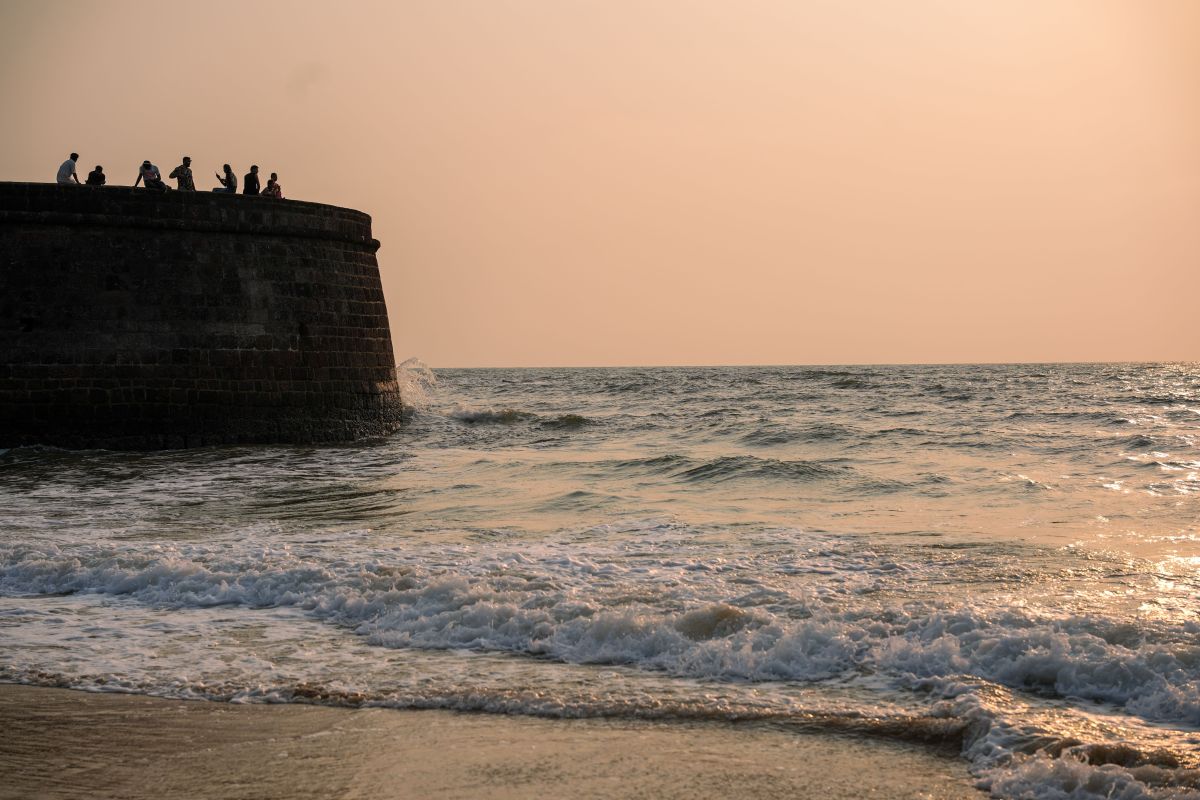
The boot is packed before the itinerary is. Boxes of barfi from the sweet shop near the office, a new saree still in its wrapper, a cricket bat for the nephew who has grown a foot since last year, and somewhere underneath it all, a sack of rice or a tin of masala the size only a Konkani grandmother could ask for. Multiple generations fold themselves into two cars, sometimes three, and the convoy pulls out before the sun is properly up. Nobody minds the early start. By the time the ghats give way to the first sight of red-tiled roofs and coconut palms leaning toward the sea, the city has already been forgotten.
This happens every year, at almost exactly the same time, to almost exactly the same families. It is not a holiday. It is a homecoming, and in Sindhudurg, it is close to a law of nature.
| Quick Answer Homecoming in Sindhudurg refers to the annual return of Konkani families, most of them settled in Mumbai and Pune for work, to their native villages for Ganeshotsav (Ganesh Chaturthi) and, to a smaller extent, Shimga (Holi). Roads and the Konkan Railway fill up in the days before the festival as multiple generations travel together to their ancestral homes, where the household deity is welcomed, the extended family reunites, and the village comes alive with folk art, feasting, and celebration that can last several days. |
Table of Contents-
The Season Everyone Waits For
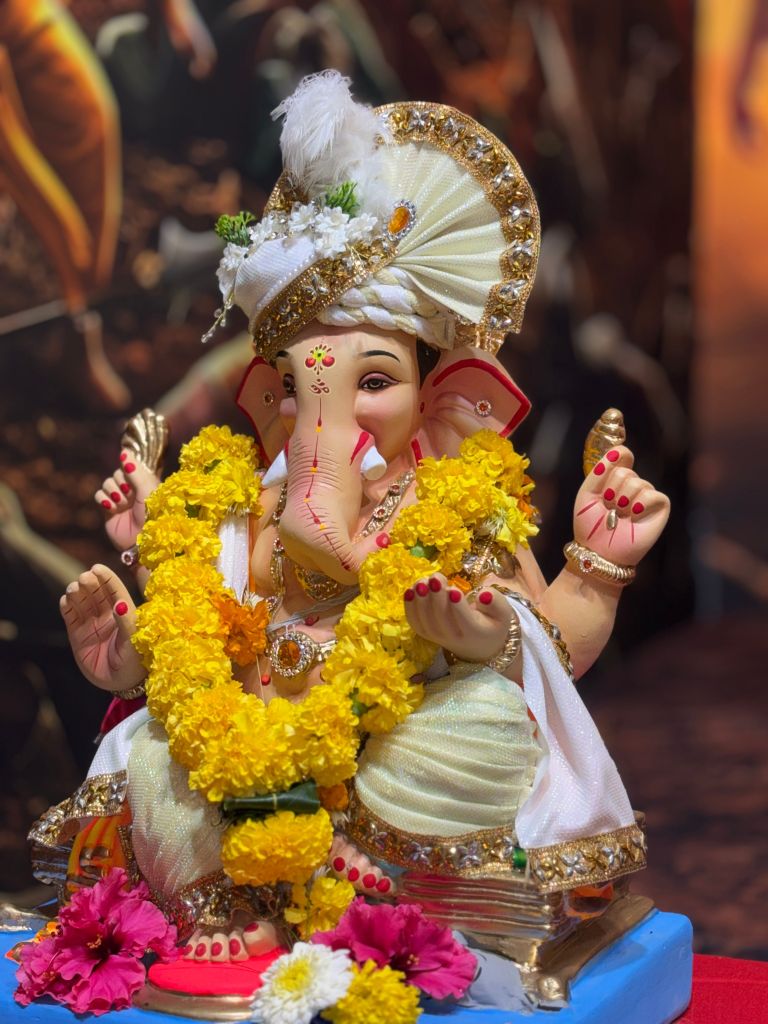
Ganeshotsav is the one date on the calendar nobody negotiates around. Weddings get rescheduled, leave gets planned a year in advance, and flights or train tickets are booked the moment they open, because for a Konkani family, missing Ganpati at the ancestral home is not really an option. In the villages of Sindhudurg, Ganpati has never been a festival reserved for the pious or the privileged. He arrives as everyone’s guest, in every household, across every caste and community, a folk god who belongs to fishermen and farmers as much as to anyone else.
Families who have not seen each other since the last Ganeshotsav catch up on porches and in courtyards. The cousin working in Pune compares notes with the uncle who never left the village. Someone always remembers exactly which house had the best modak recipe three generations ago, and the argument over whose grandmother made it better resurfaces, unresolved, every single year.
Why the Pull Never Fades
Ask anyone in Mumbai with a Marathi surname where they are “originally from,” and there is a good chance the answer is a village in the Konkan, quite possibly in Sindhudurg or its neighbouring district, Ratnagiri. Generations of Konkani families migrated to the city for work while keeping one foot firmly planted back home, and that arrangement has held for well over a century. It is common for a Konkani household in Mumbai to still maintain its ancestral home in the village, cared for by relatives who stayed behind, waiting for exactly this time of year.
At the centre of it all sits the Gramdaivat, the village deity, and the family’s own kul devta, the household god whose blessing is considered incomplete without the presence of everyone who belongs to that home, wherever they now live. This is what pulls people back with a consistency that no ordinary holiday could ever manage. It is less a choice than an obligation gladly kept, one that has quietly shaped migration patterns across the Konkan coast for generations, sending sons and daughters to the cities while leaving daughters-in-law, mothers, and grandparents to keep the home fires lit until everyone returns.

The Journey Back
For decades, the journey itself has been part of the ritual. Konkan Railway trains during Ganeshotsav season are a spectacle of their own, packed well beyond capacity, luggage piled high, everyone somehow in good spirits despite the crush. State transport buses run in fleets to match the demand. And for those who prefer their own vehicle, the drive down the Mumbai-Goa highway has become something of a rite of passage, everyone sharing snacks, songs, and the same small argument about who forgot to pack the phone charger.
Sindhudurg‘s newest option, a RoRo ferry connecting Mumbai directly to the coast, has quietly become part of this story too, giving families with young children or elderly parents a gentler way to make the same journey home. Whichever way people arrive, the destination and the reason are unchanged. They are converging on the same handful of villages, at the same time, for the same reason, and the coast knows it. Local shops stock up in advance. Idol makers begin work months before the season starts. Even the weather seems to cooperate, the worst of the monsoon usually easing just in time.

What Homecoming Looks Like
The moment Bappa arrives in the house, the rhythm of the village changes. Every home goes all out with decoration, flowers strung by hand, rangoli at the doorstep, a diya that stays lit through the night. On the third day, Gauri arrives too, and the women of the household take over, preparing the season’s specialities: steamed modaks, panchamrit, and dishes that only get made this one week of the year, from recipes never written down anywhere but passed from one pair of hands to the next.
In the evenings, the wadis, the small hamlets that make up a Konkan village, come alive with folk performances that exist nowhere else in quite the same form. Dashavatar troupes perform late into the night, their elaborate makeup and costume telling stories that predate most people’s grandparents. Local poetry gatherings and community theatre draw entire villages out of their homes. Temples that stand quiet for most of the year suddenly have queues at their doors. And on the final day, the visarjan procession winds down to the river or the sea, drums and voices carrying Bappa back to the water amid a crowd that includes every single person who made the journey home to be there.

| “The moment Bappa arrives in the house, the rhythm of the village changes.” |
When the Idea of Home Travels Even Further
The pull of a Sindhudurg village does not stop at the state border, or even the country’s. In 2018, Ireland’s then Prime Minister, Leo Varadkar, made a personal visit to Varad, the small village his father had left decades earlier, walking through streets his family had once called home and meeting relatives most of the world never knew he had. It was, in its own way, the same homecoming instinct that sends a software engineer from Bangalore or a shop owner in the Gulf back to Sindhudurg every Ganeshotsav, just carried a great deal further and covered rather more widely in the news. Konkani families who moved abroad generations ago, many of them now settled across the Gulf, still speak of “going home” to mean a particular lane in a particular village, long after that home stopped being where they actually live.
A New Way to Come Home
The tricky part of a homecoming this size is fitting everyone into a house that was built for a much smaller family. Ancestral homes were not designed with the idea that four cousins would eventually be scattered between Bangalore, Dubai, and Pune, each arriving with their own spouse, their own children, and their own timings. Some homes have been divided between branches of the family over the years. Others survive but simply cannot hold the numbers that show up every September. And for a growing number of young Konkanis, the ancestral home itself is gone, sold or lost to time, even as the pull to return to the region it stood in has not gone anywhere at all.
This is quietly changing what a Sindhudurg homecoming looks like for some families, without changing what it means. A private villa near the family village has become a practical answer for the cousin who wants to host everyone this year, or for the branch of the family whose own house can no longer take the load. It is not a replacement for the ancestral home, only the extra room that lets everyone still make it back. SaffronStays’ collection of homes across Sindhudurg exists for exactly this instinct, the one that sends people back to the Konkan every year, whether or not they still have a family roof of their own to return to.
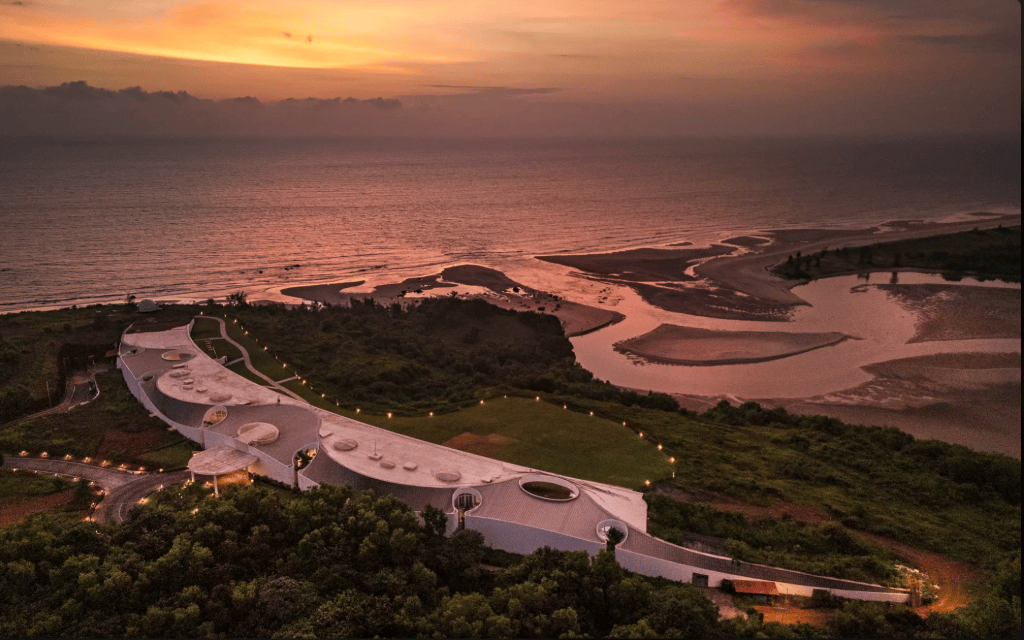
| Explore the SaffronStays Sindhudurg Collection From heritage homes to coastal villas, find a stay near your native village for this year’s homecoming. → View the Sindhudurg Collection |
Frequently Asked Questions
What is the homecoming tradition in Sindhudurg?
It refers to the annual return of Konkani families, most settled in cities like Mumbai and Pune, to their native villages in Sindhudurg for Ganeshotsav, when families travel back to celebrate with extended family at the ancestral home.
Why do so many Mumbai families go to Konkan for Ganpati?
A large share of Mumbai’s Marathi population traces its roots to the Konkan coast, including Sindhudurg and Ratnagiri districts. Families that migrated to the city for work traditionally kept their ancestral homes in the village, and Ganeshotsav is the time of year almost everyone returns to honour the family deity together.
When is Ganeshotsav in Sindhudurg celebrated?
Ganeshotsav follows the Hindu lunar calendar and typically falls in August or September each year, usually lasting between one and eleven days depending on the family and village tradition.
How do people usually travel to Sindhudurg for the festival?
Families travel by road via the Mumbai-Goa highway, by the Konkan Railway, or increasingly by the RoRo ferry service connecting Mumbai to Sindhudurg, which has shortened the journey considerably for those travelling with children or elderly relatives.
What is Gramdaivat and why does it matter for homecoming?
Gramdaivat is the village’s guardian deity, and in Konkani tradition, important family occasions are considered incomplete without the presence of everyone who belongs to that village, wherever they now live. It is one of the strongest reasons families return to Sindhudurg for Ganeshotsav each year.
What can visitors expect during Ganeshotsav in a Sindhudurg village?
Expect decorated homes, community folk performances like Dashavatar, temple visits, large family gatherings, and a visarjan procession on the final day. It is one of the most immersive times of year to experience Konkan village life firsthand.
Can I stay in a private villa in Sindhudurg during Ganeshotsav?
Yes. SaffronStays offers a collection of private villas across Sindhudurg, including homes near Malvan, Vengurla, and Tarkarli, suited to families visiting for the festival season or hosting relatives when the ancestral home cannot accommodate everyone.