
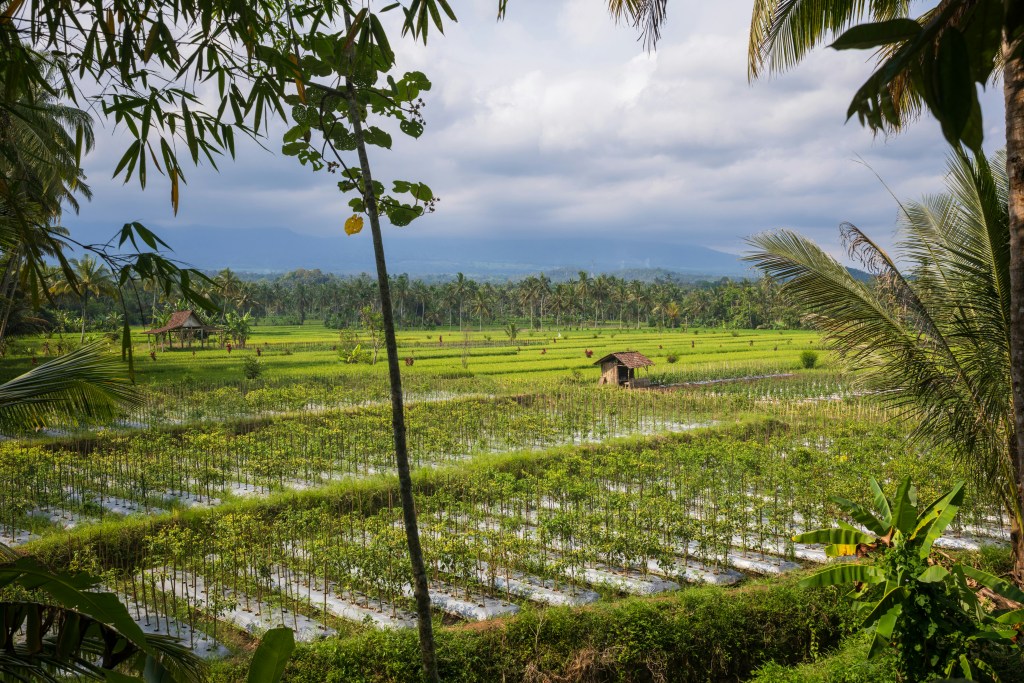
By the second week of August, the Mandovi has forgotten what it looked like in April. The river runs wider and faster, the colour of strong tea, and every bridge across it turns into an accidental viewpoint for drivers who never meant to stop. This is the version of Goa that exists for exactly one season, and vanishes the moment the rain stops for good.
The paddy fields have turned a shade of green that doesn’t photograph the same way twice. The Arabian Sea, usually flat and obliging, is loud and grey and moving with real intent. This is Goa mid-monsoon, and it rewards a completely different kind of attention than the one most visitors bring.
August sits in the second half of Goa‘s southwest monsoon, which typically runs June to September. Regional rainfall data puts the month somewhere in the range of 550 to 650mm, spread across roughly 12 to 13 rainy days, meaning the rain arrives in spells rather than as a single grey curtain over the whole month. Between those spells, the light does something dramatic: clouds break, the hills go gold at the edges, and the humidity that makes July feel heavy has already started to ease.
| August isn’t the season Goa performs for visitors. It’s the season Goa keeps for itself, and lets you in on it if you’re willing to slow down. |
A Landscape That Looks Like Nowhere Else It Has Been
Forget the images most people carry of crowded sand and busy shacks. The first thing that changes in August is colour. Coconut palms sway under dramatic grey skies. Hills disappear behind drifting mist before re-emerging once the rain passes. Laterite walls run slick and dark, wildflowers crowd the roadside, and every stretch of road looks freshly washed because, most days, it has been.
Swimming is generally discouraged this time of year, and most beach shacks operate on a reduced, unpredictable schedule, since the sea turns rough enough to make water sports unsafe. That trade-off is worth naming honestly rather than glossing over: this isn’t the month for long days on the sand. What it offers instead are long walks along quieter shorelines like Agonda, Palolem, Cola, and the trek-in Butterfly Beach in the south, all of which lose most of their winter crowds and gain a kind of drama that only rough weather brings. The point of an August beach walk in Goa was never the swim. It’s the sea putting on its most honest performance of the year.
The Rivers Take Over
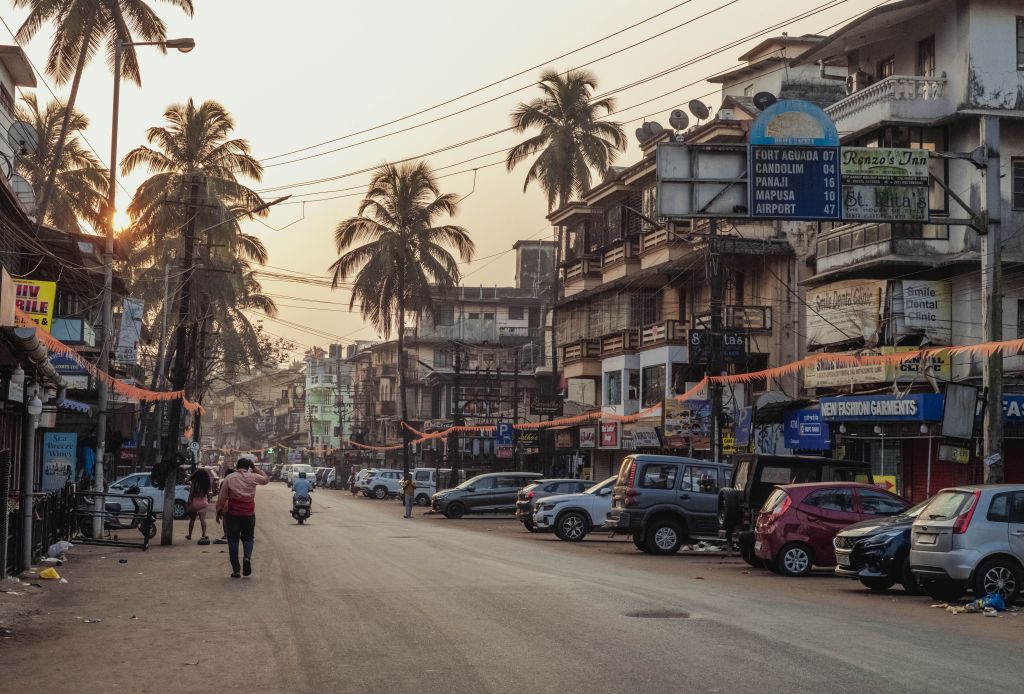
For most of the year, Goa‘s identity is written along its coastline. In August, that identity shifts inland to its rivers. The Mandovi, Zuari, Chapora, Sal, and Nerul all swell with fresh rainwater, and the landscapes around them turn as beautiful, in their own register, as anything on the coast.
Riverbanks turn a deeper green. Mangroves thicken. Estuaries fill with birdlife that spends the drier months elsewhere. Cruising the Mandovi at sunset or catching the Zuari from Cortalim reveals water that looks nothing like the placid version tourists see in December.
Most visitors never see this side of the state, because most itineraries are built around the beach. But some of Goa’s most memorable drives follow its rivers rather than its shoreline. Watching fishing boats move through the backwaters near Chorao or Divar, or simply crossing the Mandovi at sunset, reveals a version of Goa that runs on water rather than sand. In August, the state feels connected by rivers first and roads second.
Dudhsagar, and the Honest Version of Visiting It
No monsoon conversation about Goa avoids Dudhsagar Falls for long, and for good reason. At full flow, the four-tiered, roughly 310-metre falls on the Goa-Karnataka border are one of the most dramatic sights in the Western Ghats, milky white water crashing past a railway viaduct that trains still cross mid-fall.
| WORTH KNOWING BEFORE YOU PLAN AROUND IT The jeep safari from Collem, the usual way to reach the base of the falls, is suspended by the Goa Forest Department through the monsoon months because the river crossings on the route become unsafe. The railway-track walk from Castle Rock is separately and permanently banned by the Railway Protection Force; it runs through an active line with narrow tunnels and no space to clear a train. Neither route is a reasonable monsoon plan, regardless of what a driver or a reel suggests. The dependable way to see Dudhsagar in August is from the train itself, on the Vasco da Gama–Castle Rock line, which slows as it crosses the viaduct directly beside the falls. Ground access through jeep safari typically resumes once the Forest Department reopens the route after the rains, usually in October. |
More Places to Visit in Goa During the Monsoon
Dudhsagar draws the most attention, but it’s far from the only waterfall worth planning around, and several of the others come without its access complications.
In North Goa, Harvalem Falls, also called Arvalem Falls, drops around ten to fifteen metres into a pool near Sanquelim and stays open and accessible right through the monsoon, no forest permits or jeep bookings required. The adjoining Arvalem Caves and the Rudreshwar Temple turn it into a half-day stop rather than a single photo opportunity, and it sits close enough to Panaji to work as an easy detour rather than a dedicated trip.
In South Goa‘s Sanguem taluka, the twelfth-century Tambdi Surla Mahadeva Temple, the oldest surviving structure in the state, sits inside the Bhagwan Mahaveer Sanctuary with a monsoon-fed waterfall a short walk beyond it. The drive out through Chorla Ghat, along the Goa-Karnataka border, passes its own waterfalls at Sada and Mangeli and is one of the more rewarding stretches of road in the state precisely because so few visitors bother with it in the rain.
For the days when the rain simply doesn’t let up, Old Goa’s churches, including the Basilica of Bom Jesus and the Se Cathedral, remain one of the few properly good indoor options in the state: covered, culturally substantial, and close enough to Panaji to fit around a washed-out afternoon without losing the day.
Villages Follow Their Own Calendar
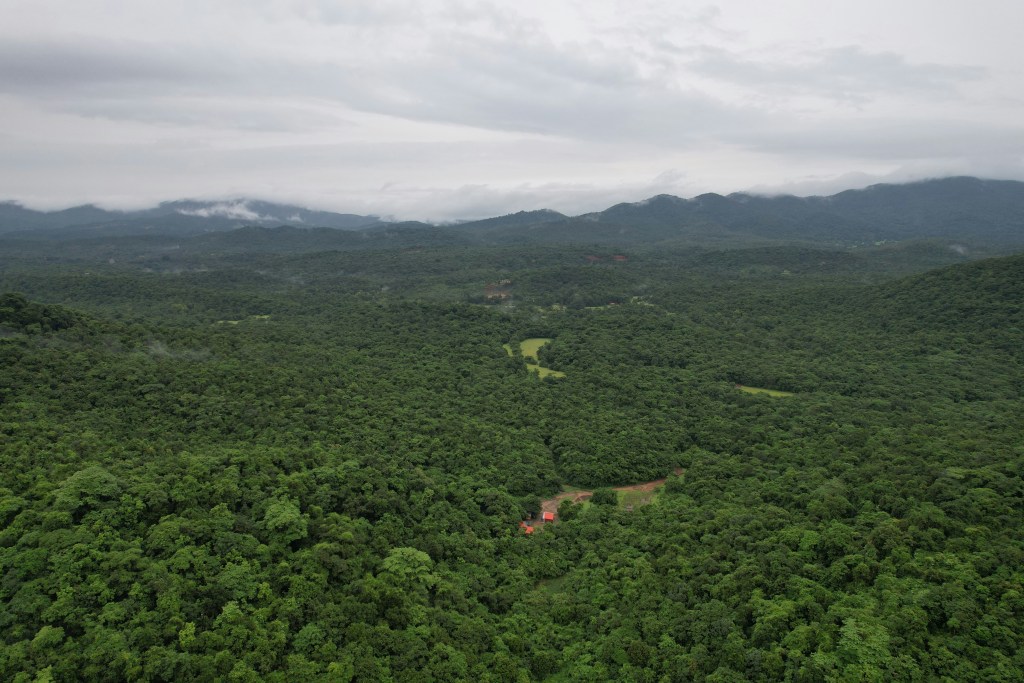
Away from the coast, Goa continues to move to the rhythm of the season regardless of who’s visiting. Monsoon is when fields are cultivated, village markets fill with fresh produce, and communities gather for celebrations that have nothing to do with the tourist calendar.
The clearest expression of this is Bonderam, held on Divar Island and known locally as the flag festival. In 2026, the main Piedade Bonderam falls on Saturday, August 22, following the tradition of the fourth Saturday of the month. The island is reachable only by ferry, from Old Goa, Ribandar, or Naroa, and the short crossing over the Mandovi is, by most accounts, one of the best festival entrances anywhere in the state. Once ashore, expect flag-bearing processions, competing floats built by the island’s wards, brass bands, and a crowd that’s overwhelmingly local, since Bonderam has stayed a village celebration rather than becoming a curated tourist event.
Drive through the countryside in the weeks around it and roadside stalls sell seasonal fruit, freshly harvested vegetables, and homemade pickles. Life moves at a gentler pace than the coast suggests. Travellers who stop more often, talk to shopkeepers, or linger over long lunches in heritage homes tend to leave with a very different sense of Goa than the one they arrived with.

Why Private Villas Feel Different in the Rain
The way people travel has changed, and the monsoon makes the shift especially visible. More travellers are choosing stays that offer privacy and flexibility over a fixed hotel schedule, and rain is precisely the condition that rewards that choice.
Waking up to rain against the windows instead of hallway conversations outside a hotel room changes the pace of a whole trip. Breakfast stretches into late morning as clouds roll over the garden. Afternoons are spent reading on a covered verandah or playing games with family, without needing to plan around anyone else’s timetable. By evening, the rain becomes the backdrop for a slow dinner or a film, rather than an inconvenience to work around.
This is why private homes have become an increasingly popular way to spend a monsoon stretch in Goa. The destination stays the same. What changes is how personal the experience feels, whether the trip is with family, friends, or as a couple, since a private villa hands back the time that a hotel itinerary usually claims.
North Goa or South Goa in the Monsoon
Where to base a monsoon trip depends on the kind of holiday being planned. Both halves of the state change character in the rain, just in different directions.
| North Goa | South Goa | |
| Character in August | Cafes, boutiques, and heritage lanes with a quieter, slower pace than winter | Open landscapes, riverfronts, and long uncrowded coastline |
| Best for | Travellers who want easy access to Assagao, Vagator, and Anjuna without winter’s crowds | Travellers seeking nature, privacy, and slower days |
| Signature monsoon experience | Rain-quiet streets and café culture | Estuaries, forests, and beach walks along Agonda and Cola |
Whichever side of the state a trip is built around, August reveals a version of Goa that feels considerably more authentic than the one most first-time visitors expect.
A Three-Day August Itinerary
Day one: arrive and settle into a private villa. Spend the afternoon unwinding over local Goan cuisine, then let the evening slow down watching the rain from a covered sit-out.
Day two: explore nearby villages, heritage homes, or riverside roads. Stop at local cafes, browse artisan stores, and take in the monsoon scenery at whatever pace the weather sets. Return for a barbecue or a quiet indoor dinner.
Day three: wake up slowly. Breakfast overlooking the garden or pool, a final walk along a quiet beach, and a drive home that feels longer in memory than it did on the odometer.
The best August itineraries in Goa tend to leave room for doing very little. That’s not a compromise. It’s the entire point of the season.
Experience Goa Differently with SaffronStays
Goa’s monsoon rewards travellers who move at their own pace rather than a checklist. Rather than shifting between hotels or filling every hour with sightseeing, staying in a private home makes it easier to settle into the rhythm the season actually asks for.
SaffronStays’ collection of private villas across North and South Goa is built around exactly this kind of stay: spacious living areas, private pools, covered verandahs made for watching rain roll in, and gardens that turn a deeper green with every shower. Some homes sit tucked away in quiet villages; others are close to rivers or uncrowded beaches. Each offers a different way into a state most visitors only ever meet in one season.
| Spend August in Goa the Way Locals Actually Experience It Explore SaffronStays’ private villas across North and South Goa, built for the monsoon, not just the winter season. |
Frequently Asked Questions
Is Goa good to visit in August?
Yes. August sits at the tail end of Goa‘s monsoon and offers lush green landscapes, full rivers, quieter beaches, and local festivals such as Bonderam. Rain is frequent but not constant, and it’s a fundamentally different experience from Goa’s winter season rather than a lesser one.
Does it rain every day in Goa in August?
No. Goa typically sees around 12 to 13 rainy days in August, with rainfall arriving in spells rather than continuously. Many days alternate between rain, overcast skies, and clear sunshine.
Are Goa beaches open in August?
Beaches remain open for walking and sightseeing, but swimming and most water sports are generally restricted because of rough monsoon seas. Some shacks operate on a reduced schedule.
Is Dudhsagar Falls open in August?
The falls themselves flow year-round and are at their most dramatic in August, but the jeep safari from Collem is suspended by the Goa Forest Department through the monsoon, and the railway-track walk is permanently banned. The safest way to see Dudhsagar in August is from the Vasco da Gama–Castle Rock train, which passes directly beside the falls.
What are the best places to visit in Goa in August?
Beyond Dudhsagar, Harvalem (Arvalem) Falls near Sanquelim stays open and accessible through the monsoon with no permits required. Tambdi Surla Temple and the Chorla Ghat drive offer a quieter, forested side of South Goa, and the churches of Old Goa, including the Basilica of Bom Jesus, make a good indoor option on the wettest days.
What festivals happen in Goa in August?
The main festival is Bonderam, held on Divar Island. In 2026, the primary Piedade Bonderam falls on Saturday, August 22, following the tradition of the fourth Saturday of the month. The island is reached by ferry from Old Goa, Ribandar, or Naroa.
When is Bonderam festival in 2026?
The main Piedade Bonderam on Divar Island falls on Saturday, August 22, 2026, following the tradition of the fourth Saturday of the month. The island is reached by ferry from Old Goa, Ribandar, or Naroa.
Why choose a private villa in Goa during monsoon?
Private villas offer covered outdoor spaces, flexible dining, and more room than a hotel, which suits monsoon travel especially well, since plans often need to shift around the weather rather than a fixed schedule.
Should I visit North Goa or South Goa in August?
North Goa suits travellers who want cafe culture and heritage lanes at a quieter pace than winter. South Goa suits travellers looking for open landscapes, rivers, and uncrowded beaches.