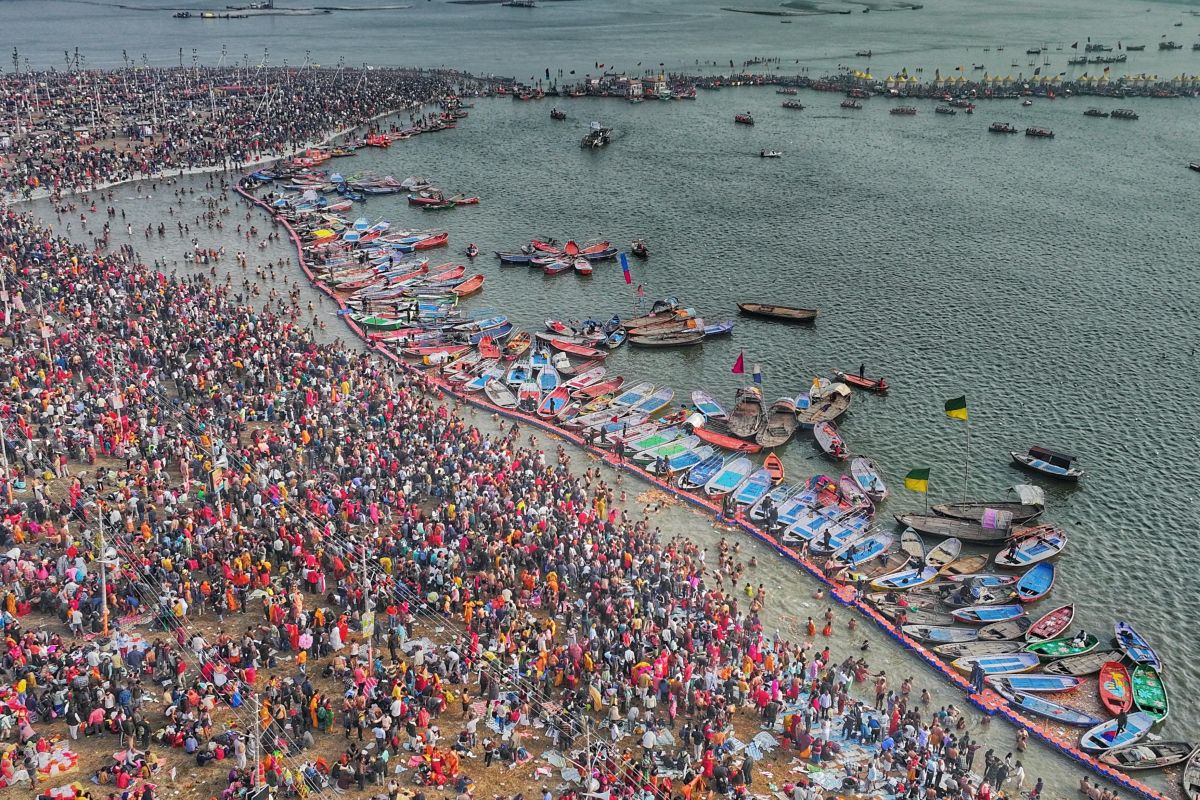
QUICK ANSWER
| The Nashik Kumbh Mela flag hoisting, known as the Dhwajarohan, takes place on Saturday, October 31, 2026 at Ramkund in Nashik and Kushavarta Tirtha in Trimbakeshwar. It formally opens the Nashik-Trimbakeshwar Simhastha Kumbh Mela, which continues until July 24, 2028. President Droupadi Murmu has been invited to the ceremony, and her attendance is yet to be officially confirmed. The principal Amrit Snan dates are August 2, August 31, September 11 (Nashik) and September 12, 2027 (Trimbakeshwar). |
Some journeys are planned for years before anyone books a ticket. The Kumbh is one of them. In homes across Maharashtra, Gujarat and Madhya Pradesh it lives as a promise made over family dinners, that when the time comes, everyone goes together. The grandparents, the grandchildren and the cousins who fly in from abroad. In Nashik, that time is about to begin.
Around midday on Saturday, October 31, 2026, ceremonial flags rise over the Godavari at Ramkund and at Kushavarta Tirtha in Trimbakeshwar. The Dhwajarohan formally opens the Nashik-Trimbakeshwar Simhastha Kumbh Mela, a gathering that returns once in twelve years, and sets in motion a sacred calendar that will unfold until July 2028.
This guide covers what the flag hoisting signifies, how the day unfolds, the dates that follow and how to experience it well as a family.
Table of Contents-
What Is the Dhwajarohan at the Nashik Kumbh Mela?
Dhwajarohan is the ceremonial hoisting of the flag. In the Kumbh tradition it marks the moment the mela formally begins, just as a flag-lowering ceremony marks its close. The akhada processions, the discourses and the great bathing days all unfold beneath that flag.
The Nashik Kumbh is known as the Simhastha because it follows the passage of Jupiter into Simha, the sign of Leo. The Kumbh moves between four river cities, Prayagraj, Haridwar, Ujjain and Nashik, returning to each roughly once in twelve years. Nashik last hosted it in 2015.
Why the Nashik Kumbh Is Held in Two Places
The Nashik Kumbh is distinctive in being shared between two sacred sites. High in the Brahmagiri hills above Trimbakeshwar, the Godavari begins its long journey east. Here, beside one of the twelve Jyotirlingas, Kushavarta Tirtha is revered as the river’s ritual source. Downstream in Panchavati lies Ramkund, where Lord Ram is believed to have bathed during his years of exile.
Until 1789 the mela belonged to Trimbak alone. That year, after a dispute between Shaiva sanyasis and Vaishnava bairagis over the order of bathing, the Peshwa moved the Vaishnava bathing to Ramkund. The arrangement endures. Shaiva akhadas bathe at Kushavarta and Vaishnava akhadas at Ramkund, and so the flag rises at both on the same day.

What Happens at the Nashik Kumbh Flag Hoisting on October 31
The Nashik-Trimbakeshwar Kumbh Mela Authority has shaped the opening as a day in two movements, a solemn ceremony at midday and an evening of light on the river.
Midday, the flags rise. At Ramkund and Kushavarta Tirtha the flags go up together, with the ceremony reported for 12:02 pm. Sadhus and mahants of the akhadas stand alongside religious leaders and state officials, and the sound of shankhanad, the ritual blowing of conch shells, carries across both ghats.
Dignitaries in attendance. A Maharashtra delegation led by Chief Minister Devendra Fadnavis has invited President Droupadi Murmu to the ceremony. State leaders have indicated she may attend, though her presence is yet to be officially confirmed. The Kumbh Mela Authority’s official website, the Kumbh anthem, a commemorative postage stamp and a coffee-table book are also expected to be unveiled around the opening.
Dusk, the Godavari Aarti. As the light fades, around 6,500 members of tribal communities from across Nashik district are expected to gather at Ramkund for a collective Ganga-Godavari Aarti. They come from some 650 villages in seven talukas, and the organisers hope to set a world record. The riverfront from Ahilyabai Holkar Bridge to the Ramkund precincts is proposed to be reserved for the occasion.
Evening, lamps on the water. Deep Prajwalan, illumination and devotional performances are planned along the riverfront, at Kushavarta and at Neel Parvat near Trimbakeshwar.

The flag rises where the Ramayana still lingers on the riverbank, and Nashik begins a sacred season that will last almost two years.
Nashik Kumbh Mela 2027 Dates: The Full Simhastha Calendar
The flag hoisting opens a sacred calendar of close to 21 months. Its heart lies in August and September 2027, when the Amrit Snan days bring the akhadas to the water in procession. Amrit Snan is the new official name for the ritual earlier known as the Shahi Snan, the royal bath.
| Date | Day | Event | Where |
| October 31, 2026 | Saturday | Dhwajarohan (flag hoisting), formal opening | Ramkund and Kushavarta Tirtha |
| July 29, 2027 | Thursday | Nagar Pradakshina | Nashik |
| August 2, 2027 | Monday | First Amrit Snan | Nashik and Trimbakeshwar |
| August 31, 2027 | Tuesday | Second Amrit Snan | Nashik and Trimbakeshwar |
| September 11, 2027 | Saturday | Third Amrit Snan | Ramkund, Nashik |
| September 12, 2027 | Sunday | Third Amrit Snan | Kushavarta, Trimbakeshwar |
| July 24, 2028 | Monday | Flag lowering, formal close | Ramkund and Kushavarta Tirtha |
Dates as announced by the Government of Maharashtra. Confirm closer to the time on official Kumbh Mela Authority channels.
The calendar offers two quite different ways to experience the Kumbh. The opening weekend and the months that follow carry the atmosphere of the mela at an unhurried pace, with room for darshan, the old city and long lunches by the lake. The Amrit Snan days bring the full grandeur of the processions, with crowds to match. For those weeks, families who reserve early travel with far greater ease.
Planning Your Visit for the Flag Hoisting Weekend
With October 31 falling on a Saturday, the opening makes an easy weekend from Mumbai, Thane and Pune, and an unhurried two or three night journey from Surat, Vadodara, Ahmedabad or Indore.
Nashik is well connected by road to Mumbai via the Mumbai-Agra highway and the Samruddhi Expressway, and to Pune via the Pune-Nashik highway. From Gujarat, the scenic route climbs through the Saputara ghats. Nashik Road railway station lies on the principal lines from Mumbai, and the airport at Ozar offers domestic connections, with Mumbai and Pune as the larger gateways.
KNOW BEFORE YOU GO
| Arrive the evening before– Reaching Nashik on Friday leaves the morning of the 31st calm and unhurried. Allow for VIP movement– With dignitaries expected, plan for security checks, diversions and restricted zones around Panchavati and Trimbakeshwar. Keep the evening in reserve– The aarti at Ramkund is the most moving hour of the day. Settle into a viewing spot early. Stay close as a family– Agree on a meeting point before entering the crowd, and keep elders and children within reach. Dress for ghats and temples– Choose footwear that slips off easily, carry water and bring a light shawl for the cool of the evening. Check the latest advisories– Work continues along the ghats and programme details may change. Follow the Kumbh Mela Authority and Nashik police updates the day before. |
Beyond the Ghats: Nashik in Early November
Early November is among the most gracious times to be in Nashik. The monsoon has passed, the hills still hold their green and the evenings carry a gentle chill.
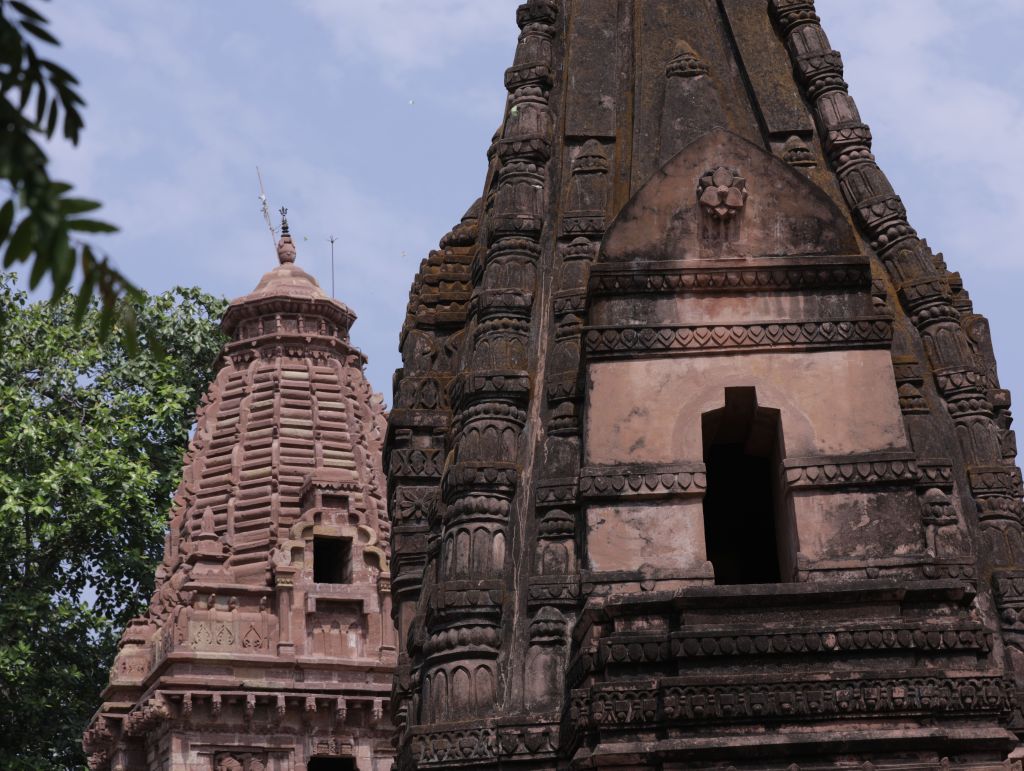
Panchavati. Linger in the old quarter around Ramkund. The black-stone Kalaram Temple, Sita Gufa and Tapovan each hold a chapter of the Ramayana, and each rewards an unhurried hour.
Trimbakeshwar. Give the Jyotirlinga a morning of its own. Darshan queues lengthen through the weekend, so an early start is wise. The Brahmagiri hills rise behind the temple, and Kushavarta, where the flag is raised, sits quietly among the lanes of the old town.
Gangapur and the vineyards. Nashik is also India’s wine country. To the west of the city the Gangapur Dam backwaters open out among vineyards and orchards, and the pace softens. After a day of crowds and chanting at the river, this side of Nashik offers a quiet place to return to.
For a deeper reading of the temple circuit, explore our guide to Trimbakeshwar and Panchavati.
Where to Stay in Nashik for the Kumbh Mela
A pilgrimage of this scale is usually a family undertaking, often three generations travelling as one. The stay must hold all of them gracefully. A quiet room and an early supper for the elders, open water and space for the children, a shared table for everyone in between. A private villa offers exactly that, with its own kitchen, its own staff and its own rhythm.
At Gangapur Dam, SaffronStays offers two lakeside homes shaped for gatherings like these. Both are part of the SaffronStays X-Series, and both serve vegetarian and Jain meals, a consideration that matters on a pilgrimage.
SaffronStays Grevayu, Gangapur Dam
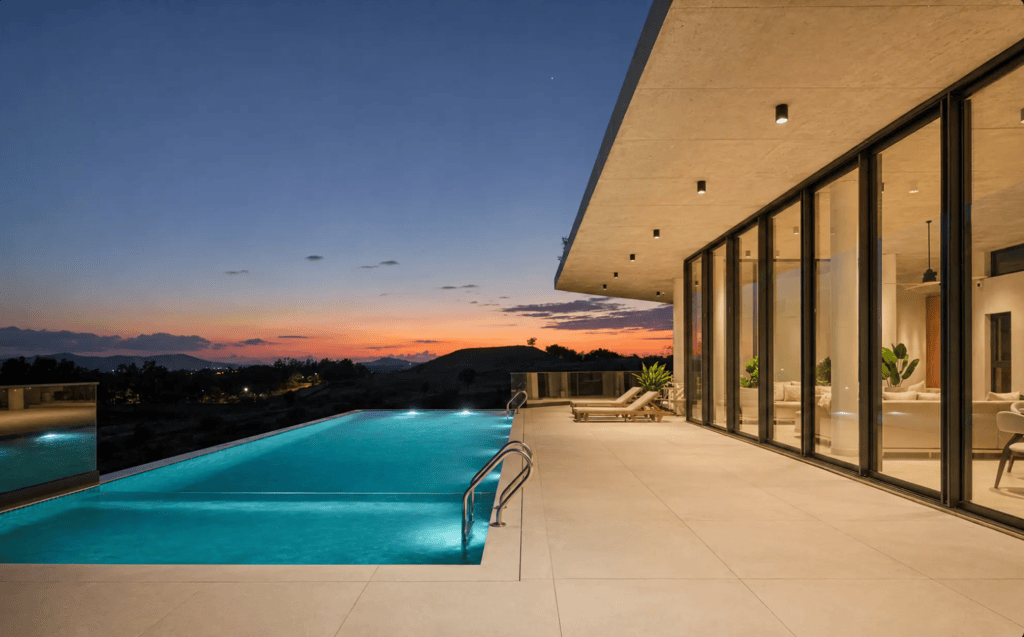
Grevayu crowns a hilltop above Gangapur Dam, framed by its own vineyards and mango orchards. The six-bedroom home carries a Scandinavian-inspired design, and its infinity pool looks directly over the water, with a jacuzzi alongside.
Return from the ghats to a private clay tennis court, a pickleball court and an indoor games room. Mornings belong to yoga on the lawns, breakfast by the pool at sunrise and a slow cycle through the orchards. The kitchen prepares home-style vegetarian and non-vegetarian cuisine, and Jain meals can be arranged when requested ahead of arrival.
Best for: families and friends of 12 to 20 guests who enjoy an active stay. View SaffronStays Grevayu
SaffronStays Anndaz Riviera, Gangapur Dam
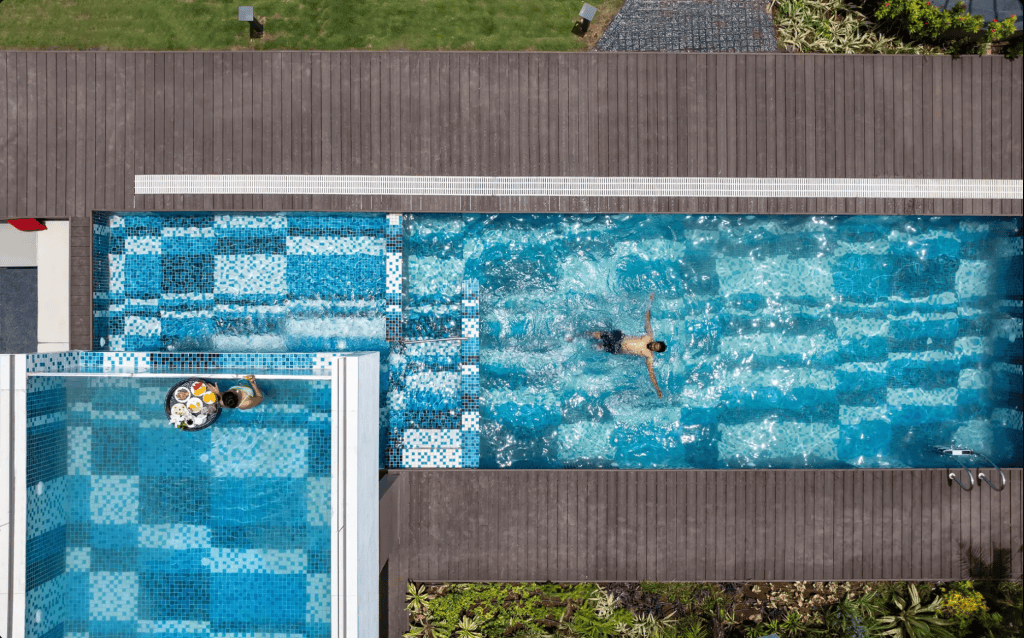
Anndaz Riviera rests on the lakefront close to Sula Vineyards, a seven-bedroom home made for larger gatherings. Two pools fall in tiers towards the lake and end in an infinity edge, and the rooftop deck is where evenings are spent watching the light change over the water.
Elders can settle by the koi pond or in the open-air amphitheatre while the children claim the play zone and the private pickleball court. The home is senior-friendly and welcomes pets, so the entire household travels together. Vegetarian and Jain meals are prepared on request.
Best for: extended families of 14 to 21 guests travelling with grandparents or pets. View SaffronStays Anndaz Riviera
AT A GLANCE
| SaffronStays Grevayu | SaffronStays Anndaz Riviera | |
| Bedrooms | 6 | 7 |
| Guests | 12 to 20 | 14 to 21 |
| Setting | Hilltop above the lake, private vineyards | Lakefront, close to Sula Vineyards |
| Pools | Infinity pool and jacuzzi | Two tiered pools with an infinity edge |
| Leisure | Clay tennis, pickleball, indoor games, orchard cycling | Pickleball, children’s play zone, amphitheatre, koi pond |
| Dining | Vegetarian, non-vegetarian and Jain on request | Vegetarian and Jain on request |
| Ideal for | Active families and friend groups | Multi-generational families, guests with pets |
The flag rises on October 31. The great bathing days arrive next August. Between them lie nearly two years of the Simhastha, and the families who plan early will experience it entirely on their own terms.
| Experience the Simhastha together Two lakeside homes at Gangapur Dam, with room for three generations and a kitchen that cooks the way your family eats. Explore villas in Nashik |
Nashik Kumbh Mela Flag Hoisting: Frequently Asked Questions
When is the Nashik Kumbh Mela flag hoisting?
The flag hoisting is on Saturday, October 31, 2026. The flags rise together at Ramkund in Nashik and Kushavarta Tirtha in Trimbakeshwar, with the ceremony reported for 12:02 pm. A Godavari Aarti at Ramkund follows in the evening.
What is Dhwajarohan in Kumbh Mela?
Dhwajarohan is the ceremonial hoisting of the flag that formally opens a Kumbh Mela. A flag-lowering ceremony at the end of the festival period marks its close.
When does Nashik Kumbh Mela 2027 start and end?
The Nashik-Trimbakeshwar Simhastha Kumbh Mela opens with the flag hoisting on October 31, 2026 and closes with the lowering of the flags on July 24, 2028. The principal bathing days fall in August and September 2027.
What are the Amrit Snan dates for Nashik Kumbh Mela 2027?
The announced Amrit Snan dates are August 2, 2027, August 31, 2027, September 11, 2027 in Nashik and September 12, 2027 in Trimbakeshwar. Amrit Snan is the new official name for the Shahi Snan.
Why is the Nashik Kumbh called Simhastha?
The Nashik Kumbh is held when Jupiter enters Simha, the sign of Leo. That alignment gives the festival its name and returns roughly once in twelve years.
Is the President attending the Nashik Kumbh flag hoisting?
President Droupadi Murmu has been invited. A Maharashtra delegation led by Chief Minister Devendra Fadnavis extended the invitation in October 2026, and state leaders have indicated she may attend. Her presence is yet to be officially confirmed, so check the Kumbh Mela Authority’s updates closer to the day.
Can devotees attend the Nashik Kumbh flag hoisting ceremony?
Devotees gather along the ghats at Ramkund and Kushavarta on the opening day. With dignitaries expected, plan for security checks and restricted zones near the main stage, and follow the Kumbh Mela Authority’s advisories before setting out.
Where to stay in Nashik for Kumbh Mela with family?
Families travelling together often choose a private villa with its own kitchen and space for elders and children. SaffronStays Grevayu and SaffronStays Anndaz Riviera at Gangapur Dam host groups of 12 to 21 guests and serve vegetarian and Jain meals.